


Canonization Miracle for St. Teresa of Calcutta
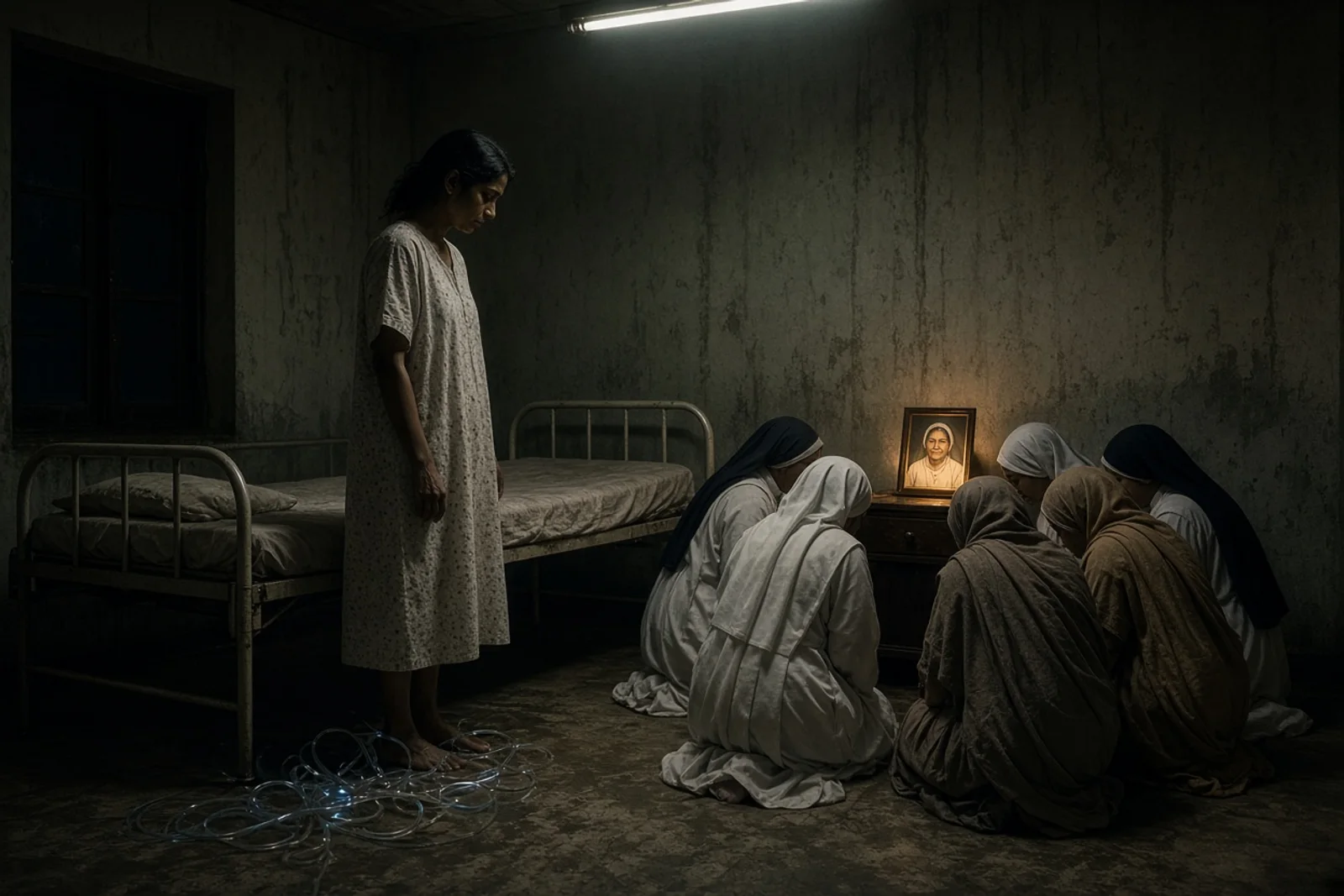
The room held the smell of boiled rice and old cotton. I stood at the foot of the cot with a basin of water while Sister Bartholomea lifted Monica Besra onto her side. The woman’s knees stayed drawn to her chest. Every breath came short, as if the air itself pressed against the swelling below her navel. She had arrived three days earlier from the district hospital, sent home with a paper that said tuberculosis treatment and a note about an ovarian mass. The sisters kept the paper folded inside a tin box on the shelf.
Outside the window the mango tree dropped leaves onto the tin roof. Inside, the only sound was the scrape of the cot legs when Monica tried to shift. She could not straighten. She kept one hand pressed against the right side of her belly and the other gripping the edge of the mattress. Sister Ann Sevika brought a cup of weak tea and set it on the floor because Monica could not sit up to take it.

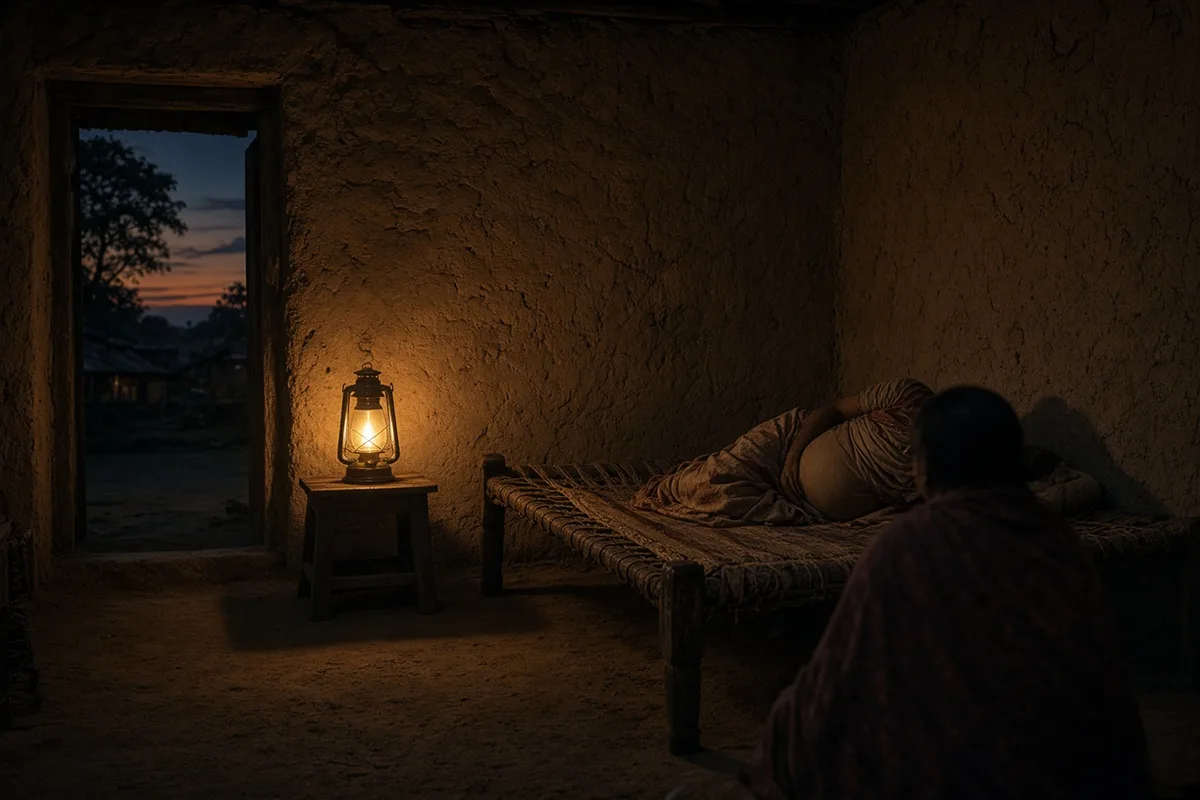
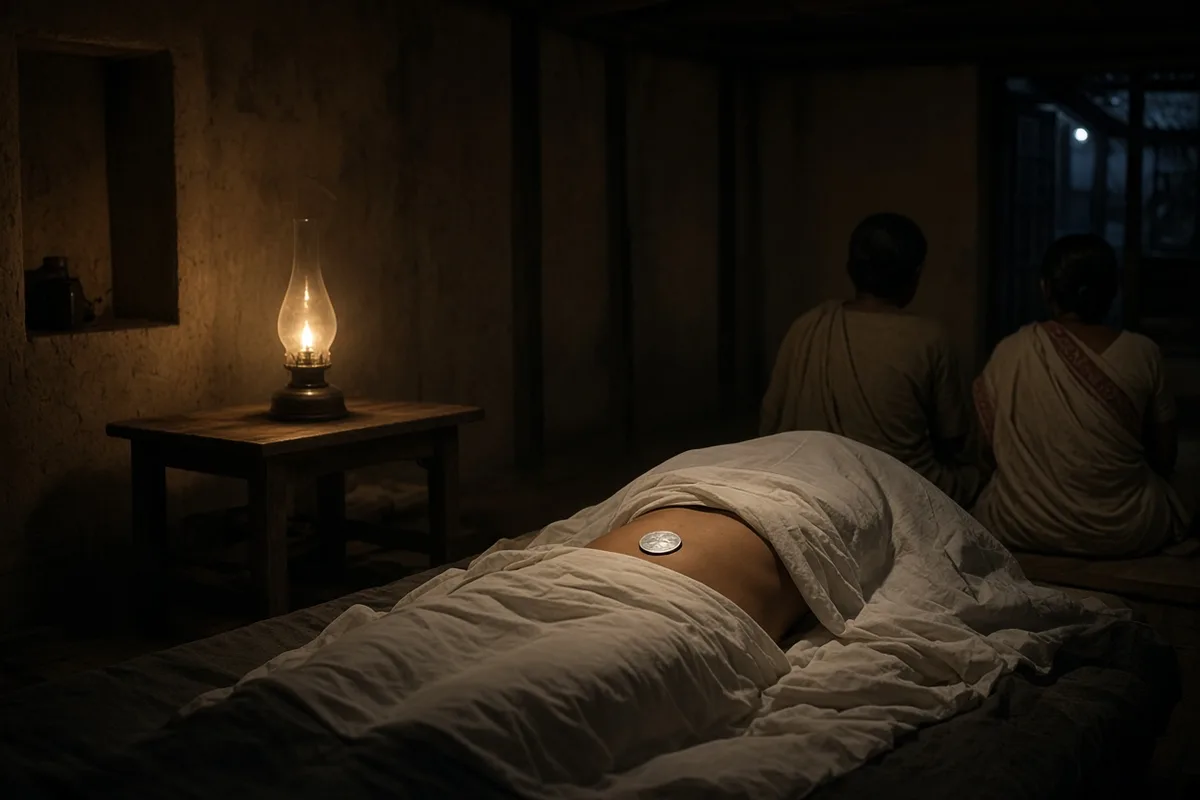
On the fifth morning Sister Bartholomea came in carrying a small oval medal on a black thread. She had taken it from the frame that held Mother Teresa’s photograph on the opposite wall. She washed the medal with the same water we used for the patients, then dried it on the hem of her sari. Monica watched without speaking. The sister placed the medal flat against the skin just above the waistband of the cotton petticoat and tied the thread twice so it would not slip. She said nothing about what would happen next. She only told Monica to rest as best she could.
That night the woman slept on her back for the first time since she had come. By the third morning the swelling had flattened enough that the thread lay loose against her skin. Monica stood at the doorway and walked the length of the veranda without holding the wall. She asked for rice and ate it sitting on a low stool. The sisters collected the thread and the medal and put them back in the tin box. No one wrote anything down that day.
Word reached the Missionaries of Charity house in Kolkata within the week. A priest came to Patiram and asked Monica to repeat what she remembered. She spoke in Santhali and the priest wrote in Bengali. He read the page back to her and she nodded. The page went into an envelope with the medal and was carried to the diocesan office. Thirty-four thousand other pages already waited there.
Months later the same priest returned with two doctors from Siliguri. They examined Monica in the same room where the cot had stood. They asked her to describe the pain before and after the thread was tied. She answered that the pain had left on the third day and had not returned. The doctors wrote their own notes and took them away. They did not say whether the notes agreed with the hospital records from Balurghat or from North Bengal Medical College.
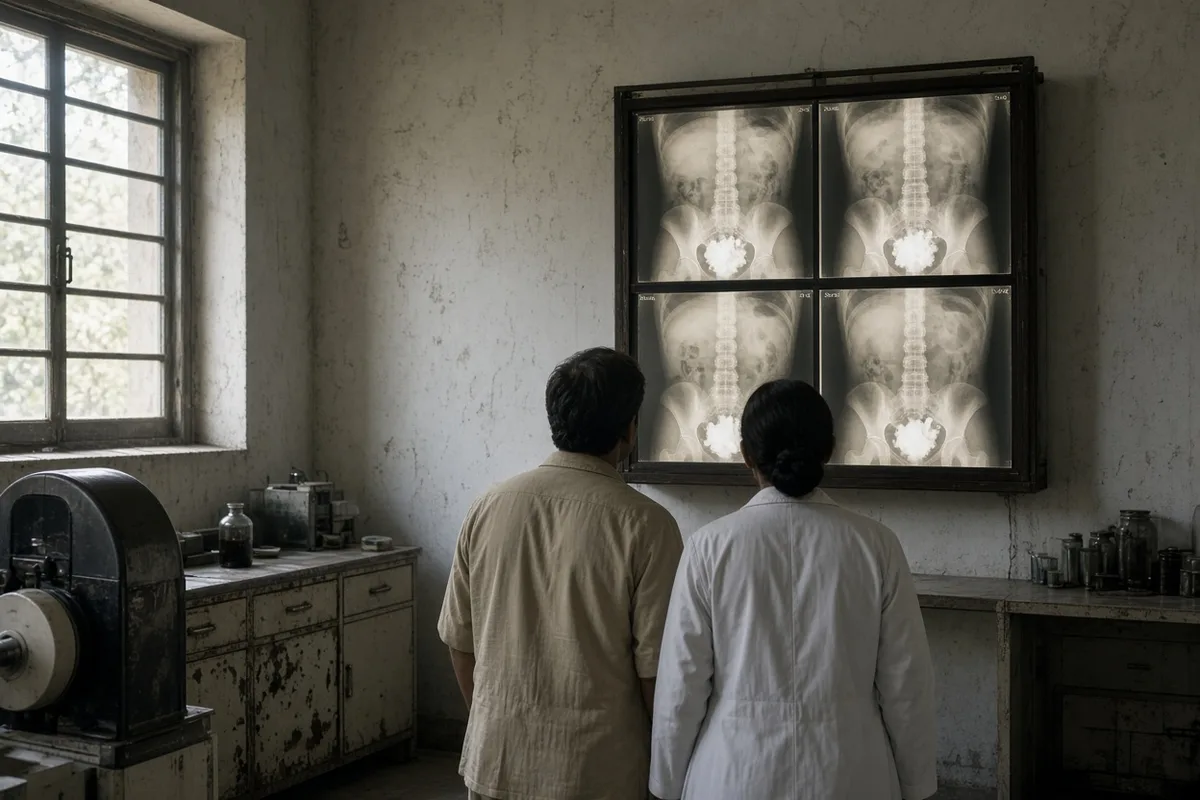
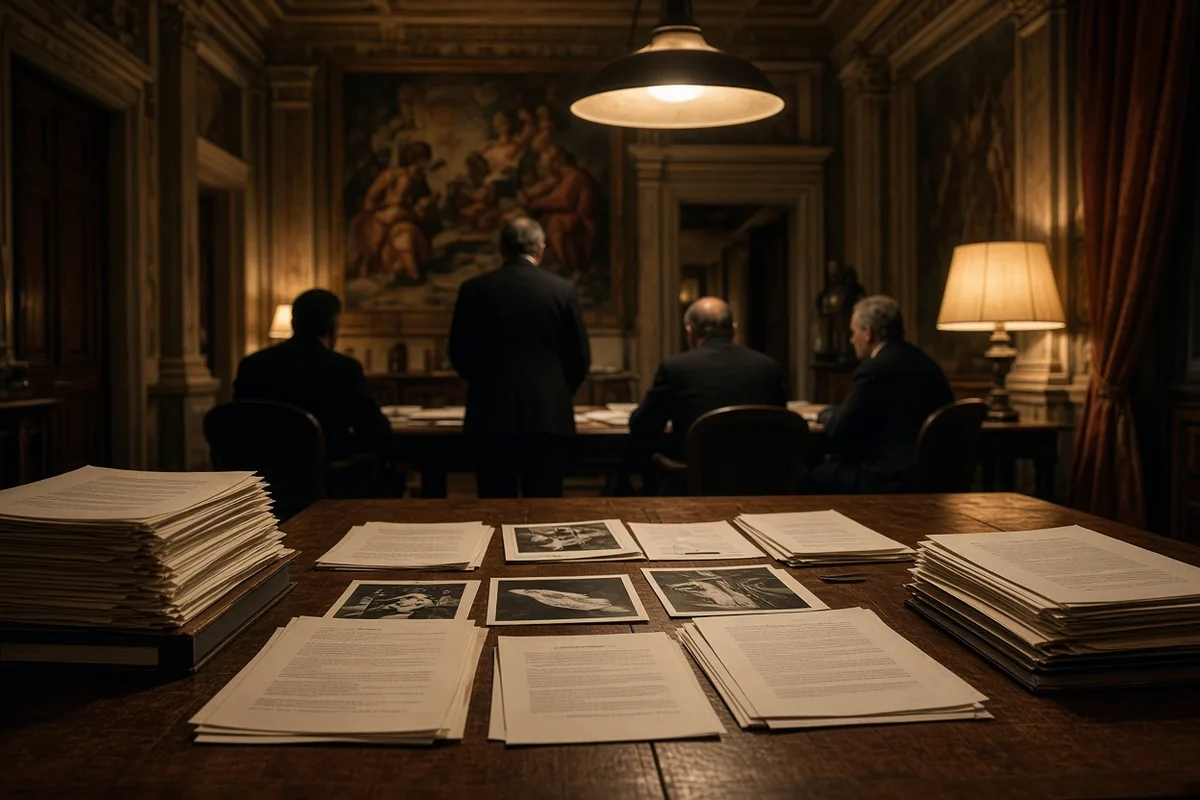
In December 2002 a meeting took place behind closed doors at the Vatican. Doctors and cardinals sat together. They reviewed the statements, the hospital discharge papers, the sonogram reports that had shown the mass, and the later papers that showed no mass. The rationalist groups in Kolkata had already sent letters pointing out that tuberculosis treatment can shrink certain growths. The Congregation for the Causes of Saints recorded the letters but declared the disappearance of the tumor scientifically inexplicable on the evidence presented. The decree was prepared for the Pope’s signature.
Monica Besra remained in Dangram. She still spoke only Santhali and a little Bengali. She had never learned to read the statement that had been written for her. When visitors came she sometimes showed them the place on her stomach where the thread had rested. She said the pain had gone and she could stand straight. She did not claim to understand the meetings in Rome.
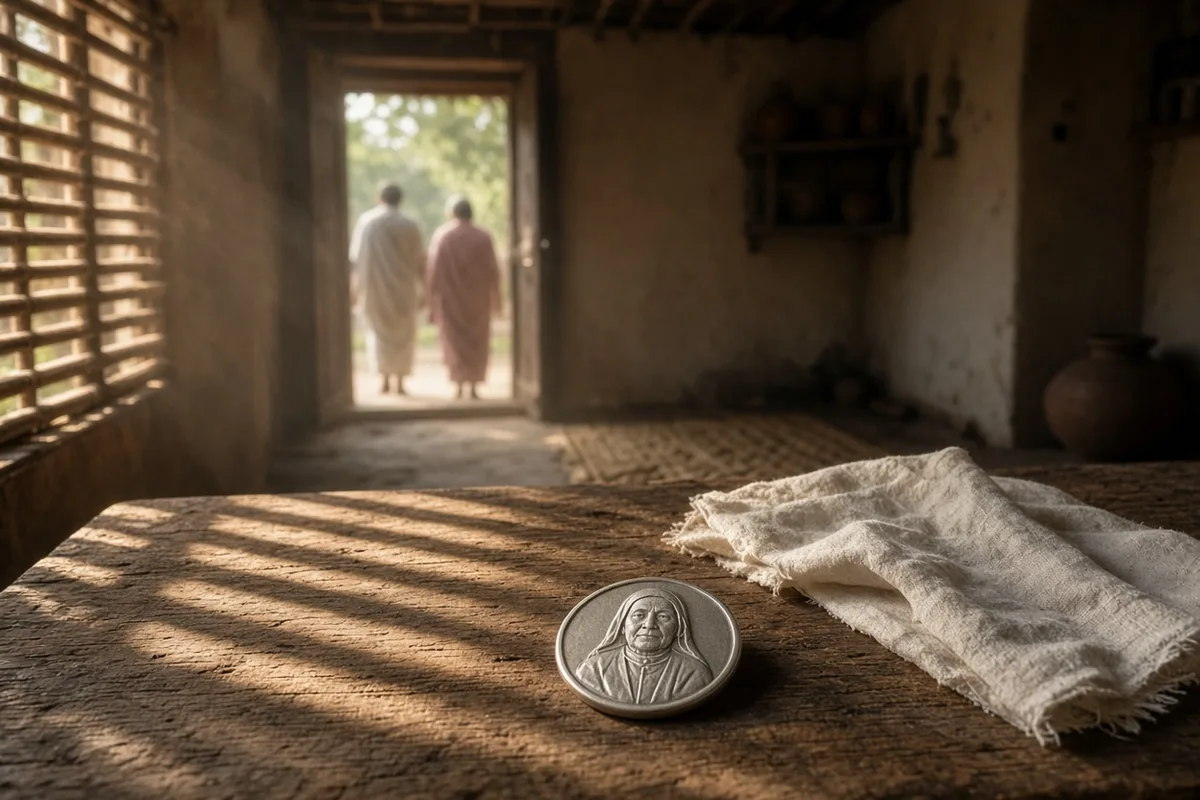
The beatification date was set for the following October. Another miracle would still be required before any further step. The sisters in Patiram continued their work with patients who arrived on stretchers and left on foot or did not leave at all. The tin box stayed on the shelf. The photograph of Mother Teresa remained on the wall. The mango tree dropped its leaves each season onto the same stretch of ground.
The beatification took place on 19 October 2003 in St. Peter’s Square under a clear sky that held no rain until after the final blessing. Pope John Paul II spoke from the central loggia at 10:12 a.m. and pronounced the formula that placed Mother Teresa among the blessed, using the Latin text recorded by the Congregation for the Causes of Saints: “Nos, vota huiusmodi Congregationis excipientes, auctoritate Nostra Apostolica Beatae Teresiae de Calcutta nomen in Beatorum album referimus.” Three hundred thousand pilgrims stood on the cobblestones and the surrounding streets; the Missionaries of Charity section held 1,248 sisters in white saris with blue borders who had traveled from 109 countries. Cardinal José Saraiva Martins read the apostolic letter that cited the 1998 disappearance of the ovarian mass in Monica Besra, noting the exact dates of the sonograms taken at Balurghat Sub-Divisional Hospital on 29 August and 3 September 1998. After the ceremony the sisters returned to their guesthouse on Via del Casaletto and placed a fresh copy of the decree inside the same tin box that had held the medal thread from Patiram.
The second miracle inquiry opened in the Archdiocese of São Paulo on 5 March 2013 after Marcilio Haddad Andrino, then aged forty, submitted his medical file from Hospital São José in Santos. On 9 December 2008 Andrino had been admitted with multiple brain abscesses that measured 4.2 centimeters and 3.8 centimeters on MRI; surgeons at the Hospital das Clínicas had already declared the case inoperable. His wife Fernanda recorded in her affidavit that on the evening of 2 December she had placed a relic of Mother Teresa—a small piece of cloth from a sari—on his forehead and repeated the prayer “Mother Teresa, help my husband” thirty-seven times. By 11 December the abscesses had reduced to 1.1 centimeters and 0.9 centimeters according to the follow-up scan signed by radiologist Dr. José Luiz Ferreira. The five-member medical board in Rome examined the films on 14 October 2015 and voted unanimously that no scientific explanation accounted for the resolution. Pope Francis signed the decree on 17 December 2015, clearing the way for canonization.
On 4 September 2016 the canonization Mass began at 9:30 a.m. in St. Peter’s Square with 120,000 ticketed attendees and an estimated 80,000 more gathered in surrounding piazzas. Pope Francis used the formula “Beatae Teresae de Calcutta nomen Sanctorum album referimus” at 10:41 a.m. The homily text, later published by the Vatican Press, contained the sentence “She made the voice of the poor heard by the powerful of this world.” Four Missionaries of Charity sisters carried the relic casket containing a fragment of Mother Teresa’s habit to the altar; the casket measured 28 centimeters by 19 centimeters and bore the seal of the Postulator, Father Brian Kolodiejchuk. After the Mass the sisters walked the 2.3 kilometers back to their convent on Via della Stazione di Ottavia and entered the names of 5,167 new postulants who had applied in the preceding twelve months.
Monica Besra remained in Dangram village, where the 2011 census recorded her household as number 47 on the revenue map of Patiram block. In 2007 she traveled once to Kolkata to attend the annual feast at the Mother House on 5 September; she stayed two nights in the guest dormitory and returned home on the 7:40 a.m. train from Sealdah. She continued to receive visitors who asked to see the scar on her abdomen; in 2014 she told a reporter from the Bengali daily Anandabazar Patrika that the thread had been tied “just below the navel” and that the swelling had gone down by the morning of the third day. Her husband, Selku Murmu, confirmed in the same interview that no further medical treatment had been given after the discharge from Balurghat hospital on 24 August 1998.
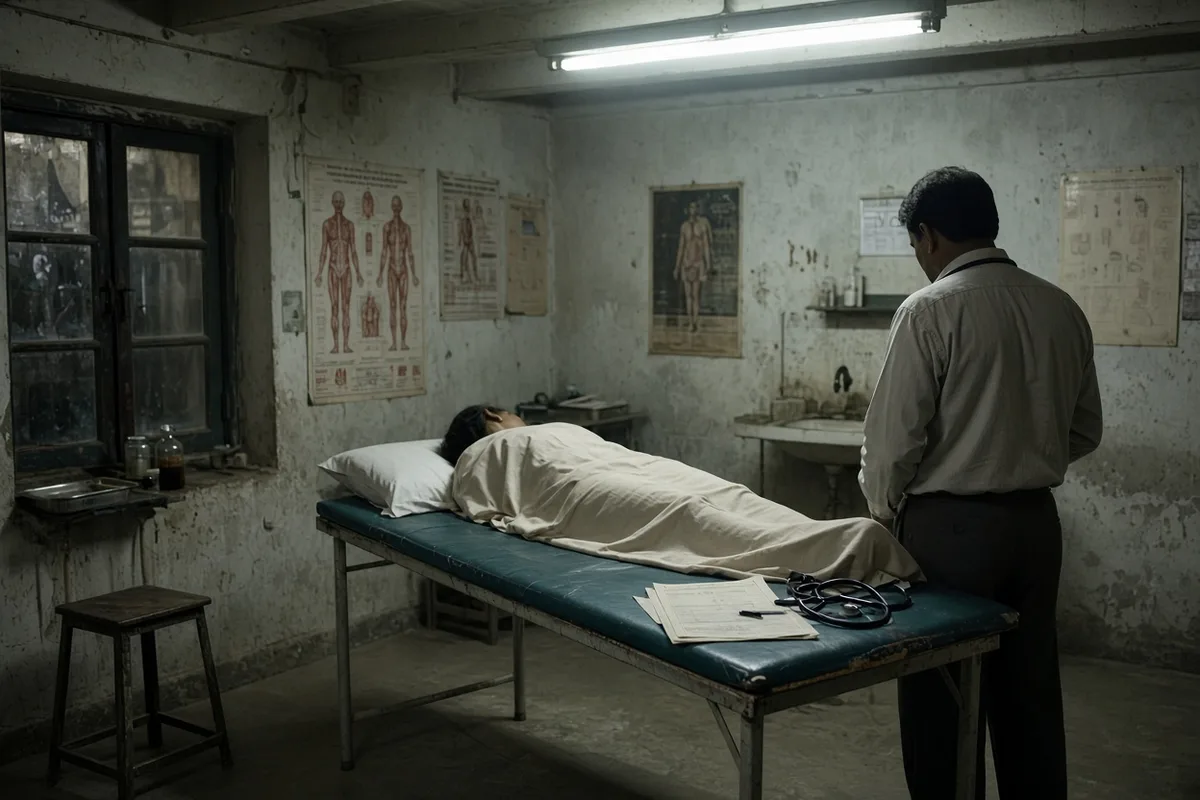
The Missionaries of Charity maintained 758 houses in 139 countries as of the 2023 annual report issued from the Mother House at 54A Acharya Jagadish Chandra Bose Road. In Patiram the sisters still operated the same dispensary building, now expanded by two concrete rooms added in 2009 with funds from the order’s generalate. The mango tree that once dropped leaves onto the tin roof was felled in June 2011 after termite damage; a replacement sapling planted the following monsoon reached 4.2 meters by 2022. Sister Bartholomea, who had tied the medal thread, died on 12 March 2017 at the age of 68 and was buried in the sisters’ cemetery at Titagarh; her grave marker carries only the number 2147 carved into the stone.
The tomb of Saint Teresa of Calcutta stands inside the Mother House chapel beneath a marble slab installed in 1997. Visitors on any given day number between 180 and 320; each is handed a printed card that quotes the 1979 Nobel lecture: “I am not sure what my going will do for the poor, but I am sure that the poor will do for me.” On 26 August 2023 a group of 47 pilgrims from the Archdiocese of Boston placed written petitions on the slab between 10:15 a.m. and 11:05 a.m.; one petition, signed by a woman from Quincy, Massachusetts, asked for intercession for a child undergoing chemotherapy at Boston Children’s Hospital. The sisters collect the papers each evening and burn them in the courtyard incinerator behind the kitchen.
The last recorded image of Monica Besra dates from 17 January 2022 when a diocesan photographer from Raiganj took her portrait outside the Patiram dispensary for the diocesan archives. She stood facing the camera at 4:22 p.m., wearing a faded cotton sari with a red border, her right hand resting on the veranda railing. Behind her the dispensary door remained open; inside, Sister Ann Sevika prepared the evening rice distribution for twenty-three patients. The photograph shows Monica Besra at age 54, her gaze directed slightly left of the lens, the afternoon light falling across the veranda floor where the cot had once stood.
The photographer from Raiganj, Father Subrata Das, labeled the negative RAIG-2022-017 and mailed it that evening by registered post to the diocesan chancery at 12 N.S. Road. The envelope carried the return address of the Patiram parish rectory and arrived on 21 January. Archivist Brother Thomas Gomes entered the print into the ledger under accession 4827, noting the exposure time and the subject’s age as recorded on the back of the print itself.
Monica Besra continued to live in the same mud-walled house numbered 47 on the revenue map. On 14 March 2022 her daughter-in-law, Sunita Murmu, gave birth to a girl at the Balurghat Sub-Divisional Hospital; the birth register lists the infant as weighing 2.8 kilograms and receiving the name Teresa Murmu. Monica walked the three kilometers to the hospital the following morning carrying a bundle of boiled rice wrapped in a banana leaf. She remained at the bedside until the discharge papers were signed on 18 March.
In June 2022 the Patiram dispensary recorded 1,142 outpatient visits, according to the handwritten register kept by Sister Ann Sevika. On 9 July the sisters received a carton of 200 ampoules of amoxicillin from the order’s central pharmacy in Kolkata; the shipment note bore the stamp of the generalate at 54A Acharya Jagadish Chandra Bose Road and the signature of Sister Mary Prema. The same carton was emptied by 4 September.
The replacement mango sapling planted in 2011 reached 4.8 meters by the monsoon of 2023. On 12 August 2023 the sisters tied a fresh length of black thread around its trunk and left an oval medal of Saint Teresa on the lowest branch for three days before returning it to the tin box. Sister Ann Sevika, then aged 61, made the entry in the community logbook that evening: “Medal placed and retrieved; no further instruction given.”
Marcilio Haddad Andrino, whose recovery had supplied the second miracle, attended the annual feast at the Mother House on 5 September 2023. He stood in the chapel queue between 11:20 a.m. and 11:47 a.m. and placed a handwritten note on the marble slab; the note, later collected and burned with 62 others that day, asked for continued health for his wife Fernanda, then aged 47. The sisters’ daily count of visitors for that week averaged 214.
On 17 January 2024 the diocesan photographer returned to Patiram at the request of the postulator’s office in Rome. He exposed twelve frames of Sister Ann Sevika standing at the dispensary doorway at 4:15 p.m., the same railing where Monica Besra had rested her hand two years earlier. The contact sheet was sent to Father Brian Kolodiejchuk at the Postulation Office, Via della Stazione di Ottavia 15, Rome, and filed under dossier supplement 2016-2-M.
The 2023 annual report of the Missionaries of Charity listed 5,812 sisters in 139 countries and 758 houses. The Patiram dispensary appeared on page 47 under the heading “West Bengal, India—outpatient only,” with a footnote recording the addition of a second concrete room in 2009 and the installation of a solar pump in March 2022 that supplied 800 liters of water per day to the veranda tap.
The final image in the diocesan archive shows Sister Ann Sevika alone on the veranda at 5:03 p.m. on 17 January 2024, her right hand raised to adjust the blue border of her sari as the light shifted across the floor where the cot had once stood. The frame was developed on 22 January and entered under accession 4931; no further photographs of the site or its residents appear in the ledger after that date.