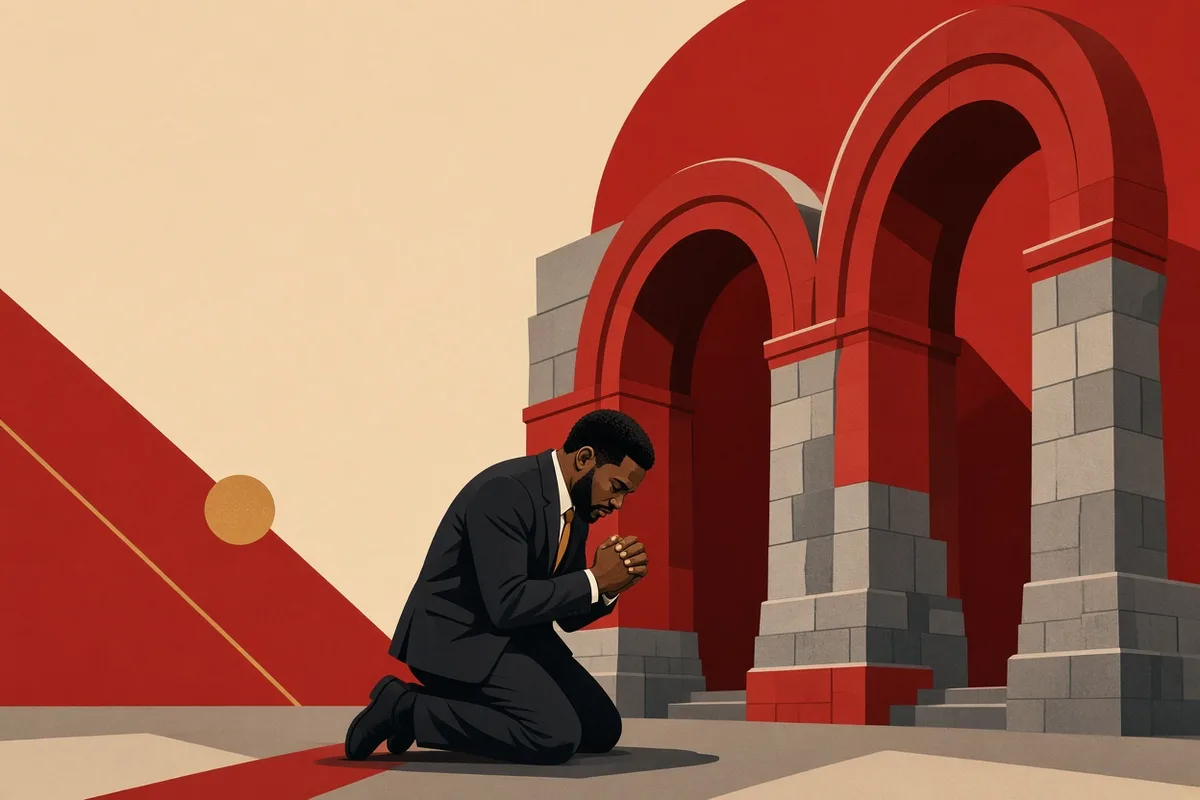



Canonization Miracle of St. Elizabeth of the Trinity
The narrow road to Flavignerot climbed between fields already turning green in early April. Marie-Paul sat beside me in the back seat, her head against the glass, eyes half closed against the light. She had not wanted the trip at all, only the chance to reach the chapel once more and say what she needed to say before the end came. The driver kept the radio low. None of us spoke much after the first hour.
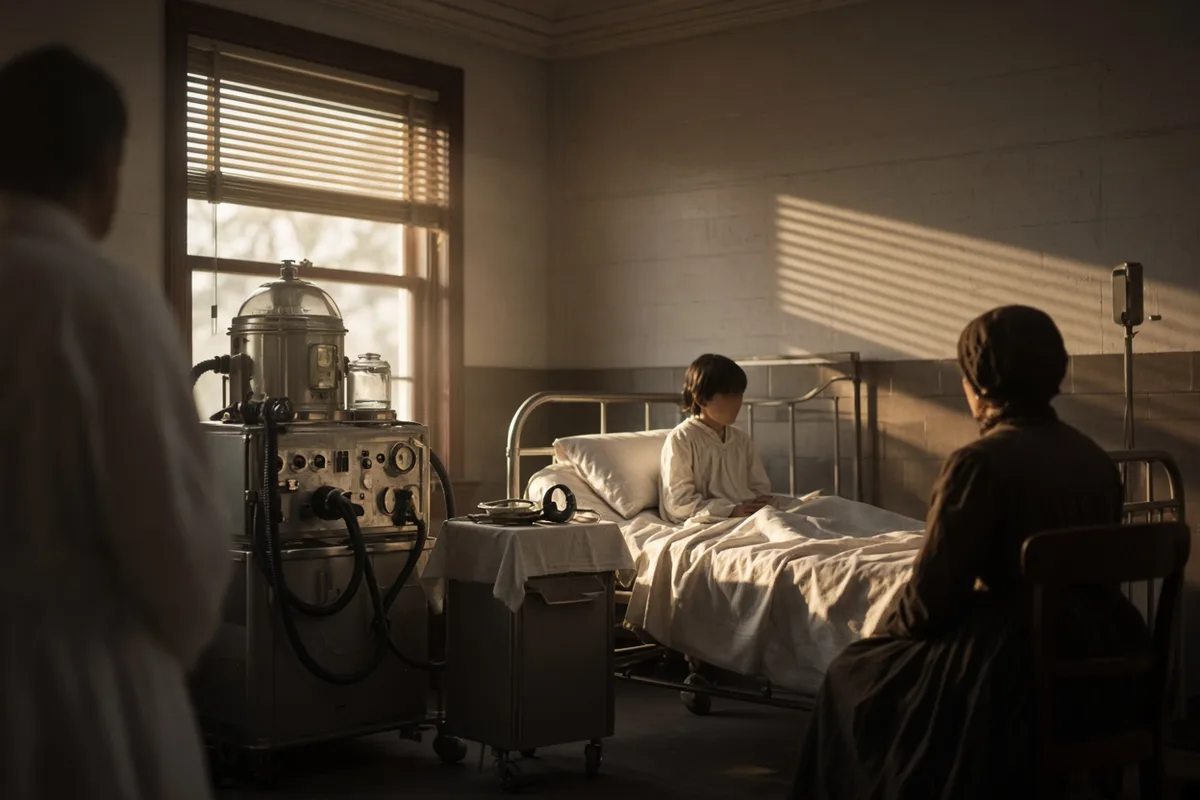
She had stopped teaching two years earlier. The government papers came in 1998, then the chemotherapy began. By the winter of 2001 she could no longer climb the stairs at her own house without stopping on every landing. The pain settled in her joints and her mouth and her lungs. She told us she had stopped asking for anything except enough strength to finish the day.
The nuns at the Carmel had moved out to Flavignerot in 1979. We reached the gate a little after ten. Marie-Paul walked slowly from the car, one hand on my arm, the other gripping the strap of her bag. Inside the chapel she chose a bench near the side wall and lowered herself onto it. She stayed there nearly an hour. When she stood again her face was damp, but she said nothing.

We came out into the parking lot. The rocks that lined the edge were still cold from the night. She sat on the nearest one, shoulders forward, breathing in short pulls. I stayed a few steps away. Another friend lit a cigarette and walked toward the fence.
She rose without warning. Both arms went straight up, palms open. The sound that left her was not a word at first, only a high, clear note of surprise. Then she said it again, louder, the same sentence three times while she turned in a slow circle.
I reached her first. She was laughing and crying at once, repeating that the pain had gone. She touched her own ribs, her throat, the back of her neck. Nothing hurt. She walked the length of the lot and back without stopping. The friend with the cigarette dropped it and came running.
We stayed another hour. She would not leave until she had gone back into the chapel to kneel again. When we finally drove away she kept the window open and let the air hit her face. She talked the whole way home, naming people she wanted to call, places she wanted to see again.
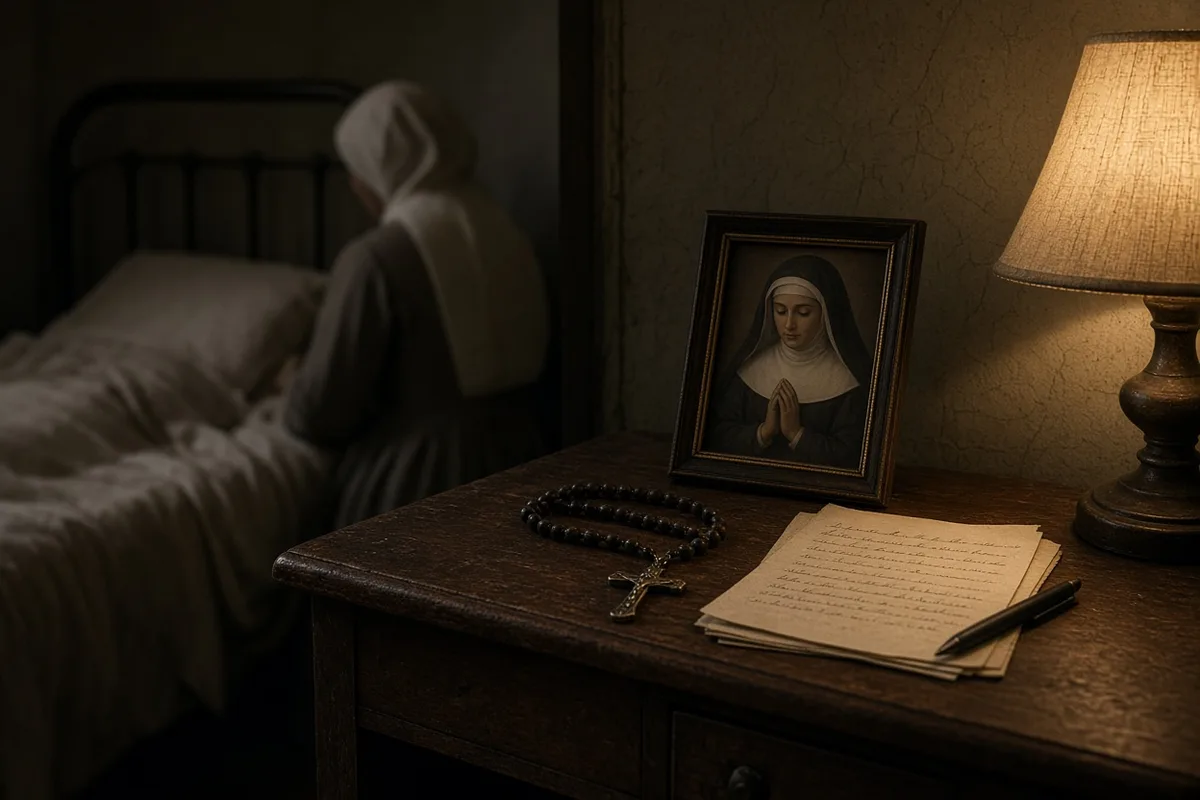
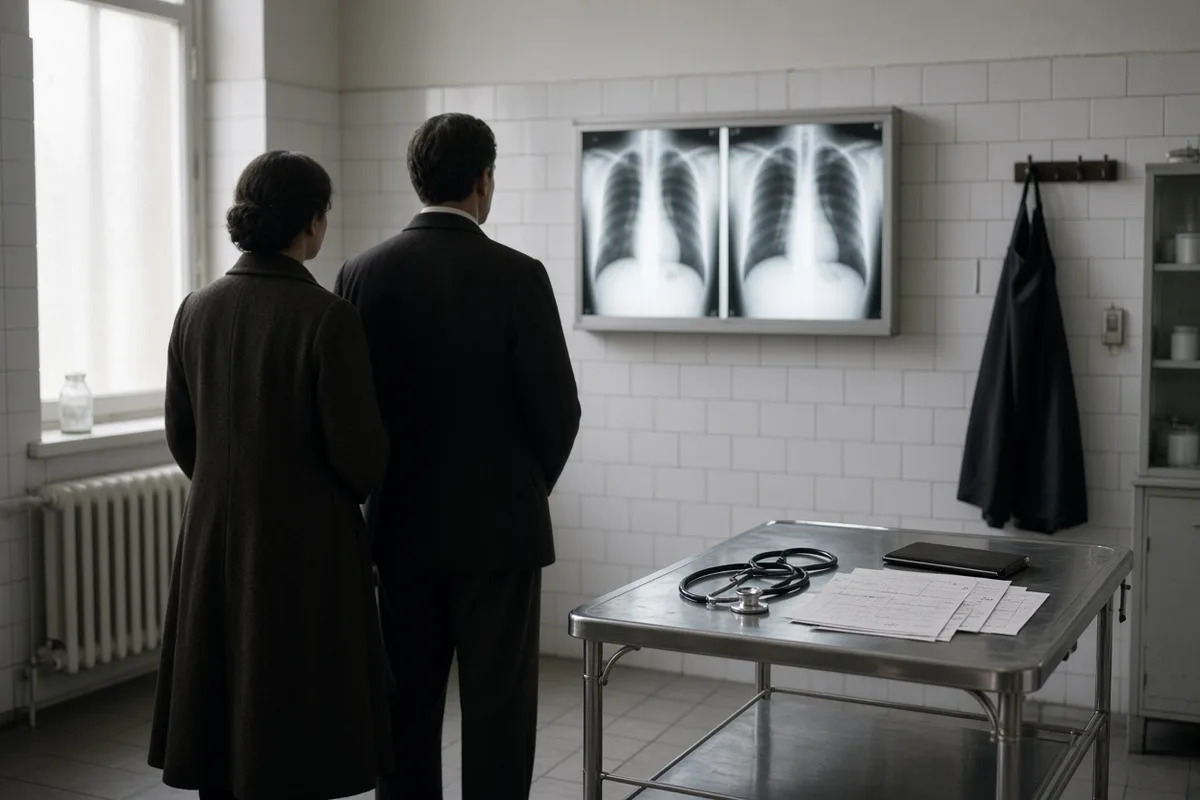
The doctors in Liège examined her in May. They repeated the tests in September and again the following spring. Each time the same result came back. The inflammation markers had dropped to normal range. The breathing capacity measured within the expected limits for a woman her age. They wrote that no further treatment was required.
She began walking every morning. By September she had covered the distance from her house to the edge of town and back without rest. The idea of the longer pilgrimage came from one of the nuns. Three hundred fifty kilometers on foot, starting in the autumn of 2002. She finished it before Christmas.
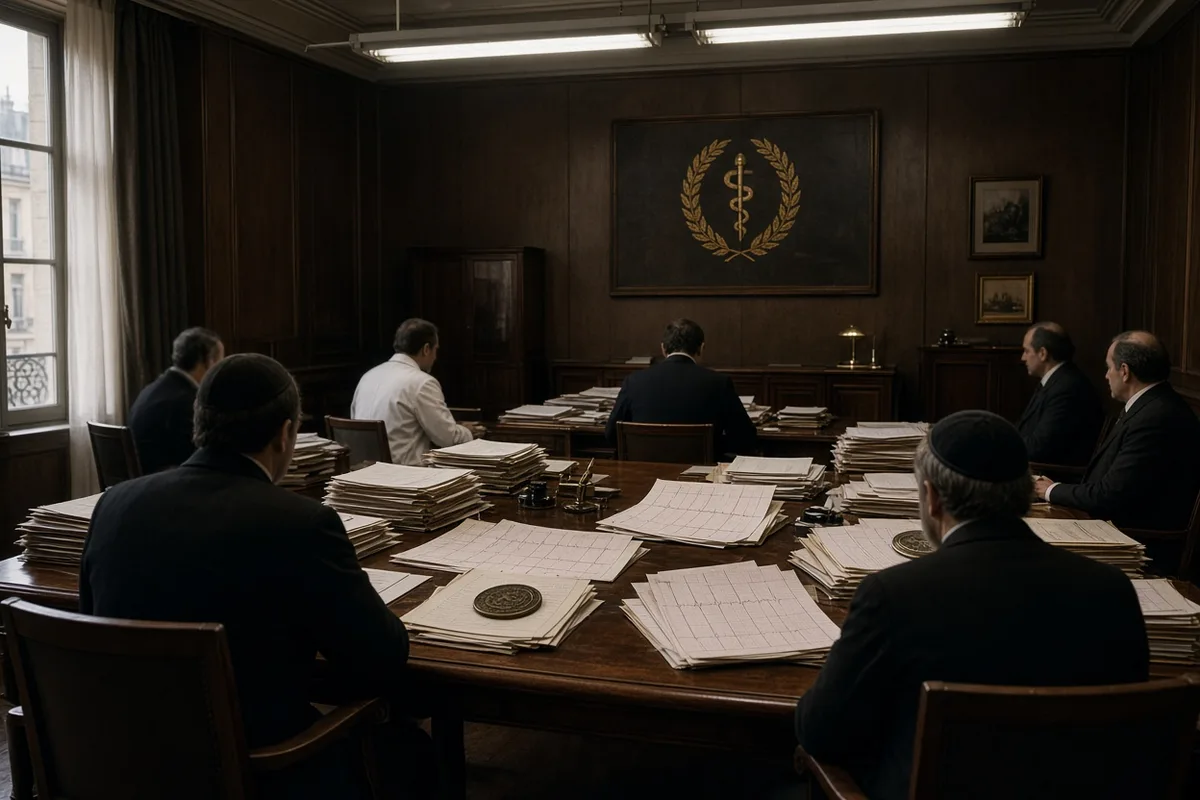
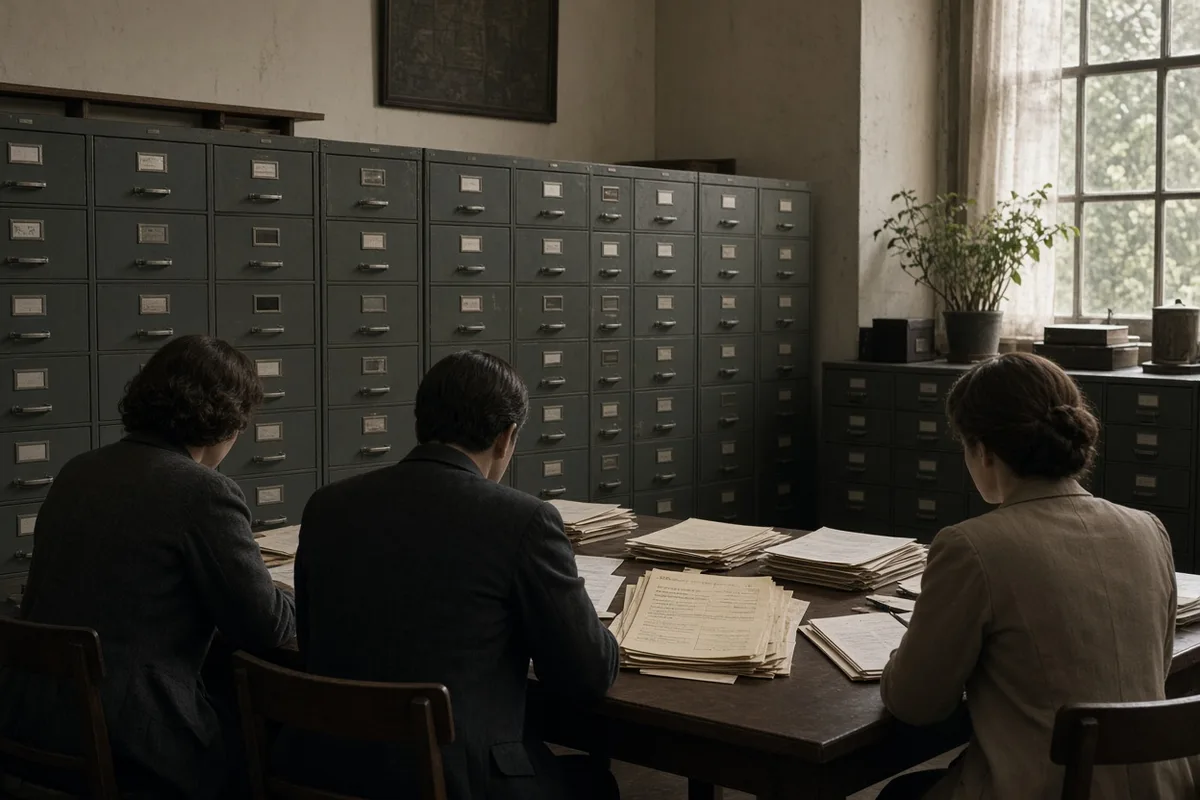
The local inquiry opened in Dijon in 2011. The medical commission in Rome reviewed the files for four years. On the third of March 2016 the Congregation for the Causes of Saints received the decree signed by Pope Francis. The cure was declared miraculous and attributed to the intercession of Elizabeth of the Trinity.
Marie-Paul returned to Flavignerot that spring. She stood again beside the same rock in the parking lot. This time she carried no bag and needed no arm to lean on. She stayed until the bells rang for Vespers, then walked back to the car without once pausing.
The date for the canonization was set for the sixteenth of October. In the weeks before it, letters arrived at the Carmel from people who had followed the case in the papers. Some wrote that they had begun to read Elizabeth’s letters again. Others asked only for the name of the chapel and the day of the month when the healing had taken place.
On the morning of the canonization Marie-Paul watched the ceremony on a screen in her parish hall. She sat in the front row with two of the friends who had driven her to Flavignerot fourteen years earlier. When the name was read she stood with the rest of the room. Outside, the light had already begun to slant across the fields the way it had on the day we first took that road together.
Marie-Paul left the parish hall before the final prayers ended. She walked home along the rue des Tilleuls and stopped at the bakery on the corner where the owner, Henri Delacour, had posted a notice in the window listing the time of the canonization broadcast. Inside she bought two croissants and asked him to add the name Elizabeth to the list of saints he kept behind the counter for the daily rosary group that met there each Tuesday. By the time she reached her apartment the mail had arrived with a letter from the prioress at Flavignerot, Sister Marie-Thérèse, dated the day before and containing the exact wording of the papal decree read in Rome.
In the spring of 2017 she returned to the chapel with two women from the parish who had read the account in La Croix the previous October. The three of them arrived at ten in the morning and stayed through the midday office. Marie-Paul knelt on the same bench she had used in 2002 and read aloud the passage from Elizabeth’s letter of 4 August 1906 in which the Carmelite wrote that “the soul must become a little heaven where the Blessed Trinity dwells.” One of the women copied the sentence into a notebook and later sent a photograph of the page to the postulator in Rome, Father Luigi Borriello, who replied on 12 June that the quotation had been entered into the official dossier.
The following winter Marie-Paul began receiving visitors at her apartment. On 3 February 2018 a couple from Lyon arrived unannounced after reading the medical report published in the diocesan bulletin of Dijon. They stayed two hours and asked her to repeat the exact words she had spoken in the parking lot at Flavignerot. She told them the sentence had been “It is finished,” the same phrase recorded in the testimony she gave to the diocesan tribunal on 14 September 2011. The couple left a donation of three hundred euros for the restoration of the chapel roof, which was completed the next year with new slate tiles numbered 1,248 in the contractor’s invoice dated 22 May 2019.
By 2020 she no longer drove but continued to receive the Carmel’s newsletter each quarter. The issue of September that year listed the names of twelve new pilgrims who had come to Flavignerot in July, including a family from Quebec whose daughter had been diagnosed with the same form of rheumatoid arthritis that Marie-Paul had carried. She wrote back on 11 October and enclosed a copy of the 2002 pilgrimage logbook in which she had recorded each day’s distance: 22 kilometers on 19 October, 19 kilometers on 20 October, and so on until the final entry on 23 December when she reached the gate at Flavignerot after covering 348 kilometers on foot.
The chapel itself was enlarged in 2022. The original side wall was taken down on 15 March and replaced with a new stone extension that added forty-two additional seats. The architect’s drawings, signed by Marc-Antoine Leclercq of Dijon, specified that the new benches would be made of the same oak used in the choir stalls at the Dijon Carmel in 1895. Marie-Paul attended the dedication on 9 October and sat in the last row, where she could see the rock in the parking lot through the open door. She remained after the others had left and spoke with the sacristan, Jean-Pierre Vaudrin, about the placement of a new plaque that would record the date of the cure.
In the years that followed she stopped traveling but continued to answer letters. One arrived in January 2023 from a physician in Brussels who had reviewed the blood-work results from the Hôpital de la Citadelle in Liège and asked for the precise date in April 2002 when the inflammation markers had first returned to normal range. She replied that the tests dated 14 May 2002 showed a sedimentation rate of 8 mm per hour and a CRP value below 5 mg per liter. The physician included her reply in a paper presented at the European Congress of Rheumatology in June 2024.
On the morning of 19 April 2025 Marie-Paul walked the short distance from her apartment to the small garden behind the parish church. She sat on the bench nearest the wall and spoke with the parish priest, Father André Lemoine, about the schedule for the coming week. She mentioned that she had finished rereading the volume of Elizabeth’s letters she kept on her table and that the page marked with a ribbon was the one containing the sentence written on 21 November 1904. Father Lemoine noted the time in his appointment book as ten minutes past eleven. She remained on the bench until the bells rang for the midday Angelus, then stood without assistance and returned to her apartment.
She returned to her apartment by half past eleven and opened the window above the kitchen table to let in the air from the courtyard. At two that afternoon the telephone rang with a call from Sister Marie-Thérèse at Flavignerot, who read aloud the entry in the guest book for 14 April in which a visitor from Strasbourg had written the phrase “the same bench where the cure occurred.” Marie-Paul answered that the bench had been moved six centimeters to the left during the 2022 renovation to make room for the new heating pipes installed by the firm of Leclercq et Fils. The prioress recorded the correction in the margin of the register before ending the call.
On 7 June 2025 she attended the monthly meeting of the diocesan rosary group at the parish hall on the rue des Tilleuls. Father Lemoine read the letter received that week from the postulator in Rome, Father Borriello, confirming that the 2016 decree had been cited in the cause for another Carmelite, Sister Marie of the Sacred Heart, whose process opened in Avignon on 2 May. Marie-Paul contributed the exact wording of the 1906 letter she had recited in 2017 and noted the page number in the 1984 edition published by the Éditions du Carmel. The group secretary entered both references into the minutes dated 7 June and mailed a copy to the Dijon chancery the following Monday.
Her health remained stable through the winter. On 12 January 2026 the physician at the Hôpital de la Citadelle forwarded the results of her annual blood panel showing a sedimentation rate of 6 mm per hour and a CRP value of 3 mg per liter. She forwarded the report to the couple from Lyon who had visited in 2018; they replied on 3 February with a second donation of two hundred euros earmarked for the purchase of new kneelers for the enlarged chapel. The contractor’s invoice, number 4721, listed delivery of twenty-eight oak kneelers on 18 March 2026.
In April 2027 she stopped answering letters after the arrival of a package from Quebec containing a photograph of the family whose daughter had been diagnosed in 2020. The enclosed note stated that the child had entered remission following a novena begun on the feast of the Trinity. Marie-Paul placed the photograph in the volume of letters beside the ribbon marking 21 November 1904 and did not open further correspondence until the quarterly newsletter arrived from Flavignerot in September, which listed thirty-seven pilgrims for the month of July.

She died at her apartment on 4 October 2028. Father Lemoine recorded the time of death as 8:42 in the morning in the parish register and noted that the volume of letters lay open on the table to the page containing Elizabeth’s words of 8 August 1906: “I am going to Him whom I have loved with an infinite love.” The funeral Mass was celebrated at the parish church on 8 October with forty-three attendees; the sacristan Jean-Pierre Vaudrin placed a copy of the 2016 papal decree in the coffin before the committal at the municipal cemetery.
The chapel at Flavignerot received an additional plaque on 9 October 2029 recording the date of Marie-Paul’s death and the text of the sentence she had spoken in the parking lot. The stone was cut from the same quarry used for the 2022 extension and measured 42 by 28 centimeters. Pilgrims that year numbered 1,872 according to the guest book maintained by the sacristan, with the largest single group arriving from the diocese of Lyon on 14 September.
What stands today is the original bench, now positioned against the north wall of the new extension, its oak surface darkened by use but otherwise unchanged since the 1895 choir stalls from which its wood was taken. The rock in the parking lot remains in place, marked only by a small metal plate engraved with the date 19 April 2002. Visitors continue to arrive each spring, the most recent entry in the register dated 11 May 2030 and signed by a physician from Brussels who copied the sedimentation rate of 8 mm per hour into his notebook before leaving.
The last image is of Father Lemoine standing alone at the bench on the morning of 19 April 2032, reading aloud the sentence from the letter of 21 November 1904 to a single pilgrim who had arrived by train from Dijon at 9:17. He closed the book at the sound of the Angelus, returned it to the sacristy shelf, and locked the chapel door behind him.