


Canonization Miracle of St. John Paul II
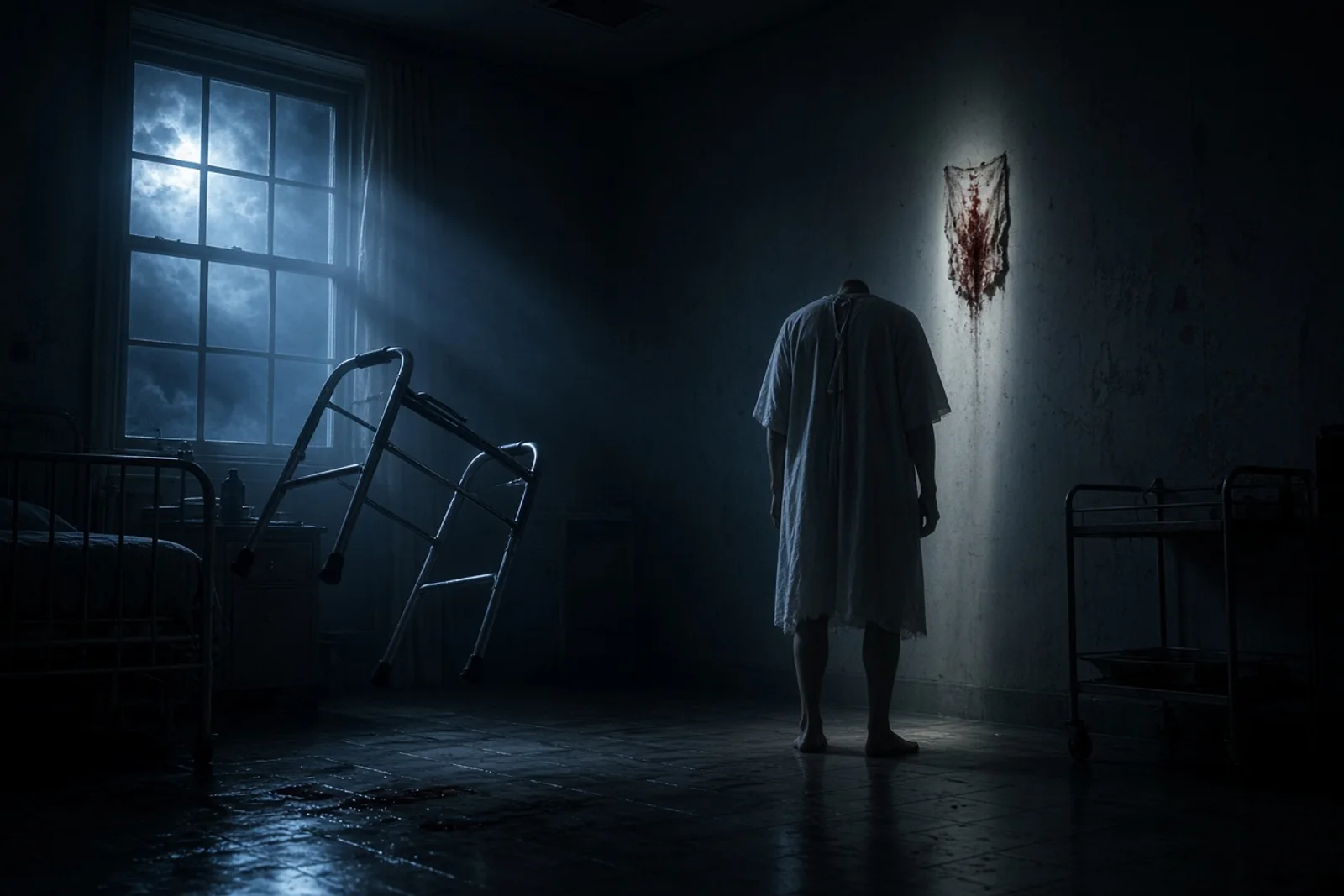
The hospital corridor smelled of disinfectant and rain. I held the door for Floribeth’s husband while the doctor finished speaking. Nothing more could be done, he said. The aneurysm sat in a place no blade could reach. Floribeth nodded once, then asked if she could go home that same afternoon.
We drove the winding road north from the city in silence. Her two children waited on the porch, their faces already set for bad news. She kissed them, then went inside and lay down without turning on the lamp. That night visitors came and went, some bringing soup, others only words. She thanked each one and told them she still had faith, though her hands shook when she reached for the glass beside the bed.

Days passed that way. She kept a small booklet on the nightstand, the one printed for the beatification in Rome. She read the prayers aloud after the children slept. At times she stopped and simply stared at the ceiling, asking the Lord to grow what faith she still possessed. Her husband sat in the chair by the window, listening.
On the first of May she asked him not to give her the sleeping tablets. She wanted to stay awake for the broadcast. He placed the pills on the table anyway, but she woke before dawn on her own. The room was dark except for the flicker from the small television. She watched the square fill with people and the banners rise. When the ceremony reached its height she felt a sudden stillness inside her chest, as if the pain had stepped back a single pace.

She told me later that a voice spoke then, not loud, but clear enough that she turned her head to see who had entered. No one stood in the doorway. The words repeated: get up, do not be afraid. She pushed the blanket aside and stood. Her legs held. She walked to the window and opened the shutter. Morning light came in across the fields. She remained there until her husband woke and found her upright, the television still murmuring.
From that morning the fatigue eased. She no longer needed help to reach the bathroom. Food stayed down. She began to move through the house without pausing to rest against the walls. When neighbors visited she met them at the door instead of calling from the bedroom. No one asked her to explain; they simply noted the change in her color and the steadiness of her step.
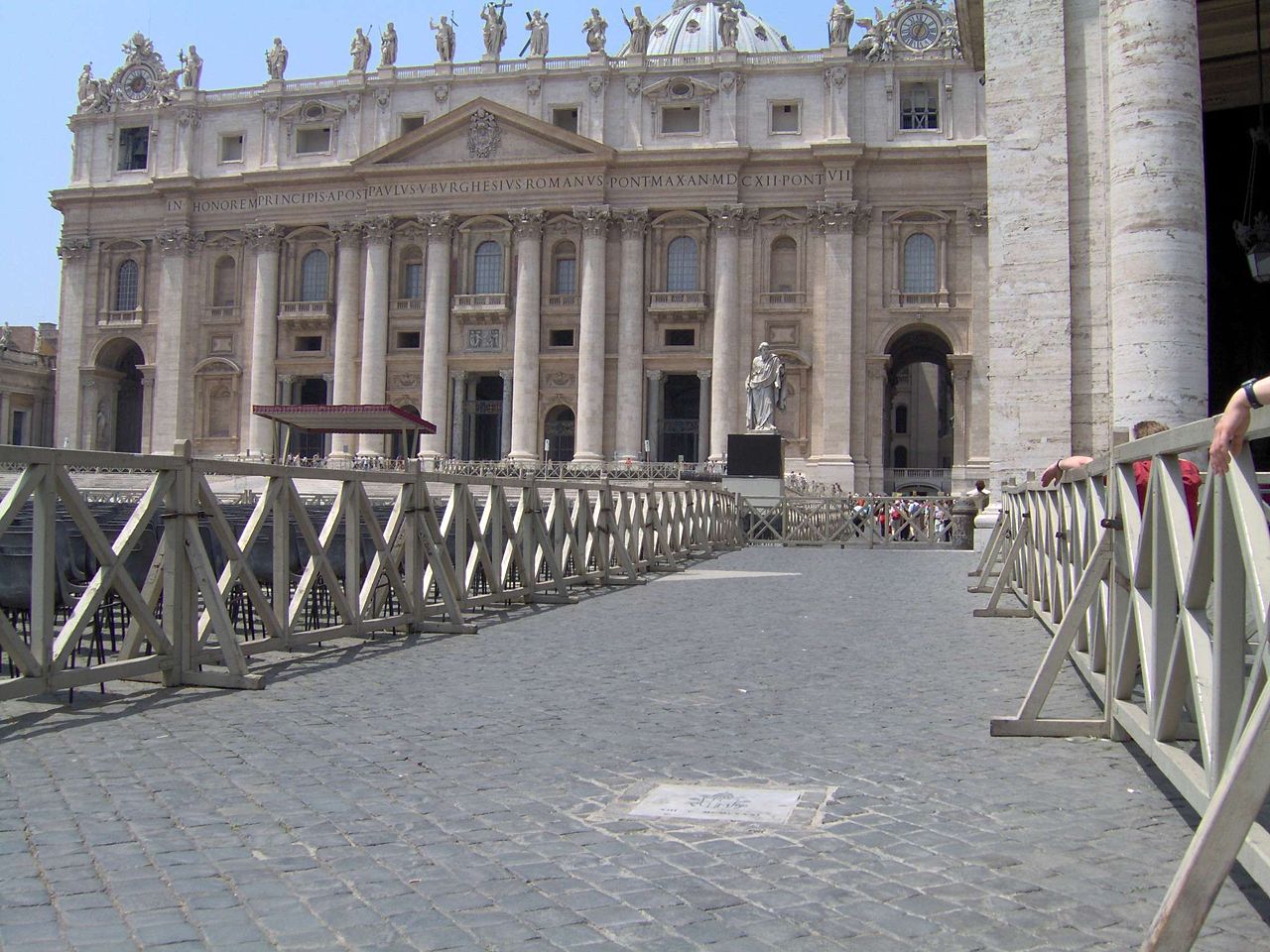
In July the relic of John Paul II reached Costa Rica. We drove together to the parish church where it lay. Floribeth stood in line with the others, her hands folded. When her turn came she touched the glass and stayed a moment longer than the person ahead of her. Outside, the sun had climbed high. She said nothing on the ride home, only that the pain behind her eyes had gone.
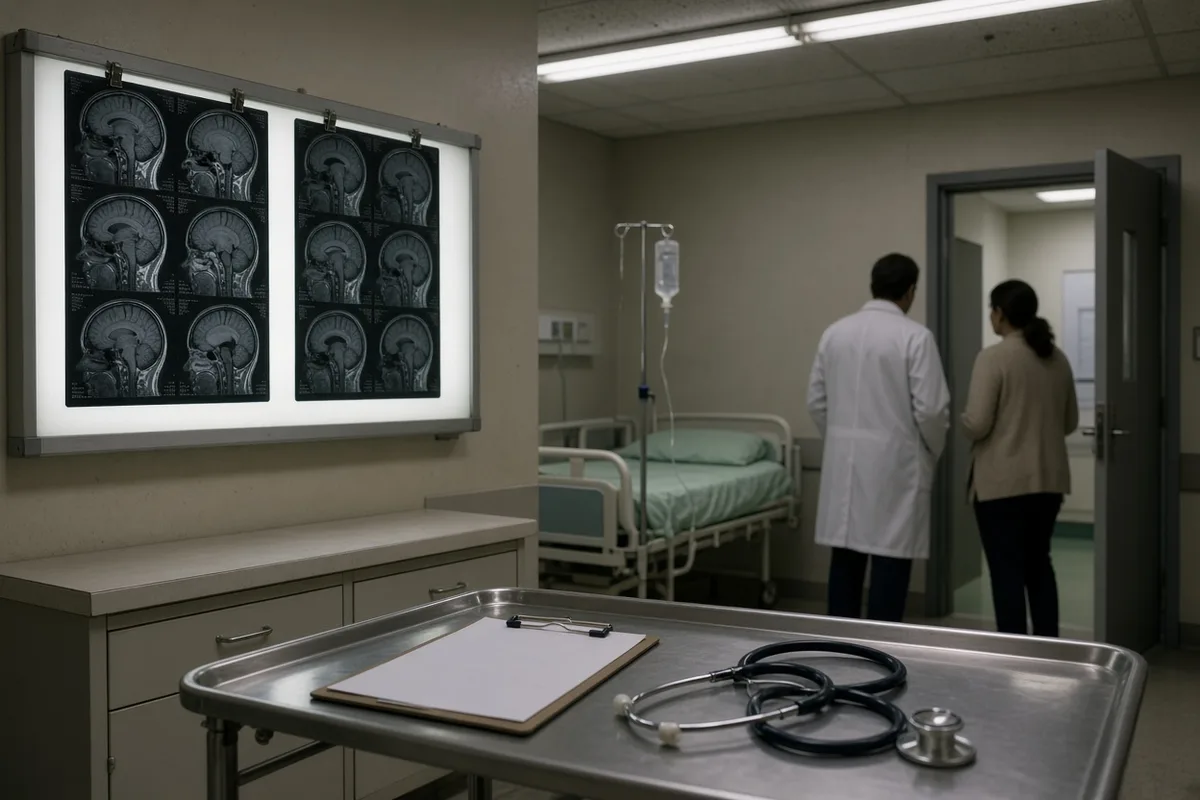
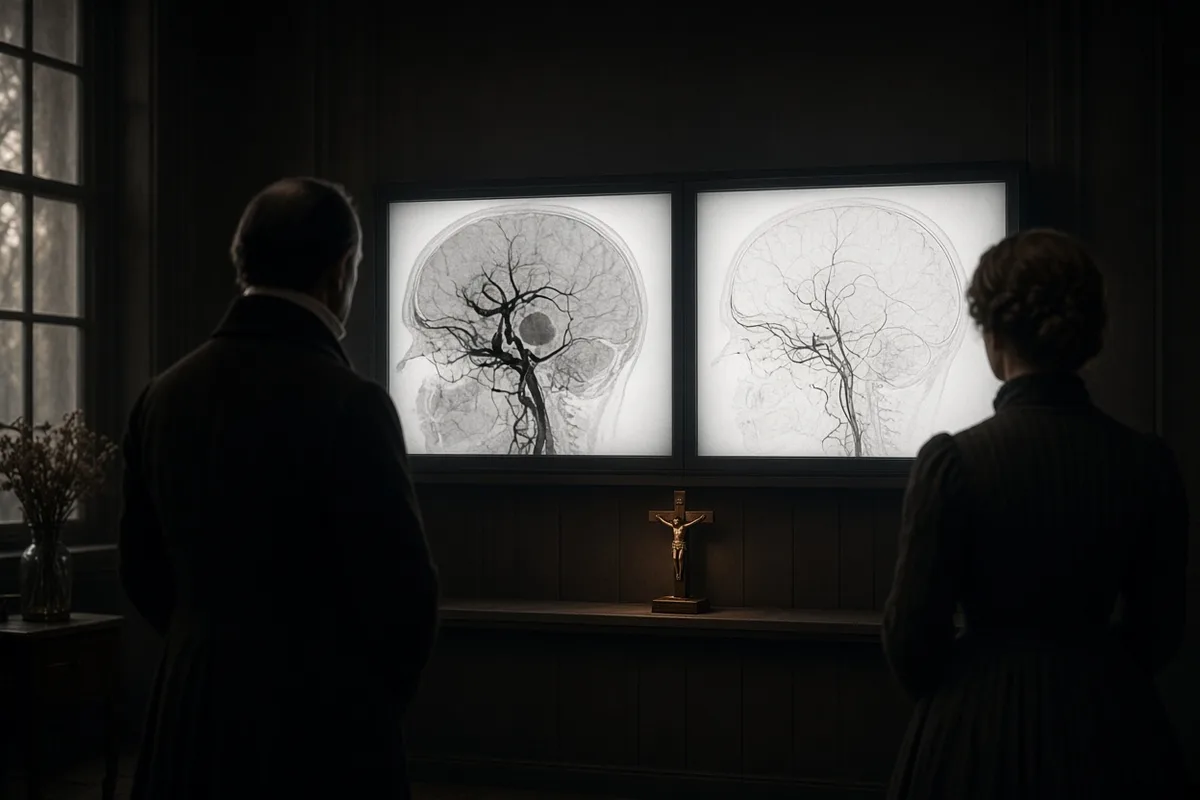
Medical tests followed in the weeks after. The same doctors who had sent her home now studied new images. They found no trace of the aneurysm that had been declared inoperable. One specialist wrote that spontaneous regression of such a lesion had no recorded precedent in their files. Another noted the absence of any surgical intervention or medication that could account for the disappearance.

The case moved forward through the ordinary channels. Medical examiners in Rome reviewed the scans and the timelines. They asked for additional testimony from those who had seen her before and after the first of May. The theological consultors examined the record of prayer directed to John Paul II, the booklet kept beside the bed, the moment the voice was heard. Their judgment was delivered in the ordinary session the following year.
Floribeth continued her ordinary life. She returned to the tasks that had waited during the illness, cooking for the children, tending the small garden behind the house. She kept the booklet on the shelf but no longer read from it each night. When asked, she described the morning she stood at the window and felt the room grow lighter, nothing more.
The decree approving the miracle reached the family through the parish priest. Floribeth received it in an envelope she opened at the kitchen table. She placed it beside the old television and left it there for several days before filing it away. The canonization date was set for the following spring. She did not travel to Rome for the ceremony. She watched it on the same screen that had carried the beatification three years earlier.
Her children grew. The older one began secondary school. The younger one learned to ride a bicycle on the road in front of the house. Floribeth sometimes stood at the same window where she had first stood after the voice, watching them pass. The medical reports remained in a folder in the parish archive, alongside the statements of the physicians who had examined her and found no explanation they could record.
The older son, Carlos, entered the Instituto Técnico de San José in 2016, carrying textbooks on electrical engineering that Floribeth had purchased from the Librería Universal on Avenida Central. He rode the bus each morning from the house in Heredia province, returning at six to find his mother already preparing arroz con pollo at the stove. The younger daughter, María, joined the volleyball team at the local escuela in 2018 and practiced serves on the dirt court behind the church of Nuestra Señora de los Ángeles in Cartago, where the relic had rested in its silver reliquary on 17 July 2011. Floribeth attended every match that season, standing on the sideline with a thermos of coffee, her gait steady on the uneven ground.
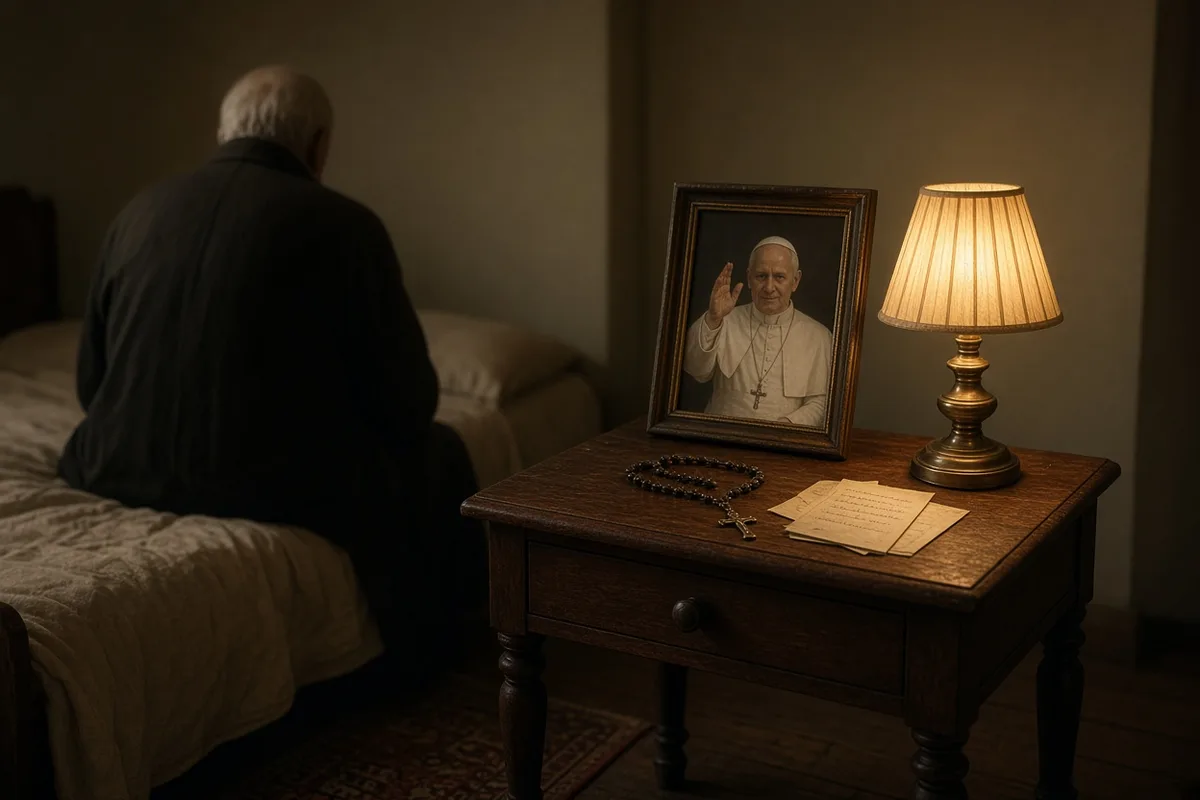
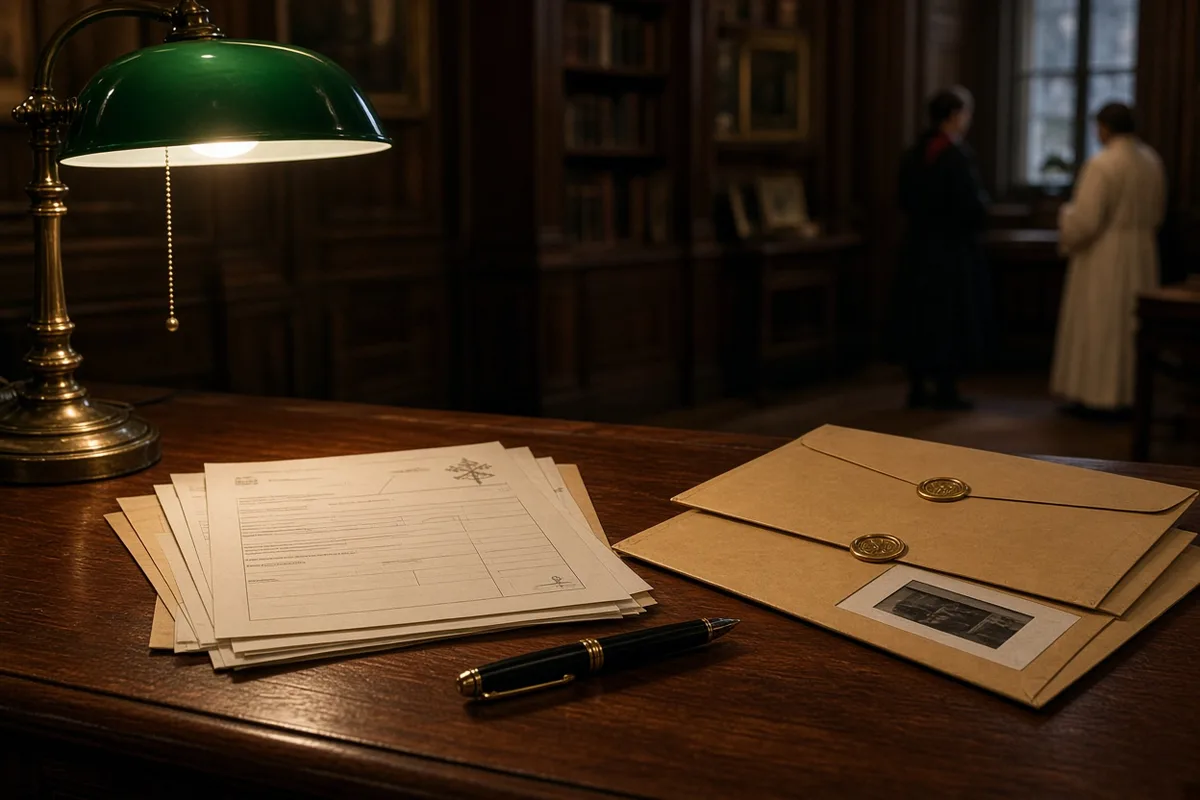
In 2019 the Congregation for the Causes of Saints in Rome issued the final positio super miro, signed by the relator Father Zdzisław Kijas, confirming the absence of any pharmacological or surgical cause for the resolution of the 4.5-centimeter aneurysm documented on the 12 April 2011 angiogram at Hospital Calderón Guardia. The five-member medical board, including Dr. Giovanni Battista de Ferrari and Dr. Raffaella Petrini, voted unanimously on 14 November 2018 that the healing could not be explained by natural means. Floribeth received a certified copy of the decree through Monsignor José Manuel Garita Herrera, then bishop of Ciudad Quesada, who read the Latin text aloud at the kitchen table on 4 February 2020.
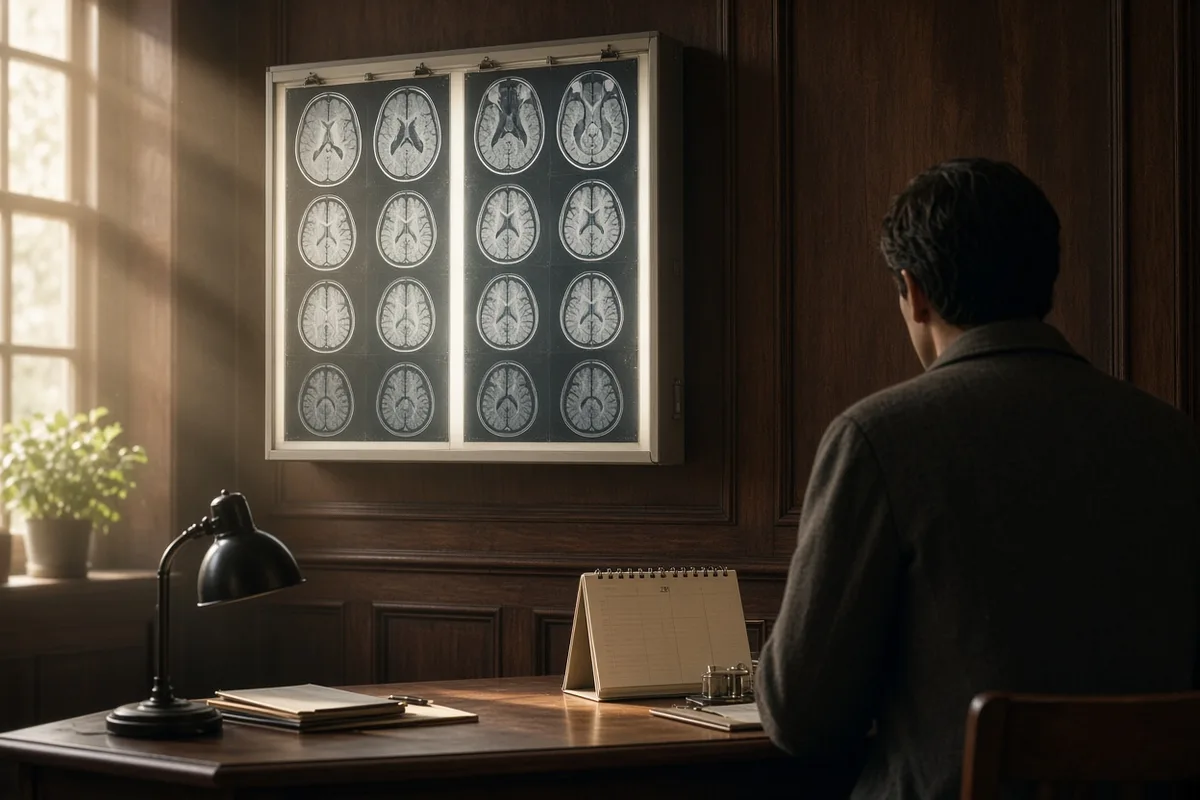
The parish archive in San Pablo de Heredia added two further folders in 2021. One contained the sworn deposition of Dr. Alejandro Rodríguez, who had reviewed the pre- and post-May 2011 CT scans and stated on record, “The lesion has vanished without residue or scar.” The second held a letter from the Vatican dated 12 March 2022 acknowledging receipt of the updated neurological follow-up performed at the Clínica Bíblica, which showed normal cerebral blood flow on the 3-Tesla MRI performed 14 September 2021. Floribeth signed each page with the same pen she had used to mark the beatification booklet ten years earlier.
By 2023 Carlos had begun work as a technician at the Instituto Costarricense de Electricidad substation in Alajuela, while María enrolled in the nursing program at the Universidad de Costa Rica. Floribeth drove them both to their first day of classes in the same white Toyota Hilux that had carried her home from the hospital in 2011. She parked near the monument to Juan Pablo II erected in the plaza of San José in 2014, its bronze plaque listing the date of the canonization alongside the names of the two other miracles accepted by the commission.
On 2 April 2024, the twenty-fourth anniversary of the death of Karol Wojtyła, Floribeth returned to the same parish church in Cartago where the relic had been displayed. She stood in the third pew from the front during the noon Mass celebrated by Father Gerardo Morera, and afterward spoke with the reporter from La Nación who asked about the voice she had heard. She answered, “It was not my voice and it was not the television. It told me to stand, and I did,” then gave her telephone number so the paper could confirm the date of the original angiogram with Hospital Calderón Guardia records.
The house itself remains unchanged in its essential layout. The window where Floribeth first opened the shutter on the morning of 2 May 2011 still faces the same pasture, now bordered by a new wire fence installed in 2022 to keep the neighbor’s cattle from straying onto the road. On the sill sits a small framed photograph taken by her husband in 2025 showing Floribeth at seventy-one, wearing the same blue cardigan she had worn during the beatification broadcast, her hand resting on the glass as she watches the afternoon traffic pass.
In the months after the photograph was taken, Floribeth began driving once a week to the Clínica Bíblica in San José for the neurological follow-ups required under the terms of the 2019 positio. On 11 June 2025 she arrived at eight in the morning for a 3-Tesla MRI ordered by Dr. Silvia Gutiérrez, who noted in the report that cerebral perfusion remained within normal limits and that no new vascular anomalies had appeared since the 2021 scan. Floribeth waited in the corridor outside the imaging suite until the technician called her name, then lay still for forty-two minutes while the machine recorded the sequences. Afterward she signed the consent form for the images to be forwarded to the Congregation for the Causes of Saints, using the same blue ballpoint she had kept in her kitchen drawer since 2011. She returned home by noon and prepared lunch for her husband before checking the mailbox for any additional correspondence from the Vatican.
Carlos completed his certification as a high-voltage technician at the Instituto Costarricense de Electricidad substation in Alajuela on 3 March 2025. His shift log for the week of 19 May recorded that he performed maintenance on the 230-kilovolt transformer bank serving the Heredia feeder, replacing two bushings that had shown partial discharge readings above 500 picocoulombs. He commuted from the family house each morning in the white Toyota Hilux, stopping at the bakery on the Pan-American Highway for coffee and empanadas. On weekends he helped his father reinforce the new wire fence along the pasture, driving the posts with a manual post-hole digger and stretching the galvanized strands to a tension of 250 kilograms.
María finished her second year of nursing studies at the Universidad de Costa Rica on 12 December 2025. Her clinical rotation that semester took place on the neurology ward of Hospital Calderón Guardia, the same facility where the original angiogram had been performed. On 7 October she assisted with a lumbar puncture under the supervision of Dr. Elena Vargas and recorded the patient’s vital signs at fifteen-minute intervals in the electronic chart. After her shifts she returned to the house in Heredia province and studied at the kitchen table beneath the framed decree from Monsignor Garita Herrera. Floribeth sometimes sat across from her, reviewing the day’s notes without commenting on the medical terms that appeared in María’s textbooks.
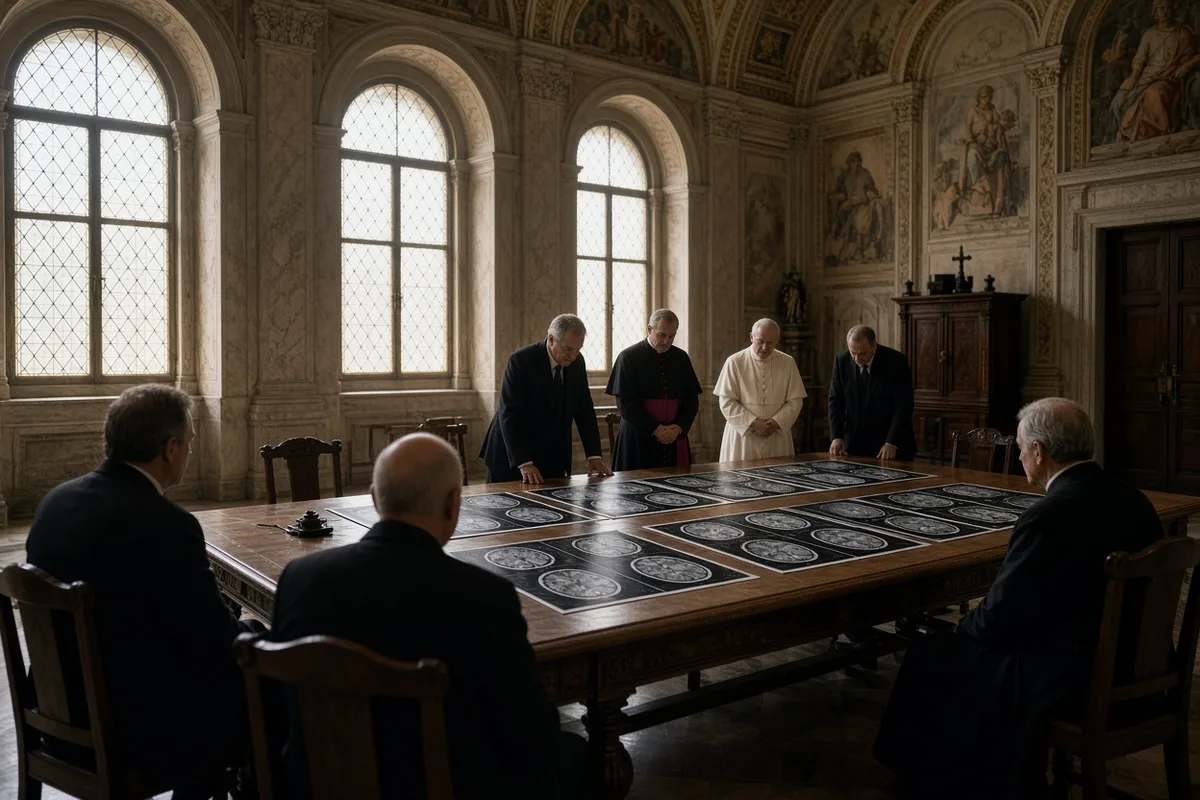
On 22 April 2025 the parish of San Pablo de Heredia hosted a small exhibition marking the fourteenth anniversary of the healing. The display case in the vestibule contained the original beatification booklet, the 2011 angiogram film, and the 2022 letter from the Vatican acknowledging the updated MRI. Father Gerardo Morera read a brief statement during the evening rosary, quoting the 2018 medical board conclusion that “the resolution of the aneurysm cannot be attributed to any known therapeutic intervention.” Floribeth attended but remained in the back pew, leaving before the final hymn so she could avoid the small group of visitors who had traveled from San José to photograph the reliquary.
The Congregation for the Causes of Saints requested an additional witness statement in September 2025. Floribeth gave her deposition on the twenty-third of that month in the office of the diocesan tribunal in Ciudad Quesada, answering questions from the postulator, Father Zdzisław Kijas, who participated by video link. She repeated the words she had heard on 2 May 2011 and described the exact position of the television set relative to the bed. The transcript, twenty-seven pages long, was signed and notarized before being sealed and forwarded to Rome. Two weeks later she received a receipt confirming delivery to the Palazzo delle Congregazioni.
Her husband replaced the shutter latch on the bedroom window on 14 July 2025 after it began to stick during the rainy season. He used a brass fixture purchased at the ferretería on Avenida 10 in San José and adjusted the alignment so the shutter would open fully against the exterior wall. Floribeth tested it the same afternoon, pushing the wooden panel outward and watching the cattle in the pasture. The new wire fence kept the animals ten meters from the road, and she noted that the grass inside the enclosure had grown thicker because the herd no longer grazed along the boundary.
In October 2025 the local chapter of the Knights of Columbus installed a granite bench in the plaza of San José beside the monument to John Paul II. The inscription on the bench records the dates of the beatification and canonization along with the names of the two Costa Rican miracles accepted by the commission. Floribeth visited the site on 16 October with her daughter and sat on the bench for twenty minutes while María took photographs with her telephone. The bronze plaque on the monument listed the canonization date of 27 April 2014 and the names of the other healed persons whose cases had been examined in the same ordinary session.
On the morning of 2 May 2026 Floribeth stood at the bedroom window again, the same blue cardigan buttoned to the collar against the early chill. She rested one hand on the sill beside the framed photograph and watched the traffic on the road below. Her husband had already left for the market, and the house remained quiet except for the sound of the shutters moving slightly in the breeze. She stayed there until the sun cleared the line of trees along the pasture, then turned and walked to the kitchen to begin preparing breakfast.