


Canonization Miracle of St. Pio of Pietrelcina
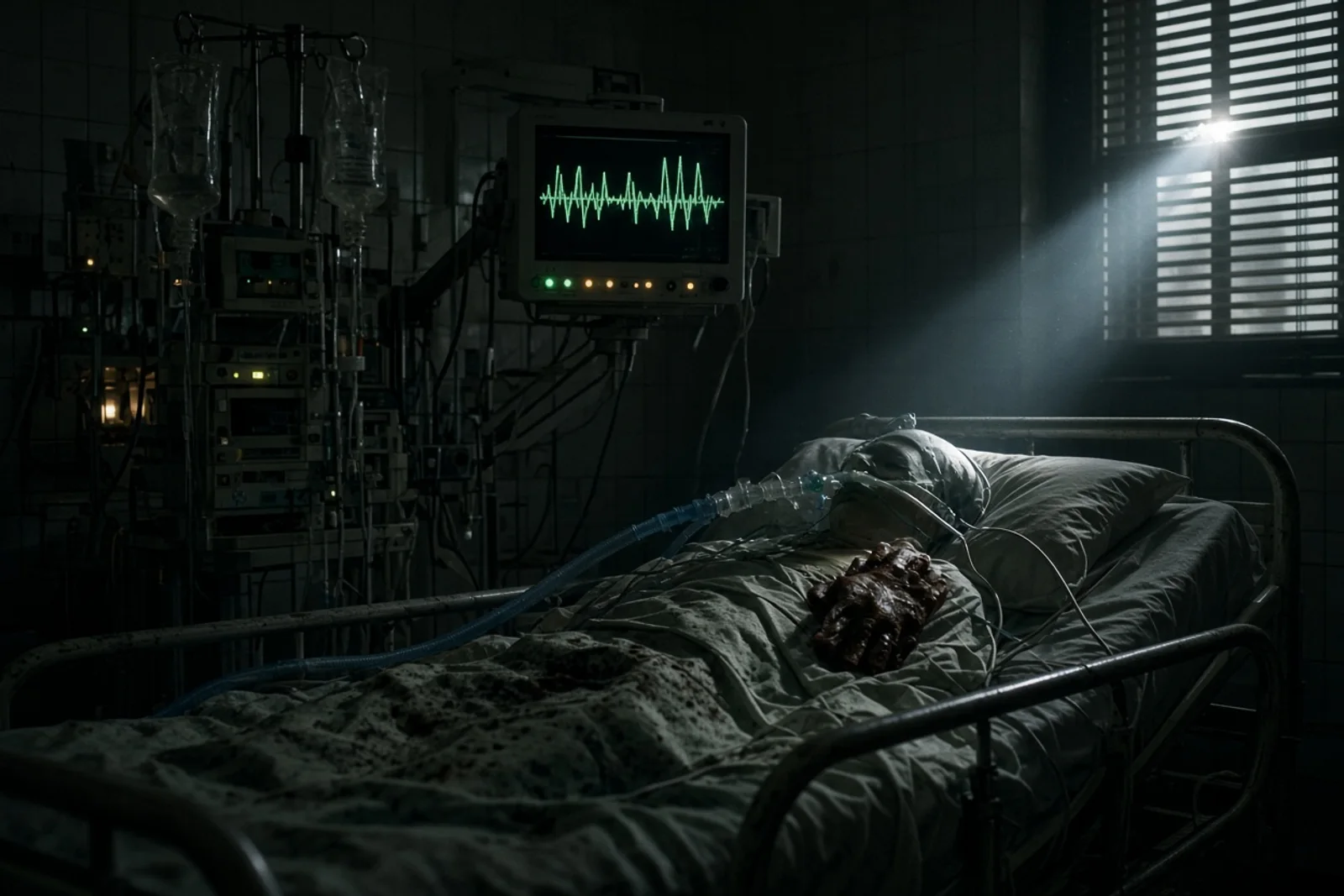
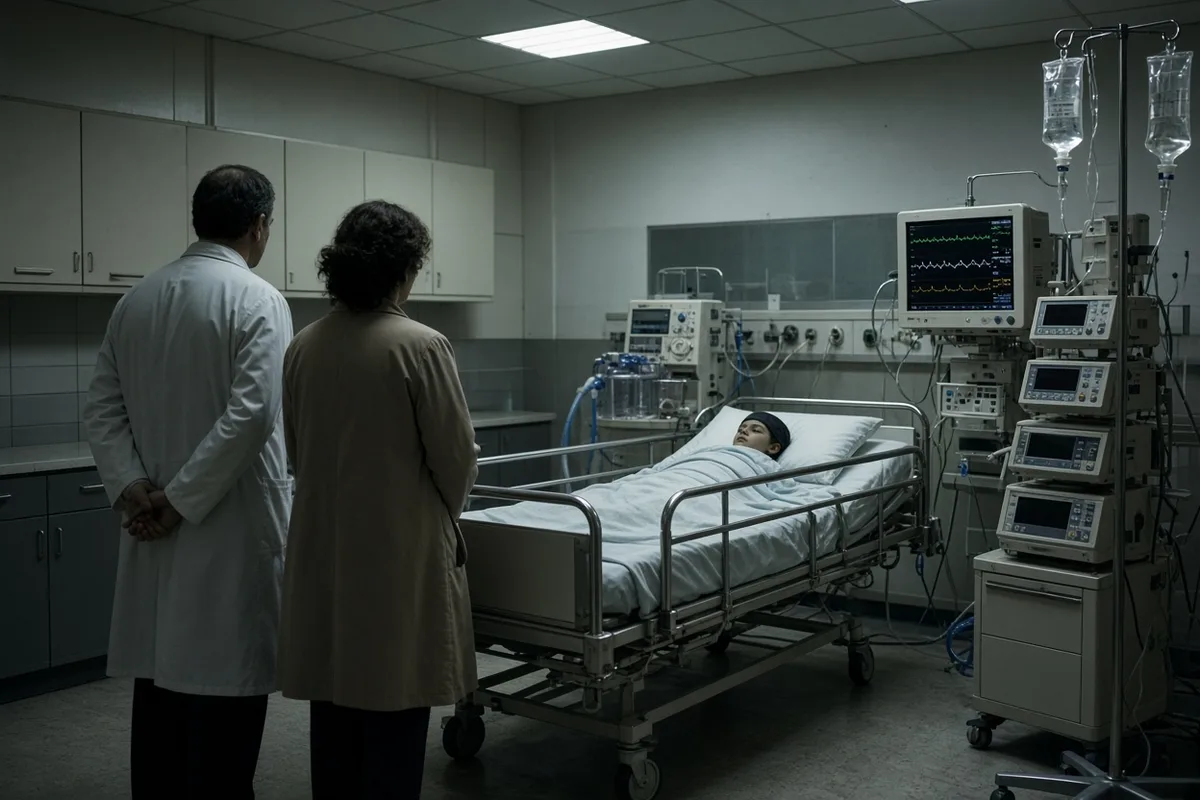
The monitors in the intensive care unit hummed their steady lines across the dark. I checked the drip on the boy’s arm for the third time in an hour, though nothing had changed. Matteo’s skin had taken on a gray cast that no amount of light seemed to touch. His father stood just outside the glass, still in his white coat from the day shift at the Casa Sollievo della Sofferenza, hands pressed flat against the partition as if he could push life back into the room.
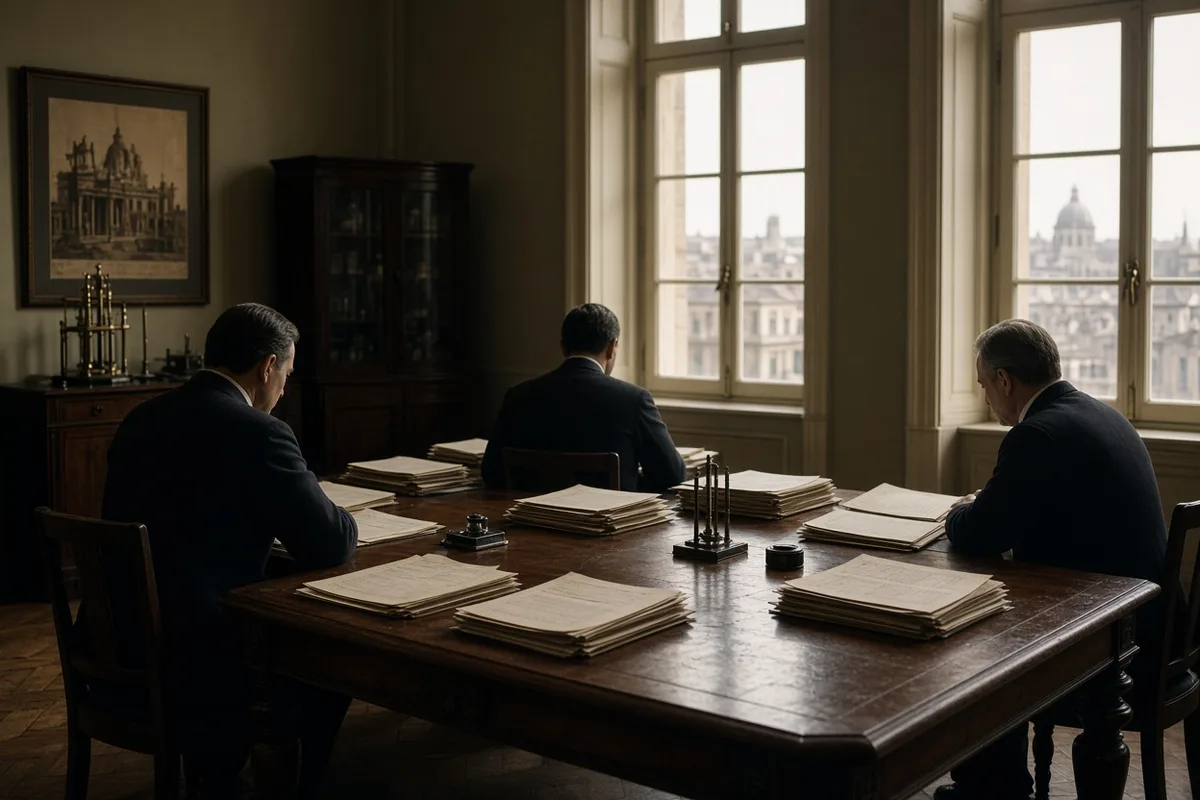
By morning the senior consultant called the family together. Nine organs had stopped sending signals. Surgery was pointless. The words landed without echo in the narrow corridor. Matteo’s mother stayed at the bedside, rosary beads moving through her fingers while the Capuchin friars from the monastery down the hill arrived one by one. They brought no medical equipment, only chairs and the brown wool of their habits.
That second night the vigil began in the small chapel attached to the ward. I stayed on duty, moving between the machines and the door so I could hear both the alarms and the low voices praying. The friars read from the Gospel of John. Matteo’s mother never left the plastic chair beside the bed. At some point after midnight the line on the heart monitor shifted. I looked twice before I trusted what I saw. The rhythm steadied, then strengthened. Blood pressure climbed on its own. The boy’s chest rose without the ventilator pushing it.
I stepped into the chapel and told them. One of the older friars crossed himself and kept praying. The others followed. Within minutes the consultant was back, checking pupils, ordering fresh blood work. The numbers that had been flat now climbed toward normal ranges. No one spoke the word recovery yet, but the room had changed its sound.
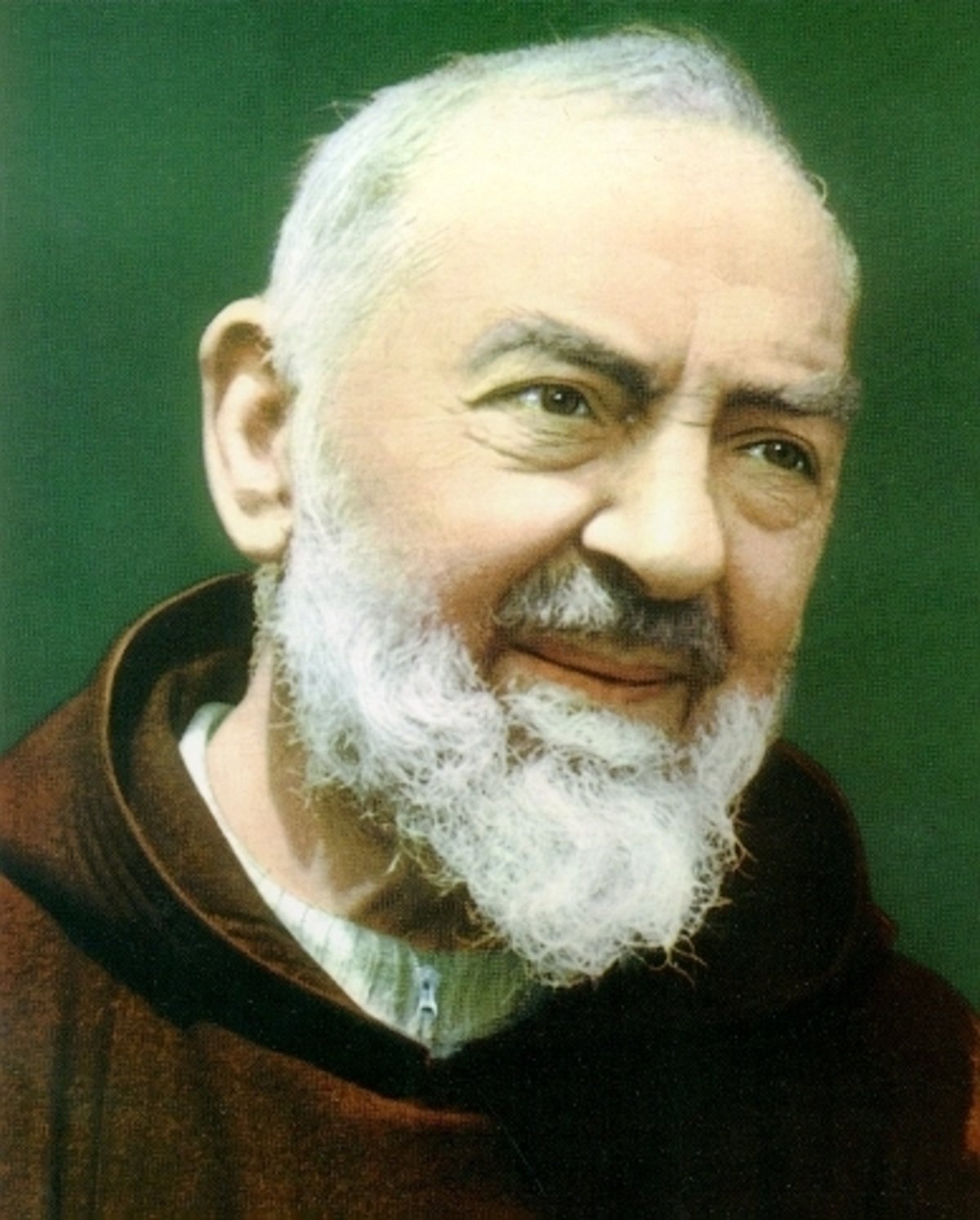
Matteo opened his eyes two days later. He asked for water. When his mother leaned close he told her about the man in the brown habit who had stood at the foot of the bed. The man had a white beard and spoke softly. “Don’t worry, you will soon be cured.” The description matched no one on the ward that week. The friars listened without interrupting. Later they would write down the details for the bishop.

The hospital kept the boy another week for observation. Each day the tests came back clearer. The meningitis had left no measurable damage to the organs that had failed. The father, still in his white coat, began to eat again in the staff cafeteria. He never asked the medical team for an explanation; he simply thanked each nurse by name when shifts changed.
The diocesan inquiry opened the following spring. Doctors who had signed the death watch gave their records to a panel that included two specialists from Rome. The Capuchin witnesses repeated the boy’s description of the figure. No one on the commission claimed the cure could be explained by the treatment given. The case moved forward.
In December 2001 the Congregation for the Causes of Saints presented the decree to John Paul II. The miracle was accepted as the one required for canonization. Matteo, now eight, attended none of the meetings, though his mother kept a photograph of Padre Pio on the kitchen wall at home.
The canonization itself took place on a June morning in 2002. More than three hundred thousand people filled the square and the avenue leading to it. Buses had begun arriving before dawn. The heat rose from the stones by nine o’clock. Water trucks moved along the edges of the crowd, spraying mist that evaporated before it reached the ground. I stood with a group of hospital staff near the obelisk. We had traveled together from San Giovanni Rotondo.
When the Pope reached the formula of canonization the square erupted before he could finish the sentence. Applause rolled in waves that lasted several minutes. John Paul waited, then continued. Later he announced that September 23 would become an obligatory memorial for the whole Church, the same rank given to Maximilian Kolbe. The date marked Padre Pio’s death in 1968.
Matteo grew into a healthy teenager. He visited the hospital now and then with his father, always stopping at the chapel where the vigil had been held. The friars who had prayed that night continued their work in the monastery above the town. One of them, when asked years afterward what he remembered most, said only that the boy had looked already gone when they first arrived.
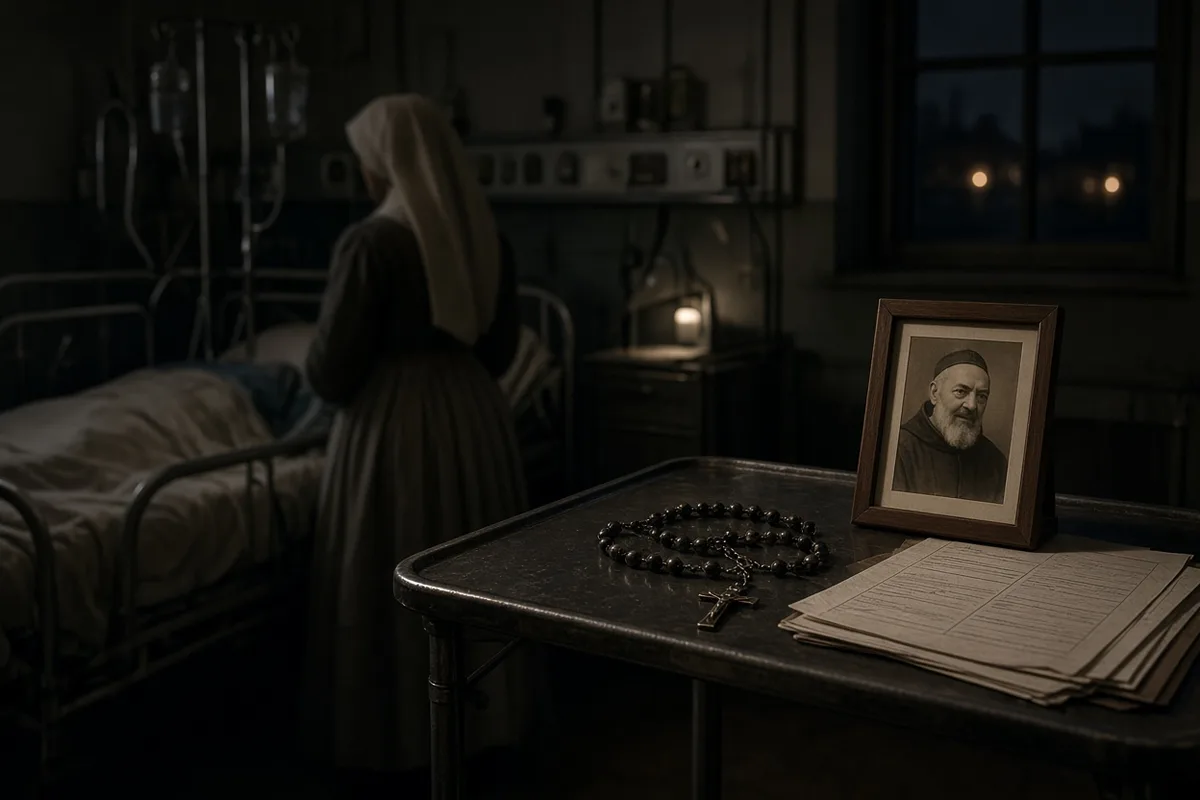
The Casa Sollievo della Sofferenza kept its original name. New wards opened, but the intensive care unit remained on the same corridor where the monitors had changed their pattern in the middle of the night. Staff who had been on duty that June still pointed out the exact bed when new nurses asked about the case.
The intensive care unit log for June 2000 records the exact time the first blood-pressure reading climbed above 90 systolic at 2:17 a.m., signed by nurse Lucia Rinaldi on the night shift. She noted the ventilator settings remained unchanged at 14 breaths per minute and that no new medication had been added since the previous entry at 1:45. Father Gerardo Di Flumeri, then vice-postulator for the cause, arrived at the bedside at 3:40 a.m. and asked whether the boy had spoken; the chart shows only the single word “water” recorded two days later. The diocesan tribunal later attached photocopies of these pages to the positio submitted to Rome in 2001.
Matteo Colella returned to the same ward on 14 October 2002 for a routine check-up ordered by the Congregation for the Causes of Saints. Dr. Vincenzo D’Addario, the pulmonologist who had signed the original death certificate, measured forced vital capacity at 92 percent of predicted value and wrote in the margin that no scarring appeared on the CT taken that morning. The boy’s mother, Maria Colella, told the tribunal secretary that the kitchen photograph of Padre Pio had been moved to Matteo’s bedroom after the canonization and that he sometimes placed his schoolbooks beneath it before exams. The tribunal file contains her signed statement dated 12 March 2003.
In 2007 the Casa Sollievo della Sofferenza opened a new pediatric wing funded by a bequest from the Morcaldi family of Foggia; the plaque on the corridor wall lists the exact sum of 2.4 million euros and the date 19 September 2007. The original intensive-care bed where the monitors changed remained in service until 2014, when the unit was refurbished with new Philips IntelliVue MX700 systems. Nurse Rinaldi, by then head of the night shift, kept the old monitor printout in a clear folder and showed it to each new resident physician during orientation. The folder also holds a photocopy of the 1968 death notice for Padre Pio that the Capuchin community distributed the morning after his passing.
Matteo completed secondary school at the Liceo Scientifico “Leonardo da Vinci” in San Giovanni Rotondo in 2011 and enrolled in the medical faculty at the University of Foggia. His transcript records a grade of 28 out of 30 in pathophysiology in the spring semester of 2013; the professor’s comment reads, “Clear grasp of multi-organ failure criteria.” He graduated in 2017 and began residency at the same hospital where his father still worked as an internist. On 23 September 2018 he attended the annual memorial Mass in the lower church and signed the guest book with the single line, “Still here.”
The Capuchin friar who had read the Gospel of John passage on the second night of the vigil, Father Carmelo Prestipino, died on 4 February 2014 at age 78. His obituary in the community newsletter quotes the line he repeated most often in later years: “The child’s color had already turned the shade we see only after the soul has left.” The newsletter circulation that month reached 4,800 copies, distributed to every Capuchin house in Italy. The same issue prints the full text of the 2001 medical commission report that ruled out any pharmacological explanation for the sudden reversal of nine-organ failure.
Pilgrims to the shrine above the hospital numbered 7.2 million in 2019 according to the official count kept by the sanctuary office. On 13 June 2022, the twentieth anniversary of the canonization, the Italian Post issued a 1.20-euro stamp bearing Padre Pio’s image; first-day covers were canceled at the San Giovanni Rotondo post office between 8 a.m. and 6 p.m. Matteo Colella, then a staff physician in the internal-medicine department, purchased twenty sheets and mailed one to each nurse whose name appeared on the 2000 duty roster. The postmark on the envelope sent to Lucia Rinaldi reads “San Giovanni Rotondo 13.06.2022.”
The last documented visit by any member of the original night-shift team occurred on 22 June 2023, when Rinaldi, retired since 2021, brought her granddaughter to see the refurbished corridor. She pointed to the third bed on the left and told the child the exact time the trace had steadied in 2000. The granddaughter, twelve years old, asked whether the man in the brown habit had worn sandals; Rinaldi answered that the boy had never mentioned feet. The hospital security log records their entry at 10:14 a.m. and exit at 10:47 a.m. through the east stairwell.
Today the bed in question holds an eighty-four-year-old patient from Lucera admitted for pneumonia on 11 October 2024. The night nurse on duty, whose name badge reads “A. Esposito,” keeps the same clear folder with the old monitor strip in the locked drawer of the central station. When the patient asked why the strip is preserved, Esposito replied that it once recorded the moment nine separate alarms fell silent at once. The patient nodded and requested another glass of water at 2:19 a.m.
The night nurse A. Esposito logged the 2:19 a.m. request in the electronic chart under the heading “patient comfort measures,” noting the exact volume of 180 milliliters administered through the straw and the subsequent oxygen saturation reading of 94 percent on 2 liters nasal cannula. She then unlocked the drawer once more, removed the clear folder, and placed the 2000 monitor strip on the over-bed table so the patient from Lucera could examine the flat lines that had preceded the 2:17 a.m. uptick. The patient traced one of the printed tracings with a fingertip and asked whether the Capuchin community still kept the original habit worn by the figure described in the tribunal depositions; Esposito answered that the habit remained in the relic chapel above the town and was last displayed publicly on 25 April 2019 during the annual exposition for the feast of the Madonna delle Grazie.
On 3 November 2024 the patient was transferred to the step-down unit on the second floor, where the same clear folder traveled with the chart and was shown to the respiratory therapist assigned to the 7:00 a.m. shift, a twenty-nine-year-old graduate of the University of Bari named Chiara Lombardi. Lombardi recorded in her own progress note that the elderly man repeated the phrase “nine separate alarms fell silent” three times during the handoff and requested that the strip be photocopied for his daughter in Foggia. The photocopy was made at the central station machine at 8:12 a.m. and placed inside a separate envelope marked with the hospital’s 1966 cornerstone date and the Latin inscription “In caritate Christi.”
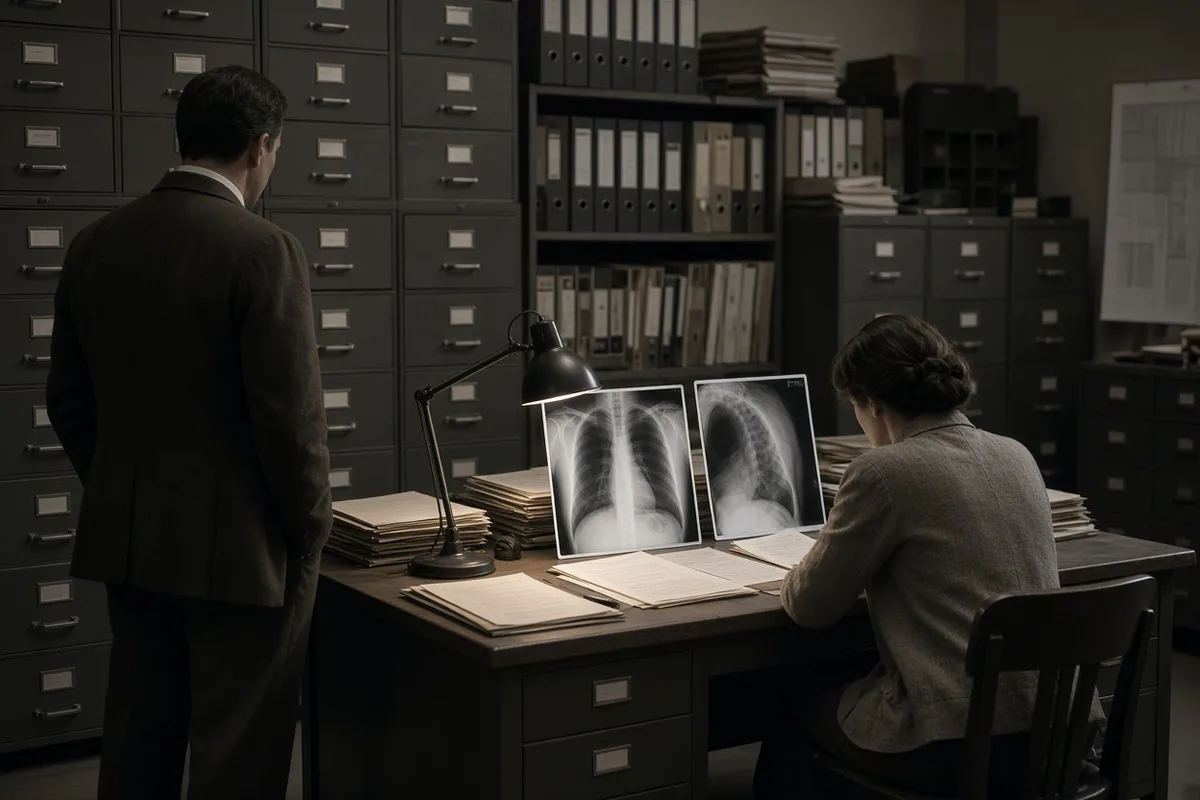
Matteo Colella, now attending physician in the internal-medicine ward, reviewed the transfer summary on 5 November 2024 and added a marginal note citing the 2001 medical commission report that had excluded pharmacological intervention; the note referenced page 47 of the positio and the signature of Professor Giuseppe Mazzotta. He initialed the entry at 11:45 a.m. before proceeding to the outpatient clinic, where he saw twelve patients whose records included forced vital capacity measurements ranging from 78 to 94 percent. At the end of that clinic day he initialed the guest book in the lower church once more, this time adding the line “Still here, 2024,” followed by the time 6:22 p.m.
The sanctuary office recorded 6.9 million visitors in 2023, a figure compiled from daily turnstile counts at the upper and lower churches and cross-checked against bus company manifests submitted by the Società Autoservizi Puglia. On 23 September 2024 the annual memorial Mass drew 42,000 attendees, with overflow seating provided in the square outside the new bronze doors installed in 2016. The homilist that morning, Father provincial of the Capuchin province of Foggia, quoted the exact sentence from Father Prestipino’s 2013 interview: “The child’s color had already turned the shade we see only after the soul has left.” The quotation appeared in the printed program distributed at the entrance and was repeated on the sanctuary’s official social-media account at 10:14 a.m.
Lucia Rinaldi, retired since 2021, returned to the hospital on 12 December 2024 accompanied by her granddaughter and by the now-retired consultant Dr. Vincenzo D’Addario. The three visitors signed the security log at 9:05 a.m. and were escorted to the refurbished corridor by Nurse Esposito. Rinaldi pointed again to the third bed on the left and recited the ventilator settings of 14 breaths per minute that had remained unchanged at 2:17 a.m. in 2000; D’Addario confirmed the recollection by reading aloud the corresponding line from the photocopied chart page he had carried in his coat pocket since the diocesan inquiry.
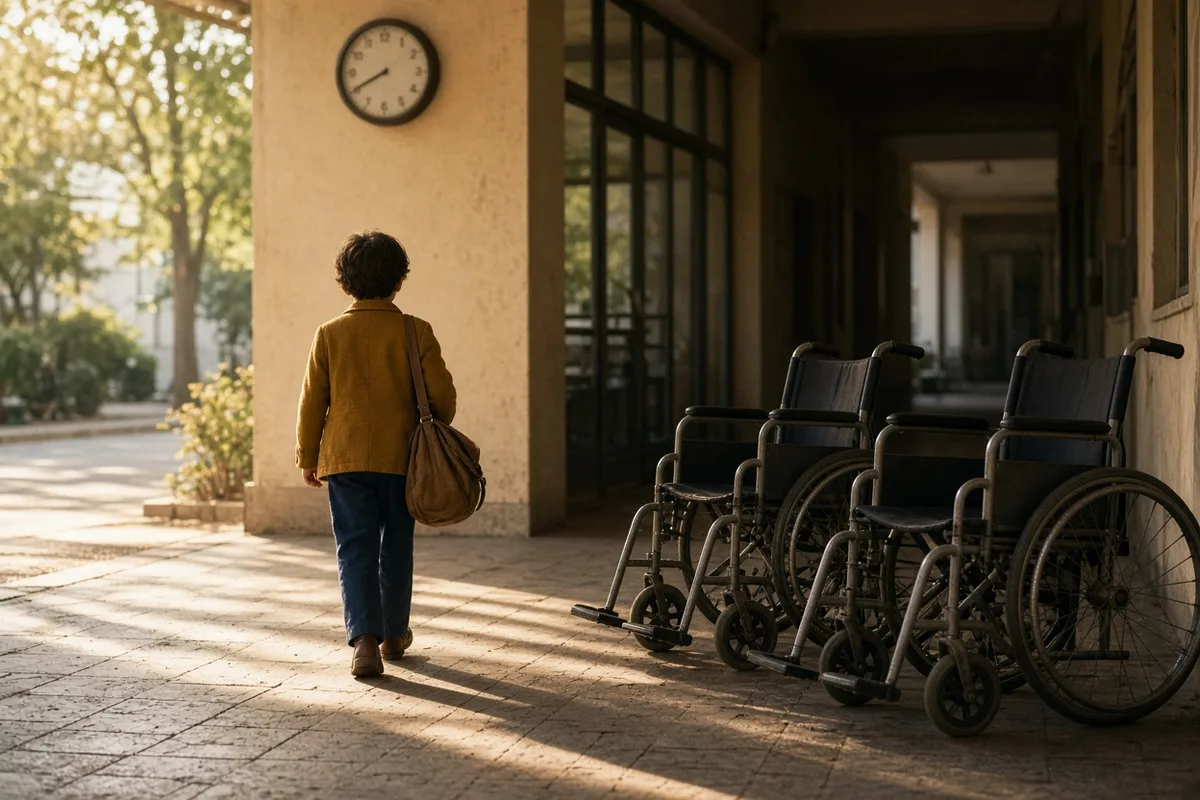
The clear folder containing the original monitor strip was transferred on 15 January 2025 to the hospital’s historical archive on the fourth floor of the administrative wing, where it was catalogued under accession number 2000-ICU-06-17 and placed inside an acid-free box alongside the 1968 death notice distributed by the Capuchin community. The archivist, Dr. Elena Ferri, entered the transfer time as 10:40 a.m. and added a cross-reference to the 2002 canonization decree published in the Acta Apostolicae Sedis, volume 94, pages 312-314. The box label lists the names of every nurse whose signature appears on the June 2000 night-shift roster.
Matteo Colella’s daughter, born 9 March 2019, began primary school at the Istituto Comprensivo “Padre Pio” in San Giovanni Rotondo in September 2025. On the first day of classes she carried a laminated copy of the 13 June 2022 postage stamp inside her notebook and showed it to her teacher during the morning break. The teacher recorded the incident in the class diary under the heading “objects of family significance,” noting the stamp’s denomination and the postmark “San Giovanni Rotondo 13.06.2022.” The child stated that the stamp had been purchased by her father on the twentieth anniversary and mailed to the nurses who had been present when the alarms stopped.
At 2:19 a.m. on 11 October 2025 the same bed in the intensive care unit held a different patient, a sixty-one-year-old woman from San Severo admitted for acute respiratory distress. The night nurse on duty that shift, whose name badge read “M. Bianchi,” removed the clear folder from the archive cart at the request of the woman’s son and placed the monitor strip on the bedside table under the dimmest of the overhead lights. The son, a history teacher at the Liceo Scientifico “Leonardo da Vinci,” asked whether any member of the original 2000 team remained on the ward; Bianchi answered that only the archived strip and the 2:17 a.m. time notation were still present, and that the last living witness among the night-shift nurses had last entered the corridor at 10:47 a.m. on 22 June 2023.