



Grant argues character skills outweigh early talent in Hidden Potential

In 60 seconds
- Achievement runs on learnable character skills—proactivity, discipline, determination—not the early cognitive gifts scouts and tests hunt for.
- Fast improvers absorb methods from unlikely domains and discard what fails; they do not defend one polished path.
- A high volume of flawed attempts grows more real skill than polishing one piece before shipping.
- Short-term struggle—self-testing, spaced practice—beats the smooth feeling of flow for lasting retention.
- Gatekeepers filter out growers by leaning on weak proxies like height, GPA, pedigree, and early polish.
- Teams outdo their most talented members only when psychological safety lets quieter voices risk unfinished ideas.
The big idea
Grant holds that how far someone goes depends less on innate talent than on teachable character skills that the right habits and structures can activate. Schools, employers, and coaches miss growers because they select on easy proxies instead of building environments that grow people who still look unready.
The book in brief
Judit Polgar beat reigning world champions after a childhood designed as a chess experiment. None of the three Polgar sisters began with a measurable gift for the game. That opening blow lands the book's stake: ability is not mostly fixed and visible early, so the useful question is not how much raw talent someone has but how much character skill an environment can help them build.
From there the argument moves into the daily habits that turn that capacity on. Improvement, Grant shows, favors people who pull methods from odd places and stress-test them, who ship volume before polish, and who pick practice that feels worse in the moment because it sticks later. Comfort during practice is often a false signal that nothing new is being learned.
Sustaining that discomfort needs more than willpower. Temporary external supports—checkpoints, partners, locked commitments—carry discipline until internal drive exists, then come down. Responsibility shifts from pure character to the design of the surrounding structure.
The book then turns on the institutions that hand out chances. Scouts, schools, and hiring panels still lean on proxies that are easy to defend in a group and weakly tied to later performance once a baseline is met. Those filters quietly reproduce who already looks ready.
The close widens to groups. Collective output is not the sum of individual talent; it hinges on whether unfinished ideas from lower-status voices can surface without punishment. Design, not star power, decides how much hidden capacity the room actually uses.
Context
Adam Grant’s 2023 book Hidden Potential draws on education, sports, and organizational psychology to challenge how schools, employers, and coaches spot 'gifted' people. He argues the systems built to detect potential often filter out those who would grow most if given the chance.
The key ideas
1
Character over early gifts
Dramatic improvers differ from plateauers by practiced proactivity, discipline, and determination—skills in the same category as reading or arithmetic—not by raw aptitude scouts can spot young.
Fixed, early-visible ability is the wrong starting assumption. What moves people is a bundle of character skills: seeking opportunities instead of waiting, sustaining unglamorous repetition, and continuing after setbacks that stop others.
Those traits answer to practice and environment. They are not sealed personality features. Once that lands, the practical question flips from measuring endowment to designing the conditions that build the skills.
Talent-spotting systems built for early cognitive signals therefore miss the growth engine. They keep asking how much gift someone already shows instead of how much character skill the setting can activate.
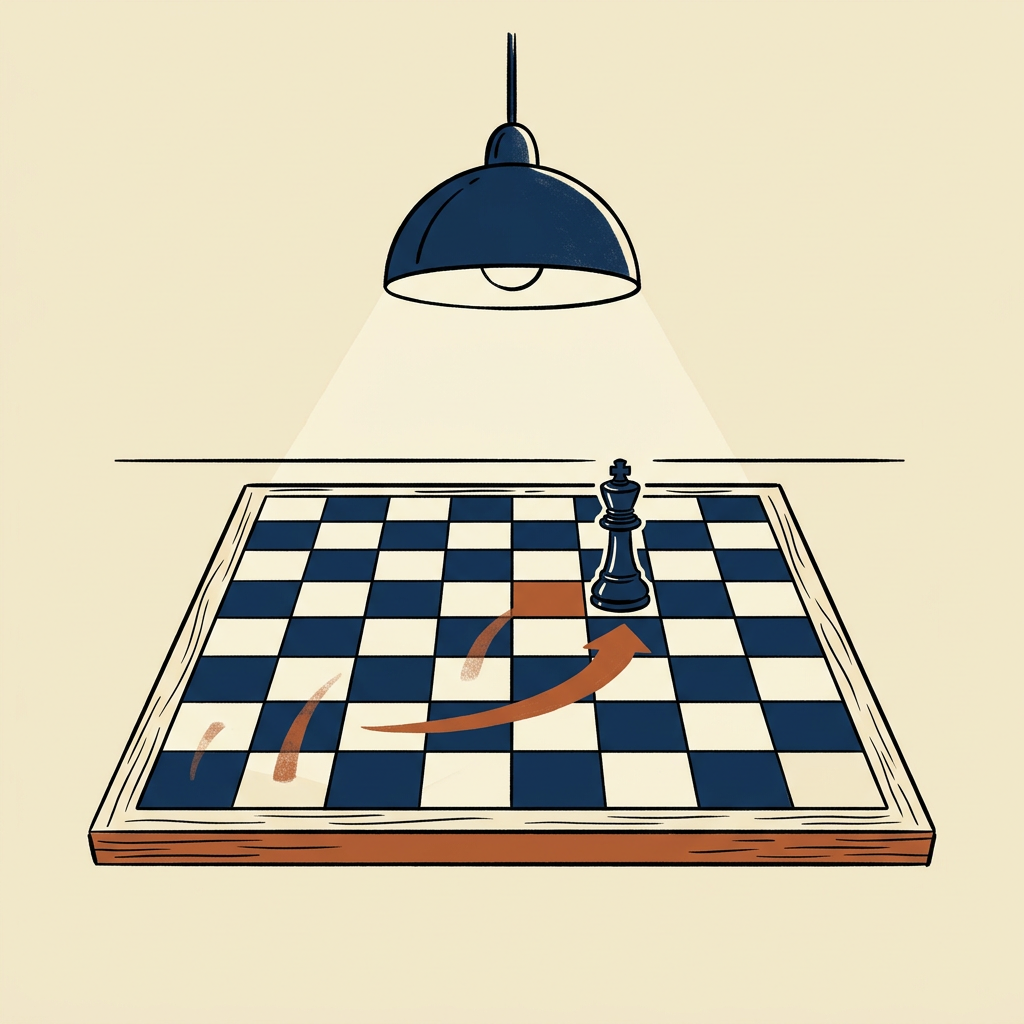
In practice: Laszlo Polgar raised Susan, Sofia, and Judit on deliberate chess structure from early childhood; all reached grandmaster or near-grandmaster level, and Judit became the strongest female player in history.
2
Learn like a sponge
The fastest improvers absorb information from unlikely sources and test it against results; that posture is a habit, not a cognitive gift.
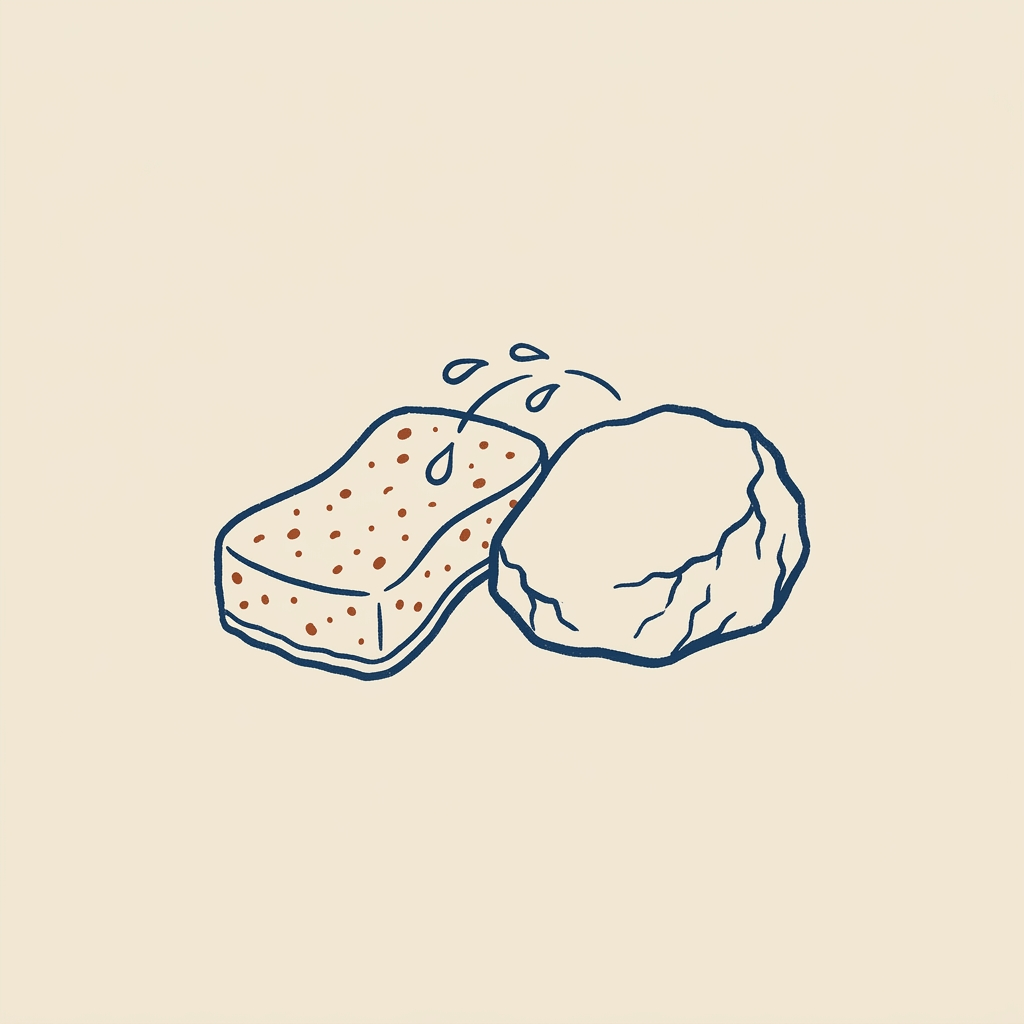
Sponge
Pulls methods from odd domains, stress-tests them, discards what fails
Rock
Resists input that does not fit the existing method
Two postures split learners. The sponge takes in methods that do not already fit and adapts them. The rock rejects input that clashes with the familiar approach.
Expertise often arrives through cross-pollination, not single-track mastery. People who hunt disconfirming feedback and mixed sources build more flexible skill than people who specialize early and defend one method.
Being a sponge means tolerating the look of being unpolished while a borrowed technique is still awkward. Potential opens less through the 'right' expert path and more through actively trying many ways and dropping what fails.
In practice: James Holzhauer turned Jeopardy success out of spaced-repetition flashcards, weak-category tracking, and horse-racing wagering strategy—methods imported from sports gambling, not standard trivia prep.
3
Ship volume, not polish
A high count of flawed attempts builds more real skill than striving to perfect one piece; waiting for readiness delays the repetitions that create readiness.
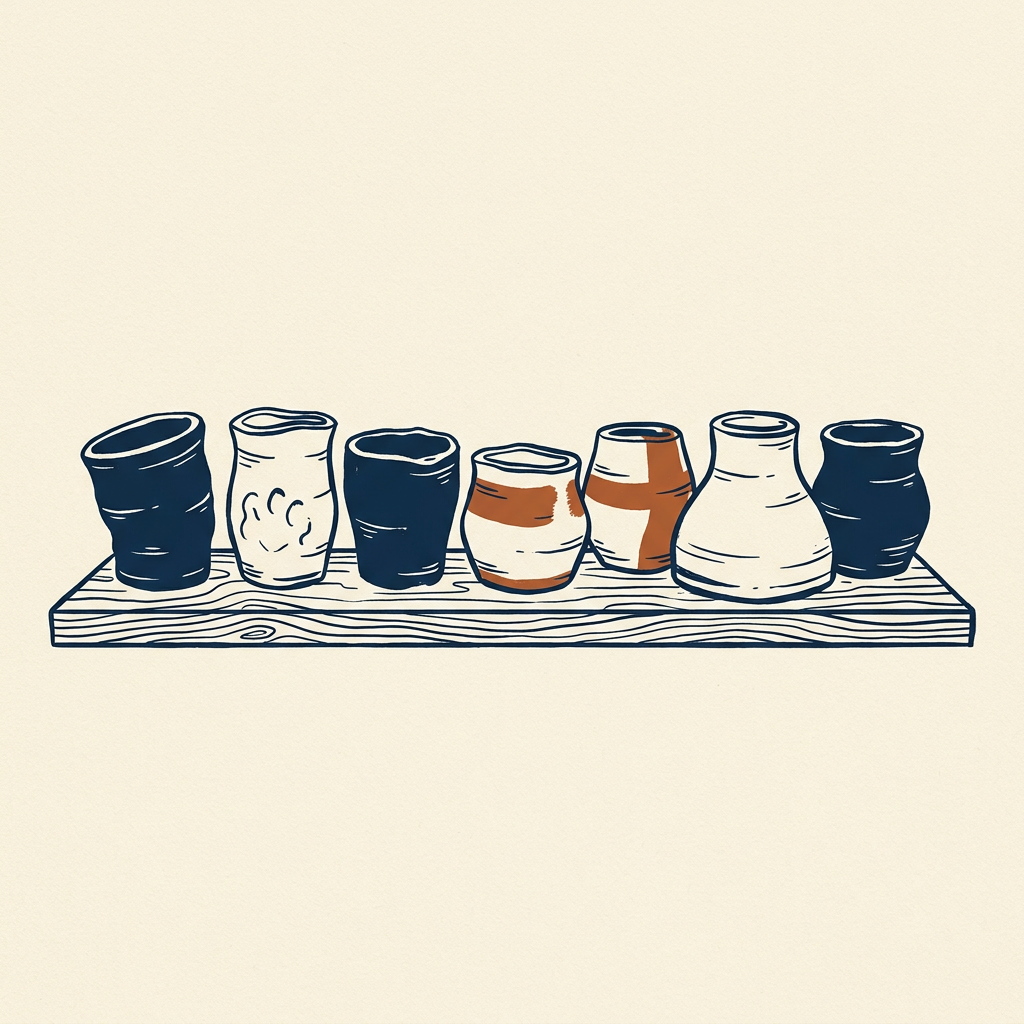
Quantity group
Many flawed pots; learn from cracks, collapses, uneven glaze
Quality group
One perfect pot in theory; fewer reps, weaker final work
The instinct to avoid public failure—especially strong in people already labeled talented—blocks growth. Unfinished, flawed output is the price of admission to improvement, not proof of inadequacy.
Procrastination and perfectionism stop looking like quirks and start looking like strategic errors. Polish-before-shipping starves the loop that would have produced skill.
Grant names the better stance 'imperfectionist': treat the rough draft, the cracked pot, the lost practice game as fuel rather than evidence you lack the gift.
In practice: In the ceramics class split from Art and Fear, the group graded on quantity of pots outperformed the group graded on the quality of a single pot; the best work came from people who kept throwing imperfect pieces.
4
Choose useful discomfort
Conditions that feel harder and look worse short-term—self-testing, spaced practice—produce stronger long-term retention than fluent, easy review.
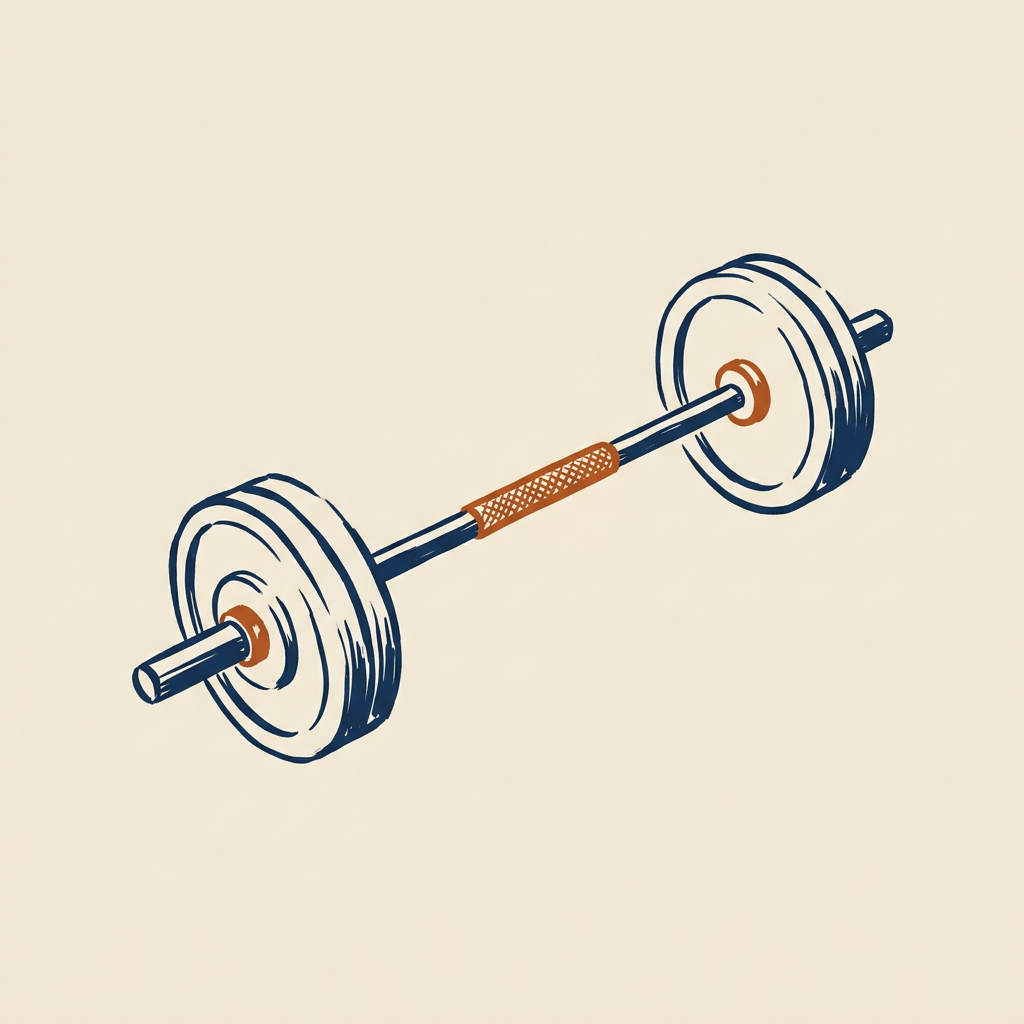
Feels easy now
Rereading, massed practice, flow—weak later retention
Feels harder now
Self-testing, spacing—stronger delayed performance
Robert Bjork’s desirable difficulties cut against the popular idea that the best learning feels like smooth flow. Comfort in the moment often means the material is already known, not being acquired.
Self-testing beats rereading for delayed exams even though practice scores look worse. Spacing sessions beats massing them for the same reason: harder now, better later.
People and institutions dodge this pattern because short-term metrics dip—lower quizzes, slower early progress—and those dips get misread as low potential. Evaluators need different signals than comfort and immediate polish.
In practice: Holzhauer’s flashcards and Judit Polgar’s habit of studying lost games rather than won ones are deliberate discomfort strategies, not accidents of personality.
5
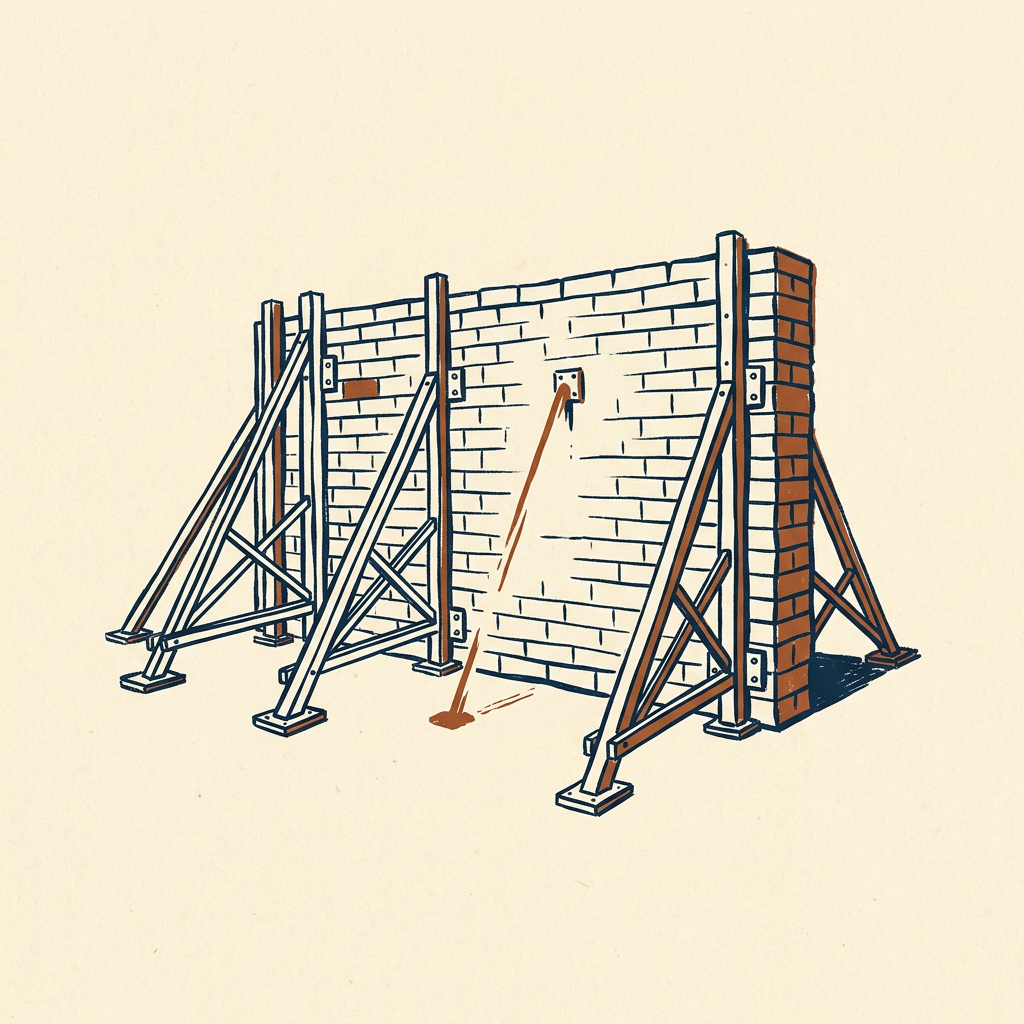
Build scaffolding first
Discipline is constructed with temporary external supports—checkpoints, partners, commitment devices—that come off once internal motivation can stand alone.
- 1Install supportsCheckpoints, partners, locked commitments do the forcing
- 2Force early repsDiscipline runs on schedule before drive exists
- 3Remove scaffoldingSupports come down as internal motivation stands up
Willpower is a weak foundation in the early stage of a hard skill. Structure has to do the work motivation will eventually do.
Scaffolding, borrowed from construction language, holds the effort up while the skill is unfinished. Mandatory check-ins, locked savings, workout partners who impose a social cost—these force the reps before love of the work exists.
The point relocates responsibility. Early discipline is not proof someone 'has grit'; it is often proof the environment is carrying them until they can carry themselves.
In practice: At West Point, Beast Barracks’ seven-week unforgiving schedule functions as scaffolding that enforces daily discipline before cadets internalize military life; grit and self-control predict completion better than fitness or SAT scores.

6
Gatekeepers’ blind proxies
Pedigree, credentials, height, GPA, and early polish correlate weakly with later performance past a baseline, yet organizations keep using them because they are easy to measure and defend.
Weak proxies
Height, GPA, prestige, early polish—easy, defensible, low signal
Directer bets
Character under pressure, trajectory, skill samples
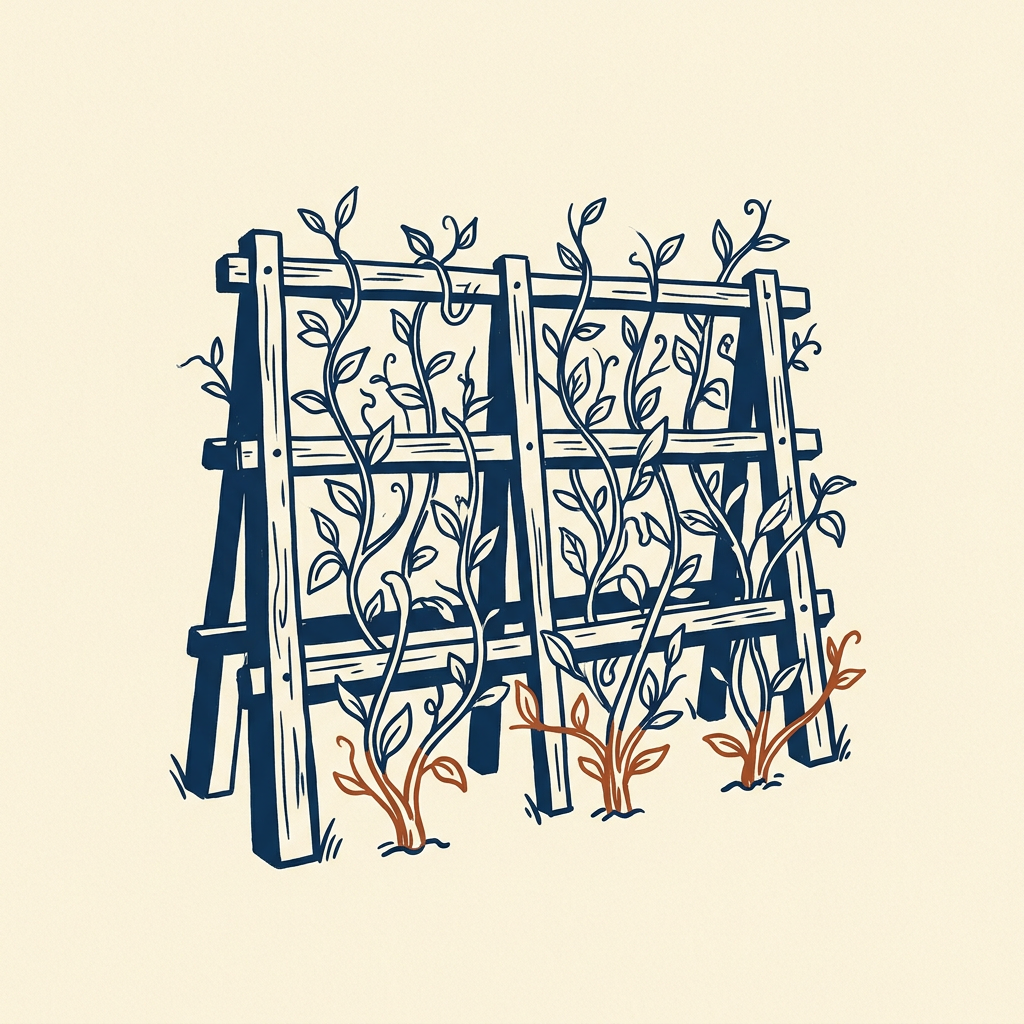
Standard scouting and hiring metrics survive less on predictive power than on convenience in group decisions. Once basic competence is present, those proxies add little and actively screen out latecomers, nonlinear paths, and people without elite stamps.
That is not only inefficiency. It reproduces inequality: the people who look unready on conventional paper are disproportionately already underrepresented.
The fix is not softer standards. It is different measurement—trajectory and character skills tested directly instead of inferred from where someone has already been.
In practice: The Seattle Seahawks drafted Russell Wilson in the third round in 2012 despite his five-foot-eleven frame, weighting character interviews and pressure performance; he later won a Super Bowl and made multiple Pro Bowls. Google’s own hiring research found GPA and test scores poor predictors after a few years, so the company deemphasized them.
7
Systems that grow people
Institutions unlock potential at scale when they invest dense support before proof of motivation, instead of pouring resources only onto people who already look like high performers.
Individual scaffolding and better gatekeeping are not enough. Some environments need wholesale redesign for people who arrive with no track record.
The working pattern pairs high demand with heavy structure: longer days, mandatory tutoring, daily monitoring, and a culture that treats struggle as expected. Competence and confidence follow the investment; they do not precede it.
Typical schools and workplaces do the reverse—advanced tracks, mentorship, and stretch work flow to the already anointed—which compounds early advantages and treats early performance as a stronger signal than it is. Aggregate potential realized tracks system design more than the raw ability mix at the door.
In practice: Schools serving low-income, academically unprepared students produced strong college outcomes by building scaffolding first—extended days, required tutoring, close daily monitoring—rather than waiting for students to look motivated before investing.
8
Safety unlocks the room
Groups outperform collections of individually talented members when psychological safety lets people admit mistakes and float unfinished ideas without punishment.
Collective potential is not additive talent. Google’s Project Aristotle found the strongest factor in team effectiveness was psychological safety, not average intelligence or seniority.
If growth needs visible imperfection and useful discomfort, a culture that punishes those moves suppresses the behaviors that build shared skill. Confident, high-status voices dominate discussion whether or not their ideas are best.
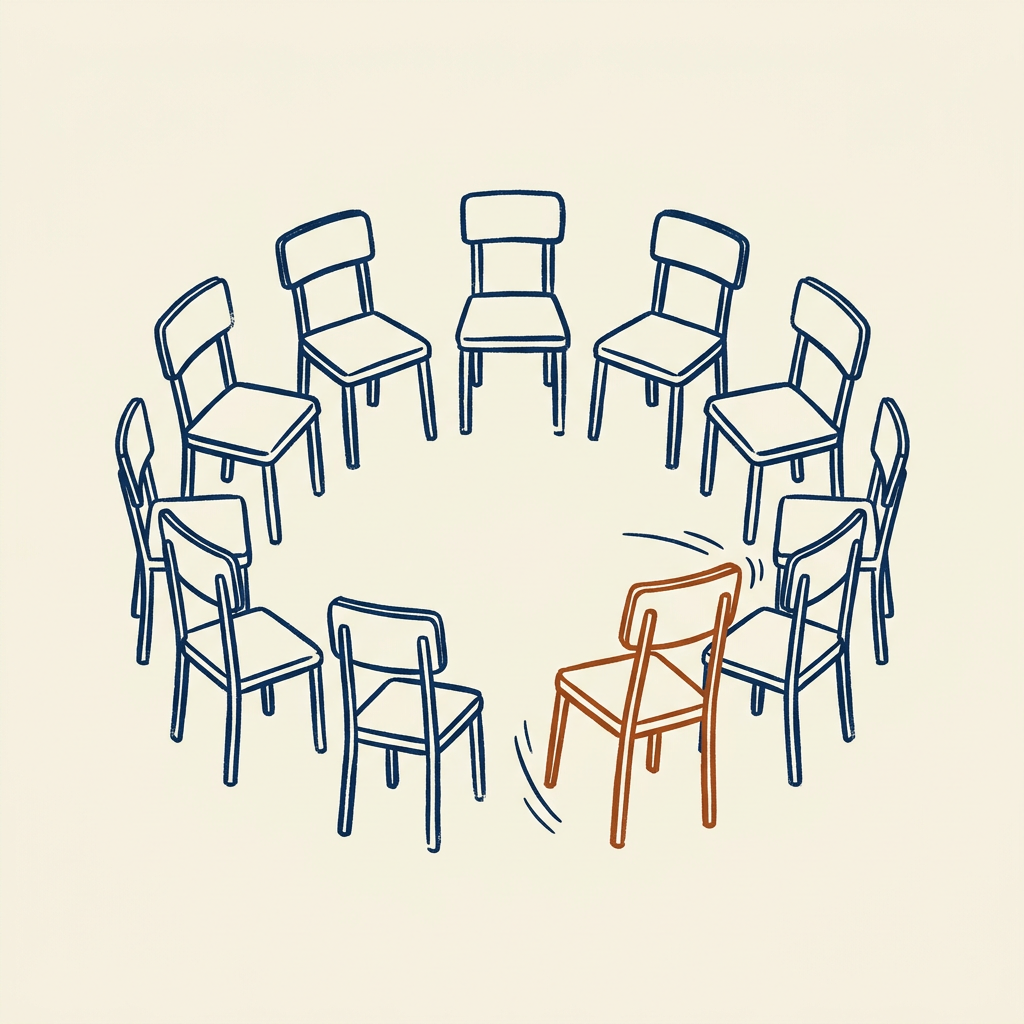
Structural counters—round-robin turns, anonymous idea submission before debate, norms that reward dissent—give quieter and lower-status contributions a path into the open. Group design becomes a lever for capacity that would otherwise stay sealed inside people never heard.
In practice: Project Aristotle showed teams high in psychological safety beat teams with more individually talented members but lower safety.
Key terms
- character skills Learnable habits of proactivity, discipline, and determination that drive improvement more than early cognitive gifts.
- sponge A learning stance that absorbs methods from unlikely sources and keeps only what survives real tests.
- imperfectionist Someone who treats flawed, unfinished output as the cost of getting better rather than as proof they lack talent.
- desirable difficulties Practice conditions that feel harder and look worse short-term but lock in stronger long-term skill.
- scaffolding Temporary external supports—schedules, partners, locks—that enforce discipline until internal motivation can carry the work.
- gatekeepers The people and systems that decide who gets drafted, hired, admitted, or promoted—often using weak, easy proxies.
- psychological safety A group climate where members can take interpersonal risks, admit mistakes, and offer rough ideas without punishment.
- hidden potential Not buried talent waiting to be found, but unused capacity for growth waiting on the right habits and structures.
What to do
- Pick one skill you have avoided because you are bad at it and produce ten visibly imperfect attempts this week instead of one polished piece.
- Replace one study or practice session with a self-test before you feel ready, even though the moment will feel worse.
- For one hiring, promotion, or grading decision, drop one proxy you usually trust—school prestige, years, interview polish—and use a direct skill sample or structured character conversation.
- Install one external commitment device this week—a scheduled accountability call, a public deadline, or a locked transfer—for a goal you have been leaving to willpower.
- In your next meeting, try one structure that surfaces quieter voices, such as round-robin turns or anonymous ideas before open discussion.
Questions to think with
- Which proxy do you still treat as proof of potential, and what direct signal could replace it this month?
- Where are you polishing before you have done enough rough reps?
- What external scaffold could carry a goal you keep failing on willpower alone?
- Whose unfinished ideas never reach the table in your team, and what rule would change that?
- When did comfort in practice last fool you into thinking you were improving?
The other side
The book rests heavily on case studies and striking single data points rather than large-scale causal proof. The Polgars are a sample of three raised by the same father who was trainer and story source—an existence proof, not a base rate. The Wilson draft has the same survivorship problem: failed bets against proxies go uncounted. Grit and related research have faced replication pressure and modest effects once broader conscientiousness is controlled. Grant synthesizes more than he newly experiments, so claims read best as plausible mechanisms. The larger gap is material constraint: unstable housing, unsafe schools, and no spare time for deliberate practice sit outside a mostly empowering psychological frame. Treat it as a book about growth mechanics inside a resource set, not a politics of why resources are uneven.
Who it's for
Managers and coaches who decide promotions, drafts, or admissions and want to stop overweighting pedigree; parents and teachers building discipline instead of treating ability as fixed; anyone who feels like a late bloomer and needs evidence that starting behind is not a life sentence.