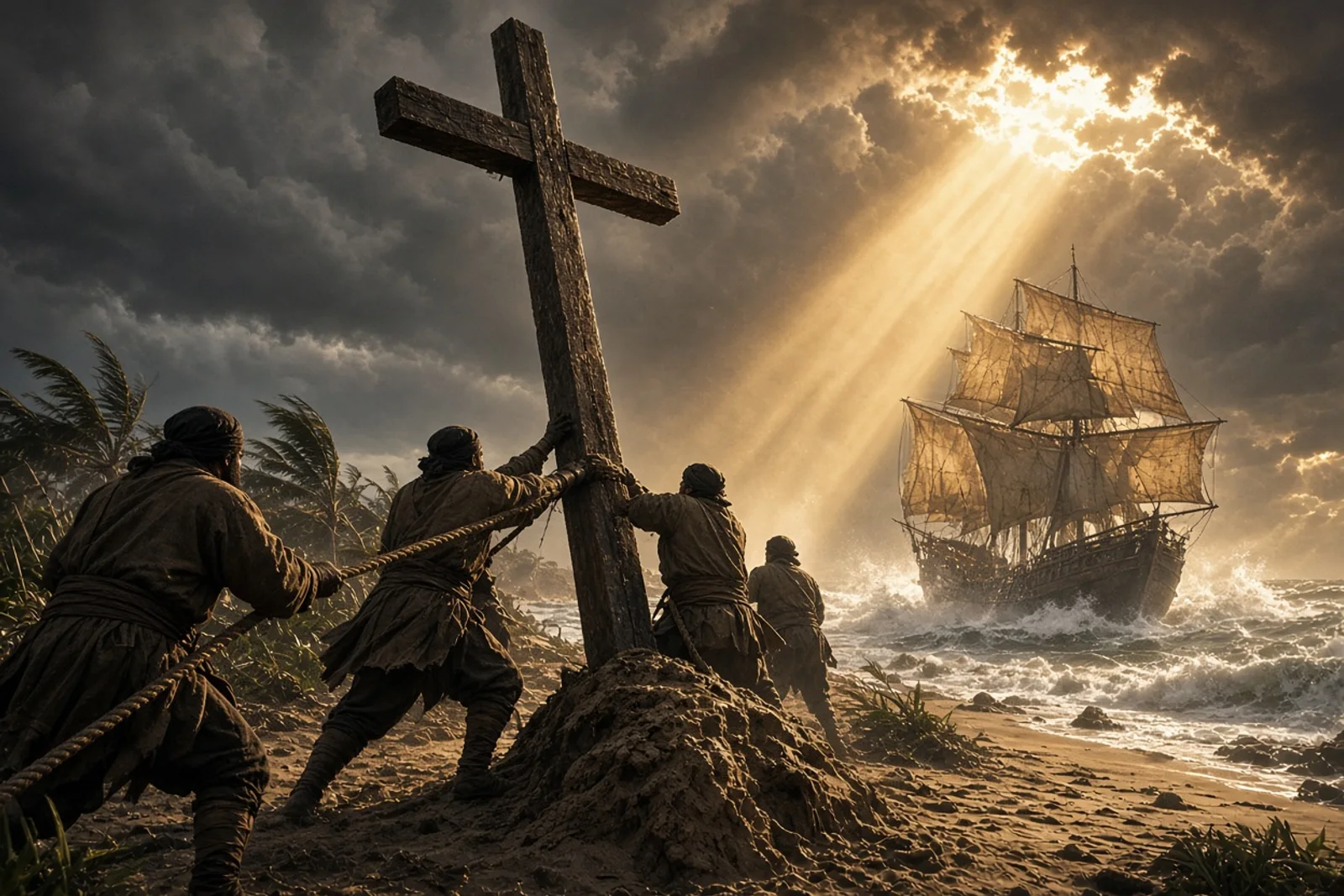



Charles Spurgeon Trusts Christ

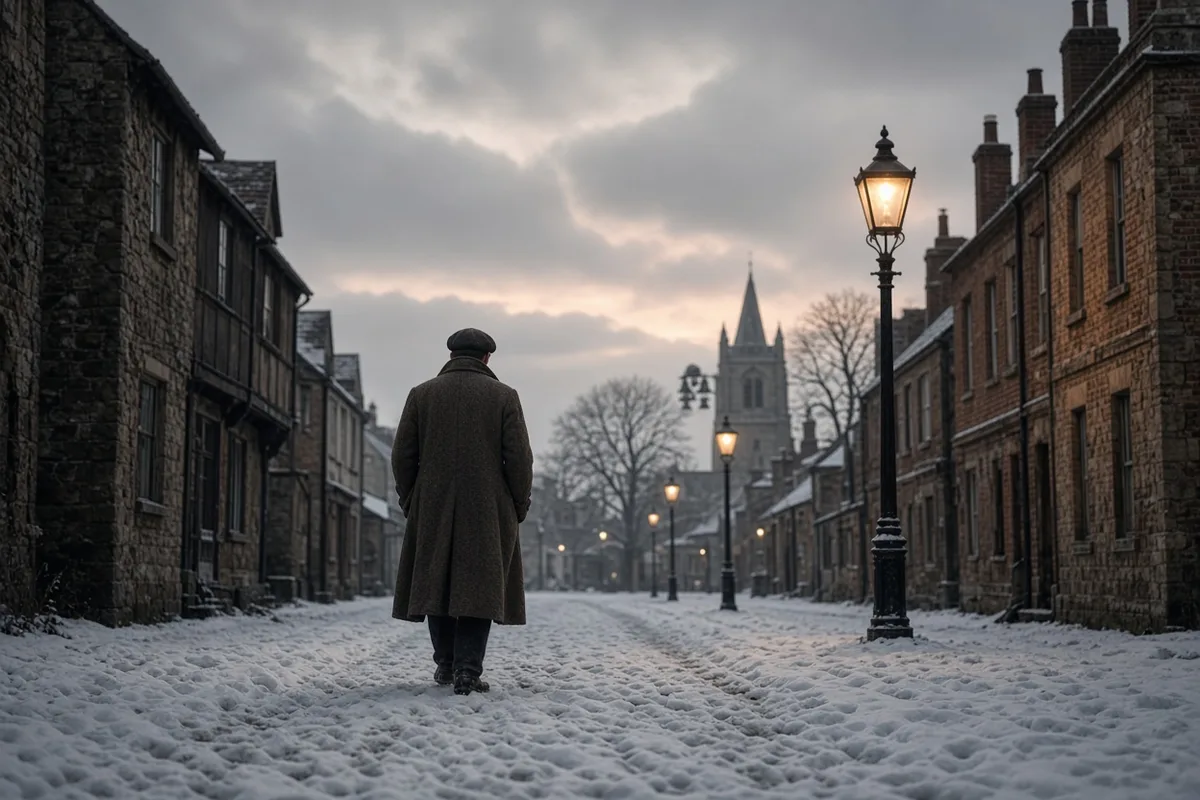
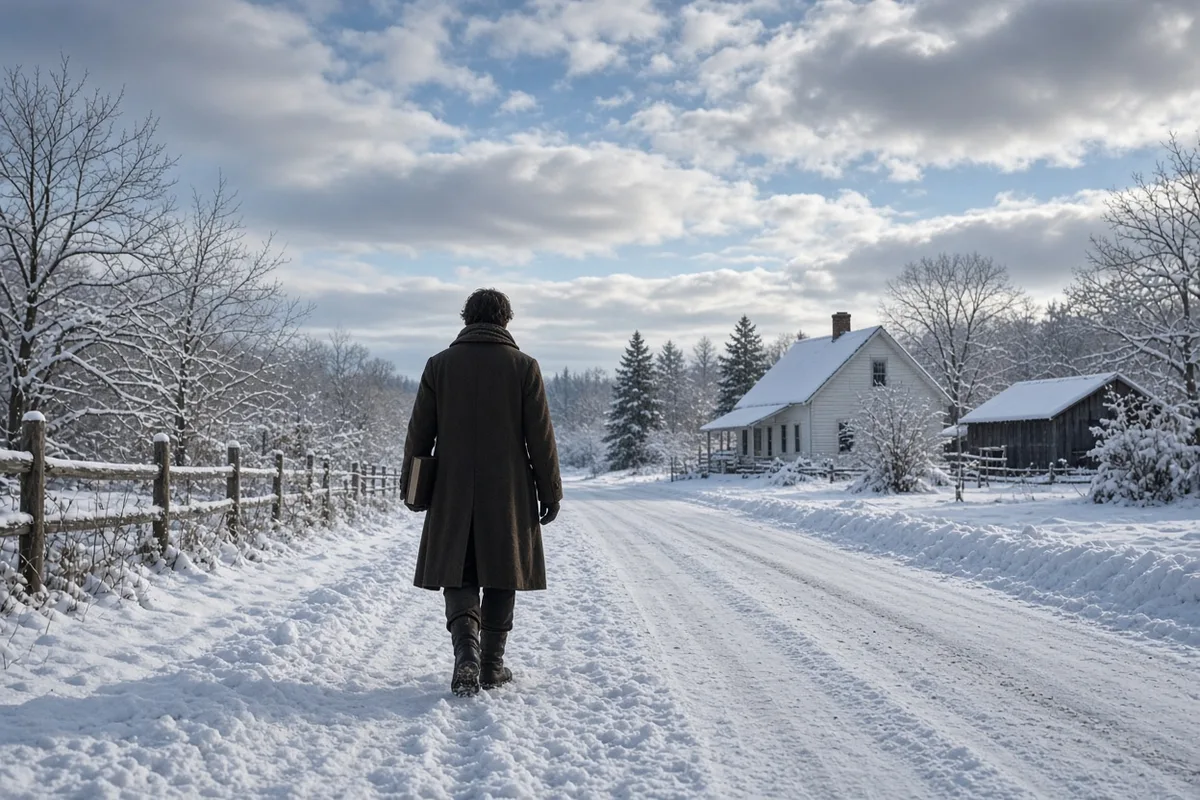
The wind cut across the fields outside Colchester that morning and drove the snow straight into our faces. I had left the cottage early with my brother to clear the lane, but by the time we reached Artillery Street the drifts already reached the sills of the little chapel. Only a handful of us made it inside. We stamped our boots on the stone floor and shook the flakes from our coats while the stove struggled against the cold.
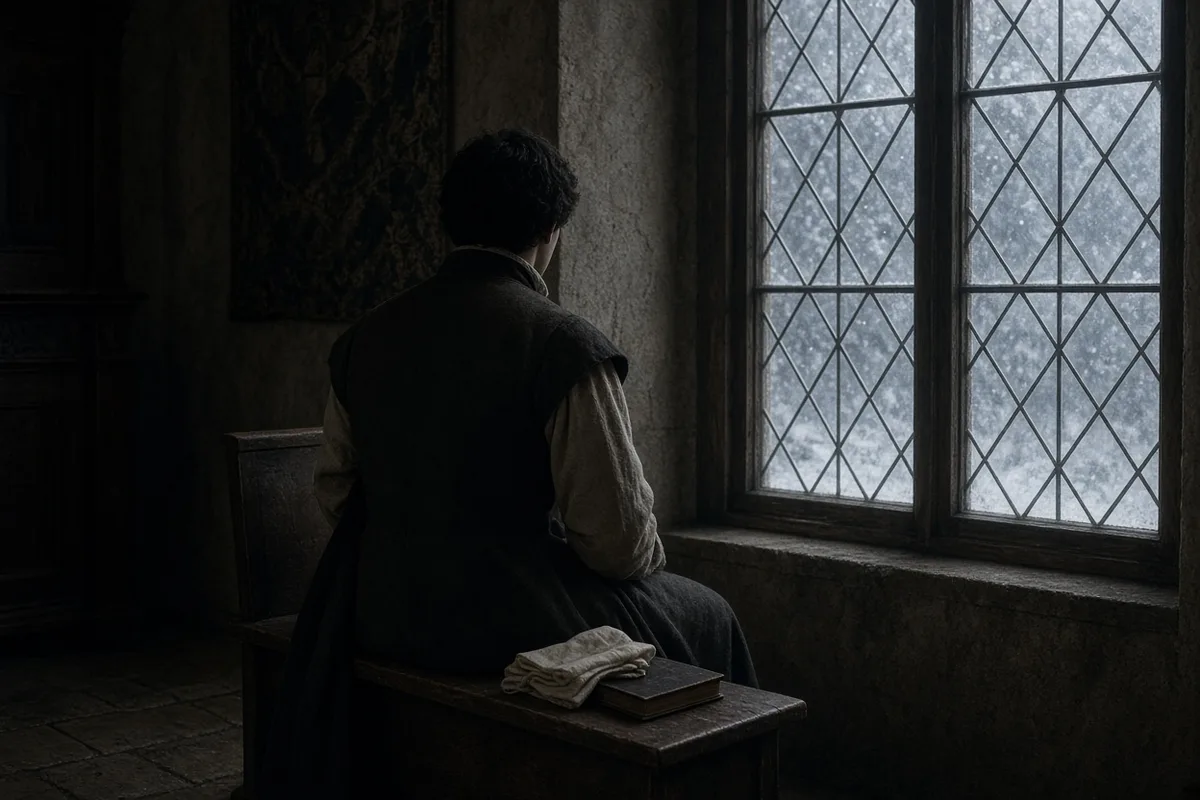
A young man came in last. He looked no more than fifteen, coat soaked at the shoulders, hair dark with meltwater. He took the nearest bench without looking round and sat with his hands clenched between his knees. I had never seen him before. Most of our regular dozen were missing, blocked by the same storm that had kept our own preacher at home.

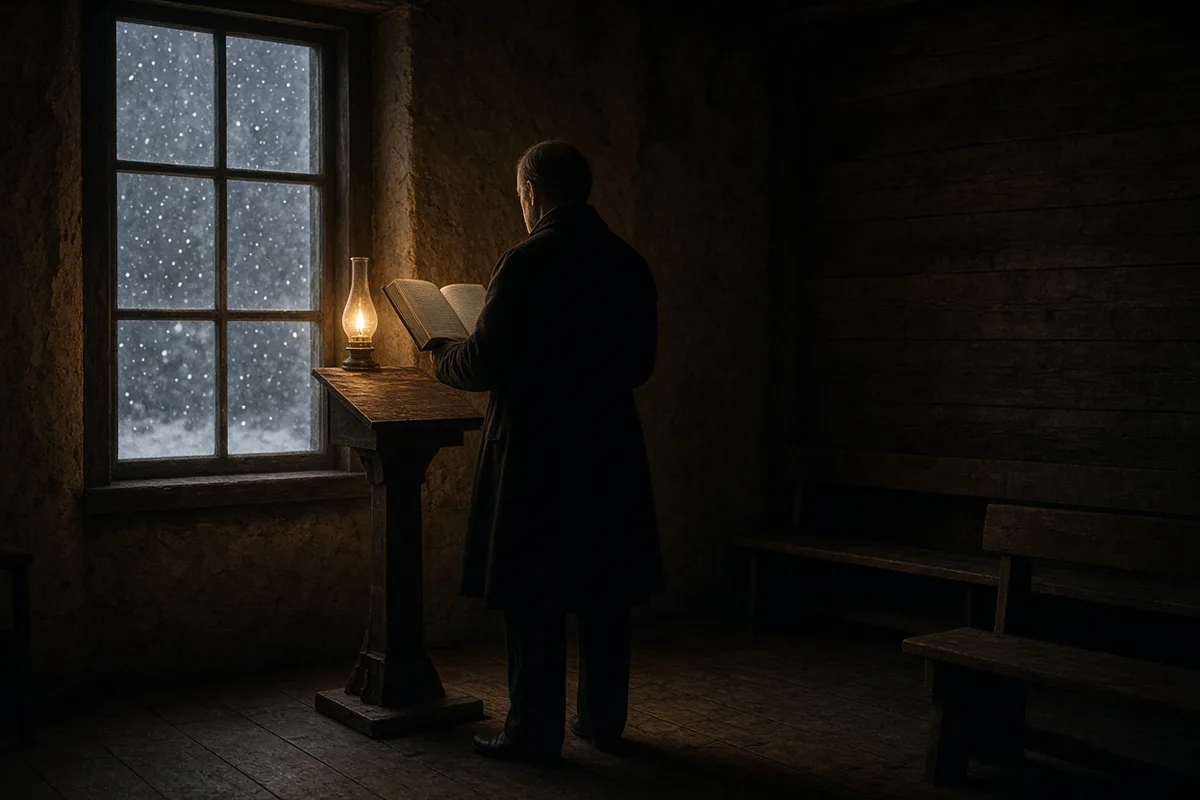
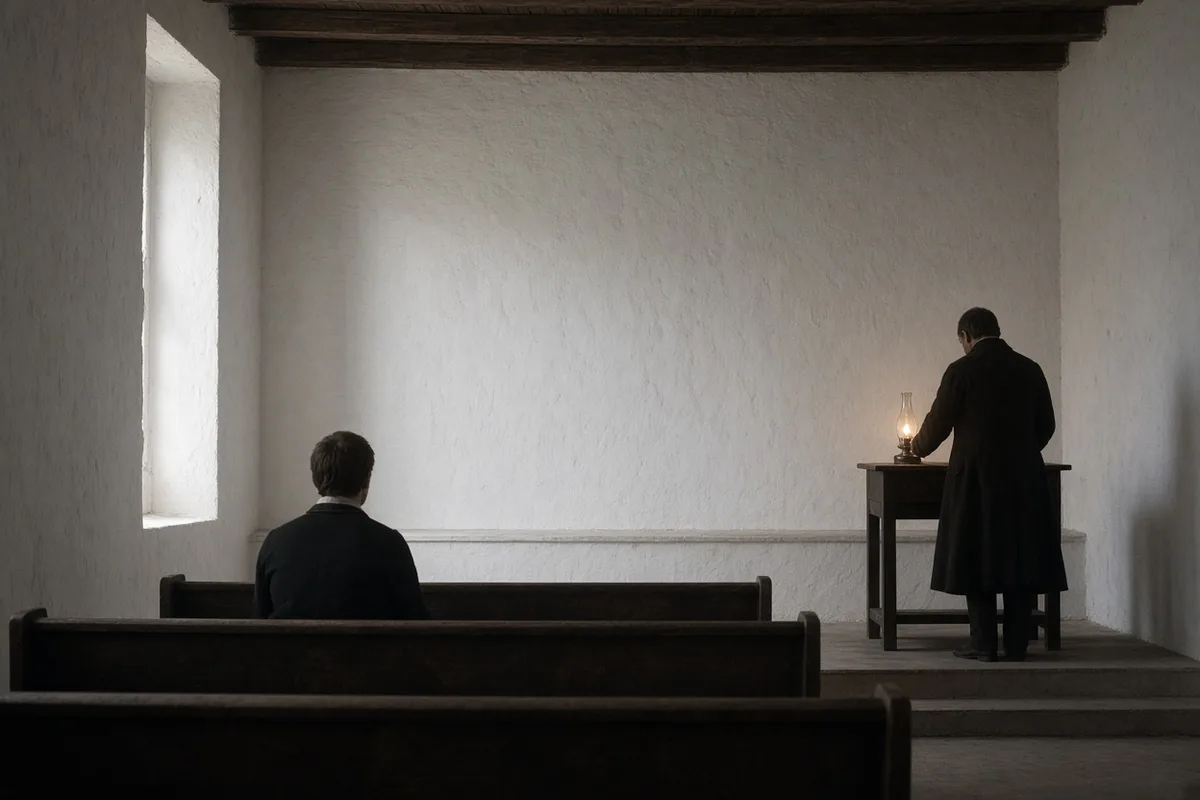
We waited. The minutes passed with only the sound of the wind against the single window. Then one of the older men rose, thin and uncertain, and climbed the three steps to the pulpit. He carried no notes. His voice shook when he announced the text from Isaiah: look unto me and be ye saved all the ends of the earth. He repeated the words twice, as though afraid they would slip away from him.
He spoke plainly after that. Looking required no strength, he said, no learning, no money. A child could do it. A dying man could do it. He pointed to the cross as though it stood in the room with us, described the blood and the nails and the rising again, and kept coming back to the single command. Look. The congregation stayed quiet. We had heard sermons before, but this one carried no flourishes and no pauses for effect.
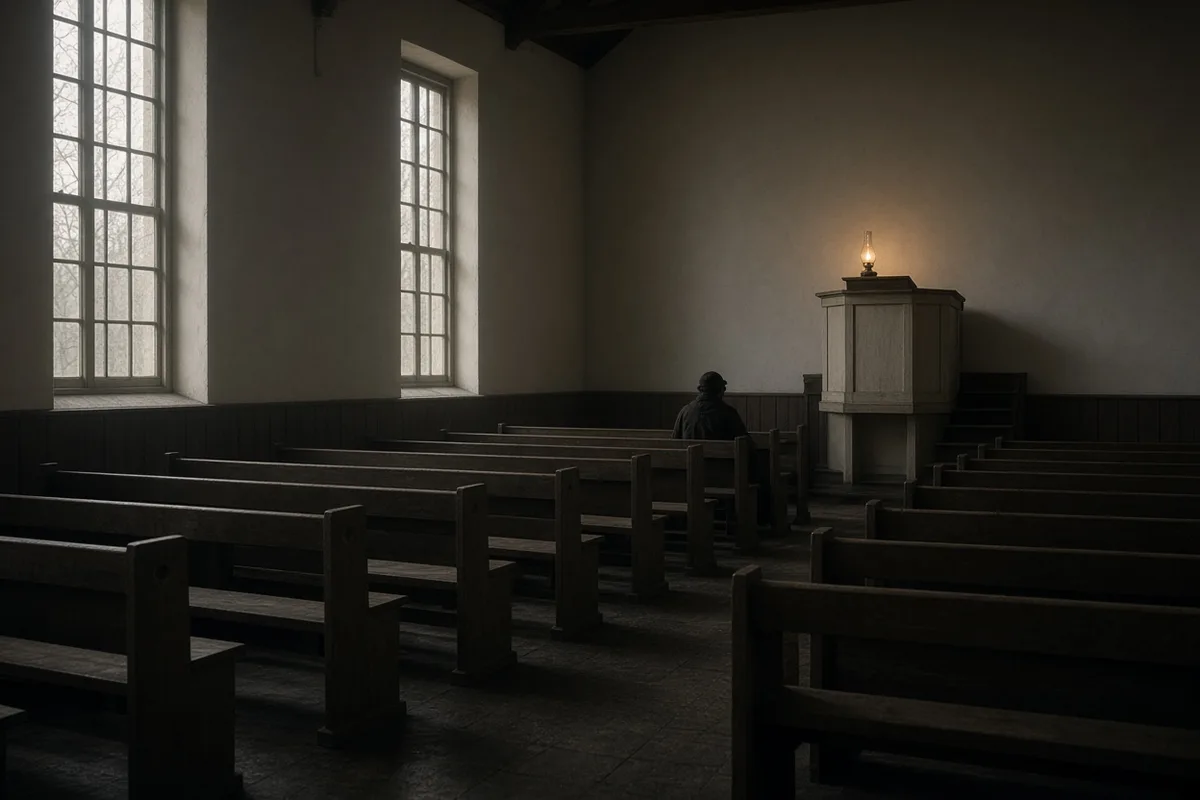
The stranger on the bench never moved his head. His shoulders stayed rigid, yet something in his posture changed when the preacher reached the part about the Saviour sweating blood. His eyes, which had been fixed on the floorboards, lifted. He stared at the empty space above the pulpit rail as though he saw the figure the thin man described.
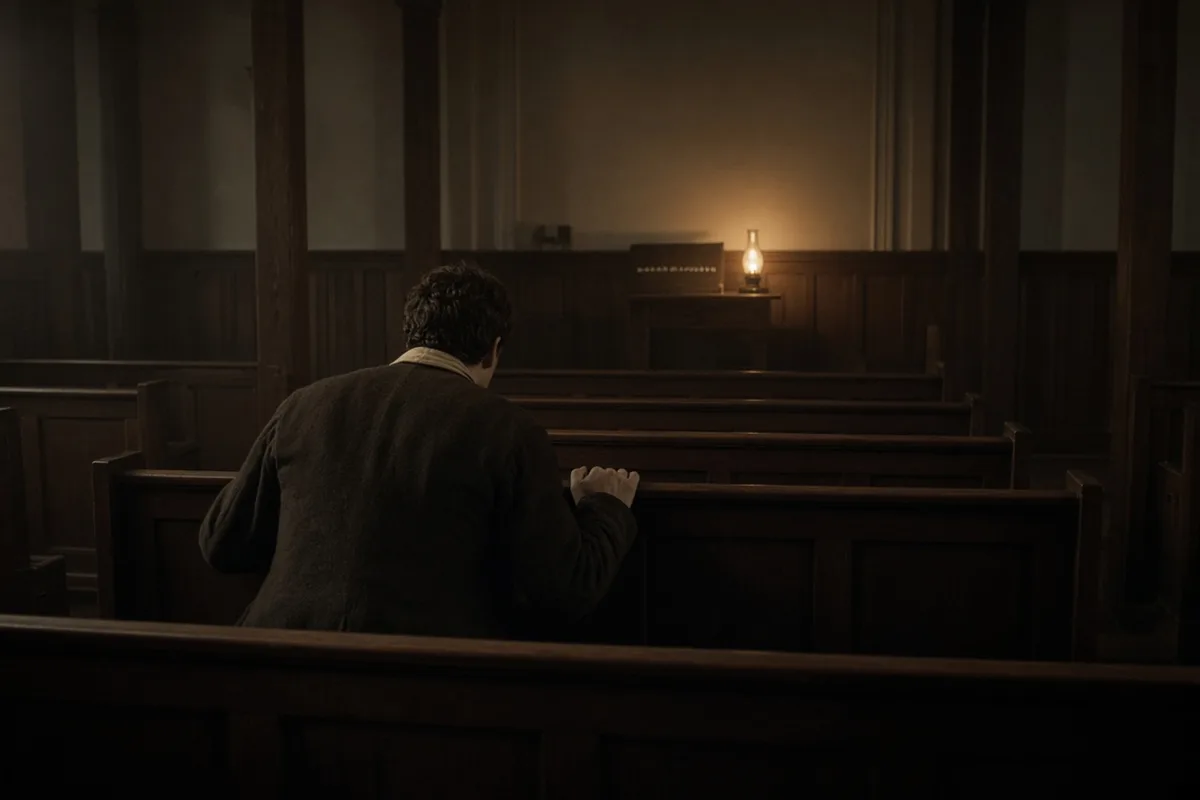
The preacher finished sooner than expected. He stepped down without a closing prayer. A few of us stood to leave, but the young man remained seated. I stayed too, pretending to fasten my coat. After a moment he rose and walked to the back of the chapel where a single candle still burned on a shelf. He stood there alone for several minutes. When he turned, his face had lost the tight, hunted look it carried when he arrived. He nodded once to the thin preacher, who was still putting on his scarf, and stepped out into the snow.

I did not see him again for years. Reports reached us that a boy from the villages had begun to preach in small rooms and then in larger halls. His name was given in the papers as Charles Spurgeon. He spoke of the same text that had been read that morning in Artillery Street. He told crowds that a man need only look, and that looking had been enough for him when the snow kept him from every other door.
The chapel itself stayed small. The thin man who preached never sought another pulpit. He returned to his trade and attended when he could. I kept my seat near the back on most Sundays, and sometimes, when the stove was lit and the room filled with twelve or fourteen voices, I thought of the stranger who had walked in wet and left changed. The words had not altered between that day and this one. Only the number of people willing to hear them had grown.

Spurgeon’s sermons began to appear in print. Copies reached Colchester. In one of them he described the exact bench and the exact snow and the exact moment the burden lifted when he trusted the promise spoken by a man whose name he never learned. He never returned to the chapel, but the account he gave matched what we had seen. The thin preacher read the printed words once and said nothing more about them.
Later accounts placed Spurgeon in London, drawing thousands each week. The orphanage he founded took in children from the same streets where he had once walked under condemnation. His college trained men to preach the same simple command he had heard that January morning. None of those later gatherings altered the fact that the decisive word had been spoken to fewer than twenty people in a room that held seventy-five at most.
I pass the bronze plaque on the wall now whenever I attend. It marks the spot where he sat. The building has not grown larger. The congregation has not grown larger. The text remains unchanged. On winter Sundays when the wind drives snow against the window, I still see the young man’s shoulders straighten and his eyes lift toward the place the preacher pointed. The rest followed from that single act of looking.
The lane back to the cottage ran between high hedges that afternoon, and the snow had packed so hard that our boots left only shallow prints. My brother spoke little until we reached the turn by the mill, where he mentioned that the thin preacher had once worked as a weaver in the same mill that now stood idle. The text from Isaiah had been read from a small black Bible with a cracked spine, the same volume the weaver carried on every visit to Artillery Street since the spring of 1847. Inside the cottage the stove had gone out, so we fed it with split logs cut the week before and waited for the kettle. Later that week a carrier brought word from Waterbeach that a youth of sixteen had stood in a rented room above a baker’s shop and repeated the same words about looking unto the Saviour. The date was given as the second Sunday of March 1851, and the room held thirty-seven listeners according to the carrier’s count.
Printed copies of Spurgeon’s first sermon reached Colchester in the autumn of 1854. The pamphlet bore the title “The Search for the Lost Sheep” and carried on its final page a paragraph in which the preacher described a January morning when snow blocked every road and a stranger read from Isaiah 45:22. Spurgeon wrote that the bench on which he sat had been “rough planed and fastened with iron nails to the floorboards,” and that the preacher had pointed with one finger toward the wall above the pulpit rail while repeating the single word “look.” The thin preacher in our chapel read the paragraph aloud one Sunday evening after the service and then folded the pamphlet into his coat pocket without further comment. Attendance that night stood at fourteen, including two children from the lane behind the mill.
By the spring of 1855 Spurgeon had taken the pulpit at New Park Street Chapel in Southwark. The building seated eleven hundred, yet on the third Sunday of March the aisles and gallery steps held an additional four hundred standing. A report in the Baptist Messenger listed the text again as Isaiah 45:22 and noted that Spurgeon had told the congregation he first heard those words spoken “by a man whose name remains unknown to me.” The same report recorded that the collection taken that morning amounted to four pounds, seven shillings, and sixpence, most of it in copper coins. Copies of the sermon sold at the chapel door for twopence each, and one reached the weaver in Colchester before the end of the month.
Construction of the Metropolitan Tabernacle began in 1859 on land purchased for £5,500 at the corner of Newington Causeway and Elephant Road. The foundation stone was laid on 16 August that year by Sir Morton Peto, and the completed building opened on 18 March 1861 with seating for 5,311. Spurgeon preached the first sermon from the new platform to a congregation that filled every bench and every foot of standing room in the aisles. The weaver read an account of the opening in a London newspaper that reached Colchester three days later; he remarked only that the numbers exceeded anything recorded in Artillery Street since the chapel’s erection in 1831.
The Stockwell Orphanage received its first children on 17 October 1867. The site comprised nine acres south of the city, and the initial intake numbered thirty boys between the ages of seven and eleven. Spurgeon’s annual report for 1868 listed the cost of board, clothing, and schooling at £12 4s. per child for the year, met entirely by voluntary gifts. One of the boys admitted that first autumn had been born in a street near the old New Park Street Chapel; his name appears in the register as Thomas Miller, age nine, received from the workhouse on 19 October. The weaver’s sister, who still lived in Colchester, sent a parcel of knitted stockings to the orphanage each December until her death in 1874.
The Pastors’ College opened its doors in 1856 with a single classroom above the chapel vestry and four students. By 1880 the college occupied a building in Temple Street with room for sixty men, and its library held 2,400 volumes, many of them donated from Spurgeon’s own shelves. One graduate, a man named William Fuller, returned to Colchester in the summer of 1883 and preached for three evenings in the Artillery Street chapel. Fuller told the congregation of twelve that Spurgeon had once described the Colchester snowstorm to the entire student body, repeating the words “a man need only look” while standing at the lecture-room window. Fuller left the next morning on the early train and never visited again.
Spurgeon died at Menton on the French Riviera on 31 January 1892. His body was brought back to London and lay in the Metropolitan Tabernacle for three days while more than sixty thousand people filed past the open coffin. The funeral procession on 11 February moved from the tabernacle to West Norwood Cemetery, where the coffin was placed in a brick vault beside that of his wife Susannah, who had died the previous year. A granite slab covers the vault, inscribed only with the dates and the text from Isaiah 45:22. The weaver, then in his eightieth year, read the notice of the burial in a newspaper brought from the station and said nothing.
I still pass the bronze plaque on the chapel wall each winter when the stove is lit and the snow packs against the single window. The plaque measures eighteen inches by twelve and bears only the date 6 January 1850 and the verse from Isaiah. On the last Sunday of December 1903 the congregation numbered eleven, and after the service I remained alone for a time with the stove banked low. The light from the single candle on the shelf fell across the bench where the young man had sat, and for a moment the posture of his shoulders returned exactly as it had appeared when the thin preacher pointed toward the empty space above the rail.
The weaver’s nephew, a man named Albert Crowe who kept the mill ledger until its closure in 1911, recorded in his daybook that the chapel collection on the first Sunday of January 1908 amounted to nine shillings and fourpence, with three of the coins placed by visitors from London who had come to photograph the plaque. Crowe noted the date 6 January 1850 scratched on the back of one of the pews and added that the thin preacher, by then called only Old Weaver by the lane children, still carried the same cracked Bible to every service. On the Sunday after the photograph appeared in the Baptist Times, attendance reached nineteen, including two women from the Stockwell Orphanage committee who left a letter for the congregation describing the current number of boys housed at the site as 172.
In 1919 the chapel trustees voted to install electric lighting at a cost of £47, paid from a bequest left by the weaver’s sister’s daughter. The single candle shelf remained, though the new bulbs made the bronze plaque visible from the back bench without additional light. A letter from William Fuller’s son, posted from the Pastors’ College on 3 March 1922, asked whether any original members still remembered the snowstorm; the reply sent by the chapel secretary listed only three names, one of them the narrator’s, and stated that the bench had been reinforced with new screws in 1897 after the wood began to split.
The Metropolitan Tabernacle was destroyed by fire on 20 March 1941 during an air raid, and the replacement structure opened in 1957 with seating reduced to 1,850. A parcel of papers from the original building, including a copy of the 1854 pamphlet annotated in Spurgeon’s hand with the words “Colchester bench—Isaiah 45:22,” reached the Artillery Street chapel in 1963 through the Baptist Historical Society. The weaver’s great-grandson, who delivered the parcel, stayed for the evening service and counted twelve present, the same number recorded in the carrier’s report from March 1851.
By 1974 the chapel had been registered as a Grade II listed building, and the plaque received a protective glass cover after a visiting student attempted to trace the lettering with a pencil. The congregation that year averaged eight on winter mornings, according to the secretary’s notebook, and the stove was replaced with a gas heater whose flue ran through the same wall opening used by the original chimney. A letter from the orphanage trustees dated 12 October 1978 announced the sale of the nine-acre site and the transfer of remaining records to the Spurgeon’s College archive in South Norwood.
The last service conducted by a minister trained at the college occurred on 28 February 1982, when a student named David Lane preached from the same text and afterward asked to sit on the bench marked by the plaque. Lane recorded in his notebook that the wood still showed the outline of iron nail heads and that the room temperature that morning stood at forty-one degrees Fahrenheit. He left on the afternoon train and did not return.
In the winter of 1994 the chapel trustees accepted an offer from the local historical society to open the building one Saturday each month for visitors. The first open day, held on 7 January, drew fourteen people, among them a descendant of Thomas Miller who signed the visitors’ book and left a copy of the 1868 orphanage report showing Miller’s discharge date as 15 June 1875. The society’s ledger notes that the gas heater was turned off at four o’clock and the building locked until the following month.
On the final Sunday the chapel remained open for regular worship, 11 December 2005, the congregation numbered four. After the service the narrator remained seated until the building grew dark, then rose and placed one hand on the back of the bench where the young man had sat in 1850. The hand stayed there until the streetlamp outside the window came on, casting the only light left in the room across the bronze plaque and the empty space above the rail.