China Livestream Shopping Slows as AI Hosts Cut Costs

Li Jiaqi hosts a livestream at a studio at the MeiONE headquarters in Shanghai on September 7, 2026. The man known for selling beauty and cosmetic products works before an audience that now numbers more than 100 million followers.
For nearly a decade he has been one of the leading faces of China’s livestream shopping industry, helping turn a once-niche format into one of the country’s key retail channels and moving billions of dollars’ worth of cosmetics through the camera. The scale of that following still marks him as the clearest public face of the business he helped build.
“Growth may not be as explosive as it was four or five years ago, but the industry has entered a stable and healthy phase,” Li Jiaqi said.
Outside the studio the wider retail numbers show how much harder that stability is to hold. Retail sales rose 0.4 percent year-over-year in August 2026, down from 0.6 percent in July. Growth for the first eight months of 2026 stood at 1.1 percent. The figures reflected a weaker consumer environment and sluggish household spending that left sellers with less room to expand.

Ashley Dudarenok, founder of digital consultancy Chozan, described the effect. “The market is still growing, but that growth is becoming much harder to achieve. Sellers have to compete far more aggressively for consumers' money, while customer expectations remain high even though their budgets have shrunk,” she said. “It is still growing, but the growth is a lot more difficult. Merchants need to compete a lot harder for customers' wallets ... and the expectations of customers are as high as ever, but the budgets are lower.”
Li Jiaqi began livestreaming in 2016. From those early sessions the format expanded until livestream gross merchandise volume reached nearly 7 trillion yuan a year. Online sales accounted for more than 36 percent of retail trade in 2025, compared with less than 18 percent in 2021. A host appeared live on camera and closed the sale while viewers watched. The exchange borrowed the direct persuasion of a store counter and delivered it through a screen to audiences far larger than any single floor. Cosmetics supplied the first draw; the same real-time method later carried other goods until the live feed itself became an ordinary place to buy. Over the decade the camera settled into commercial infrastructure, lifting the online share of retail well beyond the levels recorded only four years earlier.
In December 2025 JD.com made its AI-powered virtual host service free for sellers. An AI-powered virtual host is software that generates a digital presenter able to appear on camera and speak to viewers without a person standing in the studio. Within three months the number of users grew substantially. E-commerce platforms and merchants were already deploying these hosts because they could stream around the clock at a fraction of the cost of human presenters. JD.com says virtual hosts can reduce livestream operating costs by 80-90 percent. A human host required pay and rest. A virtual host required none of those. Sellers could keep a channel open for far longer hours without matching the earlier expense.
“Artificial intelligence is already changing the livestream e-commerce industry. We are exploring how to integrate it into this format,” Li Jiaqi said.
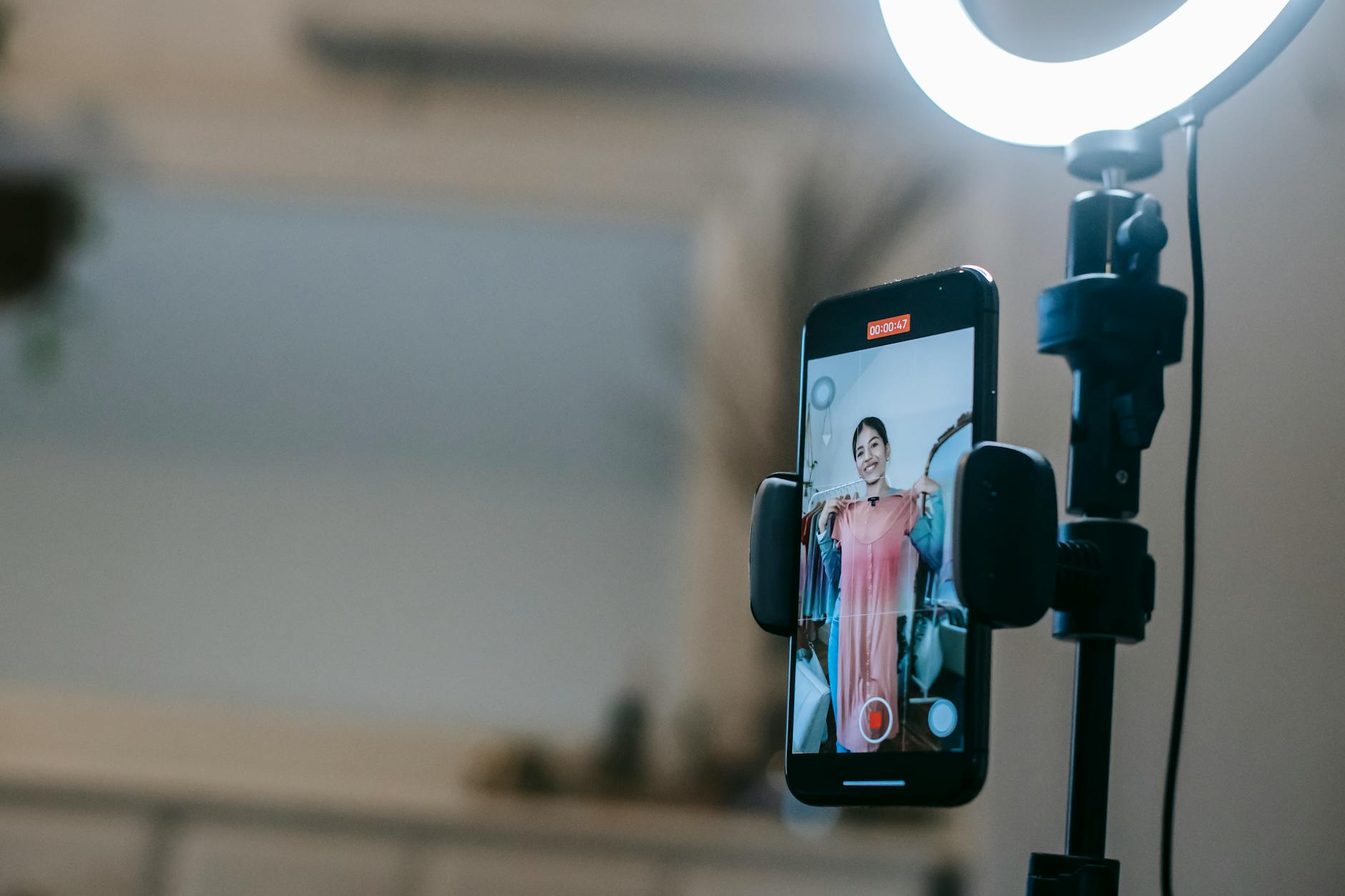
What still required a living voice on the other side of the camera became the next pressure. Lu Lin, a 23-year-old host at Shanghai livestream agency Romomo, drew the line at fit advice. “If a customer gives their height and weight, AI might respond, 'You should choose size M or L.' But a human host can offer more nuanced advice. It is not just about answering a question; it is also about building trust with customers,” she said. A size suggestion could be generated from numbers alone. The sale still turned on the judgment that followed.
Li Jiaqi rejected replacement. “I don't believe artificial intelligence can replace hosts. AI is always yesterday's version of me, while today's version can offer new ideas and perspectives,” he said. “People are constantly thinking. Artificial intelligence thinks too, but its thinking is based on previous human thinking. That is why I see AI and livestream e-commerce as complementary. Artificial intelligence will not replace human hosts.”
Rules requiring clear labeling of AI-generated content took effect in September 2025. A clear label is a notice on the stream that tells viewers the presenter they see is generated by artificial intelligence rather than appearing in person. Douyin, the short-video platform that is China’s version of TikTok, banned fully AI-generated livestreams and requires disclosure of virtual host use. Any seller who put a virtual host on camera had to mark that fact for the audience watching.
Brands were already changing how they spent. Profitability had become the priority rather than high sales volumes alone. The industry was moving past the discount-driven model that had fueled earlier growth. Zhang Junling, vice president of Shanghai livestream agency Romomo, said dependence on celebrity hosts was dwindling. As margins tightened, large-scale systems, technology, and operational capabilities mattered more than any single face on screen.
“Competition is no longer taking place only between individual livestream channels or individual hosts,” Zhang Junling said.