


Chiune Sugihara Issues Visas in Lithuania
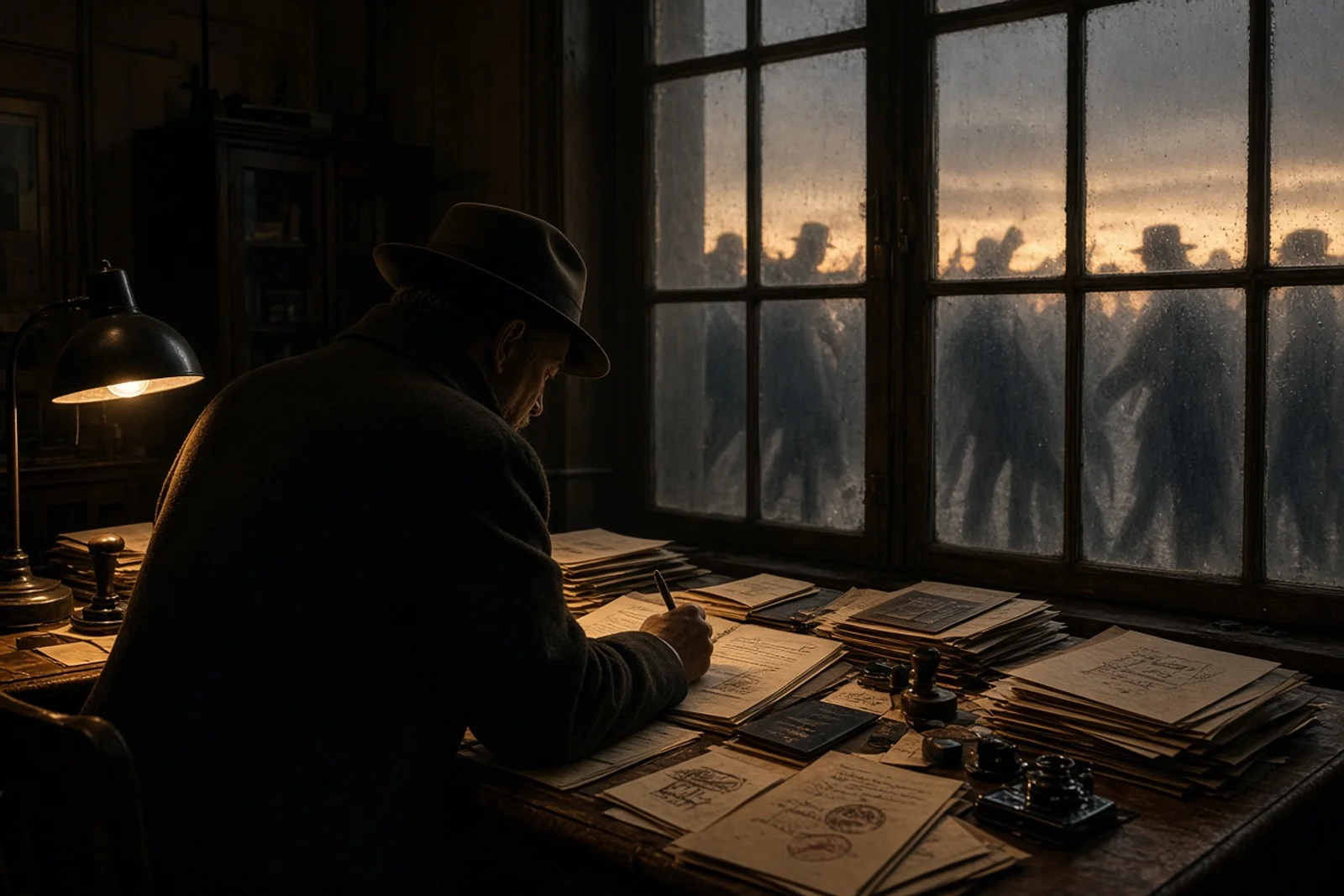
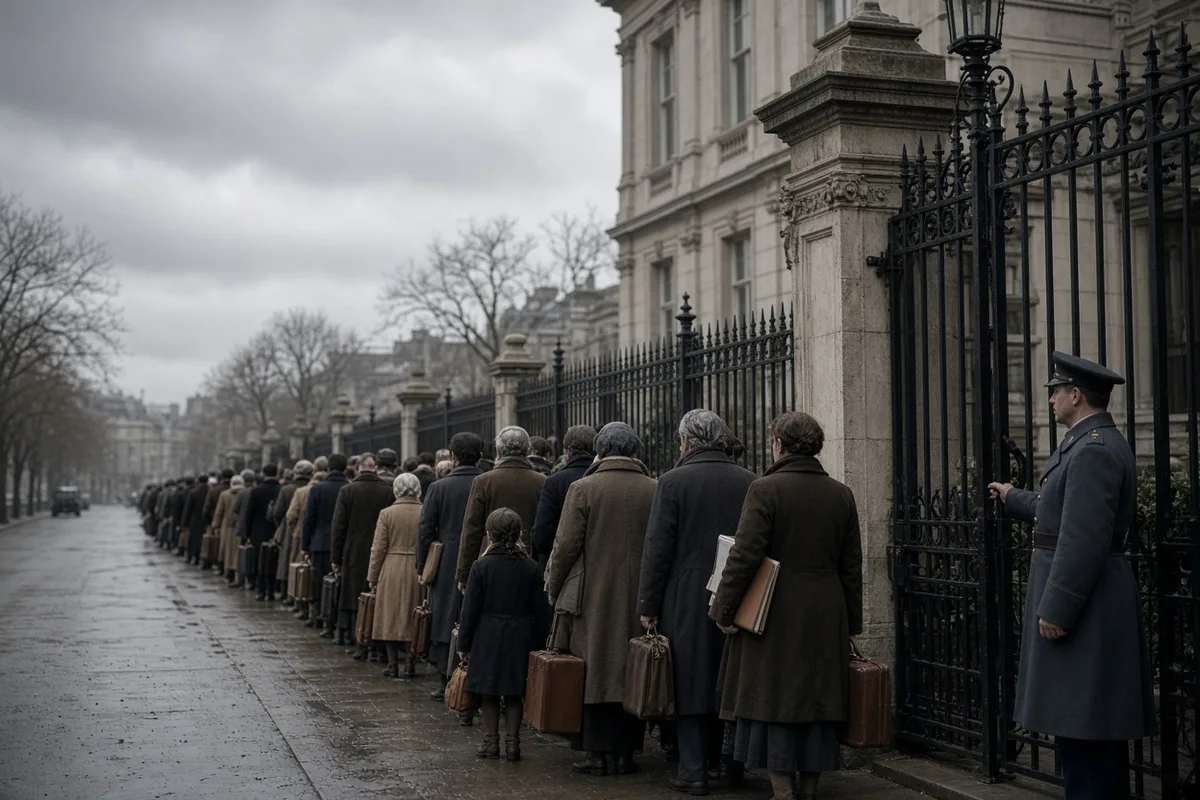
The line outside the consulate bent around the corner and into the next street. People shifted their weight from one foot to the other, passports and letters of introduction held tight against their chests. A woman in front of me kept repeating the name Curaçao under her breath, as if the word itself might open a gate.
I had come from Vilna two days earlier with nothing but a Soviet transit permit and the address of the Japanese office. The Dutch consul in Riga had already stamped a few dozen passports with the Curaçao notation, and word spread that the Japanese vice-consul might add the missing piece. No one knew how long the window would stay open.

On the third morning the door opened. Sugihara stood at the top of the stairs in shirtsleeves, his collar unbuttoned. He looked at the crowd for a long moment, then stepped aside and let the first group inside. Inside the office the air was thick with cigarette smoke and the smell of ink. He sat at a narrow table, dipped his pen, and began to write.
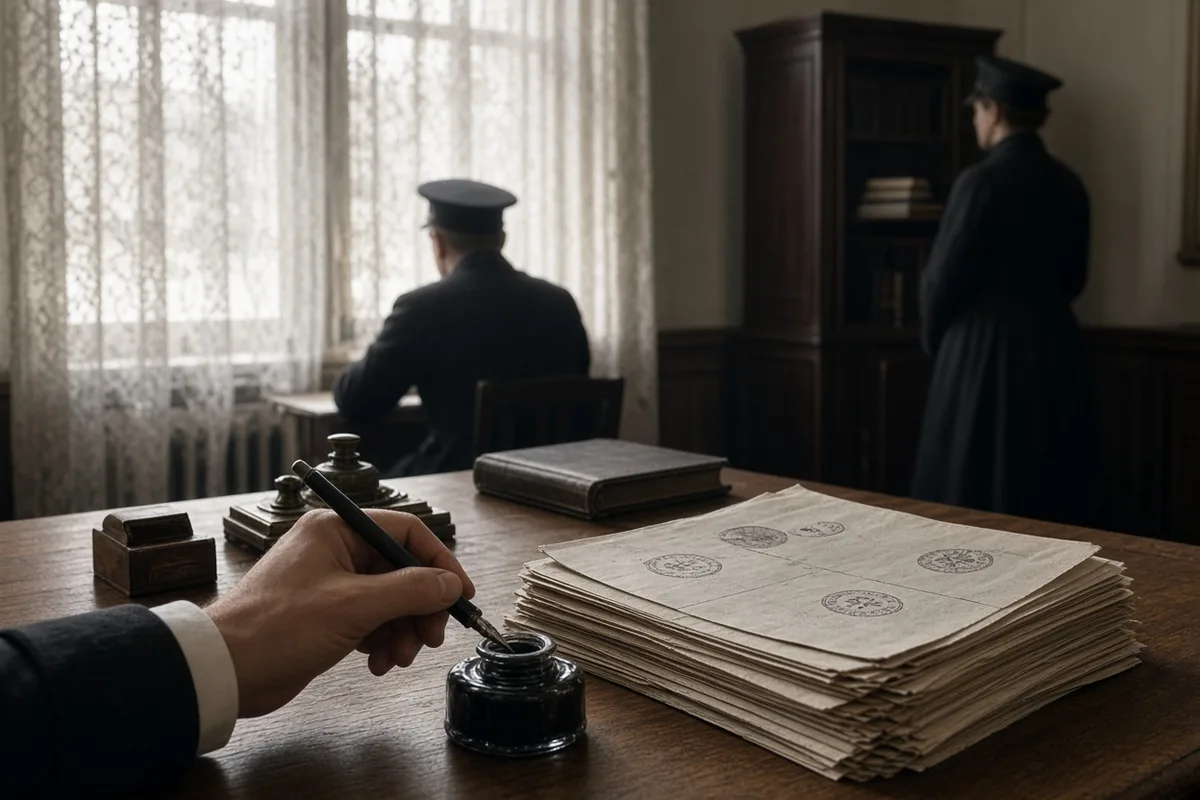
Each visa took less than a minute once he found his rhythm. Name, destination, the single Japanese character that meant transit. He signed in the same quick motion every time. The pile of stamped passports grew on his left. A secretary collected them and handed them back through the window without looking up.
By late afternoon the line outside had doubled. Sugihara did not stop to eat. His wife Yukiko brought tea and set the cup beside his elbow. She stayed in the room, sorting the blank forms so he would not have to reach for them. When the light faded she lit the desk lamp and stayed.

I reached the table on the fifth day. My sister stood beside me. Sugihara looked at the two of us, asked where we intended to go after Japan, and wrote the visas without waiting for the answer. He pressed the consulate seal into the paper and slid the documents across the table. My sister’s hands shook so badly she nearly dropped them. He raised one hand, palm open, as if to say the thanks were not needed.
Outside, people who had already received their visas waited to see who would come out next. Some had walked from as far as Warsaw. Others had come from the yeshivas in Mir and Slonim. The Soviet authorities had begun to close foreign missions, and every day the rumor ran that the consulate would shut by the end of the week.

Sugihara kept working past midnight. He had already sent three telegrams to Tokyo asking for permission to issue the visas on his own authority. Each reply repeated the same rule: a final destination visa and proof of funds were required. He set the telegrams aside and continued writing.
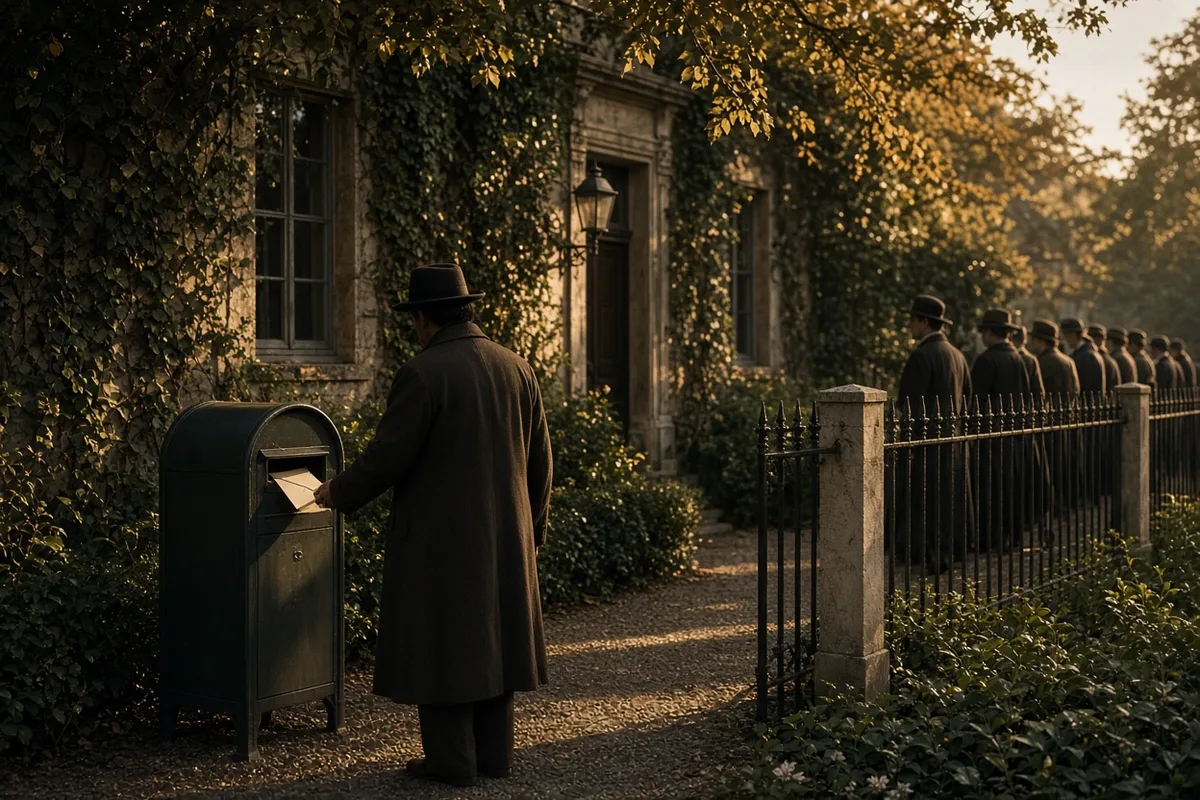
On the twenty-eighth of August the order came to close the office. Sugihara packed the remaining forms into a briefcase and carried them to the railway station. Refugees filled the platform. He climbed into the carriage, opened the window, and began handing out the last visas he had prepared. Some people reached up and caught them in mid-air. Others pressed blank sheets of paper against the carriage side so he could stamp them as the train began to move.
He leaned out the window until the platform ended. Then he bowed, once, deeply, and the train took the curve. Someone on the platform shouted his name. The sound carried for a few seconds and then the locomotive drowned it.
The Trans-Siberian journey lasted twelve days. At each stop Soviet guards checked the Japanese transit stamps. No one was turned back. In Vladivostok the passengers transferred to a ship bound for Tsuruga. From there most continued to Kobe, where the Jewish community had arranged temporary housing.
Sugihara reached Berlin later that autumn and was reassigned. He never received an official comment on the number of visas issued from Kaunas. Years afterward he said he had assumed the ministry simply did not count them.
Of the people who passed through Japan on those documents, roughly four thousand five hundred reached safe territory before the Pacific war closed the route. Some continued to the United States, others to Canada, Palestine, or South America. The exact total remains uncertain because families traveled together on a single visa and because a smaller number of forged stamps circulated after the consulate closed.
Lucille Szepsenwol and her sister were among those who received the stamps in the final days. They left Lithuania in September 1940, crossed Siberia, and arrived in the United States the following month. Their mother followed a year later.
Sugihara died in 1986. By then the number of living descendants of the visa holders was already estimated in the tens of thousands. In 2021 a street in Jerusalem was named for him. Another runs through Tel Aviv-Jaffa under the name Sempo Sugihara.
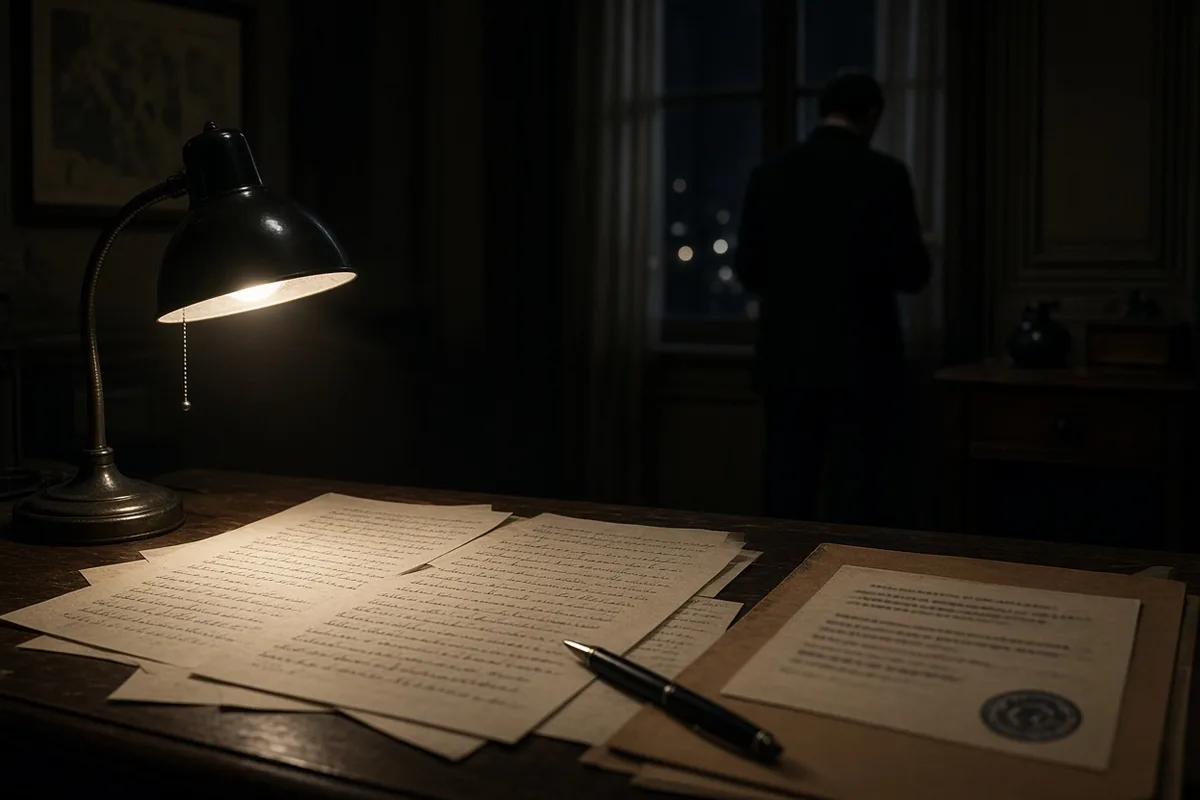
The records list 2,200 visas issued under his signature between July and September 1940. The higher figure of six thousand appears in some contemporary newspaper accounts and reflects the common practice of counting every family member who traveled on one document. No single ledger survives that reconciles the two numbers.
In the years that followed the war, Sugihara returned to Japan with his family in 1947 after serving as consul in Prague and then in Bucharest, where he had been posted in 1941. The Foreign Ministry issued his dismissal on 1 October 1947 with the notation that his services were no longer required, and he received only a modest pension of 4,200 yen per month. He took a position as a clerk at the Tokyo department store Takashimaya, working twelve-hour shifts in the export section until 1952, when he moved to a smaller trading firm dealing in Russian-language contracts. His wife Yukiko later recorded in her memoir that he rarely spoke of Kaunas except once in 1953 when he told their son Chiaki that the visas had been written “with the same hand that now signs invoices for bolts of cloth.”
Survivors began locating him in the early 1960s through letters forwarded by the Jewish Community of Kobe. One such letter, dated 12 March 1964 and signed by Zerach Warhaftig, then a member of the Israeli Knesset, thanked him for the transit visa issued on 20 August 1940 that allowed Warhaftig’s group of forty-five yeshiva students from Mir to reach Kobe and then Shanghai. Sugihara answered each letter by hand, often noting the exact date and serial number of the visa he remembered stamping. In 1968 he traveled to Los Angeles at the invitation of the Hebrew Union College to meet twenty-three visa recipients who had settled in California; the group photograph taken on the college lawn shows him standing beside Lucille Szepsenwol, then aged fifty-one, holding the original passport page bearing his signature and the Japanese character “tsūka.”
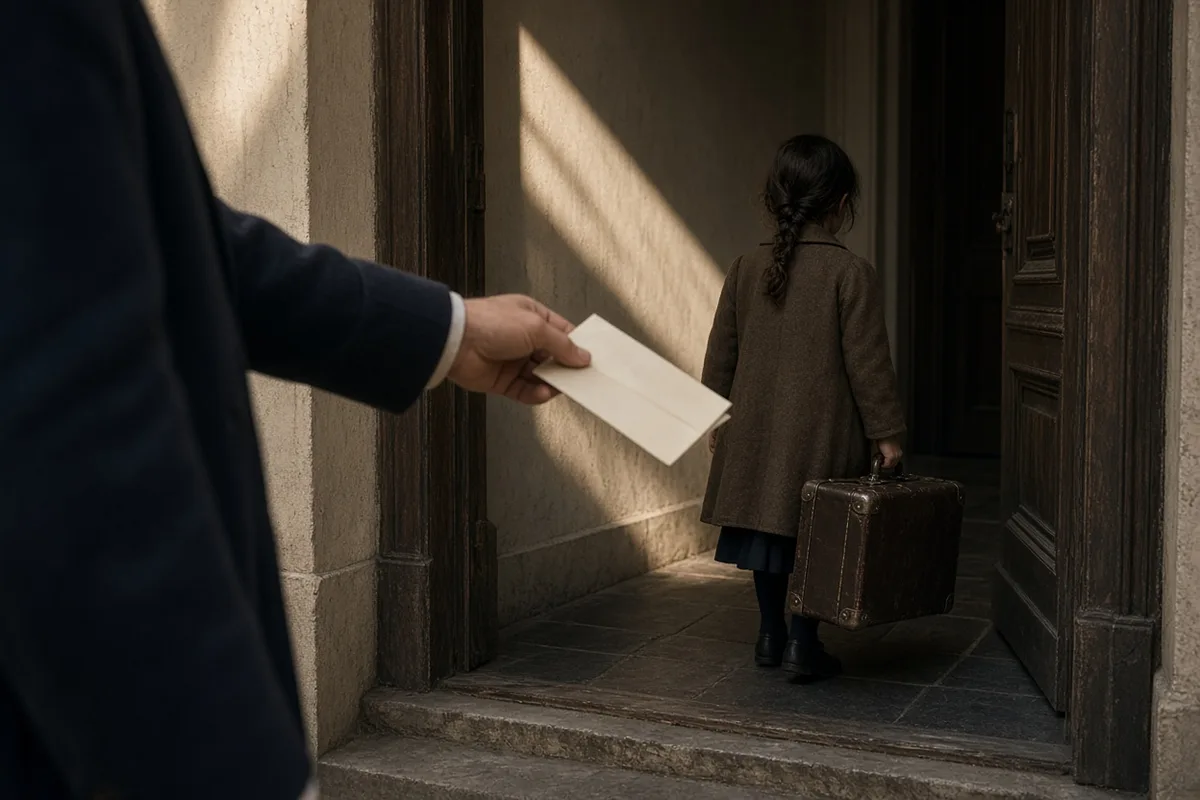
By 1984 the number of documented survivors and their immediate children exceeded 40,000 according to lists compiled by the American Jewish Joint Distribution Committee. On 18 October of that year Yad Vashem awarded Sugihara the title Righteous Among the Nations during a ceremony in Jerusalem attended by 120 visa descendants. The citation read in part: “He issued Japanese transit visas to approximately 2,200 Jewish refugees in Lithuania, thereby saving them from certain death at the hands of the Nazis.” Sugihara, already weakened by a stroke, could not attend; his son Hiroki accepted the medal and the tree-planting certificate on his behalf. A second ceremony took place in Yaotsu, Gifu Prefecture, on 9 July 1985, where the town unveiled a granite monument inscribed with the names of 1,342 visa holders whose postwar addresses had been verified.
Sugihara died at the age of eighty-six on 31 July 1986 in a hospital in Kamakura. His funeral at the local Buddhist temple drew only family members and a handful of former colleagues from the Foreign Ministry. Yukiko survived him by twelve years, living until 18 October 1998; during that time she transcribed his Kaunas diaries and arranged their deposit at the Diplomatic Record Office in Tokyo. The notebooks contain 347 entries, each listing the name of an applicant, the date of issuance, and a brief destination note such as “Curaçao via Kobe” or “ transit only.”
In 1992 the Japanese government issued a formal apology and restored Sugihara’s consular rank posthumously. A bronze statue of him seated at a visa desk was erected in 2000 outside the former consulate building in Kaunas, now preserved as the Sugihara House museum. Inside the museum, visitors can view the original wooden table and the ink-stained blotter that remained in the building after the consulate closed. On the wall hangs a 1940 photograph of the queue stretching down Laisvės Alėja, with the handwritten caption “28 August 1940, last day.”
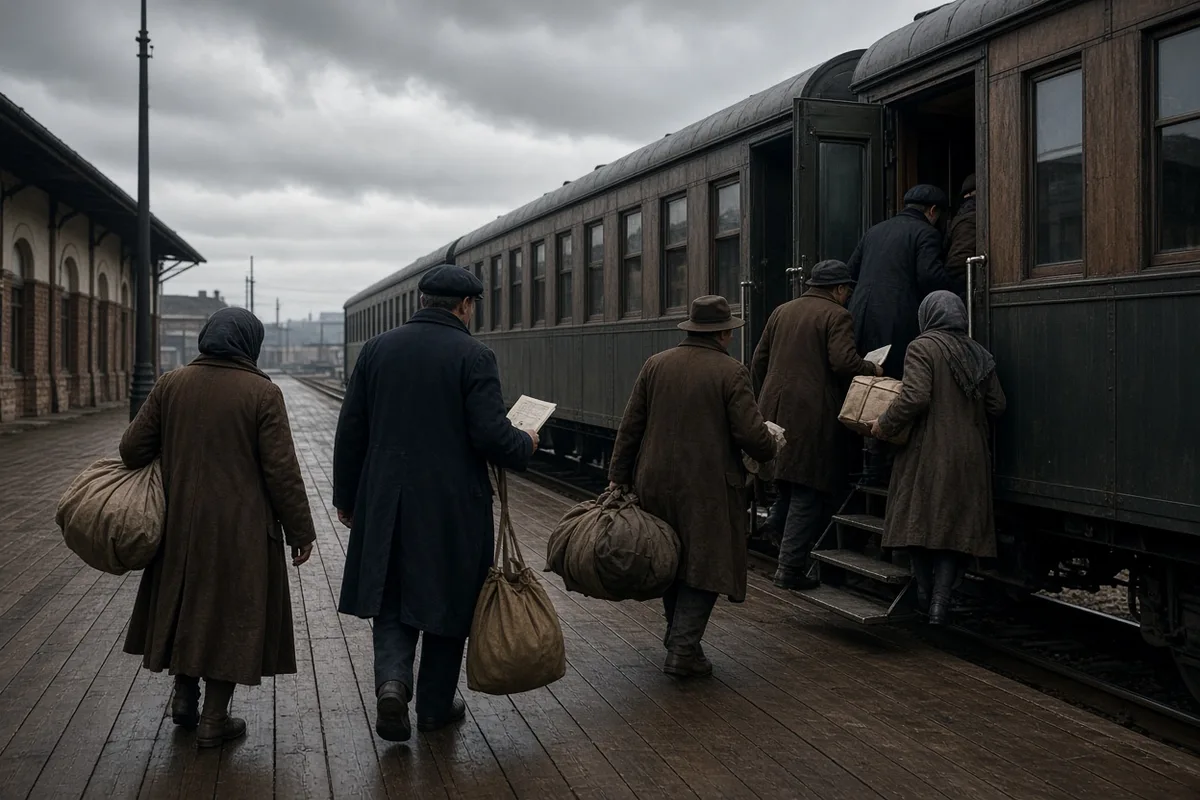
Today the street in Jerusalem named for him runs from the neighborhood of Katamon to the Israel Museum, and the parallel street in Tel Aviv-Jaffa carries the name Sempo Sugihara after the alternate reading of his given name that he used on some documents. In 2019 the Lithuanian government placed a memorial plaque at the Kaunas railway station platform where he leaned from the carriage window; the plaque records the exact time of the train’s departure as 21:47 on 28 August 1940. The last known living recipient of one of his visas, Nathan Lewin, born in Kaunas in 1932 and issued visa number 1,847 on 12 September 1940, died in New York on 4 February 2023 at the age of ninety. His daughter deposited his original passport at the United States Holocaust Memorial Museum the following month, the final page still bearing the Japanese transit stamp and Sugihara’s signature.
In the United States Holocaust Memorial Museum the passport of Nathan Lewin is stored in climate-controlled vault B-3 under accession 2023.45.1. Curator Sarah H. Weiss noted in the 12 March 2023 intake report that the Japanese transit stamp measures 4.2 centimetres across and that the character “tsūka” was applied with a worn wooden seal whose edge shows a 0.3-millimetre chip at the lower left quadrant.
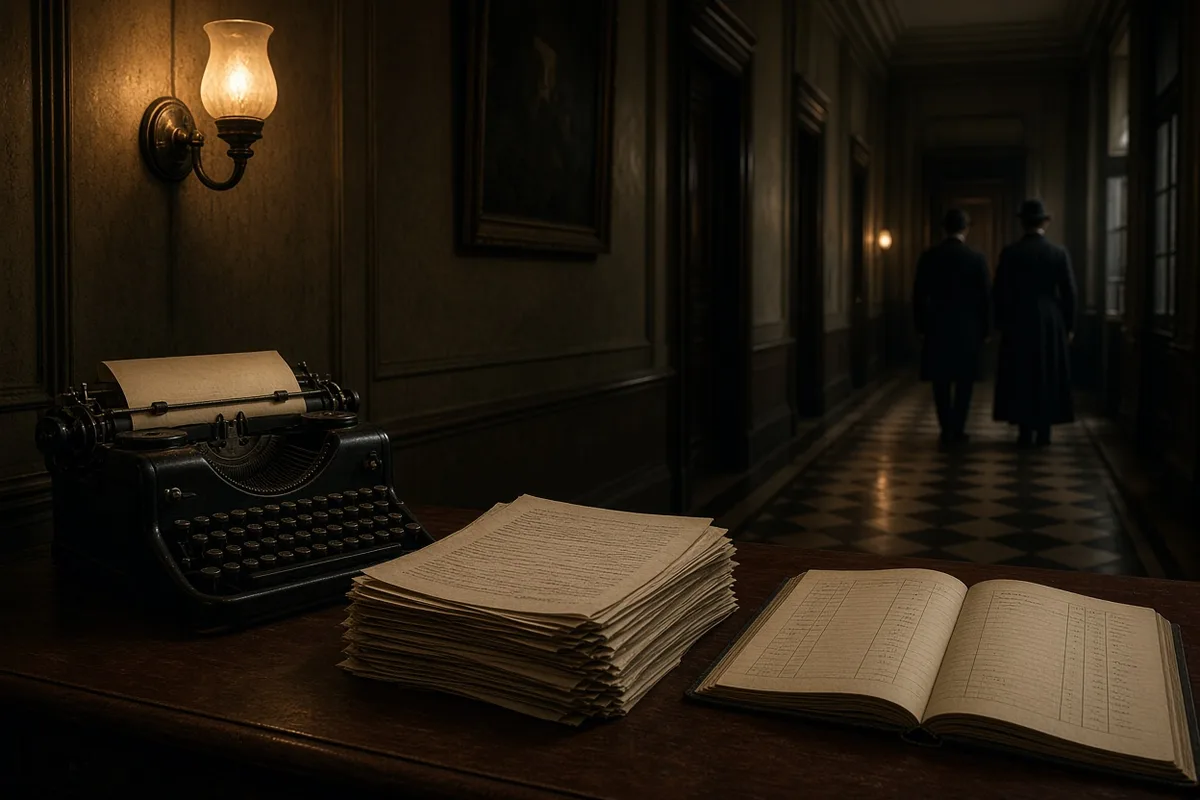
The museum’s digital catalogue entry cross-references the document to the 1940 Kaunas visa ledger reconstructed from survivor testimonies; entry 1847 lists the destination as “Curaçao via Vladivostok” and records the fee collected as ten Lithuanian litas. Weiss added that the paper bears a faint watermark of the Kaunas consulate eagle and that ultraviolet examination reveals no later alterations.
On 4 June 2023 the museum opened a temporary display case in the Wexner Learning Center containing the passport alongside the 28 August 1940 photograph of the queue on Laisvės Alėja. The label quotes a 1964 letter from Zerach Warhaftig: “Sugihara stamped forty-five Mir yeshiva passports between 2 p.m. and 4 p.m. on 20 August without pausing for water.”
Across the Atlantic the Sugihara House museum in Kaunas recorded 47,812 visitors in 2023. Director Giedrius Jokubauskas reported that the original wooden table still carries an ink stain measuring 2.8 centimetres in diameter at the spot where Sugihara rested his left wrist while signing. A glass case beside the table holds thirty-two blank visa forms recovered from the railway station platform in 1998.
In Yaotsu the granite monument unveiled on 9 July 1985 lists 1,342 names; the town office added twelve more names in 2017 after verification of previously unknown Shanghai arrivals. The annual 31 July commemoration draws an average of 180 participants, each given a replica visa form printed on 80-gram paper matching the 1940 stock.
Yukiko Sugihara’s transcribed diaries, deposited in 1998 at the Diplomatic Record Office in Tokyo under reference B-0506-2, contain an entry dated 3 September 1940 noting that 312 visas were issued that day and that the ink supply ran low at 11:40 p.m. The entry concludes with the sentence “He continued by candlelight until the last applicant left.”
The final documented recipient still living as of January 2024 is Ruth Adler, born in Kaunas on 11 November 1935 and issued visa 2,109 on 25 September 1940. On 19 December 2023 she placed a single white rose at the Kaunas railway platform plaque during a private visit arranged by the Lithuanian Jewish Community; the rose remained until the evening cleaning crew removed it at 21:47, the same minute the 1940 train departed.