Colombia ends mandatory dialogue before police can break up protests

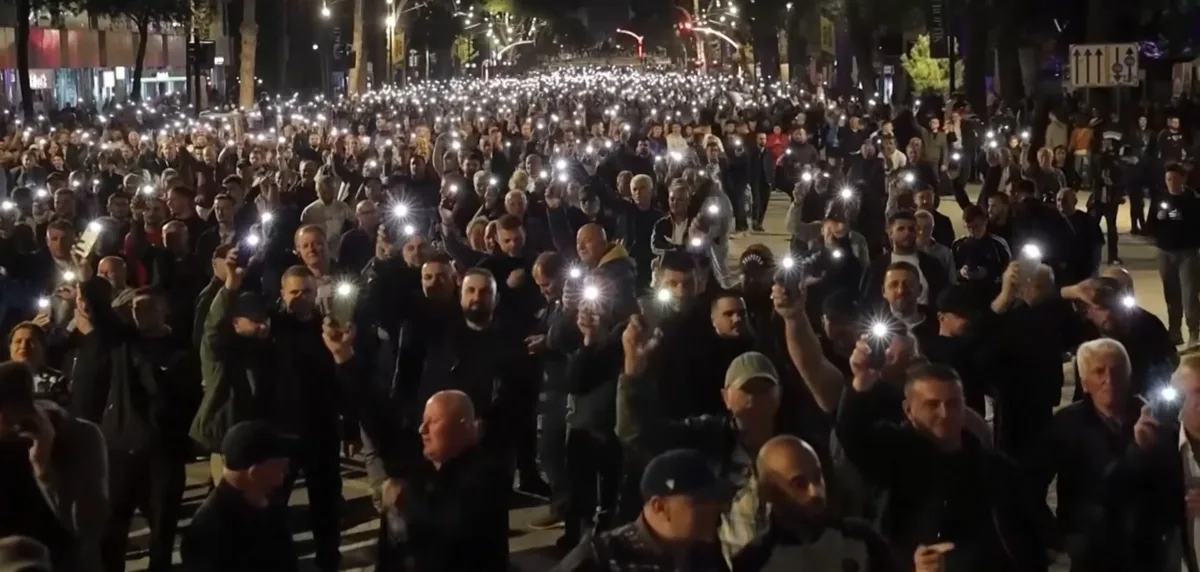
Colombia’s President Abelardo de la Espriella revised rules governing police responses to protests, allowing officers to intervene without first completing dialogue and mediation and giving them broader grounds to break up demonstrations, including roadblocks, property damage and disruptions to essential services. The decree also permits tear gas and other less-lethal weapons, and bars road blockades and masked protesters. De la Espriella says the changes protect peaceful demonstrators while preventing disruptions to work, commerce and the delivery of food and medicine. Activists and opposition figures warn the rules could be interpreted broadly and increase the risk of police violence and restrictions on the right to protest. Opposition parties, labor unions, Indigenous groups and social movements mobilized in cities across the country; tens of thousands took part, and the marches were reported as calm.