



Control the room's frame before you pitch numbers
In 60 seconds
- Pitches are decided by whichever social frame dominates the room, often before any content lands.
- Buyers filter first through a primitive 'croc brain' that discards dense, slow, or familiar material.
- Status is claimed through small deliberate moves; if you don't take it, the other side takes it by default.
- Open with a pattern interrupt, then compress the deal into one portable Big Idea a stranger could repeat.
- Angle that idea at the buyer's specific hot buttons, then build desire through scarcity and qualification.
- Controlled tension makes a pitch feel real; frictionless meetings signal that nothing important is at stake.
The big idea
Klaff argues that deals are won by controlling the social frame of the room before numbers are ever discussed. Every technique that follows—status moves, intrigue openings, hot-button framing, scarcity, and tension—is a tool for holding that frame rather than for delivering a more complete argument.
The book in brief
Klaff starts from a blunt problem: founders and salespeople walk into rooms already losing. They sit where told, wait to be granted attention, and treat the buyer as the evaluator, which means the social frame is set against them before a single slide appears. He treats the pitch not as information transfer but as a live contest over who defines the context—who has power, whose time matters, and who is being judged.
From there he builds a working model of attention. He claims a primitive filter he calls the croc brain scans first for danger, novelty, and status, and throws out anything too complex or too familiar. A dense deck of projections fails that filter. The presenter's first job is therefore not to explain everything but to earn the right to explain anything.
The method then stacks tactics in order. Status has to be claimed through small calibrated moves rather than given away by early arrival, over-thanking, or automatic compliance. Attention is seized with a pattern-interrupt opening that creates intrigue instead of agenda-setting. Content is compressed into one plain-language Big Idea stated early, not buried under twenty minutes of context. That idea is angled at the buyer's unconscious drivers—status, security, thrill, righteousness—rather than at generic returns.
Desire is manufactured by reversing the chase: the presenter qualifies the buyer and signals limited availability instead of begging for approval. Finally, Klaff argues for keeping mild unresolved tension in the room, because total ease reads as low stakes and rehearsed smoothness can destroy trust. The arc lands on a single claim: a pitch is a status negotiation, and the techniques only work once that frame is held.
Context
Oren Klaff published Pitch Anything in 2011 as a practitioner's field manual drawn from his own deal-making. The book mattered because it reframed pitching as a status contest rather than a data-delivery problem, and it shaped how salespeople and founders prepare for high-stakes meetings where the other side controls the room by default.
The key ideas
1
Frame decides first
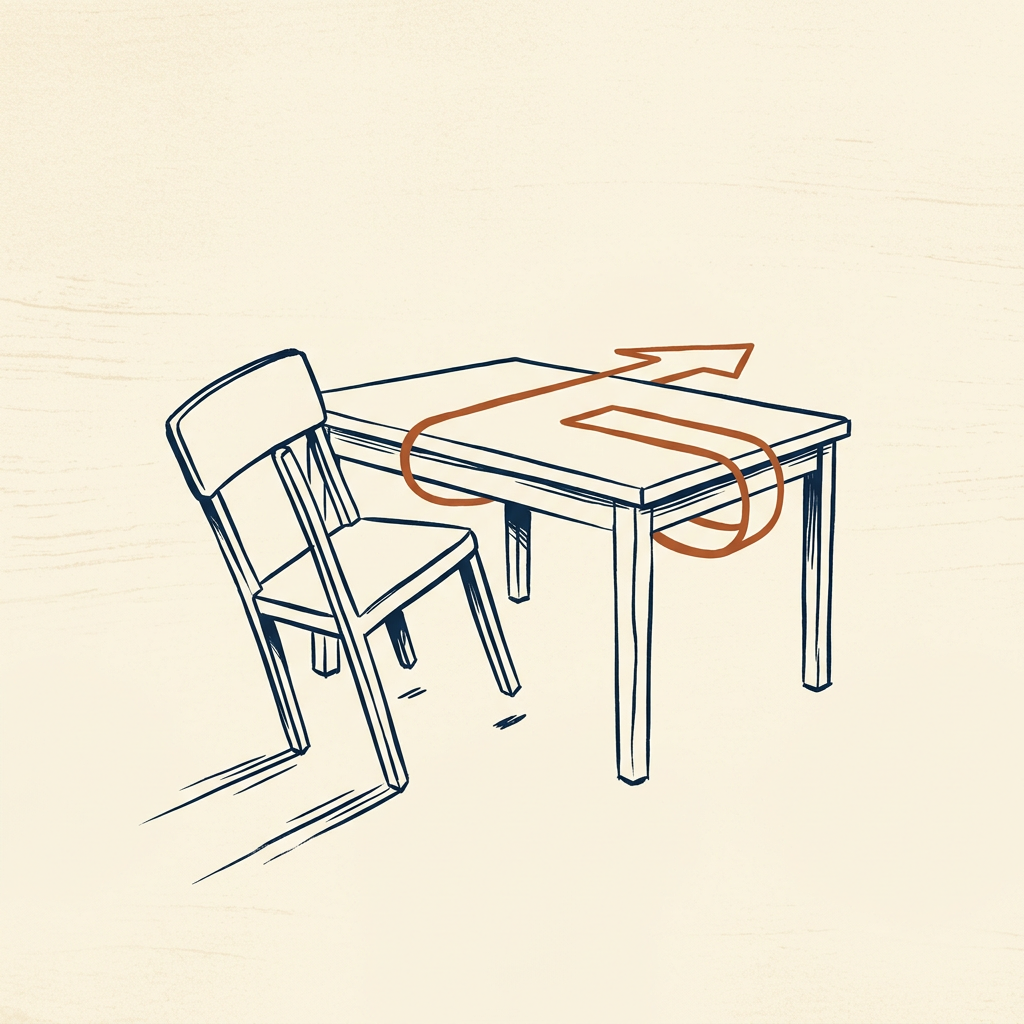
Klaff claims every pitch is decided by whichever person's social frame dominates, often before content is delivered.
Buyer's frame
Sit where told, wait, endure interruptions, accept evaluation
Your frame
Hold position, leave if disrespected, force renegotiation of status
A frame, in his account, is the unspoken context that says who has power, who is being evaluated, and whose time counts more. When a founder walks into a VC office, sits where told, and waits to be granted attention, the founder's frame has already collapsed into the buyer's.
Klaff treats frame control as the whole skill of pitching: notice whose frame is running, then replace it with your own before numbers start. Small behavioral signals establish frames more than arguments do. Whoever reacts to the other person's frame has lost; whoever holds position while the other adjusts has won.
Every later tool in the book—status moves, hot buttons, tension—is framed as a way to build and defend that context rather than to make a tighter analytical case. The content only gets a fair hearing inside a frame the presenter still owns.
In practice: Kept waiting twenty minutes by a banker and interrupted twice by calls, Klaff stood up and said he would come back when the banker had time, collapsing the banker's control frame and forcing the meeting onto his terms.

2
Croc brain filter
Klaff argues buyers scan with a primitive threat-and-novelty filter long before analytical reasoning engages, so dense decks get discarded first.
He borrows a simplified brain model he calls the croc brain: older structures that process incoming information for danger, novelty, and social status before conscious reasoning starts. Anything too complex, too slow, or too familiar gets ignored rather than considered.
A forty-slide deck of financial projections reads to that filter as tedious and non-threatening, which means it never reaches the analytical mind. Pitches that open with something unexpected or slightly provocative grab attention because novelty signals something worth evaluating further.
Klaff is not claiming rigorous neuroscience; he treats the model as a working heuristic. Assume the audience is bored, distracted, and hunting for reasons to dismiss you, and build the opening seconds to survive that filter. The presenter's job shifts from explain everything to earn the right to explain anything.
In practice: He contrasts information-dense projection decks that the filter discards with openings that are unexpected or slightly provocative enough to force further evaluation.

3
Status is claimed
In any pitch one party holds higher status, and Klaff says if you do not actively claim it the other side takes it by default.
Typical presenter behaviors—arriving early, over-thanking the buyer for time, using tentative language—are unconscious lower-status signals that prime the room to judge rather than engage. Klaff answers with deliberate status moves: small, controlled acts of defiance or indifference that reset the balance toward parity, not domination.
Examples include being slightly late or busy when the buyer arrives, and politely refusing requests a lower-status person would automatically obey, such as sending materials in advance. When someone tests you early—taking a call in front of you or challenging credentials—he recommends a short, unbothered redirect instead of defensiveness.
He calls this stealing back status. A room with two high-status people in acknowledged tension is where real negotiation happens. Status moves are the tactical mechanism that turns abstract frame control into repeatable behavior in real time.
In practice: Klaff points to refusing to send materials in advance, or staying slightly late or occupied when the buyer arrives, as calibrated signals that your time also has value.
4
Open with intrigue
A pitch should open with a pattern interrupt that creates curiosity, because information given before status and attention are secured gets ignored.
Expected open
Agenda, background, property specs, then numbers
Intrigue open
Surprising true problem already solved, then the story
Klaff says never start with agenda-setting or background; that invites the analytical boredom filter immediately. Open instead with something that breaks the expected pattern—an unusual statement, an admission, or a surprising fact about the deal that does not fit the listener's assumptions.
He ties this to incomplete information driving attention: people lean in when they sense a story rather than a spreadsheet. The intrigue has to connect to something real about the deal; pure shock value or gimmicks that feel manipulative backfire.
The opening does double duty. It feeds the croc brain's need for novelty and reinforces the presenter's frame by showing they control the narrative rather than reciting the script the buyer expects. Once intrigue lands, the room shifts from evaluation mode to curiosity mode—the only state in which information exchange works.
In practice: Klaff opened a real estate pitch not with property specs but with the blunt fact that the deal was almost dead a week earlier over a title issue he then resolved, signaling novelty and competence before any financial detail.
5
One Big Idea
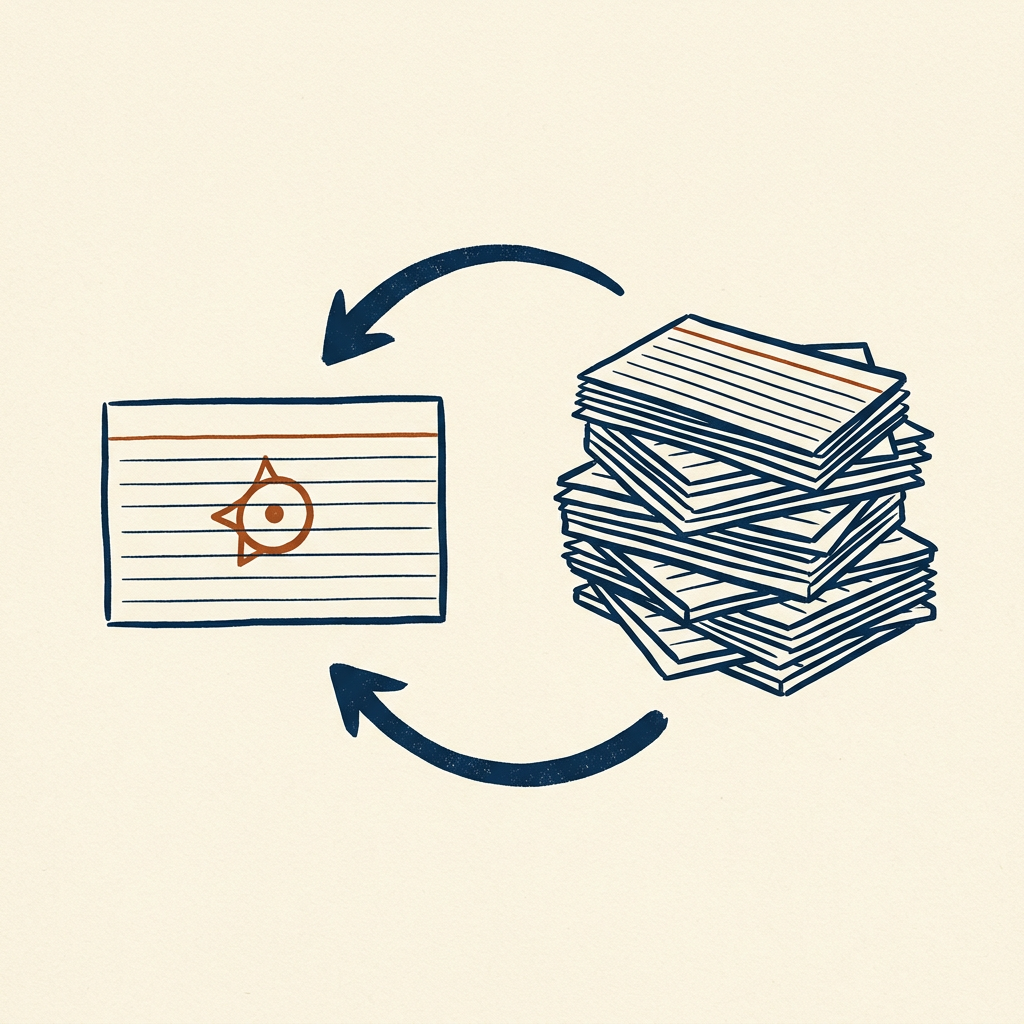
Klaff argues a pitch must compress into one memorable concept a stranger could repeat, because comprehensiveness kills attention.
Big deck
Full projections, context, caveats, every detail known
Big Idea
One plain sentence a stranger can repeat five minutes later
Most pitches fail, he says, because presenters try to convey everything they know and mistake thoroughness for persuasiveness. Each extra detail competes for shrinking attention. The Big Idea is a short plain-language description of the opportunity stripped to its essential hook.
He builds it from three ingredients: a familiar reference point the audience already understands, a surprising twist on that reference, and a clear reason the timing matters now. State it early—often within the first two minutes—so it becomes the frame through which everything else is read.
He warns against the burying: a good Big Idea lost under twenty minutes of context and caveats until the audience has already tuned out. The pattern-interrupt opening earns attention; the Big Idea is what that attention gets spent on, leaving the buyer with one portable idea even if every supporting detail fades.
In practice: Instead of '12% IRR real estate fund with a value-add strategy in secondary markets,' he pushes something closer to buying underpriced buildings from tired owners who do not know what they are worth.

6
Aim at hot buttons
People commit from unconscious drivers such as status, security, thrill, or righteousness, so Klaff says the pitch must target those specific desires.
- SStatusRare or exclusive access; be seen as an insider
- FFear of lossScarcity and time pressure on something real
- SSecurity / thrill / righteousnessAngle the same deal to the driver's actual lever
Generic appeals to good returns miss the actual lever that moves a given buyer. Klaff wants presenters to research or probe for the dominant hot button, then structure the offer's framing around it without rewriting the deal itself.
A status-driven buyer may respond to rarity and exclusivity; a buyer driven by fear of loss may respond to scarcity or time pressure. He is explicit that this is not manufactured false urgency but emphasis on what is genuinely true about the deal, angled to the listener.
The Big Idea stays fixed; which parts get stressed flexes with the hot button in play. Most hot buttons, in his view, are expressions of status anxiety or status desire—fear of looking foolish, wish to be an insider, wish to win—so this chapter also reinforces the earlier status work and turns a one-size script into a read of the person across the table.
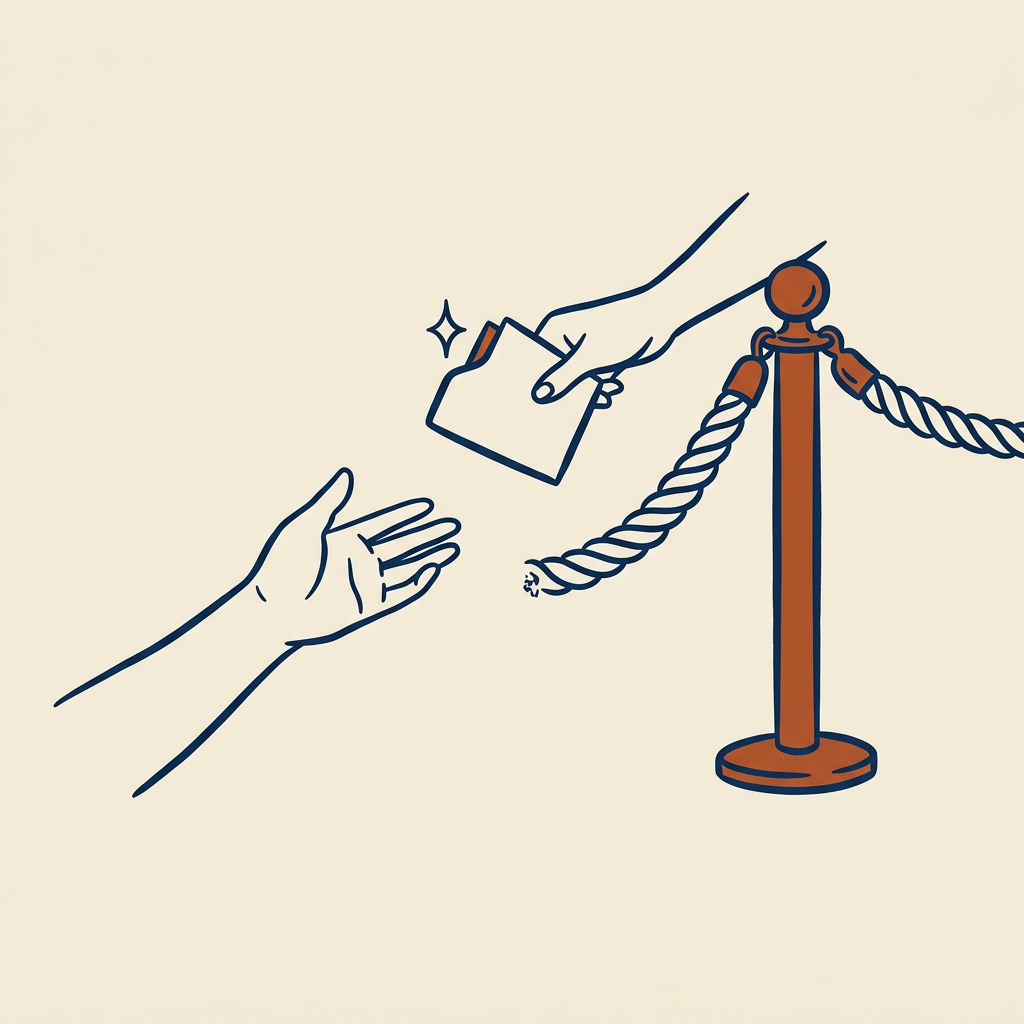
In practice: For a status-motivated buyer he emphasizes a rare or exclusive opportunity, such as bringing the deal to only three people.
7
Withdraw to create want
Desire rises when something is taken away or made conditional, so Klaff pushes scarcity and qualification instead of open pursuit of approval.
Most pitches, he argues, run on a begging dynamic: the presenter clearly wants something from the buyer, which triggers devaluation because anything freely and eagerly given seems worth less. The unavailability frame reverses that. Signal that the deal or relationship might not be available at all, and that the buyer needs to qualify.
Genuine constraints—limited slots, other interested parties, qualifying questions about whether the buyer can move fast enough on a deal of this size—replace chase energy. Ending by saying you need to check whether the buyer is even the right fit before continuing flips the usual pursuit.
This is framed as discipline, not bluff: never appear more invested in the outcome than the buyer is. Chasing signals low status; qualifying the other party signals high status and abundance. Scarcity only works after intrigue and the Big Idea have already created desire; applied earlier it is meaningless.
In practice: Klaff describes ending a pitch not by asking for a yes but by saying he needs to check whether the buyer is the right fit before continuing, reversing the chase.

8
Keep useful tension
Klaff claims a pitch benefits from unresolved tension and mild discomfort because a frictionless meeting signals nothing important is at stake.
Frictionless room
Total ease, instant smooth answers, anxious filled silence
Held tension
Gentle disagreement, named unresolved problems, allowed silence
The common instinct to make meetings smooth and comfortable undermines credibility, he says. Buyers unconsciously read total ease as a sign the deal is not a real high-stakes decision; important choices carry friction, risk, and disagreement.
He recommends small deliberate tensions: gently disagreeing with something the buyer says, raising an unresolved problem about the deal instead of hiding it, or letting silence sit rather than filling it anxiously. Pitches collapse when every objection is answered so instantly and smoothly that the room reads the performance as rehearsed and untrustworthy.
Controlled tension signals that the presenter has nothing to hide and enough standing to let a moment stay uncomfortable. It tests whether the presenter's frame holds under pressure and pairs with the unavailability frame: both require resisting the urge to please at every turn. Persuasion, in his account, is live social negotiation full of friction, not smooth transmission of good information.
In practice: He describes pitches that failed because the presenter answered every objection so smoothly and instantly that the polish itself read as untrustworthy.
Key terms
- Frame The unspoken context that defines who has power, who is being evaluated, and whose time matters more.
- Croc brain Klaff's name for the primitive filter that scans first for danger, novelty, and status and discards dense or familiar input.
- Status moves Small calibrated acts of defiance or indifference that reset who holds higher standing in the room.
- Intrigue A pattern-interrupt opening that creates curiosity with unexpected but real information before any explanation.
- Big Idea One plain-language sentence that captures the opportunity so a stranger could repeat it.
- Hot buttons A buyer's few unconscious drivers—status, security, thrill, righteousness—that actually move the decision.
- Unavailability frame Signaling that the deal may not be available and that the buyer must qualify, instead of chasing approval.
- STRONG Klaff's overall method for winning attention, holding power, and creating desire before asking for money.
What to do
- Pick one status move for your next meeting—decline advance materials or set your own time limit—and use it on purpose.
- Replace your opening slide or sentence with one surprising true statement about the deal instead of background.
- Write the Big Idea in one plain sentence before any supporting material, then test whether a stranger can repeat it five minutes later.
- Name the likely hot button of the person across the table and angle the same deal toward that driver.
- End by qualifying them—ask whether they can move on a deal of this size—rather than asking for a yes.
Questions to think with
- Whose frame is running in the first five minutes of your typical pitch, and what small behavior would change it?
- What single plain sentence captures your deal so someone outside your industry could repeat it?
- Which hot button—status, fear of loss, security, thrill—most likely drives the buyer you meet next?
- Where are you still chasing approval instead of qualifying the other side?
- What mild unresolved tension are you smoothing over that might actually make the meeting feel real?
The other side
The book rests on Klaff's deal anecdotes and a simplified, largely outdated triune-brain model without peer-reviewed support, so its authority is his fundraising track record rather than proof that the specific tactics caused the outcomes; moves like arriving late, refusing routine requests, or introducing scarcity can read as arrogance without already-earned credibility, fit poorly to ongoing relationships or cultures outside his high-stakes stranger-deal milieu, and leave ethical lines around manufactured scarcity and status games for the reader to draw.
Who it's for
Founders raising money from investors who control the room by default, salespeople who lose despite stronger products or numbers, and consultants or dealmakers who need to shift power before terms are negotiated will get the most from testing the full method.