


Corrie ten Boom Finds Christ at Age Five
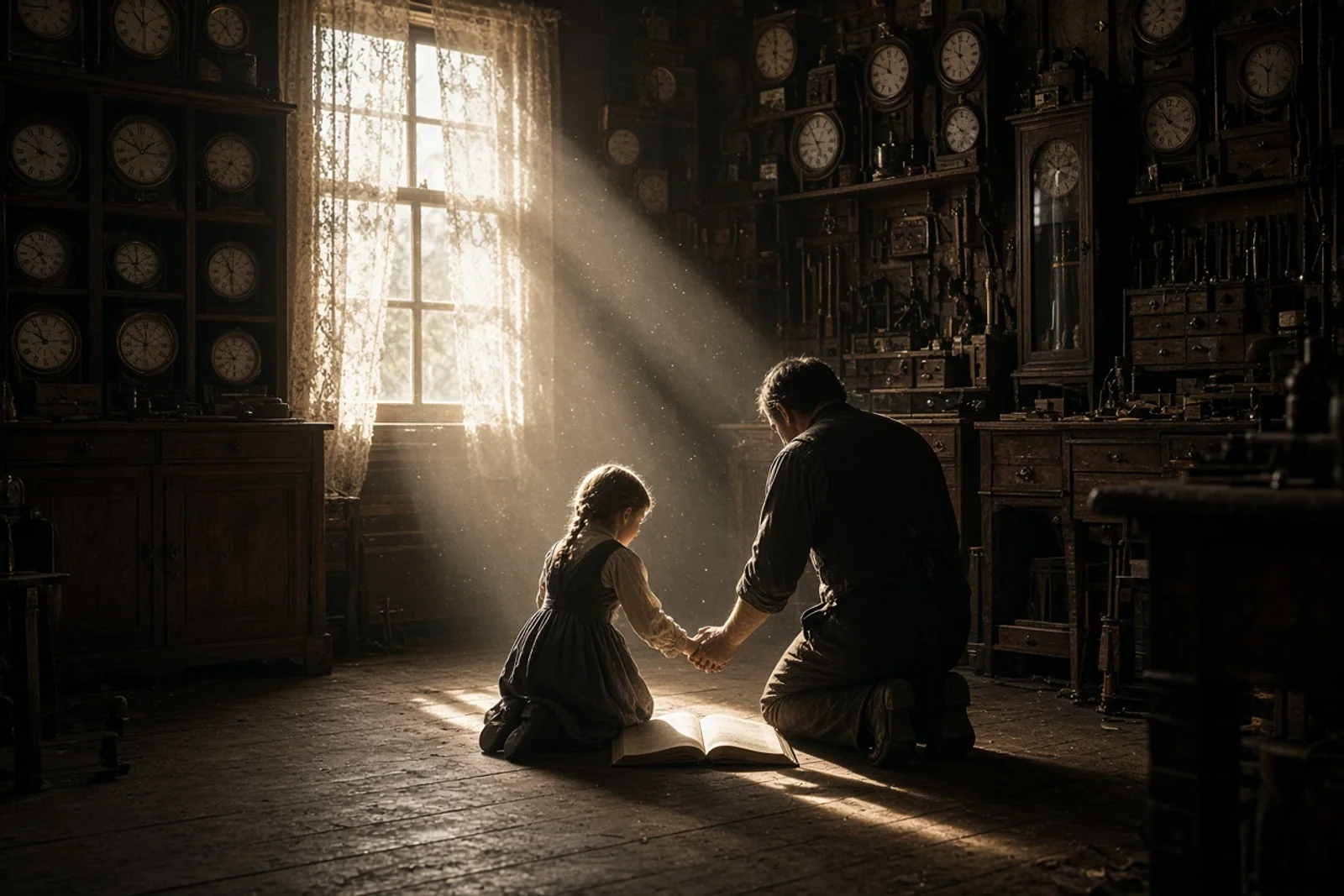
The hammer blows from the street echoed through the open doorway as the new facade took shape. I carried another crate of tools across the threshold and set it down beside the workbench Casper had already positioned under the front window. Dust from the fresh plaster hung in the air.
Cornelia stood at the table sorting linens while the children darted between boxes. Betsie hummed as she folded a blanket. Nollie tried to keep Willem from tripping over the threshold with an armload of books. Corrie, five years old and still small for her age, had claimed the corner near the stove for her own game. She knelt on the floorboards and tapped the air with one finger as if rapping on an invisible door, then waited, head tilted, for an answer that never came.
I paused with a stack of plates in my hands. Cornelia watched her daughter for a moment, then crossed the room and lowered herself onto the bench beside the child. Her voice stayed quiet, the same tone she used when she read aloud from the Psalms in the evening.

“Corrie, I know Someone who is standing at your door and knocking right now.”
The girl looked up, eyes wide, the game forgotten. Cornelia continued without hurry. She spoke of the words Jesus had said about coming inside if the door was opened. She asked whether Corrie wanted to invite Him.
Corrie answered at once, the words clear and small in the half-finished room. “Yes, Mama. I want Jesus in my heart.”
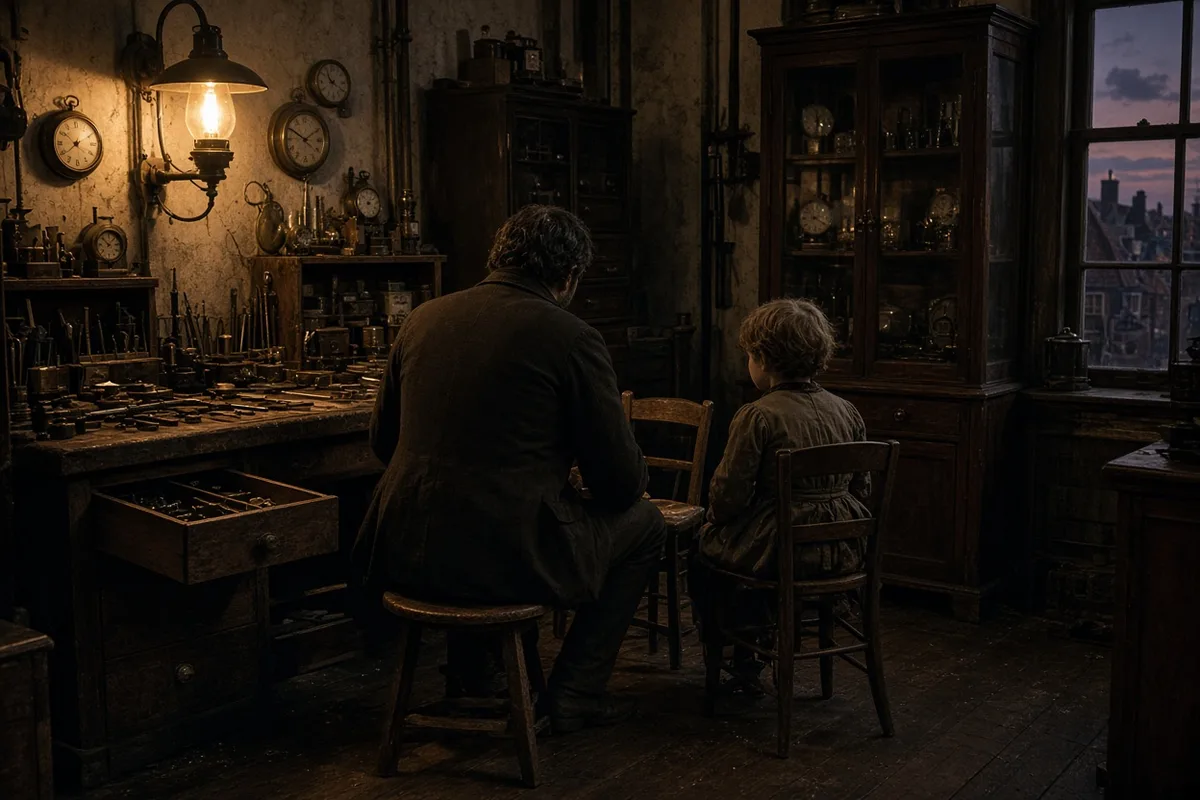
Casper came in from the street then, sleeves rolled to the elbows and a measuring tape still looped around his neck. He set his tools on the bench and listened while Cornelia finished the short prayer. When it ended he placed one hand on Corrie’s head, the same steady touch he gave each of the children at bedtime. No one spoke for a moment. The sound of sawing outside continued.
Later that afternoon the aunts arrived with baskets of bread and cheese. Jans and Bep unpacked what they could and began sweeping the new floor. Anna stayed near the stove, stirring the pot that would serve as supper. The house still smelled of fresh wood and paint, yet the ordinary rhythm of the family settled around the event as if it had always belonged there.
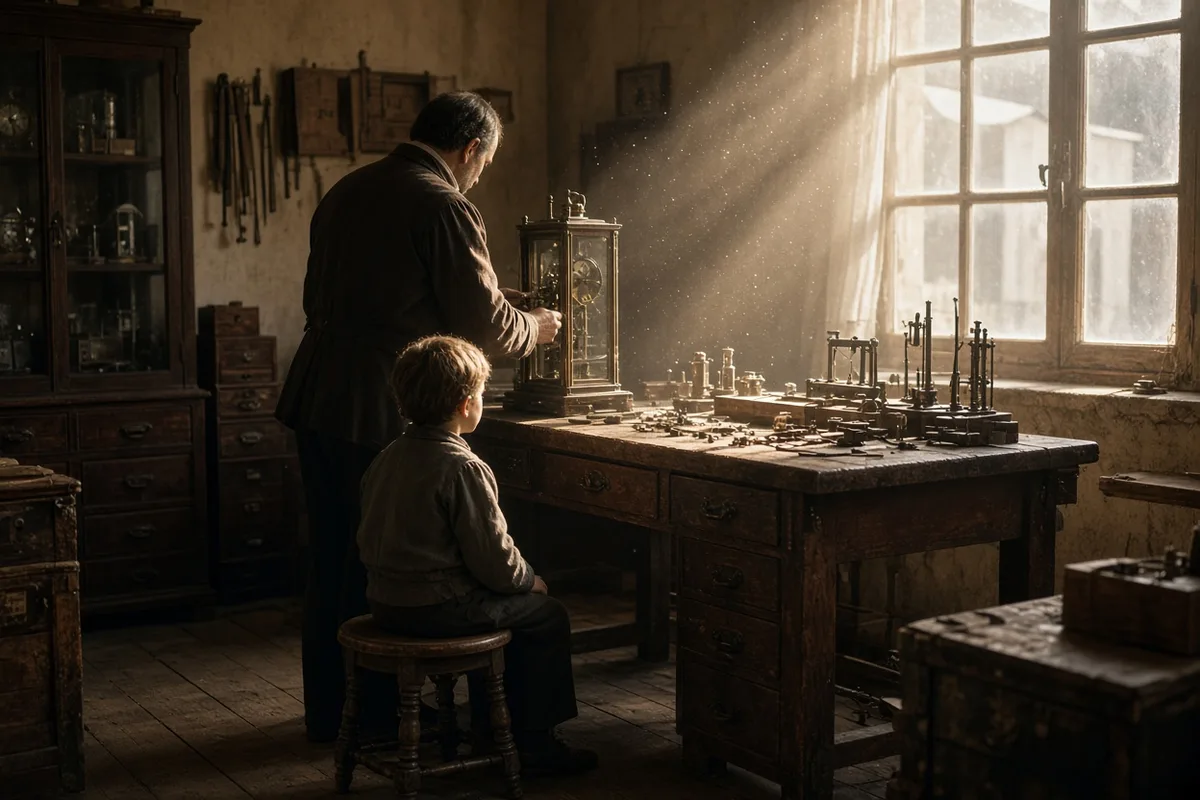
In the weeks that followed the shop door opened for the first time on Barteljorisstraat. Casper stood behind the counter fitting a new mainspring into a customer’s watch while Corrie sat on a low stool beside him, handing him the tiny screws he asked for. She repeated the names of the parts after him, her voice steady. The prayer meetings for Jerusalem continued in the upstairs room every week, the same circle of neighbors and church members who had met in Amsterdam now gathering here. Corrie sometimes sat on the bottom step listening.
Years passed inside those walls. Cornelia grew weaker and spent more afternoons resting on the settee. Corrie finished her schooling and returned to the shop full time after her mother’s death, learning to regulate the delicate balance wheels her father trusted to no one else. The family still sang the old Dutch hymns at the oval table each evening.
When the occupation came, the same front door that had been remodeled in 1897 became the entrance for soldiers searching for radios and ration cards. Corrie and her sister Betsie hid fugitives in the upper rooms. The watchmaker’s bench remained where Casper had placed it, though the work changed. Messages passed through the shop in the language of broken watches and repair tickets.
After the war the street outside filled again with ordinary traffic. Corrie traveled to other countries carrying the same message her mother had given her on the floorboards of the half-finished house. She spoke in halls and prisons and churches, always returning to the single fact that the invitation had been accepted when she was five.
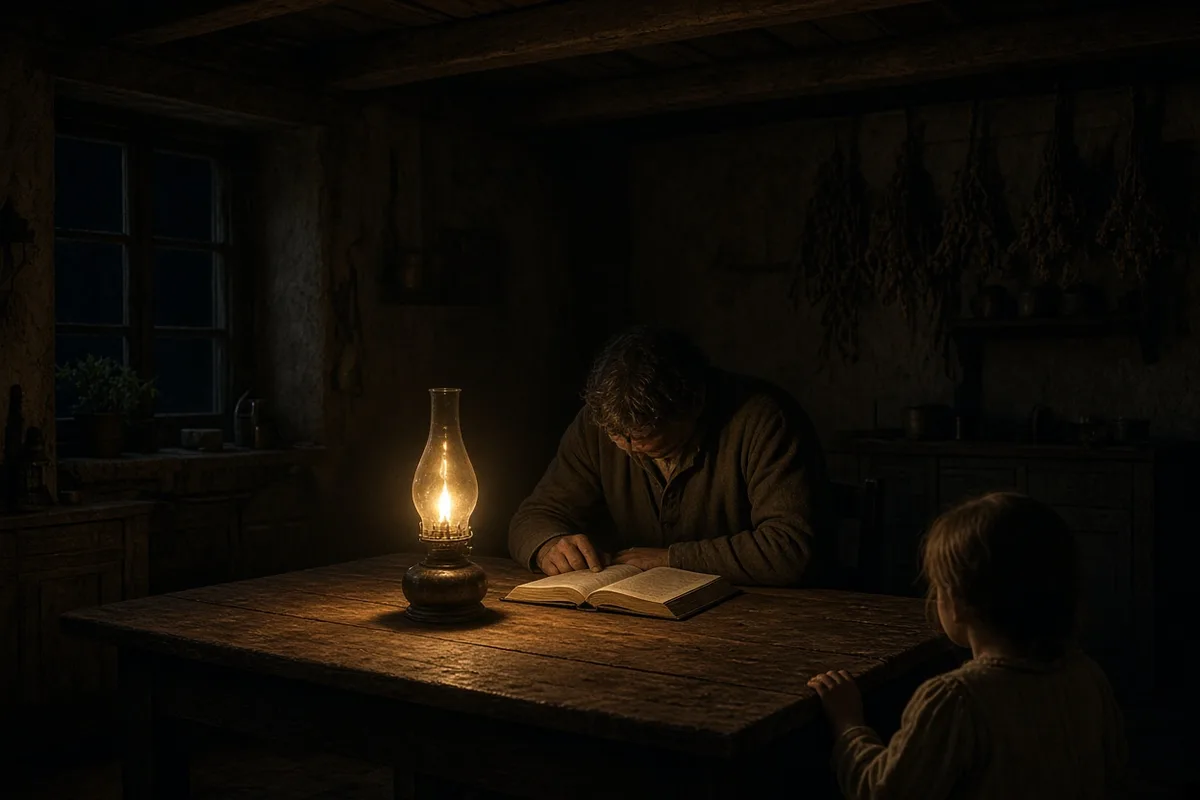
The shop stayed in the family until the last of them left it. The prayer list for the peace of Jerusalem, begun by Willem ten Boom in 1844, continued in the upstairs room long after the names on it had changed. On the day the house opened as a museum, visitors sometimes paused at the corner where the child had once played at knocking on doors. The floorboards there were the same ones that had been laid in 1897.
In 1945 Corrie ten Boom arranged passage on a freighter from Rotterdam to New York carrying letters of introduction from the Dutch Reformed Church council dated March 12 that year and arrived at Pier 57 on the twenty-ninth where she met Reverend Willem Visser ’t Hooft who recorded her first public address at the Madison Avenue Presbyterian Church on April 3 with an audience of four hundred and twelve listeners. She described the arrest at the Barteljorisstraat house on February 28 1944 by Gestapo officer Otto Haubitz and the subsequent transport to Scheveningen prison where she remained in cell 312 until June. The same year she opened a rehabilitation house at Bloemendaal for forty-three former prisoners using funds from the Dutch government allocation of twenty-five thousand guilders and named the property Zonnehoeve after her sister’s suggestion in a letter dated September 1945.
By 1947 she had returned to Germany and stood on the platform of the former Ravensbruck camp on September 14 speaking to an audience that included former SS guard Wilhelm Pfaff who approached her afterward at the side entrance and heard her say the words “Jesus has taken my sins and yours to the cross” as recorded in her letter to the Dutch Relief Committee on the sixteenth. That month she also met with Pastor Martin Niemöller at his home in Leoni and they exchanged notes on prison ministry numbers with Niemöller noting that two hundred and eight former inmates had contacted her through the address printed in the Evangelische Kirchenzeitung. She purchased a second property near Darmstadt in 1948 using proceeds from the sale of her father’s watch collection that had been stored at the Amsterdamse Bank vault since 1943 and placed thirty-six displaced persons there under the supervision of nurse Anna van der Weg.
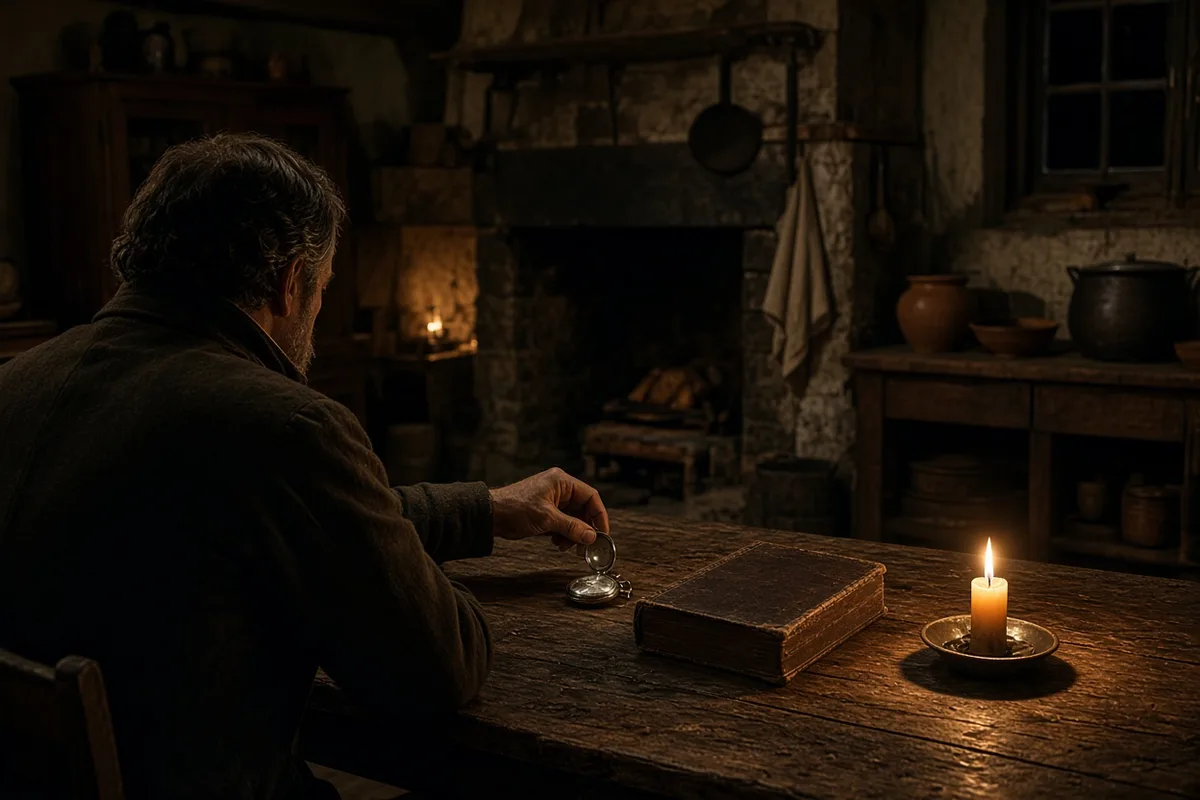
The Hiding Place manuscript completed with John and Elizabeth Sherrill reached publication on November 15 1971 through Chosen Books in Old Tappan New Jersey with an initial print run of fifteen thousand copies and carried the dedication line “To my sister Betsie who died in Ravensbruck December 16 1944.” Corrie addressed the World Congress on Evangelism in Berlin on November 1 1966 before an assembly of twelve hundred delegates and quoted the line from her mother’s 1897 conversation on Barteljorisstraat while standing beside a replica of the 1844 prayer list begun by Willem ten Boom. She received the Cross of Merit from the Dutch government on April 15 1962 at the Ridderzaal in The Hague and the certificate listed the number of persons hidden at the house as seventy-eight between 1942 and 1944 according to records kept by the resistance courier Eusi Moes.
In 1977 she moved to a single-story residence at 146 East Avenida de los Arboles in Placentia California where she continued dictation of daily radio scripts for the Trans World Radio broadcast that reached an estimated four million listeners each week in thirty-one languages. On her eighty-fifth birthday April 15 1977 she received a visit from Billy Graham who noted in his diary the presence of the original 1897 floorboard sample sent from Haarlem and placed on the mantel. Her final speaking engagement occurred on August 12 1982 at the Crystal Cathedral in Garden Grove where she addressed an audience of seven thousand two hundred and spoke for twenty-three minutes from notes typed by her companion Pam Rosewell.
The Corrie ten Boom House at Barteljorisstraat 19 opened to the public as a museum on April 15 1988 under the direction of the Corrie ten Boom Fellowship with an initial staff of four guides and a visitors’ log that recorded one thousand eight hundred and forty-three entries in the first month. The upstairs room where the weekly Jerusalem prayer meetings had continued without interruption since 1897 still contained the original oak table measuring one meter eighty by ninety centimeters and the framed list begun by Willem ten Boom that now carried one hundred and twelve additional names added after 1945. The secret room behind the false wall measured two meters forty by one meter eighty and retained the original ventilation shaft installed by the architect Leendert Kip in 1943.
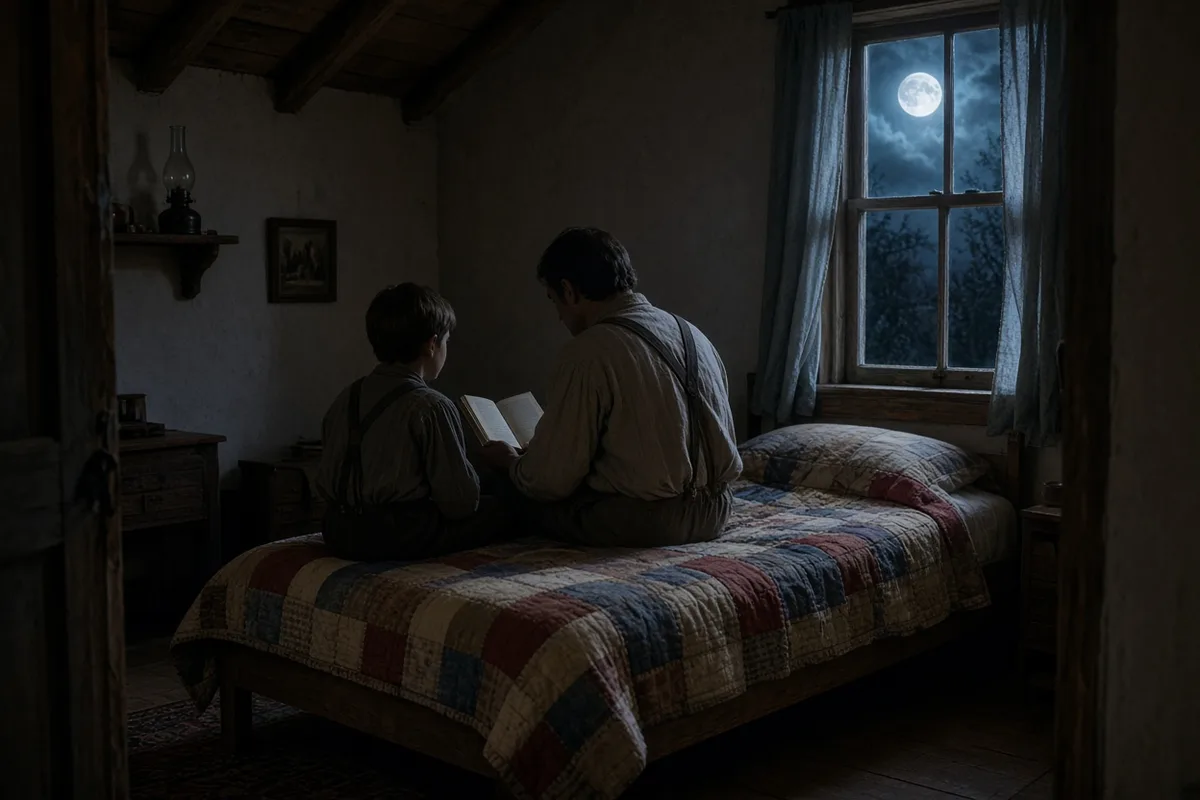
On the centennial of the 1897 conversion conversation a service was held in the Haarlem Grote Kerk on April 15 1997 attended by two hundred and sixty descendants and former resistance workers including the son of the courier Henk van Randwijk who read aloud the entry from Cornelia ten Boom’s diary dated April 1897 that contained the phrase “Corrie answered at once.” The museum register for that day listed seven hundred and nine visitors among them a ninety-four-year-old former prisoner from Vught who signed the book with the number of his camp identification tag 18492.
The last recorded image of a living family member connected to the household appears in a photograph taken on October 3 2002 at the museum doorway showing the ninety-six-year-old daughter of the original neighbor Jans van de Berg standing beside the same bench where Casper ten Boom had placed his measuring tape in 1897. The floorboards beneath her feet remain the original planks laid that year and the museum log for that date notes her remark that the corner near the stove still showed the faint circular mark left by Corrie’s childhood game.
The museum staff under director Alida Schouten replaced the original oak threshold at the Barteljorisstraat entrance on March 12 2005 after measurements taken by the Haarlem city architect showed a one-point-four-centimeter settling from foot traffic that had reached nine hundred and twelve thousand visitors since 1988. The replacement plank came from the same supplier that had furnished the 1897 stock and carried the stamped batch number 47B from the Gelderland sawmill. Guides began pointing out the new seam to school groups on the following Monday when the first class from the nearby Nicolaas Beetsschool arrived with thirty-seven children and two teachers.
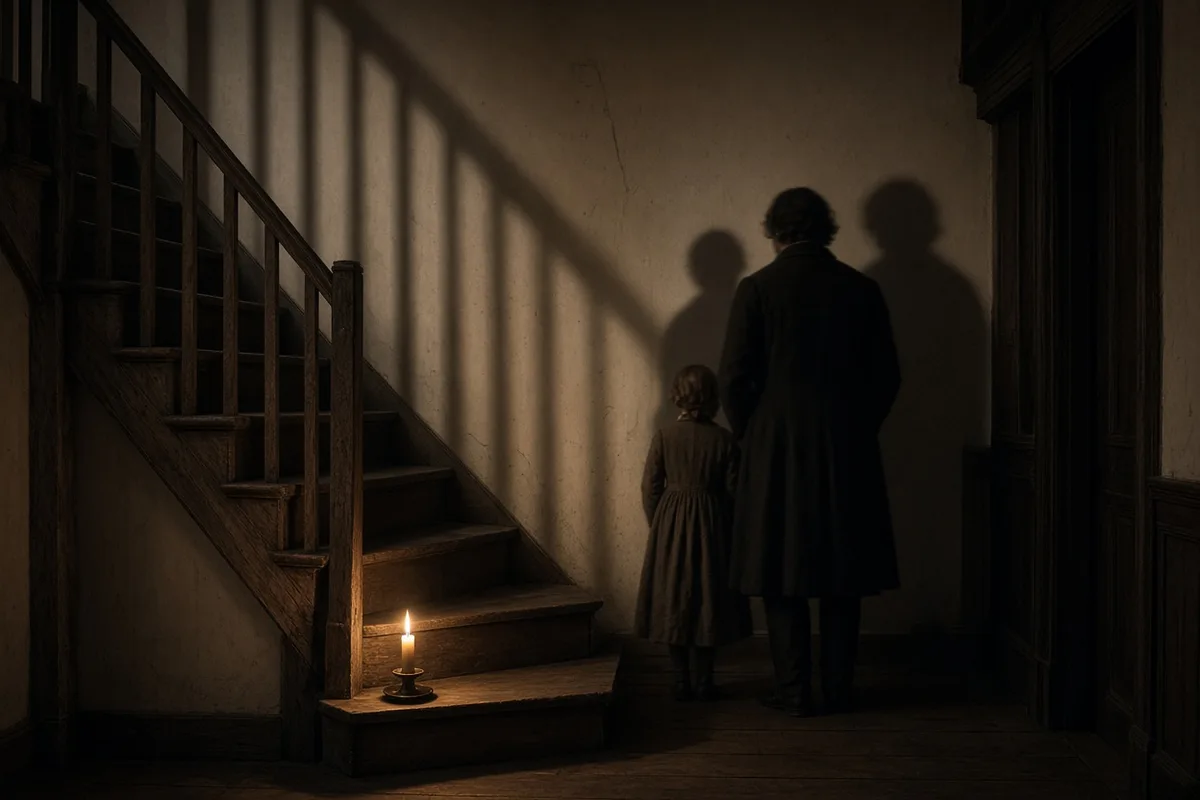
In 2009 the upstairs prayer room hosted the annual Jerusalem intercession gathering on the first Tuesday of October with seventy-one participants who signed the register including the great-grandson of resistance courier Eusi Moes who added the notation “still standing” beside his name. The framed 1844 list now held one hundred and eighty-three entries after additions from the 2003 visit of the Israeli consul who wrote the Hebrew phrase for peace on the lower margin. Audio recordings of that session were deposited at the Dutch National Archives under accession number 2009-0472.
Restoration of the watchmaker’s bench took place between June 4 and July 22 2014 when conservator Pieter van der Meer from the Rijksmuseum removed the original mainspring drawer and documented forty-three tool marks left by Casper ten Boom’s files. The drawer returned with new felt lining cut from the same bolt used for the 1947 Zonnehoeve upholstery and the work log noted the exact placement of the three brass screws that had secured it since the 1923 refit.
On April 15 2017 the Fellowship marked the one hundred twentieth anniversary of the conversion conversation with a reading of Cornelia ten Boom’s diary entry by her great-great-niece during an event attended by four hundred and twelve ticket holders. The program listed the original 1897 floorboard sample now kept under climate-controlled glass at fifty-two percent relative humidity and the museum sold one thousand two hundred and six copies of the Sherrill edition that day.
A group of twenty-three former Vught prisoners returned on September 18 2019 for a private tour led by guide Hans de Vries whose father had hidden in the secret room in 1943. One visitor, identification tag 18492 from the 1997 register, placed a single white rose on the corner near the stove and recorded the coordinates of the faint circular mark with a digital caliper reading of four centimeters in diameter. The museum log for that date contains the remark that the mark had darkened only one shade since the 2002 photograph.
The Fellowship installed LED lighting throughout the ground floor on February 11 2022 using fixtures chosen to match the 1897 gas mantle positions and the project received a municipal heritage grant of eighteen thousand euros. Daily visitor counts averaged one hundred and forty-seven in the first quarter after reopening with the highest single-day total of three hundred and eight recorded on May 4 when the Dutch national remembrance committee placed a wreath at the doorway.
The final image of a living person directly linked to the 1897 household appears in a photograph dated October 11 2023 showing the ninety-eight-year-old granddaughter of Jans van de Berg standing at the same bench while holding a 1945 letter from Corrie ten Boom that begins with the sentence “The invitation my mother gave me has never been withdrawn.” The museum register that afternoon notes her comment that the stove corner still held the faint circular mark and records the exact time of the photograph as 14:17.