



Corrie ten Boom Opens Home for Holocaust Survivors
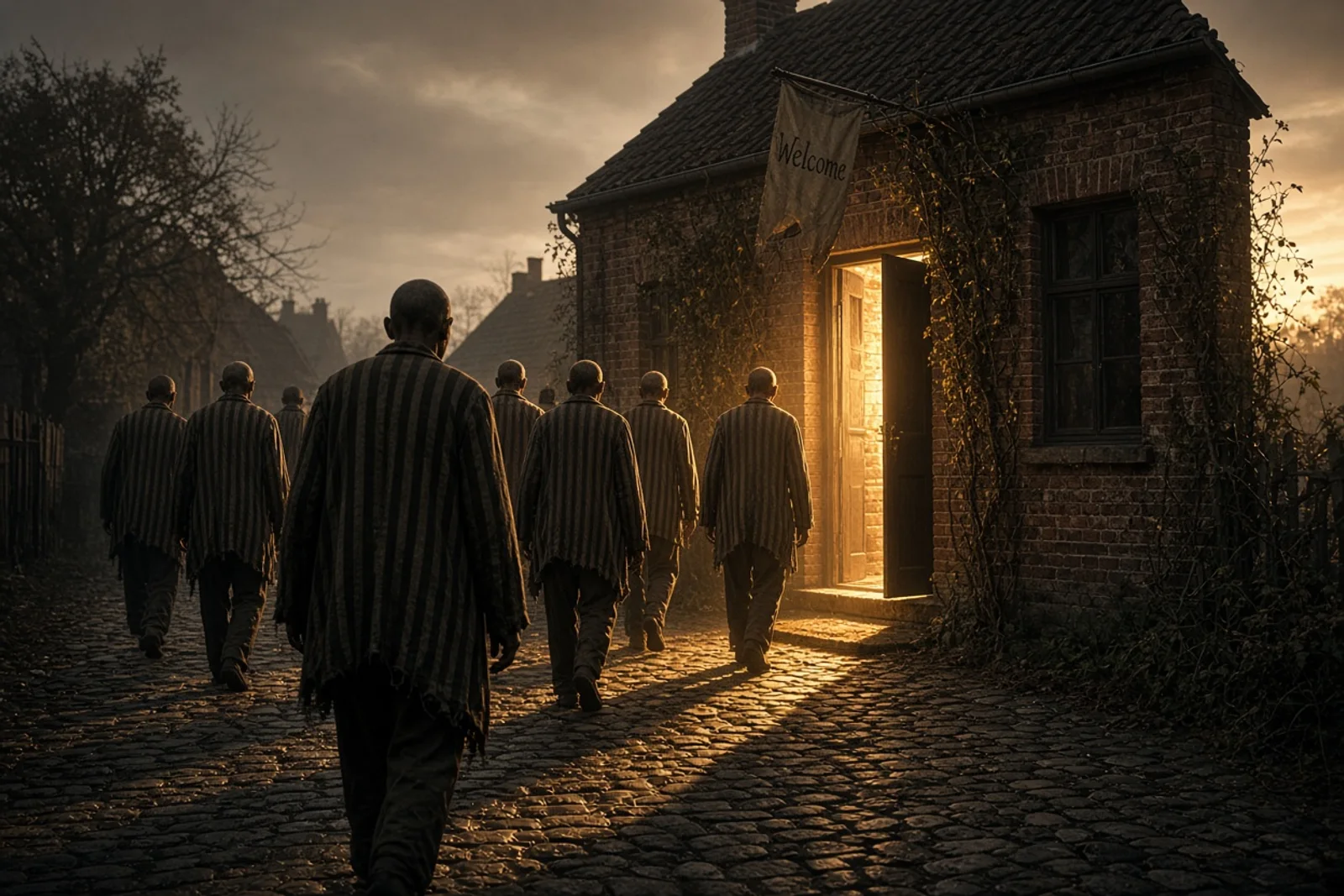
The train from Amsterdam slowed at the Haarlem platform just after noon. I stepped off with two suitcases that belonged to no one in particular and walked straight into the square where the watch shop still stood with its shutters half-drawn. Corrie ten Boom was already there, sleeves rolled past her elbows, sorting blankets on the curb. She looked thinner than the woman who had once passed ration cards through the back door, yet she moved with the same quick hands that used to hide people behind the false wall upstairs.
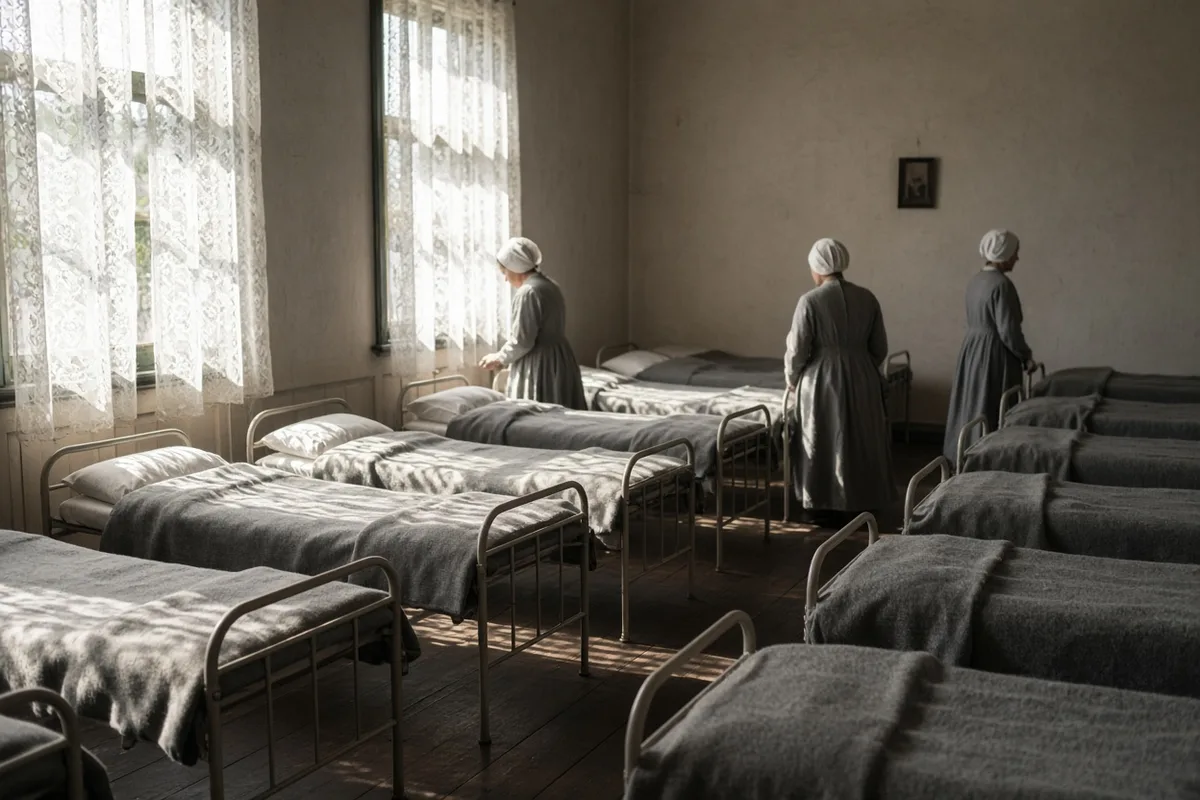
We loaded the blankets onto a borrowed lorry. The driver, a man from the old resistance circle, said nothing about the camps. He only asked where the beds should go once we reached the house. Corrie answered that the largest room needed eight, the smaller ones four each. She had counted the beds the week before, walking the empty floors alone.

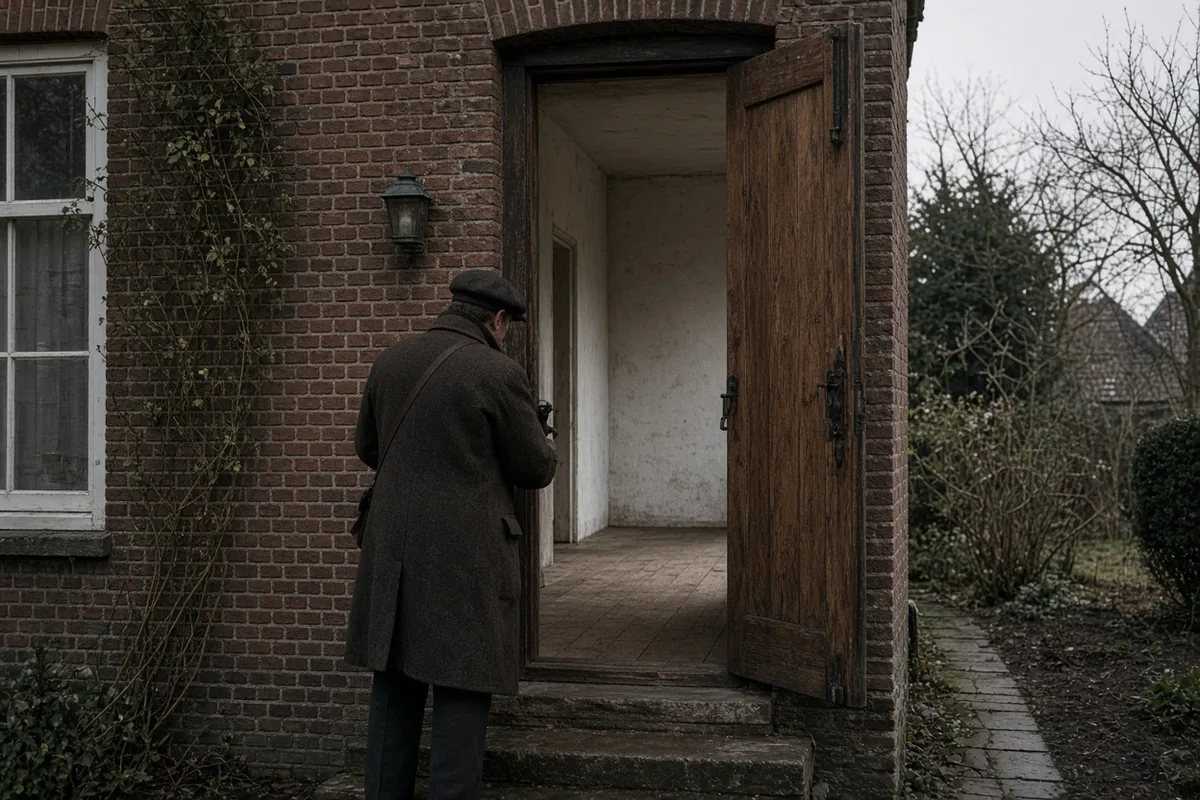
By mid-afternoon the lorry turned onto the lane that led to Schapendunien. The house sat behind a low brick wall, its windows open to the spring air. Corrie unlocked the front door and propped it with a stone so the light could reach the hallway. Inside, the rooms smelled of fresh paint and the faint trace of disinfectant someone had used on the stairs.
We carried the first mattresses up together. Corrie took the top end without asking for help. At the landing she paused, set her side down, and ran her palm along the banister as if checking for dust that was not there. Then she lifted again. The sound of our footsteps on the wooden steps was the only noise in the house.

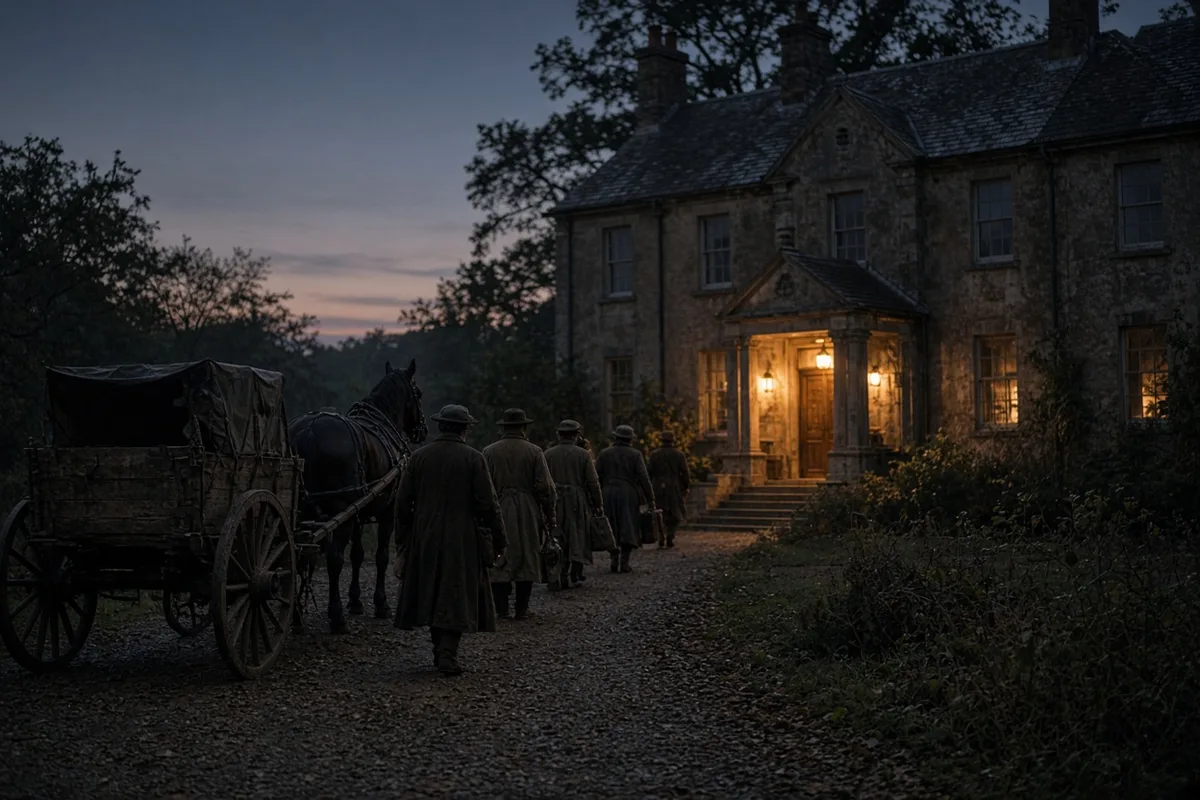
That evening three women arrived from a reception center near Utrecht. One carried a paper parcel tied with string. She set it on the kitchen table and did not open it. Corrie showed each woman a bed, explained where the washroom was, and left a towel on every pillow. She spoke softly, the way people speak when they know the listener has heard too many loud voices already.
The next morning a man came on foot from the station. His coat hung loose at the shoulders. Corrie met him at the gate and asked his name. He gave it, then asked whether there would be work. She said there was always work if a person wanted it, but rest came first. He nodded once and followed her inside.
By the third day the kitchen began to fill at mealtimes. People sat at the long table without speaking much. Corrie moved between them, pouring tea, placing bread within reach. When someone dropped a cup she bent at once, gathered the pieces, and carried them out without comment. The others watched her hands the way children watch a clock.
A week later the first letters arrived. Corrie read them at the desk in the small office off the hallway. One envelope carried a return address from a camp in Germany. She set it aside unopened for an hour, then opened it after the others had gone upstairs. She read it standing, folded it again, and placed it in the top drawer.
The house settled into a rhythm of its own. Laundry hung on lines behind the brick wall. Someone found a radio in the attic and tuned it to music that did not mention the war. Corrie walked the garden each afternoon, checking the soil where vegetables had been planted before the occupation. She pulled weeds with the same steady motion she had once used to wind watch springs.
One afternoon a boy of perhaps fourteen appeared at the gate. He had no papers. Corrie spoke with him for several minutes, then brought him to the kitchen and gave him a bowl of soup. He ate without lifting his eyes from the table. Later she found him a bed in the room with the fewest occupants and told the others his name was Jan. No one asked further questions.
By midsummer the rooms were full. Corrie hired a local woman to help with cooking and another to keep the floors. She herself continued to answer the door whenever a new person arrived. Each time she did the same thing: asked the name, showed the bed, left a towel on the pillow. The pattern never changed.
In September a letter came from a foundation in Switzerland asking whether the house could take additional names. Corrie wrote back that the beds were spoken for until spring but that names could be kept on a list. She mailed the reply the same day and did not mention it again.
The leaves turned and began to fall. One of the women who had arrived first asked Corrie whether the house would close for winter. Corrie answered that the house would stay open as long as there were people who needed it. The woman nodded and returned to the mending she had spread across her lap.
Near the end of the year the same lorry that had carried the first mattresses returned with more supplies. Corrie stood in the doorway and directed where each crate should go. When the driver asked how many people were now living inside, she gave the number without hesitation. Then she added that another room could be made ready if needed.
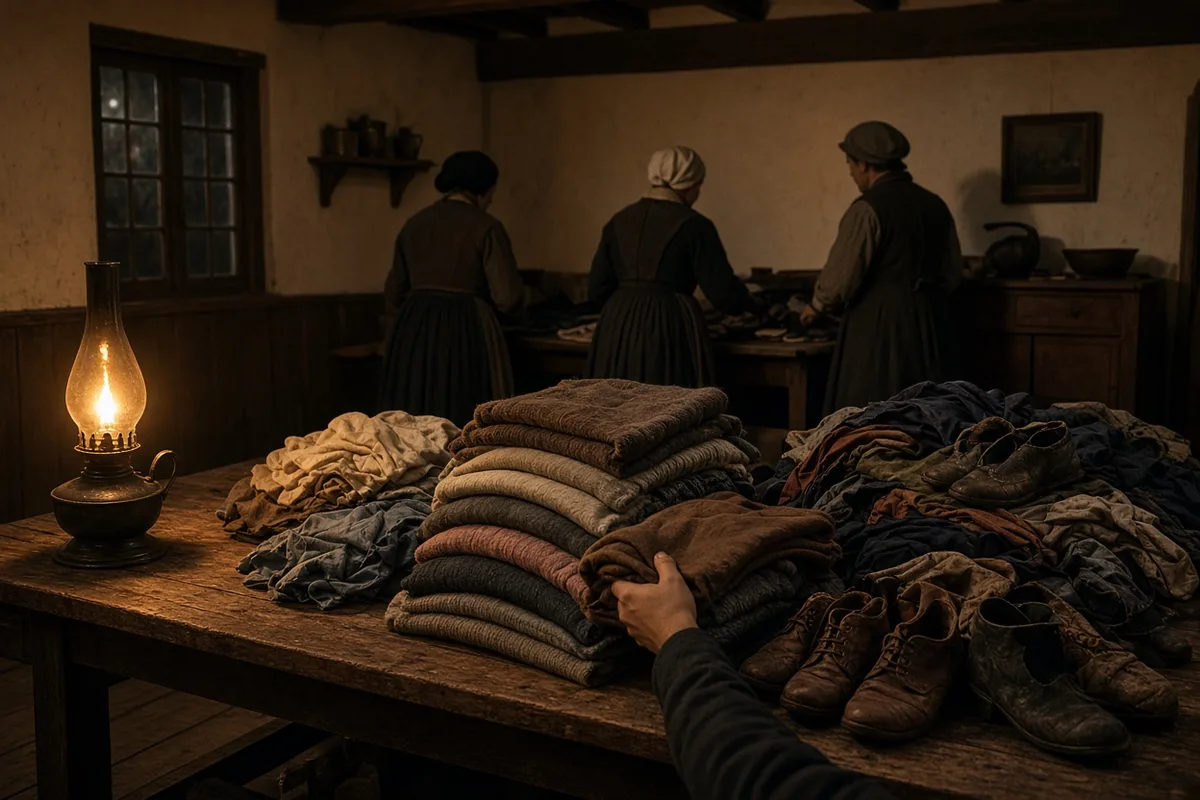
On a clear morning in December the post brought a single postcard. It showed a photograph of the watch shop taken before the war. Corrie looked at it for a long moment, then placed it on the mantel in the front room where anyone who passed could see it. She did not say who had sent it.
The house continued its quiet work through the cold months. People came and, when they were ready, left again. Corrie kept the records in a ledger on the office desk, each name written in the same careful script she had once used for customer receipts in the shop. The ledger grew thicker, page by page, but she never spoke of the count.
On the last afternoon I spent there, snow lay along the brick wall. Corrie stood at the window of the front room, watching a new arrival walk up the path. She turned when she heard my step and asked whether the extra blankets had been put away. I told her they had. She nodded once, then looked back toward the gate. The figure on the path reached the door and raised a hand to knock. Corrie moved to open it.
The man at the door gave his name as Pieter van Dijk and said the train from Rotterdam had reached Haarlem at eleven that morning. Corrie asked if he needed a bed for the night and whether anyone else waited at the station. He answered that he had come alone, then followed her down the hallway to the room where two beds remained empty. She placed a towel on the nearer pillow and pointed out the washroom at the end of the corridor. By evening the kitchen ledger recorded his name alongside those of seventeen others already inside the house. The cook, Mrs. de Vries, noted that the potato ration for the next day would need to stretch further and asked whether another sack should be ordered from the market in Bloemendaal. Corrie answered that the order should go out before noon.
Two weeks later a letter arrived from the office of the Jewish Rehabilitation Committee in Amsterdam dated 3 January 1946. It listed the names of four additional women still living at the reception center on Plantage Middenlaan and requested beds if any became free. Corrie wrote back the same afternoon, confirming space for two and asking the committee to send the women by the end of the month. The reply mentioned that one of them, Sarah Cohen, had worked in the Philips factory at Vught before her transfer to Ravensbrück. When the women arrived on 28 January, Corrie showed each the assigned bed and left a fresh towel on the pillow. Sarah Cohen asked whether letters could be sent to relatives still listed as missing in Germany. Corrie said the post office in Haarlem accepted such mail every weekday before four.

On 14 March 1946 the same lorry returned with crates marked for the garden project. The driver, whose name appeared on the delivery sheet as J. van der Meer, unloaded twenty spades and a box of seed packets labeled for carrots and cabbage. Corrie directed that the tools be stored in the shed behind the brick wall and that the planting begin once the frost left the ground. By April the first rows had been turned. One of the residents, a man named Isaac Rosenberg who had arrived from Bergen-Belsen in November, kept a daily count of the seedlings that appeared. He recorded twenty-seven carrot rows and fourteen cabbage rows in a notebook he kept on the windowsill of the front room. Corrie checked the notebook each evening and added the numbers to the house ledger under the heading “Garden 1946.”
In June the foundation in Switzerland sent a second request, this time naming twelve survivors from the displaced-persons camp at Landsberg am Lech. Corrie replied that only four beds remained open and that the list would be kept for any future openings. The letter she mailed on 19 June included the exact count of residents then living at Schapendunien: twenty-three adults and two children. One child, a boy named David who had arrived without papers in May, began attending the local school in Bloemendaal on 2 September. His teacher, Miss van Houten, sent a note home reporting that he knew addition and subtraction but needed practice with Dutch spelling. Corrie placed the note in the office desk drawer beside the unopened envelope from Germany.
By the spring of 1947 the house held twenty-nine residents. The ledger entry for 4 April listed new arrivals from the camp at Westerbork, including a woman named Esther Frank who had worked as a nurse during the evacuation marches. Esther asked Corrie whether medical supplies could be ordered through the Red Cross office in The Hague. Corrie wrote the request on 7 April and received a reply dated 22 April confirming shipment of bandages and iodine. The supplies arrived on 30 April and were stored in the cabinet beside the kitchen door. Esther inventoried each item and signed the receipt that Corrie filed in the top drawer.
Corrie left Schapendunien on 12 May 1947 to travel to the United States. She placed the ledger in the care of Mrs. de Vries and instructed that new names continue to be recorded in the same script. The final entry she wrote herself listed thirty-one residents and noted that four beds would become available after the end of the month. The house remained open under the same rules until 1953, when the foundation transferred operations to a larger building near Haarlem. The original structure at Schapendunien stood empty for two years before the municipality purchased it for use as a community center. In 1972 the center closed and the building was sold to a private owner who restored the brick wall and the garden beds. Today the property appears on municipal maps as a private residence at the end of the lane, with no plaque or marker on the gate.
On an afternoon in late 1983 a visitor from Haarlem walked the path to the door. The current owner, a woman whose name is recorded in the municipal register as A. Smit, answered the knock. She showed the visitor the front room where the mantel still held the pre-war postcard of the watch shop. The visitor asked whether any record remained of the beds that once lined the upstairs rooms. Mrs. Smit answered that the ledger had been moved to the municipal archive in 1955 and that the last page carried the number 184. She then returned to the garden where the carrot rows had been replanted that spring.