



Book traces All Blacks dominance to culture over raw talent
In 60 seconds
- Kerr argues All Blacks dominance rests on built culture—humility, character filters, shared purpose, distributed leadership—not talent alone.
- After matches, star players clean their own sheds so status never buys exemption from standards.
- Selection applies a hard character screen first, leaving gifted but corrosive players out to protect long-term coherence.
- Purpose framed as leaving the jersey better produces steadier pressure play than living by the scoreboard.
- Authority sits with a senior leadership group so decisions do not collapse when one captain or coach is gone.
- Leadership's real test is whether the institution and its people are stronger after you leave.
The big idea
Kerr argues the All Blacks' sustained win rate is the product of interlocking cultural disciplines—small shared obligations, character before skill, legacy purpose, distributed authority, trained composure, and living ritual—not a talent accident. Excellence that lasts is enacted daily and judged by what outlasts any single leader.
The book in brief
Kerr starts from a simple puzzle: why the All Blacks win so consistently across generations. He roots the answer not in tactics or recruiting alone but in a culture that makes standards binding on everyone, including the most gifted.
He opens with the founding image of players cleaning their own changing rooms, then shows how that humility only holds if selection refuses talented people who would quietly break the norm. After the 2007 World Cup exit, the coaching group deepened the frame: better people make better All Blacks, with purpose cast as stewardship of the jersey across time rather than this Saturday's score.
From there the argument tightens around habits that fight complacency and concentration of power. Post-match review treats blowouts like narrow losses; a formal leadership group shares domains so authority does not sit with one captain; composure under stress is trained as a reset from 'red head' to 'blue head,' not left to personality.
Ritual and story—haka, jersey handovers, lineage—make abstract values feel tangible so newcomers absorb them by doing, not by reading a poster. The book closes on the demand to be a good ancestor: measure leaders by what remains standing after they go, with mentorship and succession built in rather than left to goodwill.
Each practice reinforces the others. Without shared small obligations, character filters, and legacy purpose, distributed leadership and ritual become empty. The arc moves from menial chore to institutional transmission.
Context
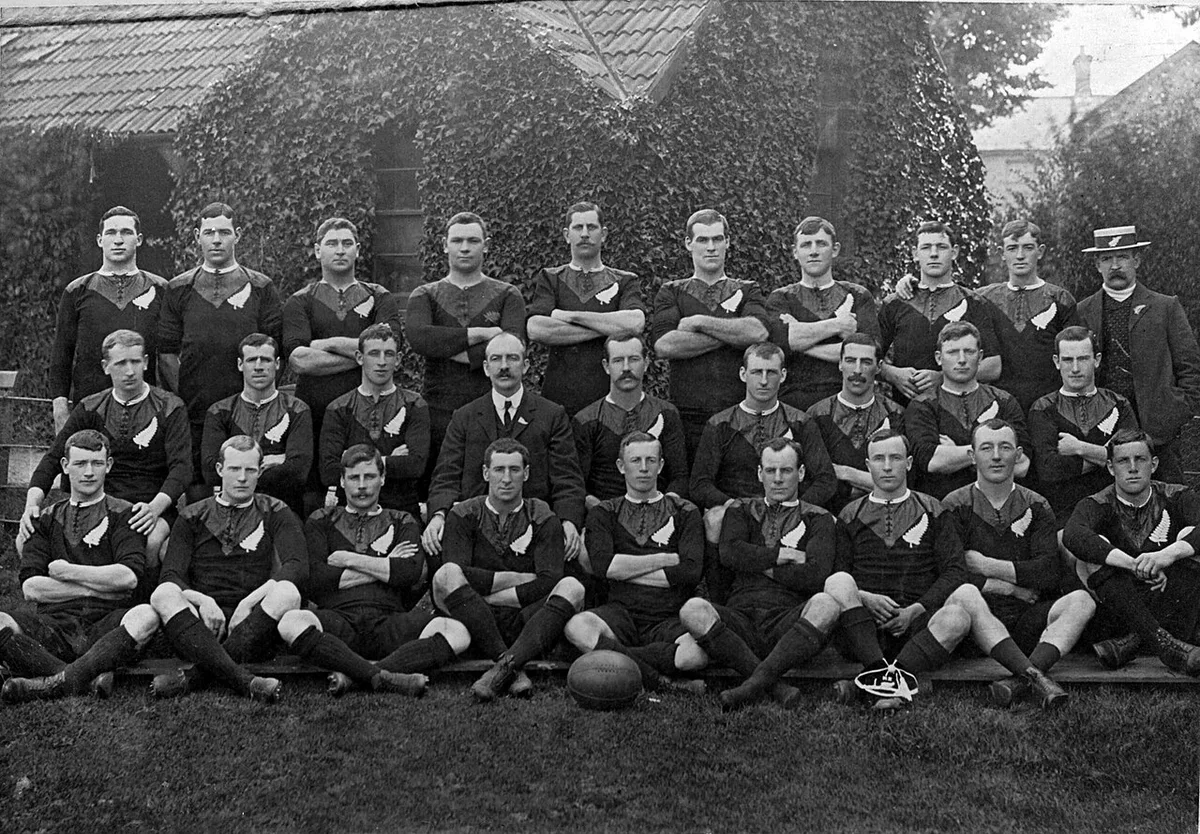
James Kerr embedded with New Zealand's All Blacks, statistically the most successful side in sporting history, to study why they win so consistently. Published in 2013, the book translated those practices into lessons for managers and organizations at a moment when culture was rising as an alternative to pure strategy frameworks.
The key ideas

1
Sweep the sheds
Sustainable excellence begins with discipline in the smallest, least visible tasks, not grand strategy.
Typical elite habit
Seniority quietly excuses stars from small shared tasks
All Blacks habit
Everyone, including the best, cleans the sheds
After test matches, All Blacks players clean their own changing rooms instead of leaving the work to stadium staff. Kerr treats the chore as a status signal: the best players on earth do menial work because no one is exempt. Seniority buys nothing here; the jersey is bigger than whoever wears it.
Most elite groups quietly excuse stars from the norms that bind everyone else. That exemption corrodes the standards the group claims to hold. Character, in this view, is built through repeated unglamorous acts required of the talented, not through mission statements or talks.
A senior player with a broom is a stronger cultural signal than any wall poster. Culture is enacted when no outsider is watching, and the health of a group can be read in what its most successful members still have to do.
Without this baseline of shared obligation, later moves—character selection, distributed leadership, purpose beyond winning—have nothing to stand on, because status would trump standard whenever it was convenient.
In practice: All Blacks players clean their own sheds after matches rather than leaving the work to stadium staff, so even the most senior remain bound by the same small standard.

2
Character before talent
Excluding talented but corrosive individuals protects long-term performance more than including them protects short-term results.
Short-term pull
Keep the gifted corrosive player for this season's edge
Long-term filter
Leave them out so standards stay coherent
In the early 2000s the All Blacks took public hits from off-field disciplinary problems, including conduct issues on a European tour. When Graham Henry took over as head coach in 2004 with Steve Hansen and Wayne Smith, selection was rebuilt around character as well as skill.
Talented players who undermined standards through arrogance, indiscipline, or self-interest were left out regardless of ability. Kerr names the filter informally the 'no dickheads' policy: character is checked before ability is even discussed. Culture, he argues, is set by the tolerance shown to the worst-behaving member, not the best.
That means occasionally choosing a less gifted player over a more gifted one—a deliberate trade of short-term capability for long-term coherence. The humility of shed-sweeping only stays credible if selection enforces the same standard through consequence, not symbol alone.
A culture that expects everyone to do the small things right cannot survive if its most gifted members are quietly exempted from that expectation.
In practice: Under Henry's coaching group from 2004, gifted players who broke team standards were dropped from squads even when their skill would have helped short-term results.
3
Better people, better team
A team oriented toward a purpose larger than winning performs more consistently than one that measures itself only by the scoreboard.
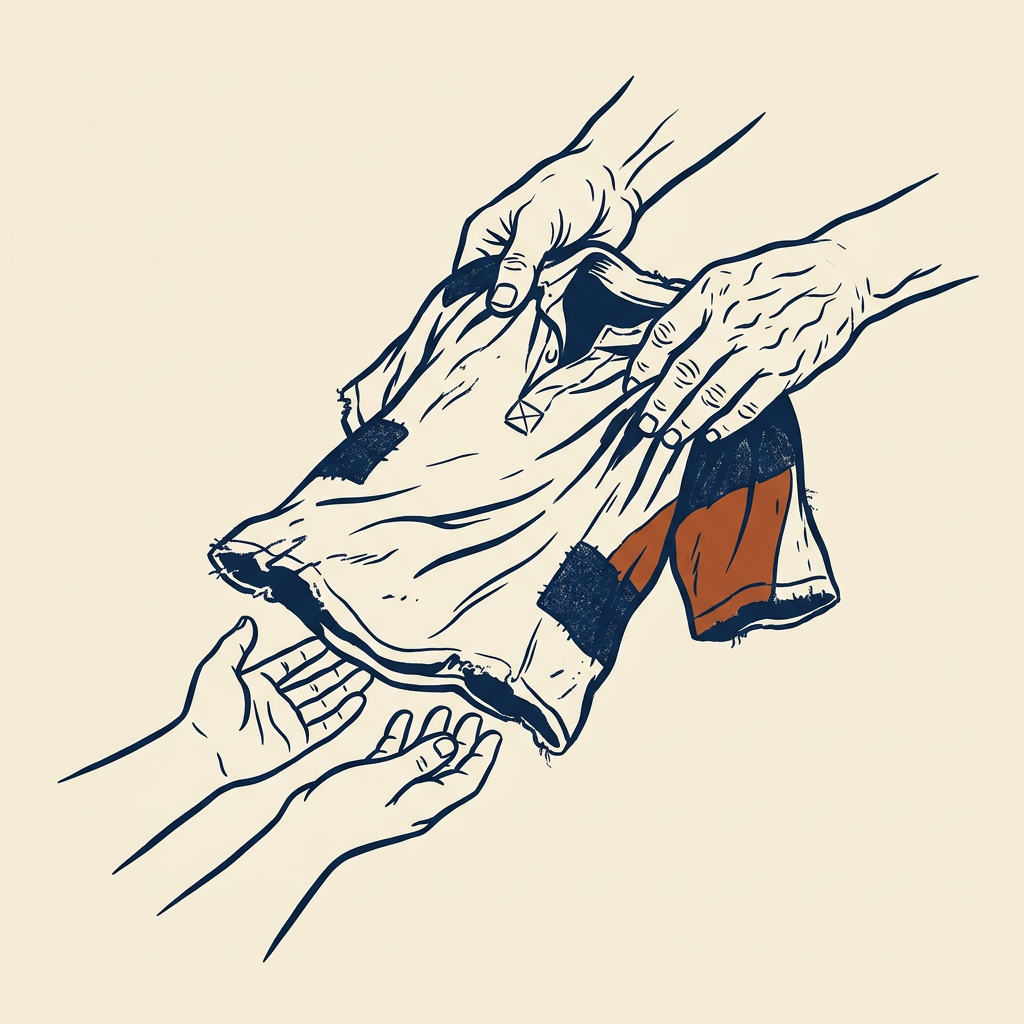
After elimination by France in the 2007 World Cup quarterfinal—a result treated as national failure—the coaching staff reviewed culture, not only tactics. One outcome became an internal mantra: better people make better All Blacks.
The side began investing in players' lives outside rugby—education, community work, personal development—treating the player as a whole person rather than a match instrument. Senior figures and past greats passed incoming players a narrative: leave the jersey in a better place than you found it.
Performance reframes. A player is not only chasing this Saturday's result but holding a lineage of everyone who wore the number before and everyone who will wear it after. Kerr argues stakes cast as stewardship rather than personal validation reduce fear of individual failure and steady play under pressure.
This only lands if character selection has already filtered who receives the story. Without that filter, legacy talk risks empty rhetoric; with it, the frame can outlast any single coach or captain.
In practice: After the 2007 World Cup exit, the team adopted 'better people make better All Blacks' and paired it with the charge to leave the jersey better than it was found.

4
Go for the gap
The moment an organization feels satisfied with its results is the moment its decline quietly begins.
3 in 4
historical All Blacks test match win rate Kerr cites
The All Blacks have historically won roughly three out of every four test matches, a rate sustained across generations. Kerr's claim is that the record came from refusal to treat dominance as enough, not from comfort with it.
Post-match review culture subjects a forty-point win to the same scrutiny as a narrow loss: errors are logged, watched on film, and corrected regardless of the scoreboard. 'Go for the gap' means hunting marginal improvement when external pressure is lowest, because that is when complacency takes root unnoticed.
Legacy purpose makes it easier to keep pushing after a win, since the measure is the standard across time, not this match. A group already socialized to small daily obligations is also more willing to accept small daily corrections.
Organizations that treat winning as license to relax scrutiny, Kerr suggests, are the ones eventually overtaken by less talented but more self-critical rivals. Continuous improvement here is a structural habit of review that does not soften after victory.
In practice: A forty-point win is reviewed on film with individual errors logged and corrected the same way a narrow loss would be.

5
Pass the ball
Leadership performs more reliably when authority is distributed among many people than when it is concentrated in one captain or coach.
Concentrated
One captain or coach holds the decisive calls
Distributed
A senior group shares standards, discipline, and tactics
Rugby's laws stop coaches from talking to players once a match starts, forcing in-game decisions onto the field. Kerr reads that constraint as a model: the All Blacks built a formal leadership group of senior players who share responsibility for standards, discipline, and tactical adjustment instead of routing everything through one captain.
Different seniors own different domains of culture and execution. Leadership capacity does not collapse when one figure is injured, retires, or has an off day. Distributing authority also deepens the bench of leadership experience and treats succession as ordinary work rather than a crisis.
The move is only safe if character selection has already screened people for judgment and shared standards, and if legacy purpose makes players willing to use authority for the group's standing rather than personal advancement.
Conventional corporate hierarchy, by implication, hoards decision rights at the top precisely where these lessons suggest they should be spread.
In practice: A formal leadership group of senior All Blacks players owns distinct domains so match decisions and standards do not depend on a single captain.
6
Keep a blue head
Composure under pressure is a trained response, not a fixed personality trait, and it can be deliberately rebuilt after failure.
Red head
Adrenaline and threat narrow attention after an error
Blue head
Trained cues restore calm, present judgment
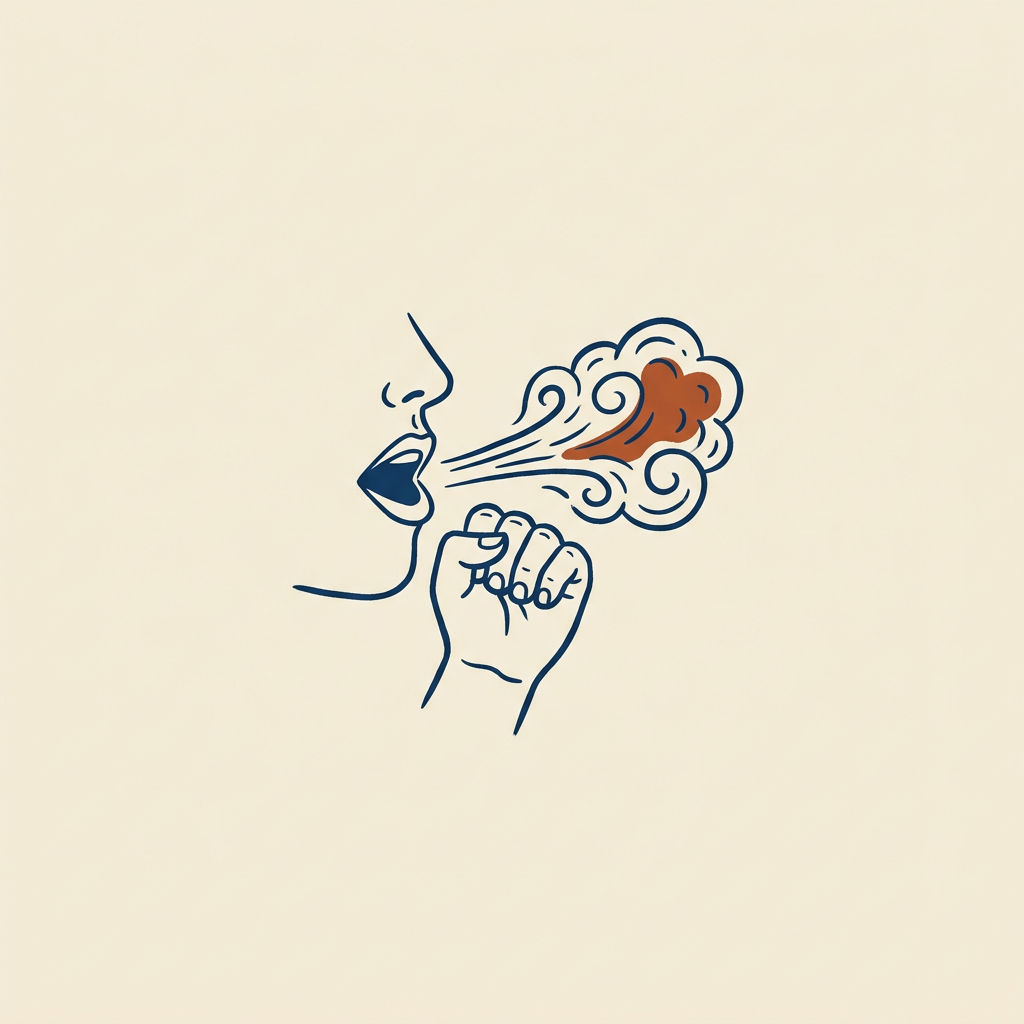
Drawing on sports psychologist Ceri Evans, Kerr describes two states under stress. A 'red head' is flooded by adrenaline and threat, narrowing attention and degrading decisions—the state after a mistake, a bad call, or provocation. A 'blue head' stays calm, present, and capable of clear judgment.
Elite performers are not people who never go red; they are people who have trained physical cues, breathing patterns, and refocusing habits to return to blue quickly instead of compounding the error. The All Blacks built those resets into training, rehearsing recovery under simulated pressure so the shift became automatic in real matches.
Distributed leadership only works if the people holding authority in the moment can regulate their state. A culture of humility and shared standards is tested hardest in the chaotic minutes after something goes wrong, not in routine wins.
Resilience, on this account, is trainable infrastructure rather than a private trait some people simply possess. Teams that skip the training stay vulnerable at the moments that matter most.
In practice: Players rehearse recovery routines under simulated pressure so that after a real mistake they can move from red-head threat response back to blue-head clarity.
7
Ritual, symbol, story
Shared ritual and narrative bind a group's identity more durably than rules, incentives, or mission statements.
- 1Story givenLineage and whakapapa framed for the current squad
- 2Ritual performedHaka and jersey handover make the frame bodily
- 3Identity absorbedNew members take values by doing, not by poster
- 4Standard carriedValues survive roster and leadership change
↻ and round again
The haka before every test match is, for Kerr, more than display for opponents. It asserts identity linking current players to Māori ancestry and to whakapapa—a genealogical lineage larger than one career. The team uses multiple haka for different contexts, including one composed for the modern squad in 2005, and treats choice and performance with seriousness rather than pageantry.
Jersey numbers carry similar weight: incoming players are sometimes presented their number by a past player who wore it, turning kit into a physical link across generations. Ritual does work policy cannot: it makes humility, legacy, and shared ownership tangible and repeatable so newcomers absorb culture through participation, not instruction.
Purpose framed as legacy needs a vehicle that can be felt. Distributed leadership needs symbols everyone, not only the captain, can invoke. Skip embodied ritual and stated values tend to die when leaders or rosters change, because only memory carries them.
This closes the loop on earlier chapters: the abstract standards finally have a body.
In practice: Incoming players may receive their jersey number from a past wearer, and the squad treats multiple haka—including one written for it in 2005—as serious identity work, not show.

8
Be a good ancestor
The final measure of leadership is not what a leader wins while present but what remains standing after they leave.
Kerr names the book's organizing idea directly: leadership's real test is whether the institution is stronger, and its people better prepared, after a leader departs than before they arrived. In the All Blacks this shows up as retiring players speaking to incoming ones, formal mentoring across squad generations, and tenures treated as temporary stewardship of something that predates and will outlast any holder.
The obligation to be a good ancestor reframes every earlier lesson as transmission gear, not a seasonal trick. Humility in small tasks, character selection, distributed leadership, trained composure, and shared ritual are infrastructure so culture survives turnover intact.
The demand is hard for outside readers because it asks leaders to measure themselves by a standard they will not be present to verify. Most organizations fail the test through short time horizons: leaders optimize for results visible during their own tenure because those are the results by which they are judged.
An organization serious about legacy needs succession and mentorship built into incentives, not left to the goodwill of people on their way out.
In practice: Retiring All Blacks speak directly to incoming players and mentoring runs across generations so captaincy and coaching are held as temporary stewardship.
Key terms
- Sweep the sheds The practice of even star players cleaning their own changing rooms so status never exempts anyone from small shared duties.
- No dickheads policy Informal name for screening out talented but arrogant, undisciplined, or self-interested players before skill is weighed.
- Better people make better All Blacks Internal mantra after 2007: invest in the whole person so character and life off the field feed on-field performance.
- Go for the gap Hunt marginal improvement especially after big wins, when complacency is most likely to set in unnoticed.
- Leadership group Senior players who share ownership of standards, discipline, and tactics so authority is not bottled in one captain.
- Red head Stressed mental state flooded by adrenaline and threat, narrowing attention and harming decisions.
- Blue head Trained calm, present state that restores clear judgment after errors or provocation.
- Whakapapa Genealogical lineage idea that places each player inside something older and larger than one career.
- Good ancestor Leader judged by whether the institution and its people are stronger after they leave than before they arrived.
- Haka Pre-match ritual asserting identity and connection to ancestry, treated as serious culture work rather than pageantry.
What to do
- Require your most senior people to perform one visible task they currently skip, this week, so status stops buying exemption.
- Write one sentence on what your team must leave better than it found it—apart from this quarter's targets—and say it aloud in your next meeting.
- Hand one decision you alone now own to someone else permanently, then back their first calls even when you would have chosen differently.
- Before the next high-stakes review, agree as a group what you will do in the first sixty seconds after a bad outcome instead of leaving it to instinct.
Questions to think with
- Which small tasks do your highest-status people still get to skip, and what signal does that send?
- Where are you keeping a talented person whose behavior quietly lowers everyone else's standard?
- If your leadership disappeared tomorrow, which decisions and norms would actually keep working?
- What ritual or story makes your stated values feel real to a newcomer in their first month?
- Are you optimizing for results visible on your watch, or for what will still stand after you leave?
The other side
Kerr's method carries survivorship bias: he studied one extraordinary winner and worked backward without a real comparison case. Many national rugby unions already use character policies, review culture, and leadership groups without matching the All Blacks' win rate, so structural edges—a rugby-obsessed population, centralized talent pipeline, strong domestic competition, and resources—may explain more than the book credits. Other dominant sports organizations have won for years while keeping difficult personalities, which weakens the claim that character screening is necessary rather than one path among several. The book stays largely uncritical of the long stretch from 1987 to 2011 when the side dominated between World Cups yet repeatedly failed at the tournament that mattered most, a pattern some local voices tie to the same pressure culture Kerr praises. Corporate translation is the thinnest part: a small team that shares physical risk and national identity does not map cleanly onto large firms with competing incentives, where borrowed rituals can turn into hollow imitation.
Who it's for
Managers who inherited talented teams that still underperform, plus founders and executives who want culture practices rather than another strategy framework. Sports fans curious about the mechanics behind the All Blacks' long dominance will also get a clear through-line.