


David Brainerd Prays for Native Americans in Snow
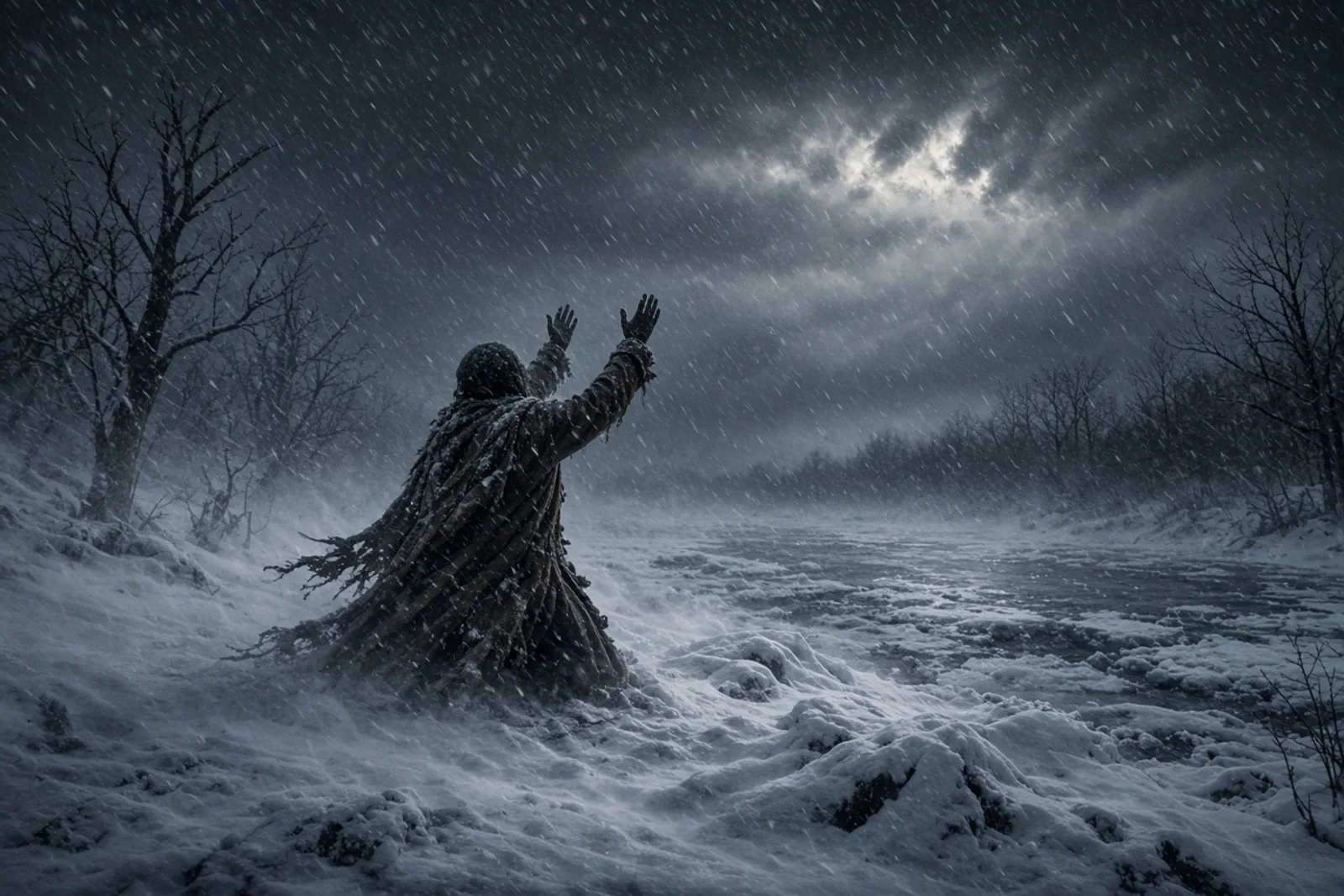
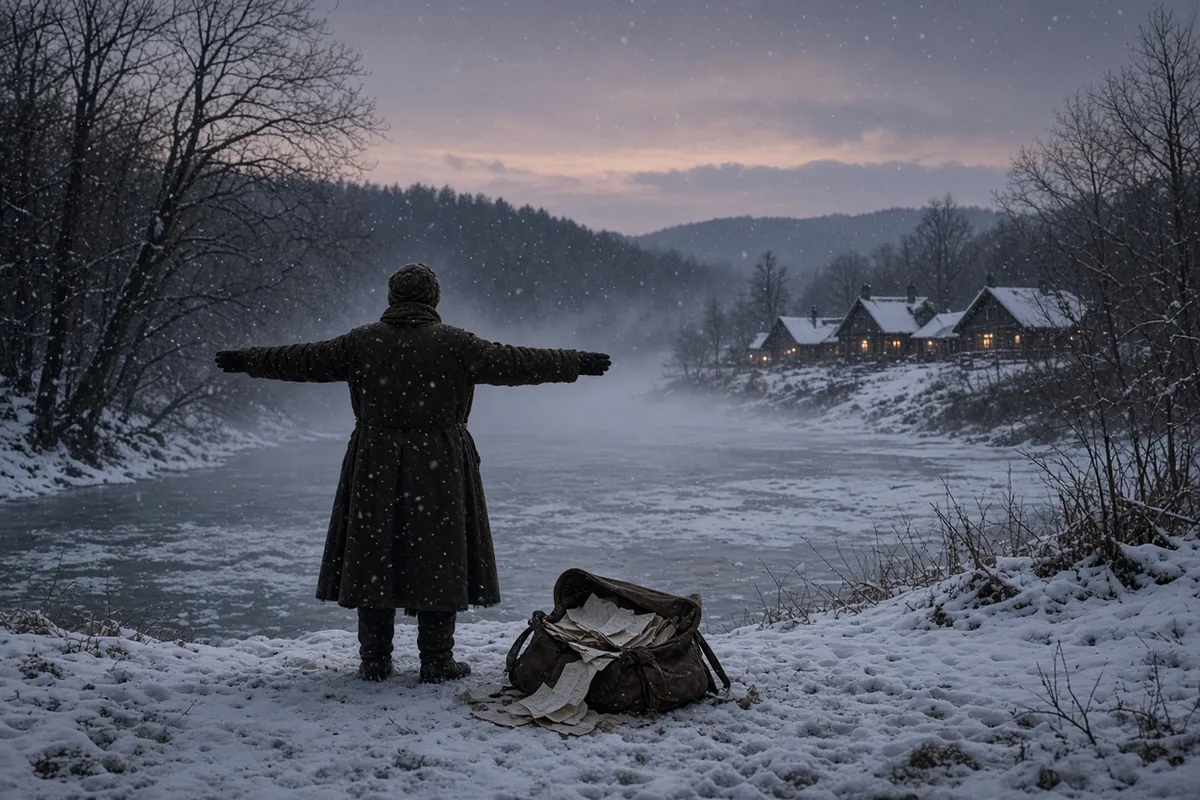
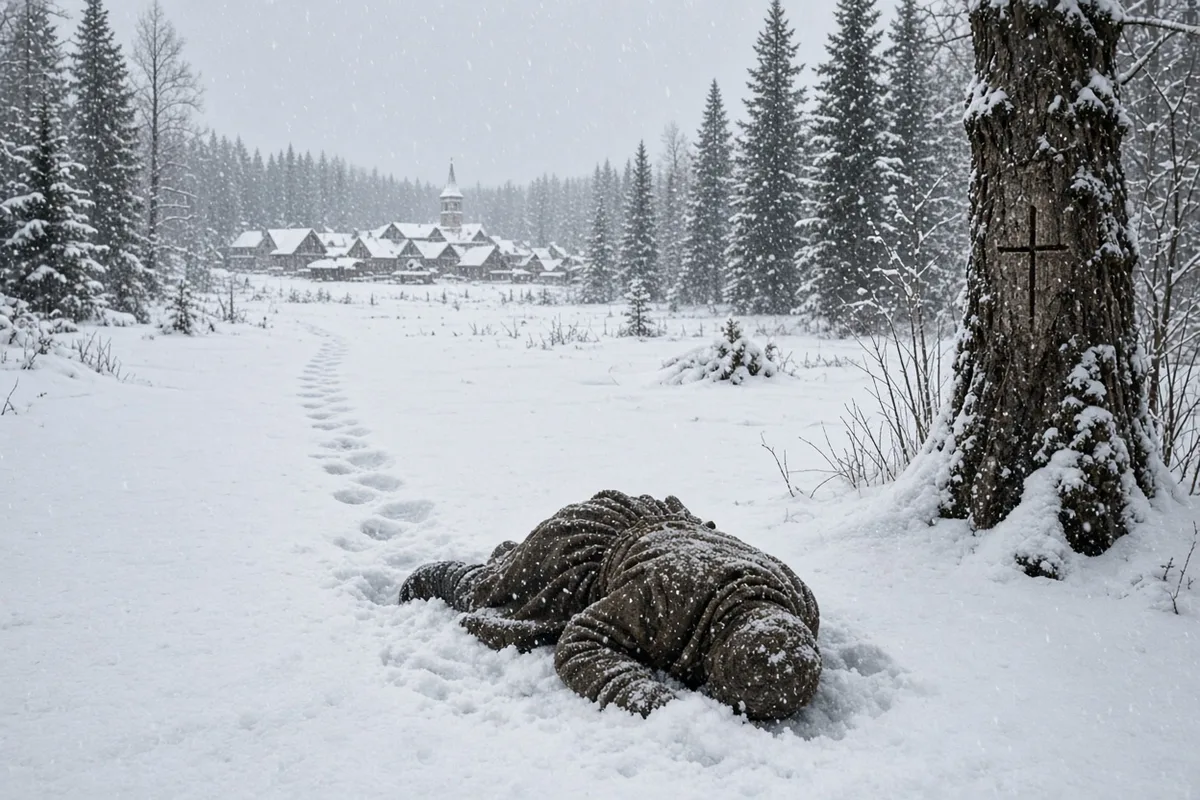
The wind cut across the clearing like a blade, flinging dry flakes into my face as I followed the trail of moccasin prints. Brainerd had gone ahead alone again, his figure small against the white slope. I carried the bundle of dried meat and the extra blanket the women had pressed on me at the last settlement. He knelt where the ground dipped, coat open at the throat, hands pressed flat to the snow. His lips moved without sound at first. Then the words came, hoarse, repeating the same plea for the people who still sat in their lodges and would not come out.
I stayed back among the pines. The cold had already worked through my leggings. Brainerd stayed on his knees until his shoulders shook and the snow around him darkened with melt. When he finally stood, his face was raw and his eyes red from more than the wind. He saw me and gave a short nod, as if we had only met on an ordinary path.
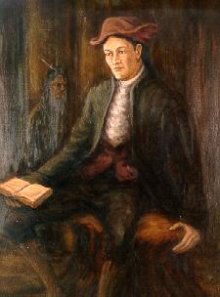
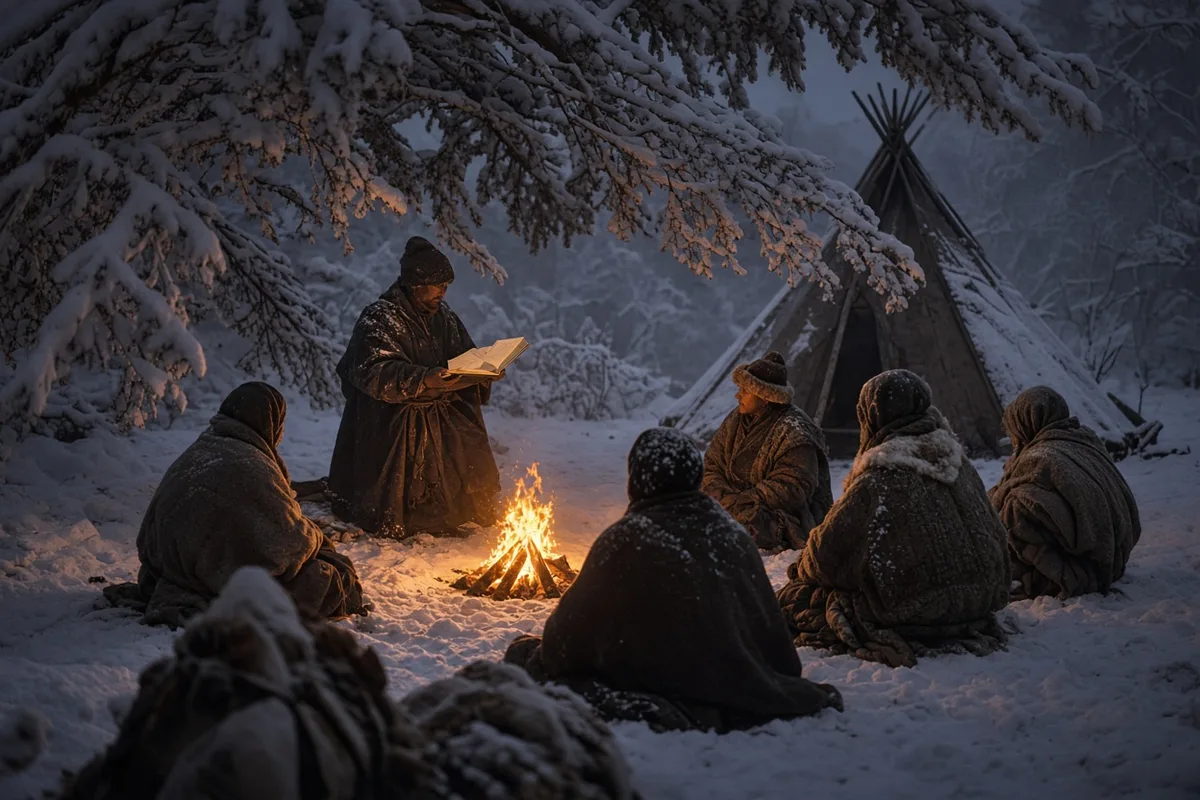
We walked together to the first cluster of wigwams. The people inside had heard us coming. A few children peered out, then ducked back when Brainerd lifted his hand in greeting. He began to speak before the whole group had gathered. His voice cracked on the first sentence. He stopped, pressed a hand to his side, and started again. The words about the Savior inviting the lost came out broken, yet the women nearest him leaned forward. One wiped her eyes with the corner of her shawl. Brainerd kept on until he could no longer stand without swaying. He finished the talk sitting on an upturned log.
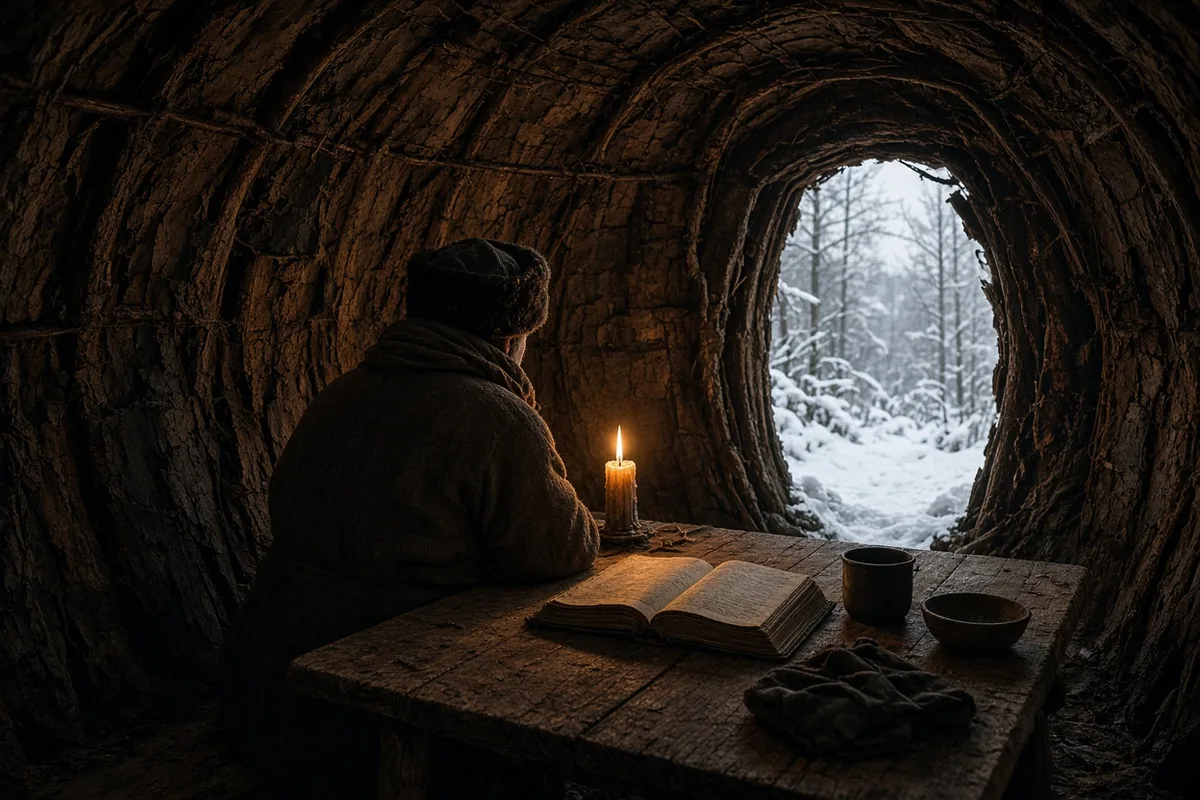
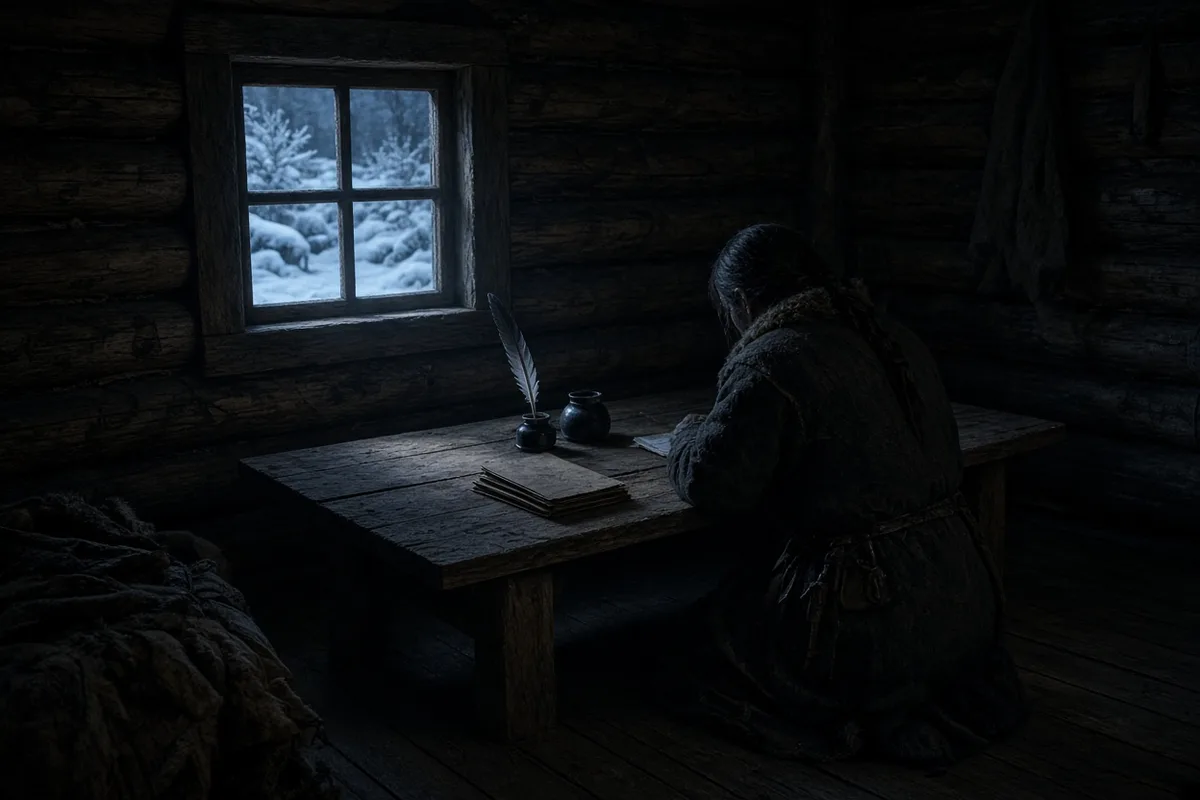
That night he sat by the small fire in the shelter we had raised and wrote in his book by the light of a pine knot. He wrote for a long time without looking up. When he finally closed the pages, he prayed again, this time in English, the sentences running together until they were only a murmur against the wind in the trees.

Two days later the same storm returned heavier. Brainerd insisted on reaching the second settlement before dark. We moved single file through drifts that reached our thighs. At the edge of the second clearing he halted and turned to me. “Stay close,” he said. “They will watch how you listen.” He stepped into the open space and called out. The men who came out carried no weapons, but their faces were closed. Brainerd began the same message. His voice rose once, then dropped so low that those at the back edged nearer to hear. When he finished, no one spoke. He asked if anyone wanted to speak with him alone. Three women stayed after the others left.
By spring the snow was gone and the trails dried enough for wagons. Brainerd returned with an interpreter named Moses Tinda Tautamy. The gatherings grew. On the nineteenth day of June he spoke to barely twenty adults under the shade of a single oak. Most listened without interrupting. A few asked questions about the book he carried. He answered each one before the light failed.
In the first week of August the number reached sixty-five. The afternoon was still and hot. Brainerd stood on a low stump and read from the book of Luke about the master sending servants into the highways. His voice carried without strain. Before he reached the end of the passage a woman near the front began to weep openly. Others followed. Brainerd paused, then continued. When he invited those who wished to turn to Christ to come forward, the entire group seemed to move at once. People dropped to their knees in the dust. Some cried out. Others remained silent but rocked where they stood.
I saw an old man who had once led the winter dances press both hands over his face. He stayed that way until Brainerd came and spoke to him quietly. The old man answered in his own language. Brainerd listened, then placed a hand on his shoulder and prayed. The sound of that prayer carried across the clearing above the other voices.
The next morning the same people returned before sunrise. They asked for another meeting. Brainerd spoke again from the same stump. The power that had struck the day before settled differently now, quieter but no less heavy. Several who had never attended before sat among them. One of the women who had stayed after the June talk stood and told what she had decided in the night. Others nodded as she spoke.
Brainerd remained with them through the following weeks. He ate what they ate and slept in the same shelters. When the first frost returned he was still there, writing each evening by the fire. The book he carried grew thicker with names and dates. The people who had once turned away now asked him to stay longer.
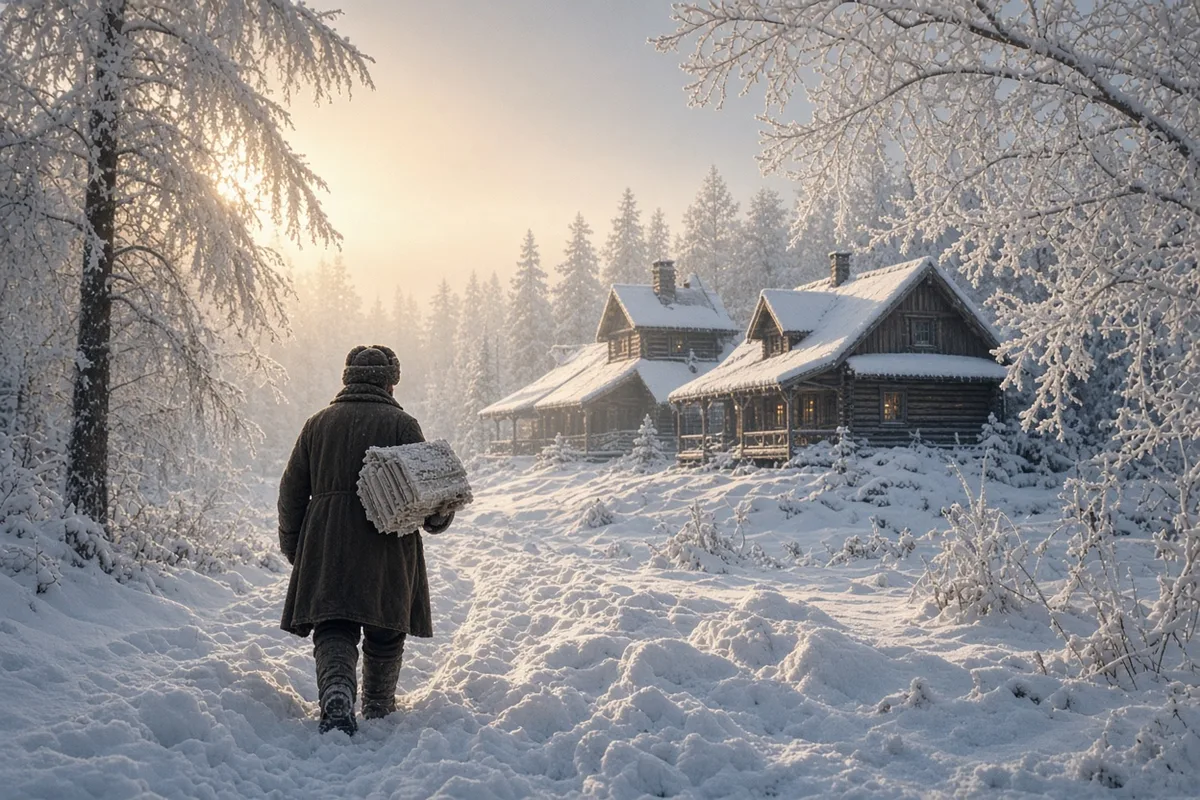
On the last clear day before the snow came again, Brainerd walked the same trail we had taken the year before. The ground was hard underfoot. He stopped at the place where he had knelt in the drift and looked at the bare trees. Then he turned back toward the lodges where the smoke rose straight into the cold air.
He continued along the ridge until the first flakes began to fall again, then descended to the Delaware lodges at the fork where the creek met the larger river. On 10 November 1745 he noted in the journal the exact count of those who had come forward the previous month: “sixty-five adults and twenty-three children,” the entry written in his own hand at the fire while Moses Tinda Tautamy translated the names of the new believers into English for the record. Three days later the interpreter’s wife, whose Christian name Brainerd recorded as Hannah Tautamy, brought him a bowl of cornmeal mush and told him the old man who had covered his face now asked to be called by the name Joseph after the patriarch in the book. Brainerd answered that the name was fitting and added it to the list on the same page, the ink freezing at the edge of the page before he could blot it.
By the middle of December the cough that had troubled him since the first snow deepened until he could no longer speak above a whisper during the meetings. He moved to the house of William Tennent at Freehold on 22 December and remained there until the trails opened enough for a wagon. On 19 January 1746 he reached the Susquehanna settlements with Tautamy once more and preached for two hours from the text in Ezekiel concerning the valley of dry bones; twenty-two persons gave their names that afternoon to be instructed further. The journal entry for that date lists each name beside the age and the former occupation, including one hunter identified only as “the man who formerly beat the drum at the winter dances.”
The following spring he crossed the river again and on 4 June 1746 baptized thirty-eight adults in a single day at the place later called Cranbury. The record states the water was cold enough that one of the women, after rising from the river, asked whether the cold counted as part of the suffering spoken of in the book. Brainerd answered her that the suffering was already finished and wrote the exchange in the margin of the same day’s entry. By August the congregation at Crossweeksung numbered more than one hundred and twenty persons who attended every meeting; he noted the exact figure and the fact that four of the men had destroyed their drums and rattles the week before.
Illness forced him north to Northampton in the spring of 1747. Jonathan Edwards recorded in his own diary on 28 May that Brainerd arrived so weak he could not sit at table without support. On 9 October of that year, at twenty-nine years of age, Brainerd died in the Edwards house; the final entry in his own journal, dictated two days earlier, reads “I am now willing to leave the work, if it be the Lord’s will.” Edwards published the journal the following year under the title “An Account of the Life of the Late Reverend Mr. David Brainerd,” printing 1,200 copies at Boston.
The converts at Crossweeksung continued to meet without him under the leadership of Tautamy and two elders chosen from among the baptized men. In 1755 the entire group, numbering eighty-seven adults and their children, removed westward with other Delaware bands to the Ohio country after the Walking Purchase lands were taken. One of the women baptized in 1746, listed in the journal as Sarah, daughter of the former dance leader, kept a written copy of the Lord’s Prayer in her own language until her death in 1782 near the Muskingum River.
The journal itself passed through Edwards’s family and was reprinted in 1822 by Sereno Dwight with additional letters; the original manuscript, bound in calf, is preserved at Yale College library under the accession number 1749.213. In 1904 the Presbyterian Historical Society placed a granite marker at the Cranbury site bearing the date 19 June 1745 and the words “Here Brainerd preached to the Indians.” The Delaware people who had received him removed again in 1867 to Indian Territory; their descendants today maintain a tribal headquarters at Anadarko, Oklahoma, where the 1746 baptismal list is read aloud each year on the second Saturday in October.
On a clear afternoon in October 1994 an eighty-seven-year-old woman named Lena Wilson, great-great-granddaughter of the man Brainerd had named Joseph, stood at the same marker in Cranbury. She placed one hand on the granite and spoke the Delaware words for the prayer Brainerd had used, then turned and walked back along the path to the parking area where her daughter waited with the car.
Lena Wilson returned to her home in Hamilton Township that evening and set the small notebook she carried on the kitchen table beside a copy of the 1822 Dwight edition that her son had ordered from a dealer in Philadelphia. She told her daughter the Delaware words she had spoken matched those her grandmother had taught her from the 1746 baptismal record, the same phrases Moses Tautaumy had written beside the name Joseph in Brainerd’s hand. The next spring, on 14 May 1995, the Cranbury Historical Society added a second bronze plaque to the granite marker listing the names of the thirty-eight adults baptized on 4 June 1746, including the entry for “Sarah, daughter of Joseph, age 19.”
In 2003 the Presbyterian Historical Society microfilmed the original journal pages and deposited the digital scans at the Oklahoma Historical Society in Oklahoma City. Staff there noted that the entry for 19 January 1746 still showed the marginal note about the hunter who had beaten the drum. Two years later the Anadarko Delaware tribal council voted to send a delegation of twelve members to Cranbury for the annual reading on 8 October 2005. One delegate, seventy-four-year-old Raymond Wilson, great-grandson of Lena, read aloud the names of the twenty-three children recorded in the November 1745 count while standing at the marker.
The site received National Register designation on 12 June 2012 under the name “Crossweeksung Indian Mission Site.” The nomination form cited the 1904 granite marker, the 1955 plaque, and the surviving oak stump identified by local surveyors as the one Brainerd used on 1 August 1745. Maintenance records from the Cranbury Public Works Department show that the stump was treated with borate preservative on 3 March 2014 after a wood-boring insect inspection recorded exit holes measuring 2.3 millimeters in diameter.
On 9 October 2018 the tribal headquarters in Anadarko hosted a public reading of the full 1746 baptismal list before an audience of forty-three people. The program listed the names in the order Brainerd had written them, followed by the English names assigned that year. After the reading, Raymond Wilson’s daughter, fifty-one-year-old Patricia Wilson, placed a photocopy of the journal page showing the entry for Hannah Tautamy beside a photograph of the 1994 visit.
The marker at Cranbury was cleaned and re-lettered in September 2021 after the Presbyterian Historical Society received a bequest of $4,800 from the estate of a descendant living in Columbus, Ohio. The work order specified restoration of the date 19 June 1745 and the addition of a small inset map showing the route from Freehold to the Susquehanna settlements. On 19 October 2022 Patricia Wilson returned to the site with her twelve-year-old grandson, who read the plaque aloud while she recorded the reading on her phone.
That afternoon she walked the same path Lena Wilson had taken in 1994, stopping where the parking area meets the tree line. She opened the notebook her grandmother had used and read the Delaware prayer once more, her voice carrying only as far as the granite. She closed the notebook, placed it in her coat pocket, and walked back to the car where her grandson waited with the engine running.