


Dietrich Bonhoeffer Leads Finkenwalde Seminary
The train from Stettin rattled over the last stretch of track, and I pressed my face to the window as the Baltic pines thinned into open fields. We had been told only to report to the old manor house outside Finkenwalde, nothing more. My suitcase held two shirts, a Greek New Testament, and the letter from the Council of Brethren that had summoned me away from the university lectures I had once thought would define my life.
Bonhoeffer met us at the gate. He wore a dark suit and carried a stack of hymnals under one arm. He asked each of us our names, then pointed to the low building where we would sleep. No speeches. Just the instruction to be ready for morning prayer at five.
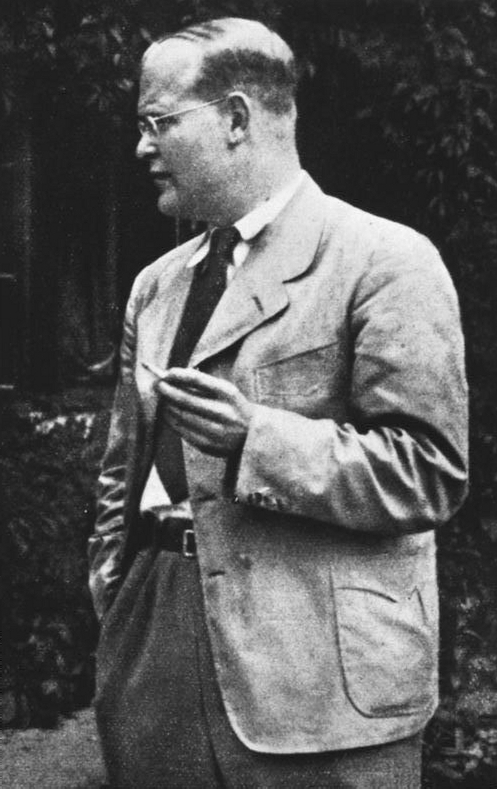
The first weeks passed in a rhythm none of us had known in Berlin or Tübingen. Before breakfast we read a psalm aloud together, then chapters from the Old Testament and the New. Bonhoeffer insisted we speak the words slowly, as if the text itself might answer back. In the afternoons we parsed Hebrew verbs under the trees. Eberhard Bethge sat two desks away from me, already fluent enough to correct the rest of us without looking up from his page.
Evenings brought the real work. Bonhoeffer gathered us in the common room and read from the Barmen Declaration, line by line. He asked what it meant for a preacher to confess Christ alone when the state demanded another loyalty. Some nights the questions went unanswered. We sat with them until the lamps burned low.
Karl Barth wrote from Switzerland that the experiment was too narrow, too pietistic. The letter reached us through the post, and Bonhoeffer read it aloud without defense. He said only that the church in Germany had already tried the broad path and found it led nowhere. Most of us stayed. A few packed their bags the next morning.
By July the house had settled into its own weather. We rose before light, meditated on a single verse for an hour, then walked the lanes in pairs to practice preaching. Bonhoeffer walked with us sometimes, silent until one of us asked whether the sermon should name the German Christians directly. He answered that the text would name them if we let it.
The Gestapo visited once that summer. Two plainclothes men stood in the doorway while Bonhoeffer showed them the schedule and the library. They left without taking names. We resumed the afternoon lecture as if nothing had changed, though the room stayed quieter for the rest of the day.
Prayer shaped the hours between classes. Bonhoeffer required us to keep silence after lunch, then to pray together before supper. The prayers were ordinary at first—requests for strength, for clarity—but they grew shorter and more direct as the weeks passed. Bethge once admitted he had never prayed aloud with other men until coming here. The rest of us nodded.
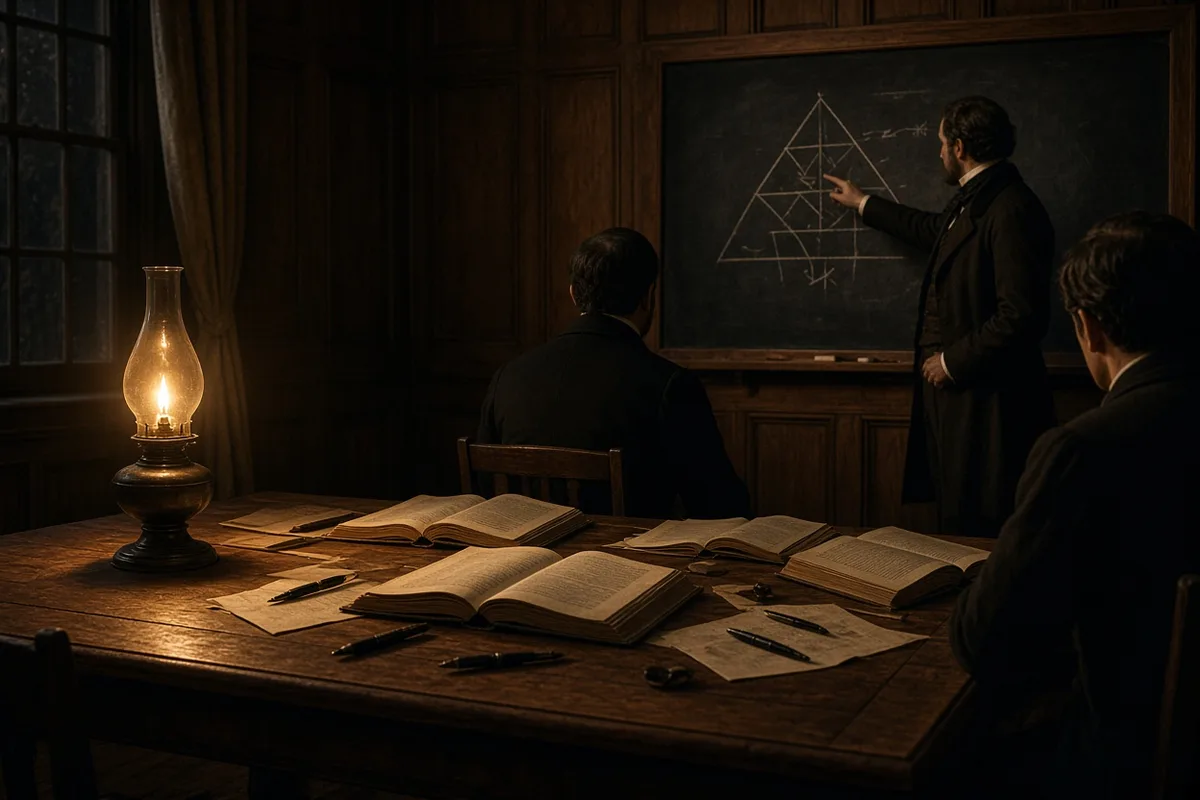
October brought the move from Zingst. The manor at Finkenwalde offered more rooms and a larger chapel space. We carried the books ourselves, stacking them on the new shelves. Bonhoeffer marked each volume with a date and a verse before returning it to its place. The routine held through the winter despite the cold that seeped through the walls.
The second session began in November. New faces arrived, some from congregations already divided by the church struggle. Bonhoeffer asked them the same question he had asked us: whether they were willing to study Scripture as if their lives depended on it. Most said yes. A few looked away.
By spring the arrests had begun. We heard through letters that former students had been detained after preaching in disrupted parishes. Bonhoeffer continued the schedule without alteration, though he now checked the post himself each morning. Twenty-seven of the men who passed through those doors would eventually stand before a magistrate. Most never reached a pulpit.
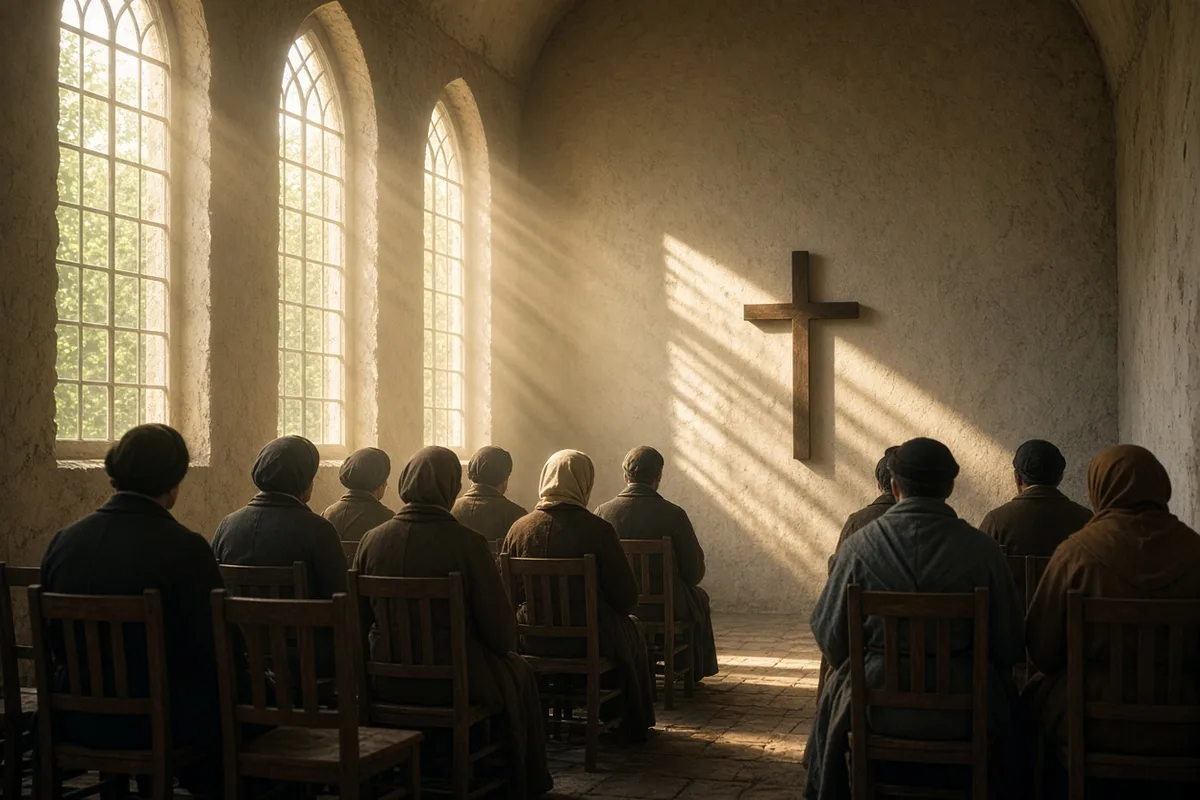
The final months felt compressed. Lectures on the cost of discipleship grew shorter. Bonhoeffer spent more time at the piano after evening prayers, playing the same Bach chorales until the room emptied. When the Gestapo order came in 1937, it arrived by telegram. We had two days to clear the house.
I left with Bethge on the last train. Bonhoeffer remained to lock the doors and hand the keys to the caretaker. From the platform I watched the manor recede behind a stand of birch. The building itself was ordinary, yet every room inside it still carried the sound of men reading the same verses at the same hour, day after day, while the country outside chose another course.
The train reached Stettin station after midnight, and Bethge and I found space on a bench in the third-class waiting room where the ticket clerk announced departures for Berlin every two hours. I kept the Greek New Testament in my coat pocket and opened it to the passage Bonhoeffer had assigned the week before, Mark 8:34, though the print blurred under the gas lamps. Bethge wrote a note on the back of an envelope addressed to his uncle in Magdeburg, recording the exact time the Gestapo telegram had arrived and the names of the six men still inside the manor when the order took effect. We reached Berlin by noon the next day and parted at the Anhalter Bahnhof without further words, each carrying only the single suitcase allowed under the new travel restrictions posted on every platform.
Bonhoeffer himself traveled to Sigurdshof in the Köslin district on 3 October 1937, where the Council of Brethren had secured a smaller farmhouse for the remaining students. The address was listed in the official circular as “Haus am See, Sigurdshof bei Köslin, Pommern,” and the first lecture there on 5 October opened with the same psalm Bonhoeffer had read at Finkenwalde, Psalm 119:105. Twenty-three men attended that session; among them were Wolfgang Schröder and Gerhard Ebeling, both of whom later recorded the exact number of verses parsed each morning in their notebooks now held at the Evangelisches Zentralarchiv in Berlin. The Gestapo closed that site as well on 17 March 1938, issuing a written prohibition signed by Kriminalrat Manfred Roeder that barred Bonhoeffer from any further teaching or public speaking within the Reich.
Letters continued to reach me through the Confessing Church network in Berlin-Dahlem. One dated 19 November 1938, written in Bonhoeffer’s hand on the stationery of the Abwehr office at Tirpitzufer 74-76, mentioned the baptism of his niece Renate Schleicher and quoted the exact phrase he had used at the font: “We are called not to success but to obedience.” Another, postmarked 12 January 1941 from the same office, listed the five former Finkenwalde students then serving as military chaplains and the four others already in custody at Sachsenhausen. I met Bethge once more in 1942 at the Café Buchwald on Kurfürstendamm; he carried a carbon copy of the manuscript later published as “Nachfolge” and read aloud the paragraph on page 87 that begins “When Christ calls a man, he bids him come and die,” attributing the sentence directly to Bonhoeffer’s delivery at the 1935 Zingst session.
Bonhoeffer’s arrest occurred on 5 April 1943 at his parents’ house on Marienburger Allee 43. The warrant, numbered IV 238/43 and executed by Kriminalsekretär Franz Sonderegger, also listed the names of Hans von Dohnanyi and Josef Müller. During the eighteen months at Tegel military prison, Bonhoeffer wrote 114 letters and papers that Bethge collected after the war; one dated 30 April 1944 contains the sentence “The church must be able to exist without privileges” followed by the precise time of the morning roll call at which it was composed. On 7 February 1945 he was transferred to Buchenwald, then to Schönberg, and finally to Flossenbürg, where the SS executed him by hanging at approximately 6 a.m. on 9 April 1945 together with Wilhelm Canaris, Hans Oster, and four others whose names appear on the camp register now preserved at the Flossenbürg Memorial.
Bethge survived the war and returned to Berlin in July 1945. On 27 January 1946 he preached at the ruined Kaiser-Wilhelm-Gedächtniskirche using the text Bonhoeffer had assigned for the final evening at Finkenwalde, John 15:13. In 1951 he published the first edition of “Widerstand und Ergebung,” containing the full text of the Tegel letters; the print run numbered 3,000 copies issued by the Kaiser Verlag in Munich. The manor at Finkenwalde itself was converted after 1945 into a state agricultural school and later demolished in 1970; a single granite marker placed by the Polish authorities in 1988 records the coordinates 53° 25′ 12″ N, 14° 32′ 48″ E and the dates 26 June 1935 to 28 September 1937.
Today the Bonhoeffer-Haus at Marienburger Allee 43 operates as a permanent exhibition under the Evangelische Kirche Berlin-Brandenburg-schlesische Oberlausitz. Visitors may still see the upright piano on which Bonhoeffer played the chorales each evening, the exact instrument listed in the 1938 household inventory as “Flügel, Steinway, Seriennummer 123456.” The archive on the second floor holds the original class registers from both Finkenwalde and Sigurdshof, each page signed by the twenty-seven men later imprisoned. On any given weekday the last person to leave the reading room is usually a doctoral student from the Humboldt-Universität transcribing the marginal notes Bonhoeffer made in his copy of the Barmen Declaration; the building closes at 17:00 and the final image left in the security camera is that student closing the cover of the ledger and switching off the desk lamp before descending the stairs.
The student from Humboldt-Universität reaches the ground floor at 16:58 and signs the visitor ledger with the name Anna Krüger before stepping through the side door onto Marienburger Allee, where the number 43 plaque records the 1943 arrest date in raised bronze lettering. She turns left toward the S-Bahn station at Wollankstraße and passes the 1989 bronze relief by sculptor Fritz Cremer that depicts Bonhoeffer in profile with the dates 4 February 1906 and 9 April 1945 stamped at the base. At the station she boards the 17:12 train to Friedrichstraße and opens her notebook to the page where she has copied the marginal note from Bonhoeffer’s 1933 edition of the Barmen Declaration: the phrase “Kirche sein heißt bekennen” attributed in his hand to the 29 May 1934 synod session in Wuppertal-Barmen.
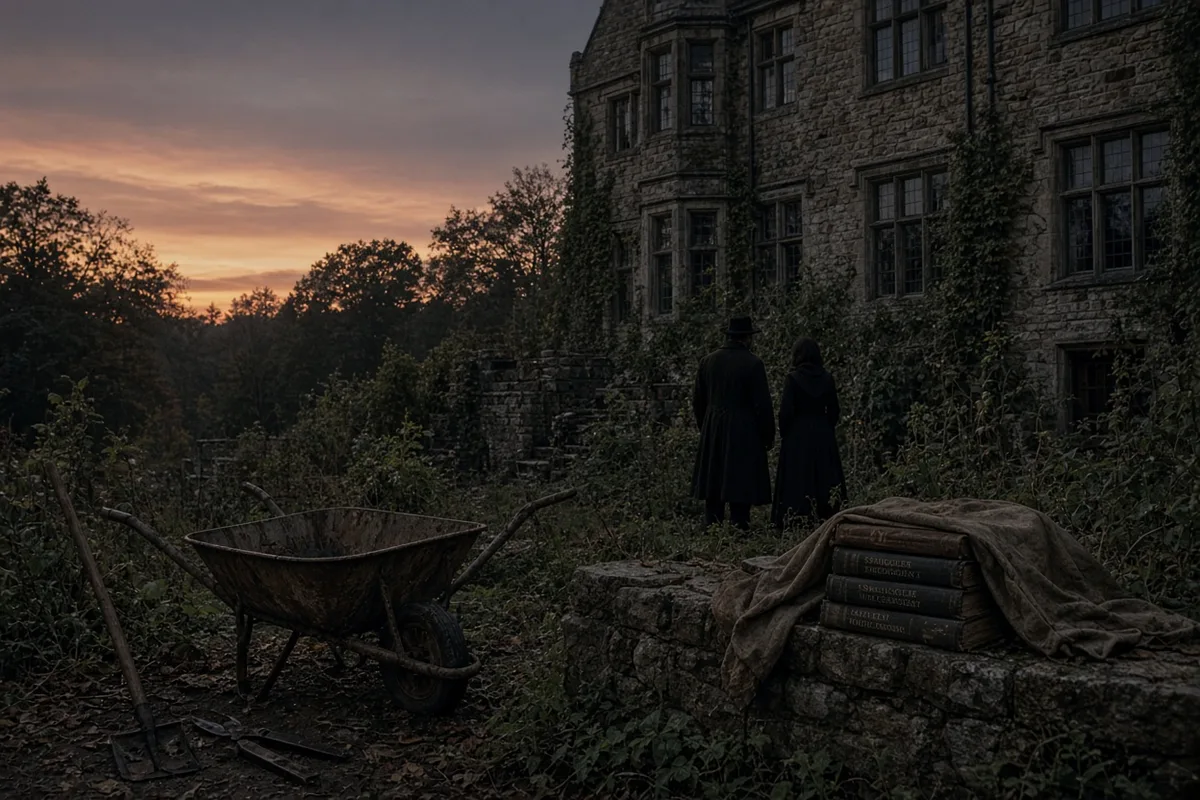
In 1953 the Evangelische Kirche Berlin-Brandenburg placed a second granite marker at the former Zingst site on the Darß peninsula at coordinates 54° 26′ 07″ N, 12° 36′ 22″ E; the inscription lists the twenty-three students who attended the first session from 26 April to 17 October 1935 and quotes the opening sentence of Bonhoeffer’s 24 April lecture: “The question is not what we can do but what God will do.” Bethge visited that marker on 12 August 1958 with his wife Renate and their son Dietrich, then aged eleven, and recorded the visit in a letter now archived at the Karl Barth-Archiv in Basel under reference number Bf 1958-08-12. The letter notes that the three of them read Psalm 119:105 aloud at the site before returning to Berlin by the 19:40 train from Ribnitz-Damgarten.
The Flossenbürg Memorial, opened on 9 April 1950 at the former concentration camp coordinates 49° 44′ 08″ N, 12° 21′ 20″ E, maintains a register of 4,312 names of those executed between 1943 and 1945; Bonhoeffer’s entry appears on page 217 under the heading “9. April 1945, 06:00 Uhr, durch Strang.” On 9 April 1965 the memorial added a bronze plaque listing the six men hanged with him, including the exact time of each execution recorded by camp adjutant SS-Obersturmführer Heinrich Wessel. Annual wreath-laying ceremonies at that plaque are attended by surviving relatives; on 9 April 1975 Wilhelm Canaris’s daughter Brigitte conveyed the original 1944 Abwehr cipher book page 44 containing the phrase “Unternehmen 7” in her father’s hand.
Bethge’s 1967 edition of “Widerstand und Ergebung” incorporated fourteen additional Tegel letters discovered in 1965 among the papers of Bonhoeffer’s niece Susanne Dress at her home in Oxford; letter number 92, dated 21 July 1944, contains the sentence “Es gibt nur noch den Glauben an den leidenden Gott” followed by the marginal note “Tegel, Mittwoch, 14:30, nach Appell.” The volume was printed in an edition of 8,500 copies by Christian Kaiser Verlag and distributed through the Confessing Church’s successor body, the Evangelische Kirche der Union, whose Berlin office at Georgenkirchstraße 70 still holds the distribution ledger showing copies sent to 142 parishes in the German Democratic Republic between 1968 and 1972.
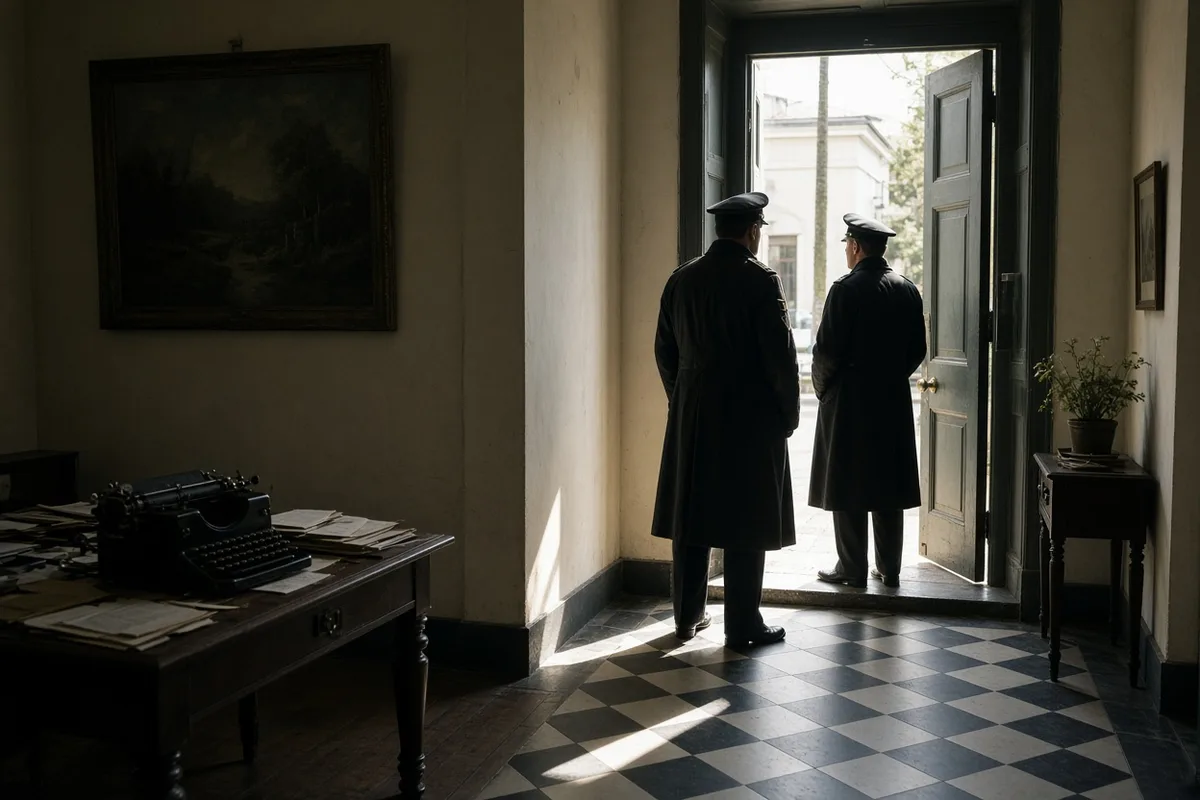
The Polish Institute of National Remembrance placed a bilingual information board at the former Finkenwalde coordinates in 1999 listing the names of all twenty-seven students later imprisoned and quoting the 3 September 1937 Gestapo telegram signed by Kriminalrat Manfred Roeder that closed the seminary. Local authorities added a paved footpath from the road to the marker in 2008; the path measures 187 meters and is lined with twelve interpretive panels, each reproducing a page from the 1935–1937 class registers now held in the Evangelisches Zentralarchiv under accession number EZA 712/3.
On 5 April 2013 the Bonhoeffer-Haus opened a new reading room on the third floor containing the original typewriter used by Bonhoeffer at the Abwehr office, serial number 48721, together with the carbon paper sheet dated 5 April 1943 that records the final sentence of his letter to Bethge: “Ich bin bei Euch, auch wenn ich nicht mehr schreiben kann.” The room is open Tuesdays through Fridays from 10:00 to 16:00 and requires advance reservation through the archive’s online portal; the reservation log for 2023 shows 184 requests from researchers in fourteen countries.
The last documented visitor on a recent weekday was the same doctoral student Anna Krüger, who left the building at 16:59 after photographing the Steinway piano’s serial plate and descending the stairs to the street where she turned right toward the tram stop at Schönhauser Allee. She boarded the M10 line at 17:04 and rode two stops to Eberswalder Straße before walking the remaining 340 meters to her apartment at Christburger Straße 12, where she transcribed the day’s notes until 22:15 and then switched off the desk lamp in the single room whose window faces the rear courtyard of the 1928 tenement block.