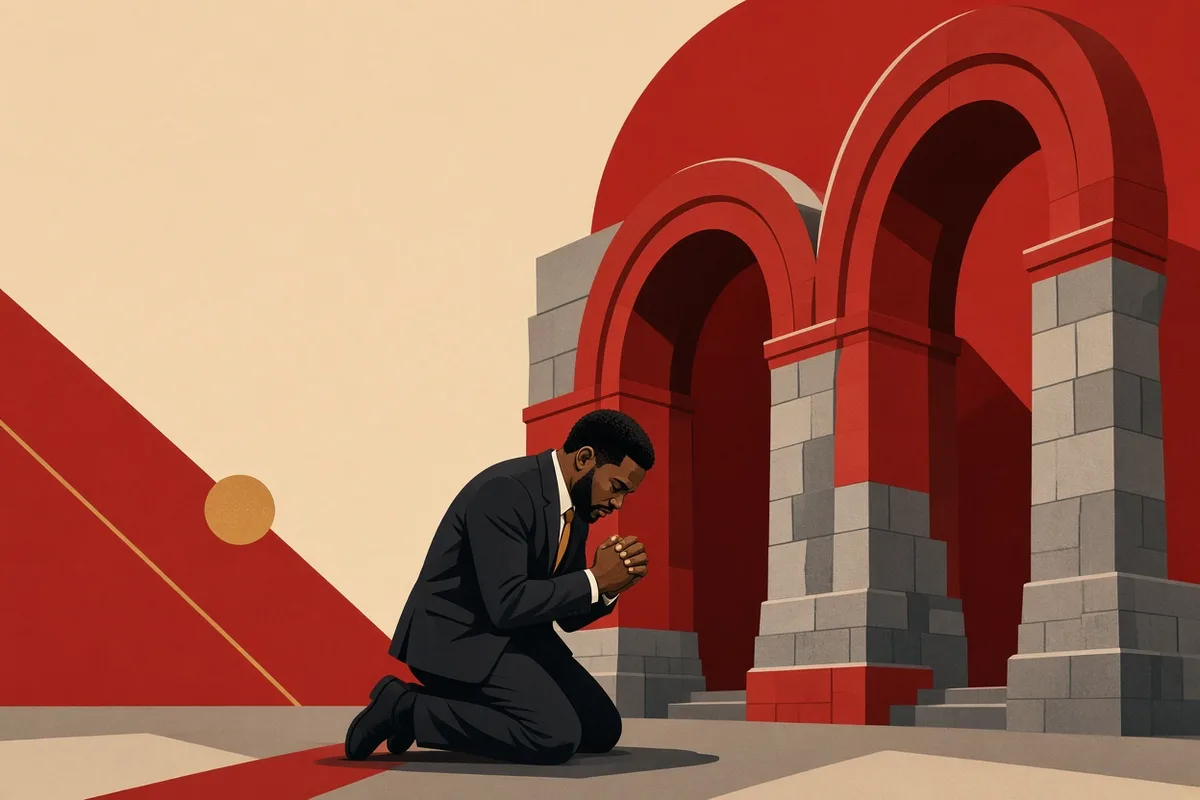



Dorothy Day's Baptism After Conversion
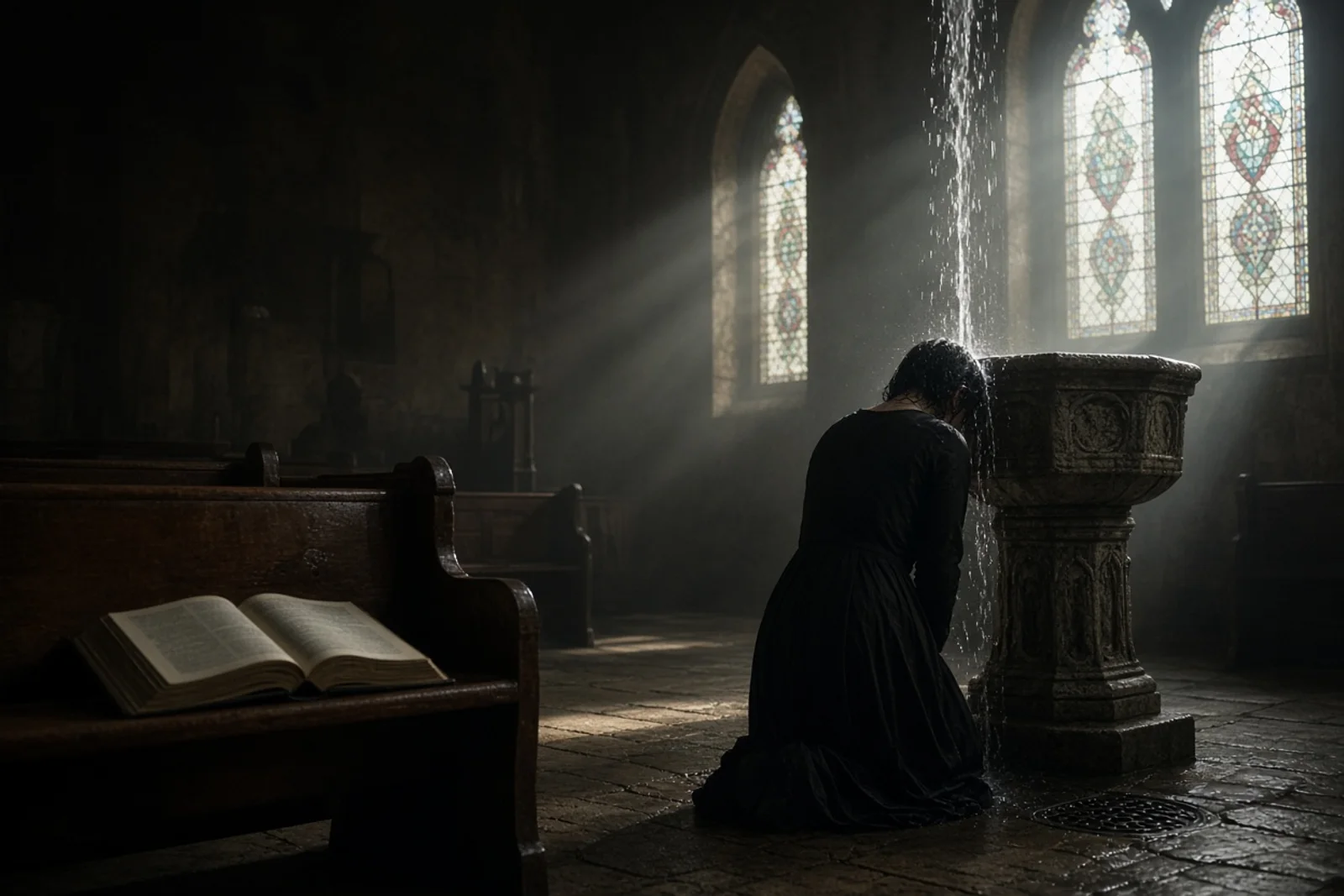
The train from the island clattered into the city station just after noon. I stepped off with a bundle of clean linens under one arm and the afternoon papers under the other, the way I had done every other day that week. The ward was on the third floor, the long room already warm from the radiators though the March wind still cut along the streets outside. Dorothy sat propped on two pillows, the baby wrapped tight against her chest. She had been writing since morning.
A young Italian woman in the next bed watched everything. She had three children already and a heart the doctors kept coming back to measure. When the physicians left she turned her face to the wall for a while, then asked Dorothy what name she had chosen. Dorothy said she had not settled it yet. The woman reached under her own pillow and held out a small medal. Dorothy thanked her but did not take it.

I stayed through the afternoon. Dorothy finished the piece for the New Masses and asked me to carry it to the office before the presses closed. She wanted the workers to read it, she said, because the feeling belonged to every woman who had ever brought a child through winter into spring. The baby slept through the noise of the ward. Outside the windows the light lasted longer each day.
Fred came once that week and stood at the foot of the bed. He looked at the child, then at the crucifix on the wall above the Italian woman’s bed, and left without sitting down. Dorothy did not ask him to stay. When the door closed behind him she asked me to bring her the Imitation of Christ from the apartment. She kept it on the blanket beside her and read while the baby nursed.
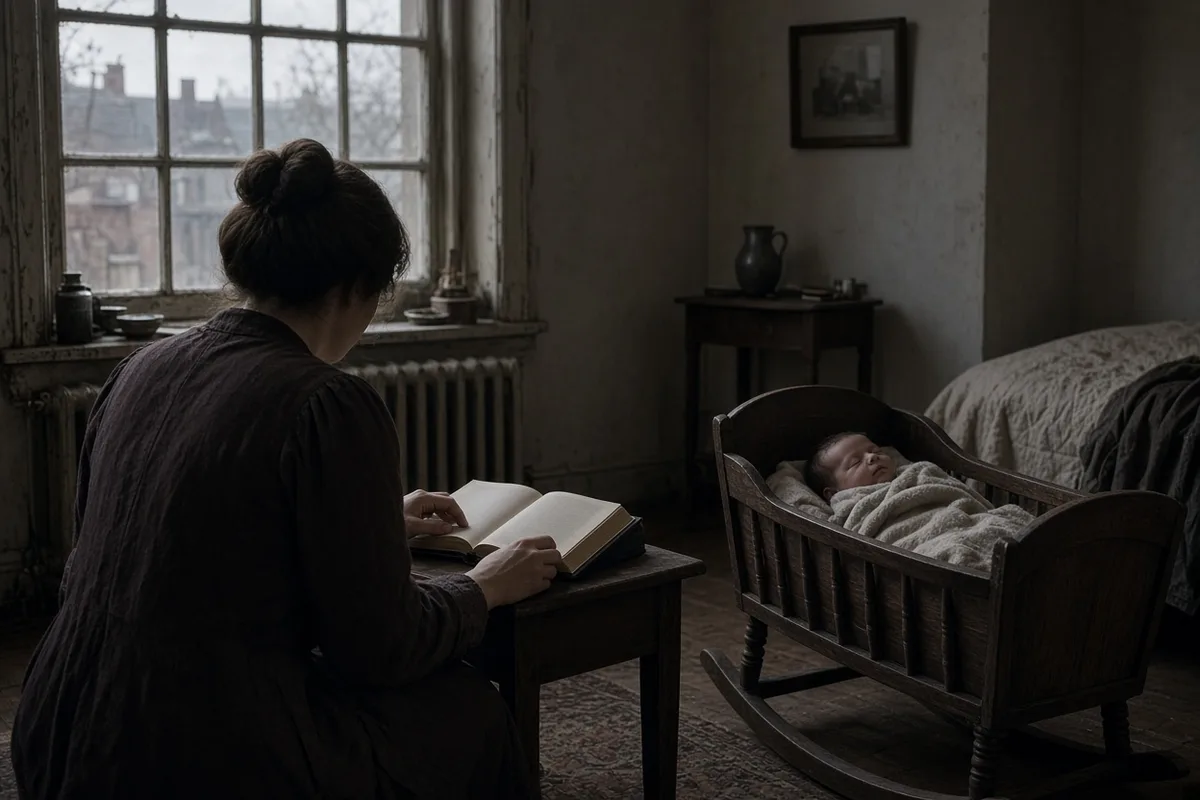
By the time they let her leave the hospital the trees along the avenue had leaves. She took a small place near the church so she could stop on the way home from the market. Some mornings I walked with her. She would go inside for a few minutes, come out again, and we would continue on without speaking of it. The child grew heavier in the carriage. Dorothy wrote at the kitchen table when the baby slept, short pieces mostly, and once or twice she showed me pages she did not send.
Fred stayed away longer each time. One evening in early summer he came for his clothes. Dorothy stood in the doorway holding the baby while he packed. He did not look at either of them when he left. After that she kept the door locked at night and began to attend the early Mass. She never asked me to come inside with her. I waited on the steps until she returned.
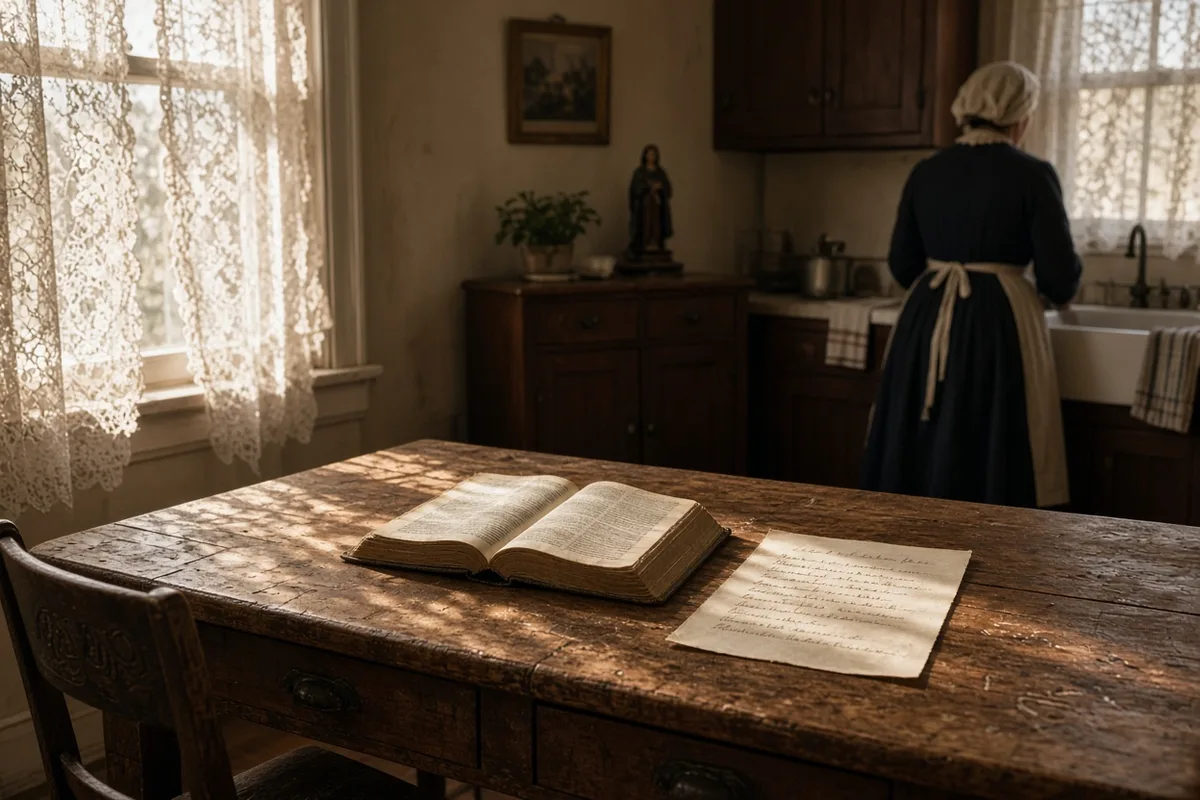
In the fall she told me she had decided the child would be baptized. She had waited through the summer because she still hoped Fred might change his mind, but the hope had gone. She asked if I would stand as godmother. I said yes. We chose the name Tamar. The priest at the church set the date for the first week of December, then moved it when the child caught a cold. Dorothy waited without complaint.
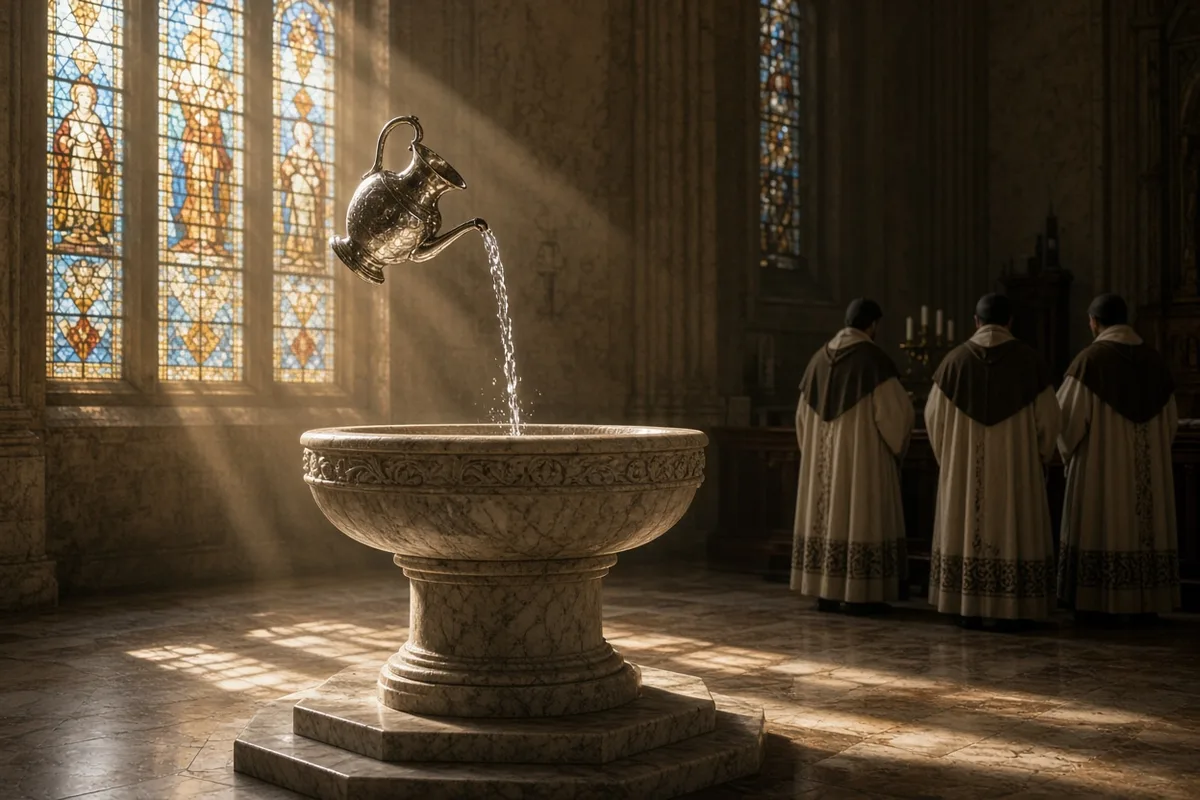
The day before Christmas the city turned cold again. Snow lay on the steps of the church when we arrived. Dorothy carried the child wrapped in the same blanket she had brought from the hospital. The priest met us in the baptistery. He poured the water and spoke the words. The baby cried once and then was quiet. Dorothy answered the questions in a steady voice. When it was finished she stayed a few minutes longer in the pew while I held the child in the vestibule.
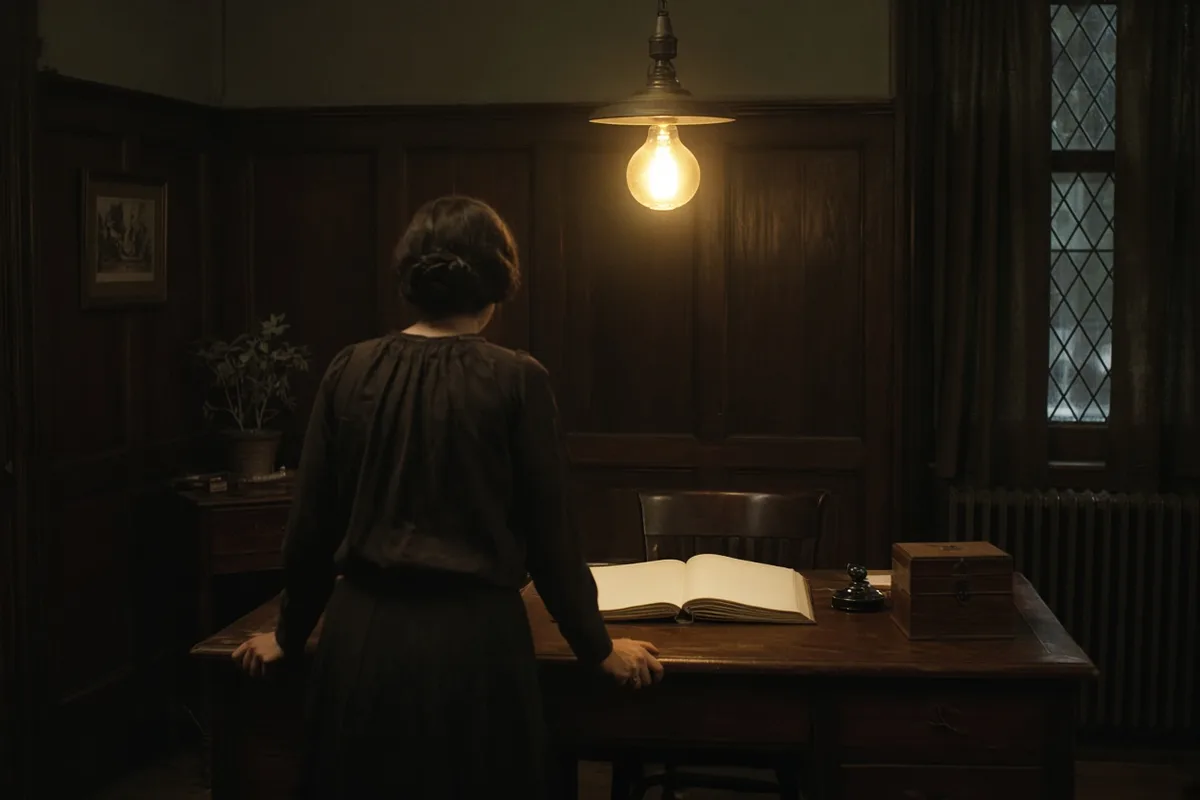
After that she went to Mass every Sunday and on most weekdays. She still wrote for the radical papers when they would take the pieces, but she no longer went to the meetings. The Italian woman from the hospital sent a card at Easter with the medal inside it. Dorothy kept the medal on a string above the child’s crib. She did not speak of Fred again except to say he had found work upstate.
By the next winter she had moved once more, this time to a smaller apartment closer to the settlement houses where she sometimes helped with the soup line. The child walked now and held onto her skirt when they climbed the stairs. Dorothy kept the Imitation of Christ on the table beside the typewriter. When visitors came she listened more than she spoke. One evening she showed me a letter from a priest who had read her articles. She answered it the same night.
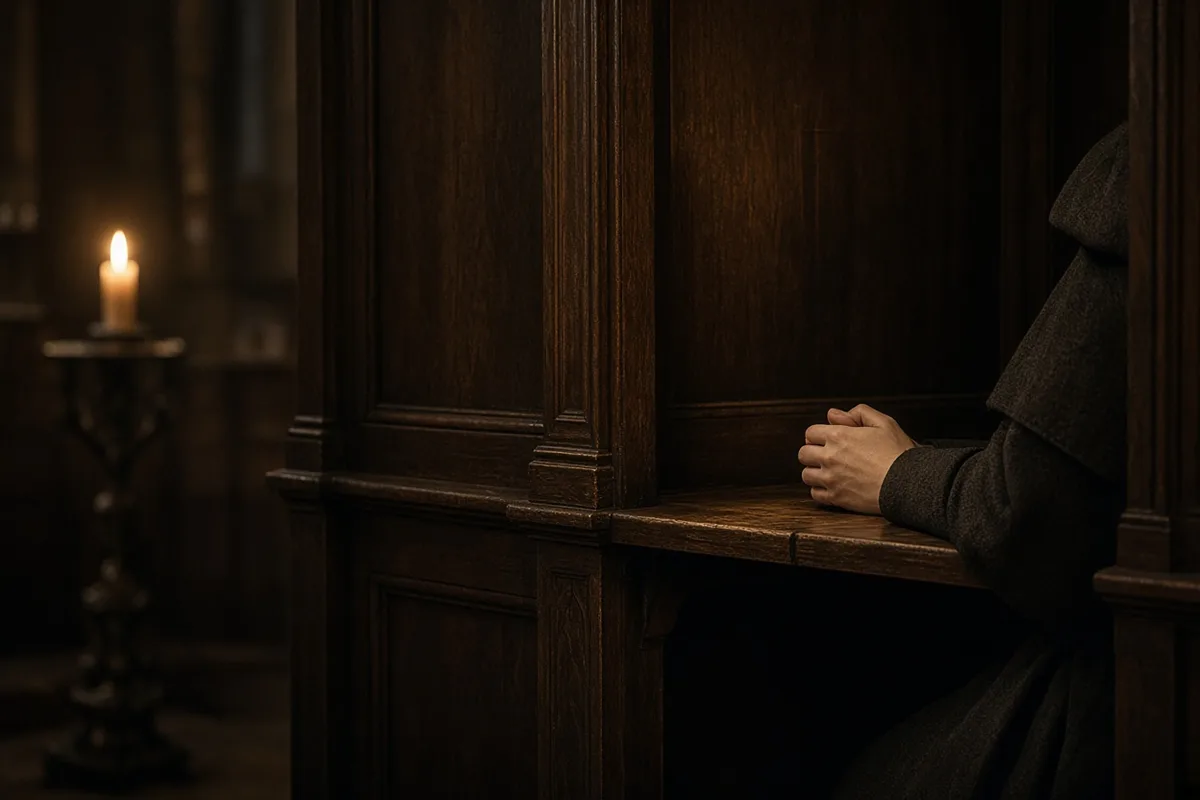
The city changed around us. New faces appeared at the door asking for work or food. Dorothy fed them what she had and wrote down their names. She still carried the child on her hip when she went to the market. The medal stayed above the crib until the string frayed and she replaced it with a length of blue ribbon. On the feast of the Little Flower she took the child to the church again, this time without asking anyone to come along. When she returned the medal was gone from the crib and she did not say where she had put it.
On the feast of the Little Flower she took the child to the church again, this time without asking anyone to come along. When she returned the medal was gone from the crib and she did not say where she had put it. In January 1928 she moved the typewriter to a table by the window of the new rooms on Fifteenth Street so she could watch the child play on the floor while she answered letters from the editors at the New Masses. She typed the address for each envelope in the same black ink she used for the articles, and on the twenty-third of that month she mailed one that began with the sentence, “I am no longer interested in the class struggle but in the struggle for the Kingdom of God on earth,” signed only with her name. The Italian woman from the hospital ward sent another card that spring with the words “Teresa of the Child Jesus, pray for us” printed beneath a picture of the saint, and Dorothy placed it on the shelf above the sink where she kept the plates.
By the spring of 1933 the child walked without holding the skirt and could say the names of the vegetables at the market on Ninth Avenue. Dorothy met Peter Maurin at the apartment on East Fifteenth Street on a Tuesday evening in February when the snow still lay on the steps. He carried a copy of the New Testament in French and spoke for three hours about the need for houses of hospitality, quoting the line from Acts that reads “And all that believed were together, and had all things common.” On May 1 she stood on the corner of Broadway and Fourteenth Street selling the first issue of The Catholic Worker at one cent a copy, the stack of papers held under one arm while the child stood beside her holding the string bag that contained the change. The paper carried the masthead “A Catholic monthly published and edited by Dorothy Day and a group of Catholic workers” and listed the address as 436 East Fifteenth Street. She kept the receipts in a small notebook with the date and number of copies sold written in the margin each night.
The first house of hospitality opened in a storefront on Mott Street in December 1933 with six beds and a soup pot that held twenty quarts. Dorothy recorded the names of the men who came the first week in the same notebook she had used for the paper sales: John Murphy, age forty-two, from County Mayo; Thomas Reilly, age fifty-one, from the Bowery. She cooked the soup herself on a two-burner stove and served it at six in the evening after the child had been put to bed upstairs. Peter Maurin slept on a cot in the back room and rose at five to attend Mass at the church on Prince Street before returning to write the “Easy Essays” that appeared in the December issue. The circulation of the paper reached twenty thousand by the end of 1934, and Dorothy noted the figure on the inside cover of the notebook along with the cost of the ink and newsprint.
Tamar entered the first grade at the parish school on Henry Street in September 1934. Dorothy walked with her each morning and returned in the afternoon to meet her at the gate. In 1936 the family moved to the farm at Easton, Pennsylvania, where the child helped plant potatoes in the field behind the barn that measured three acres. Dorothy continued to write the column “On Pilgrimage” from the kitchen table there, mailing the copy to the New York office each Friday. The farm produced enough potatoes to feed the thirty people who arrived during the summer of 1937, and Dorothy recorded the harvest weight as eight hundred pounds in the ledger she kept beside the typewriter. Peter Maurin stayed at the farm that year and read aloud from the works of St. John of the Cross in the evenings after supper.
The child married David Hennessy in the church on Mott Street on June 19, 1944. Dorothy stood as witness and signed the register with the same pen she had used for the baptism certificate seventeen years earlier. Tamar and David moved to a house in Staten Island where they raised nine children, and Dorothy visited each summer, bringing copies of the paper and staying in the spare room for a week at a time. She was arrested for the first time at the civil defense drill on June 15, 1955, at City Hall Park, and spent thirty days in the Women’s House of Detention on Greenwich Avenue. The judge recorded her statement in the transcript: “We are here to protest the testing of nuclear weapons because they are an offense against the Creator.” She returned to the Mott Street house after her release and resumed the column the following month.
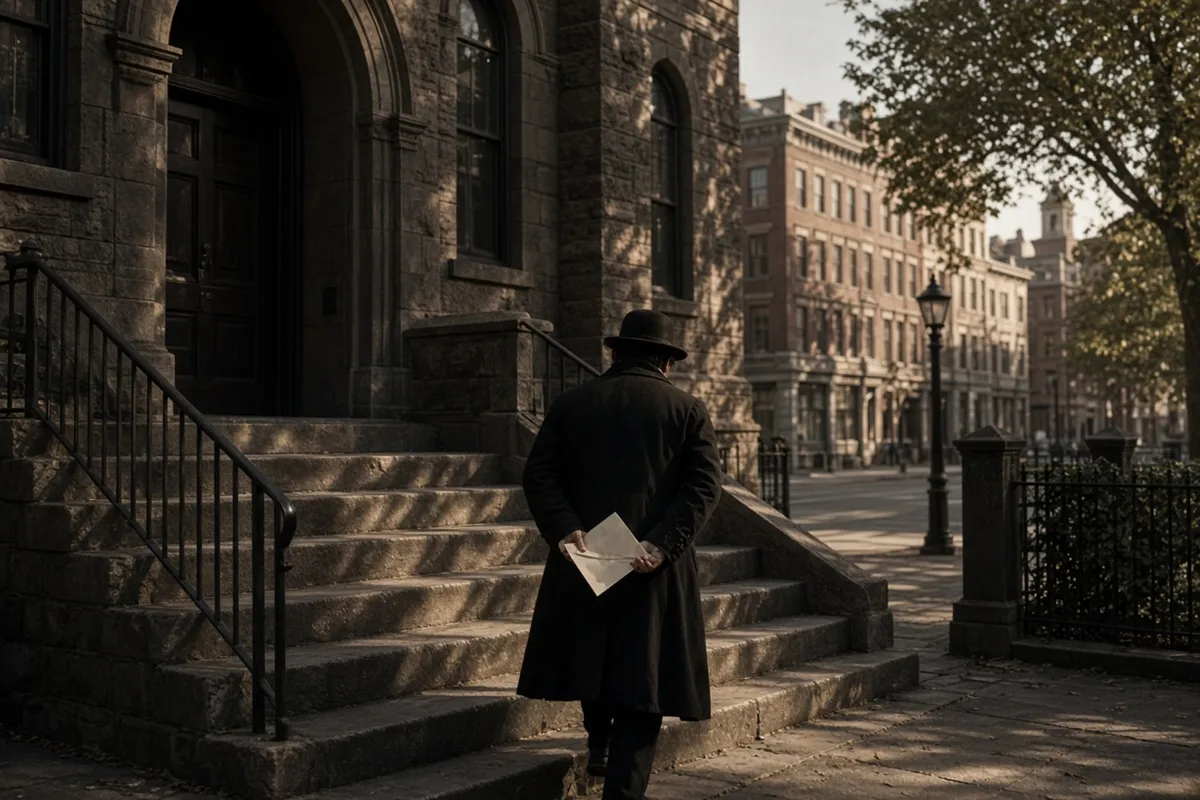
In 1960 she moved to the apartment on Chrystie Street that served as the new headquarters after the Mott Street building was sold. The child and her family visited on Sundays, and Dorothy kept a box of crayons on the table for the grandchildren. She traveled to Rome in 1965 for the final session of the Second Vatican Council and spoke at a meeting of the Catholic Peace Fellowship on the via della Conciliazione, quoting the passage from Gaudium et Spes that begins “Peace is not merely the absence of war.” The Catholic Worker house on First Street opened in 1967 with room for forty guests, and Dorothy kept the ledger of arrivals in the same notebook she had carried since 1933. She suffered a heart attack in 1970 but returned to the typewriter within two weeks, completing the column that appeared in the October issue.
Dorothy died at Maryhouse on East Third Street on November 29, 1980. The funeral Mass was held at the church on Second Avenue on December 2, and the child and her nine children stood in the front pew while the priest read the passage from Isaiah that Dorothy had chosen years earlier. She was buried at Resurrection Cemetery on Staten Island in the plot next to Peter Maurin, whose stone bears the date 1949. The Catholic Worker continues to publish the paper from the same address on First Street, and the ledger with the names of the first guests remains in the archive at Marquette University. The last time I saw her she sat in the chair by the window at Maryhouse holding a copy of the Imitation of Christ open on her lap, the pages marked at the chapter on the love of God.