



Drone-Collected Whale Breath Yields 26 Humpback Genomes
5 sourcesUpdated Nov 22, 20261 min read
Sponsored
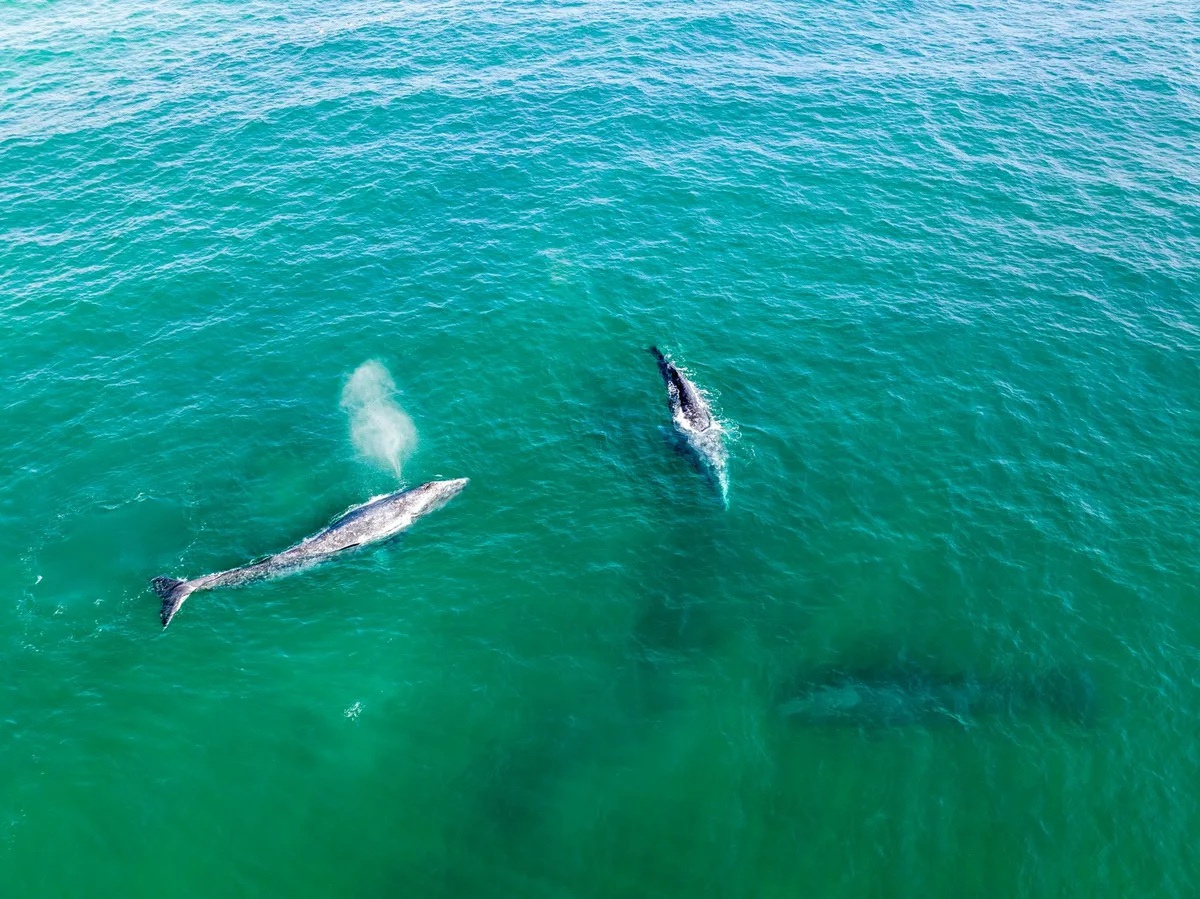
Researchers led by the University of St Andrews sequenced whole genomes from DNA in humpback whales’ exhaled breath, using sterile Petri dishes attached to small drones flown through the whales’ blow. The team collected 58 samples from 26 whales in British Columbia; about 84% of the DNA came from the whales, and repeat samples produced matching genomes that also agreed with biopsy results. The approach avoids darts, biopsies and close boat approaches, and some samples were collected by flying drones from land. The researchers say blow samples could offer a less invasive way to study whale genetics, including population health and diversity, and support conservation efforts.
Sponsored