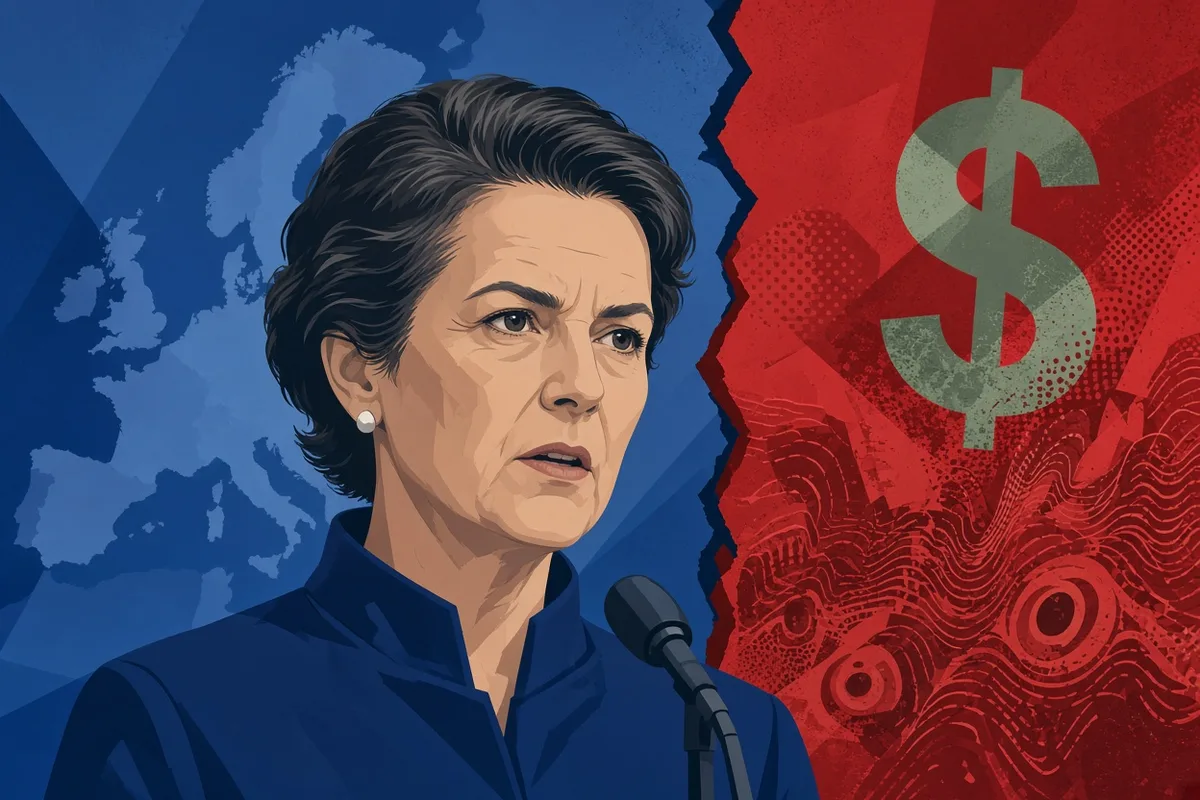
European central bankers left Jackson Hole with mounting concerns that the United States could abandon long-standing norms of financial cooperation, as Washington’s actions in currency markets and debt operations threaten stability. They pointed to unusual interventions, including selling euros to support the Japanese yen and moves to expand longer-dated U.S. government bond buybacks, which could unsettle global markets and raise borrowing costs. Officials also warned that the Treasury’s liquidity-focused operations and potential pressure on the Federal Reserve to buy bonds could blur lines between policy tools and political actions. The lack of advance notice for these moves intensified anger among European counterparts and reinforced fears that the U.S. could act unilaterally in ways that disrupt international cooperation. Federal Reserve officials sought to reassure Europe that commitments would be honored, but cautioned they could not guarantee policy continuity if President Donald Trump’s administration shifts course without warning. In summary, while U.S. authorities stress liquidity and stability aims, European officials fear increasing autonomy in Washington could undermine long-standing financial norms and coordination.
Where do you stand?
How it spread
What each side asserts, disputes — or leaves out entirely.
Whose framing of this story rings truest to you?
Politicians
Greatest Political Outsiders Who Won
16 candidates · 0 votes · vote on the order
Politicians
Most Influential World Leaders Alive Today
16 candidates · 0 votes · vote on the order
Politicians
Greatest Political Comebacks Worldwide
18 candidates · 0 votes · vote on the order
Politicians
Presidents Who Survived Political Scandals
17 candidates · 0 votes · vote on the order