


Elizabeth I Ends Marian Persecutions

The bells started wrong that morning. I was on the bridge with a sack of tallow candles when the first one rang from St Paul's, then another from across the river, not the slow toll for the dying but a quick, uneven clatter that made the watermen stop rowing. Word had already reached the wharves that the Queen lay past speech at St James's. Men stood in clusters, some crossing themselves, others keeping their hands still. I kept walking. Any pause drew eyes, and eyes still carried risk.

By eight the streets thickened. Parliament men in furred gowns hurried toward Westminster, their servants clearing a path with staves. A boy ran past shouting that the Lords and Commons sat together. I turned toward the Charterhouse because that was where messages gathered. A messenger from Hatfield had arrived the day before; everyone knew the Spanish envoy had been turned away with sharp words. Elizabeth would take the crown from the English, not from Philip.
At noon a rider in Cecil's livery came through the gate. He carried no sealed letter, only a folded paper he kept flat against his chest. I followed him as far as the inner court before a porter blocked me. The man read the paper twice, then sent for ink. When he came out again his face had changed. He mounted without a word and rode toward the city.

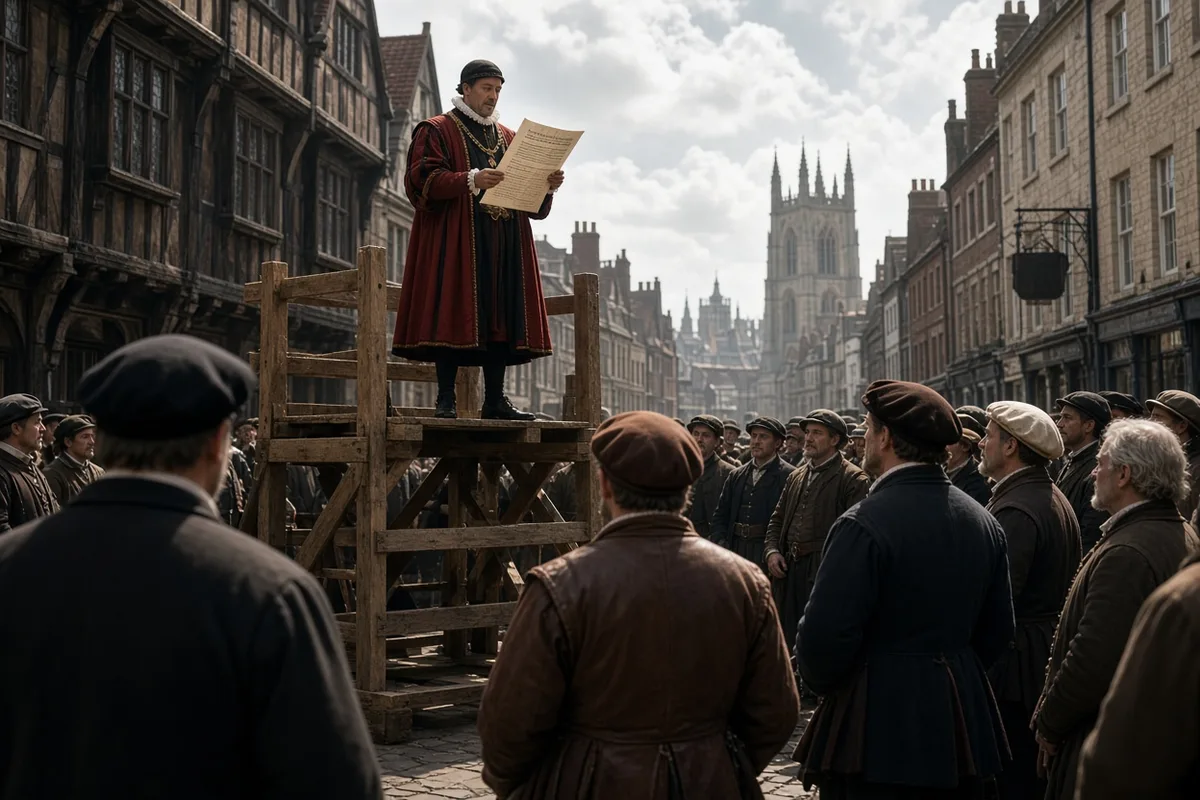
By four the proclamation was read at Cheapside. I stood far back, behind a dray loaded with barrels, yet I heard the name clearly enough: Elizabeth, by the grace of God. No one cheered at first. Then a few hats lifted. A woman near me began to weep without sound, shoulders shaking under her shawl. I stayed until the crier finished and the guard moved on. The fires had taken three from my parish in the last year. The last burning had been only weeks earlier. Now the same men who had signed the warrants stood listening to a different name.
That night the watch did not search lodgings. I slept without bolting the door. In the morning a neighbor brought news that Mary had died at six, before the proclamation. The detail mattered because it meant no one could claim a rival had been named in time. Cecil had the wording ready; some said he had carried it for months.

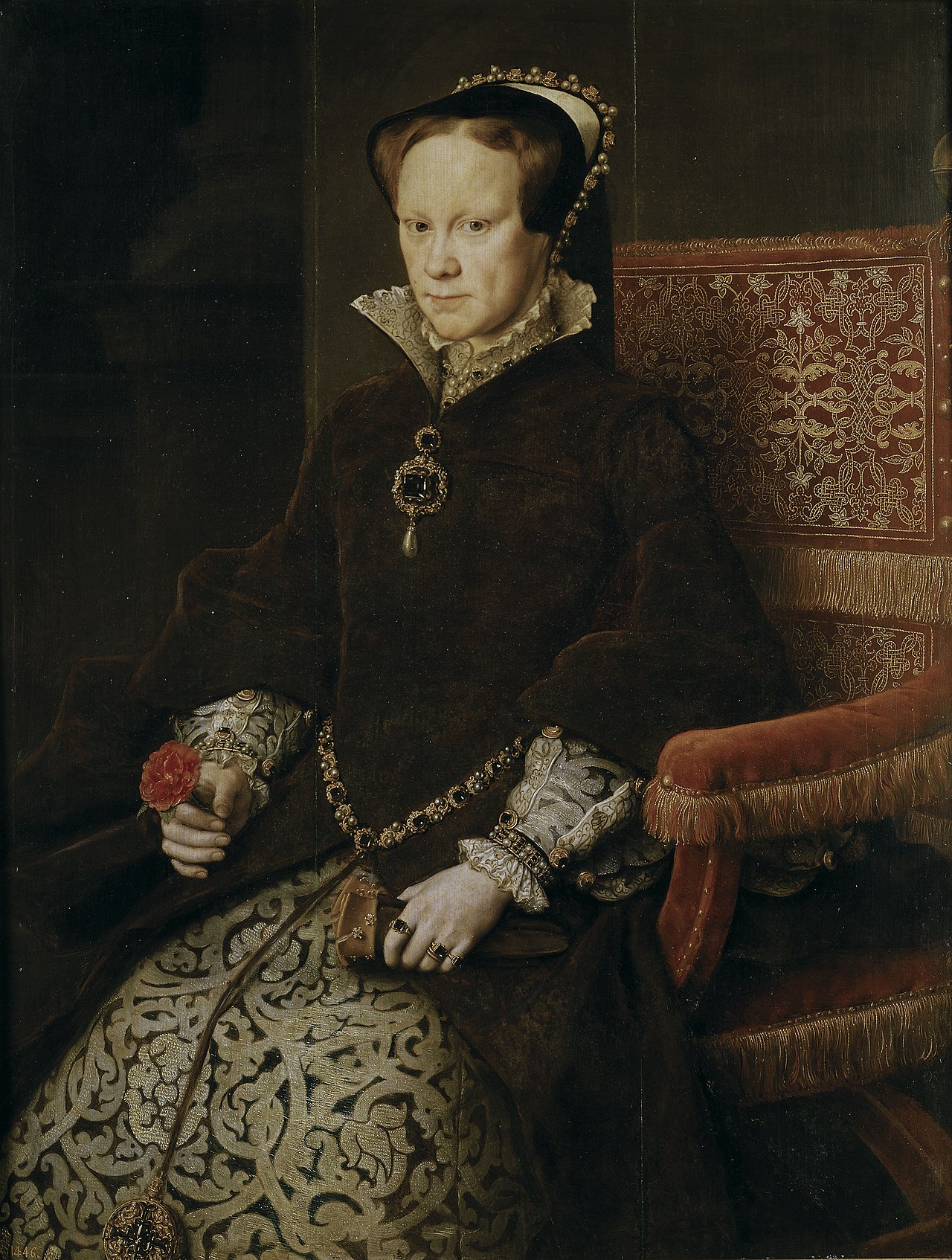
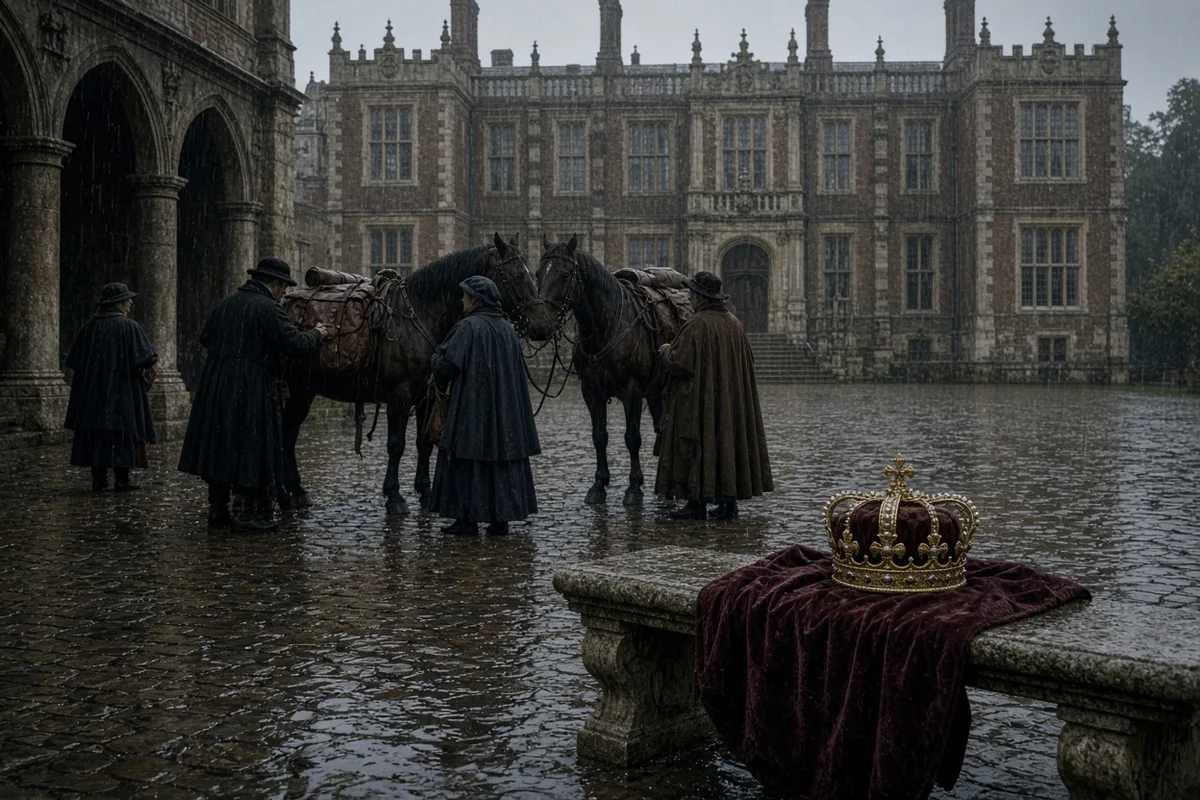
I went to Hatfield three days later with a load of wax for the stables. The house was already stripped of Mary's colors. Servants packed velvet hangings into chests while new liveries were cut from bolt cloth on the long tables. Elizabeth walked the gallery twice that afternoon, once alone, once with Cecil at her side. She wore black, nothing more. When she passed the window where I waited she looked out at the bare oaks and did not smile.
On the twenty-third she rode into London. I lined the route near Smithfield, the same open ground where the stakes had stood. The crowd was thick but quiet until she appeared. She wore purple velvet and rode a white horse, not a litter. People pressed forward only as far as the wooden rails allowed. She lifted her hand once, not in salute but as if testing the air. No one was burned that week, nor the next.
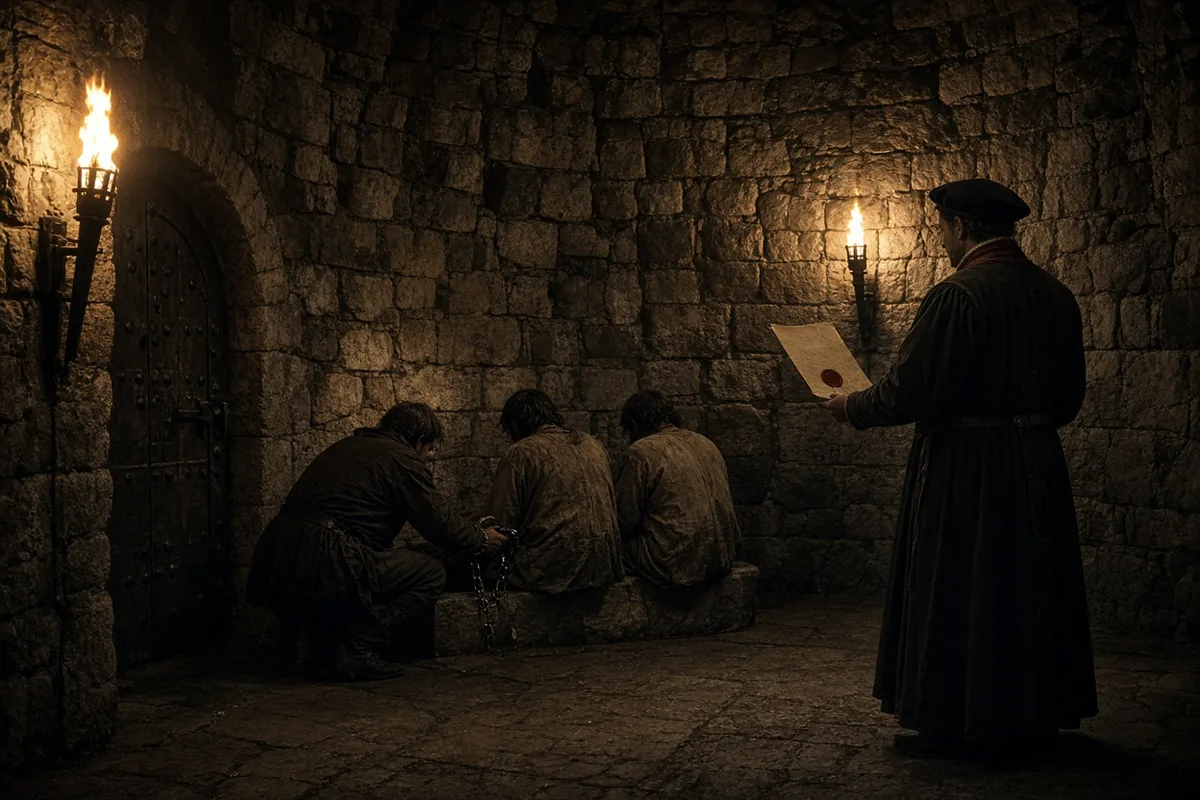
The Charterhouse kept its gates open longer than usual. I carried messages between there and the Tower for a goldsmith who supplied the new queen's plate. Each time I passed the old prison I counted the guards. They stood at ease now, halberds grounded. Inside, men who had waited for trial were released without new charges. One of them, a weaver from Southwark, walked out with his own coat still on his back. He did not look behind him.
Mary's body left St James's on the tenth of December. The hearse moved slowly, flanked by torchbearers in white. I watched from the Strand. The coffin was covered in black velvet with a white cross. No one threw stones or shouted. The same streets that had seen processions of the condemned now saw only the slow wheels and the flicker of pitch. By the fourteenth she was buried at Westminster. The abbey bells rang once at dusk and then fell silent.
Elizabeth moved to Whitehall on the twenty-third. Snow had begun, thin and dry. I was sent with a final delivery of candles for the presence chamber. The rooms smelled of new rushes and fresh paint. Servants hung cloths of gold over the old arras. In the corner a clerk read aloud from a list of pardons. The names were those of men and women still held for religion. None were added that day.
On the twelfth of January she came down the river to the Tower. I stood on the wharf with the other Londoners who had been given tokens for the water show. The barges moved in formation, lanterns strung between them. An Italian beside me said the display reminded him of Venice, but quieter. No one fired guns. The only sound was the steady dip of oars and the occasional cheer from the bank.
The coronation procession left the Tower on the fourteenth. I had a place near the rails on Cheapside, paid for with two days' work. She rode in an open litter carried by two mules in gold brocade. The gentlemen pensioners walked beside her in crimson damask, axes bright even under the gray sky. Footmen in crimson jerkins carried the white rose and the red. Children stood on scaffolds at each turning and spoke verses. She stopped the litter twice to take petitions from the crowd. Once she leaned out far enough that the hem of her cloth-of-gold robe brushed the rail. Snow fell in single flakes that melted on the velvet.
After she passed, the rails stayed up for three days. People walked along them touching the wood where her litter had brushed. No new warrants were issued from the bishops' courts. The prisons emptied by degrees. A man I had known in the Marshalsea came to my door in February asking for work. He had been held for hearing the English service. He brought no papers, only his name. I gave him what I could spare and watched him walk away toward the bridge.
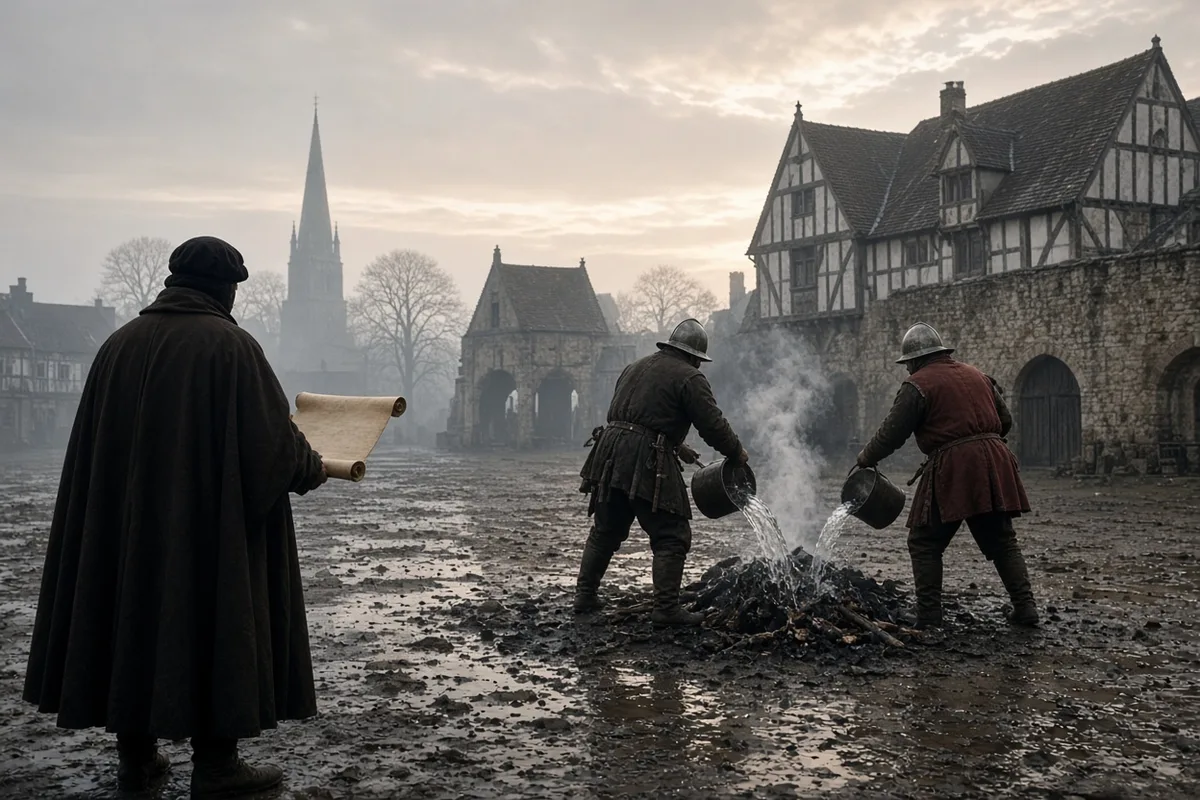
By spring the last of the condemned had been released or had died of gaol fever. The stake posts at Smithfield were pulled down and the ground leveled for market stalls. I passed the place one morning and saw a woman selling apples where the faggots had been stacked. She called her prices in a clear voice. No one answered with scripture or accusation. The air smelled only of fruit and river mud.
The woman selling apples called out her prices again as the carts rolled past, and I counted twelve new stalls raised on the leveled ground by Whitsun that year. One belonged to a chandler from Aldgate who had lost his shop to a fine under the old statutes; he paid sixpence a week for the pitch and set out tallow dips beside the fruit. By June the butchers from Eastcheap had taken the far corner for their offal boards, and the ground that had once held the faggots now bore the marks of their cleavers on the planks. I carried a fresh load of wax candles to the Charterhouse that month and heard the porter read aloud the names of forty-three men and women freed from the Marshalsea under the general pardon issued on 1 May. Among them was the weaver I had seen earlier; he returned the next week with a bolt of kersey and asked whether I could supply lights for his new loom shed near the river stairs.
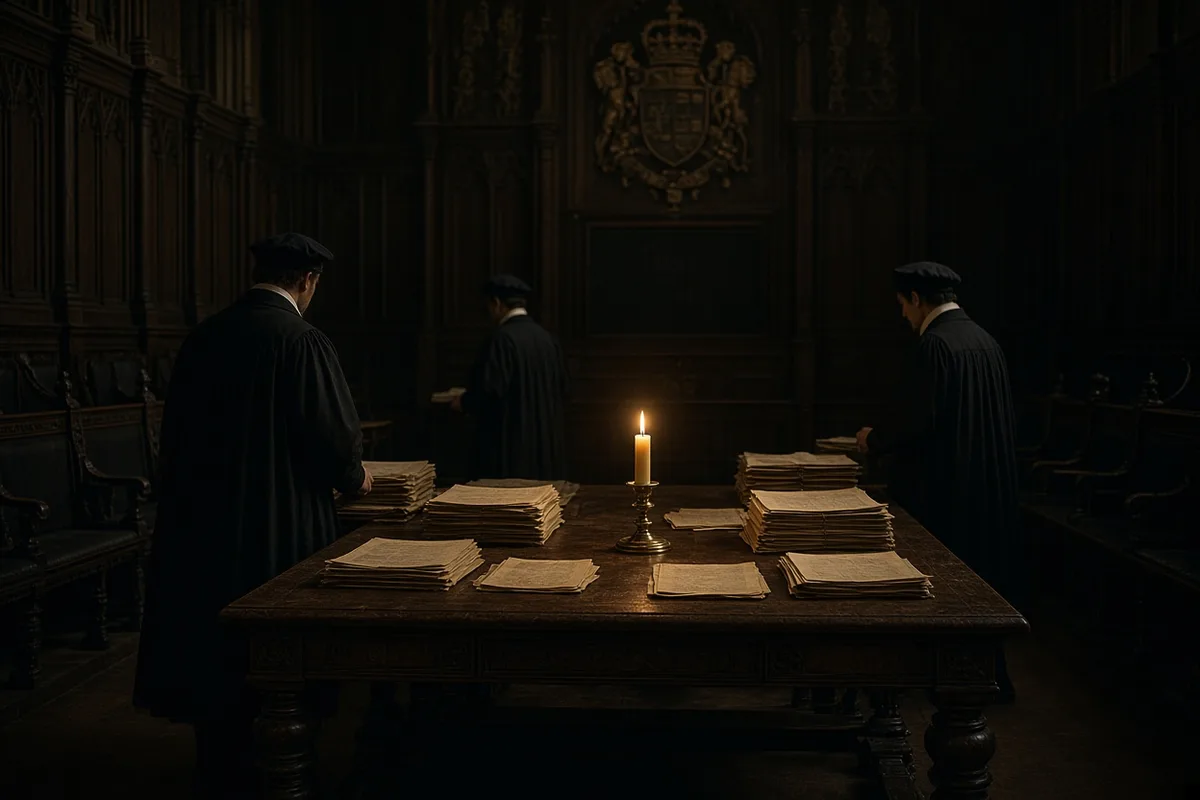
Parliament met again on 17 April and the Act of Supremacy received the royal assent on 8 May. The clerk who copied the engrossed roll noted that the oath of supremacy was required of all holders of office under the crown, yet the penalties stopped short of the stake and fixed instead at forfeiture of goods for the first refusal and praemunire for the second. I delivered the wax for the chancellor's seal that same week and watched the men in the lobby pass copies of the bill from hand to hand. One of them, a burgess from Reading, remarked that the words “supreme governor” had been chosen over “supreme head” at the queen’s own direction, and he quoted the phrase as it stood in the draft: “as well in all spiritual or ecclesiastical things or causes as temporal.” No bishop voted for the measure in the Lords, but the bill passed by twenty-two voices to fifteen after the abbots’ proxies were disallowed.
In the first week of July the last prisoners held for hearing the English liturgy walked out of the Fleet. Their keeper, Thomas Bromley, entered their names in the margin of his roll: twenty-seven men and nine women, the youngest a girl of fourteen from the parish of St Botolph without Aldgate. She carried her release paper folded inside a psalter printed in 1553 and asked the turnkey whether the book could still be kept. I met her father on the bridge two days later; he had paid four shillings for a new coat and was taking her to a cousin in Southwark who kept a dyer’s vat. The girl’s name was entered on the parish register at St Saviour’s on 14 July as “restored to the congregation,” and the clerk added the date of her father’s payment for the register book itself.
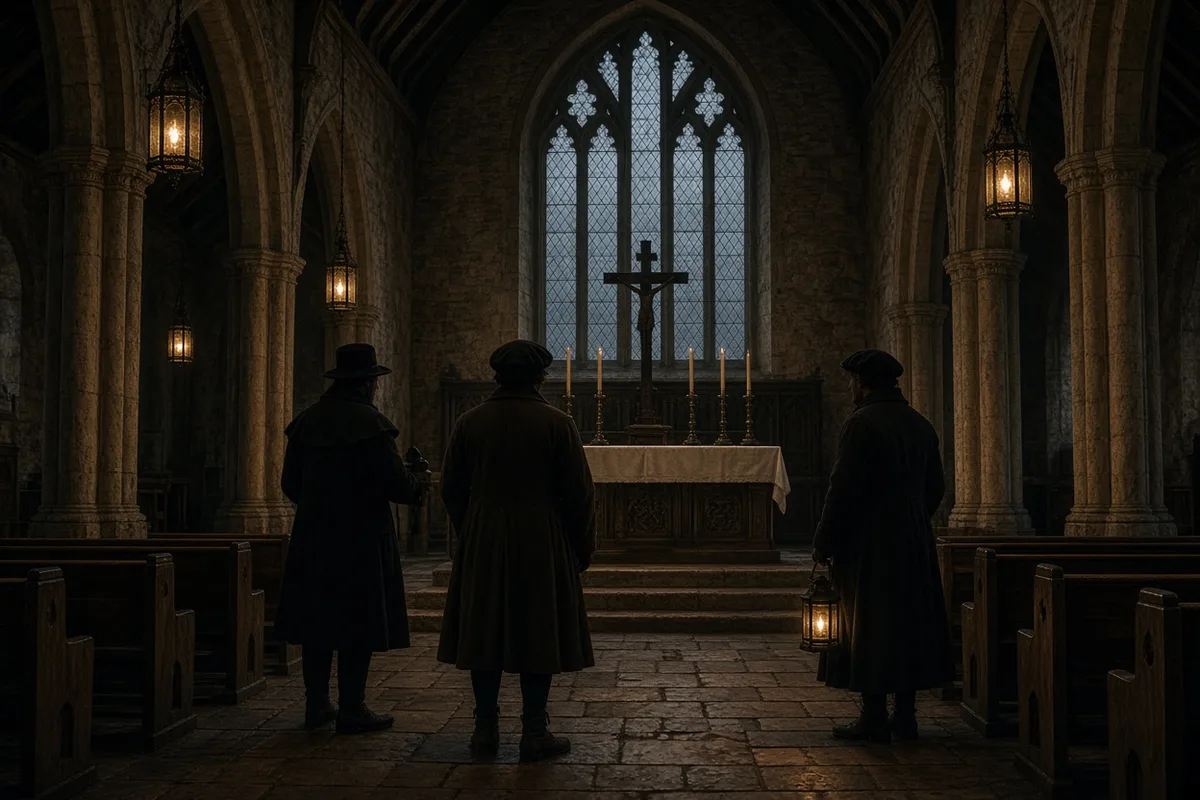
By the summer of 1560 the queen had ordered the removal of all images from the royal chapels. I was sent with candles to Hampton Court in August and saw the workmen lower the great crucifix from the high altar in the presence chamber. The carver who took it down counted the nails as he drew them: thirty-four in the crossbeam and eighteen in the footrest. The pieces were loaded onto a cart bound for the storehouse at Whitehall, and the master of the works entered the weight in his book as eleven hundredweight of gilded wood. Elizabeth herself walked through the emptied chapel that afternoon and spoke to the dean, Matthew Parker, saying the words recorded by his chaplain: “Let the walls be plain, for plain teaching will follow.” The dean noted the date in his register and added that the queen had required the same instruction for the chapel at Greenwich before Michaelmas.
In the spring of 1572 the council issued letters to the bishops directing them to cease all proceedings against those who had fled abroad under Mary and now returned. One such letter, addressed to Edmund Grindal at London, listed the names of eighty-three persons whose goods were to be restored without further inquiry. I carried the copy for the goldsmiths’ company to their hall in Foster Lane and watched the clerk strike through the old entries in the fine book. Among the names was that of a goldsmith’s widow whose husband had been fined forty pounds in 1556; the company repaid the sum on 3 June and entered the repayment under the heading “by order of council.” No further seizures were recorded in that ledger after that date.
The fleet that sailed against the Spanish in 1588 took on stores at Deptford on 18 July. I stood on the wharf with a delivery of candles for the victualling office and counted the casks of salt beef loaded into the holds of the ships whose names were painted on their sterns: the Revenge, the Ark Royal, the Triumph. The purser for the Revenge signed for two hundred and forty pounds of tallow candles and added the note “for night watches only.” When the ships returned in September the same purser brought back eighty-three pounds unused and returned them to the store. The queen rode to St Paul’s on 24 November to hear the sermon of thanksgiving, and the rails along Cheapside were lined once more, though this time with stands selling printed ballads rather than petitions.
Elizabeth died at Richmond on 24 March 1603. The messenger who brought the news to the Exchange arrived at three in the afternoon and the merchants there entered the time in their day book before closing their ledgers. James VI of Scotland was proclaimed at Cheapside the following morning by the herald who had read Elizabeth’s own proclamation forty-four years earlier. The same wooden rails that had stood for her coronation litter were taken down that week and the timber sold for firewood; the auction record shows forty-two loads at eight pence the load. The last of the Smithfield market stalls remained in place until the great frost of 1608, when the ice carried away three of the corner posts and the butchers moved their boards to the covered shambles in Newgate Street.
The ground at Smithfield is now covered by the meat market whose iron roof was raised in 1868, and the stones that once marked the stake positions lie beneath the central avenue where the porters wheel their barrows. The last man I knew who had stood at one of those stakes died in 1612 at the age of seventy-nine; he had been released from Newgate in February 1559 and returned to his trade as a cutler in Fleet Street. On the day he was buried at St Dunstan’s his son placed the original release paper inside the coffin, folded once, with the seal still attached. The paper measured eleven inches by seven and bore the signature of the clerk who had copied the general pardon under the great seal of England.