



Swiss Glaciers Lose 5.5% of Ice in Second-Largest Annual Decline
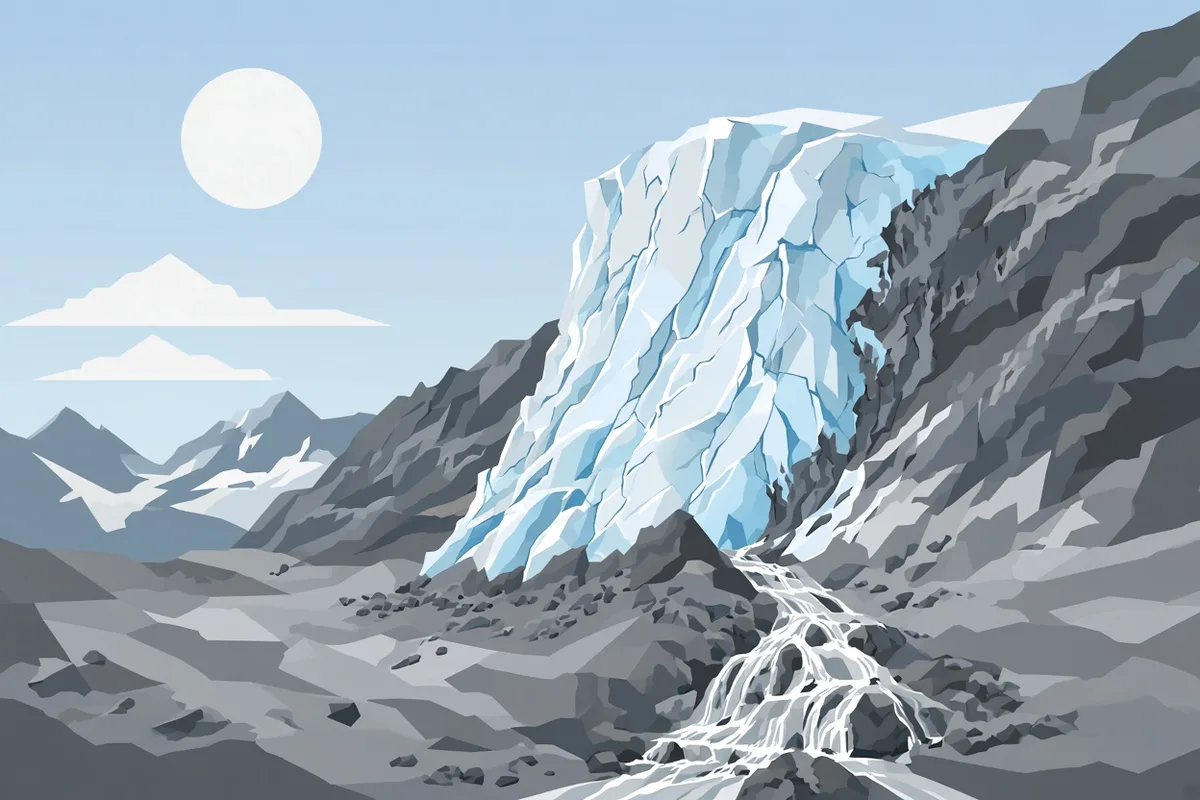
Swiss glaciers lost 5.5% of their ice volume in 2026, the second-largest annual decline on record after 2022, bringing losses over the past five years to nearly one-fifth. Researchers attribute the melt to unusually low winter snowfall followed by repeated heatwaves and record summer temperatures. Average glacier thickness fell by roughly 2.5 to 4 metres, with losses of 10 metres or more at some glacier tongues and monitoring points. Scientists say extreme melt years are becoming more frequent and link the warming to human-caused climate change. Retreating ice is exposing unstable mountain slopes and raising concerns about rockfalls and landslides; experts warn Alpine glaciers have little chance of long-term survival under current conditions.