Studies Test Recycled Plastics, Tires in Roads
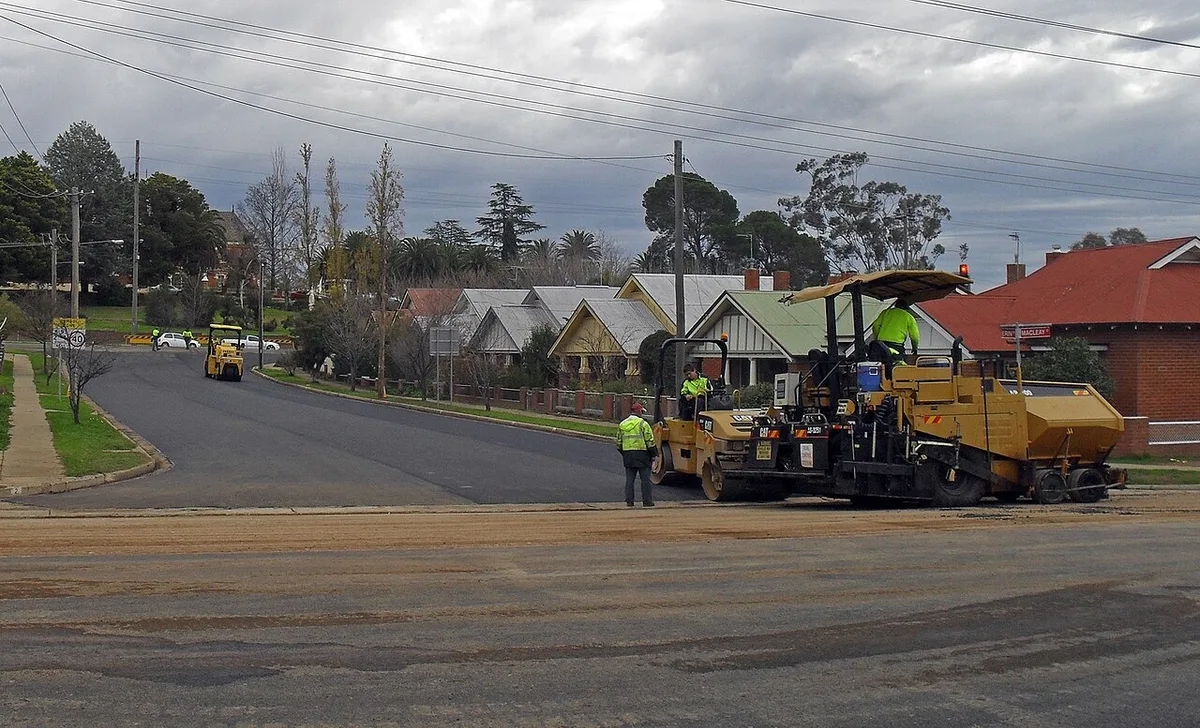
Researchers and transportation agencies are testing reclaimed pavement, waste plastics and shredded tires in road construction, with evidence ranging from laboratory work to limited field trials. A University of Minnesota study found asphalt mixes with up to 50% reclaimed pavement compacted effectively in laboratory testing, but did not report long-term road performance. A Penn State study found recycled-LDPE asphalt held together better than conventional asphalt and released fewer plastic-like particles after simulated traffic and moisture exposure; researchers said real-road studies are still needed. Plastic can be incorporated by mixing it with aggregate or blending it into the binder, though quality and consistency remain concerns; projects have used it on about 12 to 13 kilometers of service roads in Jabalpur, India, and in a UC San Diego campus trial. Michigan placed recycled-plastic asphalt on four public roads in 2019, while a Virginia assessment of separate sections installed in 2021 reported durability similar to conventional mixtures; a 1990 Wisconsin test of a shredded-tire road embankment found good drainage and performance comparable to many gravel roads after a year, with limitations noted. Ghanaian research also reported promising properties for plastic-modified asphalt, but was based mainly on laboratory testing, so these results and limited trials do not establish performance across broader conditions.