



Explosive kids lack skills, not will—punishment often backfires
In 60 seconds
- Explosive behavior is a capacity problem: kids do well if they can, not if they want to.
- Meltdowns trace to nameable skill gaps—flexibility, frustration tolerance, shifting mindsets—not attitude or labels alone.
- Plan A rewards and punishments demand the skills these children lack and often raise the frequency and intensity of explosions.
- For each unsolved problem, choose impose (Plan A), collaborate (Plan B), or deliberately drop it for now (Plan C).
- Map concrete triggers, de-escalate in the moment, then solve recurring ones with the child in calm, and align every adult.
- Progress is fewer and smaller explosions over months, plus uneven skill growth—not sudden total compliance.
The big idea
Greene argues that children who explode over small triggers are missing skills like flexibility and frustration tolerance, not choosing defiance, so consequence-heavy discipline addresses the wrong variable and often makes meltdowns worse. Durable change comes from naming the exact recurring situations that set them off and working out mutually satisfactory solutions with the child in calm moments, while parking lower-priority fights on purpose.
The book in brief
Greene opens by rejecting the story most discipline tells: that a melting-down child is testing limits or fishing for attention and will behave once motivation is high enough. He swaps it for a capacity story. Explosions are costly and miserable for the child too, so if the child could meet the demand calmly, the child would. That hinge—kids do well if they can—is what every later tool hangs on.
He then catalogs the lagging skills behind calm under pressure: shifting mindsets, tolerating frustration, generating solutions, putting needs into words, reading cues, handling ambiguity. Diagnoses describe patterns; they do not name the specific gap that tripped this child in this moment. Two kids with the same ADHD label can explode for entirely different reasons. From there he dismantles default Plan A. Stickers, timeouts, and lost privileges ask for skills these children do not have. They stack new frustration on the original demand, and families who escalate them often watch meltdowns grow worse.
The middle of the book gives caregivers a triage language and a method. Plan C parks a real expectation on purpose to free bandwidth. Plan B collaborates on the problems worth solving now. Vague moral complaints get rewritten as concrete unsolved problems—specific demands, transitions, ambiguities—because you can redesign a situation and you cannot redesign “manipulative.” When an explosion is already underway, the job is empathy and de-escalation; a flooded child cannot access the skills you are trying to build. The real mechanism of change is proactive Plan B: the same three steps run slowly in a calm moment until adult and child own a solution that will actually get used next time.
The closing movements face the systems problem and the patience problem. One adult on Plan B while another stays on strict Plan A, or a school still wired for referrals and suspensions, recreates confusion and erases gains. Alignment across home and school is necessary, not optional, and often harder than learning the conversation itself. Success is redefined as a falling pattern—near-daily blow-ups easing to a few shorter ones over months—and as skills that grow unevenly. The arc ends slower and more collaborative than behavior charts promise, with change measured in a household that no longer braces every evening even when new triggers still appear.
Context
Ross W. Greene published the book in 1998. It mattered because it pushed clinical and school practice away from treating meltdowns as behavior to punish and toward treating them as symptoms of skill deficits to address.
The key ideas
1
Kids do well if they can
Chronic explosions mean a child lacks the skills to meet a specific demand in the moment, not that the child is choosing defiance.
Old assumption
Kids do well if they want to; raise motivation
Greene's reframe
Kids do well if they can; explosions mark a skill wall
Most discipline assumes the melting-down child is testing limits or seeking attention and would stop if motivated enough. Greene replaces “kids do well if they want to” with “kids do well if they can.” Explosions are socially costly, physically draining, and rarely strategic for the child either.
If capacity were there, calm would show up on its own. Consequences aimed at motivation therefore hit the wrong variable. You cannot reward or punish a missing skill into existence any more than you can punish fluent reading out of dyslexia, he suggests—the analogy is imperfect but clarifying.
That reframe is the hinge. Skill inventories, collaborative talks, and triage of expectations only make sense once the meltdown is read as a capacity failure at an identifiable moment, not a character flaw in general.
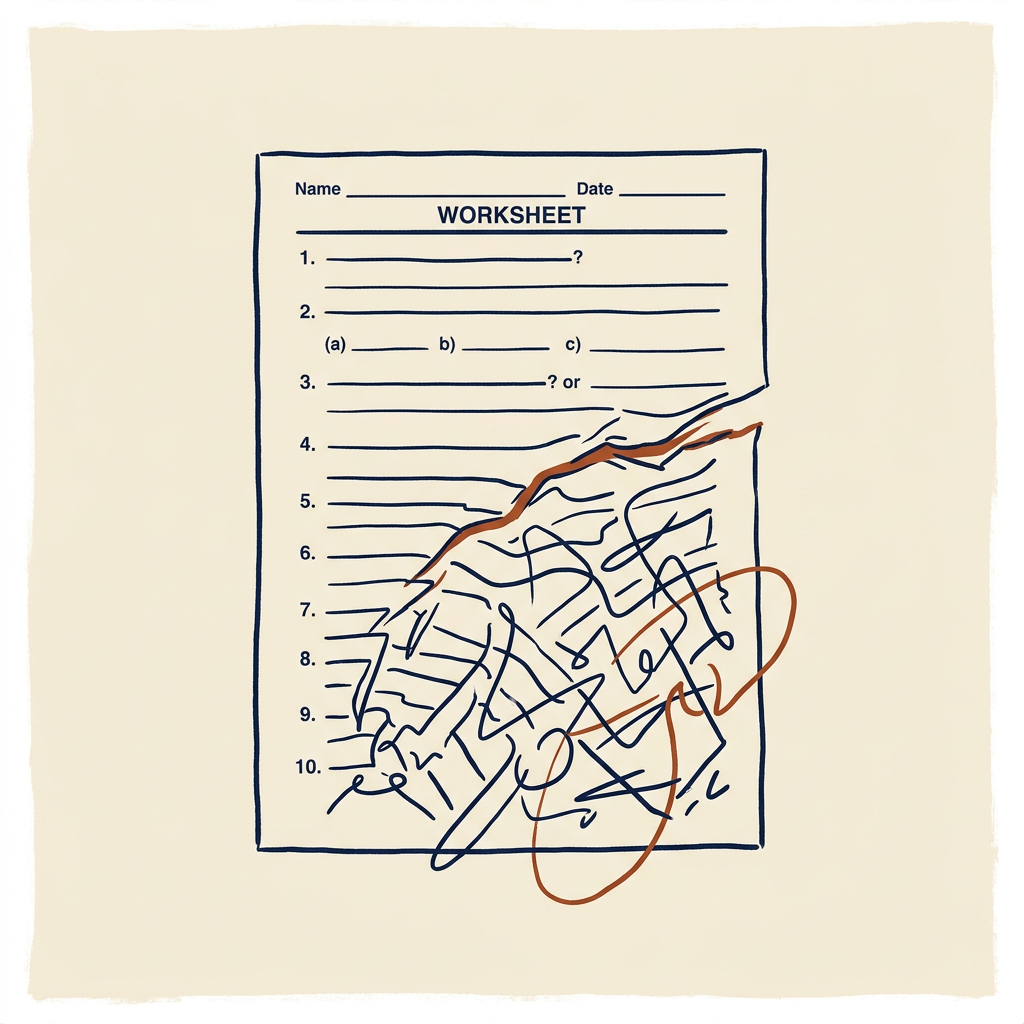
In practice: A boy erupts when a teacher rearranges the order of math problems on a worksheet—not to launch a power struggle, but because an unexpected change in a fixed sequence overwhelms a mind that cannot flexibly adjust.

2
Lagging skills, not labels
Meltdowns come from specific missing skills—shifting, frustration tolerance, solution-finding—and naming the skill beats any diagnostic label.
Calm under demand rests on concrete abilities: moving from one mindset to another, tolerating frustration, considering more than one solution, saying needs instead of acting them out, reading social cues, handling ambiguity. A child can lag in some and be fine in others. Profiles differ even under the same diagnosis.
Greene treats labels like ADHD, oppositional defiant disorder, or autism as limited here. They describe patterns of behavior, not the missing skill that caused this explosion. Two children sharing an ADHD diagnosis may blow up for different reasons—one from thin frustration tolerance, another from multi-step verbal instructions that will not stick.
Once the lag has a name, caregivers have a buildable target instead of a trait to punish out of existence. “Cannot shift off a preferred activity without warning” is something you can plan around. “So oppositional” is not.
In practice: A girl explodes every evening when told to stop watching a screen; the surface looks like defiance, but the deficit is an inability to disengage from one mental state and enter another without significant lead time.
3
Why Plan A backfires
Reward-and-punishment discipline fails explosive children because it demands the skills they lack and repeated failure escalates explosions rather than reducing them.
Plan A move
Pile on rewards, threats, and lost privileges
Common result
A new frustrating demand stacks on the first; explosions grow
Greene calls conventional discipline Plan A: the adult imposes will through rewards, consequences, and ultimatums. It works reasonably for children who already have the skills and only need a push. For explosive children the obstacle was never motivation.
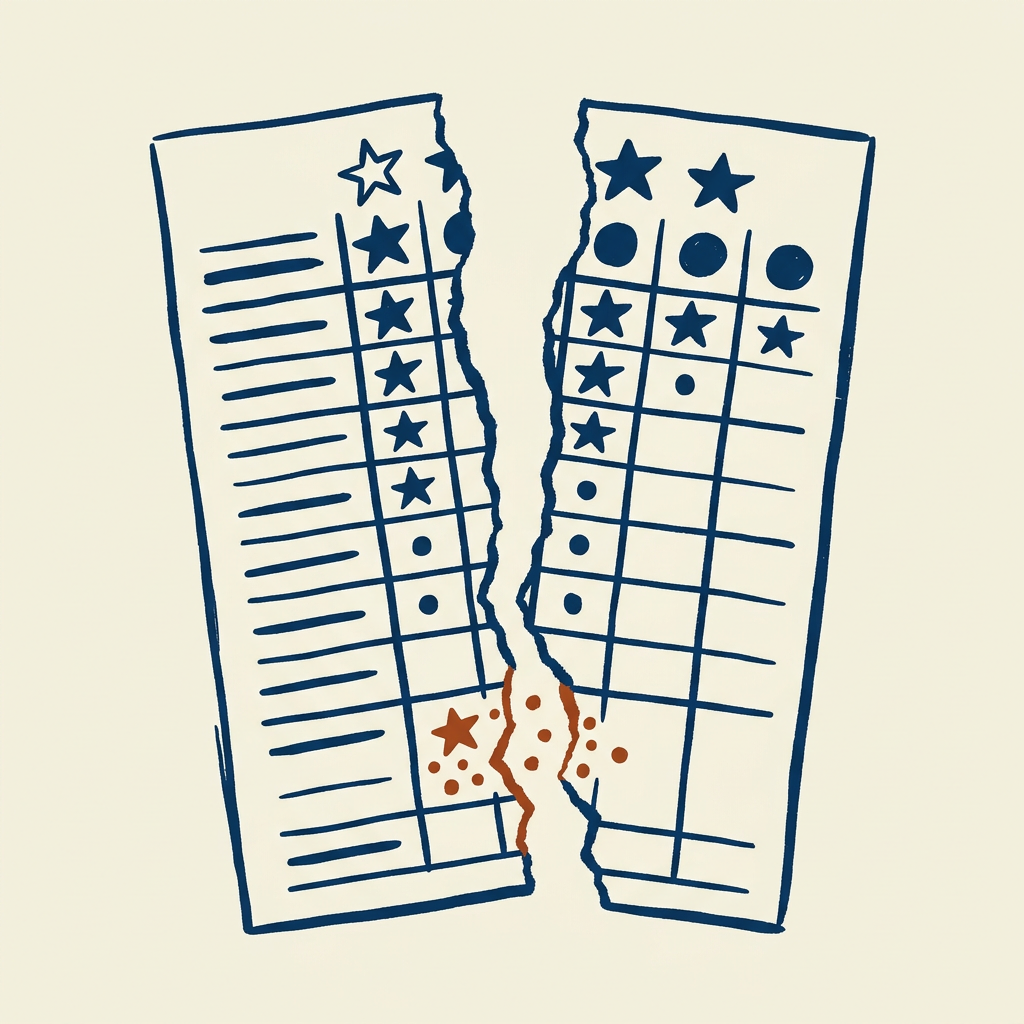
Threatening to take a tablet does not install frustration tolerance. It adds another frustrating demand on top of the original one and often triggers a bigger explosion. The child experiences repeated Plan A as proof that adults expect something impossible and will punish the failure to deliver it.
He is not against structure or expectations. He is against unilateral threat as the tool for a capacity problem. The comparison is punishing a child for a seizure: the disruption is real, the lever is wrong, and added stress often worsens the state. The support he offers is mostly clinical observation of families who arrive having already exhausted Plan A—not a controlled comparison, a limit worth keeping in view.
In practice: Families who escalate sticker charts, grounding, and increasingly severe timeouts often watch the frequency and intensity of meltdowns rise, not fall.
4
Three plans, not one
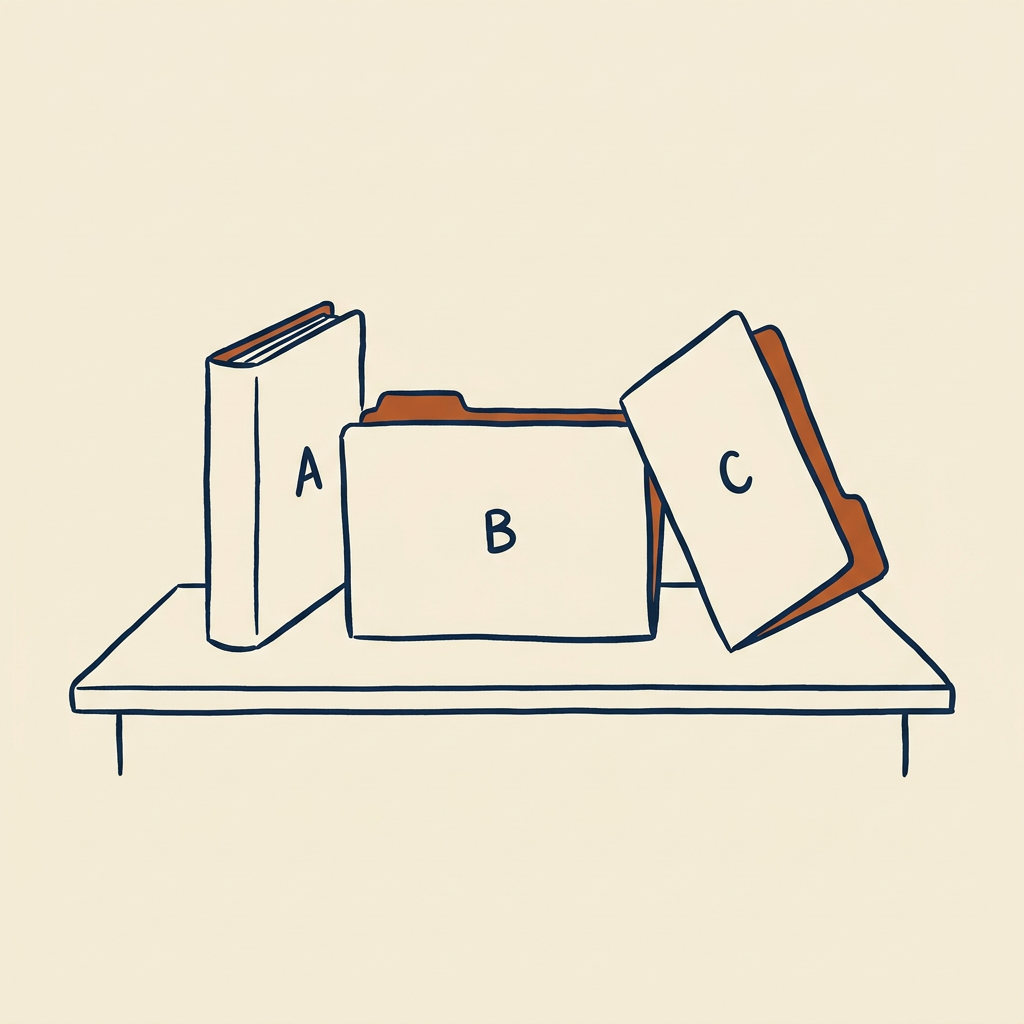
For each unsolved problem, deliberately choose impose (A), collaborate (B), or temporarily drop (C); treating every demand as equally non-negotiable multiplies explosions.
Having set Plan A aside as the default, Greene does not argue for permissiveness. Plan C means consciously parking a specific expectation for a while—not because it does not matter, but because chasing it now generates more explosions than the family or class can absorb while higher-priority problems get worked.
Plan B, collaborative problem-solving, is reserved for the problems worth solving now and becomes the long-term aim for whatever currently sits under C. The point is prioritization language instead of an unspoken rule that every rule must be enforced every time or the child “wins.”
Inconsistent enforcement of a low-priority demand is not the same as abandoning values. Bandwidth is finite. So is the number of explosions a household can sustain before everyone is depleted. Sequencing the battles is the work.
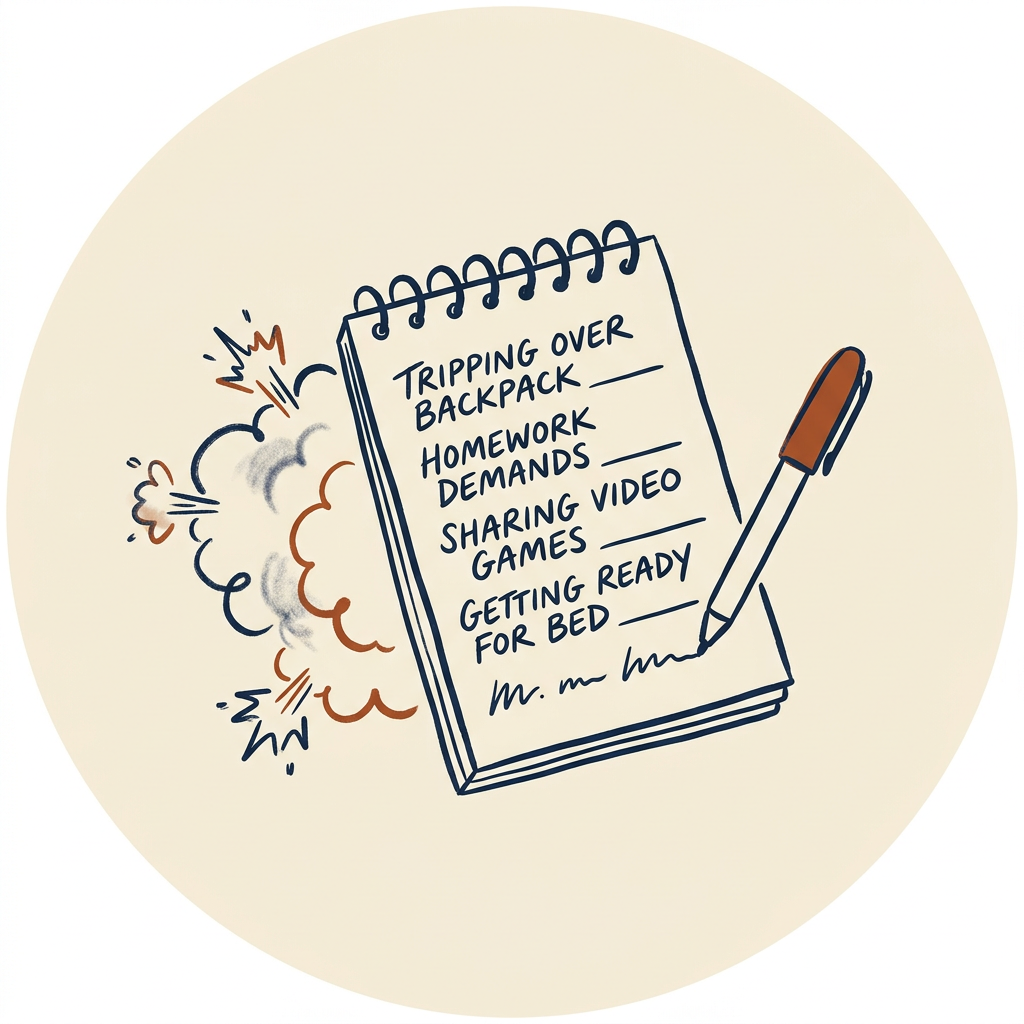
In practice: A family drowning in simultaneous daily battles over bedtime, chores, and homework shelves bedtime consistency for a few months and puts full energy into homework, which is doing the most damage to school standing and self-esteem.
5
Map the actual triggers
Vague character complaints block progress; you need specific, observable, recurring situations written down before explosions.
Not usable
He's defiant about homework
Usable
Difficulty starting written work when more than one assignment is due the same night
Worn-down adults drift toward global stories: defiant, lazy, manipulative. Those words feel true and still block design. You cannot build a fix for “manipulative.” You can redesign a described situation.
Greene’s assessment process—later known as ALSUP—lists lagging skills and, more usefully, unsolved problems in concrete terms. “Defiant about homework” is not usable. “Has difficulty starting written assignments when more than one is due the same night” points toward breaking work into pieces or adding a warm-up routine.
The list is ongoing and revisable, not a one-time diagnosis. New unsolved problems surface as old ones resolve. The aim is a shrinking list as skills build and situations get redesigned around the child’s current capacity.
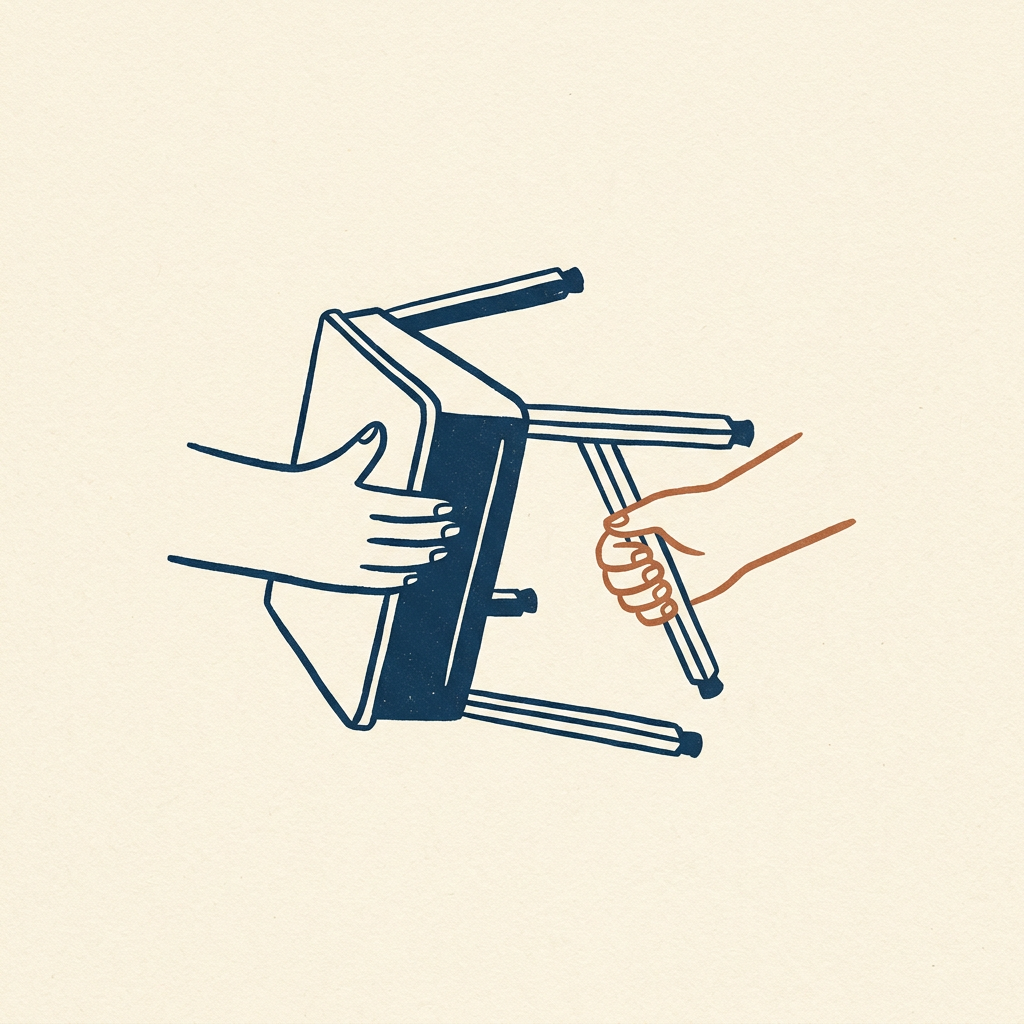
In practice: In a family session a therapist helps parents translate “she's manipulative” and “he's lazy” into situational unsolved problems: transitions off preferred activities, ambiguous multi-step instructions, sensory overload in loud environments, and being told no without an alternative offered.
6
Handle the explosion first
Mid-meltdown the priority is de-escalation through empathy and information-gathering, not correction, because reasoning is offline.
Emergency Plan B is damage control, not teaching. A child in the grip of frustration has limited access to the very skills the family wants to grow, so this is the wrong moment for lectures or for demanding feelings the child cannot yet name.
The sequence is simple. Empathy first: reflect what is happening without judgment. Once the child can hear you, define the problem by stating your own concern briefly. Then invite a joint search for any way forward, even temporary or partial.
Success is measured by a calmer child and an unsolved problem deferred to a better hour—not by extracting a promise on the spot.
In practice: A teacher faces a student who has flipped a desk after being told to stop drawing and start a worksheet; instead of a disciplinary referral she names what she saw, states that the worksheet still needs to get done today, and asks what might help.

7
Solve it before it recurs
Durable change comes from working out solutions to recurring triggers in calm moments, not from managing each crisis as it hits.
Proactive Plan B is where Greene locates the real mechanism of long-term change. Outside the heat, caregiver and child revisit one unsolved problem already on the list and run empathy, adult concern, and invitation at a pace that allows real negotiation.
The goal is a solution that is durable—it will get used next time—and mutually satisfactory. It has to address the adult’s legitimate concern and the child’s actual difficulty, not just be tolerated under pressure. A plan designed for the child rather than with the child carries only as much weight as the adult willing to enforce it that day.
Child ownership is what makes the plan travel when no adult is standing there. Most behavior plans fail, he argues, for that design reason more than because the underlying idea was wrong.
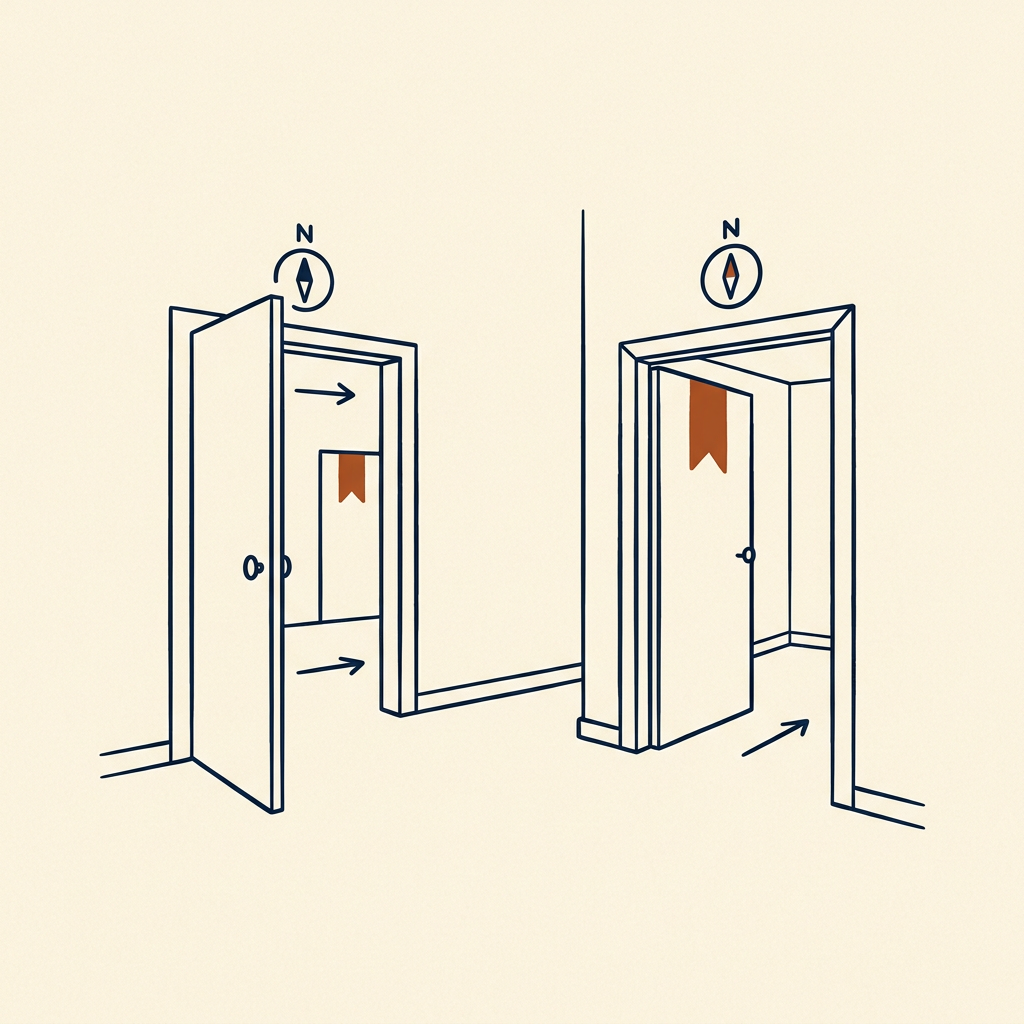
In practice: A parent and son renegotiate a recurring homework meltdown: hardest subject first while snacking, a ten-minute warning before starting, and a checklist the boy designed himself—not necessarily the plan the parent would have chosen alone.
8
Get every adult aligned
The approach frays when caregivers and teachers run different playbooks, because inconsistent responses recreate the confusion the model tries to remove.
A father on Plan B while a mother stays on strict Plan A sends contradictory signals about when a trigger means negotiation and when it means punishment. That inconsistency itself becomes a new unsolved problem.
The same tension plays between home and school. Progress at home can vanish in a bad week if the disciplinary code still runs on consequences, suspensions, and office referrals. Greene treats bringing teacher, counselor, and principal into one frame as necessary, not optional—often through a 504 or IEP meeting that turns specific unsolved problems into accommodations rather than punishments.
One adult using Plan B can reduce explosions some. The wider environment still lights multiple fuses if other adults have not shifted. Persuading people who hear empathy as permissiveness is often harder than learning the three-step talk, and the book makes the case for alignment more than it hands over a guaranteed script for winning over a skeptical administrator.
In practice: A school team—teacher, counselor, principal—is brought into alignment through a 504 or IEP meeting that translates the child's specific unsolved problems into classroom accommodations instead of punitive responses.
9
What progress really looks like
Measure falling frequency and intensity of explosions and gradual skill growth, not sudden or complete compliance.
- Early onNear-daily explosions; evenings spent braced
- Over monthsDown to a few times a week; remaining ones shorter and milder
- Around six monthsNew triggers still appear but get named and worked without collapse
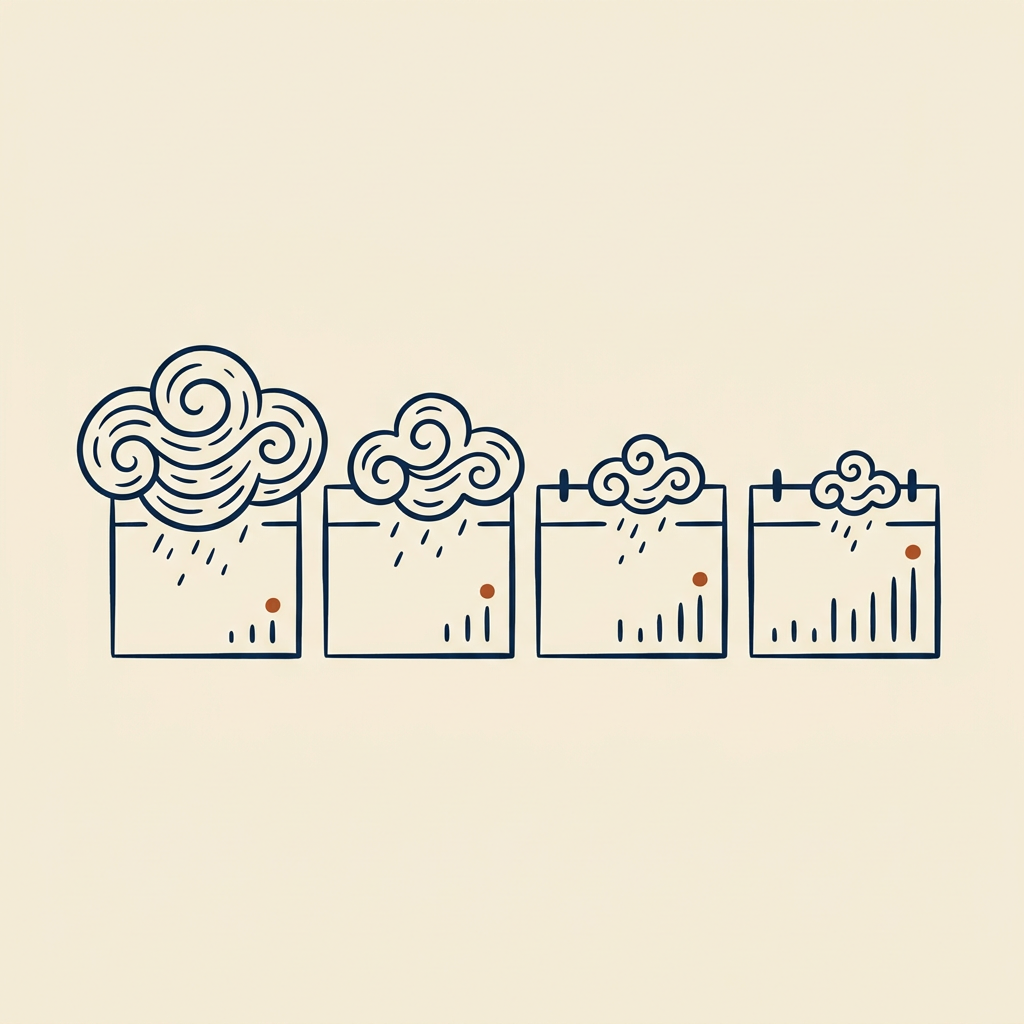
Families arrive hoping explosions will end quickly and feel discouraged when early Plan B talks still sometimes end badly. Greene resets the scoreboard to pattern. Track the log: near-daily blow-ups easing to a few times a week over several months, with remaining ones shorter and less severe.
All-or-nothing judgments of a single conversation miss the point. A talk that fails to yield a full solution but lowers distress or surfaces a previously unnamed trigger still counts. Flexibility, frustration tolerance, and verbal problem-solving build slowly and unevenly. A child may handle one category of unsolved problem well and still stumble on another that looks similar from the outside.
The timeline is longer and less certain than reward-based plans that can show faster, often less durable, compliance. The corrective is aimed at the reader’s impatience as much as the child’s behavior.
In practice: Six months in, a family is no longer bracing for explosions every evening; new triggers still appear, but they can name them and work them through without the household unraveling.
Key terms
- Kids do well if they can Greene's reframe: explosions mark missing capacity at a demand, not missing motivation.
- Lagging skills Specific missing abilities—flexibility, frustration tolerance, shifting, solution-finding, verbal expression—that calm behavior needs.
- Plan A Adult imposes the outcome through rewards, consequences, or ultimatums.
- Plan B Adult and child solve a specific unsolved problem together through empathy, concern, and invitation.
- Plan C Adult consciously and temporarily drops an expectation to free bandwidth for higher-priority problems.
- Unsolved problems Concrete, recurring situations that reliably precede explosions, written in observable terms.
- ALSUP Structured listing of lagging skills and specific unsolved problems, kept alive and revised over time.
- Emergency Plan B In-the-moment de-escalation: empathy, brief adult concern, invitation—measured by calm, not a finished deal.
- Proactive Plan B Calm-moment negotiation of a recurring trigger aimed at a durable, mutually satisfactory solution the child co-owns.
What to do
- Pick one recurring blow-up from this week and write exactly what preceded it—the specific demand, transition, or ambiguity, not a character label.
- Wait for a calm moment and ask your child what makes that situation hard, listening before you propose anything.
- Before the next confrontation, decide ahead whether that expectation is Plan A, Plan B, or Plan C today—do not decide in the heat.
- If other adults supervise the child, spend one conversation aligning on the same written list of specific triggers.
- Start a simple log of explosion frequency and length so pattern change is visible over months.
- Practice one empathy line out loud once when no one is upset, so it is available when someone is.
Questions to think with
- Which of your child's explosions still get explained as attitude rather than a named skill gap?
- What expectation are you enforcing every time that might belong under Plan C while you stabilize something more damaging?
- Who else around the child is still running pure Plan A, and what mixed signal does that send?
- How will you define progress in three months if total compliance is the wrong target?
- When a meltdown starts, what is your first move—and does it assume the child can still reason?
The other side
The book's force rests mostly on clinical case narrative from Greene's practice, not controlled comparisons. Later work tied to his model shows real drops in restraint and seclusion in some facilities, but independent replication is thinner and there is no strong head-to-head trial against established programs like Parent-Child Interaction Therapy or Incredible Years. Behaviorally oriented clinicians argue that dropping contingencies can remove one of the few working levers for some children with conduct problems shading toward callous-unemotional traits, and the framework gives limited help telling those children apart. The original text is thin on immediate physical safety, very young or nonverbal children, large classrooms with little time for negotiation, and what happens when the caregiver—not just the child—runs out of regulation mid-conversation.
Who it's for
Parents whose child has frequent, intense meltdowns that stickers, timeouts, and lost privileges have failed to reduce will get the most, along with teachers, administrators, and clinicians building plans for students with ADHD, autism, or oppositional patterns who escalate under ordinary demands and transitions.