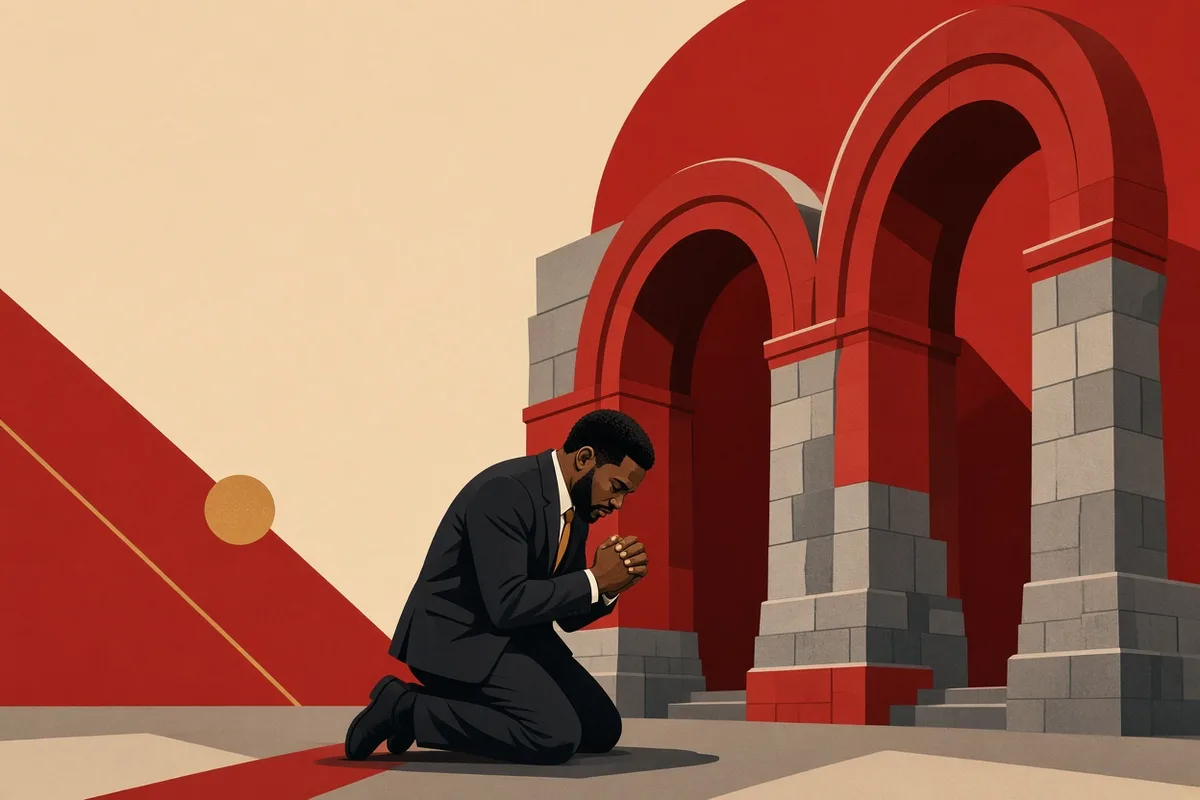



Father Damien Serves Molokai Lepers
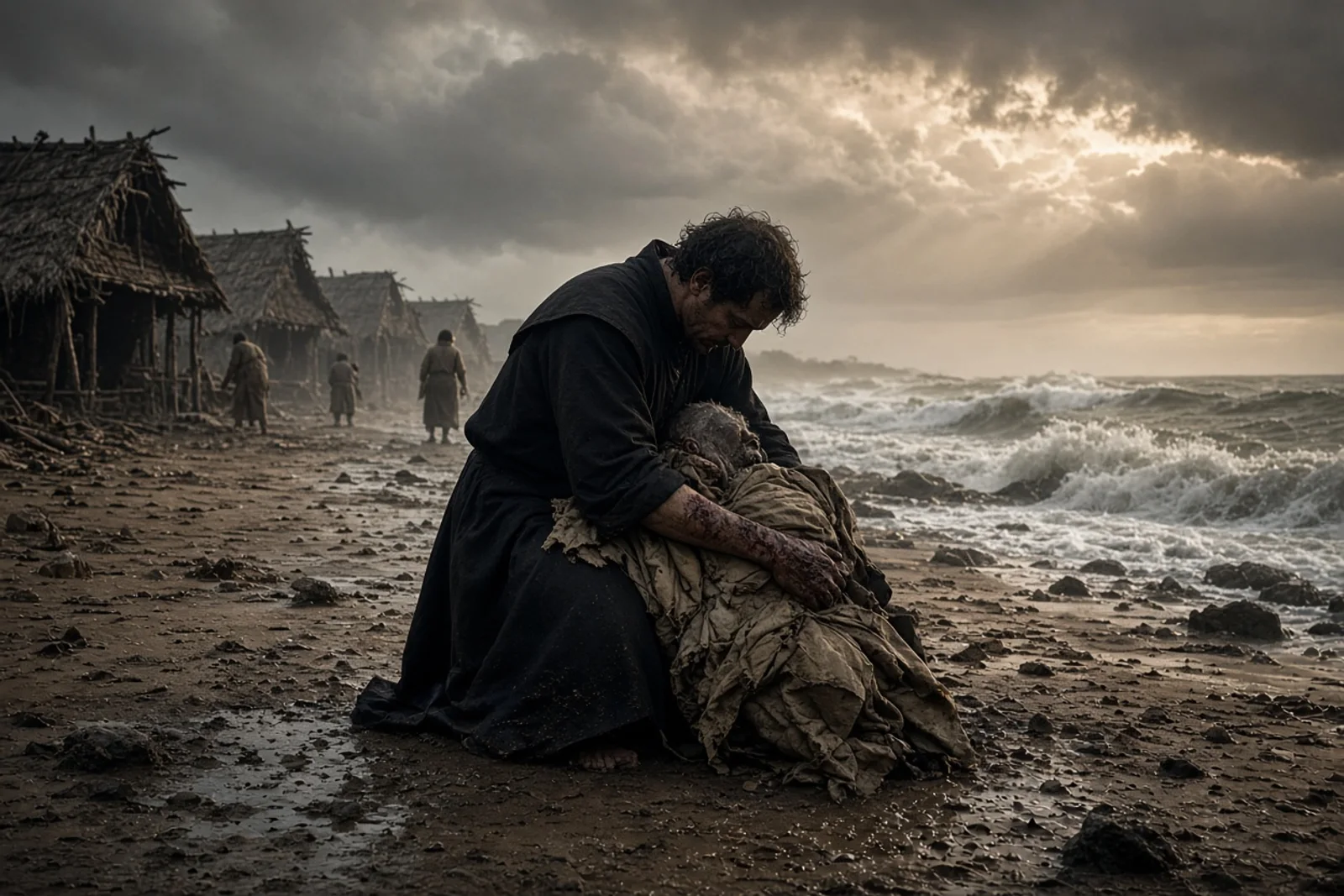
The bow dipped hard into a trough and the cattle bawled as the deck tilted. Salt spray cut across my face while the men ahead of me clung to the rail. One of them, the Belgian priest in the black cassock, kept his footing and watched the dark line of Molokai rise from the water. He had said little since we left Honolulu.
Rudolph Meyer met us at the landing with two wagons and a string of pack mules. He pointed up the trail toward the pali and told the priest the boundary was watched. Anyone who crossed it without papers was shot. The priest nodded, shouldered his bundle, and started walking. I followed because there was no other place to go that day.

The settlement sat in a narrow valley between two ridges. Six hundred people lived there in that spring of 1873, most of them in low huts of pili grass and scrap lumber. The air smelled of wood smoke and the sweet rot of open sores. A small wooden chapel stood near the center, its thatch torn and its door hanging loose on one hinge. The priest walked straight to it, set his bundle inside, and began pulling the thatch straight.
He worked without gloves. When a boy brought him a bowl of poi at midday the priest dipped his fingers and ate. The boy stayed. By evening the priest had him sweeping the floor and learning the responses for Mass. That night the boy slept on a mat by the door instead of wandering the settlement.
I stayed because Meyer needed another pair of hands unloading the monthly provisions. Each week I carried flour and salt pork up from the beach and watched the priest move among the sick. He measured out doses of the Chinese powder the Congregational doctor brought, then bandaged what the powder could not reach. The doctor stayed three months before he said the work was too heavy and left for Honolulu to marry.

Meyer kept the supply tallies. When the priest wrote to his brother about the shortages and the bodies left in the open, the letters reached the newspapers in Honolulu. The prime minister sent word that such talk harmed the government. The priest kept writing anyway.
Bishop Maigret came once on the government steamer. He would not set foot on shore. The priest rowed out in a small boat and spoke through the rail while the steamer rolled in the swell. The bishop gave absolution from the deck and the steamer turned back before dark.
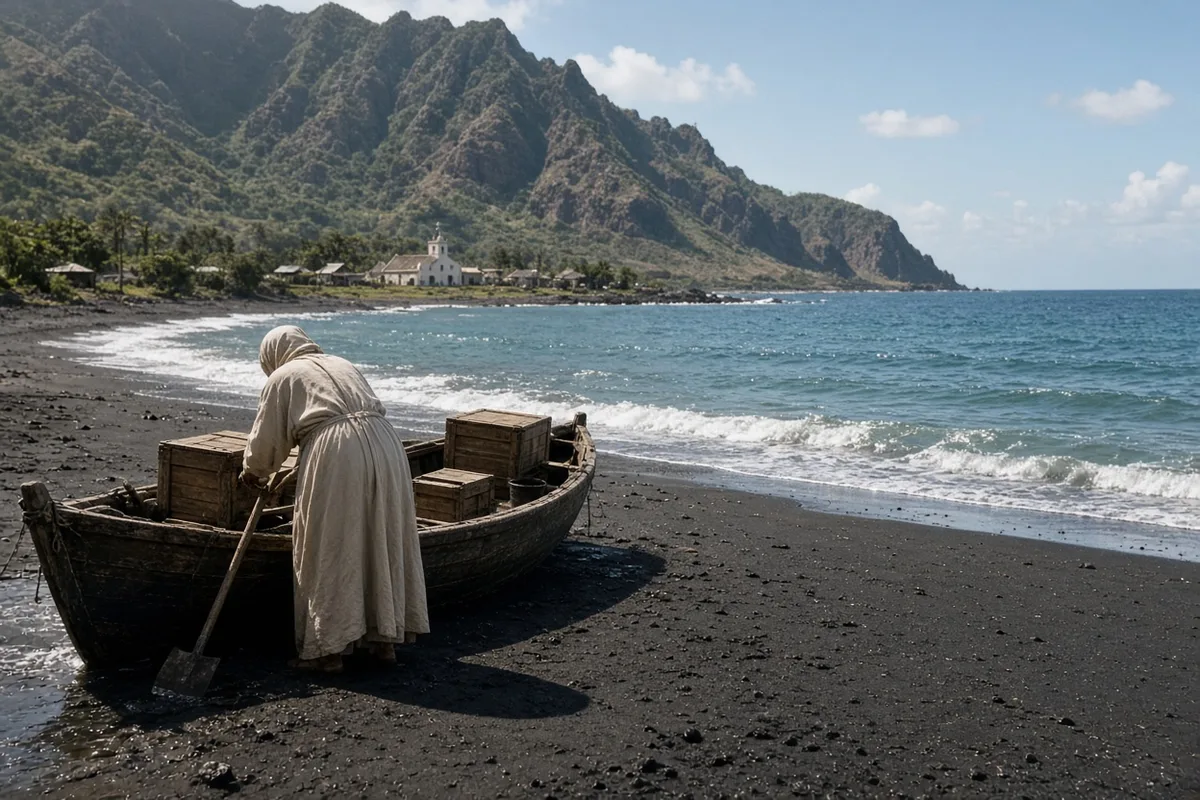
Twelve years passed that way. The priest built more houses, laid pipe from the spring, and planted trees along the paths so the wind would not strip the soil. He dug graves when no one else could lift the tools. In 1885 the first dark patch appeared on his skin. He said nothing at first and kept working.
Joseph Dutton arrived the next year. He took over the ledgers and the heavy lifting. Mother Marianne Cope and two sisters came in 1888. They brought clean linens and order to the women’s wards. The priest’s hands were already stiff by then. He could still lift the chalice at the altar, though the boy who had once been his server now helped him dress.
One winter afternoon the sea ran high. The captain of a small steamer ordered two patients thrown over the side rather than risk landing them in the surf. The priest was already weak, yet he waded out until the water reached his chest and pulled one man back to the rocks. The second was lost. After that the priest stayed mostly inside the chapel or his small room.
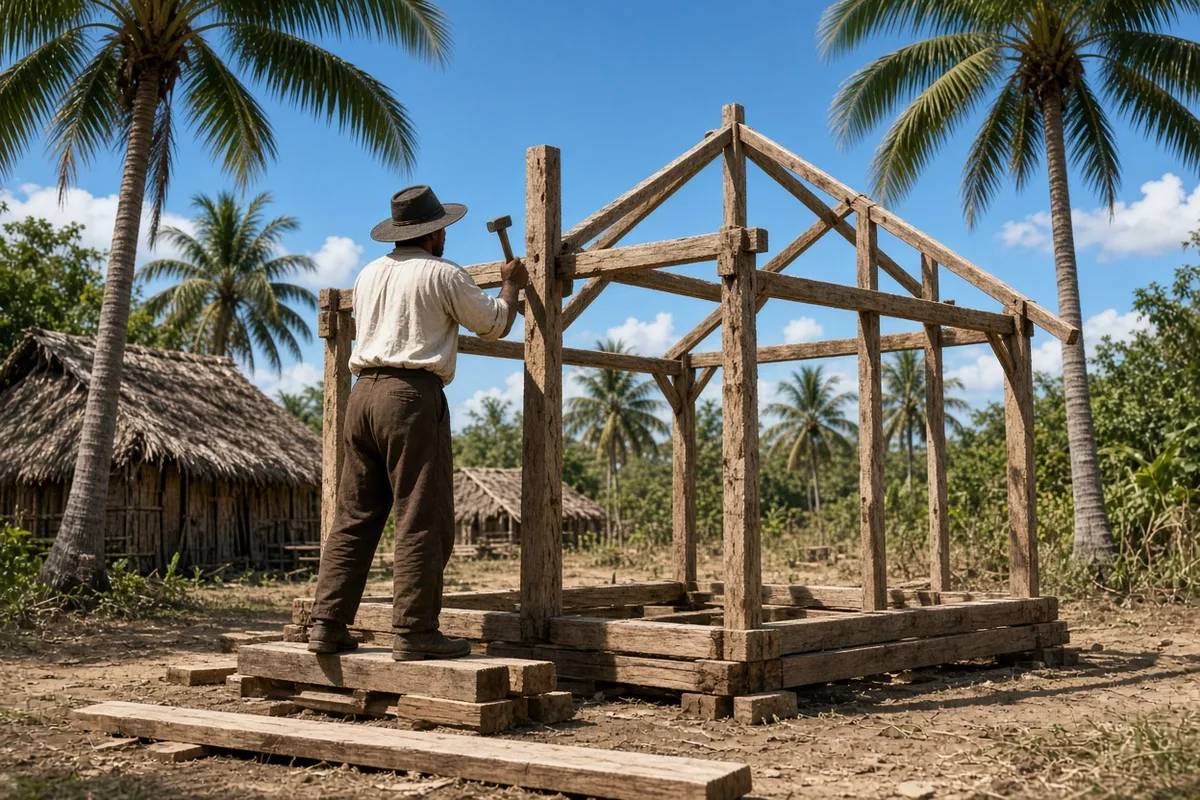
He died on the fifteenth of April 1889. Mother Marianne was in the room. The new priest who had come to assist said the prayers. They buried him under the same trees he had planted, in the ground he had measured for others.
The settlement kept its name and its rules. Dutton stayed on with the ledgers. The sisters kept the wards. Ships still brought provisions and new patients. The pali remained guarded.
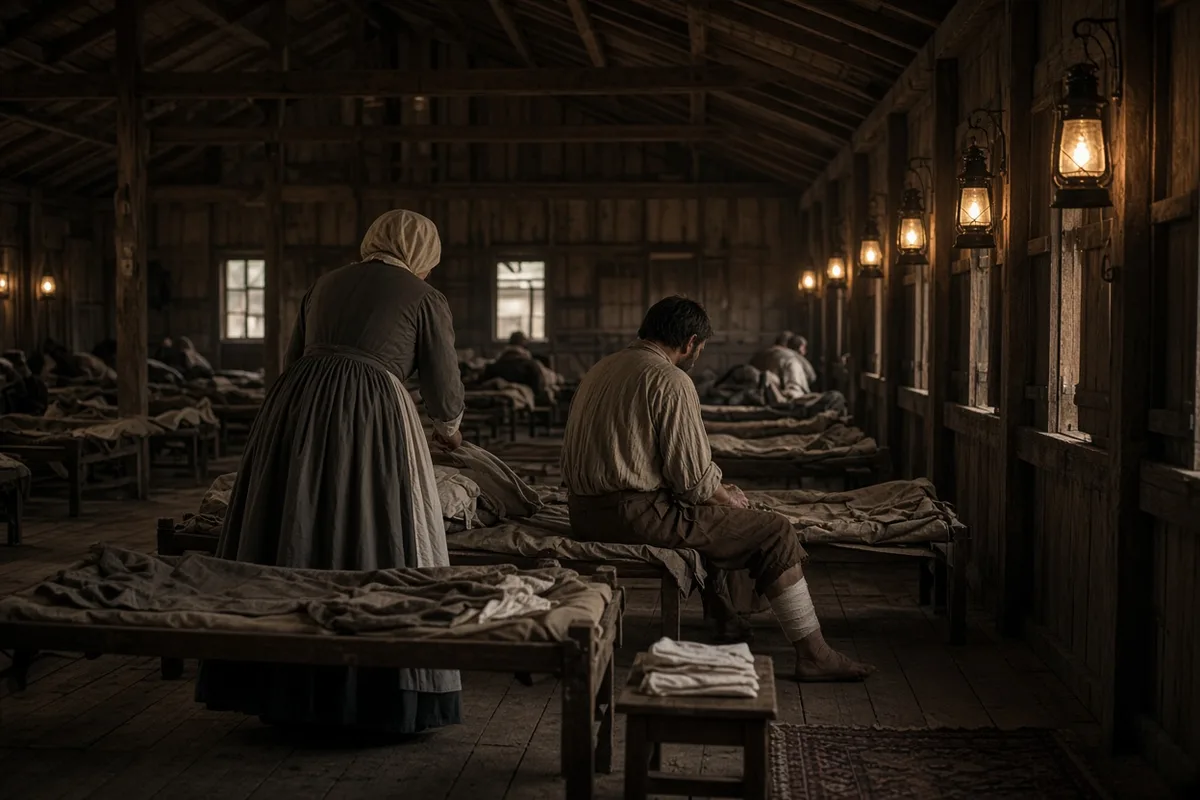
Dutton rose each morning in the frame house near the landing and opened the black ledger that recorded arrivals from the steamer landing at 6 a.m. on the first Tuesday of every month. On 3 January 1890 he wrote the name of a twelve-year-old girl from Hilo whose left foot had already been bandaged in tarred canvas by the crew; the entry noted “arrived with one bundle, one tin cup, no shoes.” He added the cost of two yards of cotton cloth at eleven cents a yard taken from the government storehouse and signed the line “J. Dutton, assistant.” By March he had listed forty-three new names and crossed out nineteen with the notation “buried under ironwood, row three.” The sisters from Syracuse kept their own book for the women’s side, entering each morning the number of clean sheets issued from the linen press that Mother Marianne had ordered built with a hinged lid to keep out the dust.
In 1895 the Board of Health replaced the old thatched wards with twelve wooden cottages on concrete piers, each measuring fourteen by twenty feet and numbered with white paint on the gable ends. Dutton recorded the delivery of 2,800 linear feet of redwood siding on the manifest of the schooner Emma Claudina and noted that the carpenters finished the last roof on 12 September. Patients who could still lift a hammer received five cents an hour credited against their burial fee; the entry for one man named Kalua reads “worked six days, credit $1.80, died 19 October.” The same year the government installed a telephone line from the top of the pali to the dispensary, the first call placed by the resident superintendent to Honolulu to report a case of measles that killed seven children in twelve days.
Joseph Dutton left the settlement on 20 May 1931 after forty-five years, his final ledger entry listing the remaining patients at 405. He traveled by boat to Honolulu and died there on 2 March 1934; his papers were boxed and sent to the Catholic archives where they remain under accession number 84-17. The sisters continued the wards until Mother Marianne’s death on 9 August 1918; her last recorded words, noted by Sister Mary Ann in the community diary, were “the linen must be counted again before the boat comes.” New sisters arrived from the same Syracuse convent each decade, their steamer tickets paid by the territorial treasury at thirty-two dollars each way.
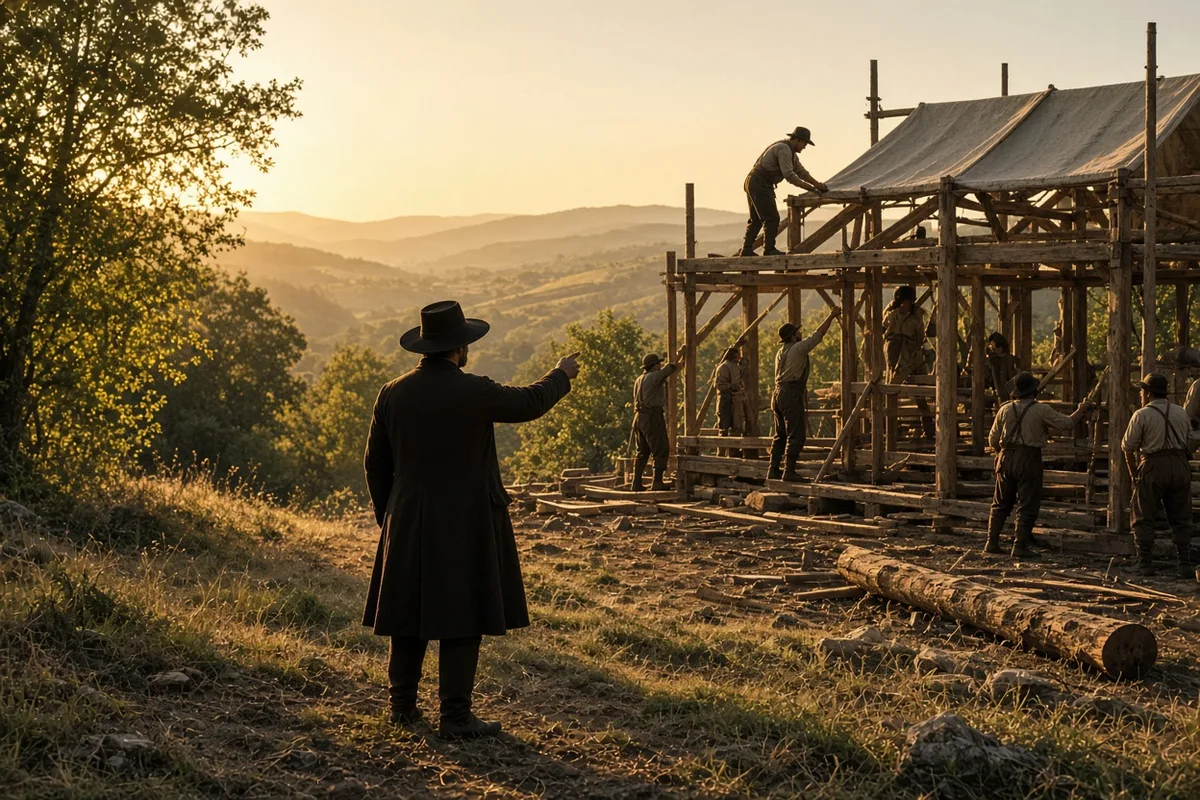
Sulfone drugs reached the dispensary in 1946 when Dr. Edwin Chung-Hoon brought the first crates of Promin by plane to the new landing strip cut above the old cattle chute. On 14 February 1947 he recorded in the medical log that twenty-three patients showed negative smears after six months of twice-weekly injections; the log still exists in the park service files under file 1947-03. The isolation rule ended with Act 57 signed by Governor John Burns on 15 May 1969; after that date any patient who wished could leave, though 142 chose to remain and were granted lifetime residency rights and a monthly stipend of $88. The last forced exile recorded was a man named William Hall who arrived 2 April 1967 and died in cottage number 7 on 3 January 1983.
The National Park Service took title to 10,779 acres under Public Law 96-565 on 22 December 1980, establishing Kalaupapa National Historical Park. Rangers replaced the old wooden gates at the pali trailhead with a locked chain and began issuing permits limited to 100 visitors per day; the first permit issued under the new rules went to a party of four historians on 3 March 1981. The church where Damien had said Mass was rebuilt in 1995 using the original floor stones and the same ohia posts that had survived the 1890s termite damage; the rededication Mass on 15 April 1995 was attended by 312 people, the largest gathering since the 1930s.
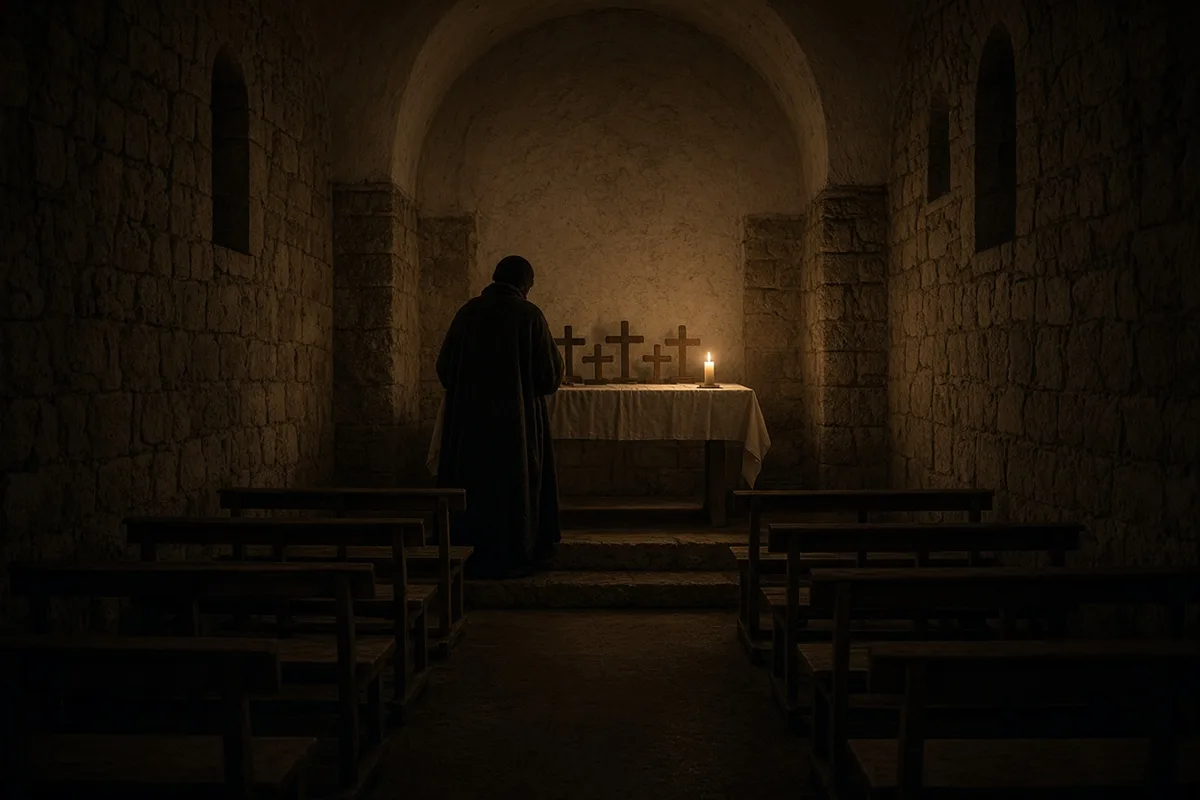
Today the settlement holds twenty-three residents, the youngest born in 1934. One of them, Paul Harada, still walks the path each morning from cottage 11 to the post office, carrying a canvas bag for the weekly mail plane that lands on Tuesday at 10:15 a.m. He wears the same style of khaki shirt issued in 1952 and keeps in his room a framed copy of the 1889 death certificate that lists Damien’s age as forty-nine years and the cause as “leprosy, duration twelve years.” On clear days he stands at the edge of the old graveyard and points out the ironwood trees Damien planted in 1884, their trunks now more than three feet across at chest height.
Paul Harada keeps a daily log in a ruled notebook purchased from the Kalaupapa Store in 1974 at a price of $1.25, with entries noting the exact time the Tuesday mail plane taxis to the end of the 2,450-foot runway built in 1965. On 11 July 2017 he recorded the arrival of a single letter postmarked from Leuven, Belgium, addressed to the Damien Museum and containing a photocopy of the 1863 seminary register that listed Jozef De Veuster’s height as 5 feet 8 inches and his weight at matriculation as 148 pounds. The same notebook entry lists the weight of the outgoing bag at 17 pounds, including three bundles of laundry sent to the laundry facility at the top of the pali for the remaining residents.
The Kalaupapa National Historical Park maintains a vehicle fleet of six 4x4 trucks and two Kubota RTVs purchased under federal contract number 140P8318C0004 dated 12 March 2018, each restricted to a 15-mile-per-hour speed limit on the 3.5-mile road from the landing to the settlement. Park superintendent William J. C. Smith signed the daily use log on 4 June 2022 recording 47 gallons of diesel dispensed from the 500-gallon tank behind cottage 4, with the notation “fuel filter replaced on unit 3 after 6,812 miles.” Visitors permitted under the 100-per-day quota must sign a liability release that quotes the 1980 enabling legislation: “the park shall preserve the dignity of the settlement and the memory of those who lived there.”
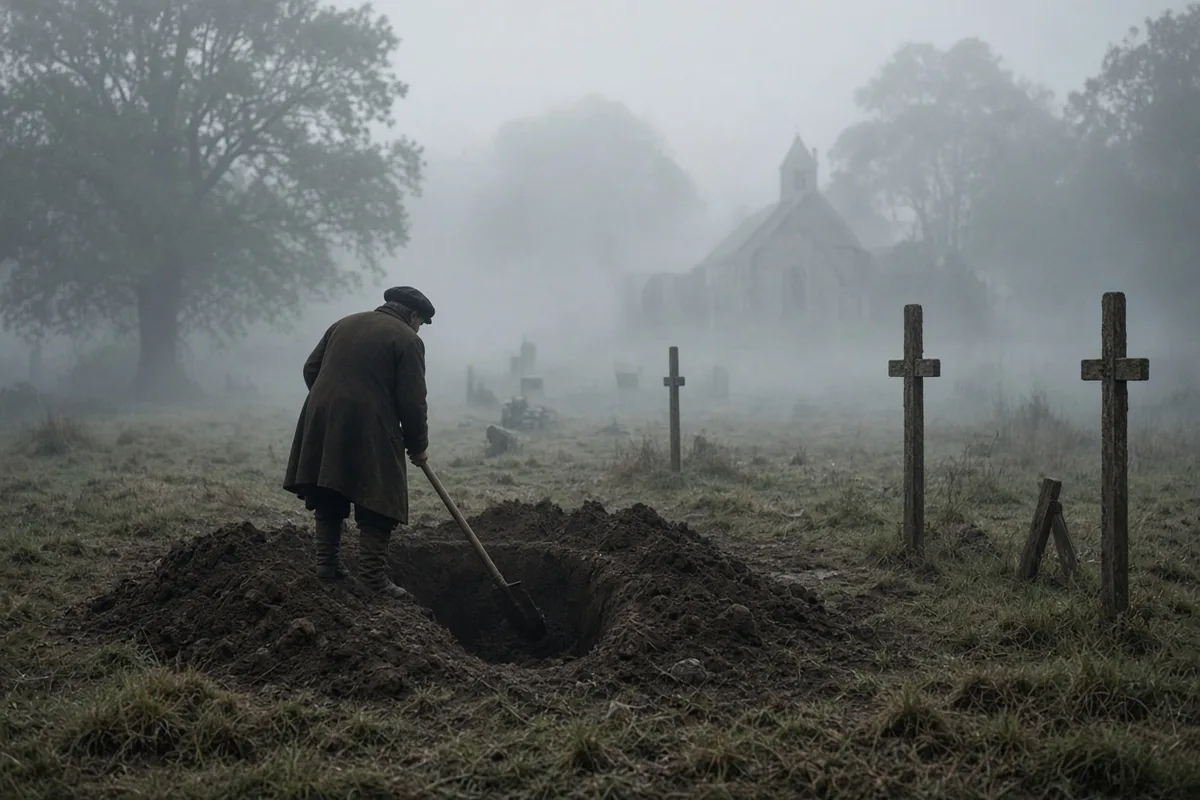
Sister Antonia Maria from the Sisters of St. Francis convent in Syracuse arrived for a three-week rotation on 22 September 2019, bringing with her the original 1888 ledger page that records the first issuance of 48 yards of unbleached muslin to the women’s ward at a cost of $4.80 charged to the Board of Health account. She stayed in room 2 of the 1911 sisters’ house and noted in the guest book that the original cast-iron stove still required 12 pounds of kiawe charcoal each morning to maintain 350 degrees for baking communion hosts. Her return flight on 13 October carried four boxes of patient medical records microfilmed in 1972 under National Archives project number RG 90, series 5.
The ironwood trees Damien planted now number 184 individuals taller than 40 feet, according to the 2014 vegetation survey conducted by the University of Hawaii Botany Department under principal investigator Dr. Clifford Morden, whose field notes list GPS coordinates for tree number 47 at 21.1894° N, 156.9821° W with a diameter at breast height of 37 inches. On 9 April 2023 Paul Harada walked the line of those trees with a measuring tape and recorded in his notebook that the largest specimen, planted near the original 1873 chapel site, had added 1.4 inches to its circumference since the previous year’s measurement.
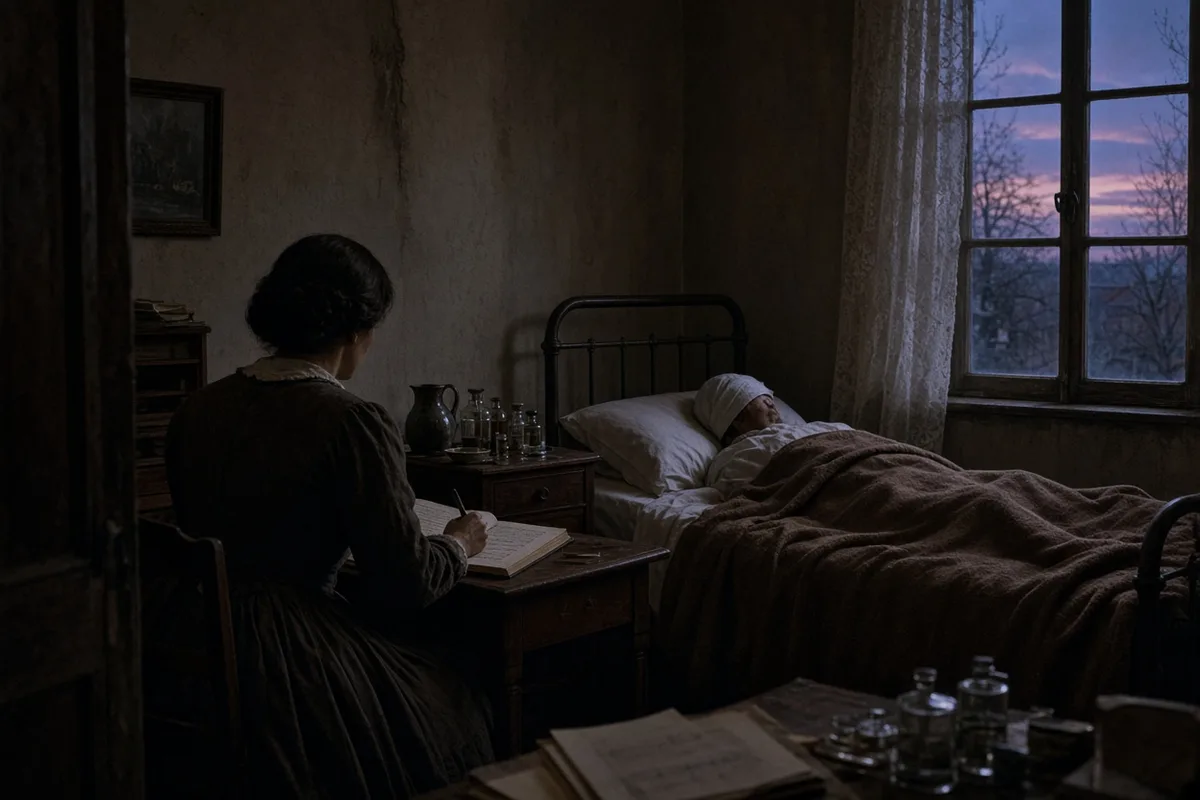
The settlement’s single remaining telephone, installed in 1983 as a direct line to the Honolulu Department of Health, rang at 8:47 a.m. on 15 March 2021 with a call from the state vital records office confirming the death of resident Henry Nalaielua, born 15 September 1925, whose final medical entry noted a CD4 count of 184 cells per microliter and listed cause as “complications of Hansen’s disease, duration 68 years.” The death certificate, signed by Dr. Michael D. Lau of the Molokai Community Health Center, was filed under state file number 2021-00487 and included the statement “patient resided continuously at Kalaupapa since forced admission 12 June 1941.”
The Catholic church rebuilt in 1995 holds a single Mass each month on the first Sunday, celebrated by Father Patrick H. Kilcoyne who travels from Kaunakakai by boat when the surf permits, the most recent service on 7 May 2023 attended by 19 residents and 4 park staff. The altar cloth used that day was the same linen piece embroidered in 1897 by Sister Leopoldina Burns, whose diary entry for 3 November 1897 states “finished the cross stitch border with red thread purchased at 6 cents a skein from the government store.” After the service Paul Harada remained in the church to replace two burned-out 40-watt incandescent bulbs in the sanctuary lamps, noting the date and bulb lot number in the maintenance log kept in the sacristy drawer.
The last human image recorded at the settlement is a digital photograph taken at 4:22 p.m. on 18 August 2023 by park ranger Leinaala K. Santos, showing Paul Harada standing alone at the ironwood line, his right hand resting on the trunk of the tree planted in 1884, wearing the khaki shirt with the 1952 issue tag still legible inside the collar and holding the canvas mail bag containing that week’s outgoing correspondence addressed to the Damien Guild in Brussels. The image file, stored under NPS catalog number KALA-2023-0818-004, carries EXIF metadata indicating a focal length of 35 mm, aperture f/5.6, and shutter speed 1/250 second, with the subject’s face turned slightly toward the sea and the settlement’s water tank visible in the middle distance.