FDA Approves Lilly’s Once-Weekly Type 2 Diabetes Insulin
The investor release went out on 24 September 2026 the moment the U.S. Food and Drug Administration cleared Eli Lilly’s once-weekly basal insulin for adults with type 2 diabetes. Kenneth Custer, executive vice president and president of Lilly Cardiometabolic Health, spoke for the company as the announcement reached the public.
“For over a century, Lilly has been developing insulins that transformed diabetes care for millions of people worldwide, but delays in initiating treatment and the burden of daily injections can have a real impact on patients’ day-to-day experience managing type 2 diabetes,” Custer said.
Insulin is the hormone that moves glucose out of the blood and into cells of muscle, fat, and liver. Type 2 diabetes pairs resistance to that signal with a gradual shortfall in supply, so blood sugar stays high. Basal insulin is the long-acting form meant to hold the background level steady between meals and overnight; once patients reach it, the shot is almost always daily. Custer’s sentence set a hundred years of Lilly insulin work against exactly that friction—the late start and the calendar of injections.
What the FDA had just cleared already carried a longer regulatory trail.
Onswik, the molecule known chemically as insulin efsitora alfa-gobe, is indicated along with diet and exercise to control high blood sugar in adults with type 2 diabetes. It is built to deliver steady basal insulin levels over a full seven days.
The U.S. clearance was its fourth worldwide. The European Medicines Agency, Mexico’s Federal Commission for the Protection against Sanitary Risks, and Japan’s Pharmaceuticals and Medical Devices Agency had already approved it for the same adult population.
“Onswik offers a new once-weekly basal insulin option for patients and reflects our continued commitment to deliver innovative treatment options that expand choice and provide greater flexibility in how people manage type 2 diabetes,” Custer said.
The decision places a once-weekly basal inside Lilly’s type 2 diabetes range alongside its existing insulins, incretins, oral medicines, and injectables.
More than 3,400 adults with type 2 diabetes crossed the four registration trials that make up the QWINT Phase 3 program. In every one of them, once-weekly Onswik met its primary endpoint: an A1C reduction from baseline that was non-inferior to a daily basal insulin. A1C is the blood test that averages glucose over roughly three months; non-inferior meant the weekly molecule lowered that average at least as well as the daily shots already in wide use.
QWINT-1 randomized 795 insulin-naïve participants in the United States, Argentina, and Mexico against insulin glargine and followed them for 52 weeks on fixed-escalation weekly doses. QWINT-2 randomized 928 people across eleven countries against insulin degludec for the same fifty-two weeks, deliberately including both patients already taking GLP-1 receptor agonists—medicines that slow digestion and prompt insulin after meals—and those who were not. QWINT-3 enrolled 986 adults already on basal insulin across ten countries and territories, ran them against degludec for seventy-eight weeks, and locked the primary A1C comparison at week 26.
Across the full program the overall safety profile tracked closely with the daily basals under study.
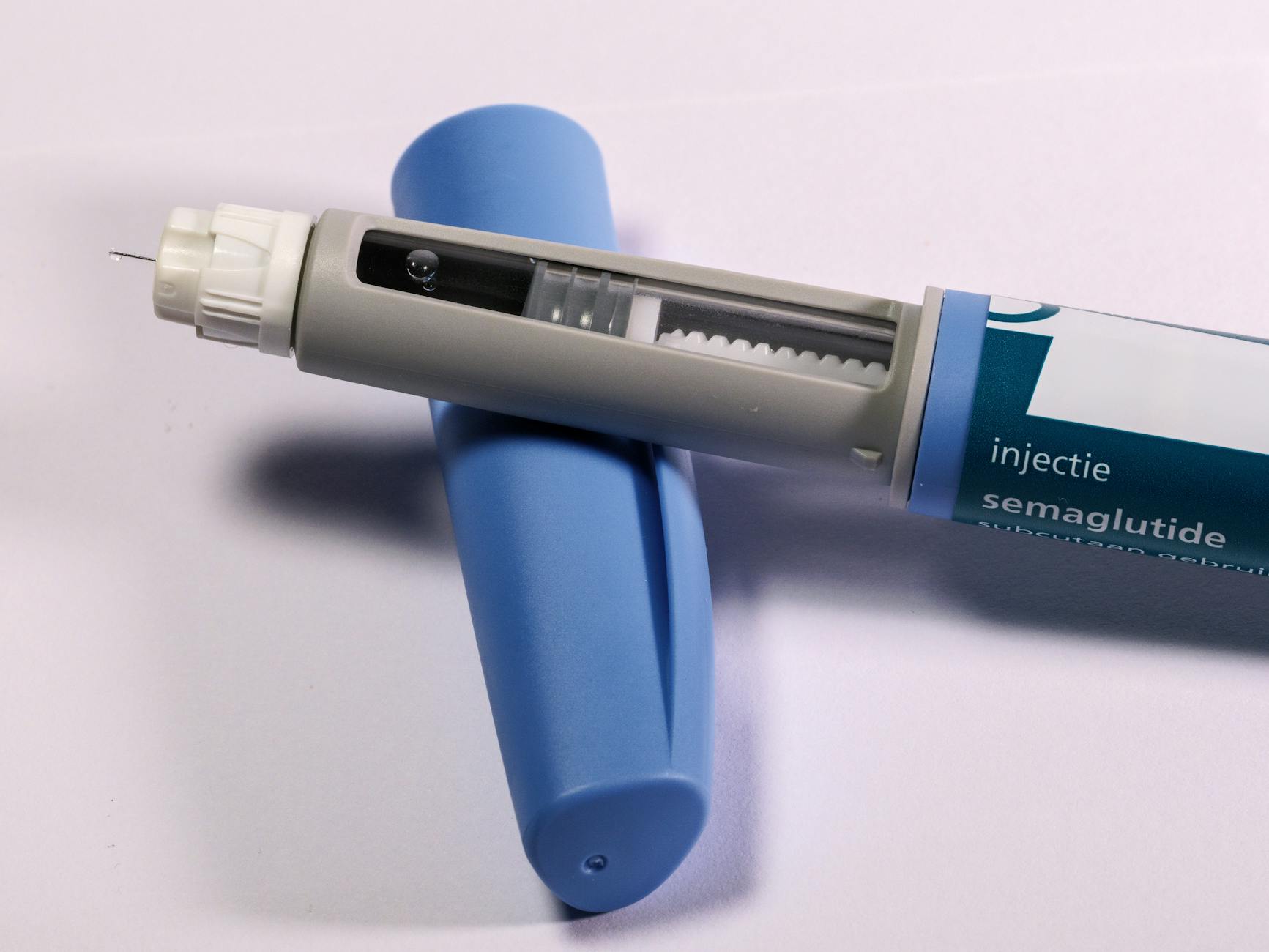
The once-weekly schedule cuts basal shots by more than 300 a year. A patient who now takes roughly 365 daily basal injections drops to 52.
Onswik must not be used in type 1 diabetes; the risk of severe hypoglycemia rises. Common side effects tracked in the trials include low blood sugar, allergic reactions, injection-site reactions, lipodystrophy, itching, rash, swelling of the hands and feet, and weight gain.
In the United States the molecule now faces Novo Nordisk’s Awiqli, insulin icodec, cleared by the FDA in March 2026 as the first weekly basal insulin. Novo set a list price of $99 per single-unit package; insured patients can pay as little as $35 a month and uninsured patients no more than $55 a month under its access programs. Lilly has not yet released pricing for Onswik.
That leaves the market to decide how quickly the second weekly basal reaches the same patients who already have a six-month head start on the first.
On 22 September 2026, two days before the announcement, several of Eli Lilly’s directors and officers filed Form 4 disclosures with the Securities and Exchange Commission.
When the clearance reached the market on the 24th, the tape split. Sources covering the session reported an intraday surge of about 3.07 percent that carried Eli Lilly shares toward levels near $1,186 on strong buying, with talk of $1,210 as the next resistance. Other same-day pricing put the stock down around 1.6 percent in the regular session, the reaction muted as if the news had already been priced in.
Viktoras Karapetjanc, analyst at Traders Union, put the technical and fundamental picture this way: “Current momentum and fundamentals put Eli Lilly in a prime position — I expect consolidation above $1,150, with any break of $1,210 opening the door to further gains.”
The Form 4 filings had come two days early. The conflicting numbers on the tape left the next test to the pens still on the calendar.
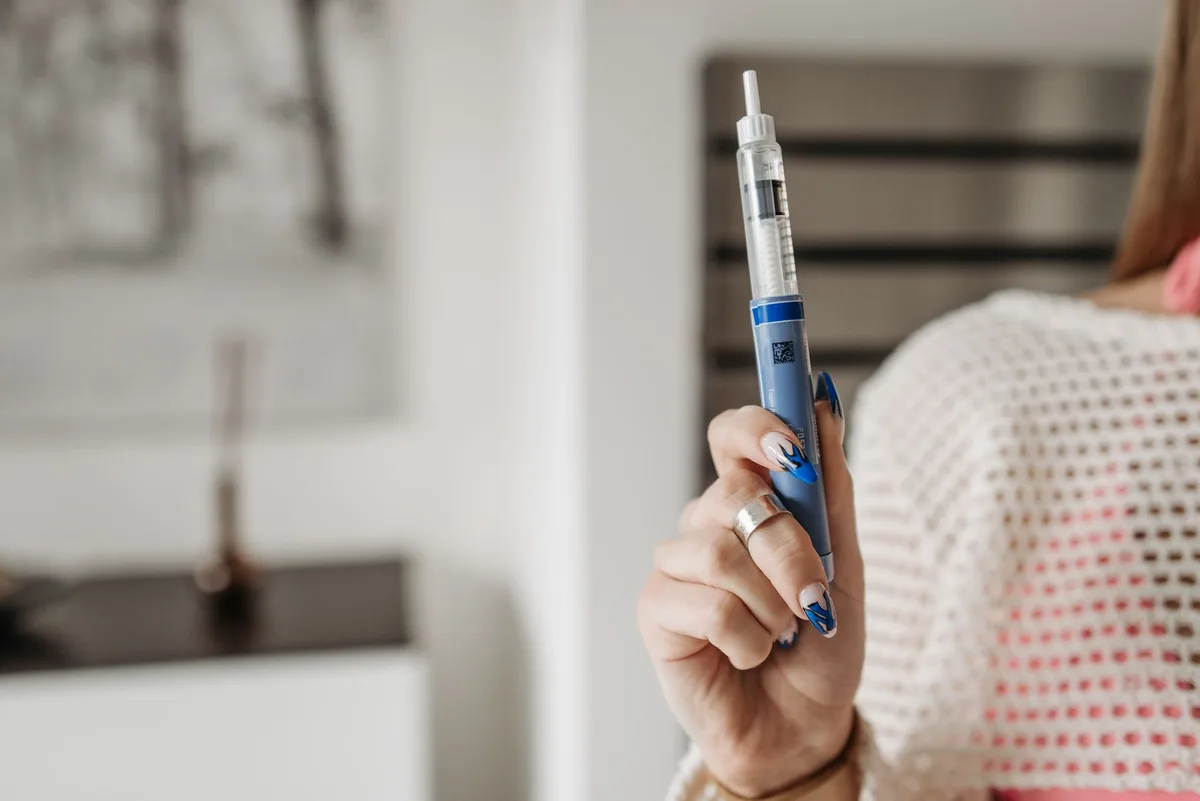
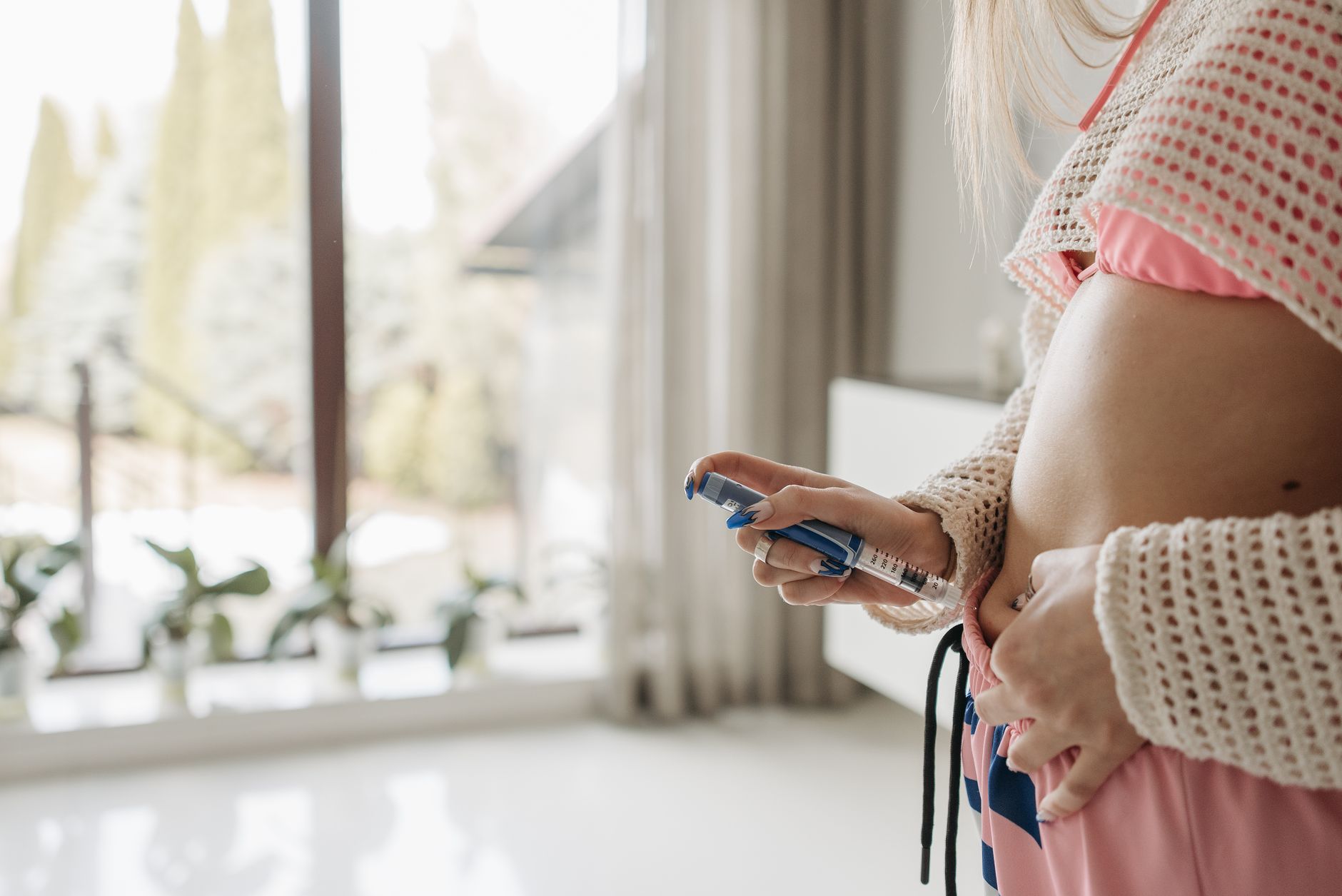
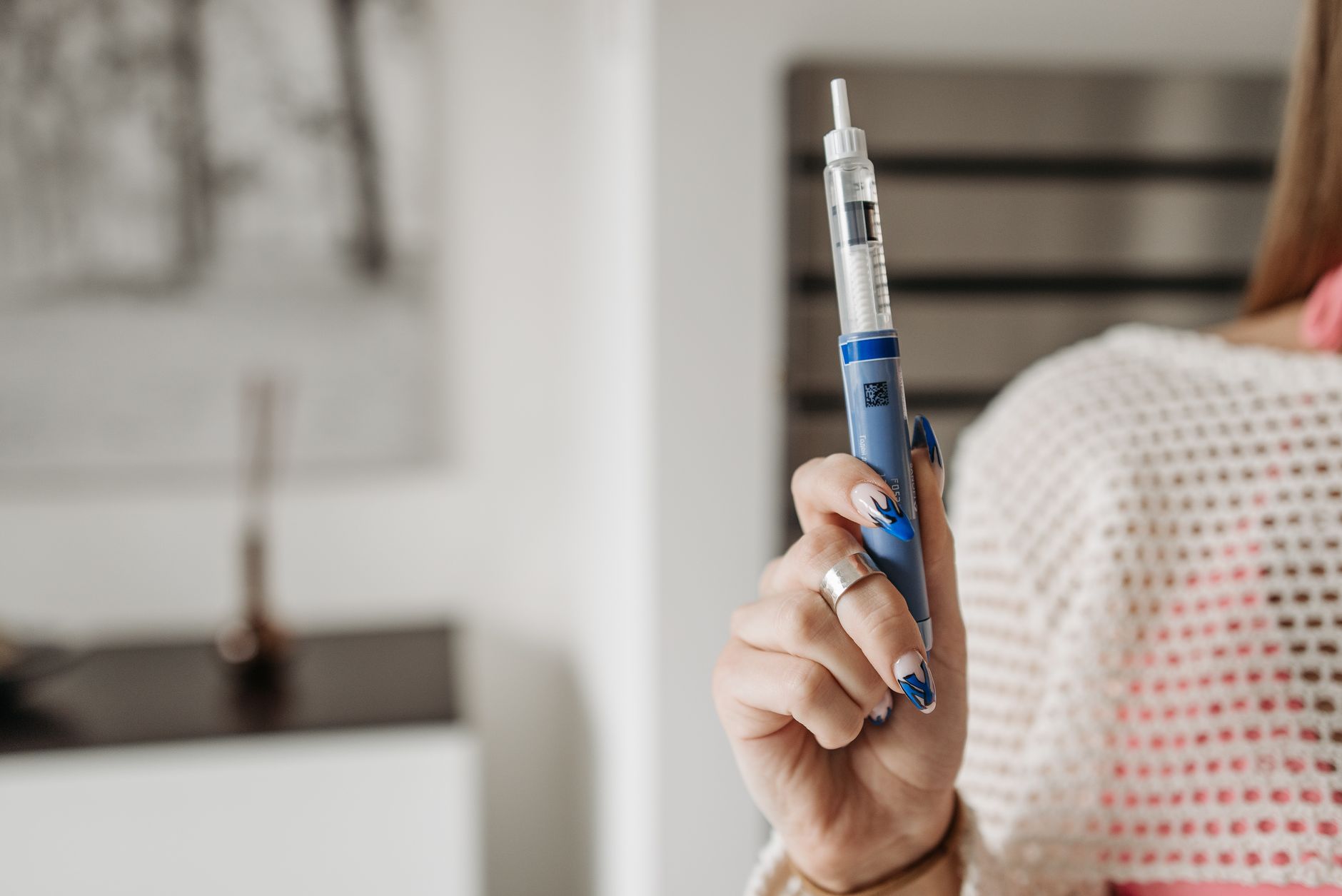
The Onswik KwikPen is expected to become available to patients in the United States in the coming months. It is a pre-filled pen. Lilly will supply it in two concentrations. One concentration is 500 units per milliliter and contains 1,500 units total in the pen. The other concentration is 1,000 units per milliliter and contains 3,000 units total in the pen.
These pens are the form that will carry the once-weekly basal into use. The commercial race is to convert the approval into prescriptions against Awiqli’s head start. That interval gives the first weekly basal time on the market before the Lilly pens arrive.
The two pre-filled KwikPen strengths stand cleared to ship.