



Seligman retires single happiness score for five-pillar PERMA model

In 60 seconds
- Seligman retires his own authentic-happiness theory because life-satisfaction scores are warped by current mood, weather, and the last question asked.
- Well-being rests on five independent elements people pursue for their own sake: positive emotion, engagement, relationships, meaning, and accomplishment (PERMA).
- Positive emotions broaden attention and compound into lasting psychological, social, and physical resources; engagement often means flow without felt pleasure in the moment.
- Schools can teach resilience skills that cut depressive symptoms, and the U.S. Army rolled similar training out to roughly 1.1 million soldiers.
- Optimism, purpose, and positive affect predict better physical health and longevity, so care should build assets rather than only remove disease risk.
- Nations should track flourishing directly through well-being indices instead of treating GDP as the master progress measure.
The big idea
Seligman contends that happiness cashed out as life satisfaction is too thin a goal for psychology or for life, because it collapses thriving into a mood-distorted single number. He replaces it with PERMA—five separately measurable elements—and argues schools, armies, health systems, and governments can redesign around flourishing rather than mere symptom reduction.
The book in brief
Seligman begins by dismantling his earlier authentic-happiness framework. That model treated positive emotion, engagement, and meaning as routes to one scorecard: overall happiness, mostly read through life-satisfaction surveys. He now holds those surveys are heavily warped by momentary mood, weather, and even the prior question, and that a single pleasant-feeling metric cannot explain why people choose hard, purposeful work that feels worse day to day.
He replaces happiness with well-being, defined by five elements that each meet three tests: they contribute to thriving, people pursue them for themselves, and each can be measured apart from the others. Positive emotion covers joy and gratitude. Engagement is full absorption, often flow. Relationships are positive connections treated as a pillar, not a mood booster. Meaning is belonging to and serving something larger than the self. Accomplishment is mastery and success sought for their own sake. A chess player deep in a losing game, a soldier dying for a cause, and a solitary scholar each illustrate how the elements can come apart.
The middle of the book develops each letter. Positive emotion, via broaden-and-build work, expands attention and compounds into social networks, skills, and vitality; a rough three-to-one positive-to-negative ratio is treated as suggestive of flourishing. Engagement draws on decades of experience-sampling showing flow during skill-matched challenge rather than passive leisure, and links most reliably to deploying signature strengths. Relationships earn standalone status because peak moments almost always involve other people and social integration tracks mortality risk on a scale comparable to quitting smoking. Meaning resists the hedonic fade that hits pleasure, which is why parents and first responders can report high purpose alongside low daily good feeling. Accomplishment covers solitary mastery with no audience or larger cause, tied to grit and sustained goal effort.
Seligman then scales the model into institutions. The Penn Resiliency Program teaches children to dispute catastrophic thinking and has shown reductions in depressive symptoms lasting up to a year or more in some cohorts, though effect sizes were often modest. Geelong Grammar embedded PERMA school-wide in the late 2000s. Comprehensive Soldier Fitness, built after Army outreach and a contract reportedly around 31 million dollars, assessed roughly 1.1 million soldiers and cascaded ten-day Master Resilience Trainer courses through the force, aiming partly at post-traumatic growth. Positive health proposes that optimism and purpose predict cardiac outcomes, immune response, and longevity, so medicine should target psychological assets alongside risk factors.
The close argues GDP is a poor national progress measure. Drawing on the pattern that happiness has not risen with income in wealthy countries, and on UK and French efforts to survey broader well-being, Seligman urges PERMA-style national flourishing indices that would reweight policy toward family time, purposeful work, and strong communities even if measurement across cultures remains imperfect.
Context
Martin E. P. Seligman is the psychologist who earlier advanced authentic-happiness theory and co-developed the VIA Survey of signature strengths with Christopher Peterson; Flourish, published in 2011, is his public revision of that framework into well-being theory. The book mattered because it arrived as governments and large institutions were already experimenting with national well-being surveys and as the U.S. Army contracted Seligman’s group to train resilience at unprecedented scale, turning a lab-born model into a live policy and military bet.
The key ideas

1
Happiness is the wrong goal
Life-satisfaction surveys mainly capture current mood, so they cannot serve as psychology’s master scorecard for a life worth living.
Old scorecard
One happiness number from life-satisfaction surveys, easily warped by mood and weather
New target
Several independent signs of thriving that can be measured and built separately
Seligman opens by retiring his own prior framework. Authentic Happiness had collapsed positive emotion, engagement, and meaning into one outcome—overall happiness—read largely through life-satisfaction surveys. He now calls that a dual mistake.
Judgment research he cites shows those surveys swing with weather, mood, and the question asked just before; people report far lower well-being on rainy days or right after recalling a bad memory. A single number also hides choices that trade present pleasure for purpose, such as parents who rate child-rearing low on daily enjoyment yet high on meaning.
A theory that only tracks pleasant feeling cannot explain why anyone would pick a difficult project over an easy pleasant one. Psychology therefore needs well-being: multiple, separately measurable signs of thriving, none reducible to positive affect. Every later claim in the book rests on that shift.
In practice: Parents often describe raising children as low on daily pleasure but high on purpose—exactly the pattern a mood-only scorecard cannot capture.

2
The PERMA scaffold
Well-being comprises five elements people pursue for their own sake—positive emotion, engagement, relationships, meaning, and accomplishment—none reducible to the others.
Seligman sets three tests for any well-being component: it must contribute to thriving, be sought for itself rather than as a means, and be definable and measurable apart from the rest. Applying those tests yields PERMA.
Positive emotion covers joy, gratitude, and contentment. Engagement is absorption, often flow. Relationships are positive ties treated as a pillar, not a mood input. Meaning is belonging to and serving something larger than the self. Accomplishment is achievement and mastery pursued even without pleasure or company.
He stresses the elements can diverge: a chess player locked in a losing game is engaged without positive emotion; a soldier who dies for a cause can have meaning without conventional personal accomplishment; a solitary scholar can pile up achievement with little relational life. The model is a theoretical scaffold built from first principles and then tested, not a structure discovered by factor analysis—an important limit on how much later institutional chapters can lean on it.
Diagnostically it profiles a life or organization on five axes. Practically it warns that mood boosts alone will not produce flourishing if relationships or meaning are neglected.
In practice: A chess player absorbed in a losing match shows engagement without positive emotion, proving the elements can come apart.

3
Positive emotion builds resources
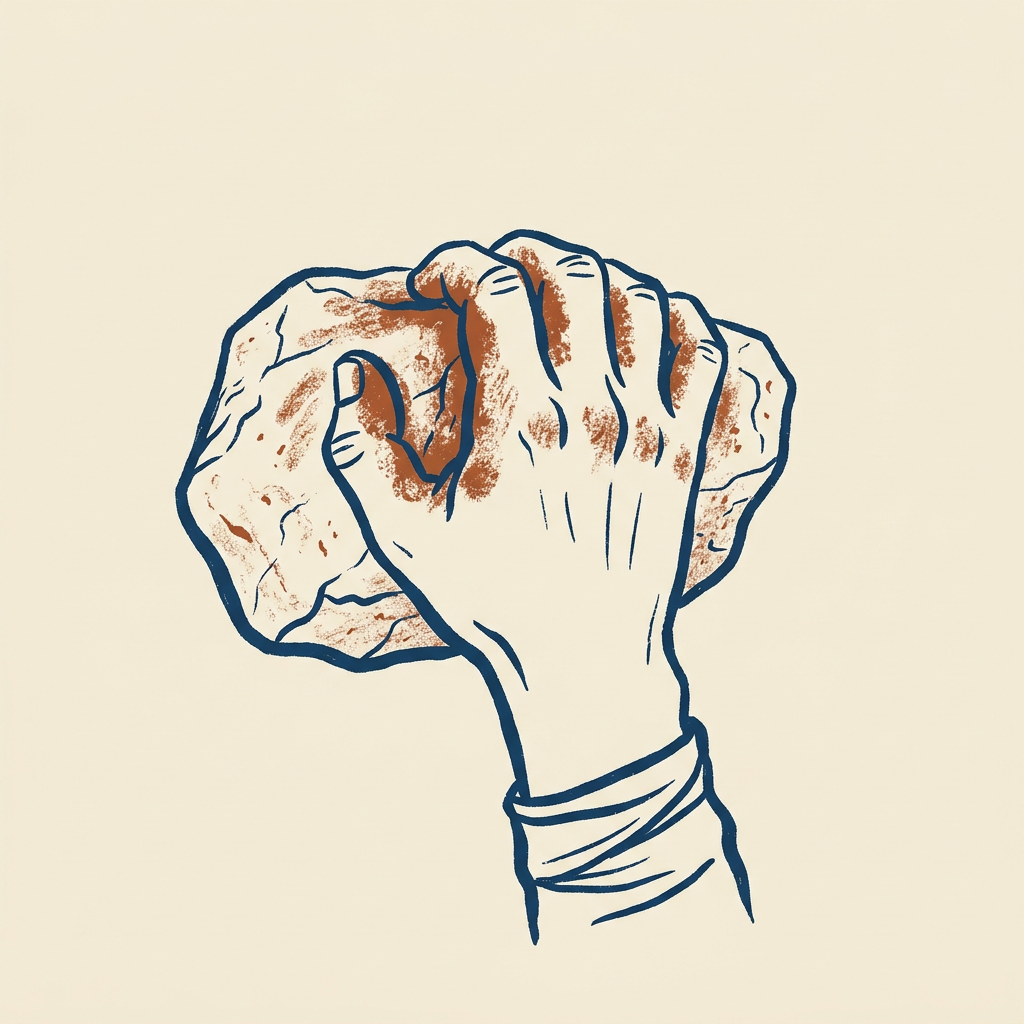
Positive emotions broaden attention and, over repeated episodes, build the psychological, social, and physical resources people later draw on in hardship.
Seligman anchors the P of PERMA in broaden-and-build theory. Negative emotions narrow focus toward threat; positive ones widen the scope of attention and thought, inviting exploration, play, and bonding.
Inducing amusement or contentment led people to produce more varied, creative responses on cognitive tasks than neutral or negative states. Over time that broadening compounds into larger networks, more diverse skills, and greater vitality.
A proposed rough ratio of three positive emotional experiences to every one negative was offered as a line above which individuals and marriages tend to flourish; Seligman treats it as suggestive, noting the exact math behind the figure was later challenged even while the broader qualitative pattern held up reasonably well. Exercises such as gratitude letters and savoring are therefore framed as investments in future coping capacity, not indulgences.
In practice: Writing a gratitude letter or practicing savoring is cast as a deliberate deposit into later resilience, not a feel-good frill.
4
Engagement through flow and strengths
Deep absorption in a skill-matched challenge is its own route to well-being, often without registered pleasure while it is happening.
During flow
Attention fully consumed; little or no registered pleasure in the moment
Afterward
The same episode is often recalled as deeply satisfying and worth repeating
The E draws on decades of experience-sampling in which people reported their state at random intervals. Flow—self-consciousness gone, time distorted, action and awareness merged—showed up most during structured challenges that matched skill: surgery, climbing, chess. Passive leisure such as television felt more pleasant in the moment yet left people depleted afterward.
Seligman uses this to underline his opening claim: engagement can be valued even when it does not feel good during the activity, because attention is too consumed to register pleasure. Satisfaction often arrives only in retrospect.
He ties reliable flow to signature strengths measured by the VIA Survey. Someone high in love of learning finds absorption in a new language more readily than in a mismatched task. Career and leisure choices should therefore be judged by fit between difficulty and strengths, not by anticipated pleasure alone.
In practice: A person high in love of learning is more likely to find flow mastering a language than in work that never calls on that strength.

5
Relationships stand alone
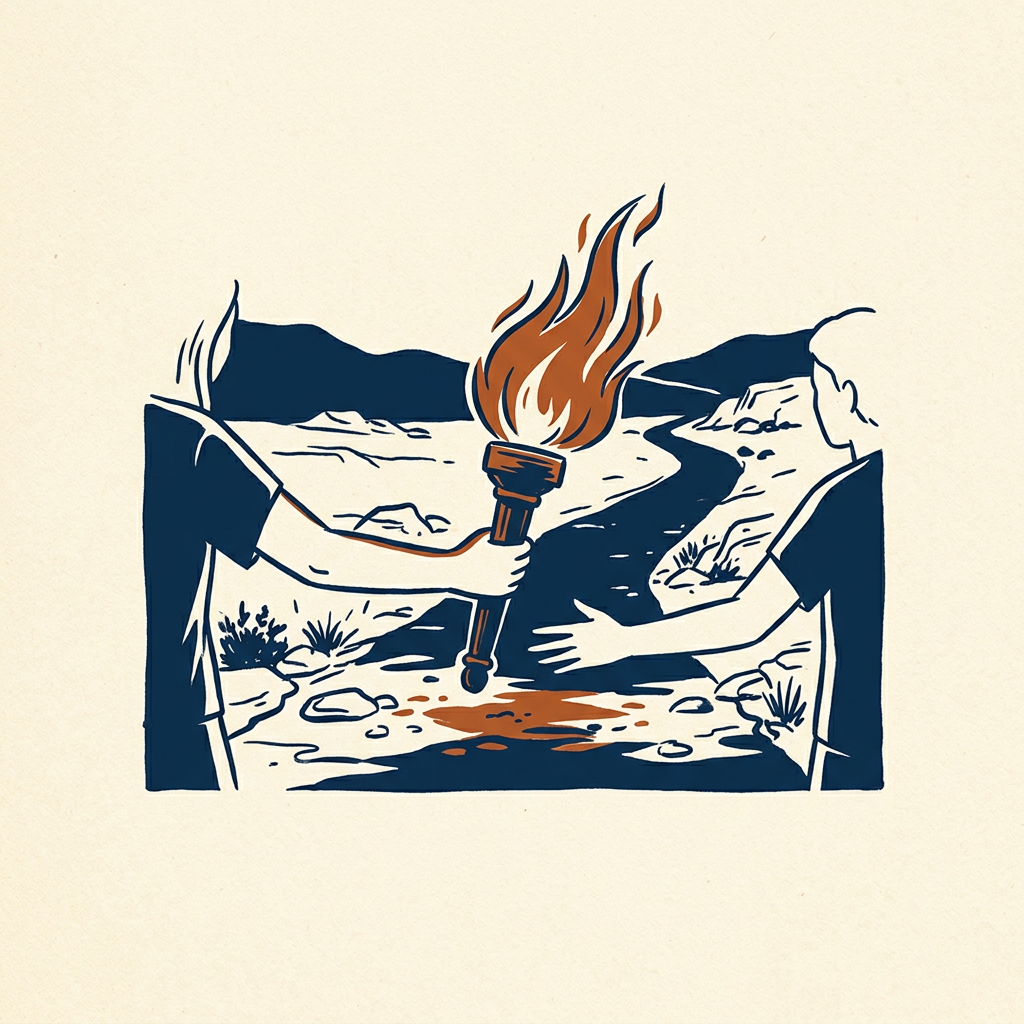
Positive relationships are an independent requirement for flourishing; isolation carries risk on a scale comparable to physical illness.
Passive reply
Distracted acknowledgment of a partner’s good news
Active constructive
Enthusiasm plus follow-up questions that build the bond
Seligman lifts relationships out of the older fold into mood or meaning and makes them a full pillar. Almost no one names a solitary activity when asked for their single best or most meaningful moment; nearly all such moments involve other people.
Longitudinal findings link social integration to lower mortality risk at a magnitude comparable to smoking cessation, while income gains past basic needs yield comparatively modest health returns. Trauma recovery speeds with strong support; couples who actively celebrate each other’s good news report higher satisfaction than couples who only share bad news.
Workshops therefore train active constructive responding—meeting a partner’s good news with real enthusiasm and follow-up questions rather than distracted nods—and report measurable gains in relationship satisfaction from deliberate practice. Individual mood or flow training is not enough if relational skill is left untouched.
In practice: Active constructive responding drills teach people to answer a partner’s good news with genuine enthusiasm and questions, lifting measured relationship satisfaction.
6
Meaning outlasts pleasure
A life feels worthwhile to the degree a person belongs to and serves something larger than momentary self-interest, even when daily feeling is low.
Meaning, for Seligman, is belonging to and serving a cause, institution, faith, family line, or body of work judged bigger than the self. Measures of meaning and of momentary happiness correlate only moderately and sometimes diverge sharply.
Parents of young children often report high meaning alongside lower momentary positive affect than childless adults. Pleasure habituates; lottery-winner studies from the 1970s showed wealth’s mood boost fading within roughly a year. Meaning can hold through years of hardship.
Soldiers and first responders frequently name difficult, dangerous stretches as the most meaningful periods of their lives precisely because the work tied them to protecting others. Programs that only lift mood miss this dimension; narrative exercises that connect daily acts to larger values are needed on their own track.
In practice: First responders describe dangerous, low-pleasure stretches as their most meaningful years because the work served a mission beyond themselves.

7
Accomplishment without payoff
People chase mastery and completion even with no pleasure, no audience, and no larger cause, so accomplishment must count as its own well-being ingredient.
Seligman concedes accomplishment is the hardest element to separate cleanly, yet insists it still belongs. A solitary marathon runner hunting a personal-best time with no crowd and no cause, or a collector finishing a set purely for completion, shows achievement sought with no clear return in the other four pillars.
A life rich in positive emotion, engagement, relationships, and meaning but empty of sustained mastery would still feel incomplete to the person living it. He contrasts a merely pleasant life with a fuller one in which accomplishment supplies competence and forward motion that pleasure and even meaning cannot replace.
He links the pillar to grit research on sustained effort toward long-term goals—work that predicted outcomes such as West Point graduation and spelling-bee performance beyond talent alone. Organizations should therefore create structured chances for mastery and completion, not only camaraderie or mood management.
In practice: A solitary runner chasing a personal-best time with no audience and no larger cause still treats the achievement as worth the cost.

8
Teach flourishing in schools
Optimism and resilience skills can be taught in ordinary classrooms and produce measurable drops in depression and anxiety among students.
If PERMA elements are buildable skills, Seligman argues, schools should teach them beside literacy and math. The Penn Resiliency Program adapts cognitive-behavioral techniques to help children spot pessimistic explanatory styles and dispute catastrophic thoughts.
Randomized trials, including independent international replications, found reductions in depressive symptoms versus controls, with effects lasting up to a year or more in some cohorts; Seligman notes effect sizes were often modest and some later replications weaker. The more ambitious Geelong Grammar project in the late 2000s trained teachers to weave strengths identification and gratitude into ordinary lessons across subjects, with reported shifts in climate and engagement based largely on qualitative and case evidence.
Education has long optimized for academic achievement and illness treatment while leaving ordinary flourishing unaddressed. Schools’ near-universal reach makes them, in his view, the natural place to close that gap if positive education becomes as standard as reading instruction.
In practice: At Geelong Grammar, teachers embedded strengths work and gratitude practice into regular lessons rather than running a bolt-on happiness unit.

9
Resilience at Army scale
Resilience and post-traumatic growth can be trained inside a huge hierarchy, yet rolling the curriculum out to over a million soldiers outran the strength of military-specific evidence.
1.1M
active-duty soldiers the Comprehensive Soldier Fitness program aimed to reach
After testifying before Congress, Seligman was approached by the U.S. Army and entered a contract reportedly around 31 million dollars to design Comprehensive Soldier Fitness for the active-duty force of roughly 1.1 million. A Global Assessment Tool surveyed emotional, social, family, and spiritual fitness; sergeants became Master Resilience Trainers after a ten-day course drawn from the Penn program and then cascaded the material through their units.
The framing leaned on post-traumatic growth: a meaningful share of people who endure severe trauma later report deeper relationships, greater personal strength, and renewed appreciation of life, not only injury. Early GAT scores and some adverse-outcome rates looked encouraging.
The underlying curriculum, however, had been validated mainly in smaller civilian and adolescent studies, not in soldiers facing combat deployment, and army-wide rollout preceded large randomized trials in that population. The chapter is Seligman’s clearest case of turning PERMA into a massive institutional bet—and of the evidence-ambition gap the book’s critics later pressed.
In practice: Sergeants completed a ten-day Master Resilience Trainer course, then carried the drills down through their own units across the force.

10
Measure what nations should grow
GDP tracks production, not flourishing; governments need direct well-being indices if policy is to value family time, purpose, and community.
GDP lens
Tracks production and income; misses whether citizens actually flourish
Flourishing index
Tracks positive emotion, engagement, relationships, meaning, and accomplishment across the population
Seligman closes at national scale. GDP is useful for production yet says little about whether citizens thrive. He points to the long-running pattern that national happiness has risen far less than income in wealthy countries, and to concrete efforts already underway: the UK’s well-being surveys beginning around 2010 and the French commission that in 2008 urged broader indicators beside GDP.
A PERMA-based flourishing index—tracking the five elements across a representative population—could give policymakers targets as concrete as unemployment or inflation. He sets a personal ambition for the field to move a substantial share of the world’s people from surviving toward flourishing.
He admits the practical snags: PERMA pieces are harder to measure comparably across cultures than income, and self-reports remain vulnerable to the same context effects he criticized in chapter one. Measuring the wrong thing well is still, in his view, no excuse; even an imperfect flourishing accounts system would shift incentives toward goods GDP-focused governance undervalues. Positive health findings—optimism tied to better cardiac outcomes, positive affect to fewer cold symptoms despite similar viral shedding, early expressed positivity to multi-year survival advantages—supply one reason population well-being belongs on the national dashboard, even while most of that evidence stays correlational and confounded.
In practice: The UK began surveying national well-being around 2010, and a French commission in 2008 had already urged indicators beyond GDP.
Key terms
- PERMA Seligman’s five-element well-being model: positive emotion, engagement, relationships, meaning, and accomplishment
- Authentic happiness His earlier theory that collapsed the good life into one happiness score built mainly on life satisfaction
- Broaden-and-build The idea that positive emotions widen attention and, over time, create lasting psychological and social resources
- Flow Complete absorption in a skill-matched challenge where self-consciousness drops and time distorts
- Signature strengths A person’s top character strengths, measured by the VIA Survey, that most reliably unlock engagement
- Active constructive responding Meeting someone’s good news with real enthusiasm and follow-up questions rather than a distracted nod
- Post-traumatic growth Positive psychological change—deeper ties, stronger sense of self, greater life appreciation—reported after severe trauma
- Positive health The agenda of finding psychological and social assets that predict future health the way risk factors predict disease
- Global Assessment Tool The Army self-report survey of emotional, social, family, and spiritual fitness used in Comprehensive Soldier Fitness
What to do
- Take a strengths survey and redesign one weekly task so it uses a top strength on purpose.
- Write one gratitude letter this week and deliver it in person or by voice.
- Practice active constructive responding once a day when someone shares good news.
- Block one stretch of deep work matched to a real challenge and protect it from interruption.
- Name the larger mission one routine duty already serves and write that link in a single sentence.
- Set one mastery goal with a clear finish line that needs no audience to count.
Questions to think with
- Which PERMA element is strongest in your weeks right now, and which is thinnest?
- When have you chosen hard meaning over easy pleasure, and was the trade worth it afterward?
- If your workplace or school tracked flourishing instead of output alone, what would have to change first?
- How cleanly can you separate accomplishment from the other four elements in your own projects?
- What would a national flourishing index need to measure before you would trust it over GDP?
The other side
The book’s reach often outruns its evidence: PERMA was built from stated criteria rather than factor analysis, and later psychometric work found the five factors do not always separate cleanly from each other or from general life satisfaction. Comprehensive Soldier Fitness rolled training to roughly a million soldiers largely on civilian and adolescent studies, before strong randomized military evidence, and drew conflict-of-interest criticism over the large Army contract. Positive-health claims stay mostly correlational and open to confounding by status and baseline health, and the broader field has faced charges of overclaiming what the data can support at institutional and national scale.
Who it's for
Psychologists, educators, managers, coaches, and policymakers who need a research-tied frame wider than symptom reduction or mood tips, plus general readers tired of thin happiness advice who want the full case for building PERMA in real institutions.