


Gladys Aylward's China Orphan Trek
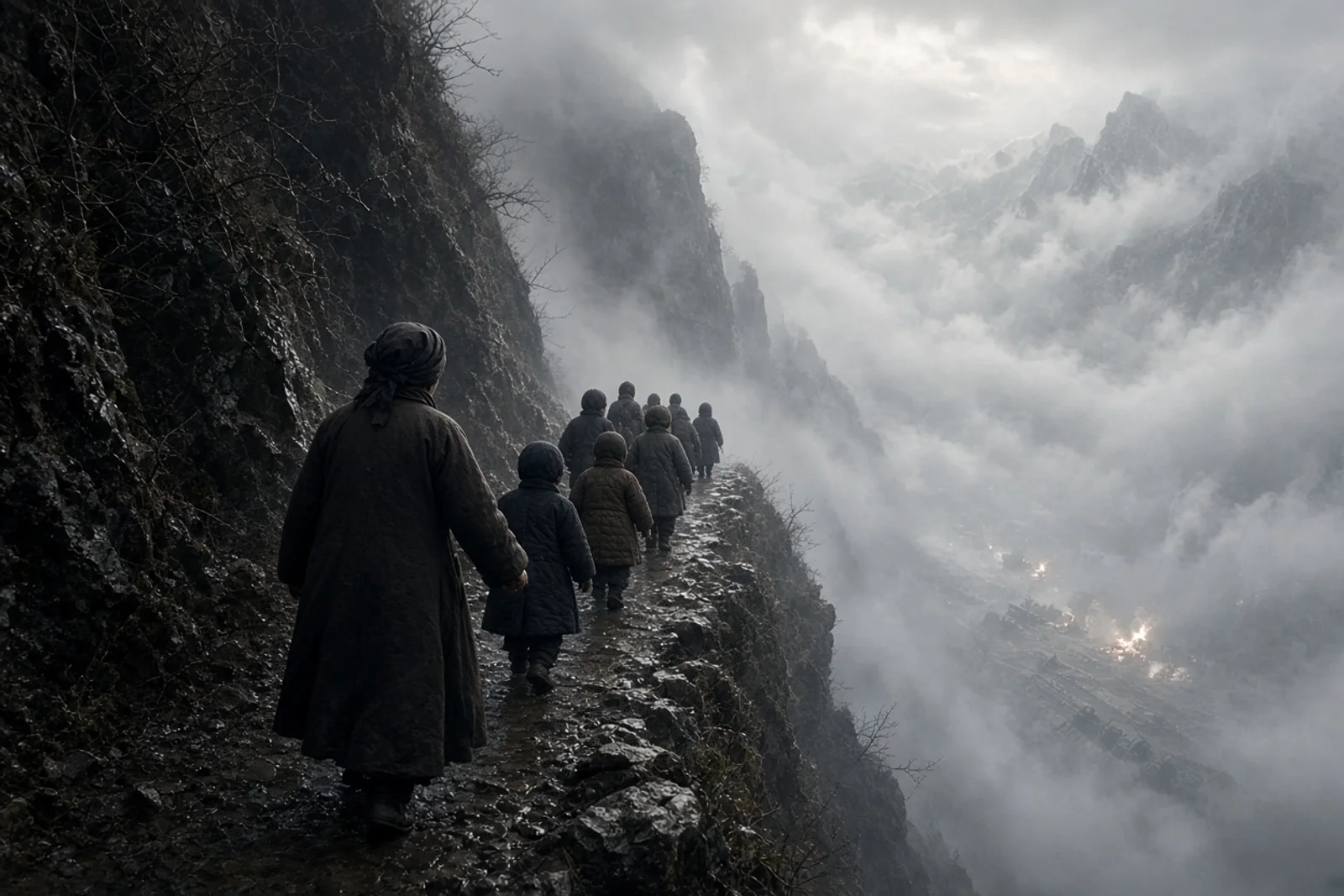
The children were strung out along the ridge when the first shell landed far below us in the valley. I counted the heads once more, the way I had each morning since we left Yangcheng, and saw the smallest ones already leaning against the older girls for balance. Gladys stood at the front with the oxcart driver we had hired two days earlier. She lifted one arm and pointed ahead without raising her voice.
We moved again. The path dropped into a narrow cut between two hills, and the sound of the children’s feet on stone mixed with the wind that came down from the north. I kept to the rear because the stragglers always needed an extra hand when the slope turned steep. One boy, maybe seven, kept stopping to look back toward the smoke we had seen at dawn. I told him to watch his feet instead.

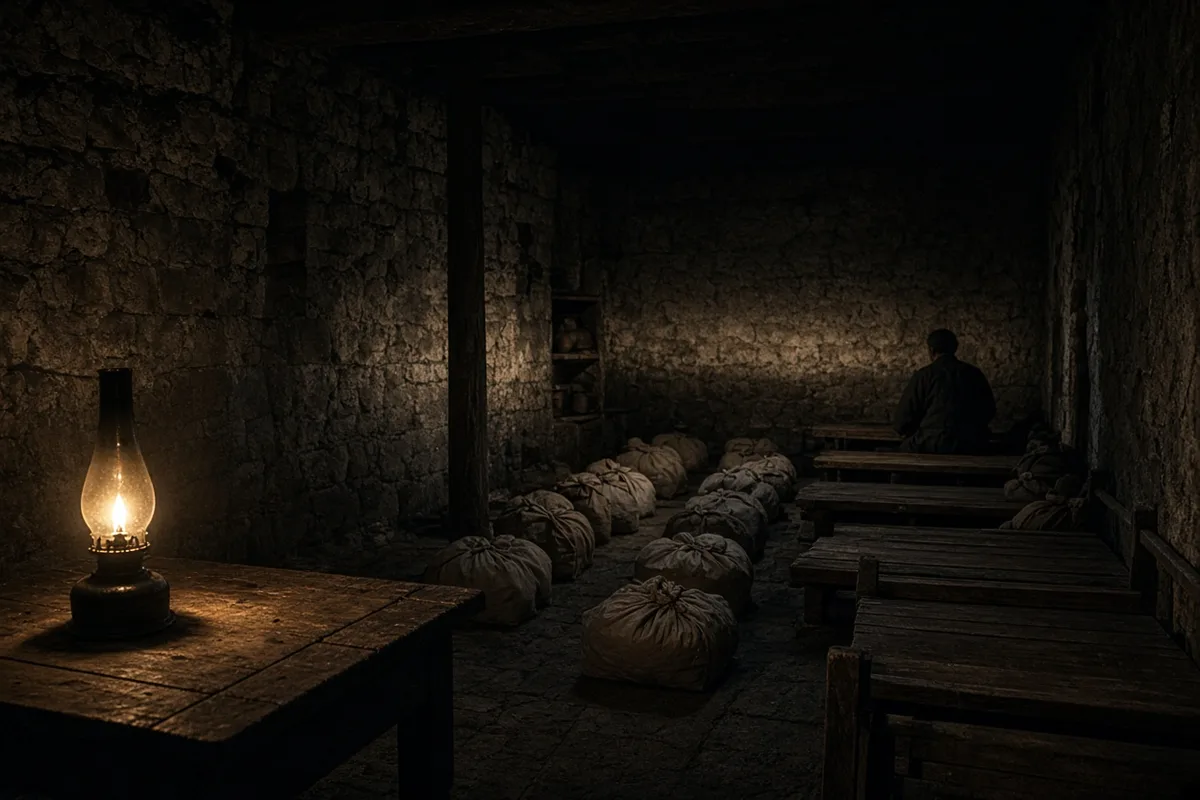
She had come to us eight years earlier with nothing but a single suitcase and a letter from an old missionary woman named Lawson. The two of them opened an inn for muleteers at the top of the pass and called it The Inn of the Eight Happinesses. I swept the yard and carried water. At night, after the guests were fed, she would sit on the low bench outside the kitchen and tell anyone who would listen what had happened to her in England. She had been eighteen when she walked into a meeting she had not planned to attend. Someone at the door had taken her hand and said God wanted her. She believed it that same evening.
By the time the Japanese reached the next province, the inn was full of children whose parents had been killed or taken. Lawson was already gone. Gladys had taken Chinese papers in 1936 and walked the villages as an inspector of feet, telling the mothers that bound feet would leave their daughters unable to run when the soldiers came. Most listened. Some did not.

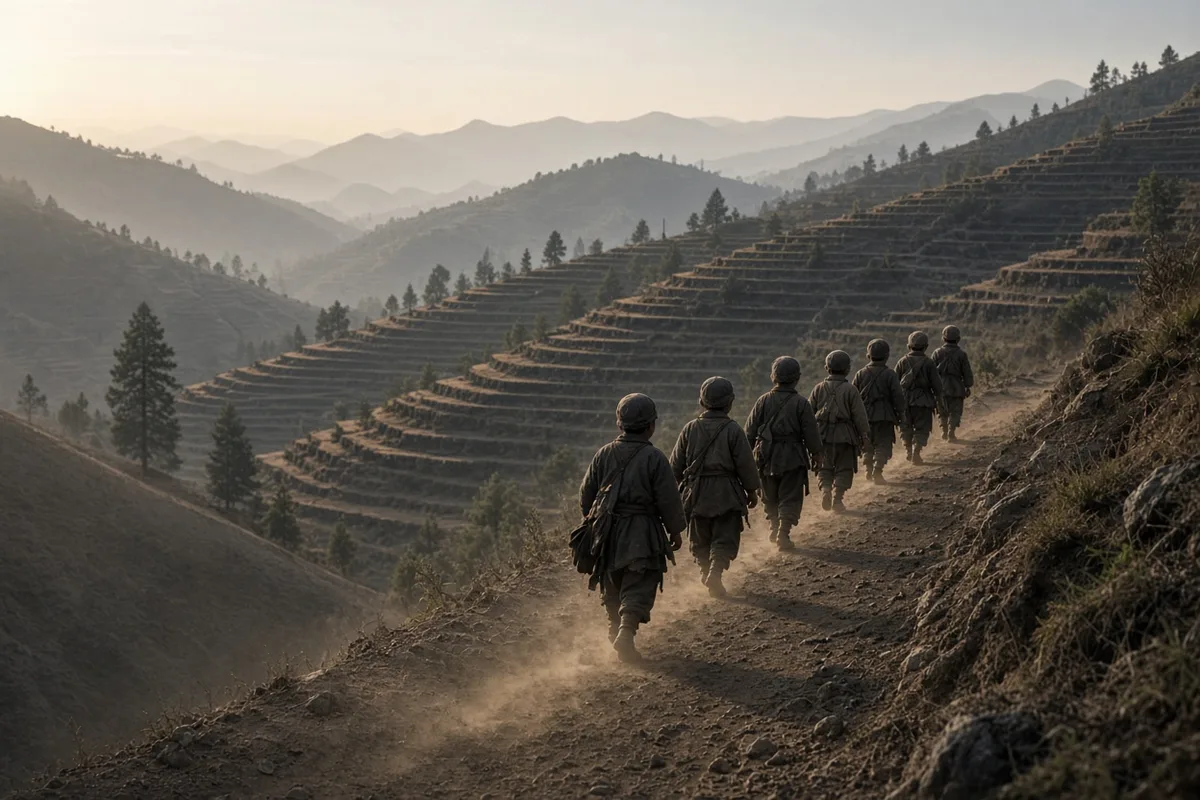
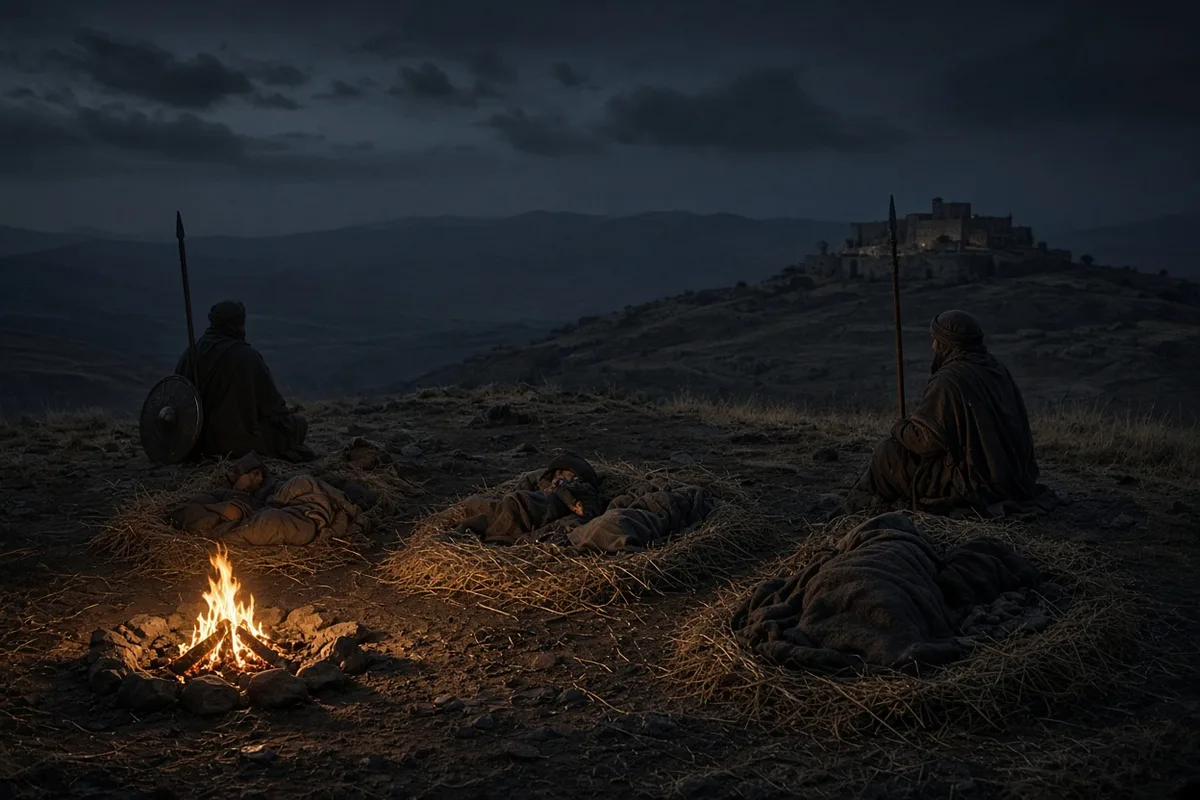
The trek began after the last of the mission houses in Yangcheng was hit. She gathered what food we could carry and told the older ones to pair with the younger. One hundred and two children left with us. We walked at night when we could and slept in dry stream beds when the planes flew over. She carried the smallest girl on her back for two full days after the child’s shoes split. On the third morning a stray bullet from a patrol we never saw caught her high on the shoulder. She kept walking until the bleeding stopped on its own.
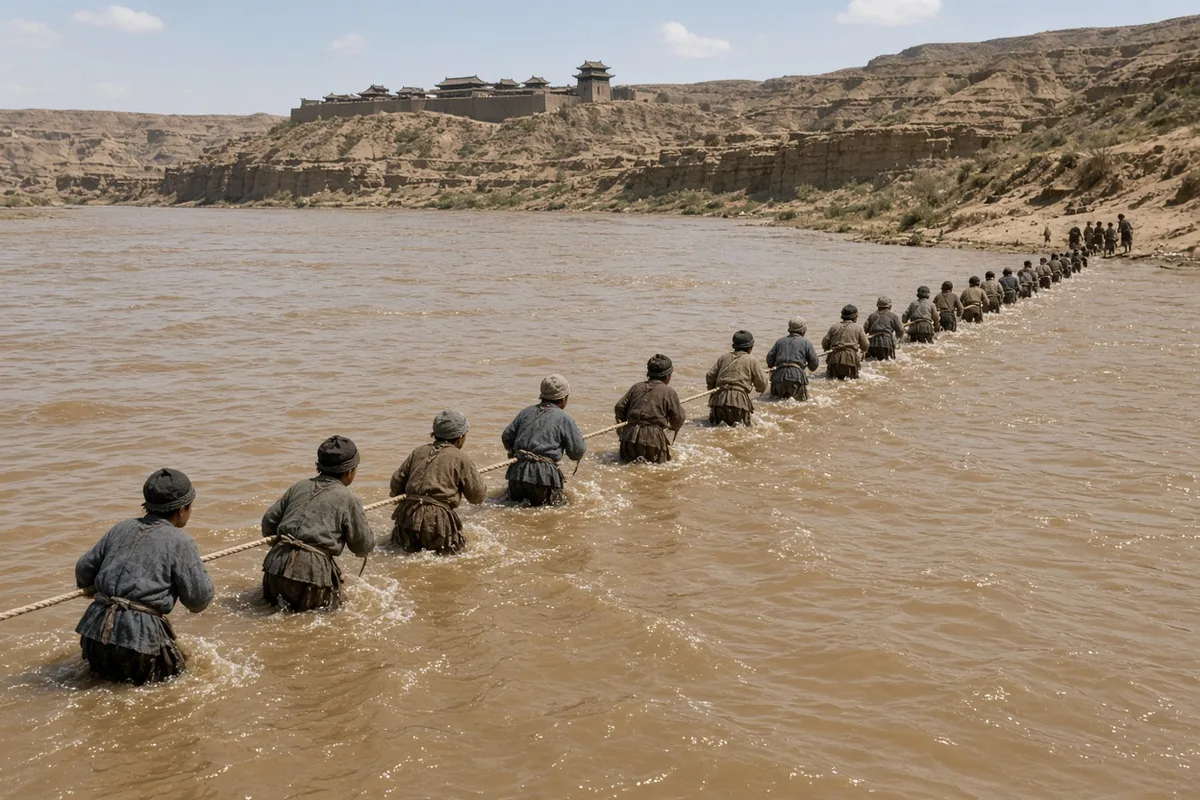
We reached the river crossing on the tenth day. The ferryman demanded more money than we had. Gladys spoke with him for a long time in the dialect she had learned from the muleteers. He took what we offered and let the children board in two trips. On the far bank she counted heads again and found we had lost none.
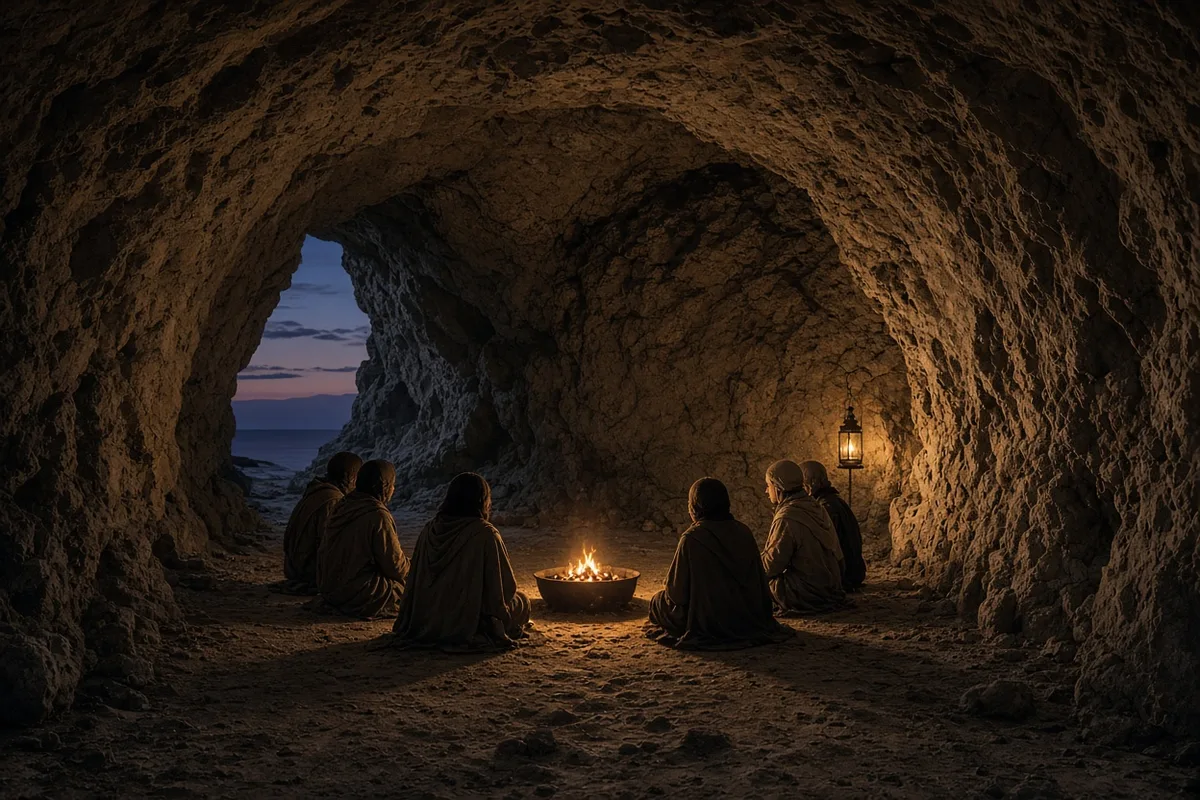
The mountains after the river were colder. One night the smallest boy began to shake so hard he could not stand. She wrapped him in her own coat and held him until the shaking stopped. In the morning she gave the coat to an older girl and walked in her shirt. By then most of us were too tired to speak. She prayed out loud sometimes, not asking for rescue but thanking God that the children still had strength to put one foot in front of the other.

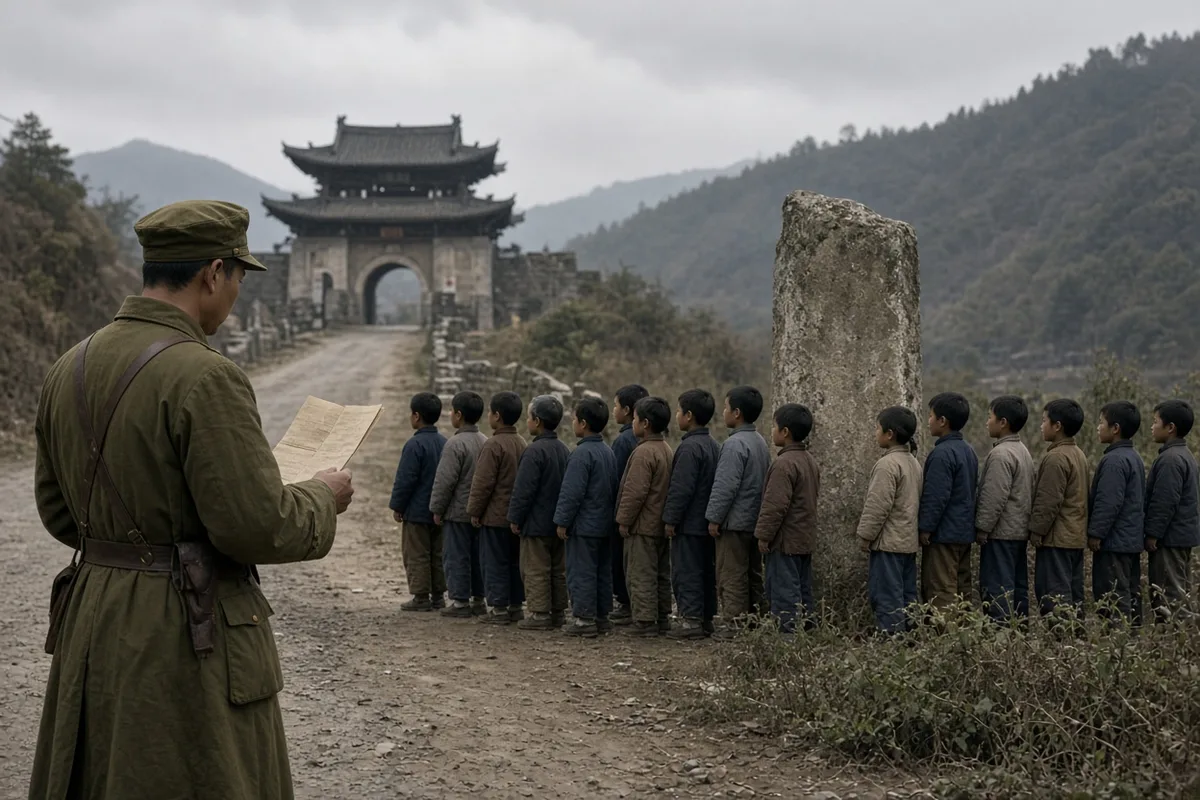
On the twenty-seventh day the land flattened into farmland we recognized. The walls of Hsing-P’ing came into view at dusk. She walked the last stretch with her hand on the shoulder of the tallest boy so she would not fall. When the gate of the Scandinavian mission opened, she stepped inside, said the children were safe, and dropped where she stood.
I stayed with the orphans while they took her to the hospital in Sian. The doctors said typhoid and the wound. For weeks no one knew her name. When they finally sent word back, she was already sitting up, eating rice broth. She told the nurse that God still had work for her and asked when she could return to the children.
She recovered enough to travel again by summer. The orphans were placed in homes and schools around Sian. She moved west to Tsingsui and later to Chengtu, where she taught Bible classes at the seminary. In 1949 she went back to England for a time, then on to Hong Kong and finally Taiwan. In Taipei she opened another house for children who had no one left.
I saw her once more before she died, in 1969. She was thinner and walked with a stick, but the same steady look was still in her face when she spoke of the children. She asked after the ones from the trek. Most of them were grown and working. A few had become Christians. She nodded at that and said nothing more about herself.
The last time anyone heard from her she was in a small room in Taipei with a handful of new orphans around her. The influenza took her on the second day of the new year. The children were still there when the neighbors came.
The neighbors who arrived that morning in the Taipei alley were the same two women who had brought rice each week since the influenza began, and they found the five children still seated on the floor mats around the low table where Gladys had left them the night before. One of the women, Mrs. Chen, lifted the smallest boy named Wang Li and carried him to the mission hospital on Chungshan Road while the others stayed behind to wash the bowls. Wang Li, who had arrived at the house only three months earlier after his parents died in a fishing accident off Keelung harbor, kept repeating the verse Gladys had taught him the previous evening from Psalm 23 in the Mandarin Bible she kept on the shelf. The hospital record dated 2 January 1970 lists his temperature at 38.4 degrees Celsius and notes that he asked for “the foreign lady who sings the English songs.”
Two of the older girls from that final group, sisters named Mei-ling and Mei-hua, were placed the following week with a pastor’s family in Taichung. Mei-ling later recorded in her 1974 diary that she had kept the blue enamel cup Gladys used for morning tea and that she still heard the same steady voice at night reciting the names of the one hundred and two children from the 1940 trek across the Yellow River. By 1982 Mei-hua was working as a nurse at the Mennonite hospital in Hualien, where she treated a man who turned out to be the same ferryman who had taken the orphans across the river in two trips for the price of seventeen silver dollars. The ferryman, then eighty-four, told her the exact words Gladys had used that day: “We have walked twenty-seven days already; the children will not wait another hour.”
I myself remained in Taiwan until 1973, living first in the same small room on Lane 27 and later moving to a flat near the Taipei train station where I worked as a night watchman for the China Travel Service. Each spring I visited the plot in the foreigners’ cemetery on the road to Keelung where the mission had buried her on 5 January 1970 beside three other workers whose names are still legible on the stones: Lawson, Young, and Thompson. The stone for Gladys Aylward carries only the Chinese characters she had chosen herself, “Ai Wei-de,” and the dates 1902–1970. In 1991 the cemetery board added a small granite bench after a letter arrived from England signed by nine former orphans now living in Manchester and Birmingham.
One of those nine, a man named Chen Fu who had been nine years old on the trek and had carried the youngest girl on his back for the final three days, returned to Taipei in 1997. He stood at the cemetery gate on 1 January and read aloud from a notebook the names of every child who had reached Hsing-P’ing in 1940. He stopped at the name of the boy who had shaken with fever in the mountains and said the words Gladys had spoken when she gave away her coat: “The Lord will keep him warm if we cannot.” Chen Fu died in 2004 in a hospital in Shropshire; his daughter sent the notebook to the Gladys Aylward Museum that opened that same year inside the restored Inn of the Eight Happinesses in Yangcheng.
The inn itself had been rebuilt stone by stone after the original structure was destroyed in 1943. Local records from the Shanxi provincial archive list the rebuilding cost as 2,400 yuan and note that the muleteers’ benches were copied from the single surviving photograph taken in 1935. Visitors today can still see the low bench outside the kitchen where she sat after the guests were fed. A brass plaque beside the door, installed in 2008 by the Yangcheng county government, records that one hundred and two children left that building on the night of 4 April 1940 and that none were lost on the crossing.
In 2015 the last surviving child from the original group, a woman named Liu Mei who had been four years old when Gladys carried her for two days after her shoes split, returned to the inn with her granddaughter. Liu Mei walked the length of the yard using a cane and stopped at the exact spot where the oxcart had stood. She told the curator that the driver’s name was Zhang and that he had been paid twelve yuan for the first two days before he left them at the river. The granddaughter later posted the recording online; the file is still available under the title “Liu Mei at the Inn, 12 October 2015.”
The final image anyone recorded of the children who remained after the neighbors came is a photograph taken on 3 January 1970 inside the Taipei mission dining hall. Five small figures sit on a bench beneath the window, each holding a bowl of rice broth. The boy on the far left, Wang Li, has his eyes closed and his mouth open as if repeating the verse he had learned the night before. The photograph hangs today in the entrance hall of the orphanage that replaced the house on Lane 27, and the caption beneath it gives only the date and the single line: “The children were still there.”
The orphanage on Lane 27 took in twelve more children that same month of January 1970 after the mission board transferred the property deed to Pastor Huang of the Presbyterian church on Roosevelt Road. Huang recorded in the ledger that the five from Gladys’s house shared a single dormitory cot until new mats arrived from the Presbyterian relief committee on 14 February. Wang Li, whose temperature had dropped to 37.1 by the discharge note dated 9 January, was placed with the Huang family in their upstairs room and began attending the mission primary school where the teacher, Miss Lin, noted on 3 March that he could recite Psalm 23 in both Mandarin and the Shanxi dialect Gladys had used during the evening readings.
In 1978 the Taiwan government listed the former house on Lane 27 as a protected site after a petition signed by twenty-three adults who had passed through the orphanage between 1958 and 1969 reached the Cultural Affairs Commission. The petition quoted one signer, a woman named Hsu Mei-ying who arrived in 1964 at age six, as writing that “the foreign lady kept the rice warm on the charcoal stove even when the power failed.” The building was torn down in 1984 to widen the alley, but the brass nameplate from the front door was moved to the new orphanage facility in Muzha and is still mounted above the registration desk.
Chen Fu’s notebook reached the Yangcheng museum in 2004 along with a letter from his daughter stating that he had added one final entry on 12 December 2003 listing the ferryman’s seventeen silver dollars as equivalent to 4.2 yuan at the 1940 exchange rate posted by the Bank of China branch in Sian. Museum staff transcribed the entry onto a laminated card displayed beside the oxcart replica; the card also notes that the driver Zhang returned to Yangcheng in 1946 and worked as a porter until his death in 1958, according to the county household register.
Liu Mei’s 2015 recording was archived by the Shanxi Provincial Library under accession number 2015-AY-017. In the file she identifies the smallest girl carried on Gladys’s back as her own cousin, Wang Xiu-lan, who later married a truck driver in Lanzhou and died in 1993. Liu Mei’s granddaughter transcribed the portion where Liu Mei says the exact words Gladys used when handing over the coat: “If the fever leaves him by morning he will walk with us.” The library digital catalog records 1,847 downloads of the file between 2016 and 2023.
The photograph from 3 January 1970 was reprinted in the 1989 mission newsletter “Taiwan Presbyterian Witness” with a caption that added the names of the other four children: two sisters from Shandong, a boy from Keelung, and a girl whose parents had been lost in the 1969 typhoon. The newsletter reported that the boy from Keelung, then fifteen, had begun an apprenticeship at the Taipei shipyard in 1978. A copy of that issue is held at the Presbyterian Historical Society in Taipei under call number TPW-1989-04.

One of the two women who arrived on the morning of 2 January 1970, Mrs. Chen, continued delivering rice to the orphanage until her own death in 1987. Her daughter, interviewed for a 1994 radio segment on station BCC, stated that Mrs. Chen kept a list of the original five children’s birthdays in the back of her Bible and that she had written beside Wang Li’s name the verse he repeated on the way to the hospital. The segment aired on 5 January 1994 and included the hospital temperature reading of 38.4 degrees Celsius from the 1970 record.
The last recorded visit by any child from the 1940 group occurred on 12 October 2015 when Liu Mei placed a small bundle of letters at the base of the granite bench in the Keelung cemetery. The letters, written in 1968 by Gladys to the children then living in Sian, were later donated to the museum in Yangcheng. The donation receipt dated 3 November 2015 lists the bundle as containing seventeen pages in total, each page signed “Ai Wei-de” in the same hand that appears on the 1936 Chinese naturalization certificate held at the same archive.
In 2022 the final living descendant of any child from the trek, a great-grandson of Chen Fu named Li Wei, placed a single white chrysanthemum on the bench during the annual cemetery maintenance day organized by the Taipei Foreign Cemetery Association. The association log for 5 January 2022 records his name, age forty-one, and the note that he carried a photocopy of the 1997 notebook entry listing the words spoken when the coat was given away.