



Global Aid Cuts Hit Prevention Harder Than Treatment for Three Diseases
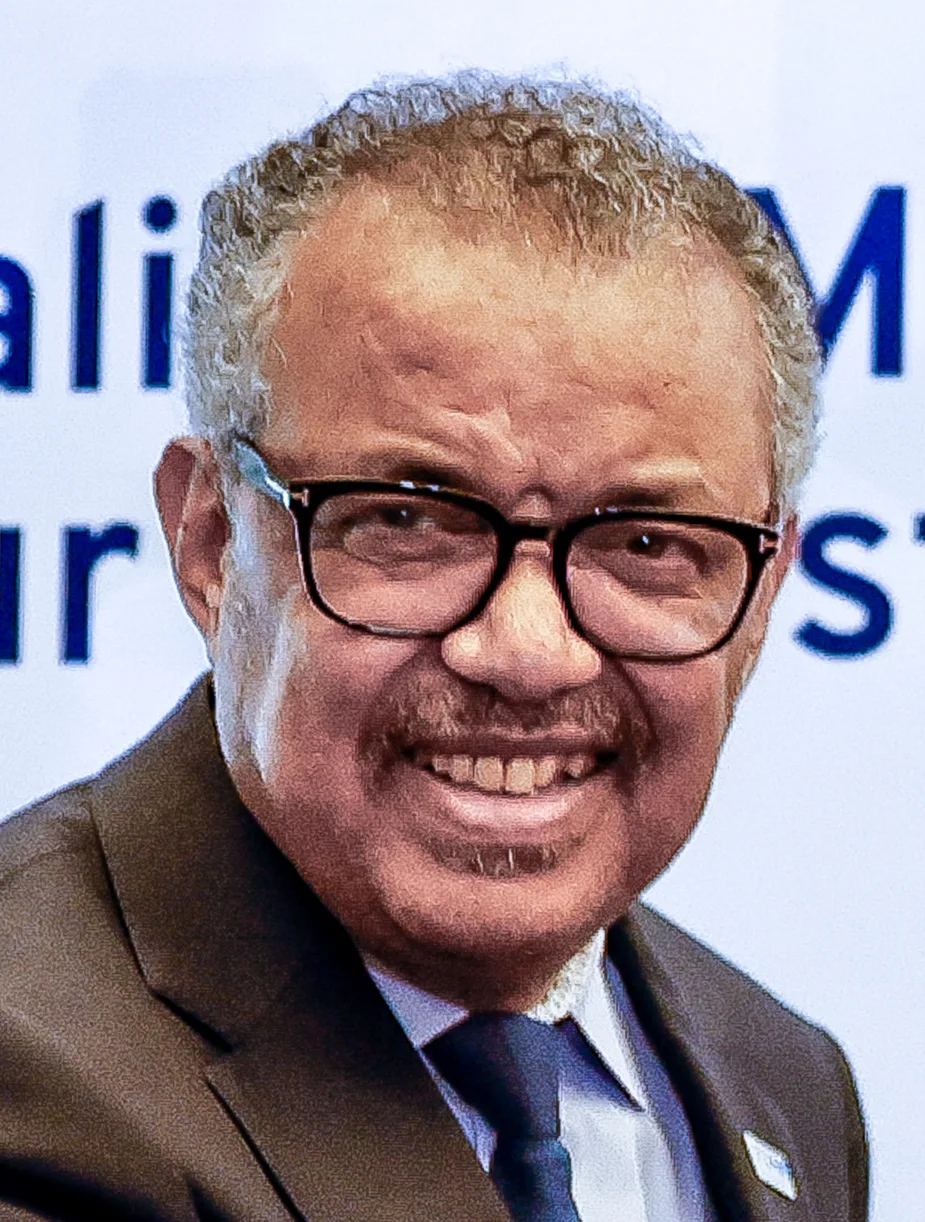
Peter Sands, head of the Global Fund to Fight AIDS, Tuberculosis and Malaria, told reporters ahead of the fund's September 16, 2026 annual report that reductions in external funding have had an impact on health outcomes. In 2025, he said, countries shifted resources to immediate life-saving care, so treatment did better than prevention. People on HIV antiretroviral therapy rose by 1.3 million to 26.9 million; 7.4 million were treated for TB, broadly unchanged; bed-net distribution rose to 196 million from 162 million. HIV pre-exposure prophylaxis fell by 300,000 to 1.1 million. TB programmes faced disruptions to case-finding and diagnosis, and malaria responses faced medicine shortages and delayed prevention campaigns. The United States, Britain and other key donors have cut aid. Sands said longer-term training, capacity and infrastructure work was de-prioritised, and that backing off prevention slows momentum toward ending the diseases as public health threats. The fund invested about $5.3 billion in 2024-26 and says its efforts since 2002 have helped save 72 million lives and cut the overall death rate from the three diseases by 65 percent. He said further funding cuts would be hard to sustain without an escalating impact on health outcomes, and that malaria—which WHO estimates kills more than 600,000 people a year—is the issue that keeps him awake at night. No contested facts appear across the available accounts.
Where do you stand?