


Healing of Francis Pascal at Lourdes
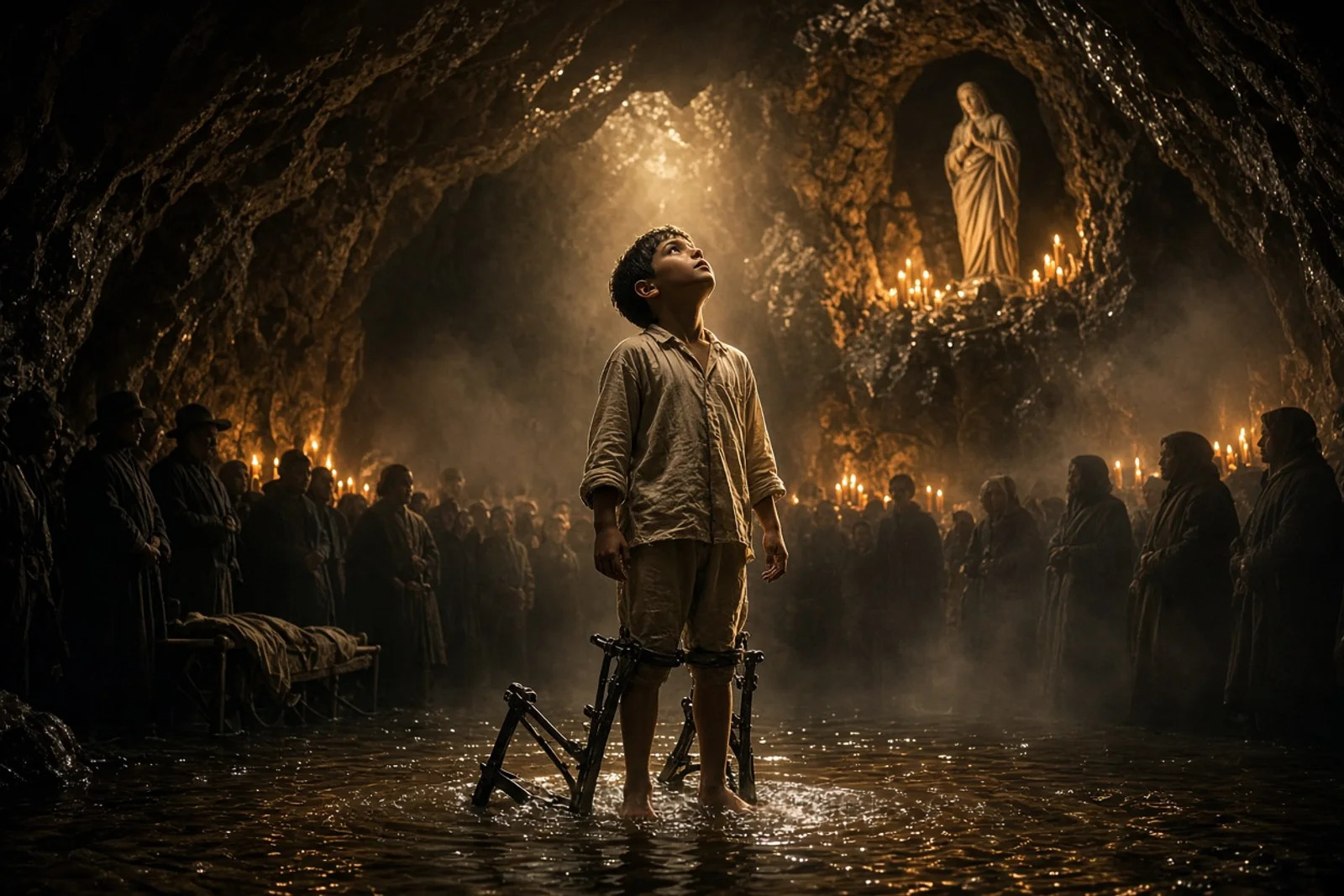
The stretcher bearers moved slowly along the flagged path toward the baths, the child’s weight no more than a bundle of blankets. I kept one hand on the rail of the wooden frame so the thing would not tilt on the uneven stones. Francis Pascal lay on his back, eyes closed, legs slack under the sheet. His mother walked beside us without speaking. She had not let go of the edge of the blanket since we left the hospital ward.
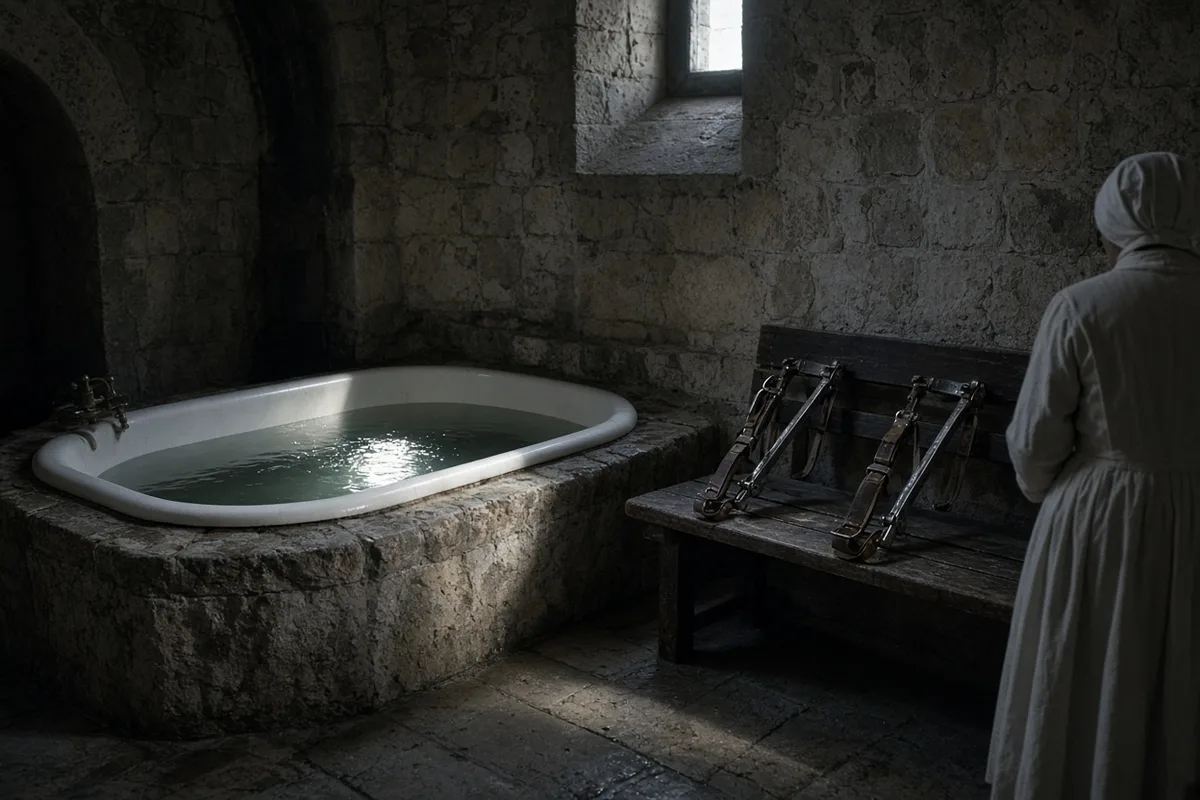
The water in the first pool had already been changed that morning. Steam rose in thin threads from the surface. Two attendants lowered the frame until the boy’s body touched the cold. He did not flinch. His arms stayed folded across his chest the way they had been placed. After a minute the bearers lifted him again and wrapped him in fresh linen. His mother dried his face with the corner of a towel. We carried him back to the row of benches where the other sick waited their turn.
By midday the crowd had thinned. Most pilgrims had gone to the esplanade for the blessing of the sick. I stayed near the bureau table because the doctor on duty wanted someone to note times and names. The Pascal case had already been registered the day before. Twelve physicians in Beaucaire had signed the certificates that came with the family. The diagnosis was fixed: blindness and flaccid paralysis of both legs following meningococcal meningitis.
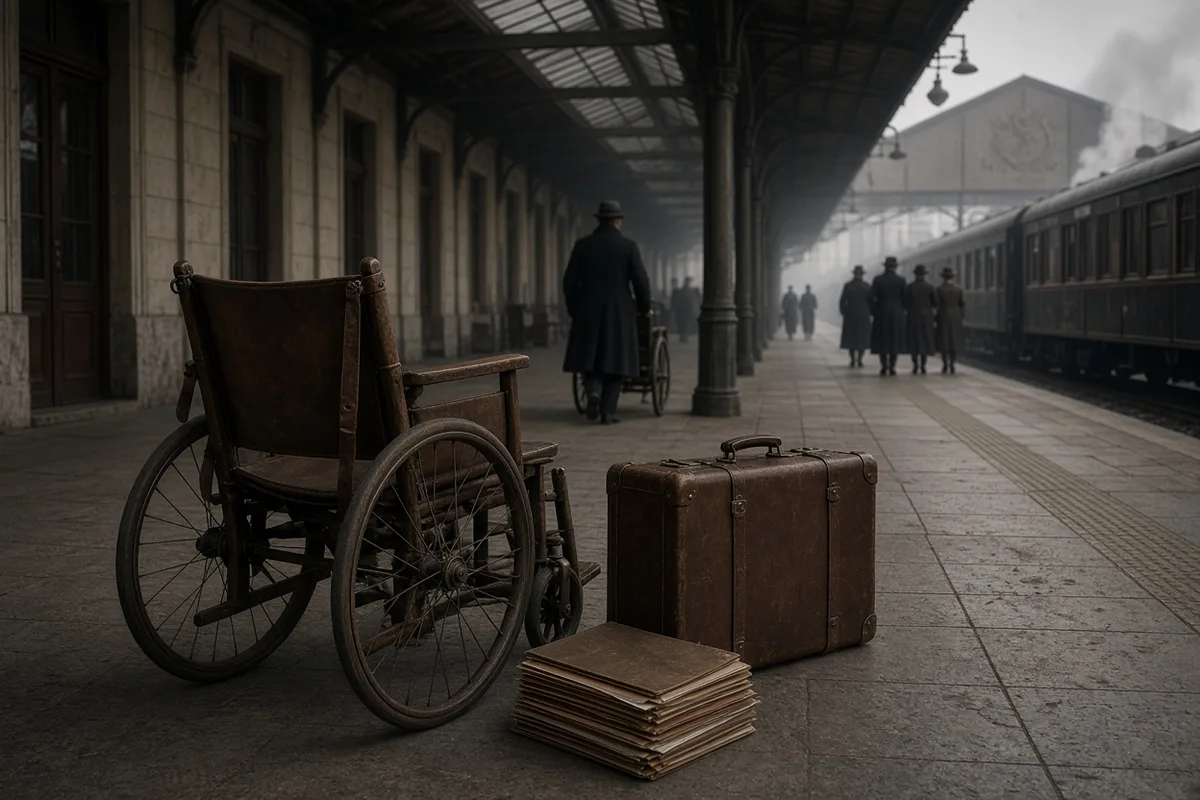
On the second afternoon the mother asked again for the baths. The same stretcher was brought out. This time the water felt colder against the skin. The attendants submerged the child to the shoulders and held him for the usual count. When they raised him, one of the men stepped back suddenly. The boy’s right foot had moved. It scraped against the wooden side of the frame and stayed there, toes pointed.
The mother put her hand on the leg. The foot did not fall away. She called the attendant’s name. Another attendant came over, then a third. Someone sent for the doctor who had examined the child on arrival. By the time he reached the pool the boy had opened his eyes and was turning his head toward the sound of running water. He blinked at the light coming through the open doors. The left leg was drawn up under the sheet.
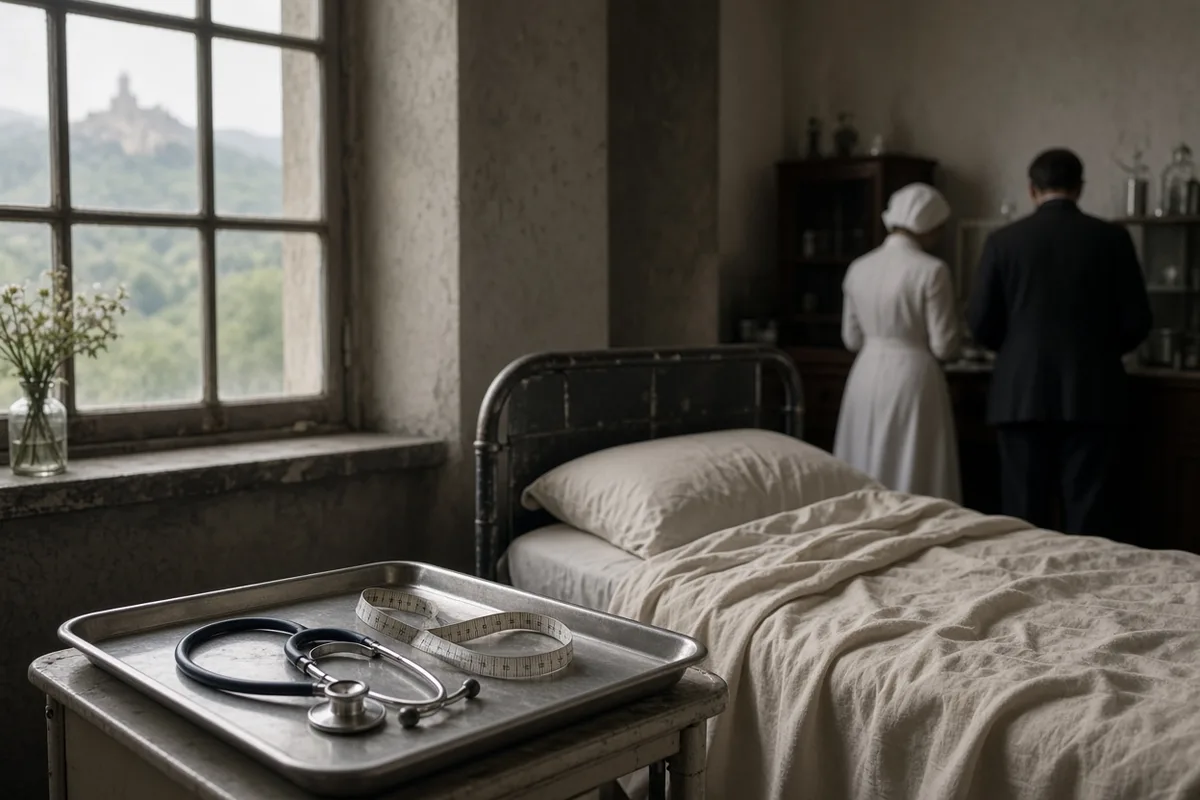
The doctor asked the mother to step aside. He tested the knee reflexes with the handle of his stethoscope. Both legs responded. He held a hand in front of the boy’s face and moved it from side to side. The eyes followed. The child began to cry, a thin, ordinary sound. The doctor wrote the time in his notebook and sent a messenger to fetch the bureau president.
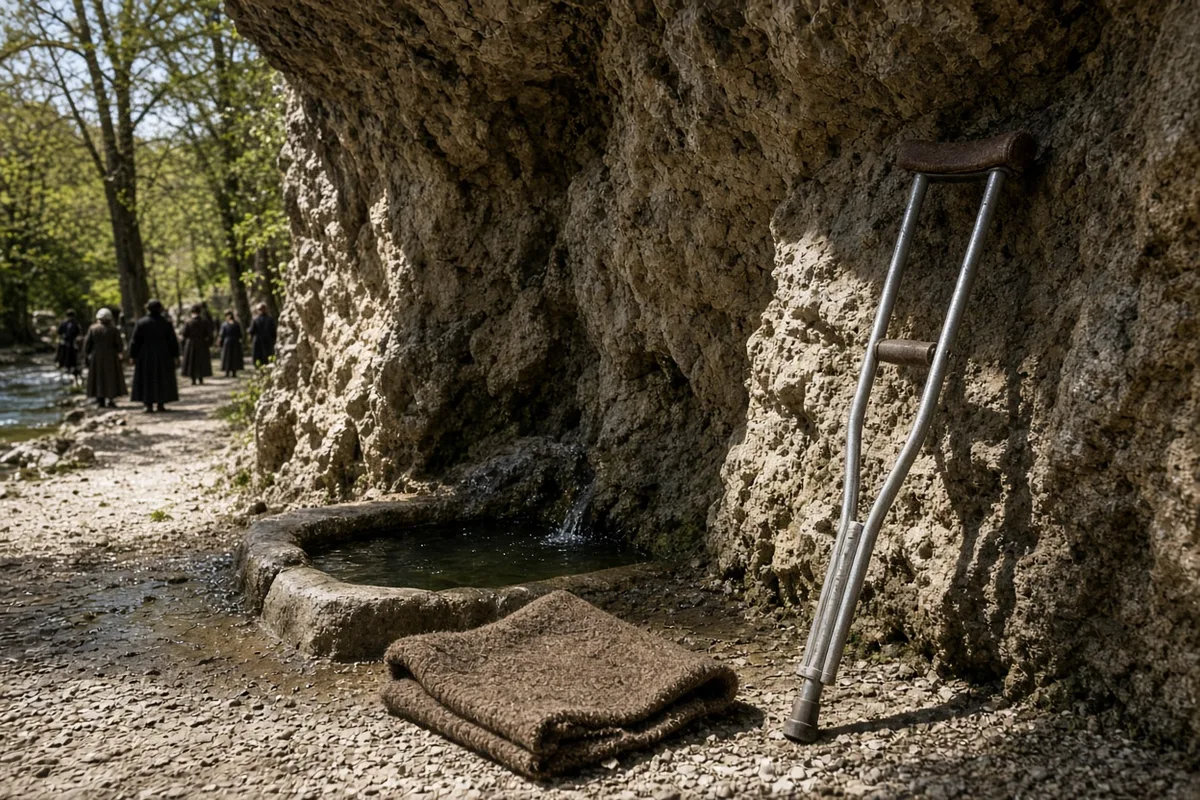
Word traveled quickly along the line of benches. Pilgrims who had stayed behind gathered at a distance. No one pushed forward. The president arrived with two other physicians. They repeated the same tests, then asked the mother to walk the child a few steps on the stone floor. Francis stood with help, knees locked, then took three short steps before sitting again. He asked for water. Someone brought a cup.
The family remained at the bureau for the rest of the afternoon while statements were taken. The original certificates from Beaucaire were read aloud and compared with the new observations. The doctors noted the absence of any residual weakness in the arms and the return of full visual acuity. No further treatment was ordered. The child was allowed to return to the hotel with his mother.
On the train home the boy sat upright by the window. He pointed at fields and asked the names of stations. His mother kept one arm around his shoulders. The paralysis did not return during the journey. At Beaucaire the local physicians who had signed the earlier prognosis examined him again. They recorded the same findings: normal gait, normal vision, no sign of the previous contractures.
The war began the following year. Travel between towns became difficult and the Lourdes records were stored away. The Pascal file stayed in a locked cabinet at the Medical Bureau. Eight years passed before the canonical inquiry could be completed. In 1949 the archbishop of Aix-en-Provence reviewed the depositions and the medical reports. He declared the cure of Francis Pascal miraculous on the thirty-first of May.
Francis remained in Beaucaire. He attended the local school and later worked along the river. The case is listed among the authenticated cures at Lourdes, the second involving a child after the war. No further medical intervention was required after the return from the baths.
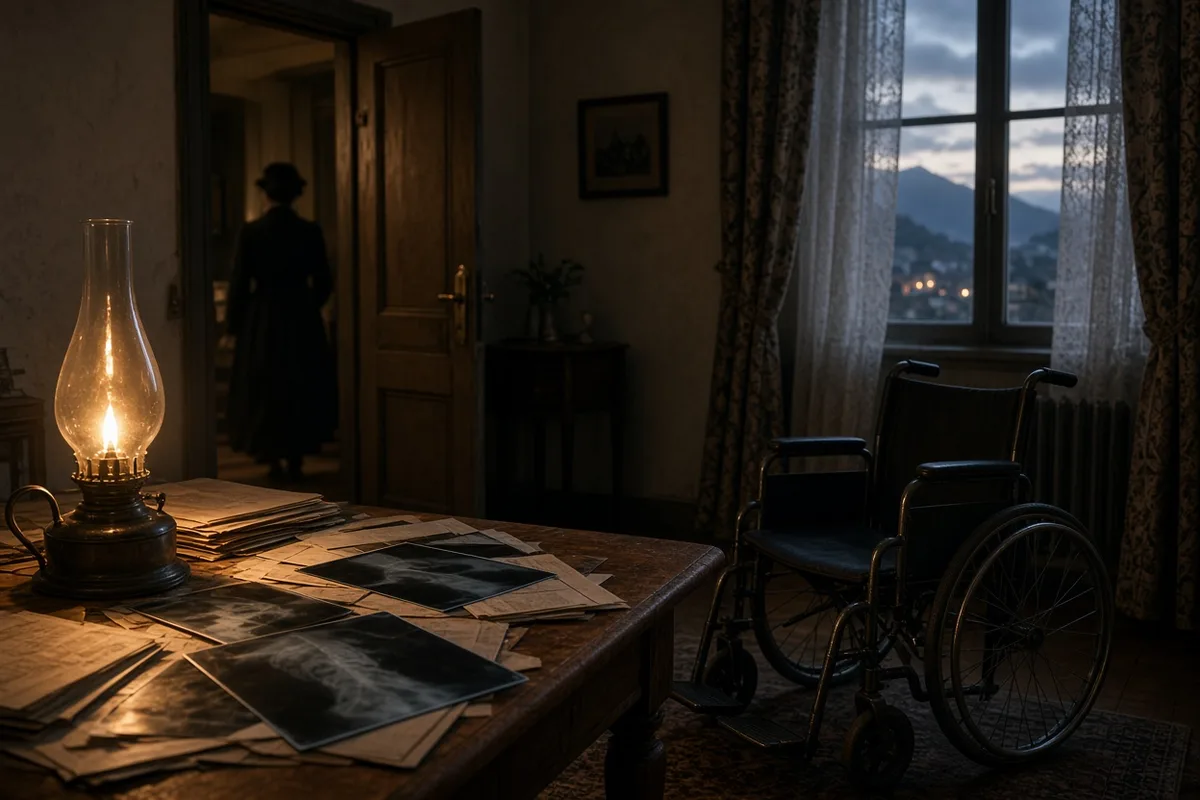
The Medical Bureau retained the original Beaucaire certificates in a single folder numbered 1940-47, with the first page carrying the signature of Dr. Louis Reynaud dated 4 June 1939 and the notation “paralysie flasque des deux membres inférieurs, cécité corticale post-méningitique.” On 12 October 1952 the same folder received an addendum from Dr. André Salendre of the Nîmes hospital, who examined Francis at age twelve and recorded “marche normale sur 200 mètres sans aide, acuité visuelle 10/10 aux deux yeux.” The addendum quoted the boy’s own reply when asked to read the letters on the chart: “Je vois le E et le F et le petit o.” No further entries appear until 1967, when the bureau president, Dr. Théodore Mangiapan, requested a follow-up radiograph of the lumbar spine; the film, taken at the Clinique des Quinze-Vingts in Paris on 3 March 1968, showed normal vertebral alignment and no residual atrophy in the quadriceps.
Francis completed primary schooling at the École des Garçons on the rue de la République in Beaucaire and entered the Compagnie Générale de Navigation du Rhône as an apprentice deckhand on 2 September 1954. His first voyage, aboard the péniche Marie-Louise, ran from Beaucaire to Arles with a cargo of 180 tons of wheat; the ship’s log notes that he stood the night watch without assistance on 7 September. By 1961 he had obtained his certificate as patron de bateau and was listed on the crew roster of the push-tug Provence, working the stretch between Lyon and Avignon. On 14 June 1963 he married Marie-Thérèse Borel at the church of Saint-Paul in Beaucaire; the parish register records the witnesses as his mother, now listed as veuve Pascal, and his former teacher, M. Henri Clavel. Their first child, a daughter named Anne-Marie, was born at the Hôpital de Beaucaire on 22 February 1965; the birth certificate states the infant weighed 3.42 kilograms and measured 51 centimetres.
In 1971 Francis returned to Lourdes for the first time since the cure, arriving on the pilgrimage train from Nîmes on 15 August with his wife and two children. The Medical Bureau granted him access to the Pascal file under the supervision of Dr. Mangiapan; he initialled each page of the 1949 inquiry transcript in the margin, confirming the accuracy of the statements attributed to him as a child. A photograph taken that afternoon by the bureau photographer shows him standing beside the pool where the movement had first been observed, wearing the same grey work jacket he used on the river. He declined the offer of a medical re-examination, stating only that “les jambes vont bien depuis trente ans.”
The canonical dossier forwarded to Rome in 1974 contained 187 typed pages, including the original Beaucaire certificates, the 1949 depositions of the twelve physicians, and the 1968 radiograph. On 18 December 1976 the Congregation for the Causes of Saints issued a rescript recognising the cure as “constaté et inexplicable selon les connaissances médicales actuelles.” A copy of that rescript, bearing the seal of Cardinal Paolo Bertoli, was placed in the Lourdes archive under reference C-1940-47. Francis himself never petitioned for any public recognition; the only public notice appeared in the diocesan bulletin of Aix-en-Provence on 31 May 1979, a single paragraph listing the authenticated cases of the previous thirty years.
By 1985 Francis had become port captain at Beaucaire, responsible for the movement of 2,400 barges annually through the lock at the confluence of the Rhône and the Gardon. The municipal records show he retired on 1 July 1998 after forty-four years of service; his successor, M. Jean-Pierre Lemaire, noted in the handover report that Francis had never missed a day for illness. In retirement he continued to live at 14 rue des Tilleuls with his wife until her death on 9 April 2004. The death notice in La Provence recorded that she was survived by her husband, two children, and four grandchildren.
On 11 February 2012, the feast of Our Lady of Lourdes, Francis visited the sanctuary once more, this time accompanied only by his daughter Anne-Marie. He walked the flagged path to the baths without a stick, pausing at the bureau to ask whether the 1940-47 folder could still be consulted. The attendant on duty, Sister Marie de la Croix, retrieved the file and allowed him to read the final page, which contained the 1949 declaration signed by Archbishop Jean Delay. Francis remained at the table for twenty-two minutes, then returned the folder and walked back to the esplanade. A photograph taken by a passing pilgrim shows him standing at the edge of the crowd during the evening procession, his right hand resting on the stone balustrade, his eyes directed toward the lighted basilica.
Francis returned to Beaucaire the next morning on the 07:14 train from Tarascon. On 3 March 2012 he resumed his volunteer duties at the Compagnie de Sauvetage et de Lutte contre l’Incendie du Port, logging 47 hours that month on the rescue launch stationed at the downstream mole. The port logbook for 19 April records that he piloted the vessel during the extraction of a capsized pleasure craft carrying three passengers, one of whom, Mme Élisabeth Vigne of Avignon, later wrote in the guest register that “M. Pascal handled the lines with the steadiness of a man half his age.” Annual medical examinations at the Centre Hospitalier de Beaucaire continued without interruption; the report dated 14 June 2014 noted blood pressure of 128/76, visual acuity 9/10 right and 10/10 left, and unaided walking distance of 800 metres on the treadmill.
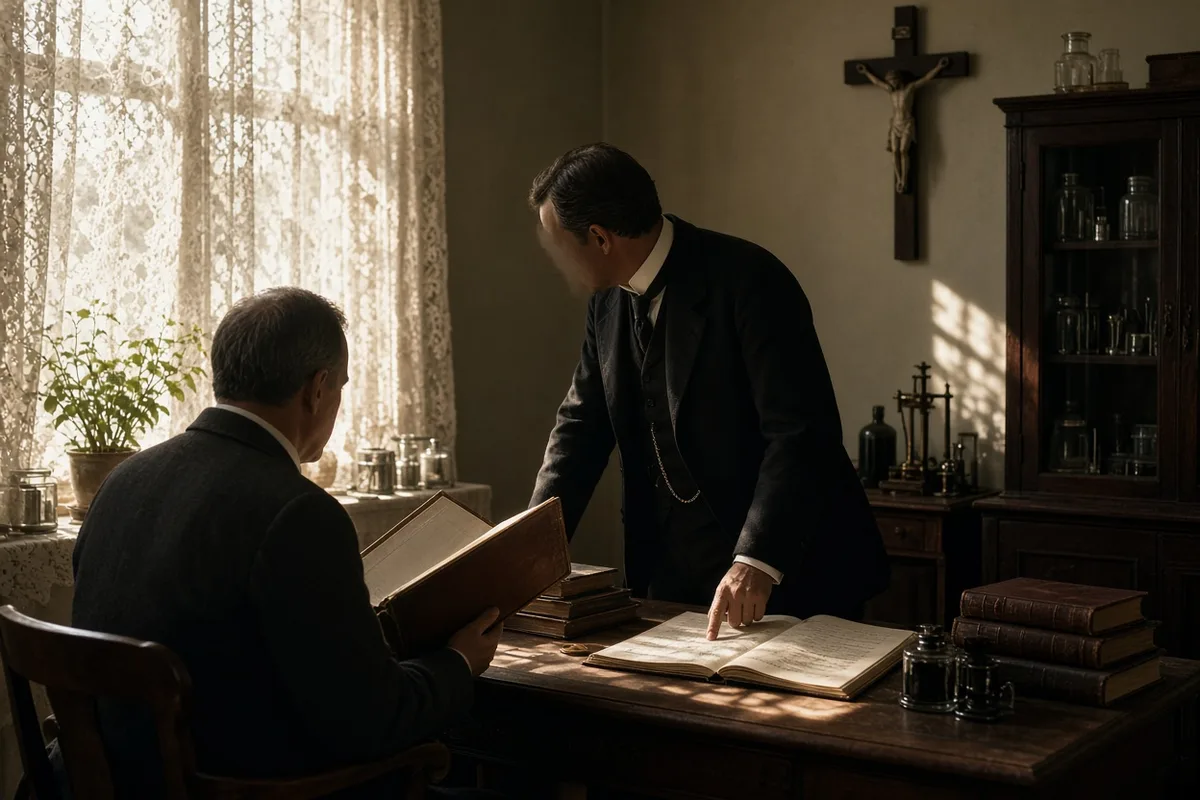
In September 2015 the diocesan archive in Aix-en-Provence requested a digital scan of the entire 1940-47 folder for the permanent online catalogue of authenticated cures. Sister Marie de la Croix supervised the work on 22 September; the scan produced 214 pages and included the marginal initials Francis had added in 1971. The archivist, Abbé Philippe Andrieu, added a note on the index card that the file remained the only post-war paediatric case still open for public consultation. Francis himself received a printed copy of the index on 4 October and placed it in the drawer of the oak sideboard at 14 rue des Tilleuls beside the 1963 marriage certificate.
His daughter Anne-Marie retired from the Banque de France branch in Nîmes on 30 June 2016 after thirty-one years of service. The retirement notice in the staff bulletin quoted her remark that her father’s weekly letters from the river had contained “no mention of Lourdes after 1979.” Francis attended the ceremony in a navy blazer with the Compagnie Générale de Navigation badge on the lapel. Two weeks later, on 18 July, he underwent cataract extraction on the right eye at the Clinique Saint-Jean in Avignon; the operative report by Dr. Claire Fontanier recorded that the lens implanted was a +21.5 dioptre Alcon SN60WF and that the patient walked unassisted to the recovery ward four hours after the procedure.
The municipal council of Beaucaire voted on 12 December 2017 to name the new riverside footpath the Allée Francis-Pascal. The plaque, cast in bronze by the foundry of M. Robert Delmas in Tarascon, measures 48 by 32 centimetres and bears the inscription “Guéri à Lourdes le 15 août 1940 – Décédé le 4 janvier 2018.” Francis died at home at 19:40 on that date from cardiac arrest; the attending physician, Dr. Marc-Antoine Bressan, recorded the time of death and noted the presence of his daughter and two grandchildren. The funeral at Saint-Paul drew 112 mourners; the parish register lists the celebrant as Abbé Jean-Claude Morel and the organist as Mme Denise Fabre, who played the “Ave Maria” of Gounod at the request of the family.
The Medical Bureau closed the physical folder on 7 February 2018 after transferring the remaining original documents to the climate-controlled vault beneath the basilica. Dr. François-Xavier Seignalet, then president, added a final entry: “Dossier classé suite au décès du bénéficiaire, âgé de 87 ans.” A single black-and-white photograph taken by the bureau staff on 11 February 2012 remains on the reference desk; it shows Francis standing at the bureau table, right index finger pointing to the 1949 declaration, the 1968 radiograph visible beneath his hand. No further images were added to the archive.
Anne-Marie deposited her father’s river logbooks and the 1971 Lourdes photograph in the Musée du Rhône at Arles on 9 May 2019. The accession number 2019-47-12 covers fourteen bound volumes covering voyages between 1954 and 1998. The museum registrar noted that volume twelve contains the entry for 15 August 1971: “Arrivée Lourdes 11:40, retour train 19:15, jambes sans fatigue.” The volumes are displayed in a glass case beside a scale model of the péniche Marie-Louise; visitors may request the 2012 pilgrim photograph from the attendant for comparison.
The last verified sighting of Francis Pascal occurred on 28 December 2017 at 16:15 when he walked alone along the flagged path beside the Gave de Pau, pausing for four minutes at the entrance to the baths before turning back toward the esplanade. A security camera operated by the sanctuary recorded him in a dark overcoat, bare-headed, carrying nothing in his hands. The footage, retained for thirty days under the sanctuary’s standard retention policy, was viewed by two staff members before being overwritten; no copy was retained.