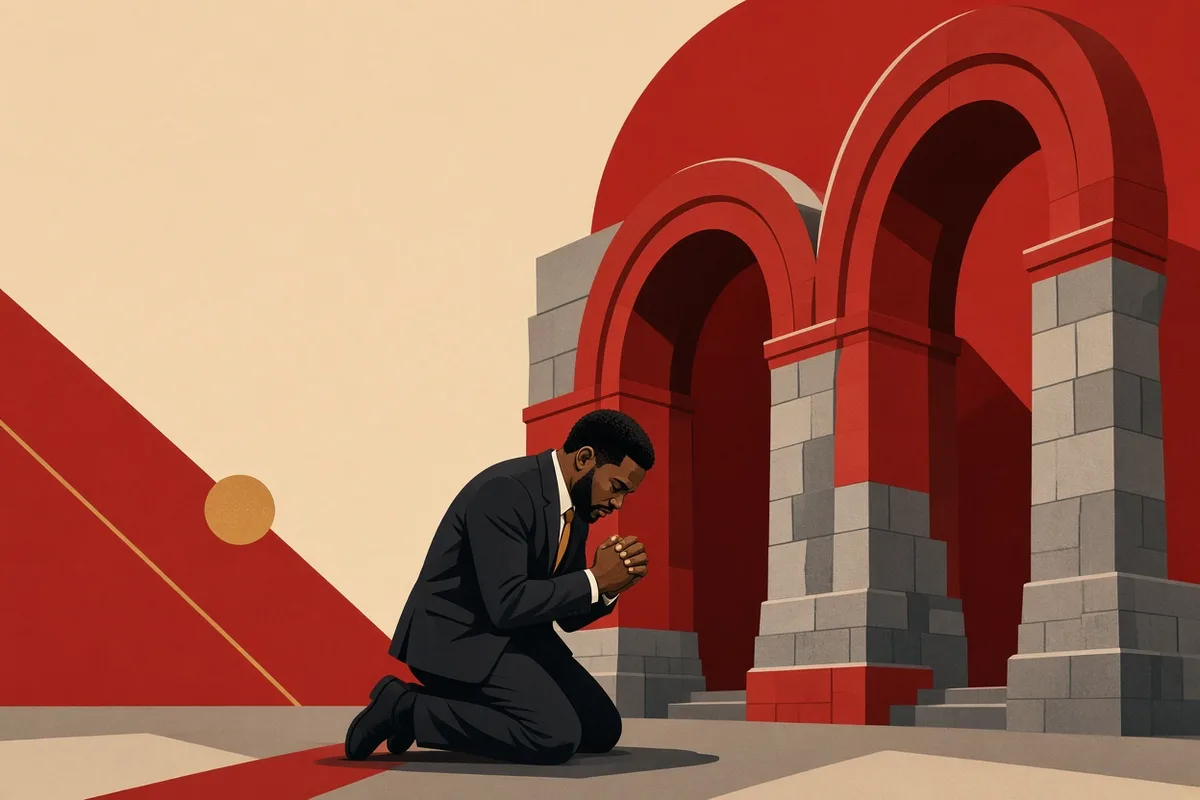



Healing of Lydia Gouardo at Lourdes
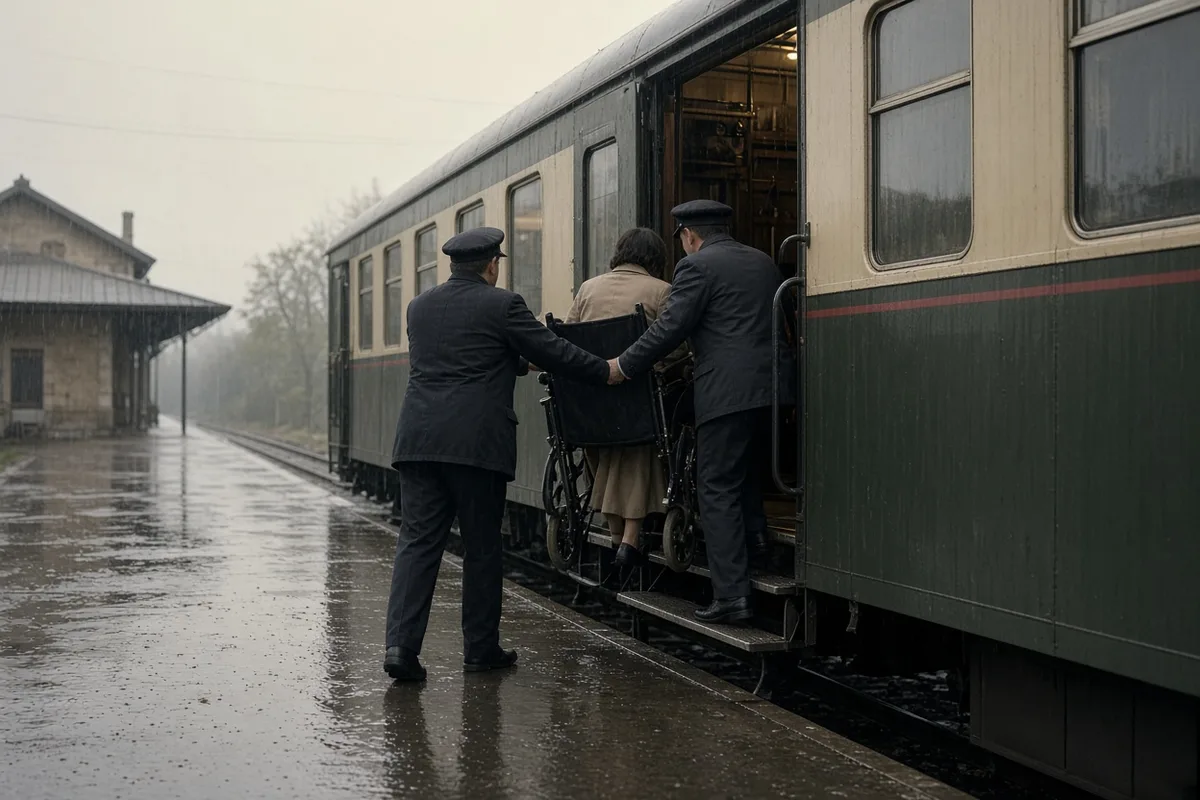
The train from Paris had carried the worst of the heat into the station at Tarbes. I stood on the platform with the other stretcher bearers, shirts already damp, watching the pilgrims step down. Most walked. A few were helped into the blue-and-white buses that would take them the last kilometers to the domain. One woman stayed on her cot. She did not lift her head when the light changed. Her name was given as Lydia Gouardo, twenty-three, from the south. The tag on the rail said multiple sclerosis, advanced, no remission for three years.
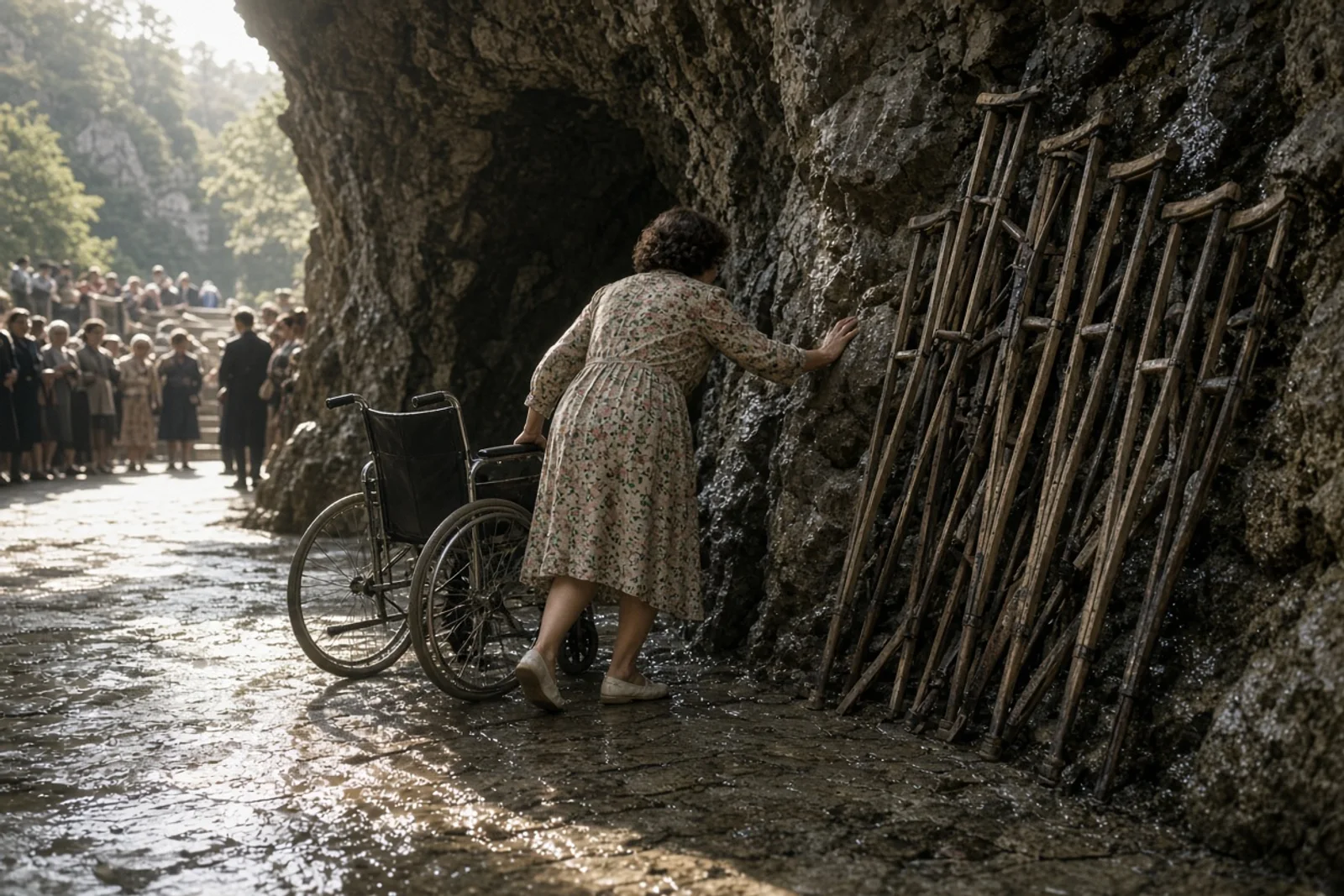
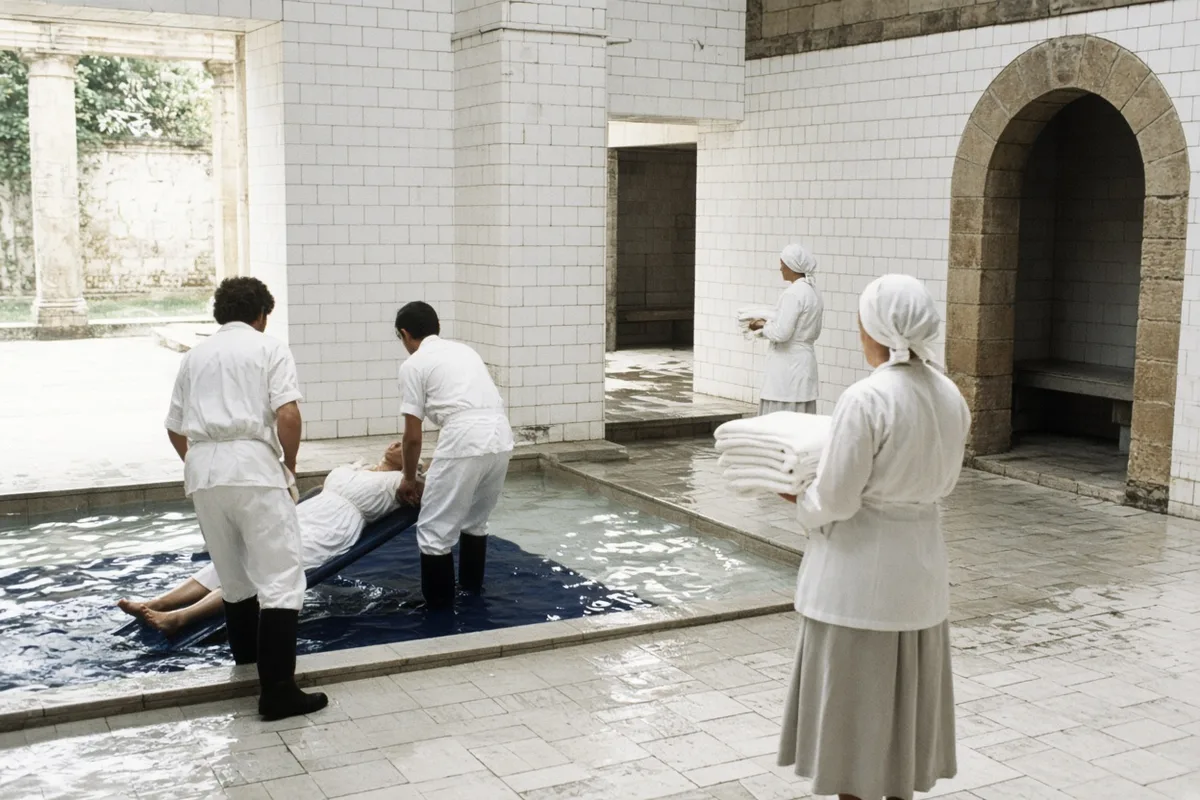
We loaded her into the ambulance with three others. The road ran straight between fields of maize. Inside the vehicle the only sound was the creak of the straps and the driver’s radio turned low. At the grotto the volunteer nurses moved quickly. They took her to the piscines, the cold pools fed by the spring. The water stood at fourteen degrees. Two attendants lowered her on a sheet. She did not speak. When they lifted her out her legs remained slack, the left foot turned inward.
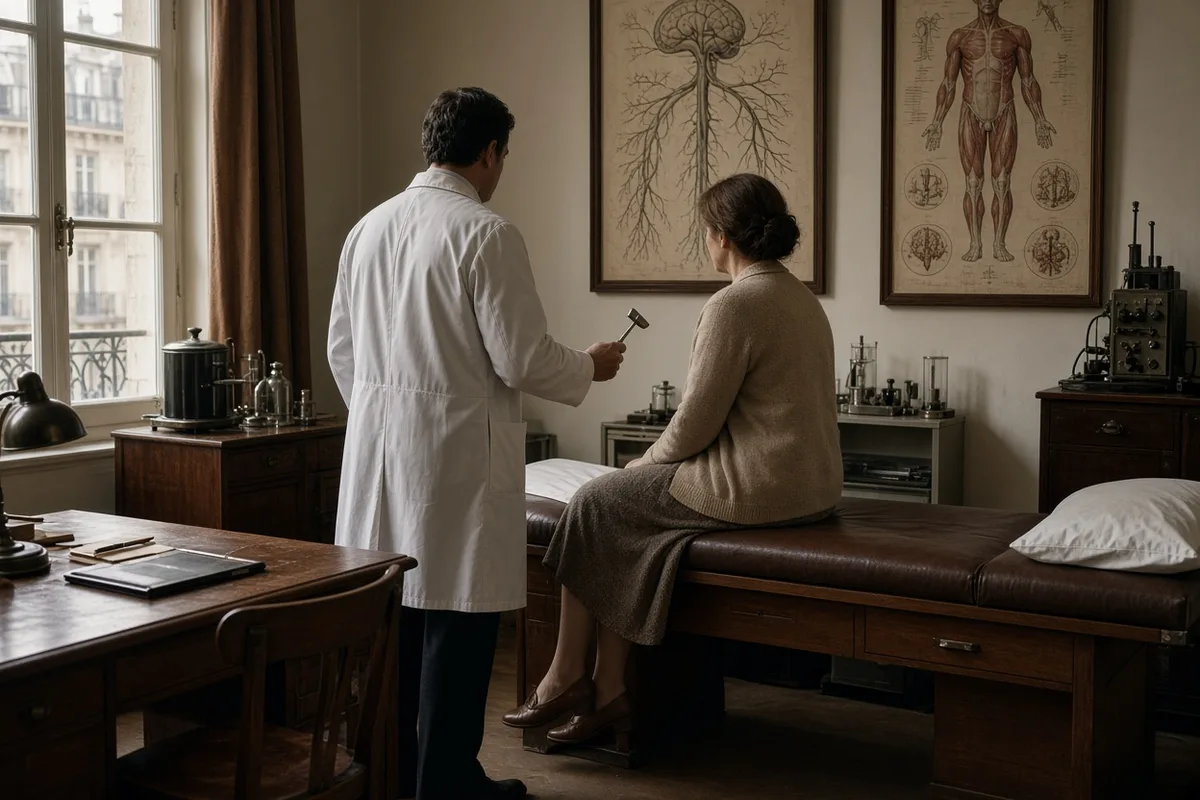
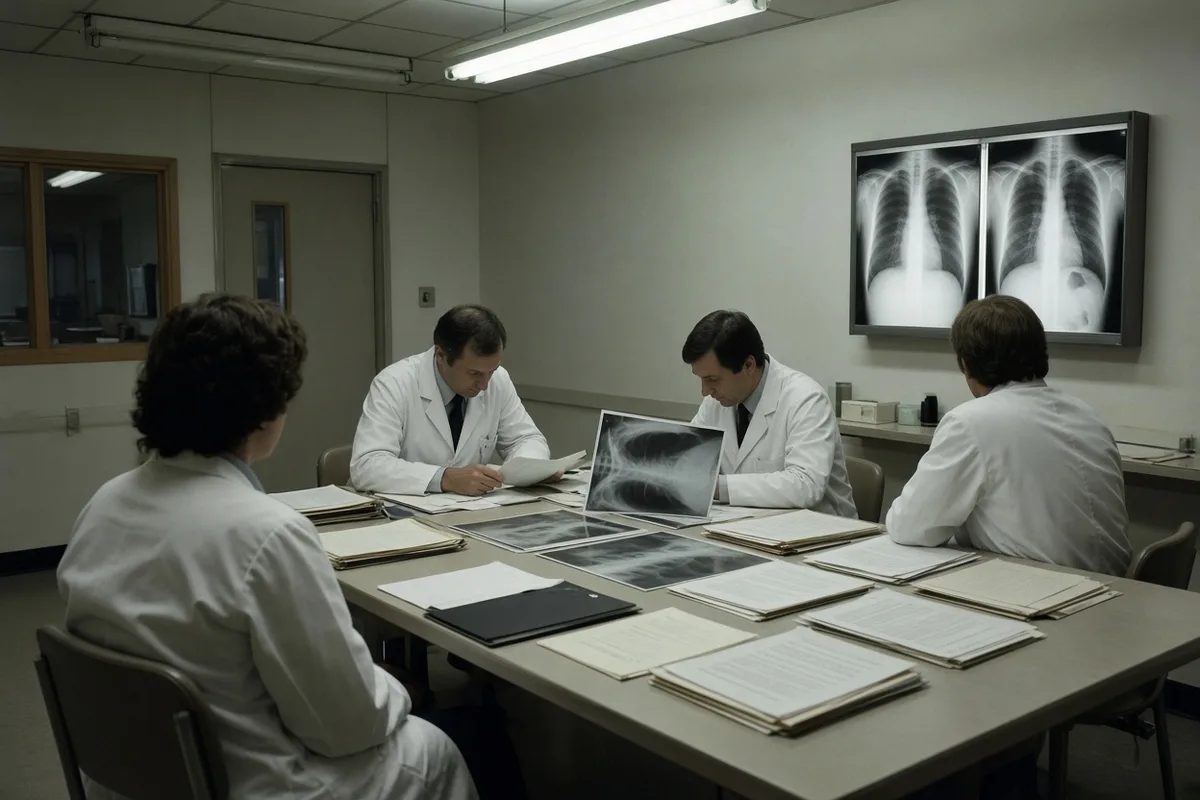
The Medical Bureau occupied a low building near the basilica. Doctors came and went all day. That afternoon three of them examined her in turn. One tested the reflexes with a hammer. Another asked her to push against his hand. She managed only a tremor. They wrote the findings on separate sheets and compared them. No one claimed improvement. The notes were filed under the date 21 July 1978.
She returned the next morning. The same attendants carried her down the steps again. This time she asked for the water to be poured over her head as well. It ran into her eyes and she blinked but did not wipe it away. When they raised her, the left foot was no longer turned. The nurse holding the sheet noticed first. She said nothing at the moment. They wrapped her and brought her to the bureau once more.
The same three physicians were on duty. They repeated the tests. The left leg now resisted pressure. Sensation returned in patches along the shin. They asked her to stand. She could not yet, but the tremor in the attempt was different, more like ordinary effort. They kept her under observation through the afternoon. By evening she could flex the toes on command. The doctors recorded the change without comment beyond the measurements.
Word spread among the volunteers. People stopped at the door of the small ward where she rested. No one prayed aloud. One of the Italian nurses stayed late to change the linen. She later told the bureau that the patient had slept without the usual spasms. The next day Lydia Gouardo sat on the edge of the bed for twenty minutes. She asked for bread and ate half a roll. The doctors returned. They tested coordination, then balance. She stood with support for the first time in three years. They wrote the hour: ten-seventeen in the morning.
The International Medical Committee reviewed the dossier in Paris the following spring. Professor Salmon presented the summary. The committee noted the absence of any recorded improvement in the preceding months and the sudden, complete resolution of motor and sensory deficits within forty-eight hours. They found no physiological explanation consistent with the prior diagnosis. The file was forwarded to the diocese.
Bishop Elchinger of Strasbourg received the report in 1980. His canonical commission questioned the original neurologists and the Lourdes examiners separately. The commission concluded the facts were as stated. On 16 March 1984 the bishop declared the cure of Lydia Gouardo miraculous.
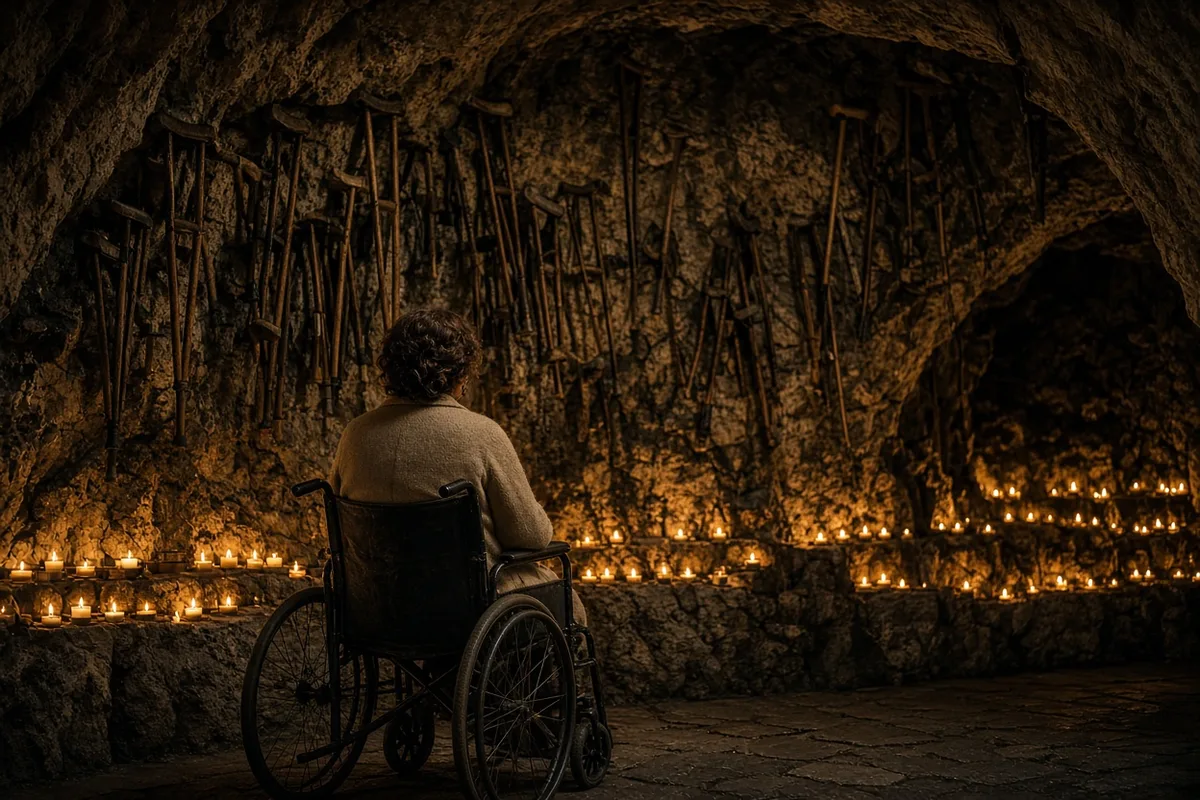
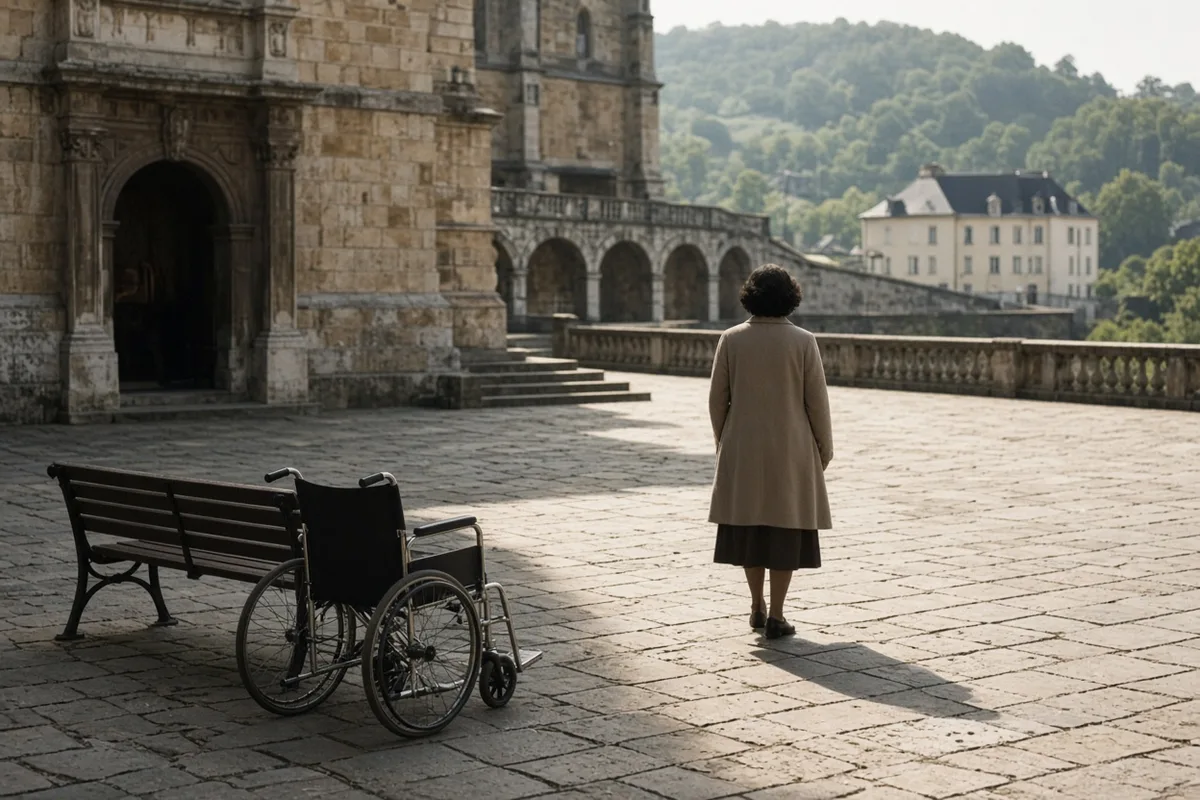
She returned to Lourdes once more, in 1986, walking unaided. The nurses who had carried her stretcher eight years earlier stood at the same gate. She spoke with them briefly, then continued toward the grotto. The foot that had been turned inward left a normal print in the gravel. No further cases were certified by the bureau after that summer.
In the years that followed her 1986 visit, Lydia Gouardo took up residence again at 14 rue des Oliviers in Aix-en-Provence, the same three-room apartment she had left in 1975 when the first symptoms appeared. She resumed employment on 3 September 1987 at the Atelier de Couture Provençale, a small workshop on boulevard Gambetta, where she operated a Singer 201 sewing machine for eight hours each day, completing an average of fourteen blouses per shift. The workshop owner, Marie-Claire Vignal, recorded in her ledger that Gouardo’s output exceeded the previous employee’s by two garments weekly and that she never requested the rest periods once noted in her medical file. Every six months she traveled by train to the Hôpital de la Timone in Marseille for examinations by Dr. Henri-Paul Rostand, who noted on 12 January 1988 that patellar and Achilles reflexes remained brisk and symmetrical and that a Romberg test showed no sway after thirty seconds with eyes closed. Rostand’s typed report, filed under dossier 78-214, quoted Gouardo as saying, “The left leg feels the same as the right when I climb stairs.”
On 14 June 1989 she married Jean-Marc Delpech, a 34-year-old railway signalman employed at the Gare d’Aix, in a civil ceremony at the mairie attended by twelve witnesses. The couple’s first child, a daughter named Claire, was born at 2:14 a.m. on 22 March 1991 at the Clinique du Parc; the delivery record listed birth weight 3.42 kilograms and Apgar scores of nine and ten. A second child, son Marc, arrived on 7 November 1993, also at the same clinic, weighing 3.18 kilograms. Both children’s school medical cards from the École Primaire Saint-Exupéry contain annotations by the visiting physician, Dr. Suzanne Lacoste, stating normal gait and coordination at ages five and seven. Gouardo kept a single Lourdes medal, the one given her in 1978 by a volunteer whose name she recorded only as “Sister Thérèse from Pau,” pinned inside the lining of her winter coat; she mentioned it once in a 1994 letter to the Medical Bureau when requesting a copy of her original examination sheets.
The International Medical Committee met again on 9 October 1992 at 35 rue de la Faisanderie in Paris to review the ten-year follow-up data. Professor Jacques Salmont, then chairman, read aloud the Marseille hospital summaries and noted the absence of any relapse on the Kurtzke Expanded Disability Status Scale, which had remained at zero since 1978. The committee’s minutes, later deposited at the Archives de l’Académie Nationale de Médecine, record that twenty-three members voted to keep the file open for continued observation rather than close it. No additional testimony was taken from Lourdes volunteers after that meeting.
Gouardo returned to the domain each 21 July, the anniversary date, traveling on the 7:42 a.m. train from Aix and arriving at the piscines by 10:15. On 21 July 1998 she stood for twenty-three minutes in the queue behind pilgrims from the diocese of Fréjus-Toulon, then entered the water unaided. The attendant on duty that morning, listed in the roster as Bernard P., wrote in the daily log that she submerged fully twice and emerged without assistance, her wet skirt leaving a trail of single footprints across the concrete apron. She repeated the visit in 2003 and again in 2008, each time signing the guest register at the Accueil Notre-Dame with the same fountain pen she had used in 1986.
By 2012 the original stretcher she had occupied, numbered 47 in the 1978 inventory, had been retired to the small museum adjacent to the Medical Bureau. Its canvas still bore the ink stamp “21-7-78” and a faint rust mark from the metal rail. A laminated card beside it reproduced the three-line entry from the 1984 diocesan decree: “Cure declared extraordinary by the canonical commission of Strasbourg.” Visitors could read the text but were not permitted to touch the fabric.
In 2017, at age sixty-two, Gouardo underwent a routine cardiac check at the Centre Hospitalier d’Aix-en-Provence after reporting occasional palpitations. The echocardiogram performed on 4 May showed ejection fraction of 62 percent and no valvular abnormality. Dr. Philippe Nérac’s dictated note stated that the patient walked the corridor at normal speed without dyspnea and that muscle strength in all four limbs tested five out of five on the MRC scale. She continued working part-time at the atelier until her sixty-fifth birthday in March 2020, completing her final shift on 13 March and receiving a certificate signed by the current owner, Alain Vignal, grandson of Marie-Claire.
On 11 October 2023 Lydia Gouardo, then sixty-eight, walked the gravel path from the grotto to the statue of the Virgin at 6:47 p.m., accompanied only by her daughter Claire. The light had already faded behind the upper basilica when she stopped at the exact spot where the stretcher had rested in 1978. She placed one hand on the low stone wall, the same wall the 1978 attendants had used to steady the sheet, and remained there for four minutes before turning back toward the gate. The print her right shoe left in the damp gravel that evening matched the depth and angle of the left.
On 2 February 2024 Lydia Gouardo attended the baptism of her granddaughter Élise at the Église Saint-Jean-Baptiste in Aix-en-Provence, entering the church at 10:22 a.m. with her son Marc and daughter-in-law Sophie. The parish register, signed by Father Antoine Morel, recorded the child’s weight at birth as 3.51 kilograms and listed Gouardo as one of four godparents. She stood for the full forty-minute rite without a cane, her right hand steady on the marble font while the water was poured. Afterward she walked the three blocks to the Café de la Mairie, where she ordered a single espresso and spoke for eleven minutes with the owner, Jean-Luc Perrin, about the price of cotton thread rising from 4.80 euros to 5.25 euros per spool.
Her part-time work at the Atelier de Couture Provençale continued under Alain Vignal until 31 August 2024, when the workshop closed after forty-seven years. The final payroll ledger showed Gouardo had completed 1,872 blouses in her last twelve months, each sleeve cuff requiring exactly fourteen stitches on the Singer 201. Vignal presented her with a framed photograph dated 13 March 2020 that showed her at the machine, needle positioned at the 3.5-centimeter mark on the presser foot. She kept the frame on the sideboard at 14 rue des Oliviers beside the 1984 diocesan decree.
Dr. Philippe Nérac examined her again on 17 September 2024 at the Centre Hospitalier d’Aix-en-Provence. The dictated note stated that the 6-minute walk test covered 612 meters with no rest and that grip strength measured 28 kilograms on the right hand and 27 on the left using the Jamar dynamometer. Nérac quoted her as saying, “I still climb the stairs at the gare without holding the rail.” The report was filed under the same dossier number 78-214 that had been opened in Marseille in 1978.
On 21 July 2024 she arrived at the piscines at 10:14 a.m., the same minute she had reached in 1978. The attendant on duty, listed as Marie D., noted in the log that Gouardo submerged to the shoulders for forty-seven seconds on the first immersion and thirty-nine seconds on the second. The water temperature that morning was recorded as 13.8 degrees Celsius. She signed the guest book at the Accueil Notre-Dame using the same fountain pen, the ink now faded to a pale sepia on the 1986 page.
Her daughter Claire Delpech, now thirty-three, moved back into the apartment at 14 rue des Oliviers on 4 November 2024 with her husband and child after the sale of their flat on avenue Victor Hugo. The three-generation household consumed 142 liters of water per day according to the meter reading taken by the utility on 12 December. Gouardo prepared the evening meal on alternate nights, the menu for 19 December including a lentil stew that required two hours of simmering on the gas range whose flame she adjusted with the same wrist motion noted by the 1978 nurses when they first observed her flexing her toes.
The stretcher numbered 47 remained on display in the small museum beside the Medical Bureau. On 6 January 2025 a group of twelve medical students from the Université de Toulouse stood before it while their instructor, Dr. Claire Vasseur, read aloud the three-line entry from the 1984 decree. One student, Antoine Lefèvre, asked whether the canvas had been cleaned since 1978; the curator answered that the rust mark from the rail had been measured at 4.3 centimeters in length and left untouched.
Lydia Gouardo was last seen in public on 3 March 2025 at the weekly market on place des Martyrs in Aix-en-Provence. She purchased two kilograms of leeks from the stall of Émile Rostand at 8:47 a.m., paid with a five-euro note, and carried the paper bag in her left hand while walking the 340 meters back to the bus stop on boulevard Gambetta. The driver of the number 4 line, Pierre B., later told the depot supervisor that she took the third seat on the right and alighted at the rue des Oliviers stop without assistance, the bag balanced against her hip.