



Mammograms Can Detect Breast Cancer Early
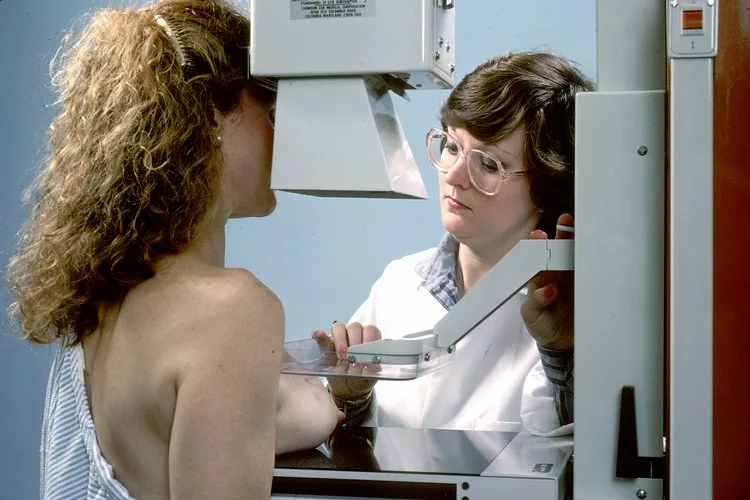
About one in eight U.S. women develop breast cancer; roughly 321,910 new invasive cases and 42,140 deaths are projected in 2026. Mammograms can detect cancer before symptoms appear, and screening and improved treatment have contributed to a nearly 50% decline in U.S. breast cancer deaths since 1989. Amy Harris’s routine screening found invasive lobular carcinoma despite no symptoms or family history, while a mammogram after Jes Huggins resumed screening led to an early-stage diagnosis and treatment. Experts say early detection can improve treatment options and outcomes, but an abnormal mammogram does not automatically mean cancer; follow-up imaging or a biopsy may be needed, so patients should complete recommended testing rather than panic or delay. Screening guidance differs: the USPSTF recommends mammograms every two years for average-risk women ages 40–74, while the American Cancer Society recommends annual screening beginning between ages 40 and 44 and annually at ages 45–54; patients should discuss their risk and schedule with a clinician. Screening gaps persist, with cost, anxiety and access among the barriers; in Calcasieu Parish, 36.6% of cases were diagnosed at a late stage from 2018 to 2022.