



Guidara argues hospitality, not flawless service, creates lasting loyalty
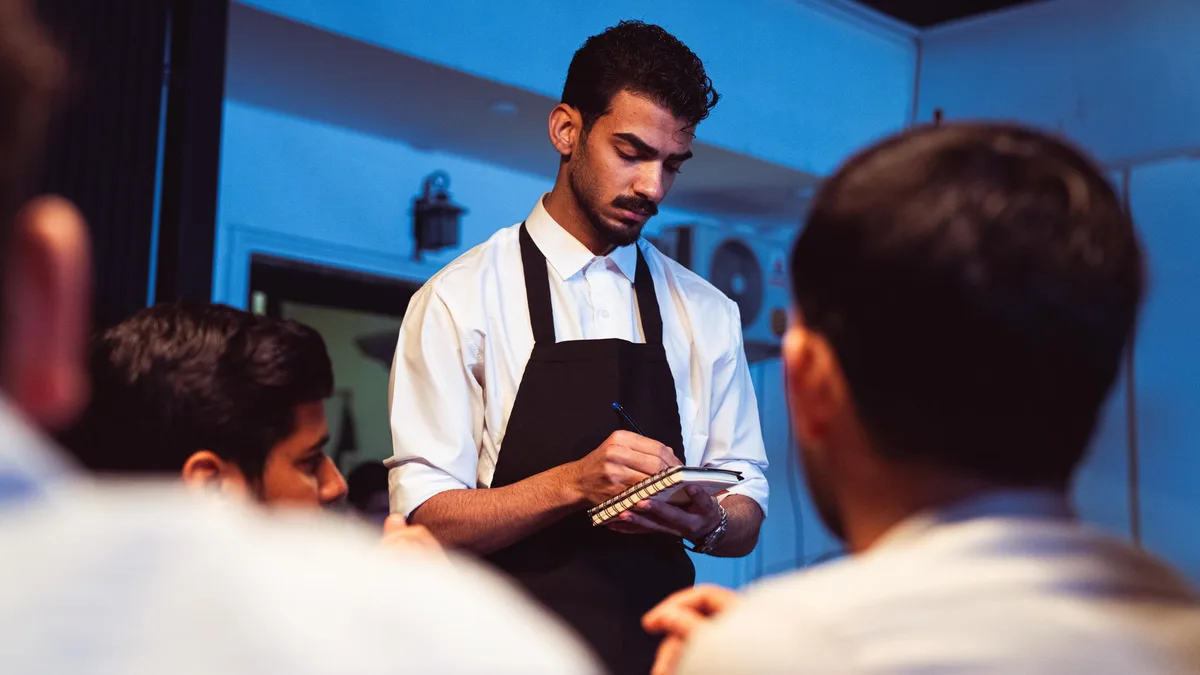
In 60 seconds
- Technical service is table stakes; loyalty comes from the emotional layer of making someone feel specifically seen.
- Tiny gestures that answer a detail a guest actually revealed create loyalty far beyond their cost.
- Spontaneous-seeming moments require infrastructure: briefings, shared notes, and fast routing of what staff overhear.
- Front-line people need real discretionary power or generous ideas die waiting for a manager.
- Staff cannot pour hospitality outward unless leadership first extends the same care inward.
- The model is clearest inside one high-margin fine-dining room; lower-margin settings need more translation than the stories supply.
The big idea
Guidara argues hospitality is a learnable craft separate from technical service, built by noticing small human details and answering them with generosity that exceeds any reasonable expectation. Once serious competitors clear the same mechanical bar, the only lasting differentiator is whether people feel specifically seen.
The book in brief
Guidara opens by splitting service from hospitality. Service is the technical delivery: correct food, accurate order, clean room. Hospitality is how that delivery makes someone feel. Most businesses, he says, max out once the measurable bar is cleared and call the job done. At Eleven Madison Park a flawless tasting menu could still leave the room cold if nobody made a guest feel specifically seen. Competitors with equal or better execution were losing regulars to warmer rooms. That observation became the founding claim: excellence in mechanics is table stakes, not a differentiator.
The mechanism he offers is deliberate over-delivery. Staff learn to listen for openings a guest drops by accident—an anniversary, a childhood memory, a joke about wanting something ordinary—and treat each one as raw material for a gesture. The point is attention, not budget. A free bottle of wine is generous but forgettable; a response tied to something real the person said is memorable. Specificity is what separates a delightful surprise from an awkward overreach.
Those gestures only look spontaneous. Eleven Madison Park ran pre-shift briefings that shared reservation notes, dietary needs, even social-media research so the whole floor was primed before a table sat. A physical index-card system logged anything a server picked up mid-meal and passed it to the next shift. Notes were reviewed nightly. Staff were expected to contribute at least one usable detail per shift. Managers were judged partly on whether their teams generated intelligence, not just clean tickets. Without capture and routing, warmth has nothing to act on.
Infrastructure is useless without authority. Every service employee received standing permission to comp an item, send a gift, or improvise without asking a manager first. Guidara frames the fear of abuse as more expensive than the occasional excess, because hesitation kills good ideas. Hiring had to invert the usual order: warmth and judgment first, technical skill second. Technically superior candidates who showed no curiosity about guests as people were turned away.
A simple mental model reinforced the system. Staff were asked to treat each table as guests in their own home rather than covers in a business. A host does not consult a manual to refill a glass or handle a spill; the guest’s comfort is personal. The same frame turns mistakes into chances to demonstrate care, because a well-handled recovery can create more loyalty than a flawless visit. None of it sustains if the internal culture is transactional. Leadership had to celebrate staff milestones with the same specificity used for guests, invest in staff meals and off-hours connection, and treat recognition as seriously as external reviews. Emotional labor depletes fast; it has to be replenished.
Later chapters try to carry the same principles into retail, tech offices, and other restaurant formats. Notice, empower, and exceed still apply, Guidara argues, even when the scale of gestures shrinks. Yet the flagship stories rested on high margins, low nightly covers, and a clientele that could absorb the cost of slack. The book leaves the hardest translation work—to thin-margin, high-volume settings—mostly to the reader.
Context
Will Guidara draws on his years running Eleven Madison Park, the New York restaurant that climbed from three stars to the best in the world. The book mattered because it reframed hospitality as a competitive strategy far beyond restaurants, giving leaders in retail, tech, and services a language for customer experience built on generosity and attention rather than scripts alone.
The key ideas
1
Service stops too soon
Technical excellence is necessary but never enough; loyalty is earned by the emotional layer most businesses stop funding once the measurable bar is cleared.
Service
Food correct, order accurate, room clean—the measurable transaction
Hospitality
The guest feels specifically seen beyond the transaction
Guidara draws a hard line. Service is correct food, accurate orders, a clean room. Hospitality is whether the delivery makes a person feel specifically seen. Most operators treat the first as the finish line because it can be measured and the second cannot.
He watched kitchens execute flawless tasting menus while the dining room still felt cold. Competitor restaurants with equal or better technical food were losing repeat guests to places whose rooms simply felt warmer and more personal. Mechanics, he concludes, are table stakes. Everyone serious eventually gets them right.
The real differentiator is whether staff are inspired to notice what one individual needs beyond the transaction. That noticing cannot be mandated by a manual. It has to be cultivated as a value the whole team internalizes and competes to practice. Hospitality is therefore a culture problem before it is an operations problem.
In practice the gap shows up the moment a guest reveals something personal and nobody is primed or permitted to answer it.
In practice: A family mentioned in passing that their young child had never had a hot dog in New York; the team sent someone to a street cart, brought one back, and plated it as a course—the story the family told for years.
2
Answer what they reveal
Generosity that exceeds a customer’s stated expectation, even in small unbudgeted ways, produces loyalty out of proportion to its cost.
The concrete mechanism is calculated over-delivery. Guidara calls it unreasonable because it exceeds any tidy business case for the effort. Staff are trained to listen during ordinary conversation for the detail dropped by accident—an anniversary, a childhood memory, a joke about wanting one particular thing—and to treat it as raw material.
Customers almost never expect a gesture this personal. Even a small one therefore lands with outsized weight: it signals the business paid attention to them as an individual rather than as a covers count. The spend is attention, not money. A comped bottle of wine is generous and forgettable. Noticing a favorite author and leaving a signed copy at the table is memorable because someone actually listened.
Gestures misfire when they feel generic or intrusive. The difference between delight and awkward overreach is specificity: the response must answer something real the guest said, not a script. Hospitality becomes a practice of information-gathering in ordinary talk, followed by a fast improvised reply.
In practice the opening is often a single offhand sentence; the win is acting on it before the check arrives.
In practice: A free bottle of wine is forgotten; leaving a signed book by the guest’s favorite author at the table is remembered because it required real listening.
3
Engineer the noticing
Spontaneous-seeming gestures are the output of deliberate operational infrastructure for capturing and routing guest details.
Once hospitality depends on picking up guest details, the restaurant had to engineer the ability to notice at scale. Pre-shift briefings shared everything known about reservations—anniversaries, first visits, dietary notes, even social-media research on notable guests—so the whole floor was primed before anyone sat down.
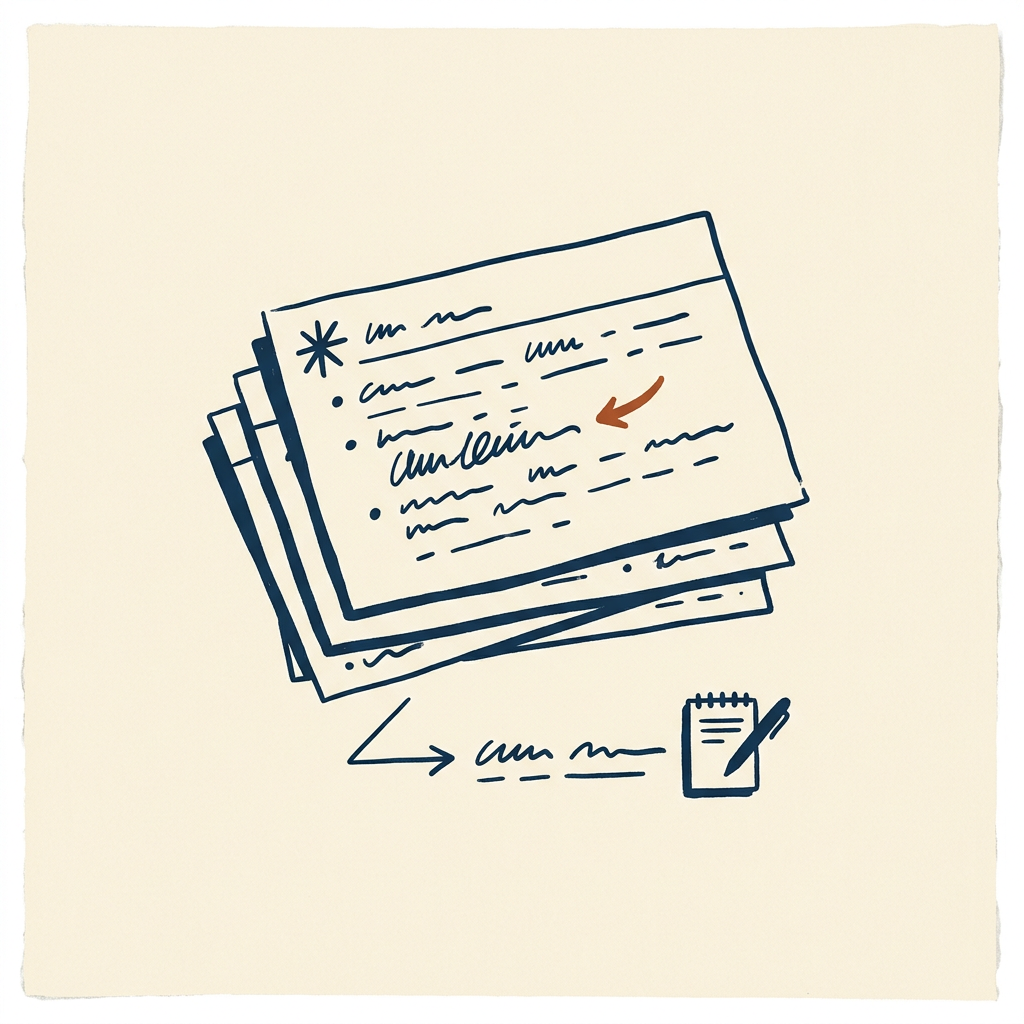
A physical index-card and notes system, predating digital CRM tools, logged any detail a server learned mid-meal and passed it to the next shift. A second visit could then reference something from the first. Notes were reviewed nightly. Staff were expected to contribute at least one usable detail per shift. Managers were evaluated partly on whether their teams generated intelligence, not merely clean tickets.
Many businesses fail at hospitality not because staff lack warmth but because nothing captures and routes the information that would let warmth become action. A server who learns a favorite dessert is powerless without a fast path to the kitchen and cultural permission to act without a manager’s sign-off.
In practice the system turns one overheard sentence into material the entire team can use hours or days later.
In practice: A server who learns a guest’s favorite dessert mid-meal still needs a mechanism to reach the kitchen fast and the standing right to act on it.
4
Give away the permission
Hospitality collapses when every generous act needs approval, so real discretionary authority must sit with the people closest to the guest.
Centralized approval
Good ideas wait; service turns hesitant; fear of abuse rules
Front-line authority
Staff act in the moment; occasional excess costs less than paralysis
The note-taking system is useless without authority. Every service employee at Eleven Madison Park received a discretionary budget or standing permission to comp an item, send a gift, or improvise a gesture without checking with a manager. Guidara calls it a trust bet.
Most businesses centralize the power to give things away because they fear abuse. That fear produces slow, hesitant service where good ideas die in the waiting. He argues the cost of occasional abuse is far lower than the cost of a culture in which nobody feels safe acting generously.
Hiring had to change to match. Warmth and judgment came first; technical skill was trained second. Technically superior candidates were rejected in interviews when they showed no curiosity about guests as people. The claim is contestable: it assumes personality is harder to train than technique and that most employees will use power responsibly inside a tightly supervised team.
In practice the test is whether a front-line person can fix a problem in the moment without a radio call upstairs.
In practice: A maître d’ was empowered to spend whatever was needed, without asking, to repair a guest’s bad experience on the spot.

5
Host, don’t process
Reframing every table as guests in your own home changes emotional stakes for staff and produces better decisions than any rulebook.
Procedural response
Apologize, comp the dish, minimize the liability
Host response
Relieve self-consciousness first, then fix the practical problem
Guidara offers a simple mental model: imagine each table as people you invited into your home rather than customers inside a business. A host at a dinner party does not consult a manual to decide whether to refill a glass or handle an allergy; comfort is personal, not transactional.
The frame explains why some staff excelled at hospitality with almost no training while others followed every procedural rule and still made guests feel processed. Training should therefore install the model more than it multiplies scripts, because the model generates usable behavior across situations no manual can anticipate.
Mistakes look different under the same light. A host does not treat a mishap only as a liability to minimize. Recovery handled with care can create more loyalty than a visit that never went wrong. The book offers stories of guests who became devoted regulars specifically because of how a problem was handled, and asks the reader to trust the pattern.
In practice the first move after a spill is often to relieve the guest’s self-consciousness before the practical fix.
In practice: After a spilled glass of wine, the procedural move is to apologize and comp a dish; the host’s move is to notice the guest’s embarrassment and quietly shift attention, sometimes with humor, before cleaning up.
6
Fill the staff first
The hospitality guests receive is capped by the culture staff experience, so leadership must extend the same generosity inward before expecting it to flow out.
A team cannot deliver unreasonable hospitality to guests if they do not feel it from their own leaders. Eleven Madison Park tried to model the external behavior internally: staff milestones celebrated with the same specificity used for guests, real investment in staff meals and off-hours events, internal recognition treated as seriously as outside reviews.
Culture is contagious. A workplace that feels transactional toward its own people produces staff who treat guests transactionally, no matter what the guest-facing manual says. Pre-shift meetings were restructured from rote lists of specials into moments of genuine connection and storytelling so the team arrived with emotional energy left to give away.
High-generosity service also burns people out. Constant emotional labor and creative gestures on top of physical work deplete staff quickly. Leadership has to replenish that energy through recognition, rest, and inclusion in decisions, not through exhortation to try harder.
In practice the pre-shift itself becomes a short internal dinner party before the external one begins.
In practice: The pre-shift meeting stopped being a rote specials list and became a moment of storytelling and personal connection among the staff.

7
Margins set the limit
The intensity that worked in one flagship room does not transfer automatically; principles travel, but the staffing slack and budget that funded the flagship gestures often do not.
Flagship conditions
High margins, low covers, wealthy guests, staffing slack
Mass-market reality
Thin margins, high volume, scarce time, little discretionary budget
In later chapters Guidara describes consulting and new ventures that carried the same ideas into retail, tech offices, and other restaurant concepts. He argues the underlying moves—notice, empower, exceed—are portable across contexts.
This is the thinnest stretch. Eleven Madison Park ran on high margins, a small nightly cover count, and a wealthy clientele willing to pay prices that subsidized generous gestures. A fast-casual chain or low-margin retailer rarely has the same staffing density or slack. Guidara notes that gestures can be low-cost and that attention matters more than money, yet the memorable anecdotes still required time and cognitive bandwidth that high-volume floors seldom possess.
The honest contribution is that any organization can adopt the mindset and the systems for noticing and empowering even if the scale of gestures shrinks. A modest gesture delivered with real attention still beats a generic one delivered at volume. The book, however, asks the reader to trust that the model scales down gracefully rather than proving it with a case study as textured as the flagship stories.
In practice the useful question is how small a gesture can become while still answering something specific the customer revealed.
In practice: Brief applications to a corporate office and to lower-cost dining formats are cited, but without the operational detail given to the original dining room.
Key terms
- Service The technical delivery of the product—correct order, clean room, food executed as promised.
- Hospitality How that delivery makes a person feel; the emotional layer of being specifically seen.
- Unreasonable hospitality Generosity that exceeds any reasonable business case for the effort or cost involved.
- Systems for noticing Briefings, shared logs, and routing that turn overheard details into action across a team.
- Discretionary authority Front-line power to comp, gift, or improvise a gesture without waiting for a manager.
- Dinner party mentality Treating each table as guests in your own home rather than covers in a transaction.
- Internal hospitality Extending the same specific generosity to staff that the business wants staff to extend to guests.
What to do
- Start a shared log of specific guest or customer details the team overhears so the next person can act on them.
- Give one front-line employee a small discretionary budget or standing permission to fix or surprise without asking first, then watch what they try.
- In the next team meeting have each person name one thing they noticed about a customer or colleague and what they did with it.
- Turn one pre-shift or standup into storytelling and specific recognition instead of only operational notes.
- When a mistake happens, address the person’s feeling before you touch the practical fix.
Questions to think with
- Where does your operation stop investing once the technical bar is cleared?
- What detail has your team already overheard this week that nobody turned into a gesture?
- If every front-line person received real discretionary power tomorrow, what would surface first—better recoveries or messy excess?
- Does the culture your staff feel from leadership match the hospitality you ask them to deliver?
- How small can a specific gesture become in your unit economics and still feel personal rather than generic?
The other side
The book is essentially a memoir sold as a management manual; its claims rest almost entirely on stories from one high-margin, low-cover, wealthy-clientele restaurant and supply no repeat-visit metrics, cost comparisons, failure cases, or textured examples from thin-margin, high-volume settings where staffing slack and discretionary budgets rarely exist.
Who it's for
Restaurant and hospitality managers trying to move past checklist service, plus founders and team leaders who want customer delight to become a taught, repeatable practice. Readers in low-margin or high-turnover environments will find the inspiration clear and the translation work largely left to them.