



How a CEO's $75 bid became a $25 billion free-for-all
In 60 seconds
- Johnson packed RJR Nabisco's board with friends who never blocked his ten-jet fleet, perks, or Atlanta move, then tried to buy the company himself.
- His October 20, 1988 offer of seventy-five dollars a share, about $17.6 billion, traded straight through and invited every rival who smelled leftover value.
- KKR, Forstmann Little, and First Boston piled in for reputation, anti-junk principle, and a tangled tax angle as much as for Oreo-and-cigarette cash flow.
- Fortune-level leaks of a management equity package worth billions collectively, with Johnson's own upside in the tens of millions, flipped public anger and the board against him.
- Directors took KKR's $109 over Johnson's $112 because the financing looked likelier to close and they no longer trusted their CEO.
- KKR's roughly twenty-five-billion-dollar win still loaded debt the business struggled to service, forced asset sales and layoffs, paid investors less than the sticker promised, and ended with the empire broken into pieces.
The big idea
Burrough and Helyar present the RJR Nabisco fight as proof that a CEO-picked board, an insider's information edge, and public shame over management's personal haul shape buyout outcomes as much as any spreadsheet price. They also show the sequel the winners hated: the debt that took the auction became its own long burden, separate from the waste it was supposed to cure.
The book in brief
A hard-charging chief built a tobacco-and-food empire on mergers, charm, and a board that never refused him. Jets, celebrity retainers, and a gleaming new headquarters all sailed through without a real fight. Wall Street still priced the whole firm as if cigarette lawsuits poisoned the cookie brands too. Tired of the discount, he lined up friendly bankers to take the company private and keep a fat stake for his team.
The announcement did not stay quiet. The market itself signaled hidden value by racing past his opening price. Outside buyout shops and rival banks smelled both profit and a test of their standing. Principles about risky debt, intricate tax tricks, and firm pride all poured into the bidding until careful appraisal gave way to a public brawl.
Directors formed a special committee and hired outside lawyers and bankers so they would not simply rubber-stamp their own boss. Yet every serious number still ran through the management team that was also bidding. Rivals started late and complained they were flying blind.
Then the size of the management payday leaked into national magazines and congressional hearings. Friends on the board who had blessed years of perks suddenly found this scale hard to defend. They handed the company to a feared outside firm on a slightly lower but cleaner bid.
Interest bills arrived without mercy. Brands and factories went up for sale. New bosses cut staff to feed lenders. Over the next decade the combined giant split, spun, and sold until little of the original shape remained. A plan meant to unlock trapped value became the public face of an era's excess.
Context
Bryan Burrough and John Helyar published in 1990, just after the deal closed. The book became a bestseller, reached a 1993 television film, and gave politicians, business schools, and later private-equity debates a shared cast and a single reference deal for arguments over debt, taxes, and Wall Street power.
The key ideas
1
A board that never said no
Extravagance was not one man's flaw but what follows when a CEO chooses the people meant to restrain him.
Johnson rose from a modest Winnipeg start through consumer-goods posts, took Standard Brands in 1976, merged it with Nabisco in 1981, then folded in R.J. Reynolds Tobacco in 1985. Within two years he outflanked tobacco veteran Tylee Wilson, claimed the top job, and yanked headquarters from Winston-Salem to a new Atlanta tower.
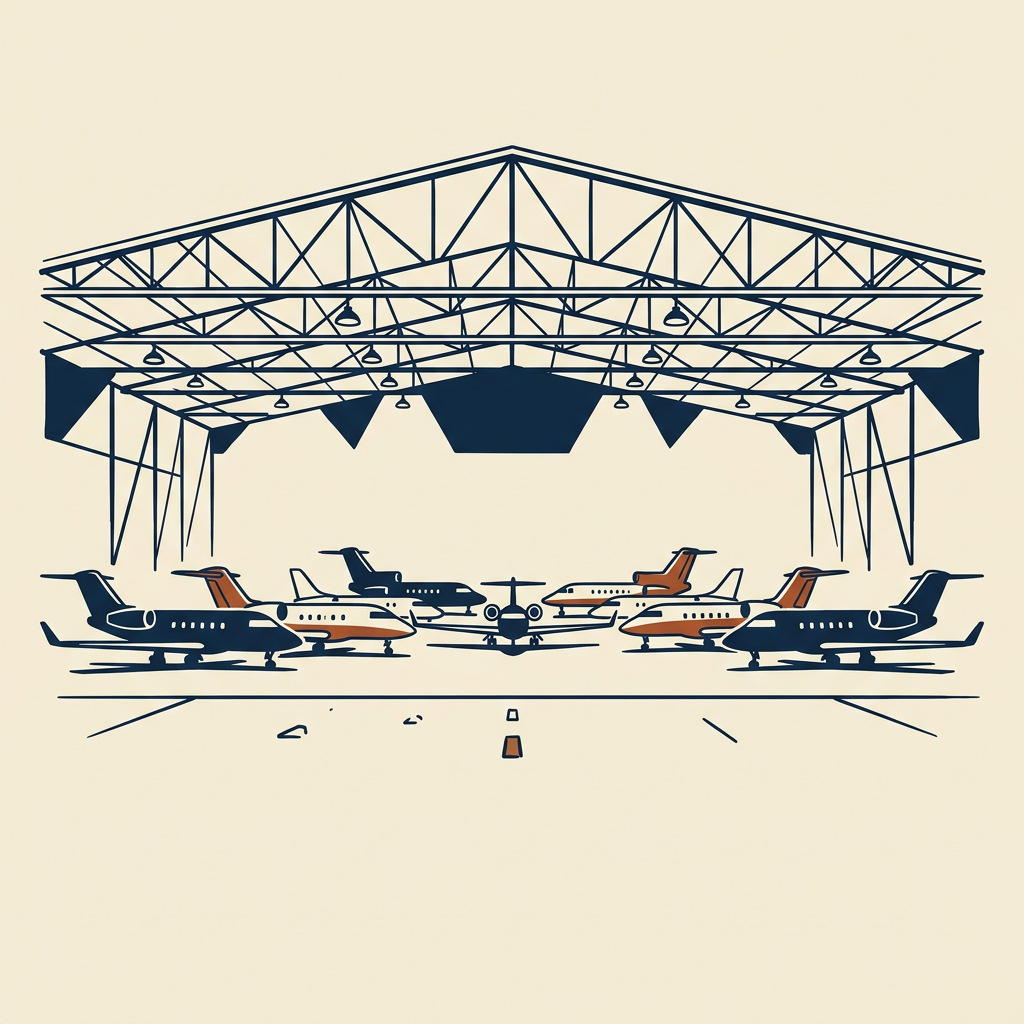
He governed by charm and cash. Ten corporate jets—the RJR Air Force—waited in a hangar staffed all night. Jack Nicklaus sat on a rich endorsement retainer. Bonuses tracked loyalty more than hard performance targets.
The board, packed with directors he had recruited and befriended, waved it through year after year. Burrough and Helyar treat the failure as structural: once a chief picks his own watchers, the checks turn ornamental. That same pliant board would soon have to score his bid for the company itself.
In practice: Directors kept approving the round-the-clock jet hangar without serious challenge.

2
Worth more off the market
Public markets can undervalue a firm so badly that insiders gain a rational reason to buy it themselves rather than fix the price through disclosure.
By 1988 the stock sat in the mid-fifties while some analysts saw cash flow that could support nearly double. Cigarette litigation fear dragged the food side down too, even though brands like Oreo and Ritz kept growing clear of smoking suits.
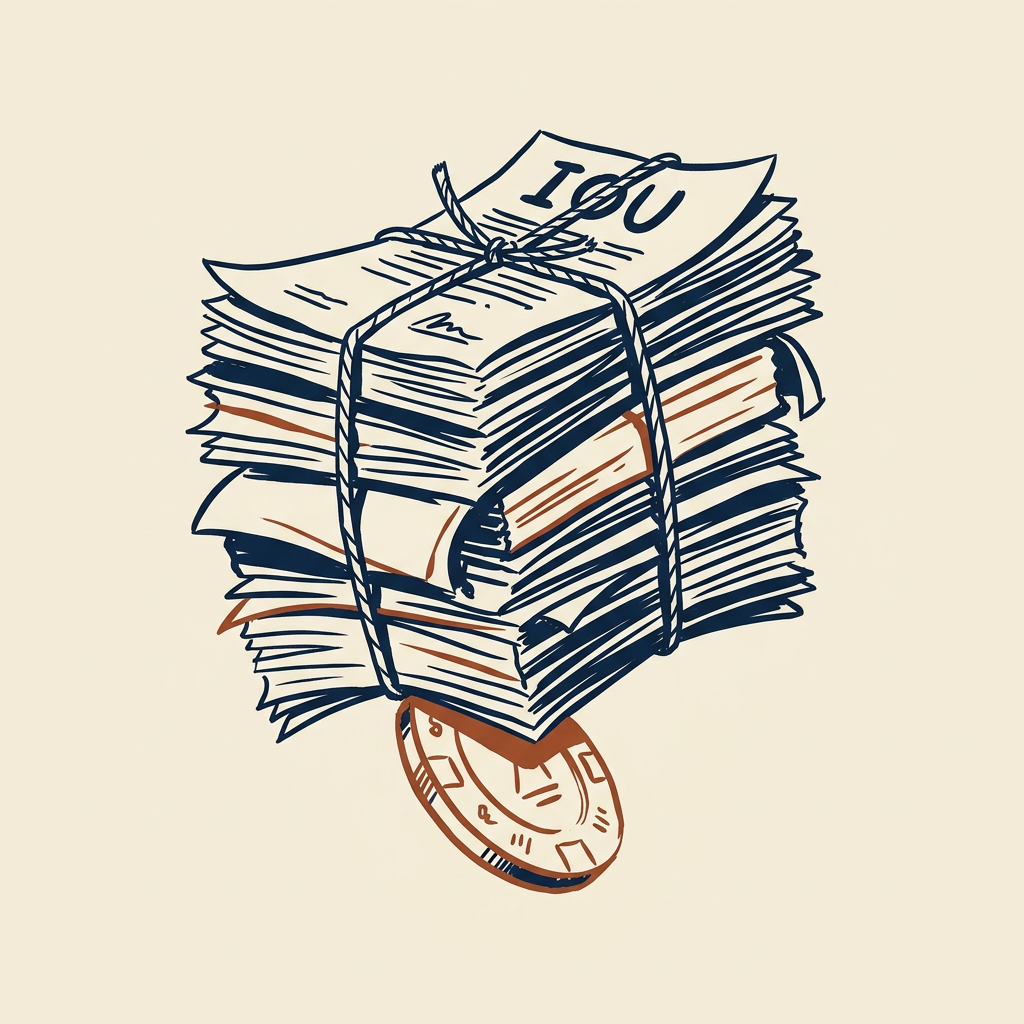
Johnson decided the private market would pay what the public would not. Quiet talks with Peter Cohen at Shearson Lehman Hutton sketched a management-led buyout: borrow heavily, pay public holders a premium, leave the team a large private equity stake.
On October 20, 1988, with scant warning to the full board, they announced seventy-five dollars a share—about $17.6 billion. Shares punched straight through the offer. That jump, more than any loyalty to Johnson, told outsiders more value sat inside and turned his private plan into a public free-for-all.
In practice: The stock leapt above the seventy-five-dollar offer the day it hit, signaling the market smelled a higher true price.
3
How leverage is supposed to work
Leveraged buyouts pay off only if heavy debt forces efficiencies soft public management never chose to make—and that bet can miss.
Kohlberg Kravis Roberts, run by cousins Henry Kravis and George Roberts, spent the 1980s buying firms with thin equity and thick borrowed money secured by the target's own assets and future cash. Beatrice, Safeway, and Owens-Illinois made the shop both feared and copied.
The theory said dispersed owners and sleepy boards let waste pile up—extra perks, idle divisions, bloated staff. Load the balance sheet with interest and management must sell fat and run lean, because the debt clock never sleeps.
KKR entered days after Johnson's reveal less from deep insight into cigarettes or crackers than from fear: a CEO-led deal at this size would teach every management team it could freeze the buyout firms out. Protecting the model's credibility mattered as much as the prize. Whether RJR actually held the slack the model assumed stayed unanswered long after closing.
In practice: Kravis moved in partly to stop a precedent that CEOs could buy their own companies cheap and cut other financiers out.
4
When bankers bid on pride
Once an auction opens, rivalry and firm reputation can drive bids harder than any calm read of cash flow.
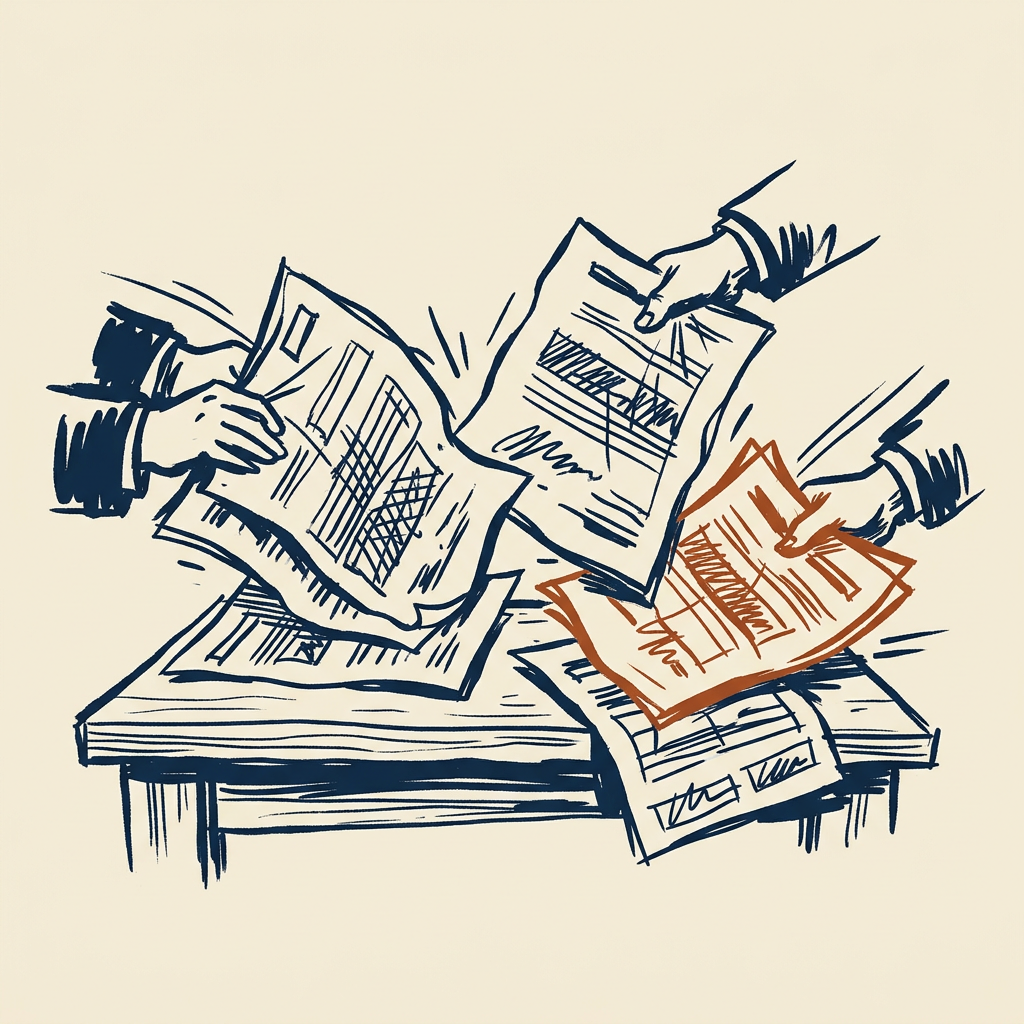
Johnson's opening number did not clear the field; it rang the bell. Ted Forstmann brought Forstmann Little in partly on principle—he had built a name on more conservative debt and openly scorned what he called paper games funded by reckless junk from houses like Drexel Burnham Lambert.
First Boston arrived with a labyrinthine structure built on a tax provision meant to shelter part of the price from immediate tax, a scheme so tangled some of its own advisers doubted regulators would allow it. Each camp stacked banks, lawyers, and lenders. Each round read like a prizefight in a press hungry for villains and one giant headline figure.
Careful appraisal of RJR's cash flow faded. Kravis, Forstmann, and the Shearson crew each had reputations on the line, and that pressure shoved offers higher than fundamentals alone could defend.
In practice: Forstmann's entry doubled as a public rebuke of junk-bond-financed raiders.
5
Refereeing your own boss
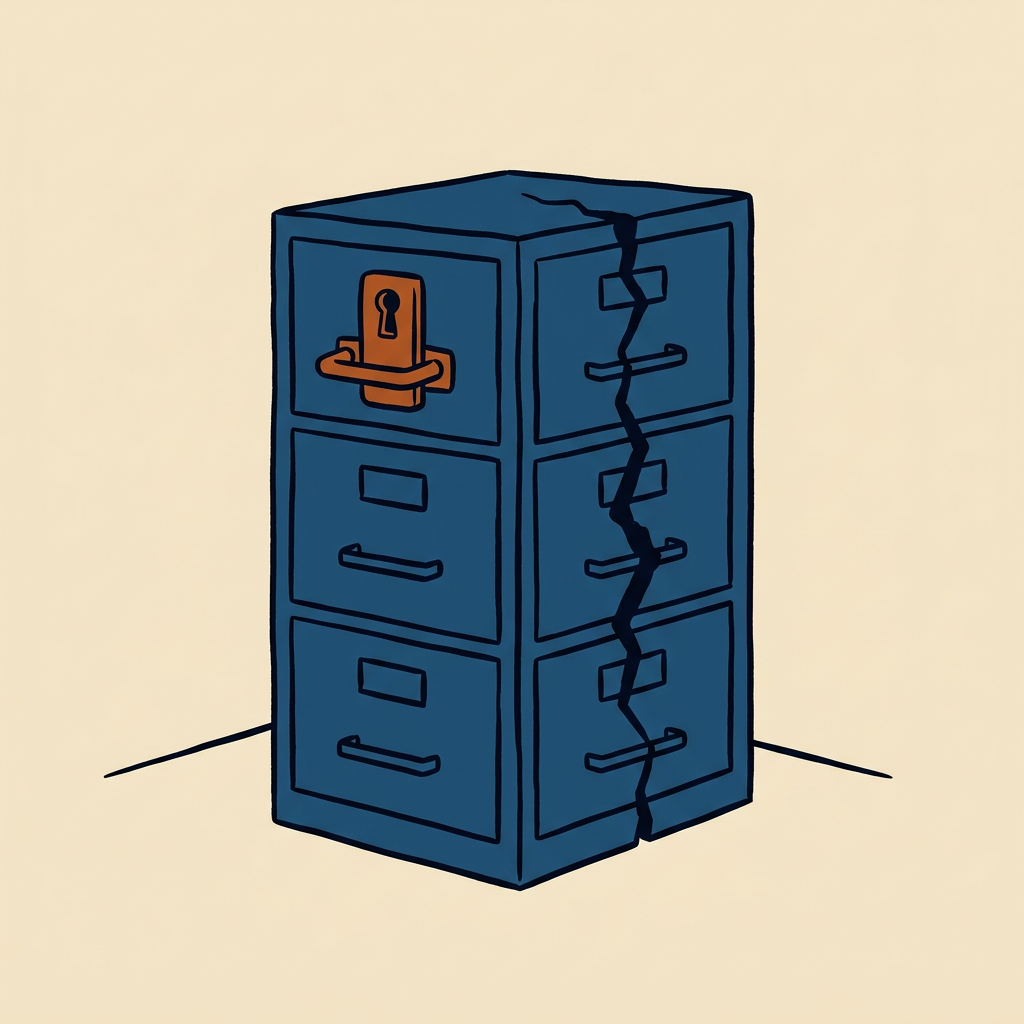
A special committee cannot fully erase conflict when the executive under review still controls the internal numbers.
On paper
Independent committee, outside counsel, and a neutral bank run a fair auction
In the room
Every key projection still flows through the CEO's team; rivals start weeks behind
Johnson was both the bidder and the fiduciary sworn to get shareholders a fair price, so the full board could not run the sale. It formed a special committee under Charles Hugel, hired Skadden Arps as counsel, and brought in Dillon Read as the independent bank to structure and score the auction.
On paper the fix looked clean: peel the conflicted insider away, import advisers with no stake, let competing bids discover price. In the room the committee still leaned on projections and operating detail that flowed through Johnson's own managers. No outsider had matching access, and his group held weeks of head start before rivals knew a sale was real.
Deadlines and best-and-final rounds tried to level the field. Every rival still protested, with justification, that only the management team truly knew what the pieces were worth. Structural separation stopped a pure rubber stamp; it could not invent information parity.
In practice: Rival bidders complained the committee was judging offers while still depending on Johnson's team for the real numbers.

6
The payday that flipped the board
Public revelation of management's proposed personal haul did more to settle the fight than any per-share math.
Leaks during the war spelled out how much Johnson's group stood to clear if their buyout won. A widely read Fortune article and other reporting put the collective equity package in the billions, with Johnson's own potential gain in the tens of millions beyond ordinary pay.
Set beside a fixed premium for outside shareholders and the cost-cutting employees would face under new debt, the figures looked grotesque. Public and political anger followed. Congressional committees asked whether the tax code's deduction for interest on acquisition debt was quietly subsidizing this kind of self-dealing.
Directors who had shrugged at years of jets and retainers found this scale of personal take harder to bless once it sat in national magazines and on hearing-room tables. The authors treat the disclosure as the true pivot—more decisive than any bid bump—because it recast a shareholder-value contest as a CEO cashing out of his own sale.
In practice: Once Fortune laid out the management equity package, board tolerance that had covered the jet fleet ran dry.

7
Lower bid, cleaner money
Boards will reject a higher headline price when they distrust the bidder's character and doubt the financing will actually close.
Johnson / Shearson
$112 a share in cash plus securities of uncertain quality
KKR
$109 a share with firmer bank commitments and Drexel debt
In the final round Johnson's Shearson-backed group bid $112 a share, a mix of cash and securities of uncertain quality. KKR answered with $109—lower on the cover but backed by bank commitments and Drexel-underwritten debt the committee's advisers judged more certain to close.
The special committee chose KKR. Stated reasons stressed completion certainty and cleaner paper for remaining shareholders. Weeks of unflattering windfall headlines made the call easier than pure arithmetic.
Directors who might once have backed their chief by reflex handed the firm to outsiders unknown to RJR two months earlier. The deal closed in February 1989 at roughly twenty-five billion dollars, then the largest leveraged buyout on record. Johnson left with a severance package reported around fifty-three million dollars even though he had lost the company he ran like a personal empire.
In practice: Advisers preferred KKR's firmer backing over the higher $112 blend of cash and shakier securities.

8
Auction win, debt hangover
Taking the auction still fails if the resulting debt outlasts any realistic plan to pay it down.
- 1989Gerstner installed to stabilize books, not chase growth
- 1995Nabisco food spun into its own public company
- 1999RJR Tobacco international sold to Japan Tobacco
- 2000Nabisco acquired by Philip Morris
KKR's trophy came wrapped in interest the operations strained to meet. Major food units and other assets went on the block. Louis Gerstner, previously of American Express, took over as CEO in 1989 with orders to stabilize finances rather than grow. Layoffs rolled through divisions hunting cash for lenders.
Efficiency gains the model promised arrived late and uneven. KKR's own investors ultimately earned far less than the record sticker had implied. Through the 1990s the company was carved again and again.
Nabisco's food operations spun into a separately traded company in 1995. Tobacco pieces separated later. RJR Tobacco's international arm sold to Japan Tobacco in 1999. Nabisco itself was acquired by Philip Morris in 2000. The empire Johnson built and the deal that pried it away both finished as smaller scraps than either side had bid for.
In practice: Gerstner arrived in 1989 not to expand the firm but to keep interest checks from bouncing.
9
Why ordinary readers still know this deal
The buyout stuck as the 1980s excess symbol because it fused personal greed with abstract finance in a plot grocery shoppers could follow and judge.
Most leveraged buyouts of the era buried obscure industrials under dry paperwork nobody outside finance read. This one mixed a sued tobacco arm, household food brands, a flamboyant chief with jets and a star golfer on retainer, and a twenty-five-billion-dollar headline big enough to feel like culture, not just a filing.
The title phrase participants used for outside raiders matched a public mood already wary of Wall Street's grip on ordinary firms. Published in 1990, the book hit bestseller lists and became a 1993 television film, locking Johnson, Kravis, and the fight into the stock American story of financial excess.
Politicians waved the deal in fights over tax treatment of corporate debt. Business schools taught it for both mechanics and ethics. Commentators still reach for it when private equity's role comes up, even after larger buyouts landed. Lasting power, in the authors' framing, comes less from a size others later topped than from how cleanly it staged a still-open question: does debt-financed ownership cut waste, or mainly shift wealth toward financiers from workers and taxpayers?
In practice: The 1993 television film fixed the jet-flying CEO and the buyout cousins as recognizable characters of the era.
Key terms
- leveraged buyout Buying a company with a little equity and a lot of borrowed money secured by the target's own assets and cash flow
- management buyout A deal in which sitting executives lead the group taking their own firm private
- special committee A board subgroup with outside lawyers and bankers meant to run a sale when the CEO is also a bidder
- junk bonds High-yield, high-risk debt that firms like Drexel used to fund aggressive takeovers
- RJR Air Force Nickname for the company's ten corporate jets kept ready for round-the-clock departures
- paper games Ted Forstmann's label for buyouts he saw as reckless borrowing dressed up as finance
What to do
- Ask who on your board sets CEO pay and perks, and whether any of them owe their seat to that same CEO.
- Install an independent review path before a conflict erupts, not after headlines force one.
- Price any information-heavy deal as if your edge will leak tomorrow.
- Write down the exact cuts a debt plan needs and check whether managers ever made cuts that size without being forced.
- Treat public reputation as a real bid term whenever a deal will face press and political heat.
Questions to think with
- Could a board that the CEO helped pack still reject his bid to buy the company?
- When does acquisition debt stop purging waste and start starving the business?
- Should interest deductions on buyout debt count as a public subsidy of private windfalls?
- How much should directors discount a higher offer whose financing looks shakier?
- Who speaks for workers and factory towns when asset sales pay down the loan that won the auction?
The other side
The novelistic phone calls and meetings come from after-the-fact interviews with people eager to polish their roles, so vivid dialogue outruns hard documentation and steers sympathy toward a reckless Johnson and a disciplined Kravis. The book stays at personality level and never seriously weighs the finance-department fight already underway—Michael Jensen's claim that LBOs force excess cash out to investors versus Louis Lowenstein's warning that the same debt dumps risk on employees, pensions, and towns. Workers appear only at the margins. Published in 1990, it also could not capture how disappointing the deal proved for KKR or the full decade of spinoffs and breakup, so treat it as origin story, not final verdict on whether the buyout wave created value.
Who it's for
Business and finance students who need the human story behind leveraged buyouts, and readers of narrative nonfiction who want power, ego, and money in one propulsive arc. Anyone who has watched a single corporate choice spiral into public spectacle will recognize the pattern.