



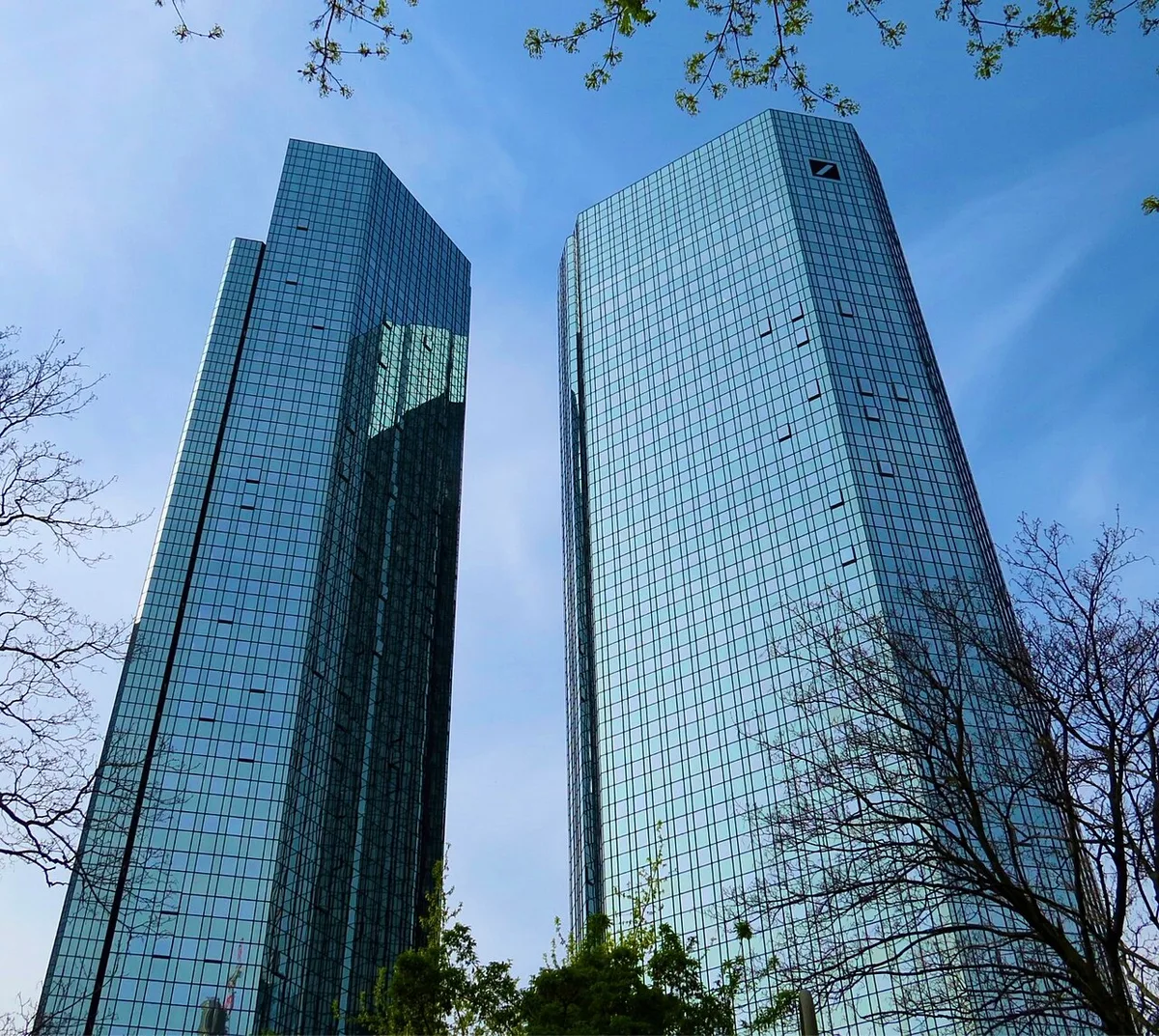
How Deutsche Bank's bonus culture made it Trump's last bank
In 60 seconds
- In the 1990s Deutsche Bank ditched cautious German lending to chase Wall Street trading profits and bonuses.
- Edson Mitchell's London desk made closing deals the path to pay, a model that survived his death.
- Subprime and later scandals showed the house pattern: volume first, institutional fines later, little personal accountability.
- After rivals refused Trump, Deutsche lent anyway, then moved him from burned commercial bankers to eager private wealth.
- The same thin controls oversaw years of suspicious Moscow trades and a politically radioactive American client.
- Enrich frames the Trump file as a vivid case inside a bank too big for any one scandal to force real reform.
The big idea
Enrich argues that Deutsche Bank's 1990s choice to ditch cautious German lending for Wall Street-style trading left risk controls permanently weaker than its ambitions. That same fee-first culture, he shows, made it the only major bank willing to keep financing Donald Trump after every rival walked away.
The book in brief
Start with the 2008 moment that should have ended the relationship. Trump defaulted and sued Deutsche Bank over a $640 million loan on his Chicago tower. The commercial real estate team cut him off. The private wealth unit simply picked him up and kept lending.
That handoff only makes sense after Enrich walks back to the 1990s. German reunification and freer European markets left executives afraid American giants would leave them behind. They imported traders, guaranteed huge bonuses, and treated patient German relationship banking as outdated. Frankfurt kept the letterhead. London and New York ran the real show.
Edson Mitchell, hired from Merrill Lynch in 1995, built a London floor that answered to profit targets more than risk committees. He died in a plane crash in 2000. His protégés kept the model: pay for deals closed, treat compliance as a hurdle. The same muscle memory drove the bank deep into subprime securities some staff knew were shaky, then into post-crisis settlements measured in billions with almost no senior heads rolling.
By the mid-1990s Trump was already unbankable at places like Citibank after casino bankruptcies and defaults. Deutsche's commercial side still funded a Manhattan tower in 1998. After Chicago, Rosemary Vrablic's private bank championed fresh credit for the D.C. hotel and Doral, often over risk officers' objections and on Trump's own statements.
Meanwhile the Moscow desk ran multi-year mirror trades that let wealthy Russians move money offshore. Compliance alarms failed to stop them for years. Enrich sets this beside the Trump lending not as proven shared cash flow, but as twin symptoms of controls too weak for the bank's reach. By the 2016 race the private bank still carried more than 300 million dollars in Trump-related loans. After 2018, House subpoenas and New York investigators chased the files while presidential lawsuits stalled daylight for years.
Enrich's closing verdict is structural. Scandal after scandal—Libor, Iran sanctions, tax schemes, money laundering—produced many billions in penalties. The culture that generated them barely budged. The Trump file drew public eyes because it hit American politics, not because it broke the bank's usual rule.
Context
David Enrich published this reported history in 2020. It landed for readers already hunting the financial backstory behind Trump-Russia money questions, offering internal culture detail and named sourcing rather than a courtroom ending. Later New York civil fraud proceedings, which used some of the same statements he describes, fell outside the book's window.
The key ideas
1
Wall Street hunger wins
The 1990s decision to copy American investment banks planted every later scandal by leaving compliance behind the traders.
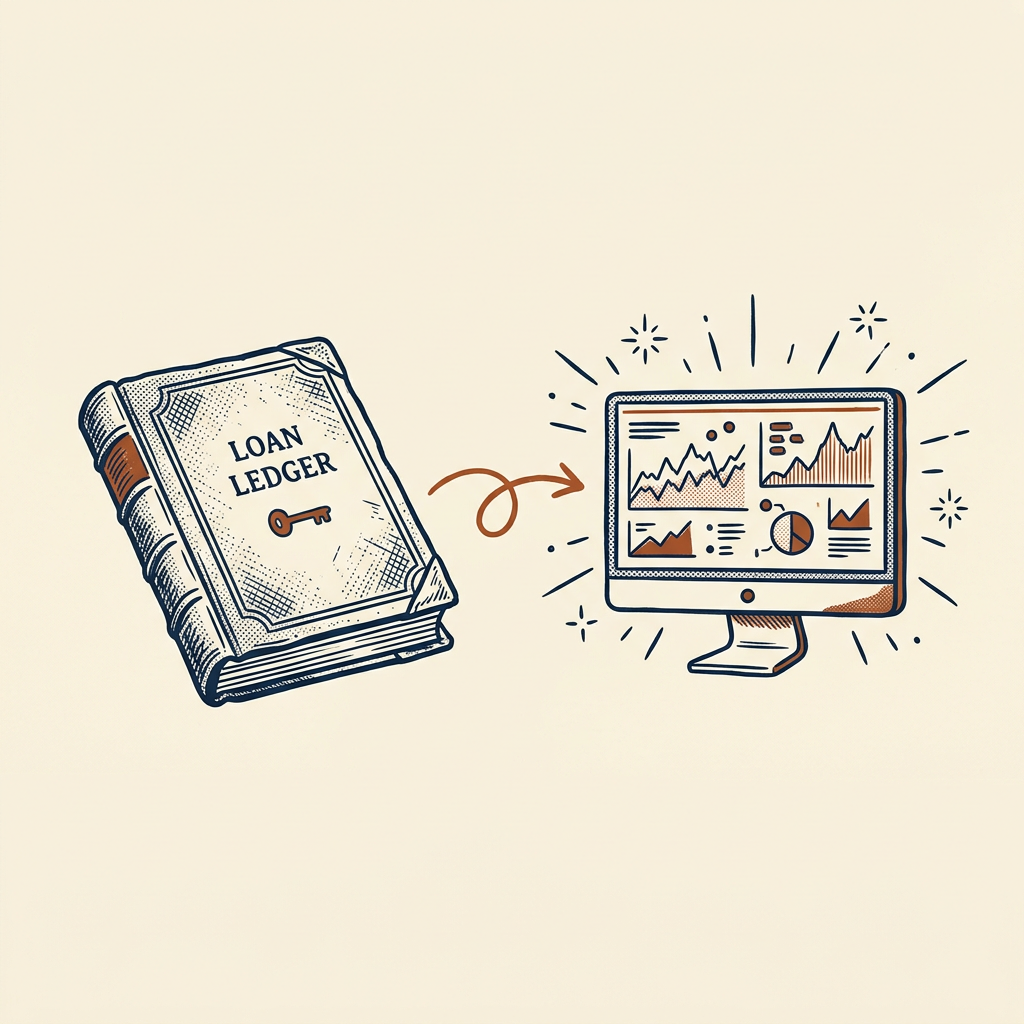
Old Deutsche
Patient relationship lending to German industry
New ambition
Trading floors chasing Wall Street bonuses and deal volume
Enrich opens on an identity crisis after German reunification. Executives feared Wall Street would leave them behind. They chose aggressive expansion into trading and investment banking.
That meant importing people and habits from Merrill Lynch and Morgan Stanley. Traditional German relationship banking—patient lending to industry—got labeled outdated. Leadership started rewarding short-term profit over caution.
Frankfurt kept nominal oversight. Real power shifted to London and New York. Without that culture shift, he frames, the trading desks and later the private bank that courted Trump would not have existed in this form.
In practice: Risk and compliance never caught up with the new ambition, so later red flags met a machine already built to override them.

2
Mitchell's London fiefdom
One American bond trader hired in 1995 installed pay-for-volume incentives that outlived his 2000 death.
- 1995Mitchell hired from Merrill Lynch
- 1995–2000London trading fiefdom built on huge guaranteed bonuses
- 2000Mitchell dies; protégés keep the model
Edson Mitchell came from Merrill Lynch with a mandate to build. He recruited dozens of traders with guaranteed bonuses German bankers had never seen.
His London floor ran almost as its own shop. Profit targets mattered more than Frankfurt's risk committees. The team pushed into derivatives and structured products senior Germans barely understood enough to police.
Mitchell died in a plane crash in 2000. Enrich shows the culture stuck. Protégés rose. Bankers kept getting paid for closing deals, not for walking away. Compliance staff became obstacles in the way of revenue.
In practice: The same pay design later made it normal to overlook a client's ugly credit history when the fees looked large enough.
3
Subprime as dress rehearsal
Early-2000s mortgage securitization showed the bank would push products it knew were weak and treat post-crisis fines as ordinary costs.
Internal knowledge
Employees recognized poor loan quality
External result
Securities kept selling; later fines hit the institution, not top executives
Enrich traces the bank's push into American subprime. It became one of the largest underwriters of mortgage-backed securities built on risky loans.
Traders packaged the loans for global investors. Some employees later acknowledged they knew the underlying mortgages were bad while sales continued. After 2008 the bank paid billions in fines and settlements.
No senior executives faced serious personal consequences. The near-collapse forced German government support. Internally the lesson was rarely restraint. Leadership pushed to diversify revenue further—including through the private wealth arm that would soon court Trump.
In practice: Regulators answered with fines rather than structural reform, the same response pattern Enrich finds after later scandals.
4
Unbankable, yet funded
Every other major bank had refused Trump after his defaults; Deutsche's commercial arm still lent for a 1998 Manhattan tower.
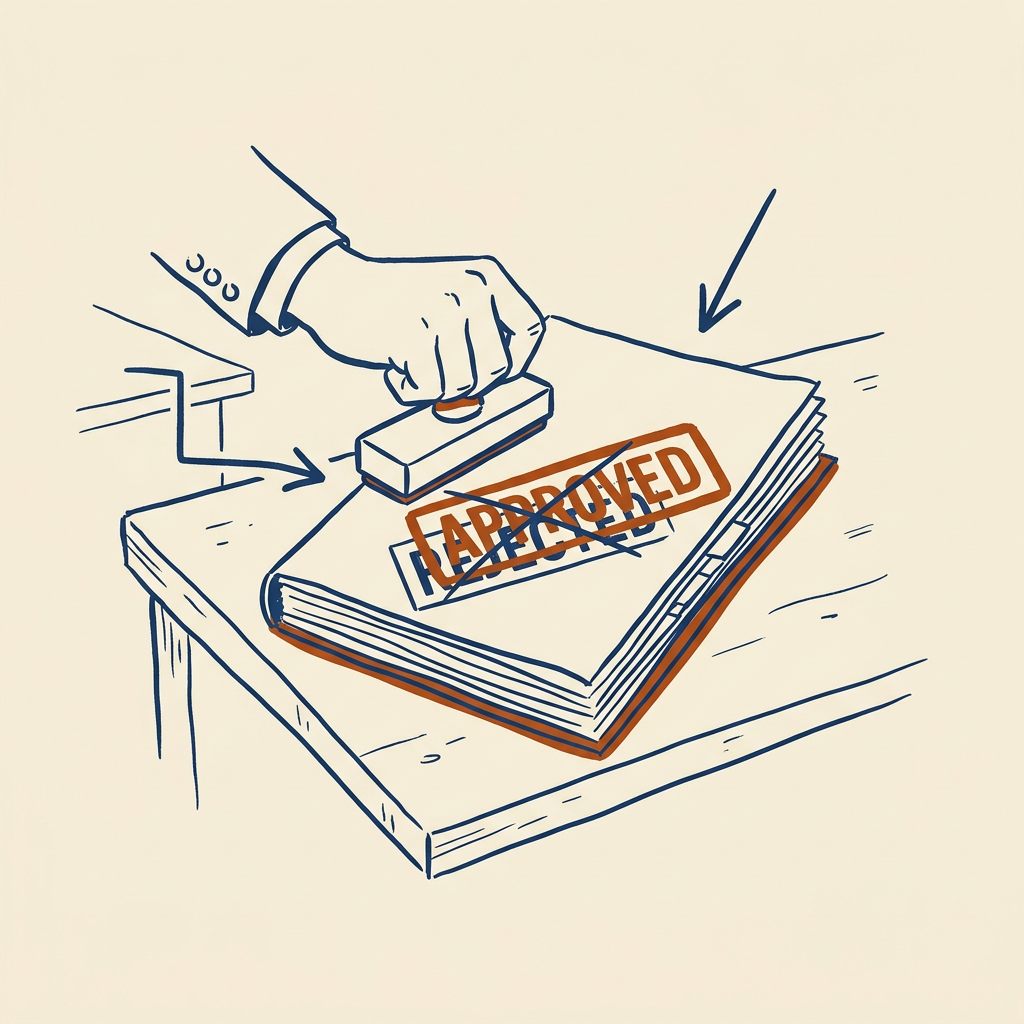
Other major banks
Refused further business after defaults and bankruptcies
Deutsche commercial
Lent in 1998 for a Manhattan tower, then passed him to private wealth after Chicago
By the mid-1990s Trump had defaulted on loans and pushed casino companies into bankruptcy. Citibank and other big lenders were burned and closed the door.
Deutsche Bank's commercial real estate division extended credit anyway. Bankers wanted the fees from a large Manhattan project more than they feared the client's record.
In 2008 Trump defaulted again and sued over the $640 million Chicago tower loan. Commercial banking finally cut ties. What happened next is Enrich's tell: the relationship did not end. It moved sideways into private wealth management, where incentives and scrutiny differed.
In practice: One division's documented losses did not stop another division from extending fresh credit because bonuses stayed siloed.

5
Vrablic keeps the fees
Private banker Rosemary Vrablic made Trump a priority because his projects, however risky, produced fees the division needed.
After commercial lending soured, Vrablic became the main contact. She had worked wealthy clients at Bank of America and inside Deutsche's private wealth unit.
She championed loans for the Washington, D.C. hotel and the Doral golf resort in Florida. Risk officers flagged the default history and opaque finances. Approvals still went through.
Justifications leaned on Trump's personal financial statements. New York investigators later showed those statements contained inflated asset valuations. Some risk staff who objected were overruled or sidelined. Leadership saw Trump family business, including through Ivanka Trump and Jared Kushner, as worth the elevated risk.
In practice: Lending continued even after Trump's own 2008 lawsuit against the bank, a memory Enrich flags as no match for the fee stream.
6
Moscow's mirror desk
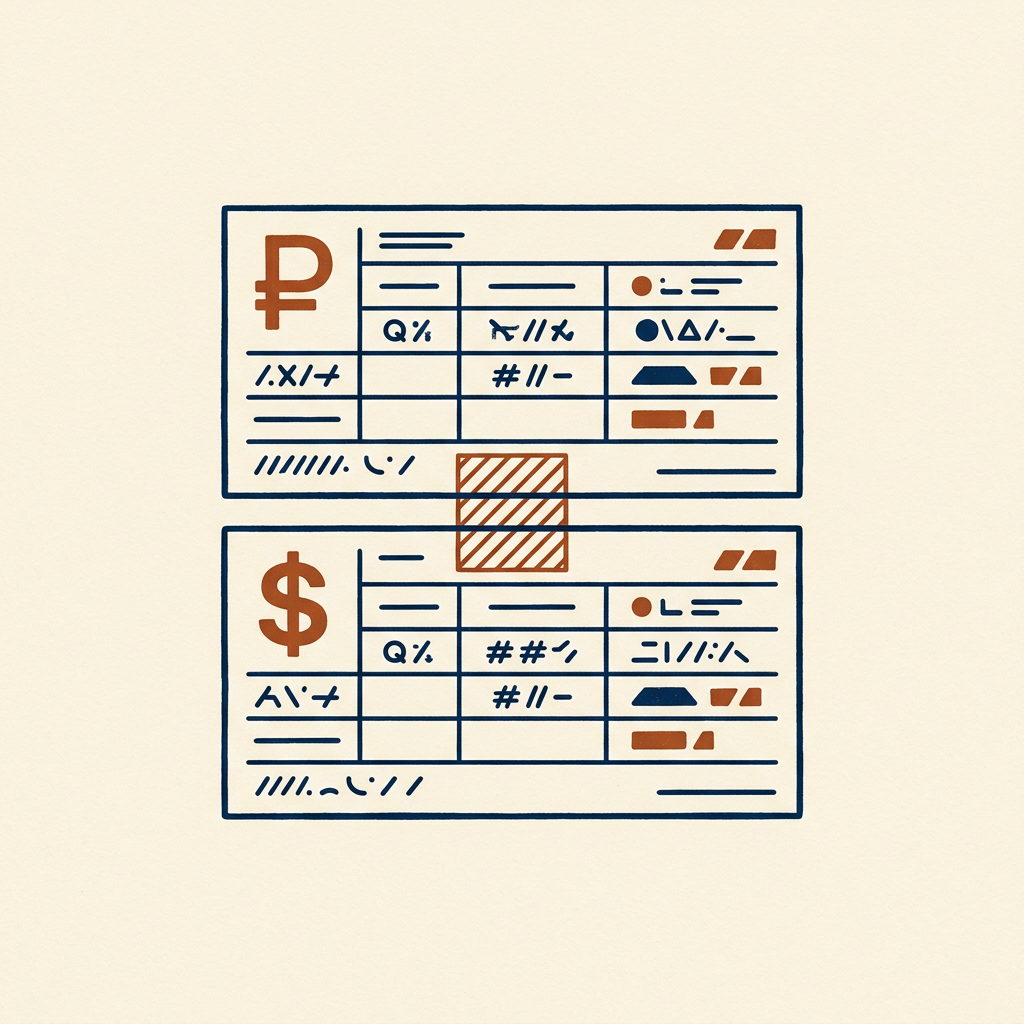
Traders matched ruble and hard-currency legs on the same Russian stocks so money could leave the country with its origin disguised.
- 1Ruble legBuy or sell Russian stocks inside the country
- 2Hard-currency legMatch the trade outside in dollars or pounds
- 3ResultMoney moves offshore; origin stays hidden
Between 2011 and 2015 the Moscow office ran the scheme. One leg bought or sold inside Russia in rubles. A mirrored leg ran outside in dollars or pounds. The desk moved roughly ten billion dollars out of Russia this way.
Compliance officers in London and elsewhere raised alarms. The trades continued for years before the desk was shut. U.S. and U.K. regulators eventually fined the bank more than 600 million dollars.
Enrich uses the case to show anti-money-laundering controls were too thin for the bank's reach. He notes some private-bank clients and intermediaries around Trump loans also had ties to Russian wealth moving through the institution.
In practice: He does not claim the mirror trades funded Trump's loans; he presents parallel pipelines under the same weak oversight at the same moment.
7
Warnings as career risk
Risk and compliance staff who pushed back saw careers stall, and Bill Broeksmit's 2014 suicide came to stand for the human toll.
Bill Broeksmit had been a senior risk executive close to top leadership. He left amid mounting legal trouble and took his own life in London in January 2014.
Enrich reports he had grown distressed about the bank's risk culture and regulatory exposure, while noting the limits of what anyone can know about his final state of mind. The chapter widens to a pattern: warnings on mortgages, Russian trading, and Trump loans were downplayed when revenue was at stake.
Some employees who resisted risky deals were pushed aside. Enrich argues large banks often share this flaw, but Deutsche exaggerated it because its risk function stayed thin relative to trading ambitions.
In practice: Regulators later struggled to get straight answers from an institution already practiced at suppressing bad news inside its own walls.
8
Credit that would not stop
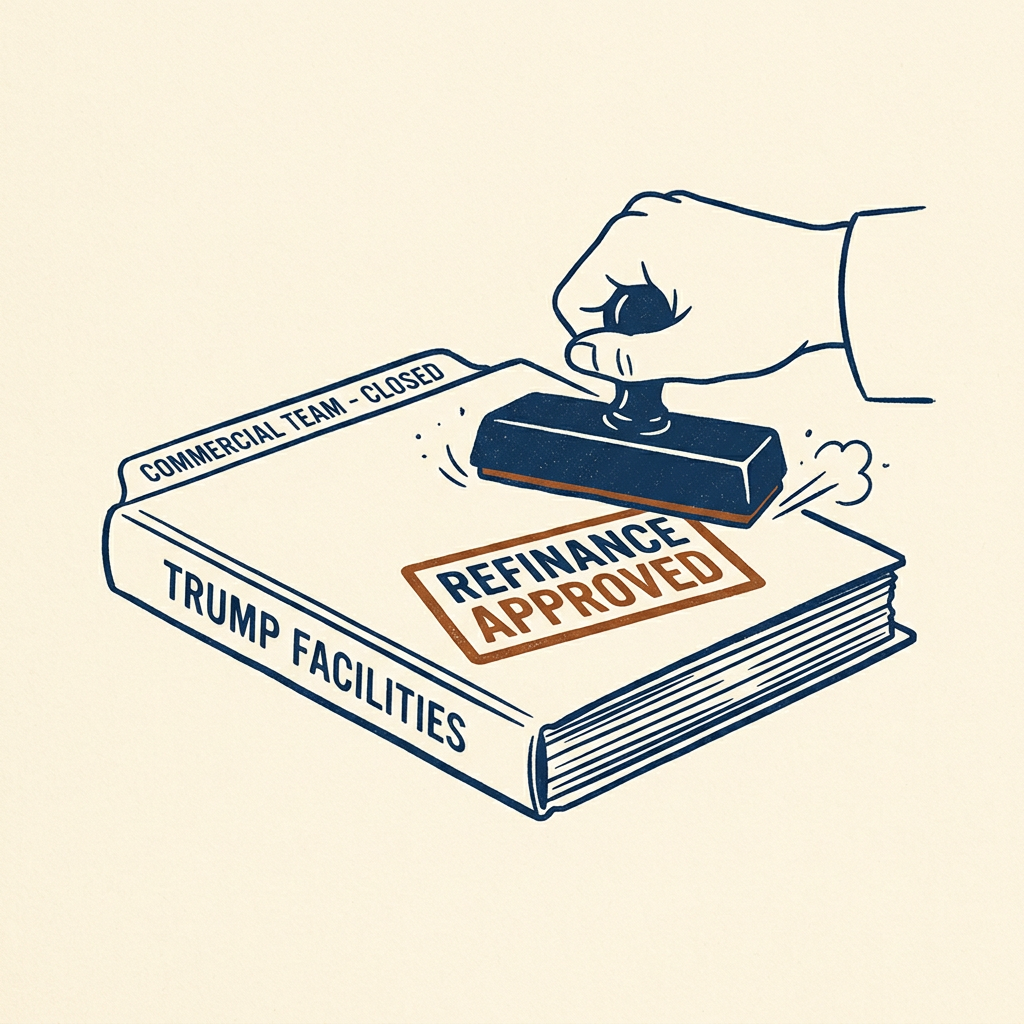
Through the 2010s the private bank refinanced and expanded Trump facilities until it held more than 300 million dollars in related loans by 2016.
$300M+
Trump-related loans still held by the private bank as of the 2016 campaign
The 2008 Chicago lawsuit did not end the story. Private wealth kept the relationship alive and grew it. Doral was refinanced. New credit supported the D.C. hotel.
Underwriting again leaned on Trump's self-reported statements instead of the independent checks ordinary clients would face. As his political profile rose, some employees grew uneasy about reputational risk—especially with the bank already under pressure over other violations.
Private-bank leadership protected the long, profitable tie and resisted cutting off the client. Individual career incentives hardened into institutional inertia once the borrower became a global political figure.
In practice: The 2016 election turned a private-wealth file into overnight congressional and public fodder.
9
Subpoenas without daylight
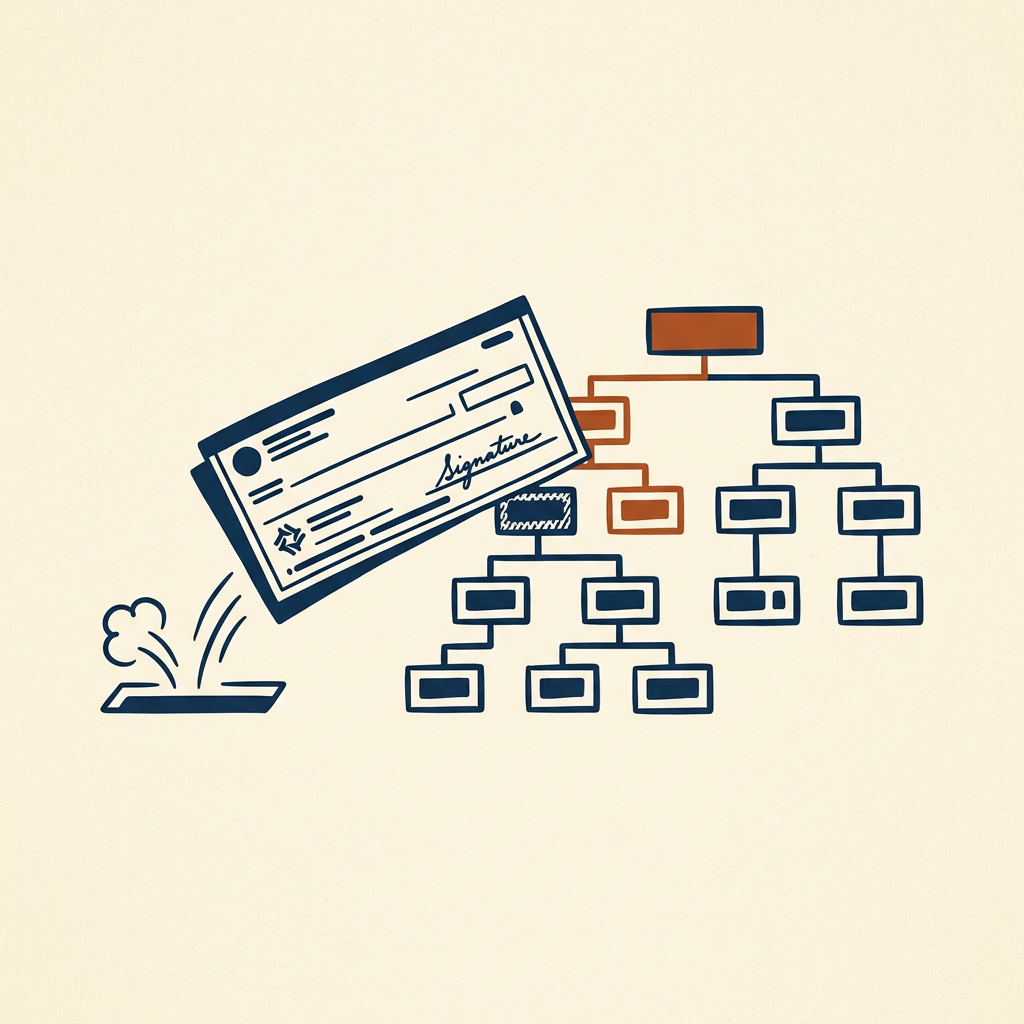
After 2018, House subpoenas and New York investigators hit a wall of presidential lawsuits and multi-year court fights even though the documents existed.
- 2018House committees subpoena Trump-related Deutsche records
- After 2018Trump sues; fight climbs toward the Supreme Court
- ParallelN.Y. attorney general pursues records on asset valuations
Democrats took the House and committees demanded Deutsche's Trump loan files—the underwriting logic and the accuracy of the financial statements. Trump sued to block the subpoenas. The fight reached the Supreme Court.
The bank said it would obey lawful orders, yet found itself squeezed by the president's lawyers, congressional investigators, and its own history of settlements. Litigation dragged on for years.
Separately, New York Attorney General Letitia James sought records over whether asset values had been inflated to win better loan terms. Enrich's point is practical: journalistic documentation of problems is not the same as timely legal access when a systemically important bank and separation-of-powers fights intervene.
In practice: Papers sitting inside the bank stayed effectively out of investigators' reach long enough to blunt oversight.
10
Fines as operating cost
From Libor to Iran sanctions to tax schemes and money laundering, many billions in penalties never rewired the incentives that produced the breaches.
- 1Fee chaseBankers rewarded for volume over caution
- 2BreachControls fail on mortgages, trades, sanctions, or problem clients
- 3FineInstitution pays; few senior individuals pay personally
- 4Same incentivesUnchanged bonus logic greets the next lucrative deal
↻ and round again
Enrich steps back and tallies the longer record. Libor rigging. Sanctions violations on Iran and other countries. Tax evasion products sold to the rich. Money-laundering failures beyond Moscow.
Regulators extracted many billions across these matters. Leadership structure and much of the risk-taking culture stayed largely intact. The bank had grown so large and central—sometimes called too big to manage—that no single scandal truly threatened survival enough to force deep reform.
He treats the Trump relationship as less an anomaly than a case study. It intersected American politics, so it drew far more public attention than other, sometimes larger, failures.
In practice: Enforcement in one country rarely reached far enough across borders to change behavior in another.
Key terms
- Mirror trading Matching buy and sell orders on the same stocks in different currencies so money can leave a country while its origin stays hidden
- Private-bank handoff Moving a problem client from a burned lending division to a wealth unit instead of ending the relationship
- Lender of last resort Enrich's label for Deutsche as the only major bank still willing to finance Trump after rivals refused him
- Too big to manage Scale so large that no single scandal threatened survival enough to force real cultural change
- Self-reported statements Borrower-provided asset figures used in place of independent verification for favored clients
- Fee-first incentives Pay and promotion tied to closing deals, so saying no becomes a career risk
What to do
- Ask who inside a bank or firm is actually rewarded for killing risky deals, not only for winning them
- Check whether risk and compliance report independently of the business lines whose bonuses they can threaten
- When a bank pays a headline fine, look for whether any senior executive faced personal consequences beyond the institution's check
- Watch for clients rejected by one division and quietly adopted by another inside the same firm
- Treat repeated settlements without structural change as a cost-of-business signal, not proof of cleanup
Questions to think with
- If bonuses only rise when deals close, what real power does a risk officer hold?
- Why did moving Trump from commercial lending to private wealth feel safer than simply ending the relationship?
- Does a huge fine change behavior if the people who approved the trades keep their seats?
- How should readers weigh Enrich's institutional evidence against the absence of a proven cash link between mirror trades and Trump loans?
- What would actual cross-border regulatory teeth look like for a bank this sprawling?
The other side
Critics note Enrich never shows a documented transactional link between the Russian mirror trades and Trump's specific loans—only shared sloppiness and some overlapping personnel. Heavy use of anonymous former employees leaves key internal scenes, including parts of the Broeksmit story, hard to verify. The book was finished before Letitia James's 2022 civil fraud case and the 2024 verdict that later tested some of the same financial statements. It also leans on American and British voices, giving thinner treatment to German leadership and regulators who oversaw the bank from home.
Who it's for
Readers who want the institutional backstory behind Deutsche's Trump loans and Russian-money scandals, plus finance professionals who study how risk culture actually fails. It serves anyone following the money questions around Trump who needs reported history rather than speculation.