



Book traces Sackler OxyContin marketing and limited personal liability
In 60 seconds
- Arthur Sackler perfected doctor-directed marketing for Valium decades before OxyContin existed.
- Purdue transferred MS Contin’s cancer-pain safety story to mass-market OxyContin in 1996, stretching a 1980 five-sentence letter into a claim that under one percent of opioid patients became addicted.
- In 2007 Purdue pleaded guilty to felony misbranding and paid roughly $600 million; no Sackler was charged.
- From 2008 to 2018 the family pulled roughly $10.7 billion out of Purdue as lawsuits mounted.
- Nan Goldin’s P.A.I.N. protests stripped the Sackler name from major museums years before courts forced any personal surrender.
- Purdue’s 2019 bankruptcy sought civil immunity for Sacklers who never filed personally; the Supreme Court voided that release in Harrington v. Purdue Pharma in 2024.
The big idea
Keefe argues the same marketing techniques, denial of harm, and legal insulation recurred across three Sackler generations, turning a private drug firm into a central engine of the opioid crisis. American corporate and bankruptcy law let the family separate ownership from liability so thoroughly that enormous documented harm produced almost no matching personal criminal cost until public pressure, not courts, made the name itself a liability.
The book in brief
The book opens with Arthur Sackler, a Brooklyn-trained psychiatrist who built a medical advertising empire. In the 1960s his agency turned Librium and Valium into America’s best-selling drugs by dressing persuasion as education: sponsored journals, paid physician consultants, ghostwritten research, and manufacturer-funded symposia. With brothers Mortimer and Raymond he bought Purdue Frederick in 1952, but the real fortune and the durable playbook came from the ad business.
After Arthur’s 1987 death a bitter estate fight left his branch selling its Purdue stake just before OxyContin’s 1996 launch. Mortimer and Raymond’s descendants kept the private company. Purdue had already sold MS Contin, a timed-release morphine for cancer pain, on the claim that slow release cut euphoria and addiction risk. It applied the same unproven logic to OxyContin, an oxycodone tablet pushed for everyday chronic pain. Sales materials leaned on that under-one-percent addiction figure from a 1980 journal letter that never studied long-term outpatient use. The FDA reviewer who cleared the original label later joined Purdue.
Sales reps were paid for volume and dose escalation, steered toward high-prescribing doctors, and handed the ready answer of “pseudo-addiction” when patients sought early refills: raise the dose. Overdose deaths climbed in places such as Appalachian Virginia and Maine. In 2007 Purdue Frederick pleaded guilty to felony misbranding and paid roughly $600 million; three executives took misdemeanors and fines with no prison time. No Sackler was charged. Richard Sackler became president soon after. The company kept selling.
As suits multiplied, court filings later showed the family moving roughly $10.7 billion into trusts and hard-to-reach structures between 2008 and 2018. Philanthropy had already plastered the Sackler name on the Met’s Temple of Dendur wing, Harvard, the Smithsonian, the Louvre, the Tate, and Oxford, giving cultural cover until reporting and Nan Goldin’s museum die-ins made the link toxic. By 2019 more than two thousand cases had piled up. Purdue filed Chapter 11, offering to become a public-benefit company and having the Sacklers contribute around six billion dollars in exchange for bankruptcy-court releases from personal civil opioid claims—even though no Sackler had filed for personal bankruptcy.
In 2020 Purdue pleaded guilty to three federal felonies, including conspiracy to defraud the United States, and agreed to an $8.3 billion penalty that was largely uncollectible inside the bankruptcy. Sacklers paid $225 million to settle Justice Department civil claims with no admission of personal wrongdoing and no criminal charges. Keefe’s closing claim is that the legal system, as built, matched the scale of harm with almost no personal cost for the people who had directed the company for decades.
Context
Patrick Radden Keefe’s 2021 book rests almost entirely on court filings, depositions, sealed litigation documents, and interviews with people around the family; the Sacklers declined to talk to him. It arrived while Purdue’s bankruptcy deal still looked settled. The Supreme Court’s 2024 ruling in Harrington v. Purdue Pharma later rejected the nonconsensual third-party releases at the heart of that deal and sent the case back for renegotiation, so the book’s final chapters describe an outcome that did not hold.
The key ideas

1
Valium built the playbook
The tactics later used on OxyContin were perfected by Arthur Sackler decades earlier while turning Valium into America’s best-selling drug.
- 1Fund the channelSponsor journals, CME courses, and symposia that appear independent
- 2Pay the messengersHire physicians as consultants and fly them to conferences
- 3Shape the sciencePlace supportive, sometimes ghostwritten research in respected outlets
- 4Call it educationFrame the whole apparatus as teaching rather than selling
Arthur trained as a psychiatrist but made his real money running the medical ad agency William Douglas McAdams for clients including Hoffmann-La Roche. In the 1960s he built the campaigns that made ordinary anxiety look like a condition needing a pill.
The system went far beyond ads. It included manufacturer-funded journals, doctor-to-doctor detailing, paid consultants flown to conferences, and research that sometimes appeared ghostwritten in respected outlets. Sackler called it education; it was built to be indistinguishable from persuasion.
When Purdue later marketed OxyContin it did not invent a new method. It applied Arthur’s already-proven template to a far more dangerous molecule. The family’s later claim that OxyContin’s promotion was unprecedented erases that longer institutional memory.
In practice: Physicians who praised Valium were paid as consultants and flown to symposia that looked independent while being shaped by the manufacturer.
2
Private ownership, split blame
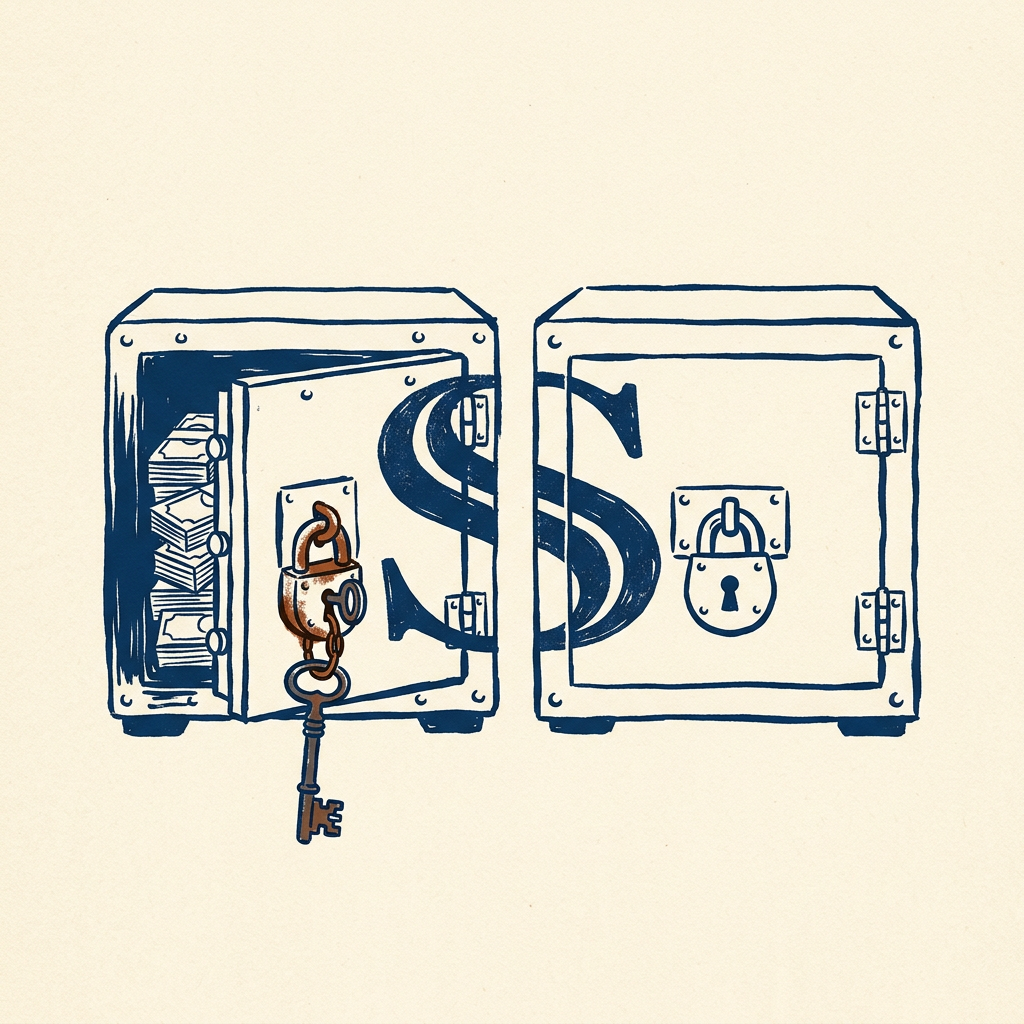
Keeping Purdue private and finances opaque let one Sackler branch profit from OxyContin while another later claimed moral distance.
Public face
One Sackler philanthropic brand on museums and universities
Private structure
Separate trusts and a sold-off branch that later claimed distance from opioids
The three brothers grew up in working-class Brooklyn, trained in medicine, and built a joint fortune, but Purdue Frederick stayed unlisted. None of the disclosure rules of a public company applied.
After Arthur died in 1987, a fight over his estate and over credit for the Valium-era legacy ended with his branch selling its remaining Purdue stake not long before the 1996 OxyContin launch. Mortimer and Raymond’s descendants ran the company through the years of heaviest promotion and worst harm.
Keefe rebuilds this largely from court papers because the family gave him no interviews. A clan that acts as one brand in public and as separate trusts in private can take credit together and hand out blame selectively.
In practice: Arthur’s heirs could later insist their side had nothing to do with opioids even though Arthur built the marketing template OxyContin used.
3
Safety story jumps markets
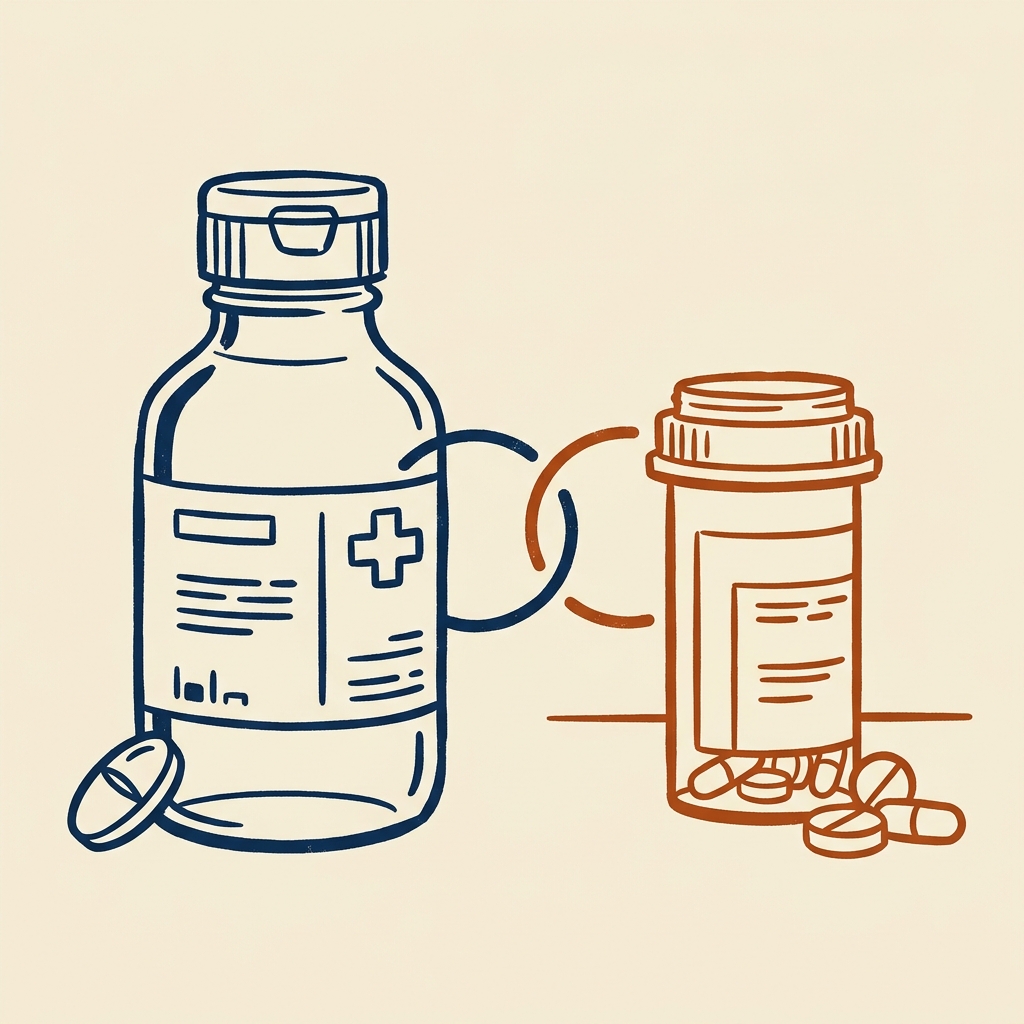
The safety reputation Purdue built with MS Contin for cancer patients was transferred, without solid evidence, to OxyContin sold for common chronic pain.
MS Contin
Timed-release morphine framed for terminal cancer pain
OxyContin
Same safety logic applied to everyday chronic pain without matching evidence
In the 1980s Purdue marketed MS Contin, a controlled-release morphine tablet, to terminal cancer patients. It argued slow release blunted the euphoric spike tied to addiction and that aggressive opioid dosing was compassion.
OxyContin, a controlled-release oxycodone tablet launched in 1996, carried the same logic into back pain, arthritis, and everyday chronic conditions. Sales materials repeated the claim that fewer than one percent of opioid patients became addicted—a figure drawn from a five-sentence 1980 journal letter that did not study long-term outpatient use.
Curtis Wright, the FDA reviewer who approved OxyContin’s original label, later left government to work for Purdue. Keefe’s point is that the danger was not a marketing accident on top of a safe drug; it was the result of moving a palliative tool into a mass market without evidence the safety claims still held.
In practice: Purdue stretched that 1980 five-sentence letter into a scientific-sounding guarantee for broad outpatient prescribing.
4
Incentives that manufacture volume
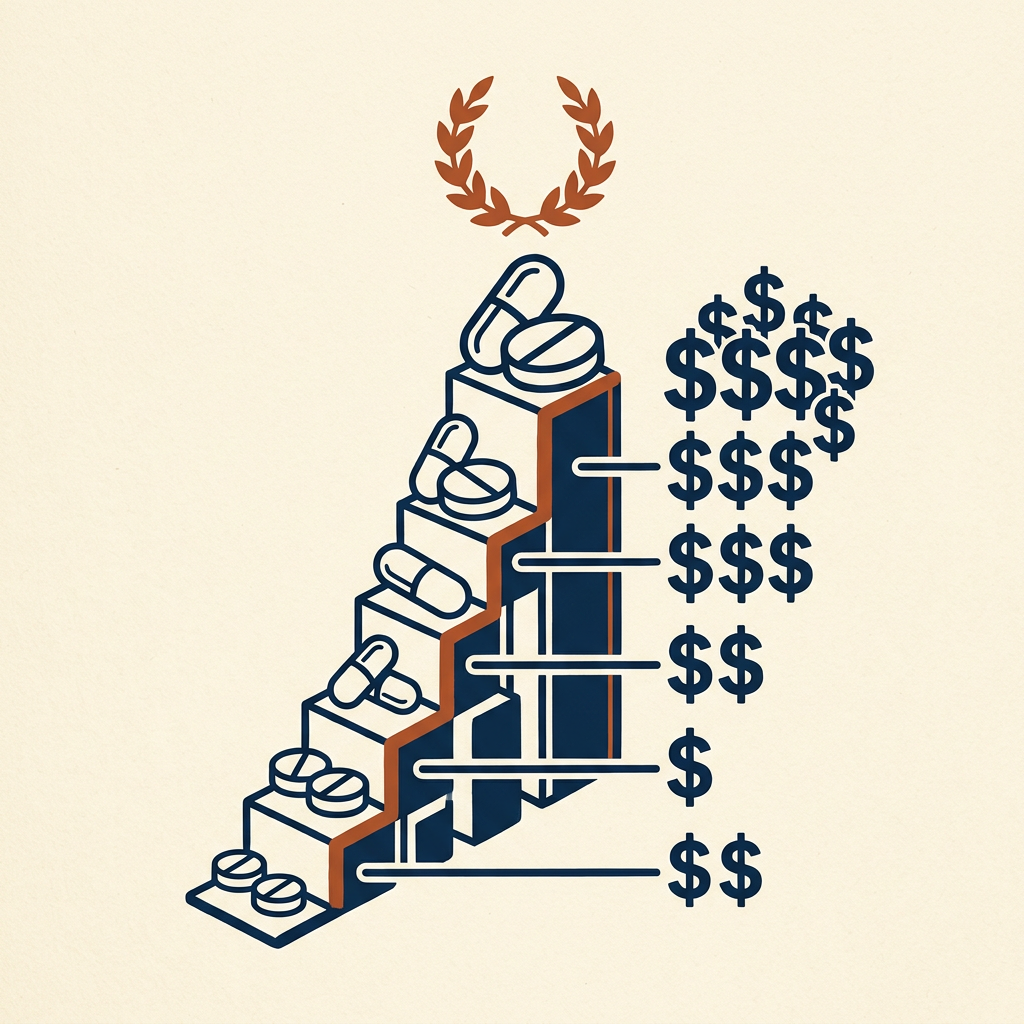
Purdue’s sales bonuses rewarded prescription volume and dose escalation, making abuse a predictable output of the pay system rather than a surprise.
- 1Bonus on volumeRep pay rises with prescriptions and dose strength in the territory
- 2Target high prescribersFocus on doctors already writing heavy opioid scripts
- 3Explain away warningsCall early refills pseudo-addiction and push higher doses
- 4More volumeIncentives keep producing scripts and warning signs
↻ and round again
Through the late 1990s Purdue expanded its sales force and tied rep bonuses directly to how much OxyContin was prescribed in each territory. Reps were pointed at doctors who already wrote high volumes of opioids, including practices later flagged as pill mills.
Speaker programs and junkets paid physicians to promote the drug to colleagues—the same circuit Arthur had used for Valium. When doctors reported abuse or early refills, field materials offered “pseudo-addiction”: drug-seeking meant undertreated pain, so the answer was a higher dose.
Internal documents produced in litigation showed leadership tracking top OxyContin prescribers and rewarding reps accordingly, with little matching effort to track overdose or diversion reports coming back from the field. Harm was the rational product of ordinary behavior under those rules.
In practice: Sales leadership ranked which doctors wrote the most OxyContin and paid representatives on that ranking while treating abuse reports as objections to manage.
5
2007 plea, family untouched
Purdue’s 2007 felony guilty plea showed a company could admit criminal misbranding of OxyContin while the owning family stayed personally clear.
$600M
Purdue’s 2007 misbranding fines and penalties
Through the 2000s prescription-opioid overdose deaths rose sharply, first concentrated in rural belts such as Appalachian Virginia and Maine where OxyContin had been pushed hard to general practitioners. Western Virginia prosecutors built a misbranding case around claims the drug was less abuse-prone than other opioids.
Purdue Frederick pleaded guilty to felony misbranding and paid roughly $600 million in fines and penalties—one of the largest pharmaceutical settlements of its time. Three executives pleaded to misdemeanors, paid personal fines, and served no prison time.
No Sackler was charged or testified as a defendant. Richard Sackler, deeply involved in the launch, became president shortly afterward. The company kept selling and growing. Legal accountability stuck to the corporate shell and a few employees; the family that owned nearly all of it stayed separate. That pattern lasted more than a decade.
In practice: After the plea Richard Sackler moved into the presidency while the family faced no personal criminal charges.
6
Museums as reputation shield
For decades the Sackler name on major museum wings obscured, rather than merely decorated, the link to a company selling a dangerous opioid.
- MMet Sackler WingTemple of Dendur gallery bearing the family name
- HHarvard Sackler MuseumUniversity museum under the Arthur M. Sackler name
- SSmithsonian Sackler GalleryWashington gallery carrying the Sackler name
- LLouvre, Tate, OxfordEuropean wings and spaces funded by family gifts
The Sackler Wing at the Metropolitan Museum housing the Temple of Dendur, the Arthur M. Sackler Museum at Harvard, the Smithsonian’s Sackler Gallery, and wings at the Louvre, the Tate, and Oxford made the name synonymous with high culture, not pills.
Gifts came from different branches across decades and were not secret, yet the public tie to Purdue stayed largely unknown outside pharma and legal circles until investigative work, including Keefe’s own 2017 Esquire piece, made it explicit. Elite institutions gained an incentive not to ask hard questions about the money; the philanthropy also predated OxyContin, letting boards treat the two as unrelated even after the link surfaced.
Reputation earned in one domain absorbed damage in another for a long time—until journalists and activists forced the dots to connect.
In practice: Keefe’s 2017 Esquire article was among the pieces that finally made the Purdue connection visible to a general audience.
7
Billions extracted first
As litigation risk rose after 2007, the family moved roughly $10.7 billion out of Purdue between 2008 and 2018, faster than claims could catch the money.
$10.7B
Distributed to Sacklers and trusts, 2008–2018
Court filings assembled in later suits showed billions distributed to Sackler members and trusts in the decade after the guilty plea, even as the epidemic’s scale became undeniable and state and local lawsuits multiplied.
Much of the money went into trusts and holding structures, some with international pieces, harder for future plaintiffs to reach than Purdue’s operating assets. The company itself kept earning huge OxyContin profits into the early 2010s, even after a 2010 reformulation meant to make pills harder to crush and snort—a change some researchers later tied to a shift toward heroin and illicit fentanyl rather than an overall drop in harm.
Keefe treats the timing as deliberate: get the fortune out before the reckoning so that whatever happened to the company, the family’s wealth was already elsewhere.
In practice: By the time bankruptcy talks began, most of the fortune litigation aimed at was no longer inside Purdue.
8
Protests outran the courts
Nan Goldin’s P.A.I.N. campaign stripped the Sackler name from major museums years before any court forced the family to surrender it.
Goldin, a photographer who became dependent on OxyContin after wrist surgery, founded Prescription Addiction Intervention Now and staged protests inside Sackler-branded museums, including a 2018 die-in at the Met’s Sackler Wing under the Temple of Dendur.
Amplified by reporting, the actions forced boards to face whether keeping the name implied endorsement of how the money was made. Through 2019 the Met, the Louvre, the Tate, and others said they would take no more Sackler gifts; some began removing the name from existing spaces.
No court order required it. Reputational pressure moved faster than civil litigation and did what more than a decade of lawsuits had not: it turned the Sackler name from asset into liability.
In practice: The 2018 Met die-in under the Temple of Dendur became the visible hinge that boards could no longer ignore.

9
Bankruptcy as family shield
Purdue’s 2019 Chapter 11 filing worked less as an insolvency remedy than as a route to permanent civil protection for Sacklers who never filed personally.
By 2019 more than two thousand lawsuits by states, cities, counties, and tribes had been consolidated. Purdue filed for bankruptcy in September 2019, proposing to reorganize as a public-benefit company whose future profits would fund addiction treatment and abatement.
The flashpoint was the demand that Sackler family members—who had not filed for personal bankruptcy and whose wealth mostly already sat outside the company—contribute several billion dollars, ultimately around six billion, in exchange for releases from civil opioid claims against them personally, delivered through the bankruptcy court without admissions of wrongdoing.
Some state attorneys general objected that bankruptcy law was being used to grant nonconsensual immunity to people who were never debtors in the case. The maneuver capped the separation built since 2007: a corporate bankruptcy, not a personal one, would buy the owners protection.
In practice: Objecting attorneys general argued the plan gave nonconsensual immunity to Sacklers who had never been debtors in the bankruptcy.

10
Felony without a person
Purdue’s 2020 criminal guilty plea convicted a corporation of felony conduct in an epidemic that killed hundreds of thousands while no individual Sackler faced a criminal charge.
$8.3B
Purdue’s 2020 criminal penalty, largely uncollectible in bankruptcy
In October 2020 Purdue pleaded guilty to three federal criminal charges tied to OxyContin marketing, including conspiracy to defraud the United States, and agreed to an $8.3 billion penalty—almost entirely uncollectible because the company was already in bankruptcy with limited assets left.
Separately, Sackler family members agreed to pay $225 million to resolve Justice Department civil claims, without admitting personal wrongdoing and without any individual criminal prosecution. Critics in Congress and among state attorneys general called it a symbolic conviction of an entity that cannot go to prison paired with a modest check from a family still worth billions by outside estimates.
Keefe frames this as the endpoint of the arc: Arthur’s marketing inheritance, ownership split from liability, a decade of extraction, and a bankruptcy built to formalize immunity. The system as constructed had no tool that matched the scale of harm to the scale of personal consequence for the people who had long directed the firm.
In practice: The $8.3 billion criminal penalty sat largely uncollectible inside the same bankruptcy that limited what victims could reach.
Key terms
- Pseudo-addiction Purdue’s field explanation that drug-seeking meant undertreated pain, so the fix was a higher opioid dose
- MS Contin Purdue’s earlier timed-release morphine for cancer pain whose safety story was later reused for OxyContin
- Misbranding The felony Purdue pleaded to in 2007 for claiming OxyContin was less abuse-prone than other opioids
- Third-party release Bankruptcy-court shield from civil claims for Sacklers who never filed as debtors themselves
- P.A.I.N. Nan Goldin’s protest group that staged museum actions to force the Sackler name off cultural buildings
- Public-benefit company Purdue’s proposed post-bankruptcy form whose future profits would fund abatement rather than private owners
What to do
- Trace trust and offshore holding structures tied to any firm in mass-tort talks before treating its remaining operating assets as the full recovery pot.
- Read the third-party release clauses in any bankruptcy plan that claims to immunize non-debtor owners who never filed personally.
- Before accepting a product-safety claim at work, note who funded the study and whether the messenger earns more if you believe it.
- When a donor name is on a building or conference, spend five minutes finding the original business source of the gift before treating it as a character reference.
- Audit any sales bonus tied only to volume; add a trigger that routes abuse or complaint data into review instead of dismissal.
Questions to think with
- If a company can plead guilty to felonies while its owners face no personal criminal charges, what exactly is criminal liability for?
- What should museums require in writing about the source of a gift before putting a name on a wall?
- How would OxyContin’s launch have changed if Purdue had been a public company forced to disclose the same internal sales metrics?
- When does “education” for doctors cross into marketing that regulators should treat as advertising?
- What tools remain for victims if wealth has already moved into trusts before judgment day?
The other side
Keefe reconstructs motives from documents and testimony, not Sackler interviews, so novelistic passages on figures like Richard Sackler are informed inference that the family has called one-sided. The dynasty frame can also overstate one company’s role in a crisis that involved major distributors, pharmacy chains, insurers, and, by the 2010s, heroin and illicit fentanyl as larger drivers of overdose deaths; removing the Sacklers would not by itself have solved a problem already moving past Purdue’s remaining conduct.
Who it's for
Readers of investigative journalism who want a document-based account of how the opioid disaster was manufactured and defended, plus people in addiction treatment, policy, or public health who need the corporate and legal backstory of how ownership was walled off from consequence.