



How to spot counterfeit evidence in medicine and media
In 60 seconds
- Alternative healers keep fans through long attentive consultations and placebo ritual, not through remedies that beat chance.
- Personal recovery stories mislead because confirmation bias, expectation, and regression to the mean rewrite what people notice.
- Only randomized, blinded controlled trials can separate real treatment effects from coincidence and belief.
- Nutrition marketing dresses cherry-picked or bogus science in lab language, invented credentials, and pill-shaped ideology.
- Newsrooms and press releases turn weak single studies into panics that can cut vaccine uptake and seed outbreaks.
- Drug firms legally bury negative trials, game endpoints, and ghostwrite papers so published evidence looks far too rosy.
The big idea
Bad Science argues that poor health decisions spring less from stupidity than from the mismatch between story-loving human minds and the randomized, controlled, replicated trials that actually reveal cause. Goldacre tracks that gap from homeopaths and nutritionists through panic journalism to pharmaceutical publication bias, then hands readers the questions that expose convincing imitations of evidence.
The book in brief
The opening problem is simple: alternative practitioners keep devoted followings even when their remedies lack plausible mechanisms or consistent support beyond placebo. The draw is the encounter itself—time, warmth, and a coherent illness story—while rushed conventional care often offers little of that, and people then credit whatever came just before they felt better.
Personal recovery tales feel like proof next, yet they collapse under the biases that shape memory and perception. That failure is why formal trial methods exist at all: unaided judgment cannot police coincidence, expectation, or natural symptom swings in real time.
Against that standard the argument measures popular nutritionism, which wraps selective or fabricated findings in research costume to sell brands and pills. It then follows health journalism as tentative or frail results become false certainty and manufactured panic through newsroom incentives and overclaiming press releases.
Attention turns to industry uses of the same psychology—price cues, branding, and ritual—to market inert or ordinary products, and to the harder case of pharmaceutical firms that stay inside the rules while skewing what doctors see via selective publication, soft endpoints, and ghostwriting.
The close shifts from diagnosis to repair: mandatory trial registration, full result reporting, sharper public statistical literacy, and a short checklist ordinary readers can bring to any claim from quack, headline, or marketing deck.
Context
Goldacre draws on his Bad Science newspaper column to show how weak statistical and methodological literacy leaves journalists, doctors, and the public open to nutritionists, homeopaths, pharma marketing, and sensational reporting. The book mattered by giving ordinary readers practical ways to evaluate health claims rather than deferring to authority or anecdote.
The key ideas
1
Care beats the remedy
Alternative practitioners keep devoted patients by offering time, warmth, and a coherent illness story that rushed conventional visits often skip, while the substances themselves stay at placebo level.
Typical GP slot
Six minutes and a prescription
Homeopath visit
Forty-five minutes of listening, warmth, and story
Followings for homeopathy and similar practices hold even when remedies lack a plausible mechanism or consistent trial support beyond placebo. The consultation does the heavy lifting: extended listening and a meaningful narrative about illness leave people feeling cared for in ways a brief prescription slot rarely matches.
Attention, ritual, and belief change symptom reports on their own. Sugar pills can cut pain. Pill color and size shift how strong a dose feels. The confidence of the person giving the treatment moves outcomes too. Commercial theories such as water holding a memory of a substance can persist for centuries on that psychology.
People then attribute recovery to whatever intervention came just before, overlooking natural healing and the comfort of being seen. Before debating whether a treatment works, the useful first move is to ask what evidence would show it does not—and whether anyone looked properly.
In practice: A long homeopathy visit full of history-taking produces satisfaction and perceived improvement even when the drops carry no active drug.

2
Anecdote's false certainty
Single-person recovery stories fail as proof because confirmation bias, regression to the mean, and the need for causal plots systematically warp memory and perception.
Someone takes a remedy at the worst moment of a cold, feels better a few days later, and treats that sequence as decisive. Expectation shapes what gets noticed; failures slip out of the story while successes stay sharp.
Regression to the mean supplies the rest of the illusion. People seek treatment when symptoms spike, then drift back toward average whether or not the intervention did anything. Illness severity wobbles on its own, so the next measurement after a low point is usually better.
Even careful, intelligent observers cannot control those confounders in real time. Comparison groups, blinding, and statistics had to be invented because unaided judgment reliably manufactures false confidence about cause and effect in the body.
In practice: A remedy swallowed at peak cold misery gets credit for a clearing that ordinary recovery would have delivered within days.
3
Why controlled trials exist
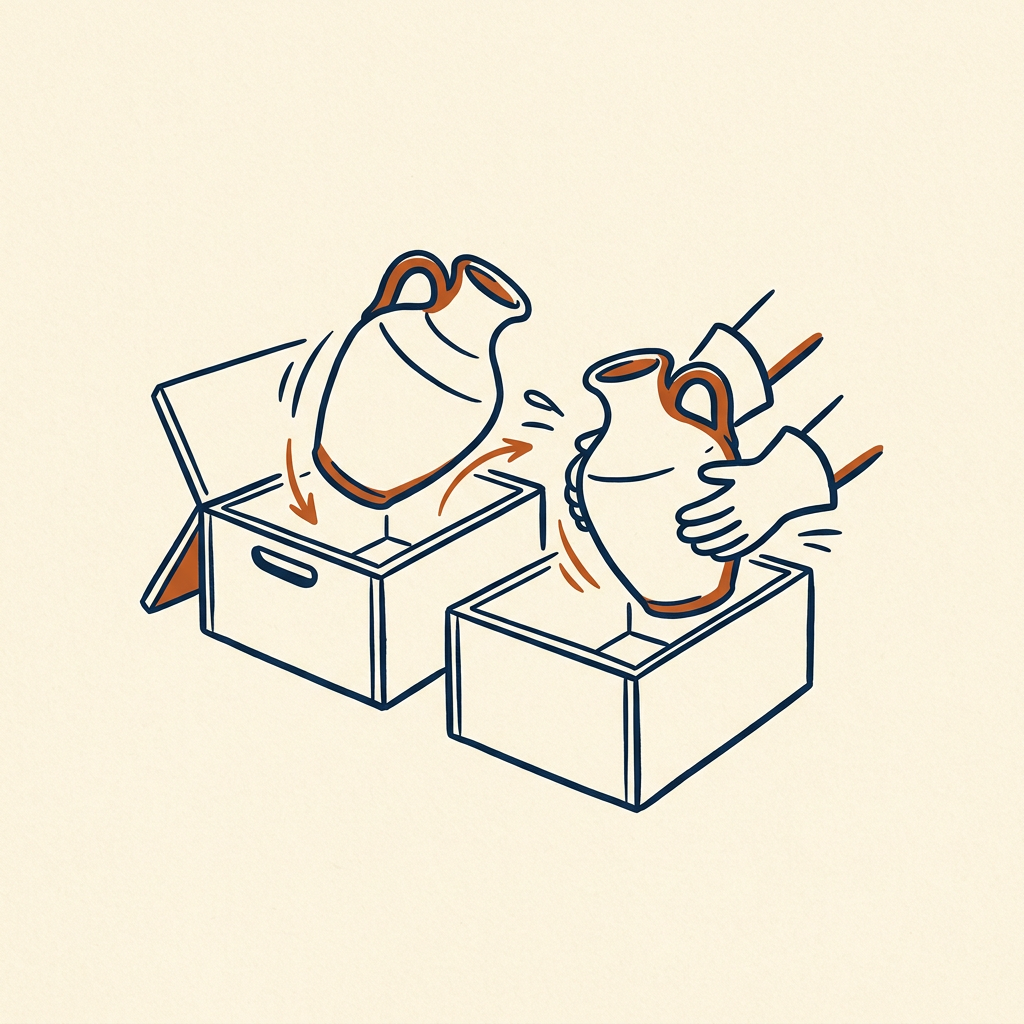
Randomization, control groups, and blinding are the practical method for keeping coincidence, expectation, and uneven patient mix from looking like treatment effects.
Random assignment spreads unknown factors—age, diet, baseline severity—across arms by chance, so a difference in outcomes can be linked to the treatment rather than to who happened to receive it. A study with no control arm stays uninterpretable: natural history, placebo, and regression to the mean can explain any improvement.
Blinding blocks a second leak. Patients who know they got the real drug report differently; clinicians who know treat differently without meaning to. Research in pain and cancer shows how far sophisticated teams can drift when that curtain is missing.
Small samples throw off dramatic-looking results by luck alone, and a lone positive paper settles little until others repeat it. The method sounds dull, yet it ranks as a real intellectual advance because it yields cause-and-effect knowledge that raw intuition cannot.
In practice: Unblinded pain studies let belief held by doctor and patient inflate the apparent benefit of the active arm.
4
Nutritionism's lab-coat sales
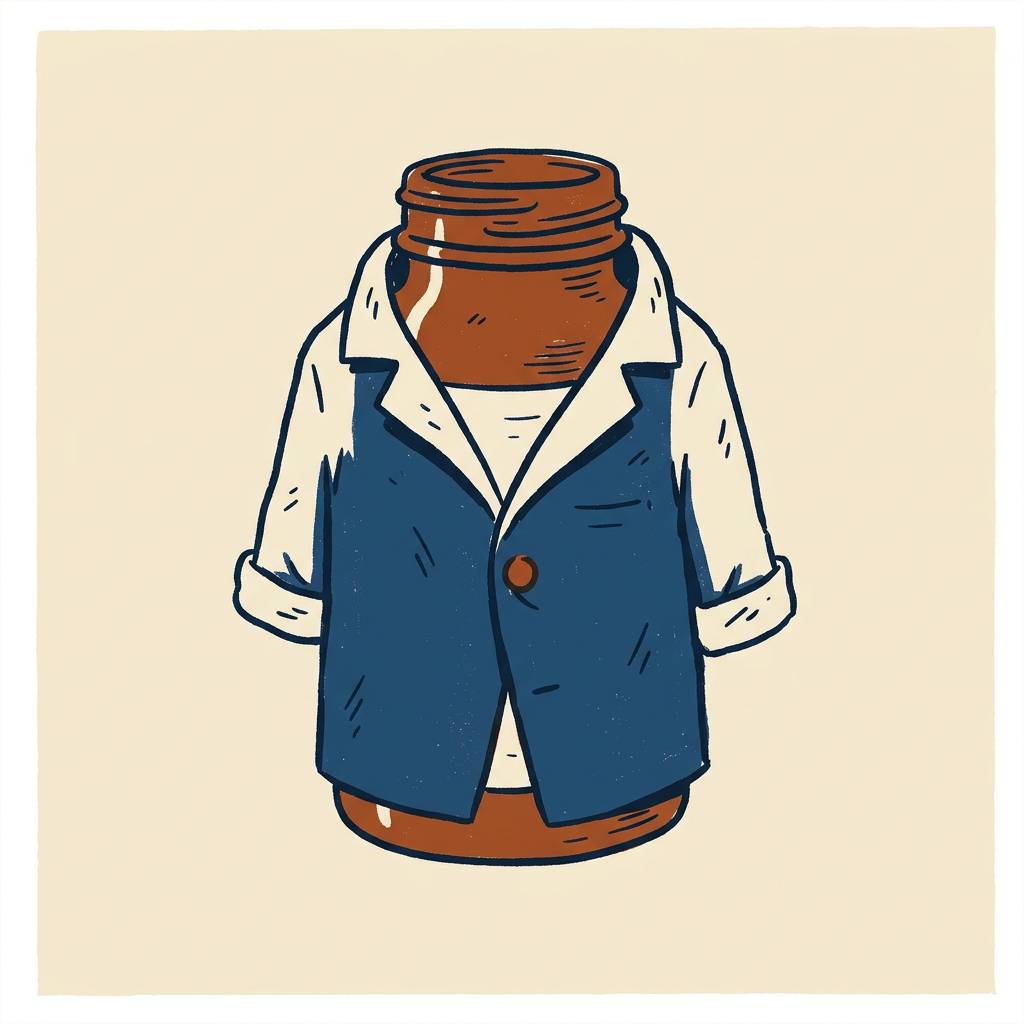
Popular nutritionism sells brands and pills by wrapping selective, unreplicated, or fabricated findings in scientific costume that journalists and regulators rarely check.
Sales science
Chlorophyll in food will oxygenate your blood
Actual biology
Digested chlorophyll cannot oxygenate blood
A recurring media pattern features invented authority, biological nonsense delivered with confidence, and supplements empty of serious trial support. Mail-order doctorates from unaccredited schools stand in for expertise while basic physiology gets rewritten for the camera.
The industry toolkit is steady: trumpet one small unreplicated study; bury null and negative results; treat population correlations as proof that an isolated nutrient causes longer life, ignoring that those populations also differ in money, movement, and smoking.
Ideology finishes the job by carving whole foods into extractable actives for bottles. Isolated-nutrient trials can contradict the whole-diet story. Antioxidant pills expected to protect smokers instead raised their lung cancer risk, yet the sales language of research keeps moving product.
In practice: Gillian McKeith built a British media brand on a non-accredited mail-order PhD and claims that food chlorophyll will oxygenate blood—biology that does not hold once the chlorophyll is digested.
5
Journalism's panic factory
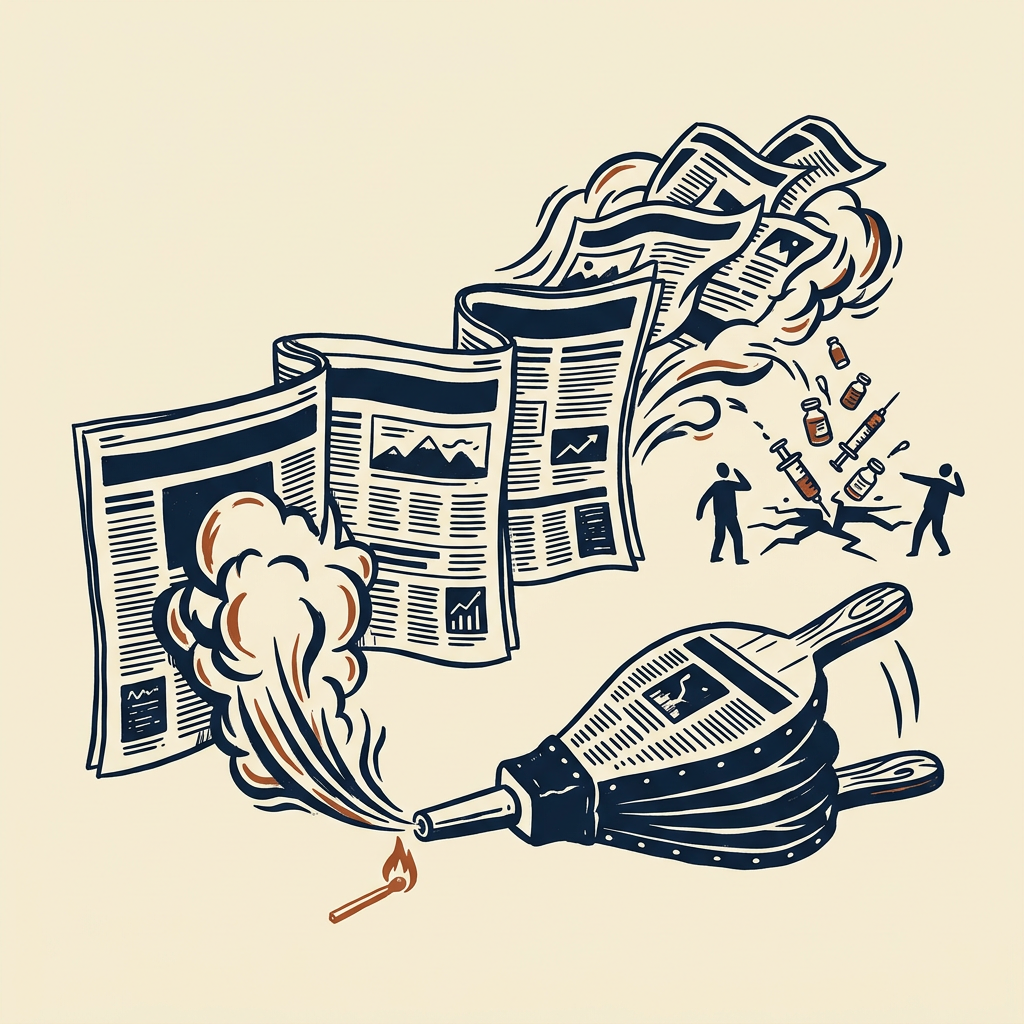
Health news favors drama and false balance over study quality, so weak papers become national scares and real-world vaccination harm follows.
- 1998Twelve-child Andrew Wakefield paper, later tied to undisclosed conflicts and data manipulation
- Media wavePapers reframe it as parental fear versus official reassurance
- AftermathMeasles vaccination falls; outbreaks follow
A single methodologically frail paper can be rewritten as a contest between frightened parents and official reassurance. Specialist reporters who clock the thin evidence often lose the room to generalists and columnists chasing heat.
Habit patterns keep accuracy out of the frame. Size, confidence intervals, and replication rarely appear. Pairing one scientist with one activist is sold as balance. New-study framing treats a lone result as a verdict.
The warp begins before the newsroom. University and journal press releases already overclaim to win attention, so the supply chain from lab to headline is tuned for spectacle. Credulous readers are only the last link.
In practice: British coverage of the MMR-autism claim helped push vaccination rates down and contributed to measles outbreaks.
6
Placebo as a business model
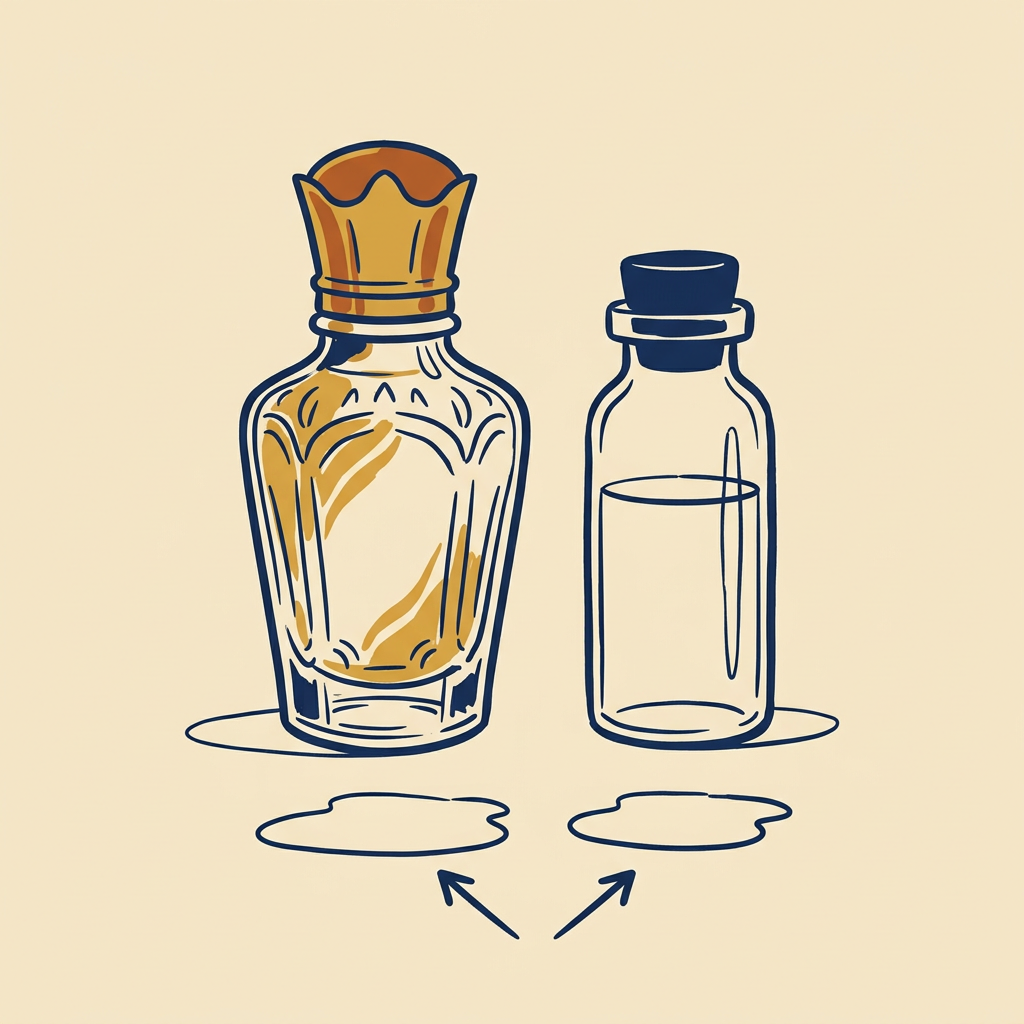
Marketers harness expectation—price, brand, and injection theater—so inert or ordinary products outperform their plain twins in how people feel.
- Injection ritualStrongest placebo response from elaborate hands-on theater
- Branded premium pillPrice and name cues lift reported relief
- Plain cheap pillIdentical chemistry, weaker felt effect
Cost cues and packaging change measured pain relief even when the chemistry is identical. A brand name beats the same pill in a plain box. The ceremony of an injection produces a stronger placebo response than swallowing a tablet, which is one reason elaborate hands-on alternative rituals feel powerful.
That machinery could improve ordinary medicine through better manner and clearer care. Instead it is used to move water-based remedies, extra supplements, and expensive rebrands of generics.
The ethical knot remains: can a clinician knowingly offer something inert that eases suffering, and what does that do to consent? The through-line insists on admitting placebo strength while still requiring effects that outrun it before a treatment counts as proven.
In practice: Branded painkillers outperform identical generic pills in trials purely through expectation stitched to the label.

7
Gaming trials without breaking them
Pharmaceutical companies can skew the public record legally through publication bias, soft endpoints, flattering comparisons, and ghostwritten academic papers.
Journal shelf
Printed trials made the drug look effective
Full evidence locker
Including shelved studies reversed the rosy picture
Trials with friendly results tend to appear in journals; unfriendly ones quietly disappear, so the printed story of a drug can look far kinder than the full set of evidence collected. Designs that test only against placebo, not against drugs already known to work, make success easier. Cholesterol numbers stand in for heart attacks. Doses get picked to flatter the sponsor's product.
Ghostwritten articles then carry prestigious academic signatures on work the named authors barely shaped. Sales visits and company-funded continuing education steer prescriptions while wearing a teaching badge.
None of this needs to be fringe fraud. It runs inside ordinary legal and regulatory lines, which is why catching a few cheats never drains the swamp: the incentives themselves pay for selective evidence.
In practice: Reboxetine looked useful in published antidepressant trials; when unpublished data arrived years later, most trials and most patients showed no benefit over placebo and worse side effects.

8
Transparency and sharper questions
Systemic publication bias needs mandatory pre-registration and full result reporting, paired with public skill at reading controls, blinding, size, and replication.
If trials must be logged before they start, ugly or abandoned results cannot simply vanish. If every outcome must be published, the literature stops being a highlight reel. Existing registries are described as incomplete and poorly enforced, so the hole mapped here stays open.
Classroom science should train statistical reasoning—what a control is, what a confidence interval says, why sample size matters—rather than fact memorization alone. Citizens then judge claims without outsourcing all trust to titles and institutions.
Watchdogs get blamed for thin budgets, slow processes, and capture by the industries they police, which lets bad claims survive long complaint cycles. A short stable checklist still protects daily life: control group, blinding, sample size, replication. Those questions travel across quack remedies, headlines, and marketing decks alike.
In practice: A publicly registered trial protocol fixed before enrollment leaves nowhere for a disappointing result to hide.
Key terms
- placebo effect Symptom change driven by ritual, attention, and belief rather than an active ingredient
- regression to the mean Extreme symptoms tend to ease toward average on their own, which can look like a treatment worked
- randomization Assigning people to groups by chance so unknown confounders spread evenly
- blinding Keeping patients and clinicians unaware of who got the real treatment so expectation cannot sway results
- publication bias Favorable trials get printed while unfavorable ones disappear, skewing the public record
- nutritionism Reducing food to isolated ingredients that can be extracted and sold as pills
- surrogate endpoint A stand-in marker like cholesterol used instead of a real outcome like heart attacks
- trial registration Logging a study's plan publicly before it runs so negative results cannot be hidden later
What to do
- Ask of every health claim whether there was a control group, randomization and blinding, and how many people were studied.
- Treat any news story that cites a new study without those details as entertainment rather than evidence.
- Spend two minutes verifying the institution behind credentials a product or practitioner flaunts.
- Before trusting a supplement that seemed to help you, look for a trial that tested it against placebo.
- Check whether drug evidence compared the product to an existing treatment or only to placebo, and whether negative trials may remain unpublished.
Questions to think with
- When a remedy seemed to work for you, what else—timing, expectation, natural recovery—could explain the change?
- Which parts of a health headline would have to be true for the claim to survive a blinded controlled trial?
- How should a doctor weigh placebo comfort against honest consent when an inert treatment might ease symptoms?
- If negative drug trials can legally stay unpublished, what should patients demand before starting a new medicine?
- Where does your own media diet reward drama over study size, blinding, and replication?
The other side
Case studies lean on 2000s British figures and print-TV media, so newer social-media misinformation sits outside the frame; the polemic tone can read as contemptuous toward lay believers and undercut the literacy goal; registry and education fixes stay thinner than the critique and skirt deeper incentive problems in journals and regulation; structural economics of healthcare get less weight than bad actors and mechanisms; and real scientific disputes are often murkier than a clean good-versus-bad method story.
Who it's for
Skeptics who want specific ammunition against alternative medicine, plus students and clinicians who need a plain-language tour of how clinical evidence is actually tested.