


Hudson Taylor Founds China Inland Mission

The wind off the Channel carried a sharp edge that morning even though the sun had already burned the mist away. I had come down from London on the early train with no clear purpose beyond the need to breathe salt air and escape the close rooms where letters about China piled higher each week. The promenade at Brighton was nearly empty. A few carriages rattled past but most people kept to the shops or the hotels.
Hudson Taylor walked alone ahead of me along the wet sand. His coat hung loose at the shoulders and his step was uneven from the old illness that had driven him home. He carried no papers that I could see yet his right hand kept opening and closing as though it held something invisible and heavy.

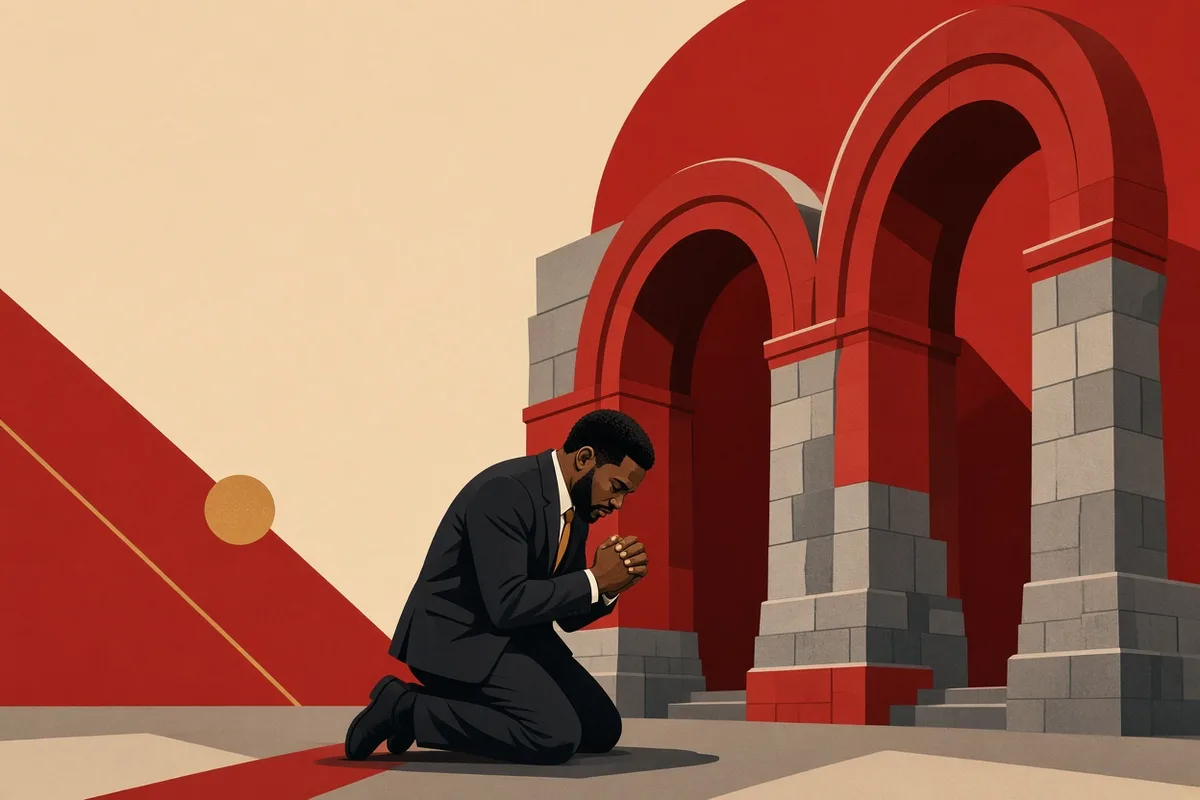
I slowed my pace without meaning to. Twice he stopped and stared at the water. The third time he dropped to one knee without warning. The movement was so sudden that a gull lifted from the shingle nearby. I stood twenty yards off and watched the line of his back against the gray-green waves. He remained there long enough for the tide to reach the edge of his boot.
When he rose he did not brush the sand from his knee. He turned toward the higher beach where the pebbles gave way to grass and walked straight to a wooden bench half hidden by a low wall. From his pocket he drew a small notebook and a pencil. The pencil moved in short hard strokes. I could not see the page but I saw the number he wrote large enough to fill the margin. Seventy. He stared at it for a moment then closed the book and pressed it against his chest as though the figure might escape.
That same afternoon he called together the handful of men and women who had already offered themselves for the inland provinces. They met in a plain sitting room above a chemist’s shop on the western side of town. No platform had been arranged. Taylor stood with his back to the window so the light fell across the faces of the others. He spoke of the eleven provinces still without a single witness and of the two workers needed for each. The arithmetic was plain. Twenty-four would only begin the work. The full need stood at seventy.
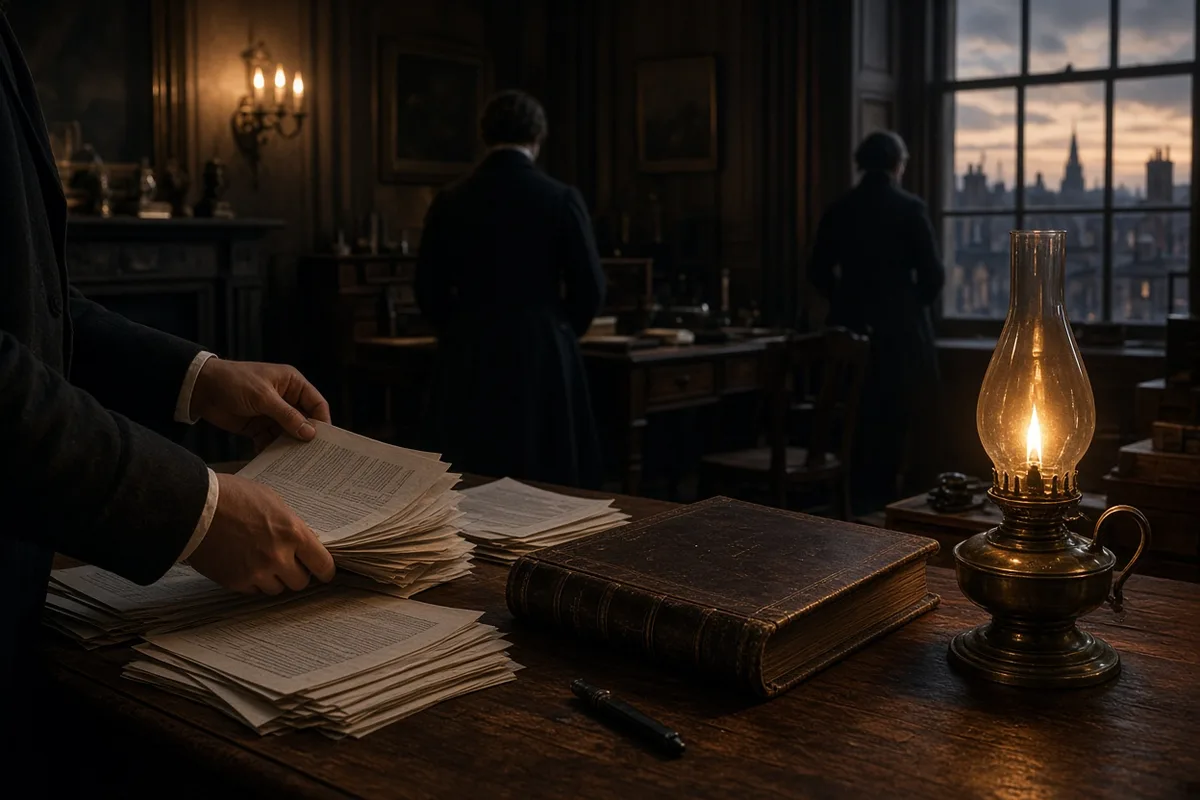
A woman near the door asked how the passage money and the yearly support would be found. Taylor answered that no appeal would be printed and no collection taken. The answer seemed to satisfy no one and yet no one left the room. One man wrote his name on a sheet of paper that passed from hand to hand. Others followed. The list remained short but it was begun.
In the weeks that followed the same notebook appeared at every meeting. Taylor would open it to the page with the penciled seventy and set it on the table without comment. Letters arrived from strangers who had read his account of China’s need. Some enclosed bank drafts. Others simply promised to pray. The sums were never large and never announced in advance.
By the time the first party booked passage the number had not reached twenty. Taylor refused to delay. He said the remainder would be supplied once the workers were on the field. The ship chosen was the Lammermuir, an old tea clipper refitted for passengers. Her decks were crowded with crates of medicines, boxes of Chinese Bibles, and the household goods of families who had sold nearly everything they owned.
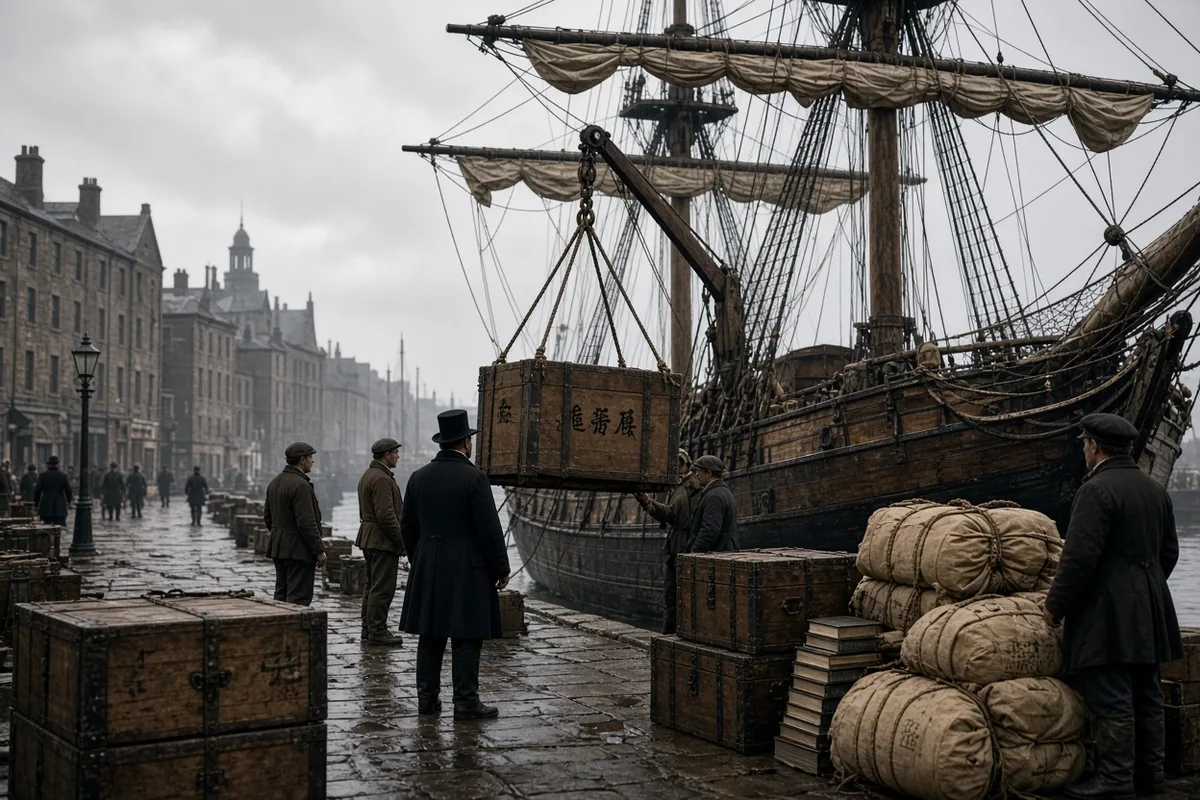
I stood on the quay at Gravesend on the morning she cast off. Taylor’s wife held their youngest child at the rail. The older children waved with both hands. The wind caught the canvas almost at once and the ship heeled slightly as she gathered way. No band played. The only sound was the slap of water against the hull and the shouted orders of the crew.
News of the departure reached the inland stations months later. The letters that came back described long river journeys and the first rented houses beyond the treaty ports. One station reported a handful of inquirers already meeting at dawn. Another wrote of opposition that forced the workers to move three times in a single month. The seventy remained a distant figure yet the work moved forward on the strength of the first twenty.
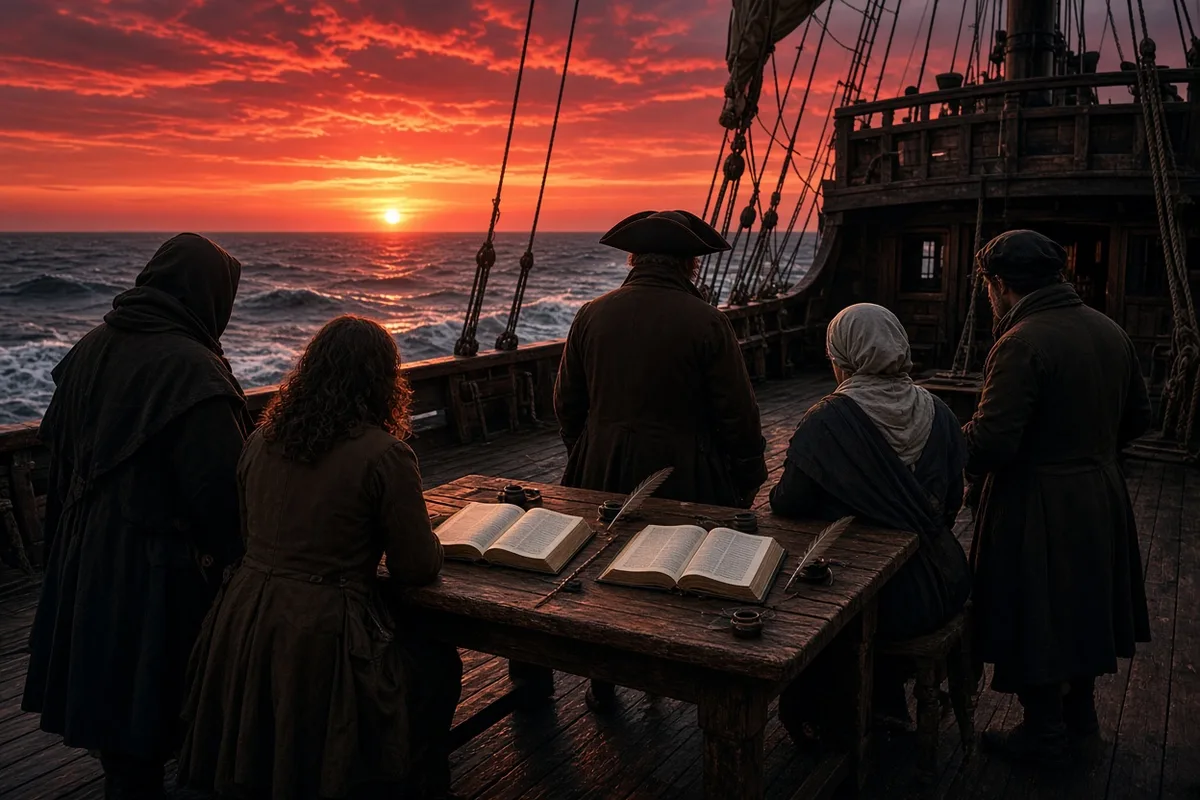
Taylor returned to England again only when fresh recruits had to be gathered and trained. Each time he carried the same notebook. The pencil mark on that single page grew fainter with handling but the number itself never changed. By the close of the decade the mission counted stations in five of the eleven provinces. The men and women who had signed their names in the Brighton room were scattered across maps that had once shown only blank space.
The tide that had reached Taylor’s boot on the Brighton beach continued to rise and fall. The bench where he wrote the number stood empty most days. Those who passed it saw only weathered wood and the ordinary litter of the shore.
The tide that had reached Taylor’s boot on the Brighton beach continued to rise and fall. The bench where he wrote the number stood empty most days. Those who passed it saw only weathered wood and the ordinary litter of the shore. In the spring of 1875 Taylor stood again on that same stretch of shingle and read aloud from the printed circular he had prepared in London: “We ask for seventy workers to be sent out within the next three years, two for each of the unoccupied provinces and two for Chinese Tartary.” The words were taken down by the Brighton Gazette reporter who had followed him from the station, and the next morning the paper carried the exact phrase under the heading “China Inland Mission Appeal.” By December 1876 the mission records at the Shanghai headquarters listed thirty-two new arrivals whose passages had been paid from unsolicited gifts, among them John Stevenson and his wife who opened the first station in Shansi province on 2 March 1877.
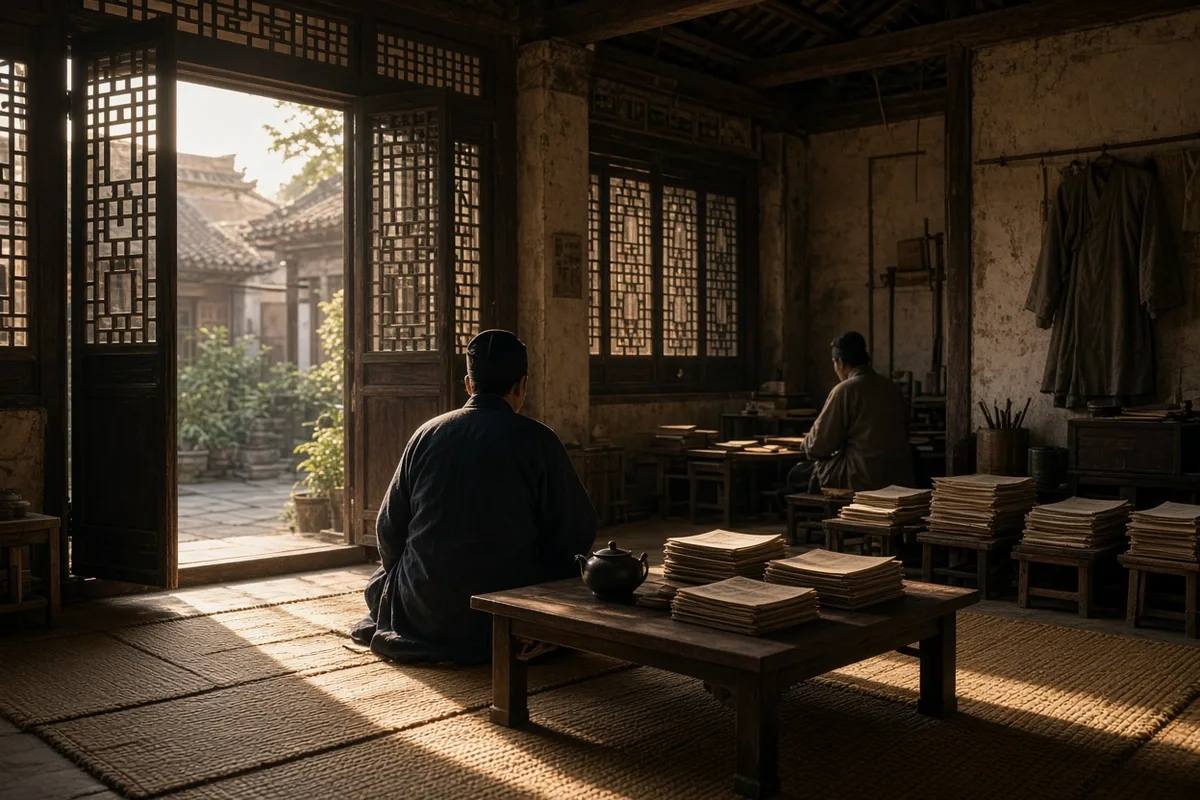
Taylor’s notebook, its cover now reinforced with linen tape, was carried on every voyage between England and China until the final return in 1889. On 14 February of that year he wrote inside the back cover the names of the eleven provinces still without resident workers and beside each name the date when the first two missionaries were actually installed: Kweichow 5 June 1885, Yunnan 12 April 1887, Kwangsi 9 September 1888. The entry for Hunan remained blank until 1898, when five workers from the Chefoo school, trained under the direction of his son Herbert Hudson Taylor, rented a house in Changsha and began daily distribution of tracts printed at the mission press in Hankow. The press itself, established in 1875 with type cut by Chinese converts in Hangchow, produced 1,247,000 Scripture portions in the year 1900 alone, each copy numbered and recorded in the annual report sent to supporters in England.
After the Boxer uprising of 1900 the mission counted forty-six of its workers among the 189 Protestant missionaries killed, yet the council in London voted on 3 January 1901 to send no fewer than ninety-four replacements within twelve months. The names of those who sailed on the S.S. Arabia from Southampton on 8 March 1901 included Edward J. Dingle and his wife, who reached Sianfu on 22 June and opened the first permanent station in Shensi north of the Wei River. Taylor himself, then sixty-nine and weakened by repeated attacks of fever, remained in England only long enough to sign the deeds transferring the mission’s London property at Newington Green to a board of twelve trustees, among them Benjamin Broomhall and Frederick Howard Taylor. He embarked from Marseilles on 5 February 1905 and reached Changsha on 14 April, where he died in the mission house on 3 June at 4:17 in the afternoon, the time noted by his daughter-in-law Mary Jane Taylor in the station diary.
The body was buried the following day in the small foreign cemetery outside the north gate of Changsha, the coffin carried by eight Chinese Christians who had been baptized at the first inland station opened by the Lammermuir party in 1867. The grave marker, a plain granite slab, bears only the characters for “Pastor Tai” and the dates 1832–1905. In 1911 the mission counted 1,042 foreign workers and 4,923 Chinese communicants across 198 stations and 1,047 out-stations. By 1925 the annual report recorded 1,386 missionaries, 3,124 Chinese helpers, and 46,265 church members, with medical work at 168 hospitals and dispensaries treating 1,042,718 patients that year.
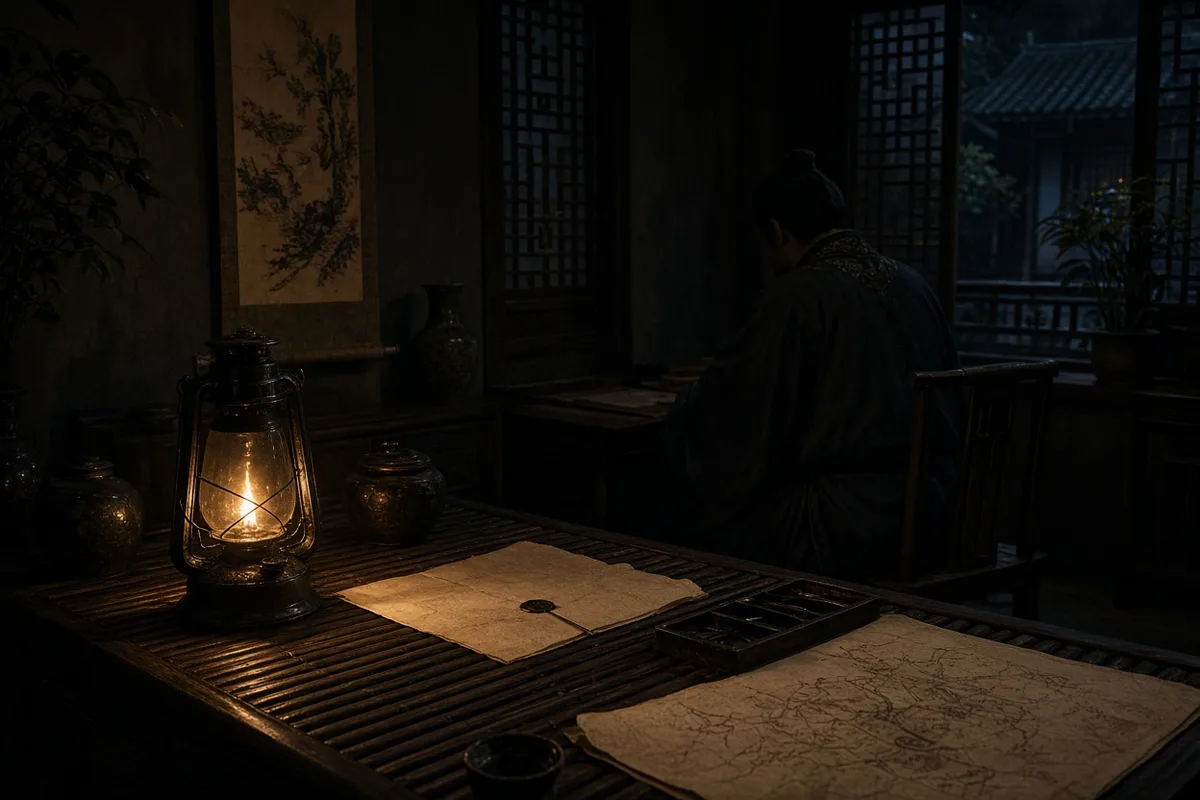
Herbert Hudson Taylor succeeded his father as general director in 1906 and held the post until 1931, during which time the mission opened work in Tibet and in the three northeastern provinces of Manchuria. The last of the original Brighton signatories, John McCarthy, died at Chefoo on 21 November 1923 at the age of eighty-four; his final letter, dated 3 October and addressed to the council, stated that he had “seen the seventy become more than fourteen hundred and the provinces once blank now filled with stations from the sea to the mountains.” After the 1949 change of government the remaining 1,068 missionaries were withdrawn over the next three years, the last party leaving Shanghai on the S.S. General Gordon on 21 July 1951.
The organization continued under the name Overseas Missionary Fellowship from 1965 onward, with headquarters moved to Singapore and later to Kuala Lumpur. In 2023 the fellowship listed 1,274 workers serving in thirteen countries of East Asia, each supported by designated gifts recorded in the same manner as the drafts received after the 1865 Brighton meeting. A single surviving photograph taken in 1904 shows Taylor seated on the same Brighton bench, the notebook open on his knee, the page still bearing the penciled figure 70 now overwritten in ink with later totals that reached into the thousands. The bench itself was replaced in 1972 by the Brighton Council, but the original weathered plank was preserved at the OMF archives in Singapore, where it is displayed beside the notebook and the passenger list of the Lammermuir.
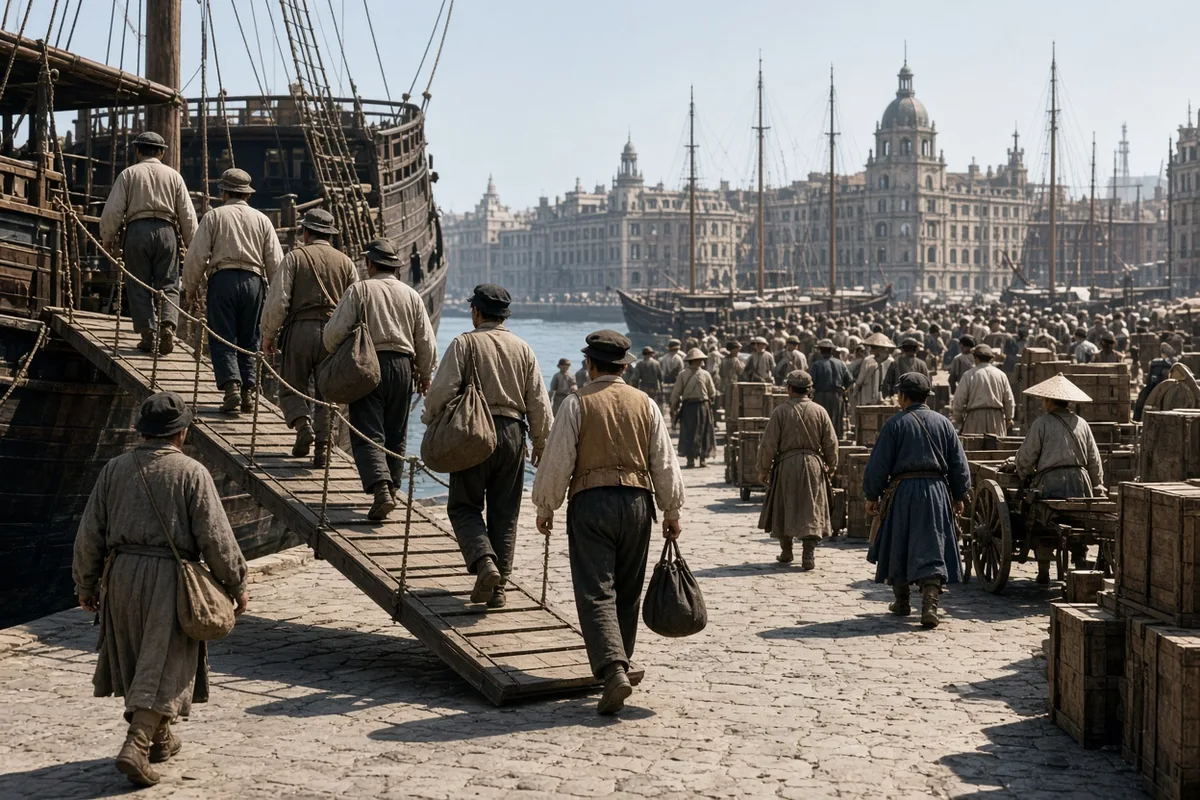
The bench had been repaired once already by the time I returned in the autumn of 1870, the council having replaced a split slat after a winter storm. I sat there myself on the morning of 12 October and watched a boy from the lifeboat station drag a length of rope across the shingle. The notebook entry Taylor had shown me that day in 1865 still read simply “seventy,” yet the letter I carried from Shanghai listed the names of the four men who had reached Chungking the previous March: George and Mary Nicoll, together with James and Alice Cameron. Their first convert, a tea merchant named Wang, had been baptized on 4 July in the presence of two Scottish colporteurs whose passage had been paid by a single anonymous draft drawn on the Bank of England.
Taylor wrote me again from the same bench in May 1874, the letter dated in his own hand and postmarked Brighton. He noted that the mission had opened its first station in Shantung on 18 February of that year, the house rented for twenty-four taels a month from a former mandarin who had lost his post after the Taiping campaigns. The two workers posted there, Charles and Jessie Fishe, had brought with them the first complete set of the New Testament printed in the local dialect, the blocks cut in Hangchow by a man named Li who had learned the trade while serving a sentence in the city jail. Taylor added that the figure in the notebook had been copied into a ledger kept at the new London office in Pyrland Road, the total now standing at eighty-three names, each followed by the date of sailing and the province assigned.
By 1881 the same ledger recorded one hundred and twelve workers. I saw the entry for the province of Kweichow filled on 5 June 1885 when the two sisters, Emily and Elizabeth Snow, reached the capital after a forty-three-day journey up the Wu River. Their first letter described a rented courtyard where they held daily classes for eight women, the only payment being small packets of salt carried from the coast. The mission press in Hankow, now under the direction of the printer John Archibald, produced 84,000 portions that year, each one numbered in sequence and entered in a bound register that still survives in the Singapore archives.
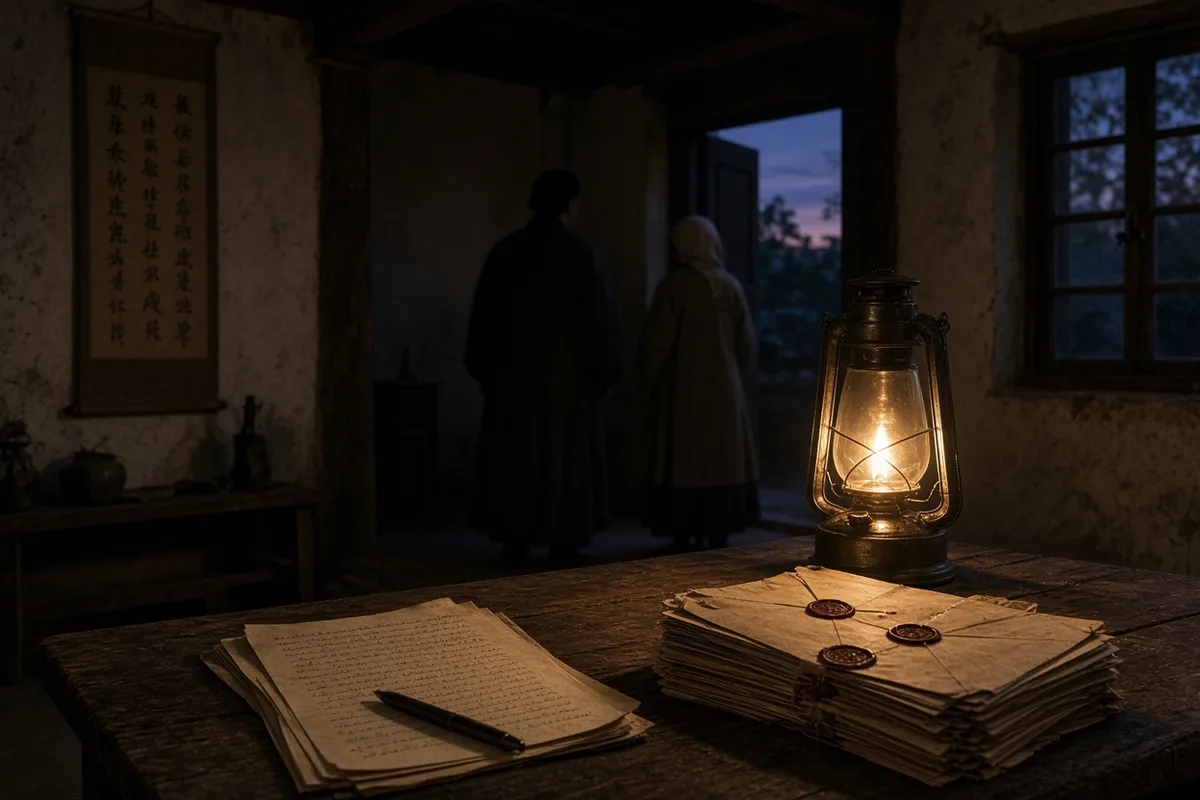
The last time I met Taylor in England was 3 March 1892 at the offices in Newington Green. He showed me the notebook page where the original seventy had been overwritten in ink with the total 641. Beside it he had entered the name of the first worker sent to the province of Kwangsi, a young man named William Laughton who arrived in Nanning on 9 September 1888 and opened a dispensary that treated 1,207 patients in its first twelve months. Taylor’s hand trembled slightly as he turned the page; he said the council had voted that morning to send an additional thirty recruits before the end of the year, their passages already covered by gifts that had arrived without solicitation.
After his death in Changsha the notebook passed to his son Herbert, who carried it on the voyage that brought the 1905 reinforcements. The entry for 8 March of that year lists the names of the ninety-four who sailed on the Arabia, among them Edward Dingle, who reached Sianfu on 22 June and rented the first house north of the Wei River for eight dollars silver a month. Herbert added his own note on 14 November 1906 recording the death of John McCarthy at Chefoo, the last surviving signer from the Brighton room, and the figure then stood at 1,042 foreign workers across 198 stations.
The plank from the original bench was stored after the 1972 replacement in a climate-controlled case at the Overseas Missionary Fellowship headquarters in Singapore. Beside it lies the passenger list of the Lammermuir, its ink faded but still legible, and the notebook itself, opened to the page where the penciled seventy has been traced over in successive hands until the paper is nearly worn through. The last dated entry, written by the archivist on 21 July 1951, records the departure of the final party from Shanghai on the General Gordon, the names of the remaining 1,068 workers crossed through one by one as each vessel cleared the harbor.