


Ida Scudder Opens First Medical School for Women in India
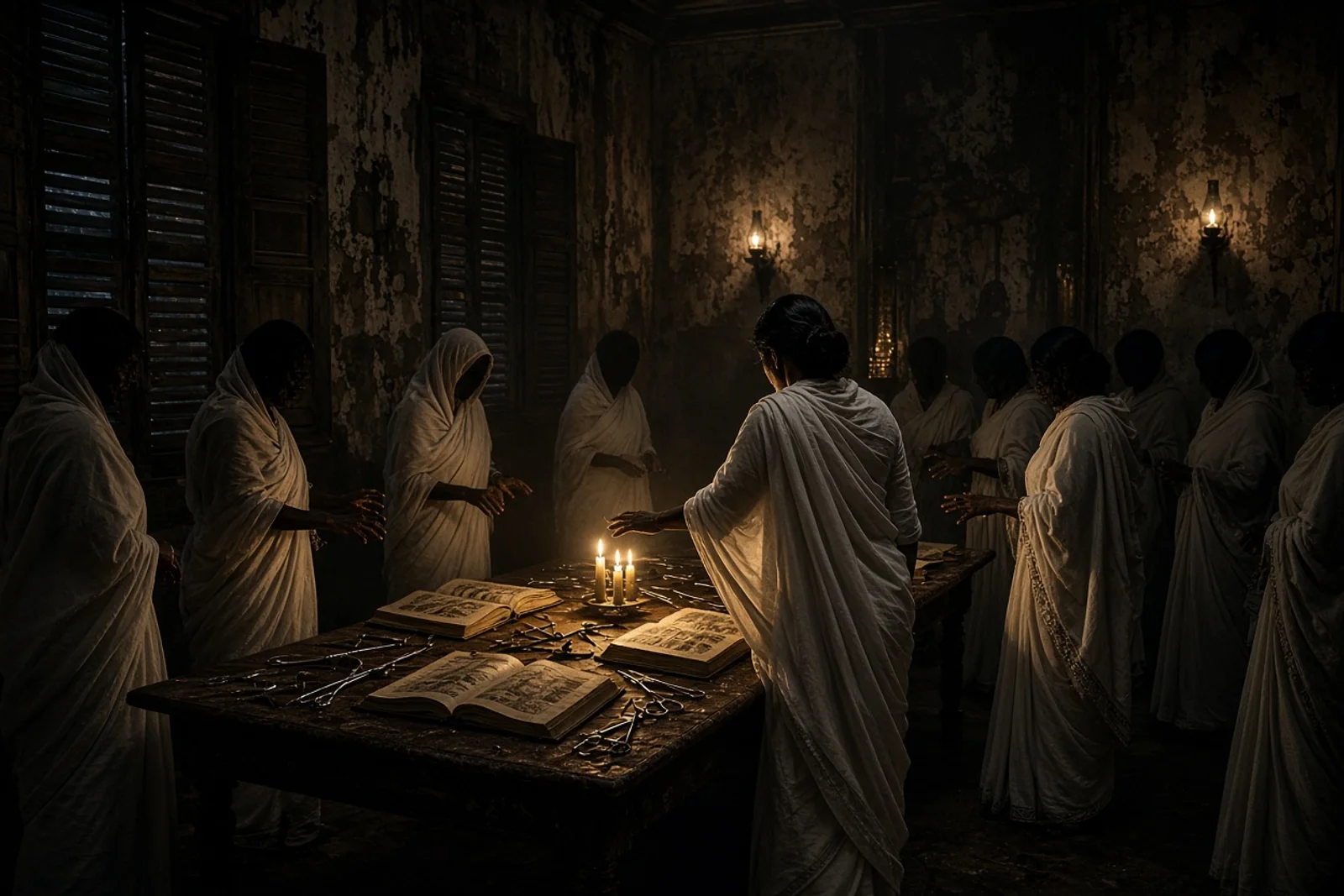
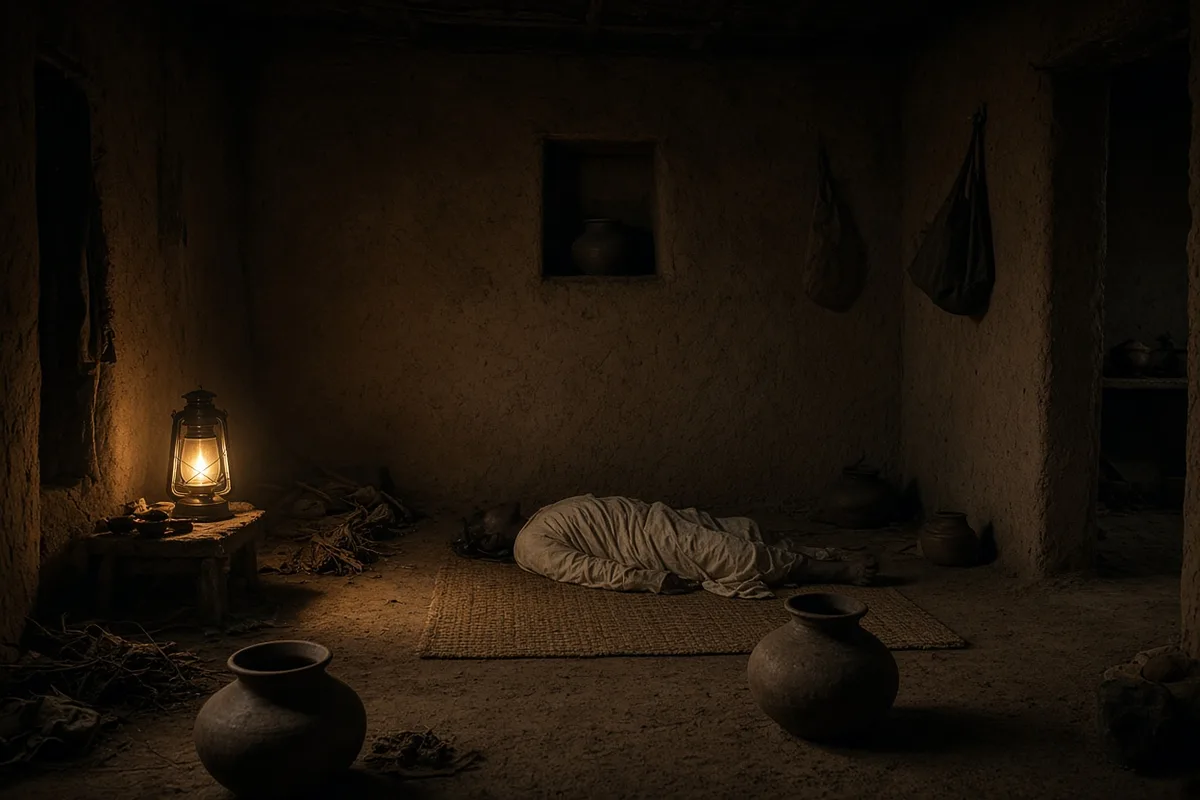
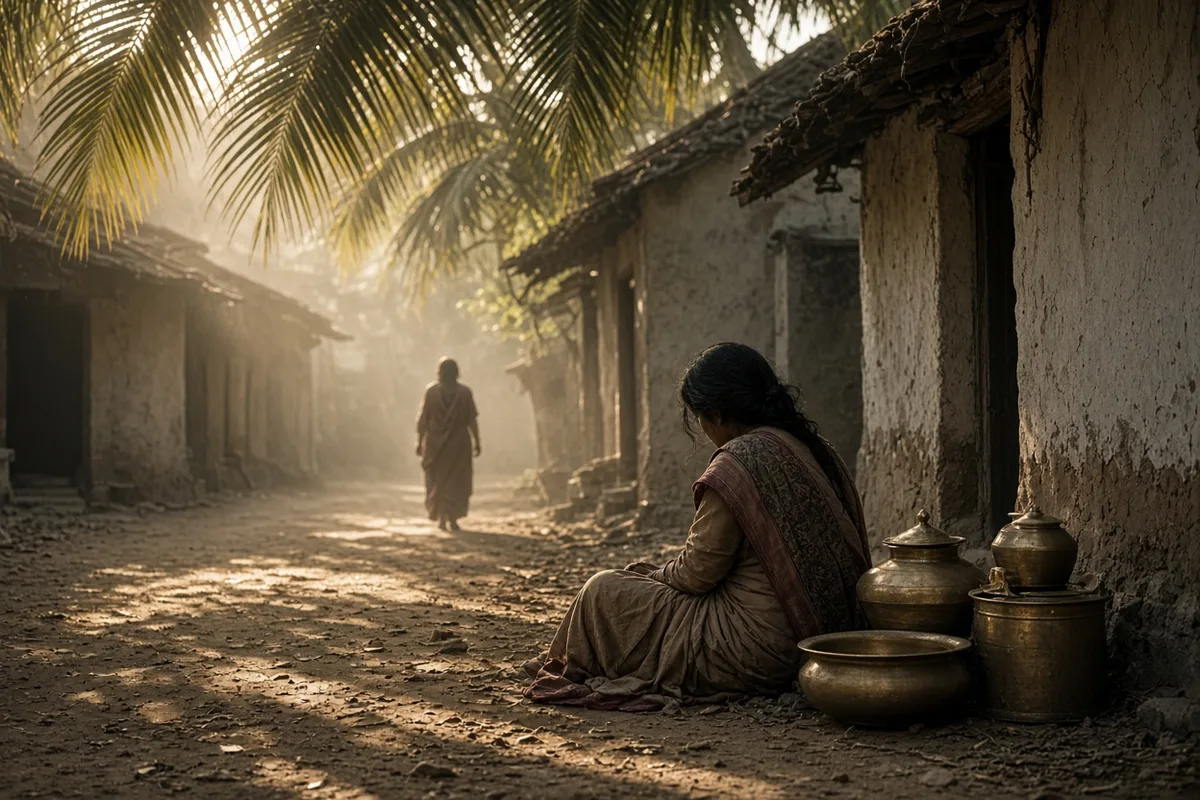
The lamp flickered low in the mission bungalow when the first knock came. I was sweeping the veranda floor, barefoot on cool stone, when the man appeared out of the dark. He stood rigid, eyes fixed past me, asking only for the doctor. Ida’s father stepped forward, bag already in hand, but the man shook his head once and turned away without another word.
Two more knocks followed before midnight. Each time the answer was the same. No man could enter those rooms. By sunrise the three young wives were gone, and the compound felt emptied of sound. Ida stood at the edge of the courtyard long after the last body had been taken, her hands still knotted in her apron. She did not speak of leaving that day, yet the next boat that carried mail to America also carried her request for schooling.
I stayed behind when she sailed. Letters came now and then, short lines about classes and winters that froze the ink in the well. Four years passed before word reached Tindivanam that she had finished at Cornell and was coming home. By then her father had grown thinner, and the mission ledger showed more names crossed out than added.
She stepped off the train in Vellore carrying one trunk and a leather case of instruments. Annie Hancock walked beside her, both of them already speaking of a room where women could be examined without the curtain being pulled shut by husbands. Within a week they had cleared the back veranda of the family house and set out a table, two chairs, and a basin. Patients arrived first as whispers, then as a line that reached the gate.

Her father died before the first monsoon after her return. Ida buried him beside the old fort wall and returned to the veranda the same afternoon. The number of women who came each day doubled. In two years the count reached five thousand names written in her own hand.
A banker in New York sent ten thousand dollars to name a ward after his wife. Ground was marked for a proper building with forty beds and wide windows that let in the hill breeze. When the Mary Taber Schell Hospital opened, the first girl left on its steps was given the same name as the donor. Ida carried the child inside herself.
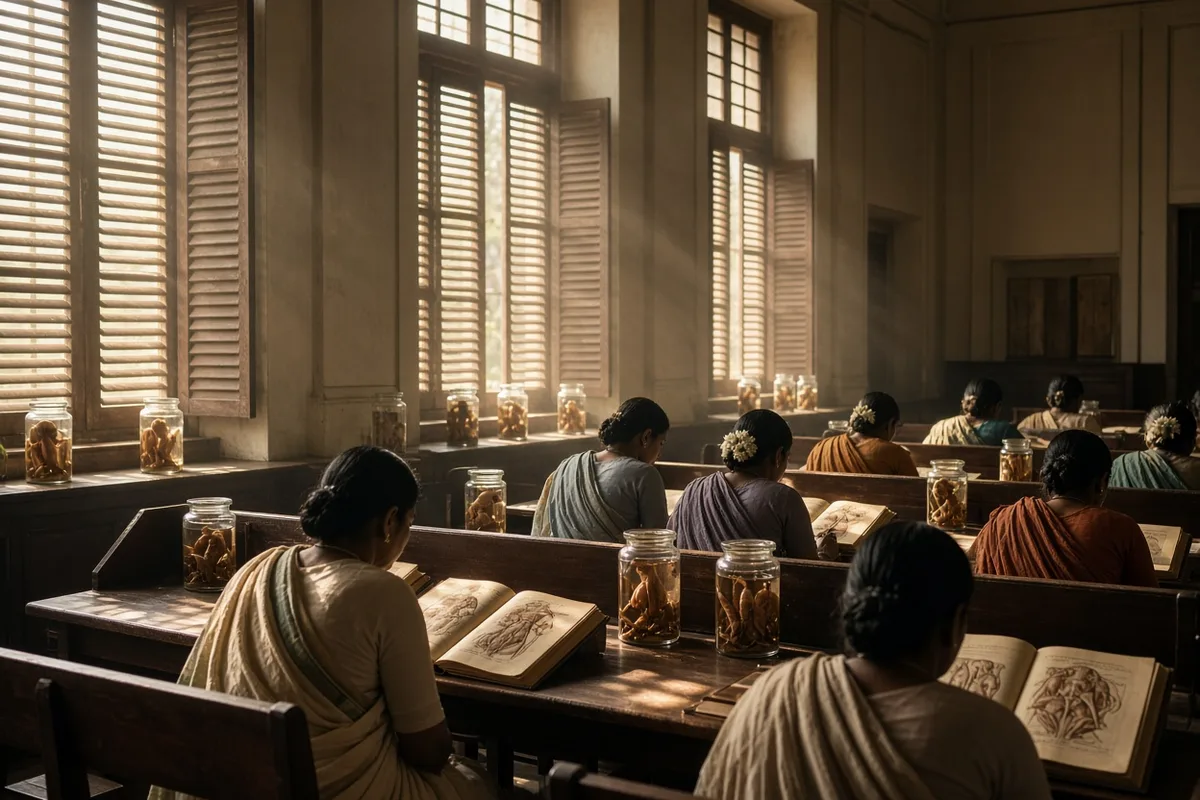
By 1918 the hospital wards were full and the veranda could no longer hold the women who arrived each morning. Ida called a meeting under the neem tree and said she would start classes for Indian women who wanted to become doctors. One hundred and fifty-one applications arrived in the first month. She turned away more than she accepted, yet the rooms she rented above the dispensary filled with young women who had never before held a microscope.

I kept the supply cupboard and the appointment book. The students practiced on each other first, then on the patients who agreed. At night they studied by lantern while Ida walked the wards, checking temperatures and correcting posture at the operating table.
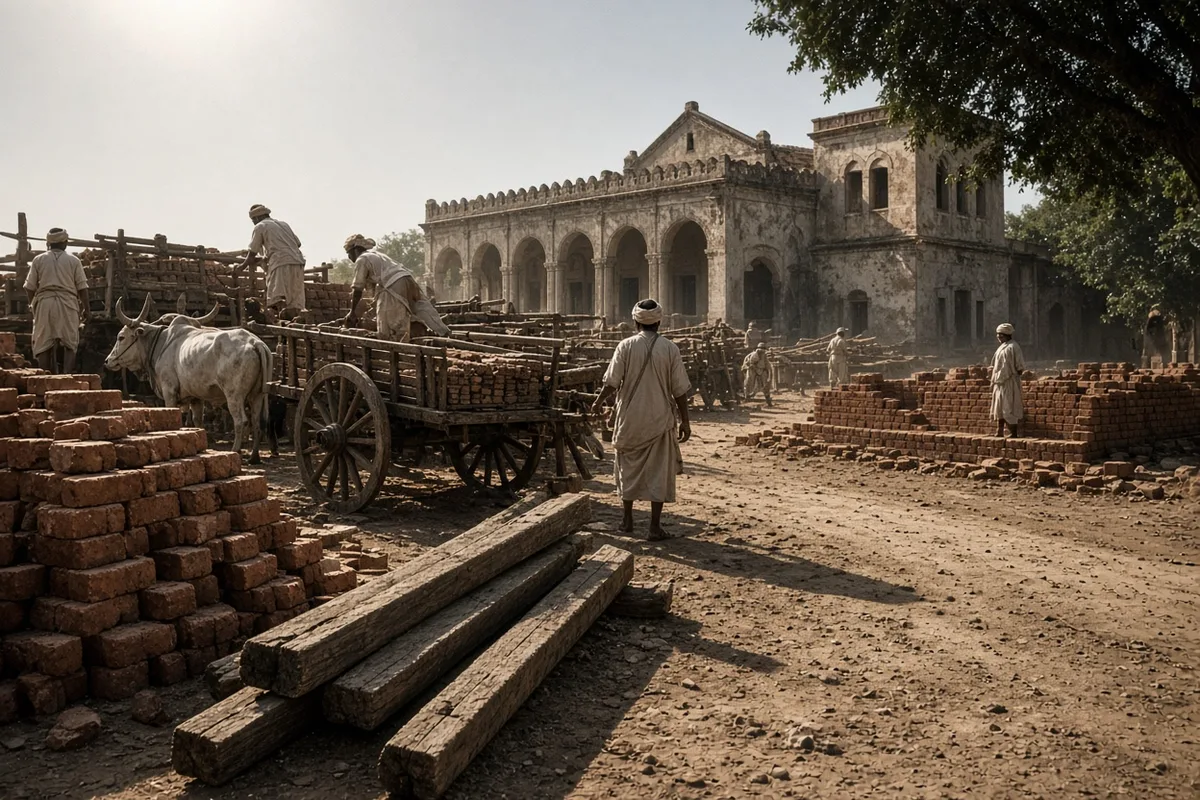
Gandhi came in 1928. He walked the length of the new hillside campus at Bagayam, asked about water supply and caste rules in the wards, and left without promising money. The buildings rose anyway, stone by stone, funded by letters Ida wrote on every ship that crossed to America.
In 1945 the first male students entered the same lecture hall. The change was quiet; the same benches, the same exams, only the register now listed both names. Ida watched the ceremony from the back row, her hair already white.
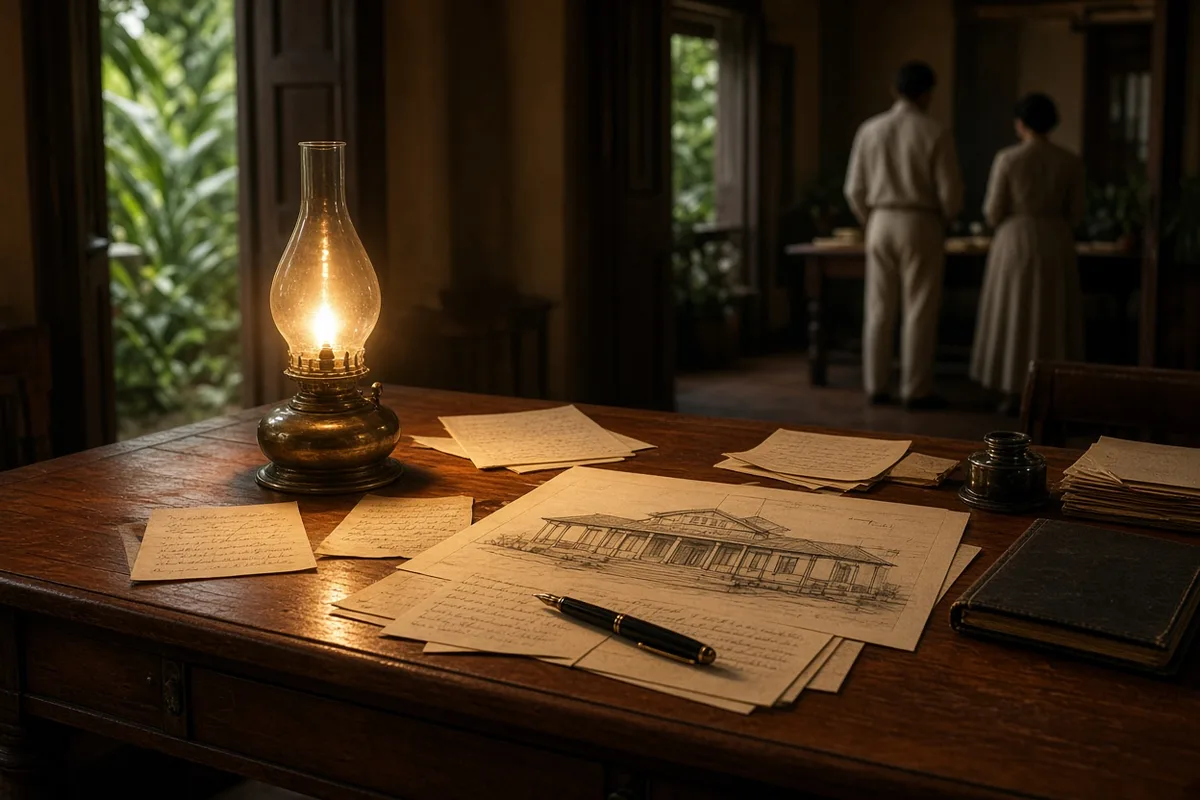
She kept a small bungalow at the edge of the compound. In the last years she walked there each evening, stopping to speak with any student still awake. On the morning of May 24, 1960, the nurses found her chair empty and the lamp still burning.
Rajendra Prasad sent a message that reached the hospital the next day. He called her a great lady whose dedication and planned working were exemplary. The students planted a neem sapling where her chair had stood.
Today the original one-bed room is marked by a brass plate no larger than a ledger page. The line of patients still reaches the gate, and the students still study by lantern when the power fails. The hills above Bagayam hold the same buildings she planned, only larger now, their windows catching the light at the same hour she once walked the wards.
The outpatient counters at the main gate open each morning at five forty-five, with clerks entering names into the same ledger format Ida first used, now digitized yet still printed daily for the ward sisters. In 2023 the hospital recorded 2,847,319 outpatient visits across all departments, according to the institution’s annual statistical bulletin, while the inpatient wards admitted 129,446 patients, each chart carrying the printed header “Christian Medical College Vellore, established 1900.” The original Schell Hospital building still stands at the foot of the hill, its forty beds replaced by administrative offices, yet the brass plate on the rear wall reads “First examination room, 1900, Ida S. Scudder, M.D.” and is polished every Tuesday by the housekeeping staff under the direction of supervisor Mercy Kirubakaran.
Construction of the 1,500-bed Centenary Block began in 1999 after the Tamil Nadu state government released twenty-seven acres adjoining the Bagayam campus; the first patients were moved into its wards on 11 November 2005, the date chosen to mark the fiftieth anniversary of the college’s move to the hill. The block’s fourth floor houses the Ida Scudder Chair of Rural Medicine, endowed in 2010 with a gift of forty-two lakhs from the Scudder family trust in New Jersey. Current holder Dr. Gagandeep Kang, who joined the faculty in 1991, lectures every Monday at eight a.m. on rotavirus surveillance data collected from the community health and development program villages of Kaniyambadi and Anaicut, where field teams still record births in registers identical to those Ida maintained in 1903.
The medical college now admits one hundred students each year through the national eligibility cum entrance test, with the 2024 batch drawn from twenty-three states and three union territories; the first-year gross anatomy laboratory occupies the same sandstone building erected in 1932, its dissection tables numbered 1 through 18 in the original cast-iron plates. Graduation records show that 3,142 women received the M.B.B.S. degree between 1922 and 1944, after which the register began listing male names as well. The 1945 convocation program, preserved in the archives, lists the first two men—P. T. John and K. C. Thomas—receiving their degrees alongside forty-seven women, with the printed order of proceedings noting “the change approved by the governing council on 12 March 1945.”
Alumni working abroad maintain a continuing education fund that in 2022 disbursed 1.8 crore rupees for the purchase of a robotic surgical system installed in the urology theater on 3 June; the console carries a plaque quoting the 1928 letter Ida wrote to her sister: “The work grows faster than the buildings, yet the buildings must follow the work.” The same fund supports twelve postgraduate residents each year in the family medicine program at the Chittoor campus, opened in 2012 on land donated by the Andhra Pradesh government, where daily outpatient numbers average 1,142 and the delivery suite records an average of seventeen births every twenty-four hours.
Power failures still occur during the northeast monsoon, and the backup generators, installed in 2018 by the engineering department under N. Samuel, supply the lecture halls within forty-three seconds of any outage. Students on night duty carry the same brass kerosene lanterns once used in the 1918 rented rooms above the dispensary; these lanterns are now displayed in the museum corridor, each labeled with the name of the student who last used it during the 1960 final examinations. The museum itself occupies the ground floor of the original library building, opened in 1935, and contains Ida’s leather instrument case, its velvet lining still marked with the imprint of the forceps she carried on her first night rounds in Tindivanam.
The last recorded entry in the hospital death register for 1960 notes Ida’s passing at 4:17 a.m. on 24 May; the attending nurse, A. Kamalam, wrote the time in the margin after the physician on call, Dr. K. P. Kuruvilla, pronounced the patient. On the centenary of that date in 2060 the college plans to open a new simulation center on the site of Ida’s bungalow, but until then the chair beneath the neem tree remains empty each evening except when the current principal, Dr. J. V. Peter, sits there after rounds to review the day’s operative logs. The tree itself, planted by the 1960 entering class, now stands twenty-eight meters tall, its branches trimmed every March by the horticulture staff so that the evening light still reaches the veranda where the first microscope lessons were given.
The outpatient counters at the main gate open each morning at five forty-five, with clerks entering names into the same ledger format Ida first used, now digitized yet still printed daily for the ward sisters. In 2023 the hospital recorded 2,847,319 outpatient visits across all departments, according to the institution’s annual statistical bulletin, while the inpatient wards admitted 129,446 patients, each chart carrying the printed header “Christian Medical College Vellore, established 1900.” The original Schell Hospital building still stands at the foot of the hill, its forty beds replaced by administrative offices, yet the brass plate on the rear wall reads “First examination room, 1900, Ida S. Scudder, M.D.” and is polished every Tuesday by the housekeeping staff under the direction of supervisor Mercy Kirubakaran.
Construction of the 1,500-bed Centenary Block began in 1999 after the Tamil Nadu state government released twenty-seven acres adjoining the Bagayam campus; the first patients were moved into its wards on 11 November 2005, the date chosen to mark the fiftieth anniversary of the college’s move to the hill. The block’s fourth floor houses the Ida Scudder Chair of Rural Medicine, endowed in 2010 with a gift of forty-two lakhs from the Scudder family trust in New Jersey. Current holder Dr. Gagandeep Kang, who joined the faculty in 1991, lectures every Monday at eight a.m. on rotavirus surveillance data collected from the community health and development program villages of Kaniyambadi and Anaicut, where field teams still record births in registers identical to those Ida maintained in 1903.
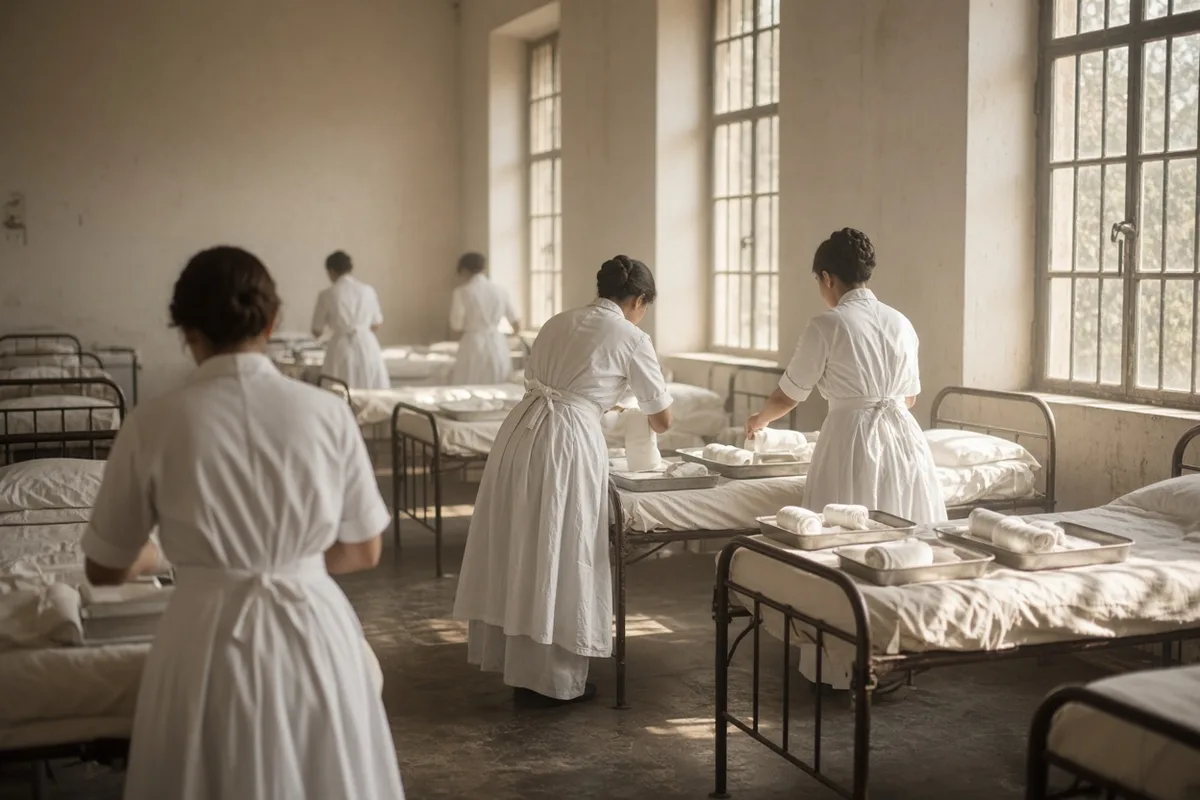
The medical college now admits one hundred students each year through the national eligibility cum entrance test, with the 2024 batch drawn from twenty-three states and three union territories; the first-year gross anatomy laboratory occupies the same sandstone building erected in 1932, its dissection tables numbered 1 through 18 in the original cast-iron plates. Graduation records show that 3,142 women received the M.B.B.S. degree between 1922 and 1944, after which the register began listing male names as well. The 1945 convocation program, preserved in the archives, lists the first two men—P. T. John and K. C. Thomas—receiving their degrees alongside forty-seven women, with the printed order of proceedings noting “the change approved by the governing council on 12 March 1945.”
Alumni working abroad maintain a continuing education fund that in 2022 disbursed 1.8 crore rupees for the purchase of a robotic surgical system installed in the urology theater on 3 June; the console carries a plaque quoting the 1928 letter Ida wrote to her sister: “The work grows faster than the buildings, yet the buildings must follow the work.” The same fund supports twelve postgraduate residents each year in the family medicine program at the Chittoor campus, opened in 2012 on land donated by the Andhra Pradesh government, where daily outpatient numbers average 1,142 and the delivery suite records an average of seventeen births every twenty-four hours.
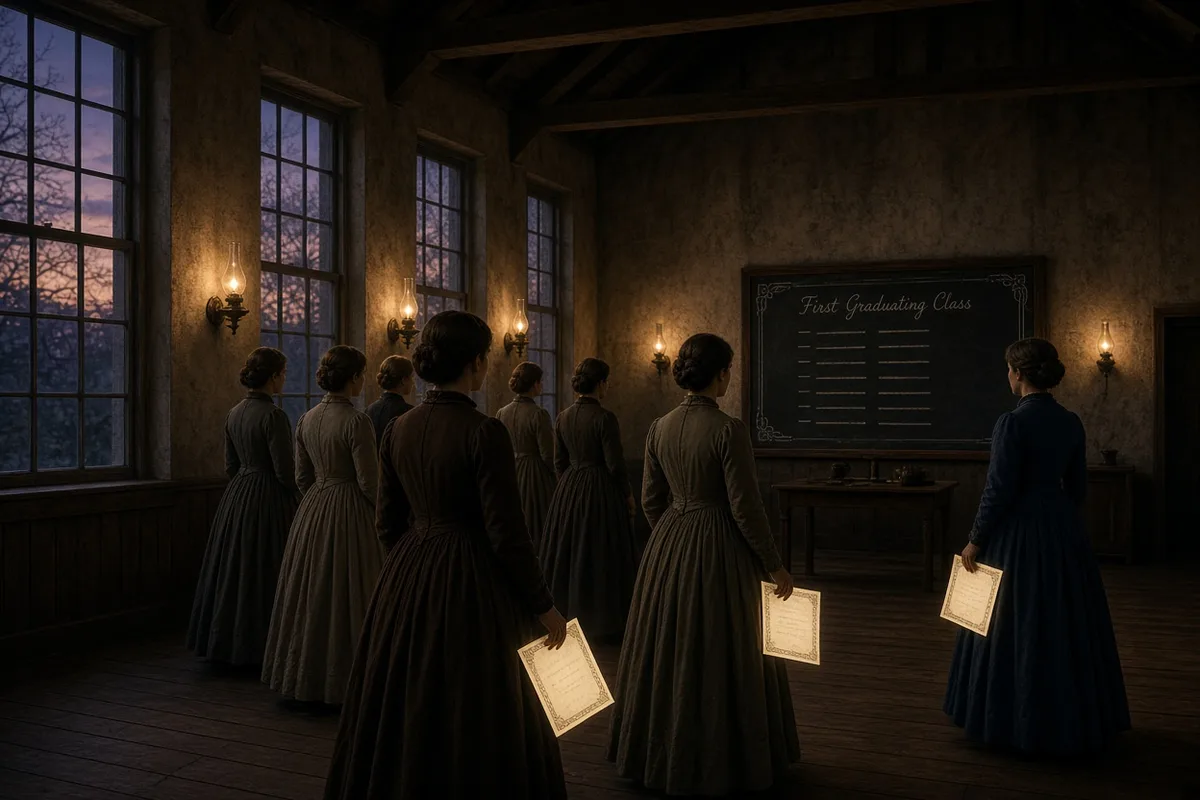
Power failures still occur during the northeast monsoon, and the backup generators, installed in 2018 by the engineering department under N. Samuel, supply the lecture halls within forty-three seconds of any outage. Students on night duty carry the same brass kerosene lanterns once used in the 1918 rented rooms above the dispensary; these lanterns are now displayed in the museum corridor, each labeled with the name of the student who last used it during the 1960 final examinations. The museum itself occupies the ground floor of the original library building, opened in 1935, and contains Ida’s leather instrument case, its velvet lining still marked with the imprint of the forceps she carried on her first night rounds in Tindivanam.
The last recorded entry in the hospital death register for 1960 notes Ida’s passing at 4:17 a.m. on 24 May; the attending nurse, A. Kamalam, wrote the time in the margin after the physician on call, Dr. K. P. Kuruvilla, pronounced the patient. On the centenary of that date in 2060 the college plans to open a new simulation center on the site of Ida’s bungalow, but until then the chair beneath the neem tree remains empty each evening except when the current principal, Dr. J. V. Peter, sits there after rounds to review the day’s operative logs. The tree itself, planted by the 1960 entering class, now stands twenty-eight meters tall, its branches trimmed every March by the horticulture staff so that the evening light still reaches the veranda where the first microscope lessons were given.
Dr. Peter closes the final log entry at 8:42 p.m., then walks the short gravel path past the museum to the staff quarters. On the veranda of the 1935 library, technician R. Selvi switches off the display case lights one by one, leaving only the single brass lantern from the 1960 batch illuminated beside Ida’s open instrument case. Outside, the night-duty registrar, Dr. Priya Mathews, steps onto the same stone threshold where the first three wives were turned away, checks the handwritten handover sheet for the 129,446th admission of the year, and begins her round under the steady glow of the generator-fed lamps.