


Ida Scudder Opens Medical School for Women in India
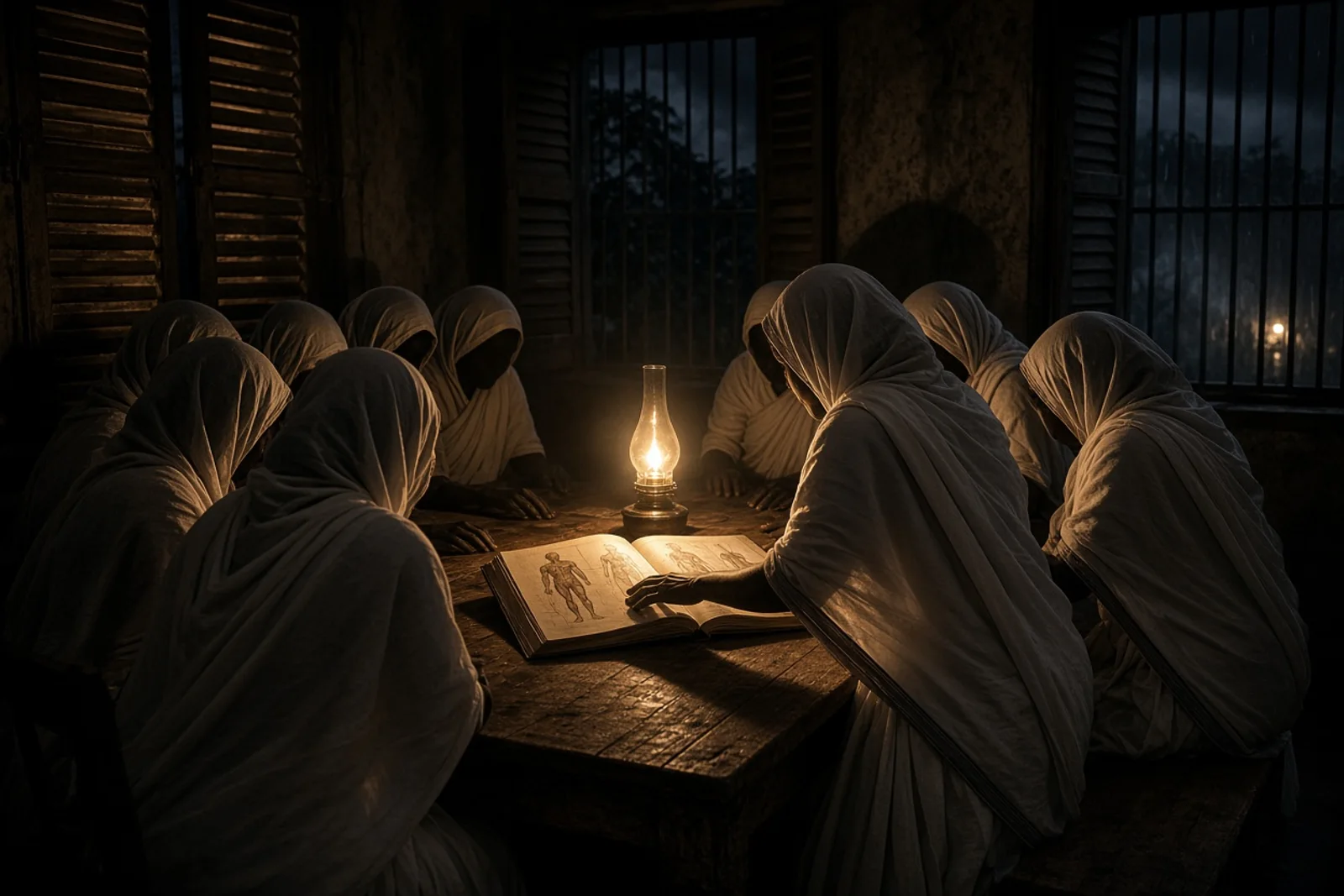
The dust from the bullock carts still hung in the air when the first bundle of letters arrived at the dispensary door. I stood by the window, the same one where the oil lamp had burned through that terrible night years before, and watched Ida Scudder tear the string. Her hands moved quickly, the same way they had when she stitched a gash on a woman’s arm the week we opened the little room with one cot.
She read the first page aloud to Annie Hancock, who had come back with her from America. One hundred and fifty names already. Young women from towns we had never visited, some of them barely able to write their own addresses. Ida set the letter down and looked across the table at me. Neither of us spoke for a moment. Outside, the afternoon heat pressed against the shutters.
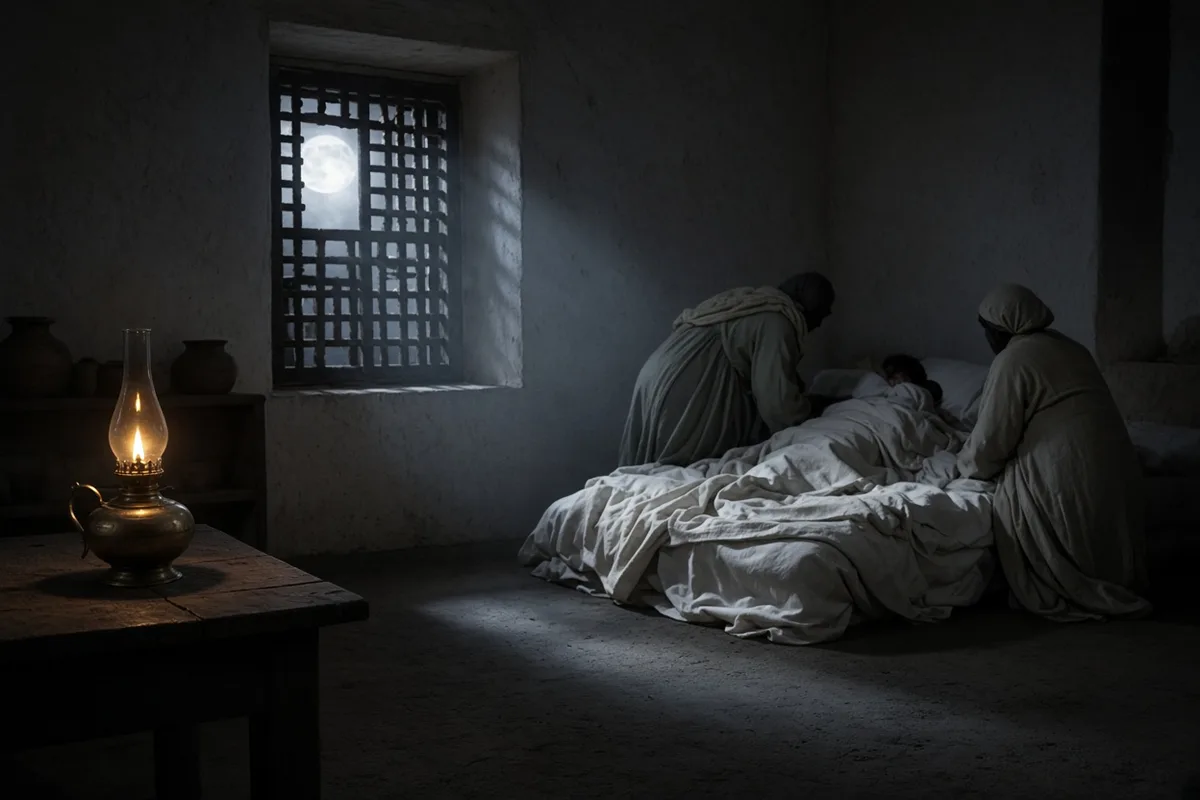
I had seen the three knocks come to this same house when I was still a girl carrying water. The men had stood in the lane, each refusing the father who offered to go. By morning the three young wives were gone. Ida had been in the next room then, not yet a doctor, only the daughter of the mission. After that night she left for Philadelphia and later for Cornell, the first women allowed inside those lecture halls. When she returned in 1900 her father was already ill. He died before the first bricks for the larger building were laid.
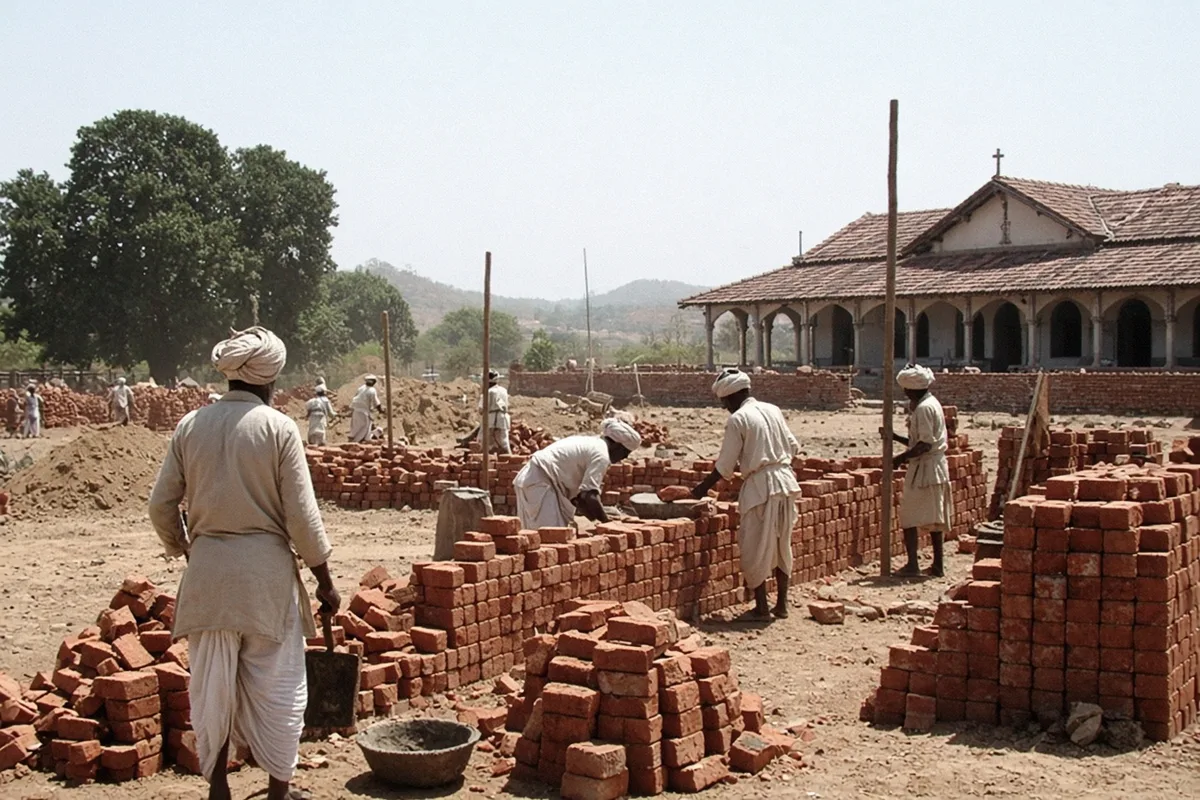
We began in the family house with whatever medicines arrived in crates from New York. Patients came on foot and on litters. The banker’s gift of ten thousand dollars let us raise the forty-bed hospital two years later. It was named for his wife, Mary Taber Schell. By then the line at the gate stretched past the old fort wall. I learned to boil instruments and to keep the ledger that showed who could pay and who could not.

Ida never stopped writing letters home for more money and more teachers. The Reformed Church sent what it could. She rode out on horseback to the villages, sometimes with only a lantern, to bring women who would not otherwise leave their courtyards. In the operating room she worked until her shoulders shook from fatigue. I held the basins and counted the minutes between breaths.
When she first spoke of a school for Indian women to study medicine, the men at the mission board shook their heads. They said the country was not ready. Ida answered that the country had been ready the night those three wives died. She kept the plans in a folder on the desk, adding names of possible teachers whenever a letter came from America. The war in Europe slowed the shipments, but the applications still arrived.

On the morning we posted the notice, I walked with her to the gate. The paper was tacked to the wooden frame where the daily patient count was usually written. Within a week the first replies reached us. The women came from families that had never sent a daughter beyond the village well. Some traveled three days by train, carrying tin trunks and letters of permission signed by fathers or uncles who still doubted the plan.
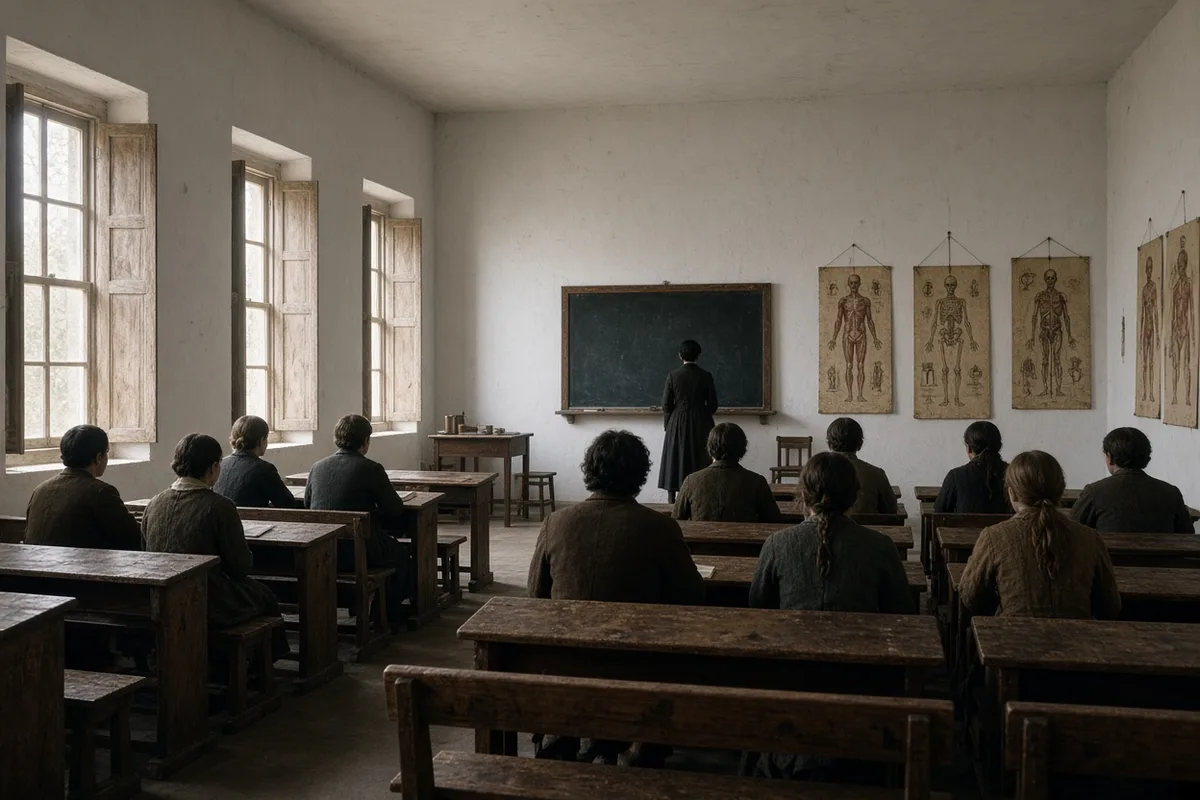
We cleared the long veranda behind the hospital and set out benches. Ida stood at the front with a skeleton she had brought from Cornell, the same one she had posed with in her student photograph. She pointed to the collarbone and asked the first class to name it. Their voices were quiet at first, then steadier as the weeks passed. Annie Hancock kept the roll book. I carried the trays of slides from the small laboratory we had fitted into a storeroom.
By the second year the board agreed the school could accept men as well, though the first entering class remained almost entirely women. Forty missions eventually joined the effort. The buildings spread across the rocky ground west of town, each new wing paid for by another trip Ida made to the United States. She returned thinner each time, her voice hoarse from speaking at churches and clubs, yet the crates of equipment kept coming.
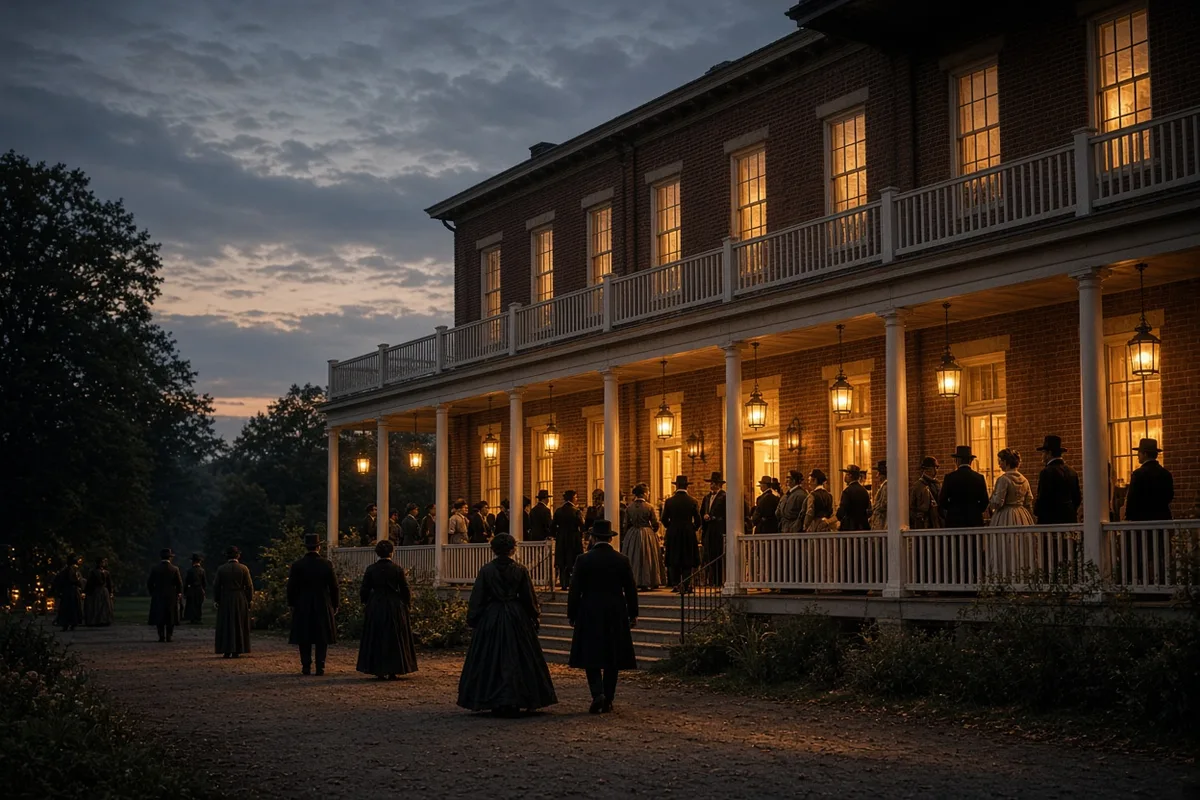
In 1922 the first graduates stood in the courtyard for their diplomas. Ida spoke to them before the certificates were handed out. She told them they would fight epidemics and plagues with the same instruments they now held. Her words carried across the open space without a microphone. I watched the young women listen, their white coats already marked by the dust that never left Vellore.
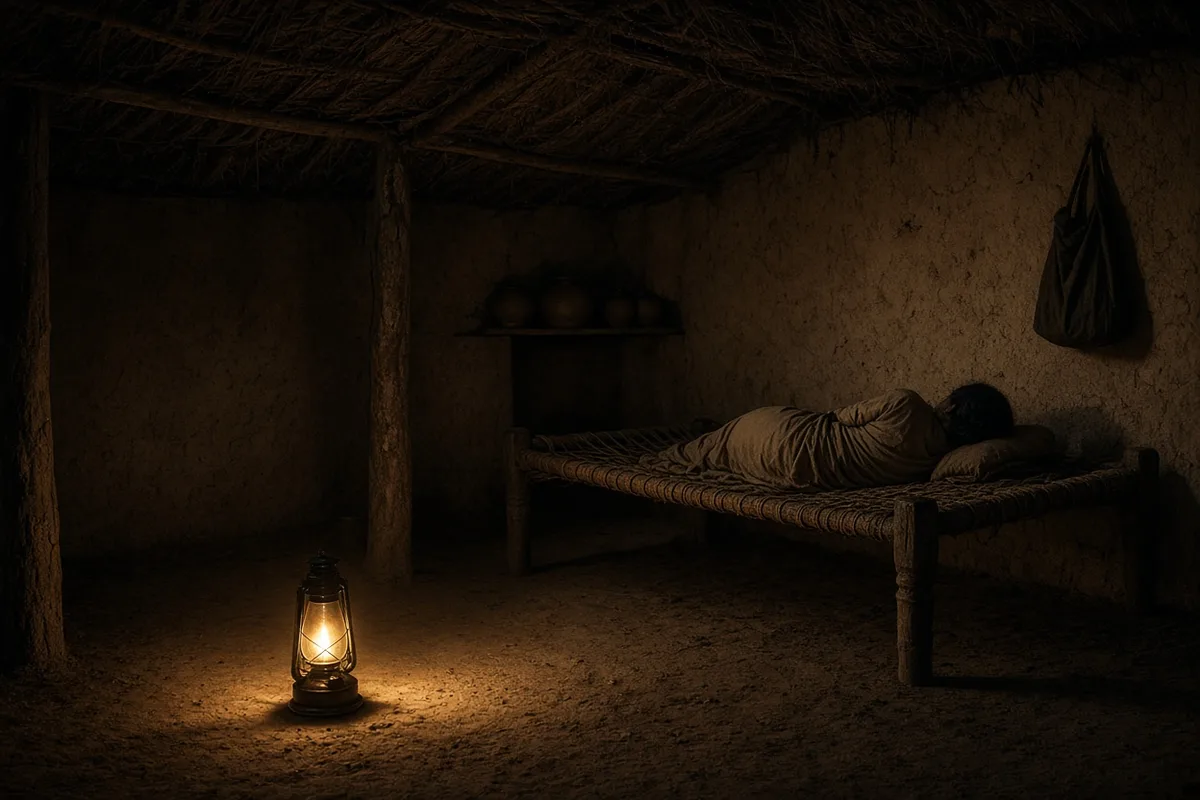
One of those graduates later took my place at the dispensary desk. I stayed on to keep the records and to meet the new students when they arrived. The lane where the three men had stood is now paved, and the old house serves as a museum. On quiet afternoons the current students sometimes ask me to point out the window where the lamp once burned. I show them the spot, then return to the ledger that still records every patient who cannot pay.
The dispensary ledger from those first years still lists the entry for 14 October 1925 when Dr. Hilda Lazarus arrived from London to teach anatomy, bringing with her the articulated skeleton of a full-term fetus donated by the Middlesex Hospital Museum. She stood at the blackboard in the veranda classroom and traced the ossification centers on the ilium while twenty-three students copied the diagram into notebooks bound with string from the dispensary supply room. By 1928 the class size reached thirty-one after the Madras government granted provisional recognition, and the Reformed Church Board in New York wired an additional twelve thousand dollars for a separate dissection hall whose concrete floor was poured in a single day during the northeast monsoon. I recorded each payment in the same ruled book, noting the names of donors such as Mrs. William Borden of Chicago whose gift covered the zinc-lined tables.
In 1932 Ida Scudder wrote to the mission secretary that the operating theater at Mary Taber Schell Hospital performed one thousand four hundred and twelve major procedures the previous year, including one hundred and nine abdominal sections for ovarian cysts brought from villages beyond Arcot. She added that the student midwives had delivered four hundred and seven infants in the maternity ward without a single case of puerperal fever after the introduction of mercuric chloride hand scrubs. The letter, dated 3 March and preserved in the college archive, requested two more microscopes and a supply of glass slides for the pathology course taught by Dr. Jessie Findlay, who had come from Toronto the month before. I carried the wooden case of slides from the storeroom each morning and returned them each evening after the last student left.
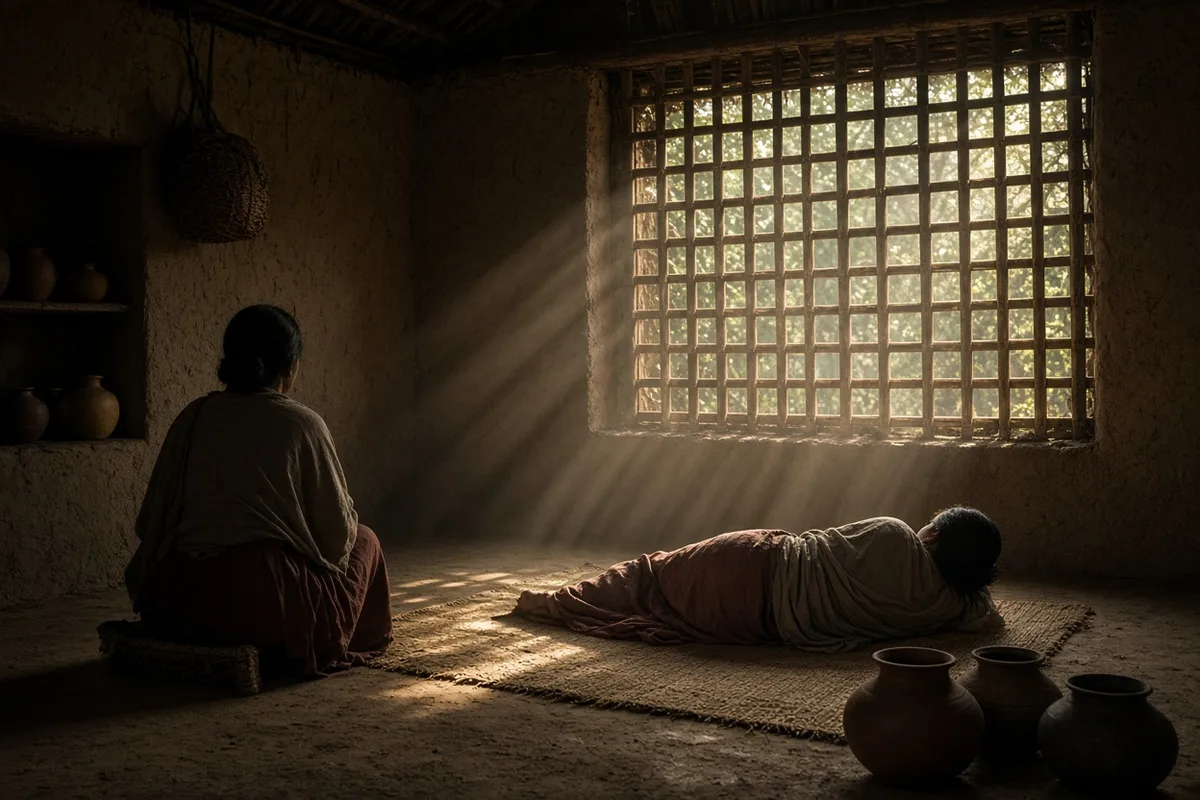
When the first male student, K. C. Paul from Travancore, enrolled in 1938 under the new co-education rule, the board in New York recorded its approval in a cable that reached us on 11 June. He sat on the front bench beside Kamala Sen from Bengal, both of them dissecting the same brachial plexus while Ida Scudder demonstrated the median nerve on a preserved arm. The following year the government of Madras increased its annual grant to eighteen thousand rupees after inspecting the new pathology block built with funds raised during Ida’s speaking tour through the Midwest states. I noted the arrival of each crate on the ledger, including the one containing the Spencer microtome that arrived on 22 November 1939 and was installed by the laboratory assistant whose name was listed as A. Samuel.
During the war years the number of outpatients rose to one hundred and eighty-seven thousand in 1943 alone, with many cases of gunshot wounds treated after the Japanese occupation of Burma. Ida Scudder, then seventy-two, continued her rounds until the monsoon of 1945, when she handed the superintendency to Dr. John Carman but kept the title of founder. On 12 January 1946 she addressed the graduating class of twelve students and said, “You will go where the need is greatest and stay until the work is done,” words copied into the minute book of the college council. I remained at the desk and entered the names of the new house surgeons who arrived that spring from the government medical colleges at Madras and Bombay.
By 1955 the campus covered forty-seven acres west of the old fort, with the new college building dedicated on 25 November and named the Ida S. Scudder Building after a resolution passed by the governing board. The library held four thousand two hundred volumes, including the complete set of Gray’s Anatomy that had traveled with Ida from Cornell in 1900. I watched the students file past the portrait of her father, John Scudder, mounted above the entrance, and I recorded their attendance in the same format used for the first class. The lane outside had been widened to accommodate the buses that brought patients from the railway station at Katpadi.
Ida Scudder died at her home in Kodaikanal on 24 May 1960 at the age of eighty-nine. The telegram reached the college office at four in the afternoon, and the flag was lowered to half-staff for three days. Her body was brought back to Vellore and placed in the chapel of the Schell Hospital before burial in the mission cemetery beside her parents. The final class she had taught, now practicing physicians, sent a wreath of white roses that I placed on the coffin. In the ledger I entered the date and the phrase “founder deceased” in the margin next to the patient accounts for that week.
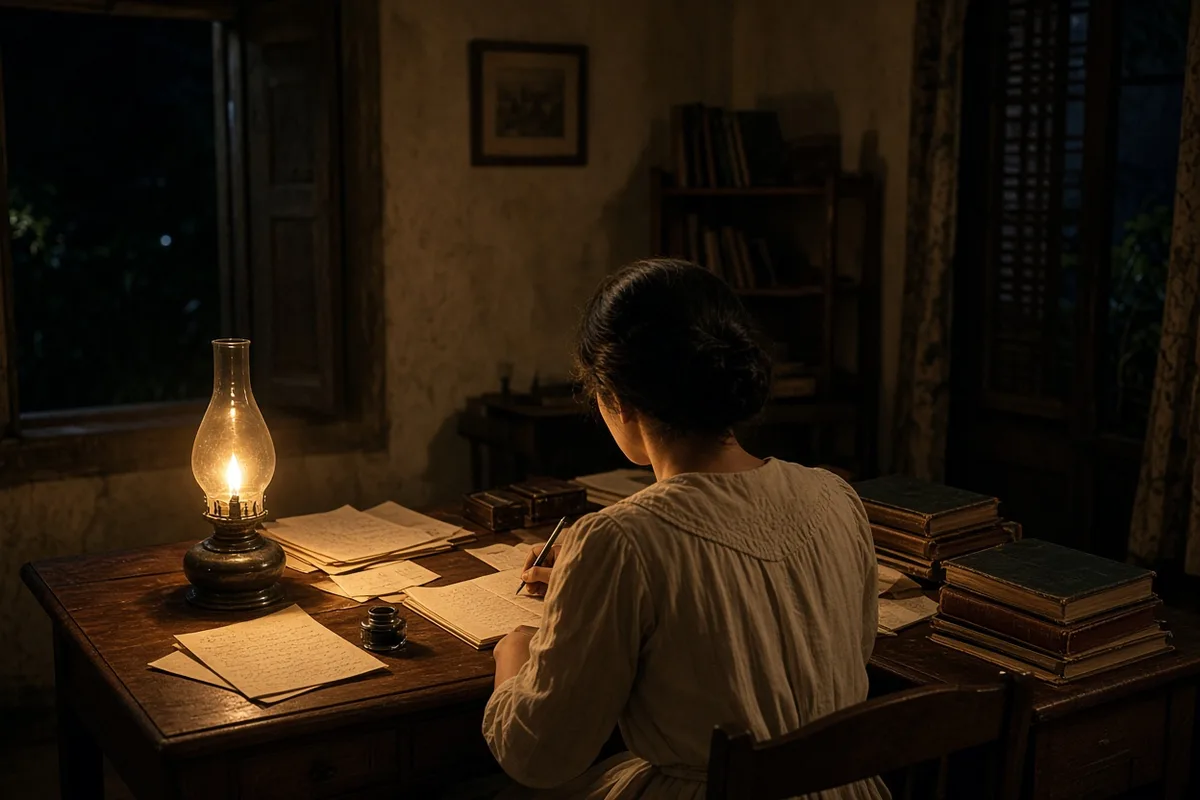
Today the institution that began with eighteen students in 1918 enrolls two hundred and fifty in the undergraduate medical course each year, with an additional one hundred and ten in postgraduate specialties. The main hospital contains two thousand three hundred beds, and the outpatient department registers more than eight thousand visitors daily. The original dispensary window remains in the museum building, its frame preserved under glass, and the ledger I kept for forty-three years is displayed in a climate-controlled case on the ground floor. Students still pause there before morning lectures, some of them tracing the same entries I once made with a steel-nib pen.
One afternoon last year a third-year student from Kerala stood at that window and asked whether the lamp had truly been visible from the lane. I answered that it had, and she turned back to the corridor where her classmates waited with their white coats already marked by the red dust of the Vellore plain.
The ledger entry for 15 March 1961 records the arrival of the first cobalt-60 unit, shipped from the Atomic Energy Commission in Canada under an agreement signed by Dr. C. K. Job and witnessed by the college council on 9 February. That machine treated its initial patient, a woman from Chittoor district with cervical carcinoma, on 4 April, with the dosage log showing 4,200 roentgens delivered over twenty-one sessions. I noted the daily readings in the same ruled columns used for the 1925 skeleton donation, adding the name of the radiographer, Miss S. Philip, who had trained at the Royal Marsden Hospital.
In 1971 the governing board accepted a grant of 2.4 million rupees from the Swedish International Development Authority for a new nephrology wing, its cornerstone laid on 18 November by Dr. Paul Brand after he completed the last of 2,847 leprosy reconstructive operations recorded in the surgical register. The wing opened with twelve dialysis stations; the first session ran on 2 July 1972 for a patient named Joseph from Arcot taluk, whose creatinine level of 8.4 mg/dl was entered beside the machine serial number 4721. I kept the carbon copies of those lab slips in the wooden file box that had held the original 1918 admission forms.
Dr. L. B. M. Joseph, who succeeded Dr. Carman as director in 1968, wrote in the 1974 annual report that the community health program had reached 78 villages through weekly clinics at sites including Kaniyambadi and Pennathur. He quoted the government health officer’s letter of 12 September acknowledging “the training of 146 auxiliary nurse midwives who now staff the primary health centers of North Arcot district.” The report listed the exact number of home visits—14,892—performed by the final-year students that year.
By 1985 the outpatient registration desk processed 2,147 patients on an average Tuesday, according to the computer printout dated 3 December that replaced my handwritten tallies. The new main block, funded in part by a 1981 bequest of $850,000 from the estate of Mrs. Elizabeth McGuire of Philadelphia, added 450 beds and housed the department of cardiothoracic surgery where Dr. G. Cherian performed the first valve replacement on 22 August 1986. The operative note records the use of a Starr-Edwards prosthesis size 27, with perfusion time of 92 minutes.
The 1998 convocation program lists 142 graduates receiving the M.B.B.S. degree, among them the granddaughter of Kamala Sen, the 1938 student who had dissected the brachial plexus beside K. C. Paul. The address was delivered by Dr. Daleep Singh, then secretary of the Medical Council of India, who stated that the college’s pass rate on the national screening examination had reached 97 percent. I filed the printed program in the archive folder labeled “post-1960 events,” the same folder that once held Ida Scudder’s 1946 minute-book copy.
Construction of the 1,200-bed trauma center began on 14 January 2007 after the Tamil Nadu state government released the first installment of its 300-million-rupee matching grant. The helipad on the roof received its first air-ambulance landing on 11 October 2011, carrying a road-accident victim from the Chennai–Bangalore highway whose arrival time—14:37—is logged in the emergency register maintained by the duty resident, Dr. A. Thomas. The center now logs 312 such landings annually.
One morning in 2019 the current registrar, a woman from the 2004 batch whose name appears as Dr. Priya Mathews in the staff directory, asked me to confirm the spelling of “Mary Taber Schell” on a new brass plaque for the restored dispensary wall. She held the stencil against the stone while the mason waited with his chisel, and the measured distance from the old window frame to the plaque edge was recorded as 1.87 meters in the maintenance log. After the work was done she returned to the corridor where her own students waited, their coats already marked by the red dust of the Vellore plain.