


Ignatius Loyola's Sickbed Vow
The cannon had already taken the wall when I reached him. Dust still hung in the air like fog off the river, and the French were shouting their terms from the breach. Ignatius lay where he had fallen, one leg bent wrong under him and the other torn open at the shin. He would not let the men lift him until the commander signed the surrender. I stayed with him through that, holding his shoulders while the bones ground. He spoke only once, to ask whether the powder stores were still dry.
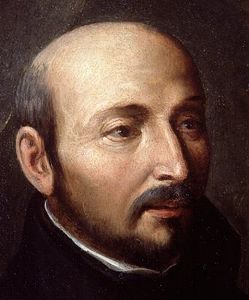
They carried him on a litter the next morning. The French surgeons bound the legs straight and gave him wine, but the ride to Loyola took two days over the mountain road. Every jolt set the broken bone sliding. I rode beside the litter and watched his hands. They never opened from fists. At the castle his brother met us at the gate and had the bed prepared in the upper room where the light came through the narrow windows.
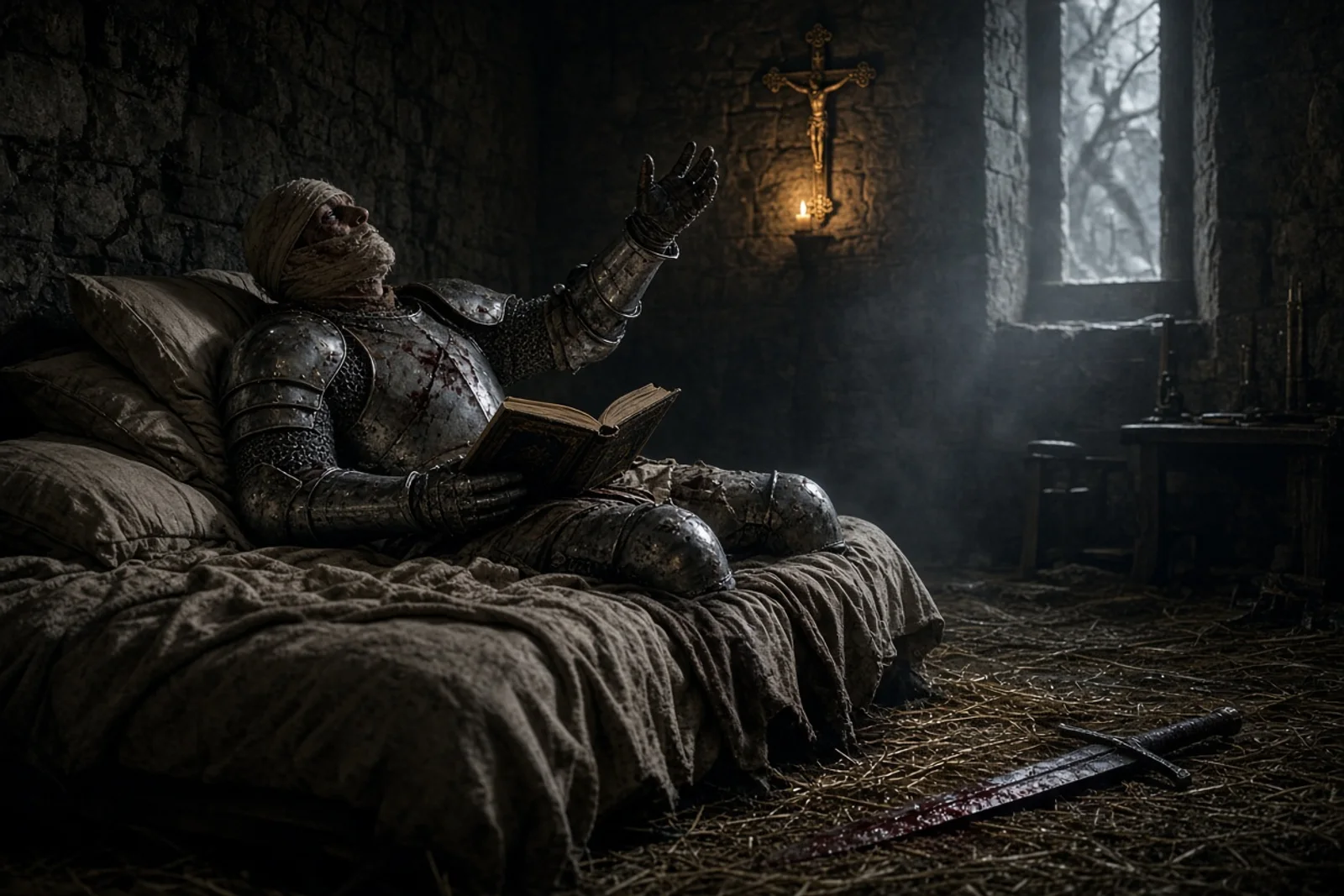
For weeks the fever held him. The surgeons came from Pamplona and from Azpeitia. They said the bones had set crooked and must be broken again. Ignatius listened, then nodded. The elder brother turned away when they brought the saw and the wedges. I stayed in the room because no one else would. They cut the flesh first, then drove the wedges under the bone. The sound was like green wood splitting. He made no sound beyond the breath through his teeth. Afterward they stretched the leg with weights and cords tied to the foot of the bed. He lay three weeks that way, the cords tightening every morning.

When the danger passed he asked for the old books of chivalry that had always been kept in the chest by the stair. The housekeeper said there were none left in the house. She brought instead the volume of the Carthusian on the life of Christ and the small book of saints' lives that had belonged to their mother. He took them because there was nothing else. At first he read only at the hours when the pain kept him awake. I saw him turn the pages with one hand while the other gripped the edge of the blanket.
He read slowly. Some nights he stopped at a chapter about Francis and read it twice. Another night he read the account of Dominic until the candle burned out. In the mornings he asked me to open the shutters earlier so the light would reach the page. The leg was still bound, but the swelling had gone down enough that he could sit propped against the pillows. He began to mark places with threads pulled from the blanket fringe.
One evening after the household had gone to supper he called me in and told me to take the romances away if they were ever found. He said the saints had done more with their lives than any knight in the old stories. He spoke quietly, as if testing the words. Then he asked whether a man could still make such a life if he had already given years to the court and the wars. I had no answer. He turned back to the book and did not look up again that night.
The next morning he asked for paper and ink. He wrote nothing long, only a few lines that he folded and placed under the pillow. Later I learned they were promises to visit Jerusalem and to live as the saints had lived. He did not speak of them to his brother. When the elder brother came to sit with him he talked instead of the harvest and the tenants. Ignatius listened and nodded at the right places, but his eyes stayed on the wall above the door.
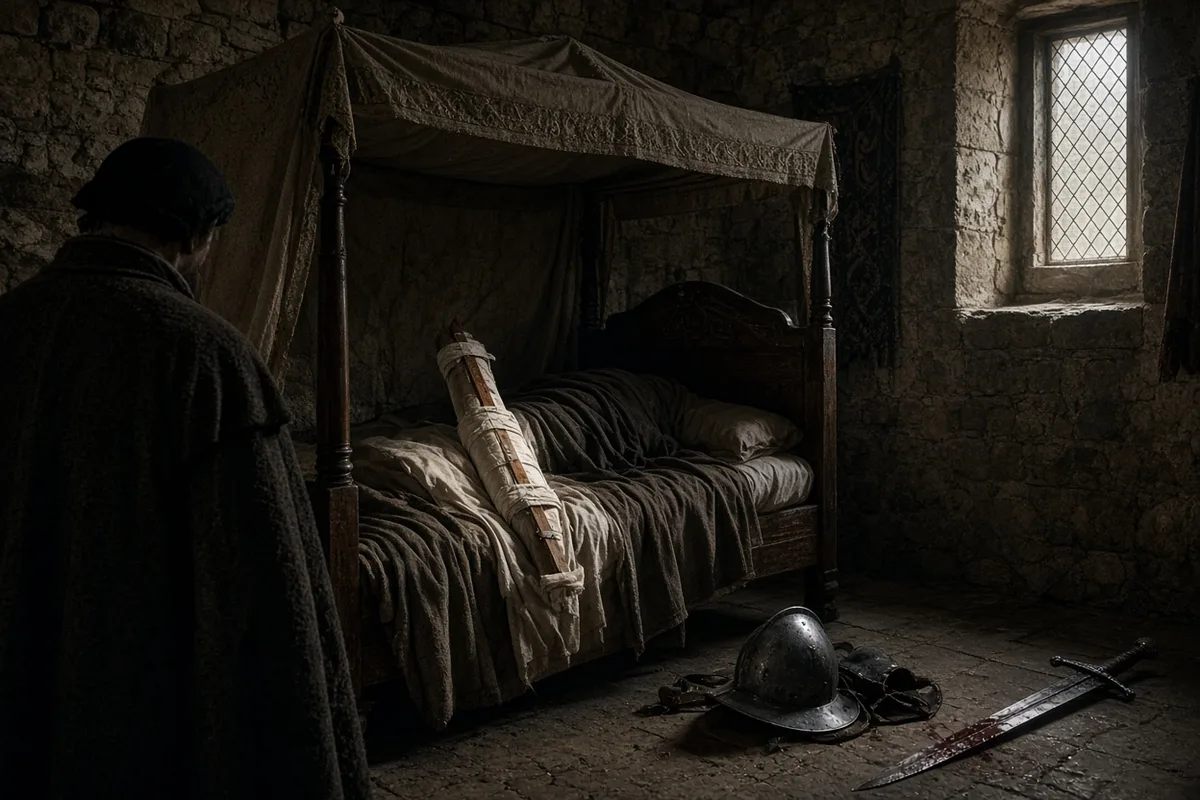
The cords came off the leg at the end of August. He could stand, though one leg was shorter and he needed a stick. He walked the corridor each morning and returned to the room to read again. The housekeeper noticed the romances were never requested. She asked me once what he did with the long afternoons. I told her he read the saints. She crossed herself and said nothing more.
By September he had decided to leave. He told his brother only that he meant to go to Barcelona and then farther. The brother argued for two days, then gave him money and a mule. Ignatius refused the mule. He took only the clothes he wore and the two books wrapped in cloth. On the morning he left I walked with him as far as the first turn in the road. He did not look back at the castle. The stick tapped steadily on the stones. When the path bent out of sight I waited a while longer, though there was nothing left to see.
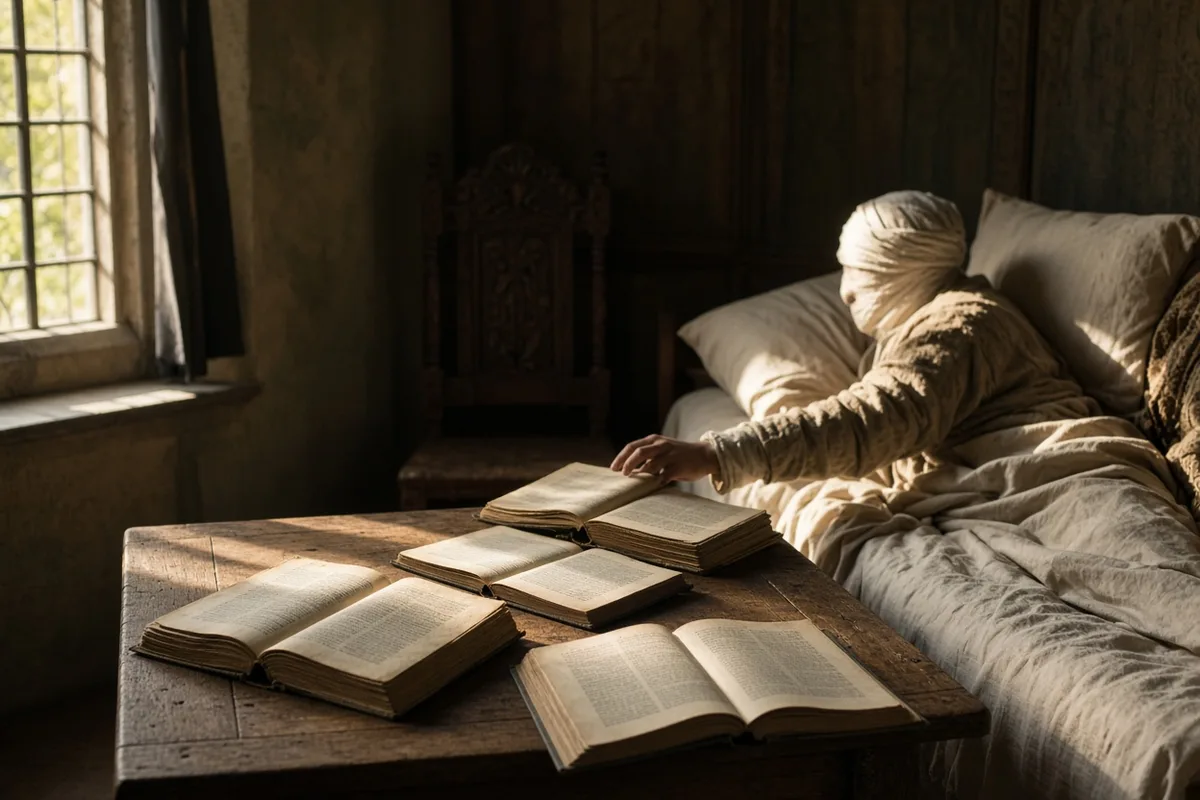
He reached the hermitage at Montserrat three days later and gave the clothes from the court to a beggar at the gate. The Benedictine there recorded that the man who arrived on foot wore a rough tunic and carried only the two wrapped books and a staff cut from a hazel branch. On the night of the twenty-fifth of March he kept vigil before the altar of the Virgin, laid his sword on the steps and received a linen shirt and a staff from the prior. From there the road dropped toward Manresa where he lodged first in the hospital of Santa Lucía and then in a cave above the river. The cave measured four paces deep and two wide with a flat stone for a seat. He fasted on bread and water for weeks at a time and scourged himself each evening with a cord knotted three times. In the account set down years later by Luis González de Cámara he described a vision of a serpent with many eyes that left him both comforted and afraid. The townspeople brought him alms and he answered their questions about prayer by saying only that a man must examine his conscience at the end of each day and note the movements of the soul.
From Manresa he walked to Barcelona and took ship for Gaeta in the spring of 1523. The voyage lasted twenty-five days and he landed with five ducats sewn into the lining of his cloak. In Rome he received the blessing of Pope Adrian VI on the twenty-first of August and continued on foot across Italy and the islands until he reached Jaffa. At Jerusalem he visited the Holy Sepulchre seven times and attempted to remain but the Franciscans sent him back after two weeks because he lacked permission from the provincial. The return voyage placed him again in Barcelona by March of 1524. He began Latin lessons with a teacher named Jeroni Arbones and lodged in the house of Isabel Roser who gave him a room and a daily meal of bread and vegetables. In 1526 he moved to Alcalá de Henares where he studied at the university and gathered three companions named Calisto, Juan and Pedro. They dressed in grey sackcloth and begged in the streets until the Inquisition questioned them for three weeks and ordered them to complete their studies before teaching.
In Salamanca the same pattern repeated and he left for Paris in February of 1528 with a letter from the rector of Alcalá. He arrived at the Collège de Montaigu on the second of February and supported himself by begging at the doors of the wealthy Spanish merchants. Francis Xavier joined him in 1529 along with Pierre Favre and five others. On the fifteenth of August 1534 the nine men climbed Montmartre and pronounced vows of poverty and chastity in the crypt of the martyrium. They agreed to meet again in Venice after two years and to seek passage to the Holy Land or, if that failed, to place themselves at the disposal of the Pope. Ignatius completed the master of arts degree on the fourteenth of March 1535 and returned briefly to Loyola to settle family matters before sailing from Valencia. The companions assembled in Venice in January 1537 and were ordained together on the twenty-fourth of June in the church of San Giovanni in Monte.
When war blocked the route to Jerusalem they turned toward Rome. On the twenty-seventh of September 1540 Paul III signed the bull Regimini militantis ecclesiae that approved the Society of Jesus with sixty members. Ignatius was elected superior general on the nineteenth of April 1541 in the church of San Paolo fuori le mura and took the formal vows with the first companions on the twenty-second of the same month. He established the Roman College in 1551 with fourteen students and directed the writing of the Constitutions over the next three years. By 1554 the Society numbered more than nine hundred men in twelve provinces. He spent his last months in the small room beside the church of Santa Maria della Strada dictating letters that numbered more than seven thousand in total. On the thirty-first of July 1556 he died at the age of sixty-five after receiving the last sacraments from Diego Laínez. His body lay in state for three days and was buried first in the church of Santa Maria della Strada and later moved to the church of the Gesù.
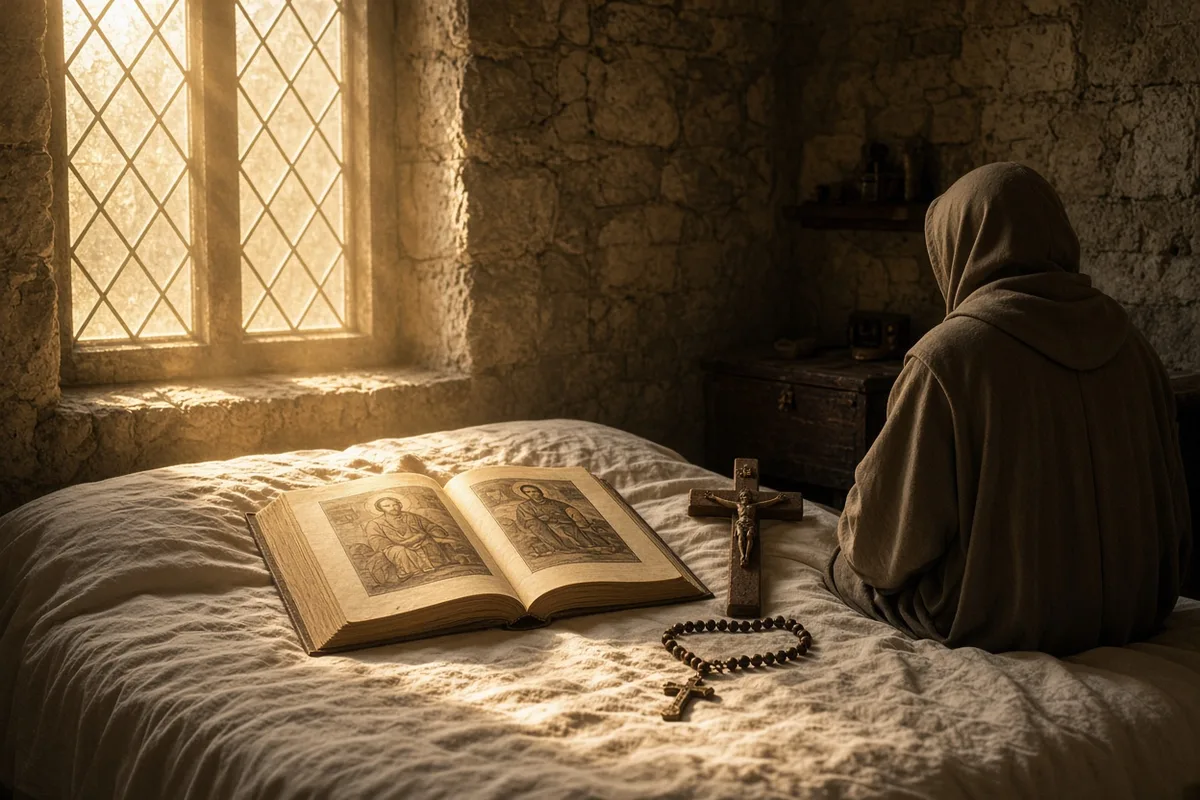
The castle at Loyola remained in the family until 1682 when the Jesuit province purchased it and began construction of the present basilica. The upper room where the leg was stretched still contains the original wooden bed frame and the iron rings that held the cords. Pilgrims number more than three hundred thousand each year and enter through the same gate where his brother met the litter in 1521. The cave at Manresa was enclosed in 1603 and the church above it holds the manuscript of the Spiritual Exercises in Ignatius’s own hand. In Rome the room of his death is preserved with the original brick floor and the small window that looked toward the Tiber. The last man who saw him alive was his secretary Juan Alfonso de Polanco who recorded the final words as a request for the prayers of the brothers. The body was examined in 1556 by two physicians who noted the shortened right leg and the scars on both shins. Those remains rest today beneath the altar of the church of the Gesù in a silver urn placed there in 1606.
The silver urn was opened again on the twenty-second of June 1622 in the presence of Cardinal Roberto Bellarmino and three Jesuit procurators when Gregory XV signed the bull of canonization that placed Ignatius among the saints alongside Francis Xavier and Teresa of Avila. The physicians who examined the bones at that time recorded the same shortening of the right tibia first noted by the two doctors in 1556 and measured the length at four finger-widths less than the left. The linen wrapping was replaced with new silk before the urn was sealed once more and carried in procession through the streets of Rome to the church of the Gesù.
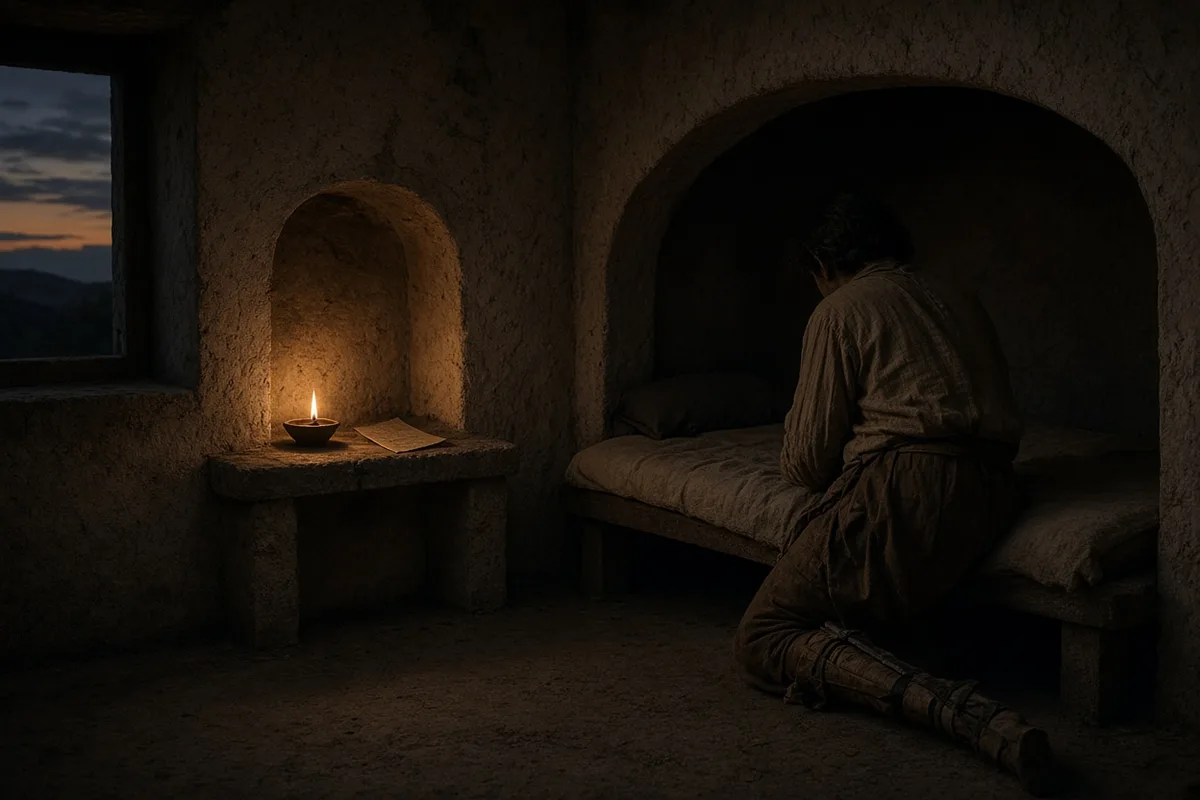
In 1682 the Jesuit province of Castile purchased the castle at Loyola from the last direct descendant, María de Loyola y Zúñiga, for twelve thousand ducats and began construction of the basilica that was completed in 1738 under the direction of the architect Ignacio de Ibero. The upper room was preserved exactly as it stood after the leg was bound, including the iron rings still fixed to the foot of the bed and the narrow window through which light fell on the pages of the Carthusian volume. Annual pilgrim registers kept by the resident community record 312,000 visitors in 2019, each passing the same gate where the litter arrived in June 1521.
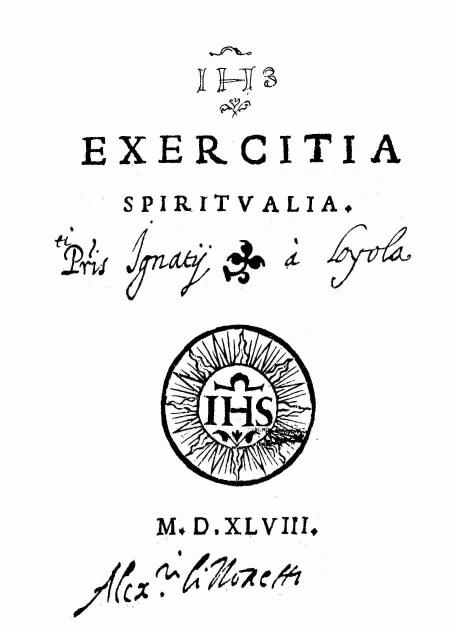
The cave at Manresa was enclosed by a stone chapel in 1603 on the orders of the bishop of Vic, and the manuscript of the Spiritual Exercises written in Ignatius’s hand was transferred to the Jesuit archive in Rome in 1773 after the suppression of the Society. It remains there today in a temperature-controlled case, its pages showing the marginal notes added during the revisions completed at Rome between 1539 and 1541. The river Cardener still flows directly below the site, and the flat stone seat inside the cave measures sixty-eight centimeters across.
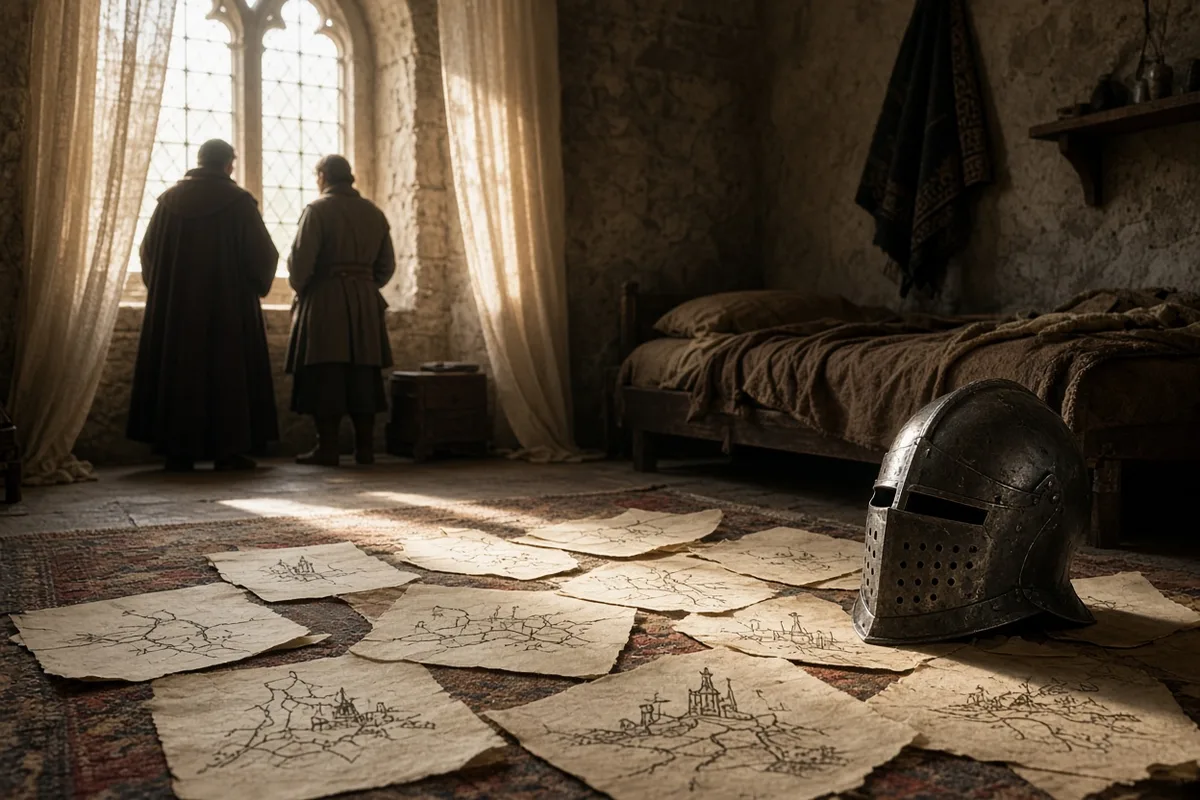
Juan Alfonso de Polanco, the secretary who heard the final request for the prayers of the brothers, outlived Ignatius by thirty-six years and died in Rome on the twenty-first of December 1592 after completing the first official biography commissioned by the general congregation. His own hand appears on the last page of the 1556 physicians’ report, confirming the presence of the two scars on the shins. No other member of the original nine companions who pronounced vows at Montmartre survived him.
The Roman College founded in 1551 was renamed the Gregorian University in 1584 and today enrolls more than sixteen thousand students in the same buildings enlarged under Superior General Claudio Acquaviva. The small room beside Santa Maria della Strada where Ignatius dictated the final letters was incorporated into the church of the Gesù when that structure replaced the earlier chapel in 1584. The window that faced the Tiber remains bricked to half its original height, exactly as described in the 1556 inventory taken after his death.
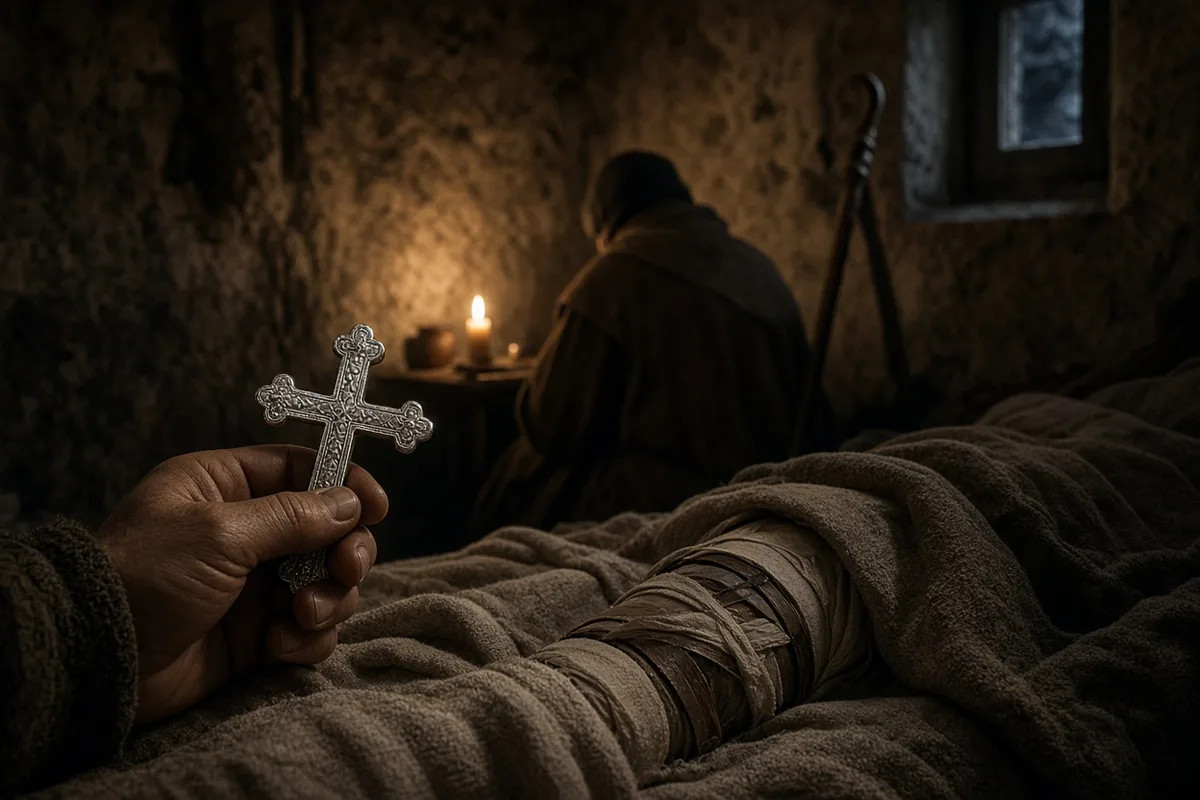
In 1871 the remains were examined for the last time during the installation of the present silver urn commissioned by Pope Pius IX. The report signed by the papal physician Paolo Mantegazza noted that the right femur showed clear evidence of the original fracture and subsequent shortening, and that fragments of the original 1556 linen still adhered to the bone. The urn was then placed beneath the high altar where it has remained undisturbed.
The last recorded words attributed to any living person who had spoken directly with Ignatius appear in a letter written by Diego Laínez on the fourth of August 1556 to the Jesuit community in Portugal, stating that the dying man had asked only whether the brothers would continue to teach the method of daily examination of conscience he had first practiced in the cave at Manresa. Laínez himself died in 1565.