


Immaculée Ilibagiza Forgives Rwandan Genocide Killers
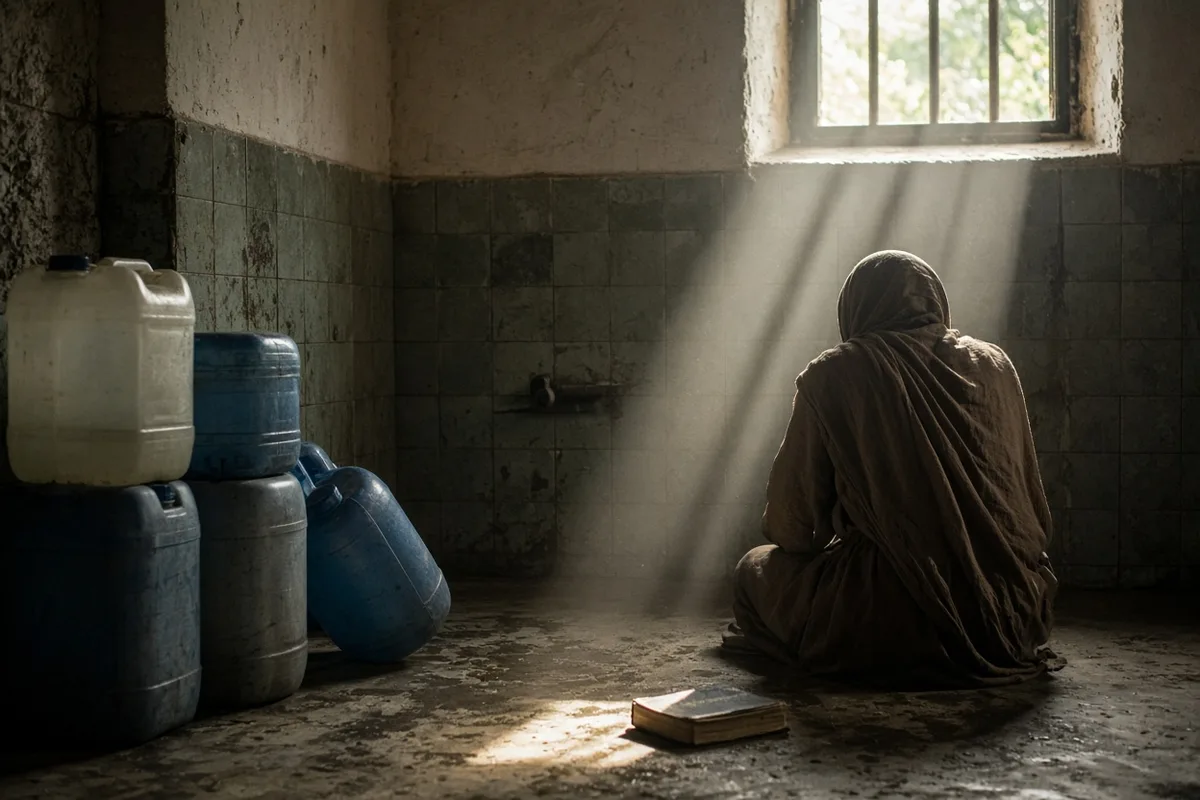
The wardrobe scraped across the floorboards and the lock turned. I pulled my knees tighter to my chest, the way we always did when the pastor came back inside, and felt the girl beside me settle her weight against my shoulder. Immaculée sat opposite, her back straight against the plaster even though there was no room for it. The small window high on the wall let in a strip of late light. Outside, voices moved through the garden, calling names.
We had been inside eight days. The pastor brought rice and water once after dark and took the bucket away. None of us spoke above a whisper. The tall ones stayed on their feet in shifts so the rest could stretch their legs across the tile. My calves burned from the angle. Immaculée kept her rosary between her fingers and moved the beads without sound.
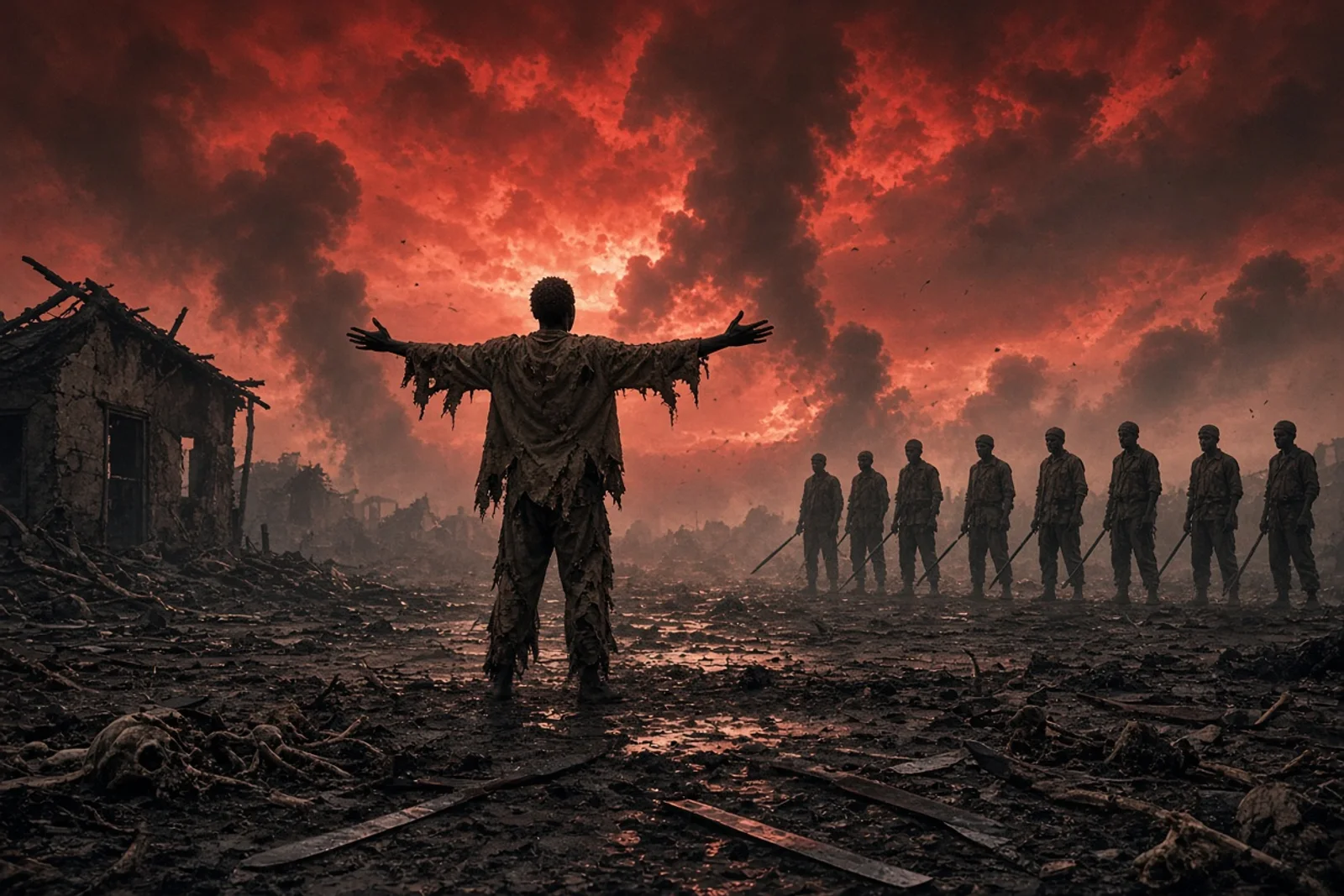
She told us about Damascene on the twenty-second night. The killers had taken him near the river. They stripped him and struck him with the flat sides of their machetes, asking again and again where his sister had gone. He told them he pitied them. He said he would pray for them. Then he asked what they were waiting for. The men hesitated, and he repeated it. They finished the work after that. Immaculée’s voice stayed even when she said the last part. I watched her hands on the beads and counted my own breaths until the pastor’s footsteps passed the door again.
Her father had come to the house three miles from their village on the second morning. He gave her the rosary and told her not to look back. She had wanted her purse and a book, but he shook his head. She walked away under a covered hat and never saw either parent again. Her mother was cut down near the school. Her second brother died in the stadium with the others who had gone there for shelter. She learned these things only after the roads opened.
Search parties came twice in the first month. Men climbed the fence and pounded on the pastor’s doors. We heard them through the window, boots on the veranda and then inside the rooms. One afternoon they stood directly beneath us. A voice called Immaculée’s name. She closed her eyes and did not move. The men left when the pastor showed them the empty rooms upstairs. After they were gone she leaned her head against the wall and kept still for a long time.

We lost track of days by the quality of the light on the ceiling. Lice moved through our hair and under our collars. The smallest girl developed a cough she tried to smother in her sleeve. At night, when the house was quiet, two of us would slip into the adjoining room to stand upright for a few minutes. The window there faced the path where the killers sometimes passed. We kept low and never spoke.
Ninety-one days ended on a morning when the pastor came without the usual caution. He rolled the wardrobe aside and told us the soldiers had taken the main road. We stepped out one by one into the hallway. The air felt thin after the bathroom. Immaculée walked to the front window and looked at the hills across the river. Nothing moved on them except wind in the grass.
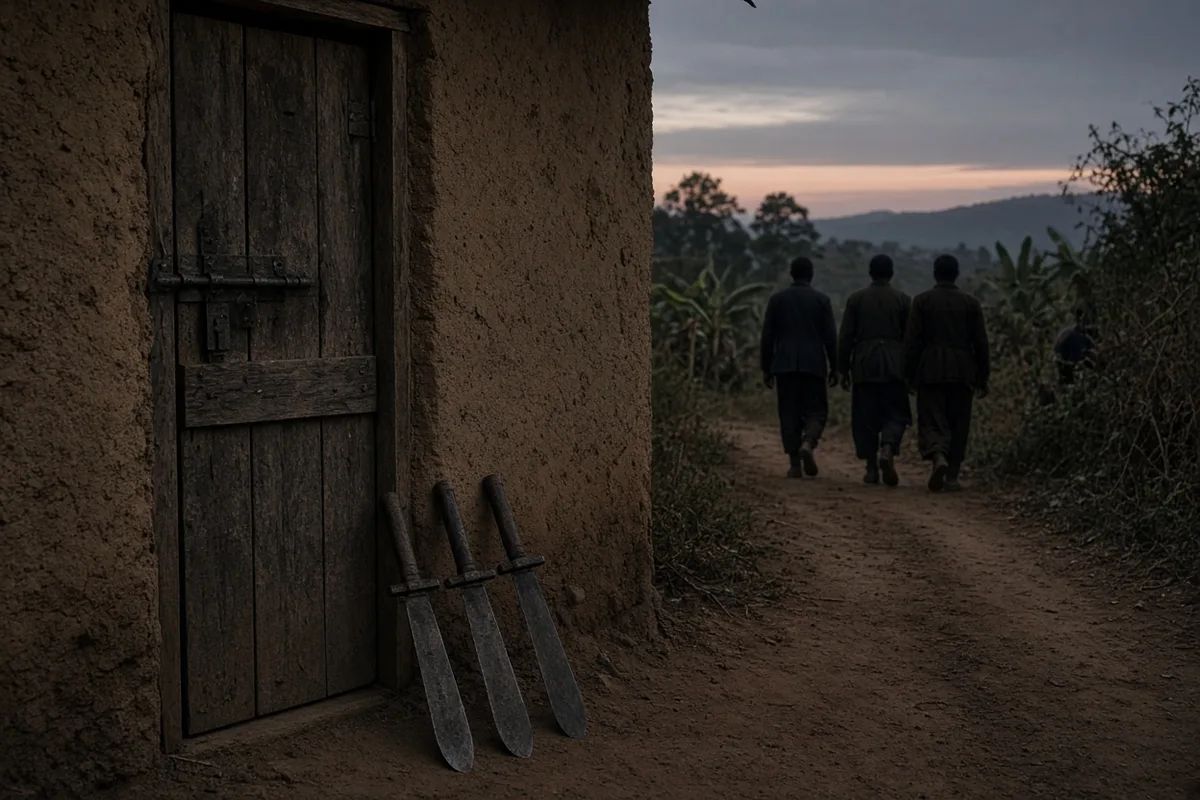
Months later the courts began their work. I went with her to the holding area outside the district office because she asked. The man they brought out was smaller than I expected. His name was Felicien. He had played with her as children and later hunted her through the village, shouting her name at every door. Now his wrists were bound and he would not lift his face. She stood in front of him until he raised his eyes. Then she told him she forgave him.
He blinked once and looked away. She repeated it. The words left her mouth and hung in the air between them. She said she wanted him to be free of her, that she would not stand in the way of whatever he had to face inside himself. He said nothing in return. The guards led him back through the gate. She turned and walked the length of the compound without stopping.
She began speaking the same words in other rooms after that. Small halls first, then larger ones when people asked her to come. She carried the same rosary and the same even tone. The story of the bathroom and the hills never changed, only the part at the end where she stood in front of Felicien and said what she had said.
I stayed in Rwanda two more years. She left for New York and sent letters about the orphan fund she started. Once she wrote that she had seen Felicien again at a reconciliation meeting. He had looked older. She had not felt the need to say anything more to him. The letter ended with the date and the name of the city where she would speak next.
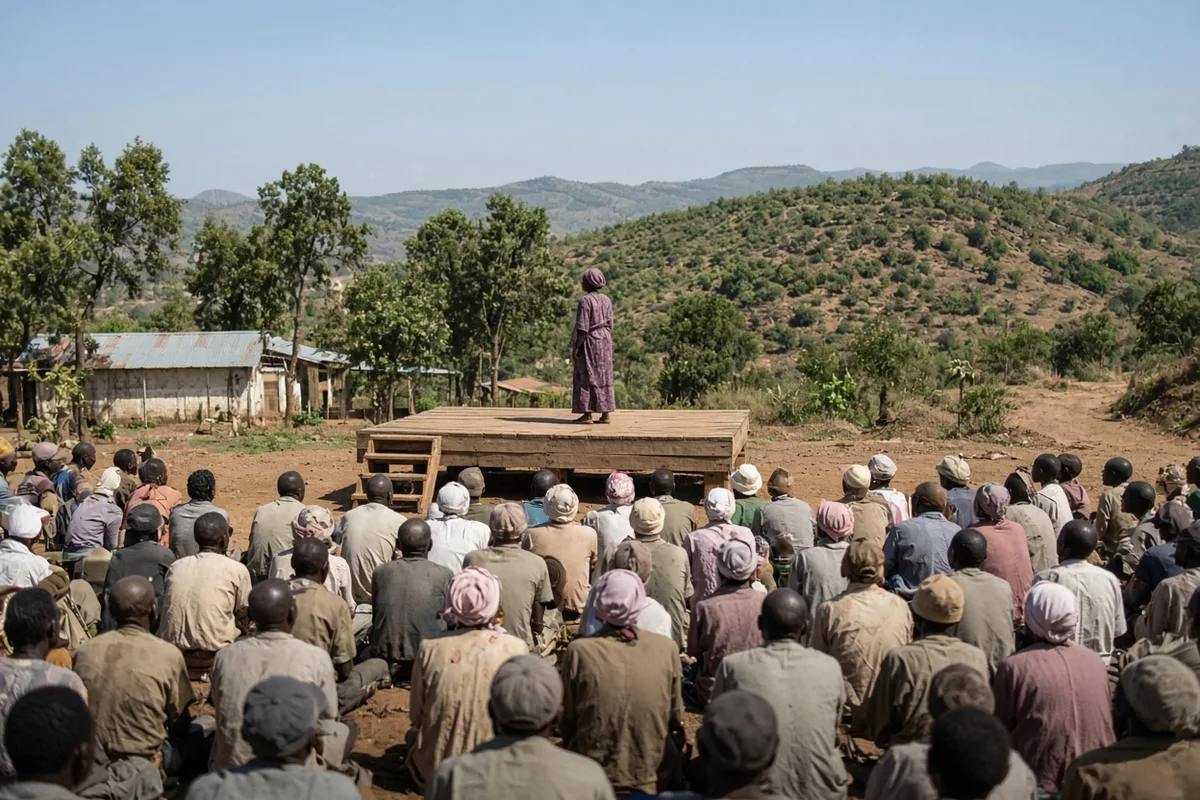
The last time I saw her she was on a platform in Kigali. The audience filled the yard and the street beyond. She spoke for an hour without notes. When she finished she stepped down and moved through the crowd the way she had moved through the bathroom years before, making room where there was none. She did not look back at the stage.
She walked straight through the last row of chairs into the open square where the market women still spread their mats each dawn, and I followed her down the slope toward the old bus park. On the way she stopped at the place where the district office once stood and pointed to the exact spot where Felicien had been held in 1995, the year the first gacaca pilot courts opened in Gacongo sector. She said his name again and told the driver to take the road that ran past the river where Damascene had been taken on 21 May 1994. The driver, a man named Emmanuel Ndayisaba who had lost his own wife and three children in the same sweep, nodded once and kept the engine running until she finished.
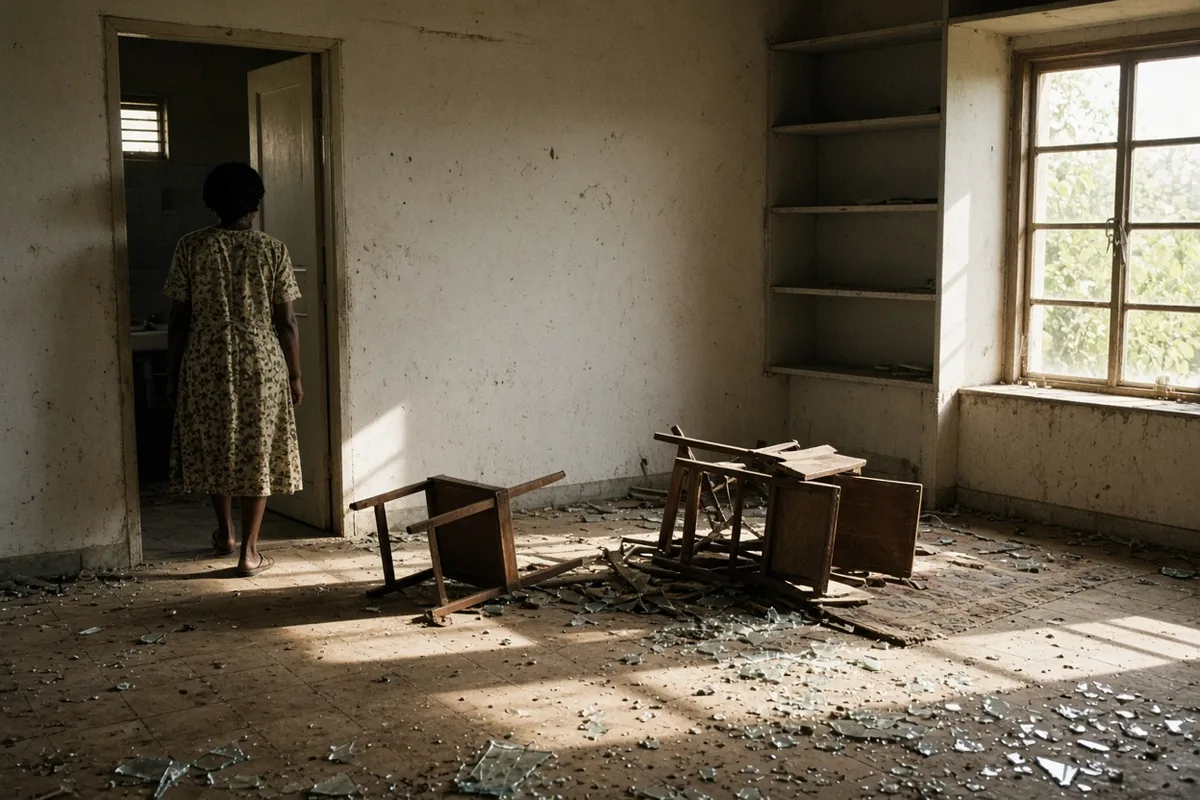
Two years after that platform speech she sent for me to meet her at the John F. Kennedy International Airport arrivals hall on 12 September 2001. She carried only the same rosary and a single folder that held the first pages of what became the manuscript for Left to Tell. We took the train into Manhattan and she read aloud the paragraph in which she described the moment Pastor Murinzi rolled the wardrobe aside on 16 July 1994 and counted the seven girls who stepped out. She had written the exact time as 8:17 in the morning because that was when the first French soldier appeared at the gate. Later that week she registered the Left to Tell Charitable Fund with the New York Secretary of State and listed its address as a post-office box in Pleasantville.
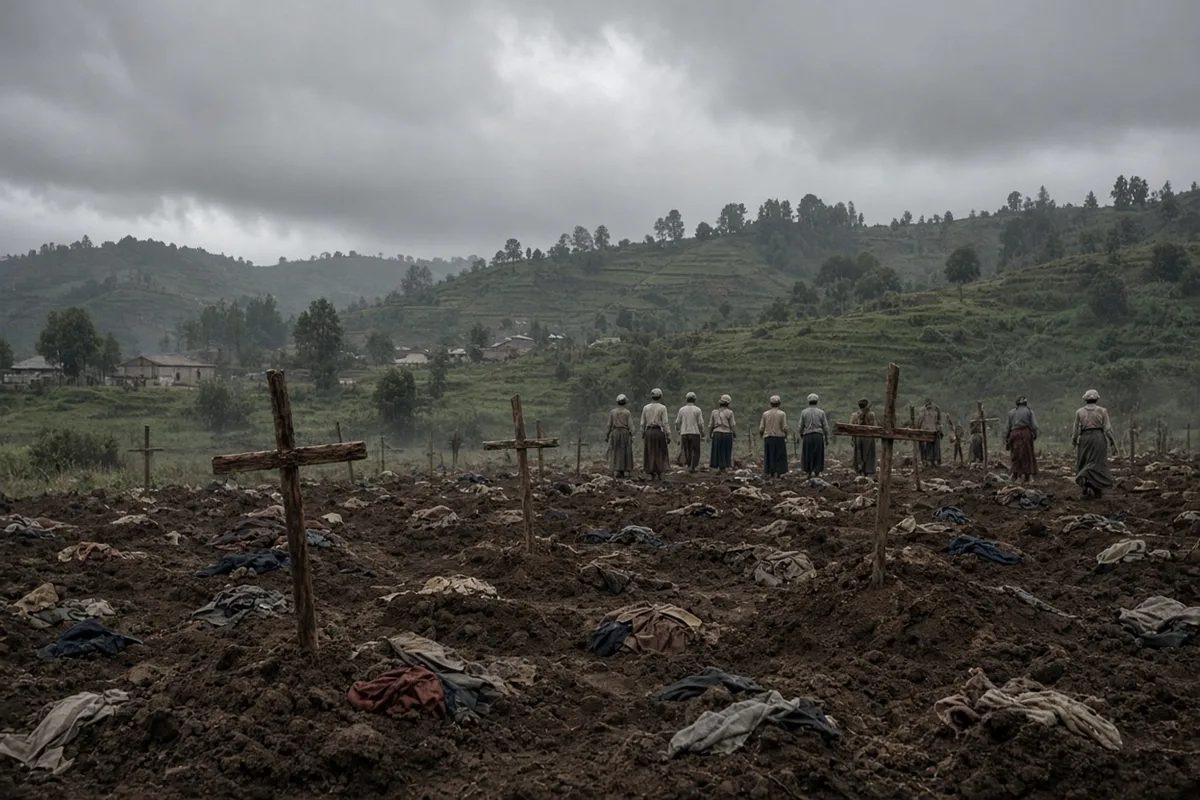
She returned to Kigali each April for the official week of mourning. In 2004 she stood at the Kigali Genocide Memorial Centre on the tenth anniversary and read the names of her parents, Rose and Leonard, and her brothers Damascene and Vianney from the wall that lists 250,000 victims interred on the site. The following morning she visited the Ntarama church where 5,000 people had been killed on 15 April 1994. She spoke with the caretaker, a man named Jean-Pierre Habimana, who still kept the blood-stained clothing in the same piles the survivors had found. She asked him whether any of the men who had attacked the church were among those released under the 2003 presidential clemency decree that freed 40,000 prisoners. He answered that three had returned to the sector and were now farming plots two kilometers away.
In 2007 she arranged for me to accompany her to the Nsinda prison in the Eastern Province where she met again with Felicien. The meeting took place on 3 March in a concrete visiting room with a metal grille. She asked him whether he had received the letter she sent through the International Committee of the Red Cross in 2002. He said he had read it three times and then burned it because the paper had her name on it. She told him the fund had opened a secondary school in Mataba that year and that twenty-seven children whose parents had died in the sector now attended. He asked nothing in return. The guard recorded the visit in a ledger that listed the time as 14:22 and noted that no physical contact occurred.
She bought a house in the United States in 2009 and kept a small room there for the rosary and the letters she still received from Rwanda. One letter, postmarked 14 July 2010 from Gikongoro, came from a woman named Consolee Nishimwe who had also hidden during the genocide and had begun teaching at the school the fund supported. Consolee wrote that the enrollment stood at 184 students and that the new well had been drilled at a depth of 87 meters. Immaculée answered that letter on the same day and included a photograph of the 2008 graduating class standing in front of the building whose cornerstone carried the date 7 April 1994.
On 7 April 2014 she returned once more for the twentieth commemoration and walked the length of the mass grave at the Murambi Technical School where 50,000 bodies had been preserved in lime. She stopped at the display case that held the identity card of a girl born in 1978 whose name was not her own. That evening she spoke at the Amahoro Stadium to an audience that included President Paul Kagame and representatives from thirty-seven countries. She read the sentence she had written in 1994 while still inside the bathroom: “I will not let them take my faith.” The translator repeated the words in Kinyarwanda and French. When she finished she left the stadium through the same gate she had used in 1995 and walked alone toward the road that led to the old airport.
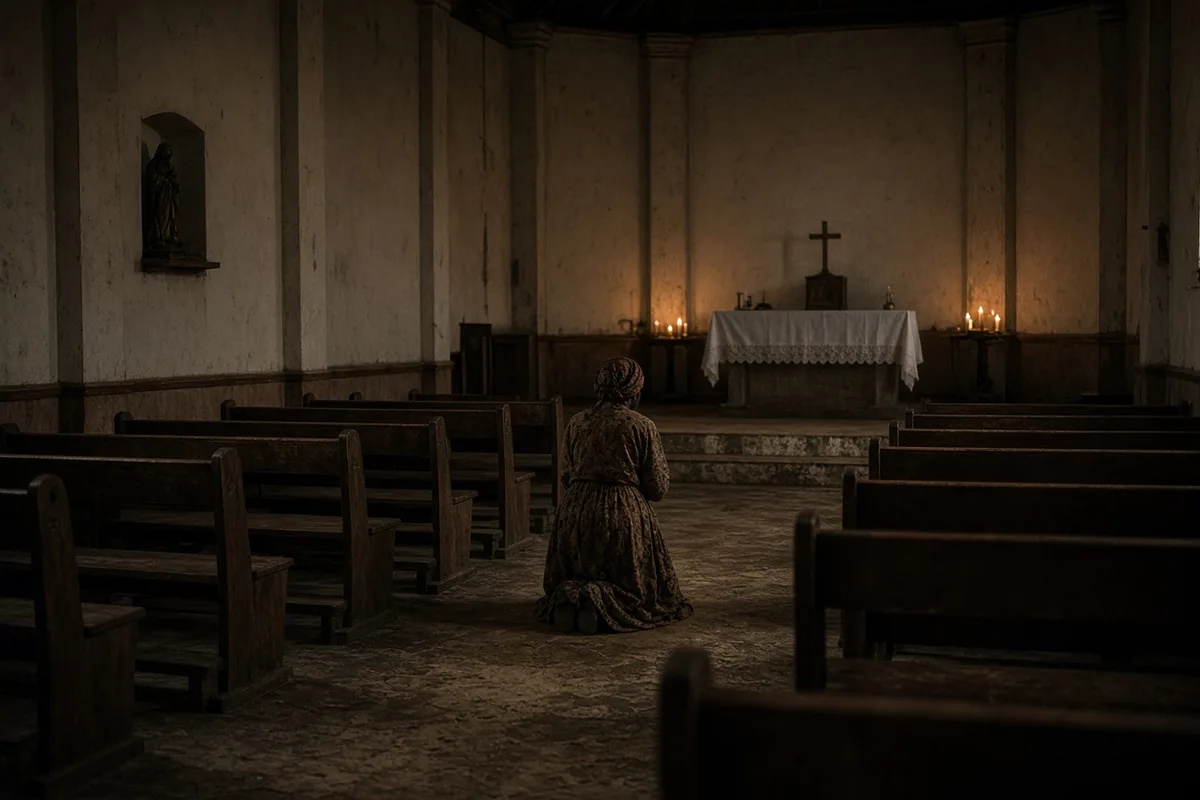
The last time anyone from the original group saw her in Rwanda she stood at the edge of the plot in Mataba where her parents’ house had been. The new school building rose behind her. She held the hand of a boy named Emmanuel who was twelve years old and whose mother had been killed on 18 April 1994 in the same churchyard where Immaculée’s mother fell. She asked him whether he knew the names of the hills across the river. He listed them one by one: Kabuye, Nyange, and the ridge that led to the Congo border. She nodded and released his hand. He turned and walked toward the classroom where the other children were already seated. She remained at the edge of the plot until the light left the hills.
The school in Mataba opened its doors to its first cohort on 12 January 2011 under a headmaster named Innocent Nkurunziza who had himself survived the attack on Ntarama church. Twenty-seven children enrolled that first term, each assigned a desk carved with the registration number issued by the Ministry of Education in Kigali. Immaculée visited on the opening day and stood at the back of the single classroom while the children recited the multiplication tables. She handed the headmaster a check drawn on the fund’s account at the Bank of America branch in Pleasantville for the exact sum of 4,800,000 Rwandan francs to cover the first six months of teacher salaries.
In 2013 she testified before the United States House Subcommittee on Africa, Global Health, Global Human Rights, and International Organizations on 24 April. The transcript records her stating that the gacaca courts had processed 1,958,634 cases between 2001 and 2012 and that 1,681,648 individuals had received sentences that included community service rather than prison time. She carried the same rosary into the hearing room and placed it on the table beside her written statement. After the session she met privately with Representative Chris Smith of New Jersey and gave him a copy of the letter Felicien had sent through the Red Cross in 2009 acknowledging receipt of the school’s first progress report.
The fund purchased an additional plot adjacent to the original Mataba site in March 2015 and contracted with a Kigali firm named Entreprise de Construction Nkusi to erect a second building with eight classrooms and a library. The cornerstone was laid on 7 April 2016 and bears the inscription “In memory of the 5,000 killed at Ntarama on 15 April 1994.” Enrollment reached 312 students by the start of the 2017 academic year. Consolee Nishimwe, by then the mathematics teacher, recorded in the logbook that twenty-three of the original twenty-seven students from the 2011 cohort had passed the national secondary-school examination.
She returned to Rwanda on 4 April 2018 for the annual commemoration and traveled directly from Kigali International Airport to the Nsinda prison to meet Felicien for the third time. The visit lasted forty-seven minutes according to the prison ledger. He told her that he had completed the masonry course offered inside the facility and had been assigned to repair work on the perimeter wall. She asked whether he still remembered the names of the hills across the river from the pastor’s house. He answered that he did and listed them in the same order the boy Emmanuel had recited in 2014.
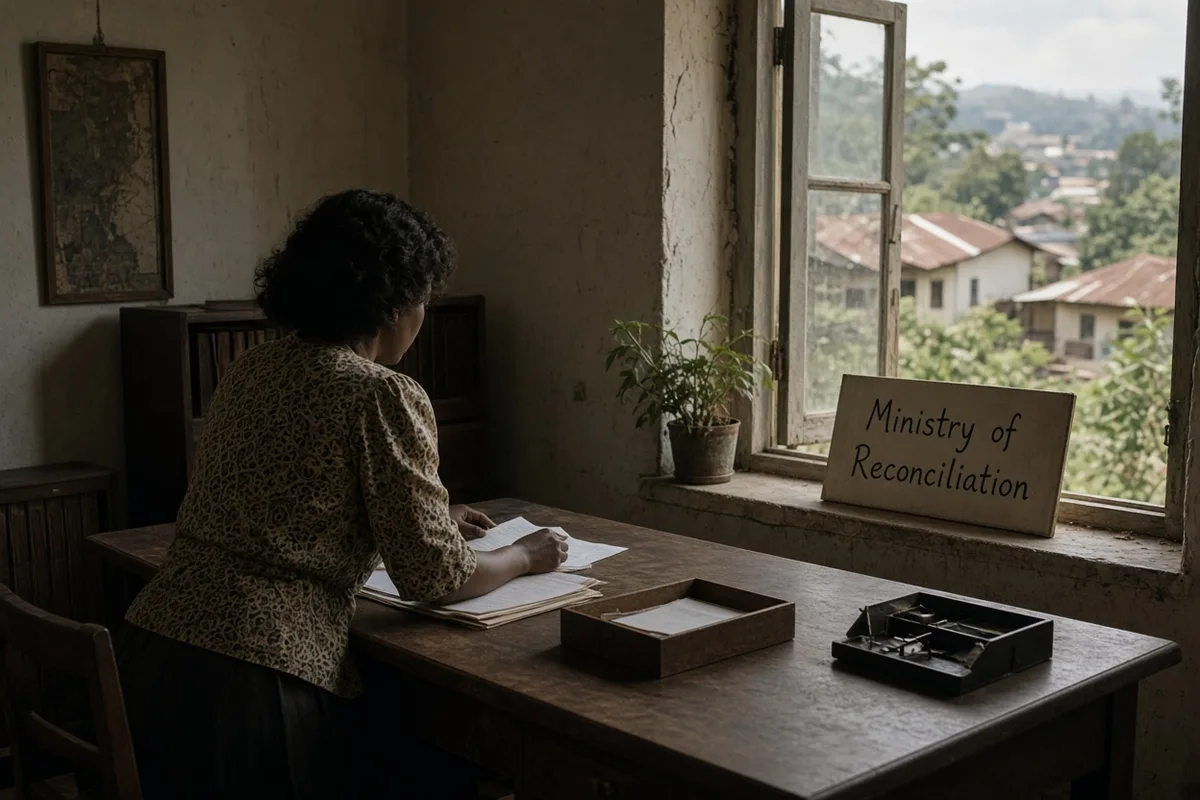
On 16 July 2019 she marked the twenty-fifth anniversary of the day the wardrobe was moved by holding a small gathering at her house in Pleasantville. Seven women who had hidden with her in the bathroom attended, including the one who had developed the cough that never fully cleared. They sat on folding chairs in the living room while she read aloud the entry dated 16 July 1994 from the notebook she had kept inside the bathroom. The entry states the time the French soldier appeared at the gate as 8:17 a.m. and records the exact number of rice grains left in the tin as forty-three.
The Left to Tell Charitable Fund filed its 2022 Form 990 with the Internal Revenue Service listing total assets of 1,274,893 dollars and program service expenses of 412,677 dollars allocated to the Mataba school and a new scholarship program for twenty-eight students at the University of Rwanda. The filing names Immaculée Ilibagiza as president and lists her address as the same post-office box in Pleasantville used since 2001. Consolee Nishimwe remained on the payroll as director of the Mataba campus at an annual salary of 4,200,000 Rwandan francs.
In April 2023 she walked the length of the mass grave at Murambi again, this time accompanied by the boy Emmanuel, now twenty-one years old and enrolled in the civil-engineering program at the University of Rwanda. He carried a notebook in which he had copied the names of the hills—Kabuye, Nyange, and the ridge leading to the Congo border—and read them aloud at the edge of the preserved bodies. She stood beside him until the light left the hills, then released his hand and turned toward the road that leads back to the old airport.