



Indonesia targets 14-fold aluminum growth by 2030 with coal and Chinese funding
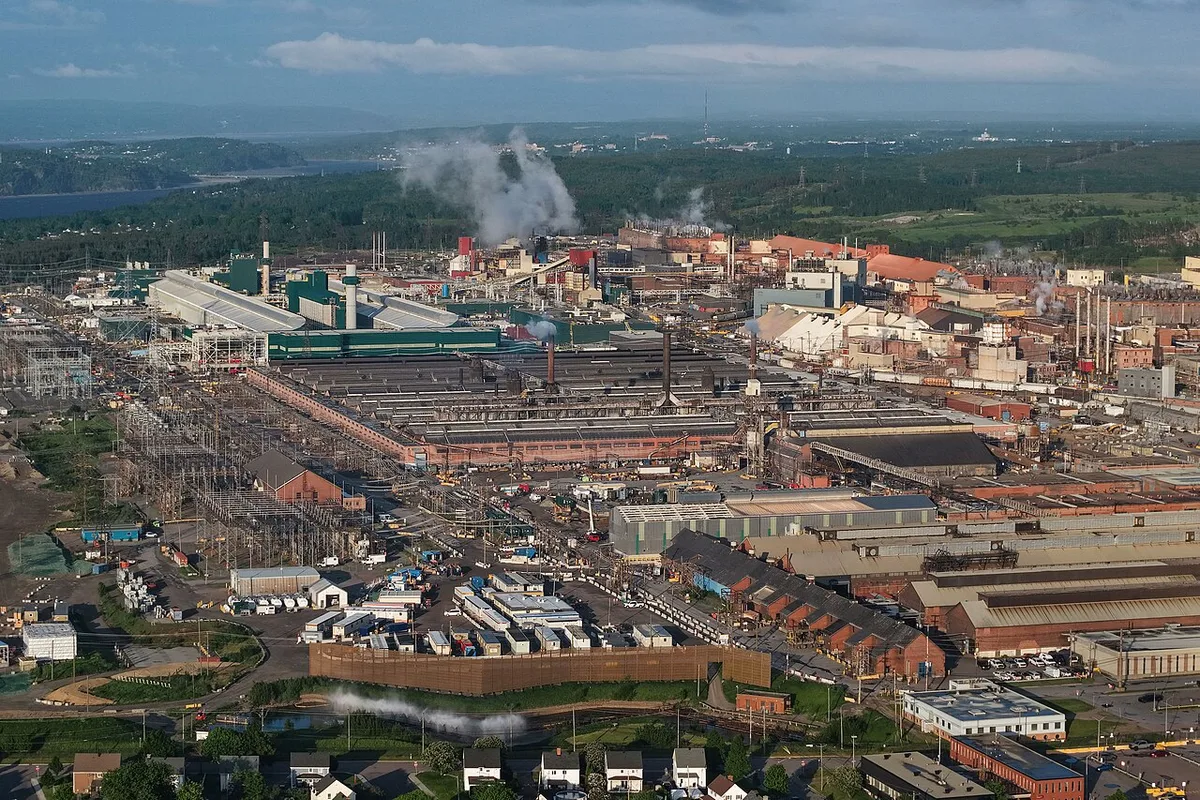
Indonesia is pushing a rapid expansion of its aluminum industry to fill a projected drop in Middle East supply sparked by the Iran war, leveraging its coal reserves to power new smelters. The plan envisages increasing aluminum output from about 1 million tons in 2025 toward 14.5 million tons by 2030, supported by a jump in alumina production and heavy Chinese investment that has already underwritten roughly three-quarters of planned projects. Beijing’s role is significant, with current Chinese investment estimated at 5.5–6 billion dollars and a forecast to climb toward 30 billion by 2030, underscoring Indonesia’s status as a key site in the global aluminum expansion tied to its classification of aluminum and nickel as transition minerals. Environmental groups warn that coal-powered practices risk undermining climate goals and accuse some projects of greenwashing, given the energy-intensive nature of aluminum production and potential local air-pollution impacts. Industry analysts note that rising global aluminum prices due to Middle East disruption have accelerated the shift of supply toward Southeast Asia, positioning Indonesia as a major player in the world market. Critics also point to the tension between rapid capacity growth and longer-term transitions to cleaner energy sources, with discussions about whether hydropower or other cleaner options can scale quickly enough to meet demand.