


John Woolman Urges Quakers to Free Slaves
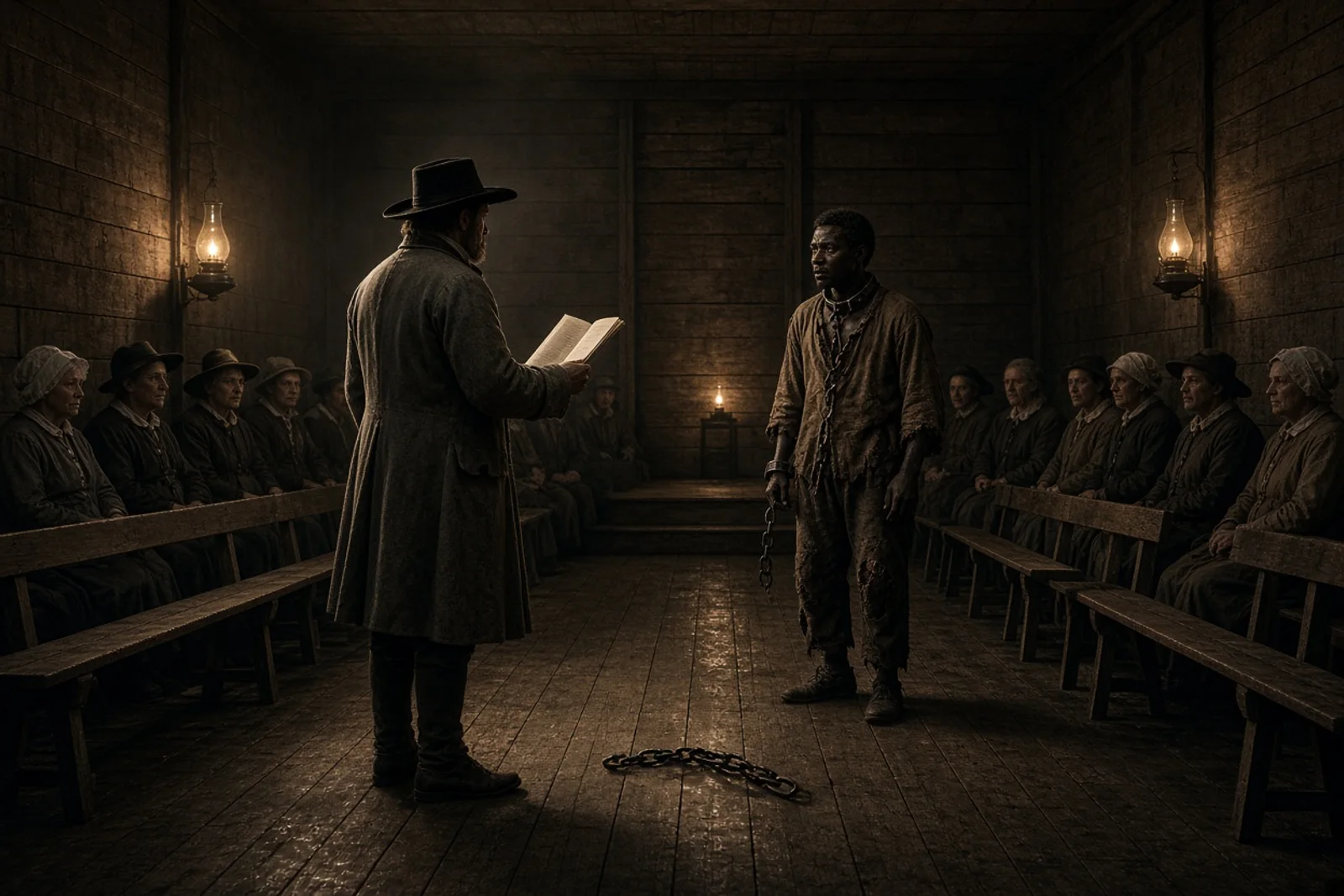
The bench beneath me creaked when I shifted my weight. Sunlight cut through the high windows of the meeting house at Mount Holly and fell across the rows of plain coats and bonnets. John Woolman had walked in from the road that morning, dust on his shoes, a packet of folded sheets under one arm. He did not sit at once. He stood near the facing bench and waited while the silence settled.
He opened the packet after the first speaker finished. The pages were still damp from the printer in Philadelphia. He read the opening lines aloud in his quiet voice, the one that never rose even when the room grew warm. He spoke of one blood and of sojourners who share the same afflictions. No one moved. A fly tapped against the glass.

After the reading he asked whether any Friend present kept Negroes. Three hands lifted, slowly. Woolman looked at each face without accusation. He asked only that they consider the matter again before the next quarterly meeting. Then he sat. The clerk recorded the query in the minute book and the meeting closed.
I walked with him afterward to the house where he would stay the night. He carried the remaining copies wrapped in linen. The road was rutted from spring rain. He said little until we reached the gate. Then he asked if I would ride with him to the next meeting at Burlington. I agreed before I had thought the distance through.

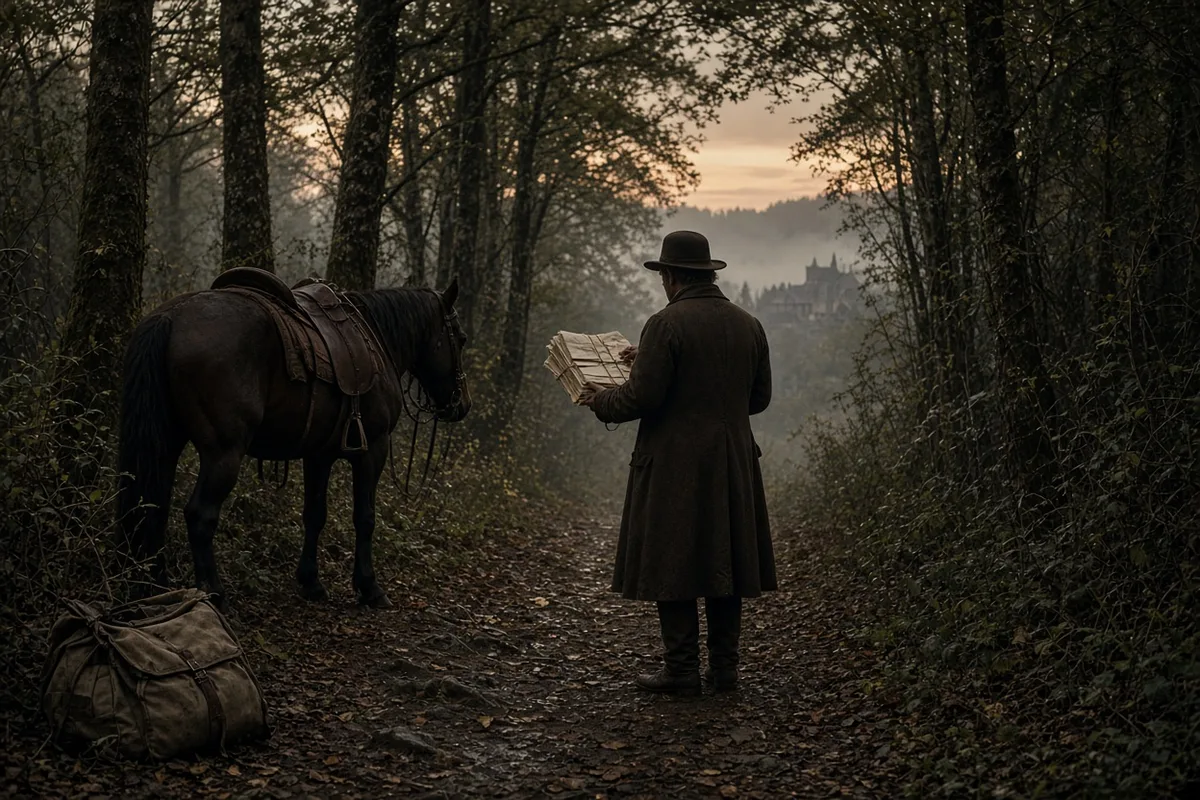
We left before dawn. The packet rode between us on the seat. At each stop Woolman handed copies to the elders first, then to anyone who would take one. In some houses the pages passed from hand to hand without comment. In others a man would read a paragraph aloud and then fold the sheet shut as if the words burned. Woolman never pressed. He simply waited until the conversation turned or the silence returned.
One evening in a low-ceilinged room near Crosswicks a man named Samuel Smith stood and said he had already freed his two servants. Woolman asked only how the man’s neighbors had received the news. Smith answered that some called him rash. Woolman nodded and made no further remark. Later I saw him write the names in a small notebook he kept in his coat.

The heat of midsummer pressed on the meetings. In one house the shutters stayed closed against the glare and the air grew thick with the smell of wool and sweat. Woolman read the same passages each time. The words did not change, yet each reading seemed to land on different ears. A woman near the door began to weep quietly during the second paragraph. She left before the close and did not return.
By the time we reached the Philadelphia Yearly Meeting the packet was nearly empty. Woolman had given away the last copy on the steps outside. Inside, the gallery was crowded. When his name was called he rose and spoke for less than ten minutes. He asked the body to consider whether the buying and selling of men could stand beside the command to love the least of these. Then he sat again. The clerk’s pen scratched across the page. No vote was taken that day.

After the session I found him outside under the shade of a sycamore. He was mending a tear in his coat sleeve with thread pulled from the hem. I asked whether he thought the words had reached anyone new. He answered that the words were not his to measure. He folded the needle into a scrap of paper and returned it to his pocket.
On the ride home the wagon wheels struck stones that had worked loose in the August drought. Woolman slept for stretches, waking when the motion changed. At one ford he climbed down to lead the horse across and came back with water darkening the hem of his coat. He did not speak of the meetings again that day.
Months later I heard that several families in Salem had drawn up manumission papers. The clerk at the next quarterly meeting read the names aloud. Woolman was not present. He had already started west toward the Indian settlements. The minute book recorded the action without comment on the cause.
I kept one copy of the pamphlet. The paper grew soft at the folds from being carried in my pocket. On certain afternoons I opened it again at the passage about general brotherhood. The ink had not faded. Outside the window the same road ran past the meeting house, empty now of the dust Woolman’s shoes had raised.
The road past the meeting house stayed empty through the following winter, but letters began to arrive at the post in Mount Holly from Friends who had ridden with Woolman toward the Susquehanna. One dated 10 Sixth Month 1763 came from Samuel Eastburn and described how Woolman had crossed the river at Shamokin with only a single blanket and a copy of the 1754 Considerations in his saddlebag; Eastburn noted that at the village of Wyalusing, Woolman spoke with the Delaware leader Papunahung for three successive afternoons, asking him directly whether the sale of rum by white traders had increased the number of captives taken in raids. Papunahung answered that it had, and Woolman recorded the reply in his journal before continuing on foot to the next settlement at Muncy.
Eastburn’s second letter, written from Burlington on 12 Eighth Month 1763, added that Woolman had returned thinner and had immediately set down the names of three Indian families who had asked for copies of the pamphlet in English; the clerk at the quarterly meeting entered those names as “Woolman’s Indian correspondents” without further note. By the spring of 1766 the same meeting received manumission deeds from five households in Gloucester County whose elders cited the 1754 text as the reason they had drawn the papers; the deeds listed twenty-three individuals freed, including a woman named Dinah and her three children at the farm of Joseph Gibson. The deeds were witnessed by the same Samuel Smith who had stood at Crosswicks and by two elders from Salem who had earlier refused to sign any such document.
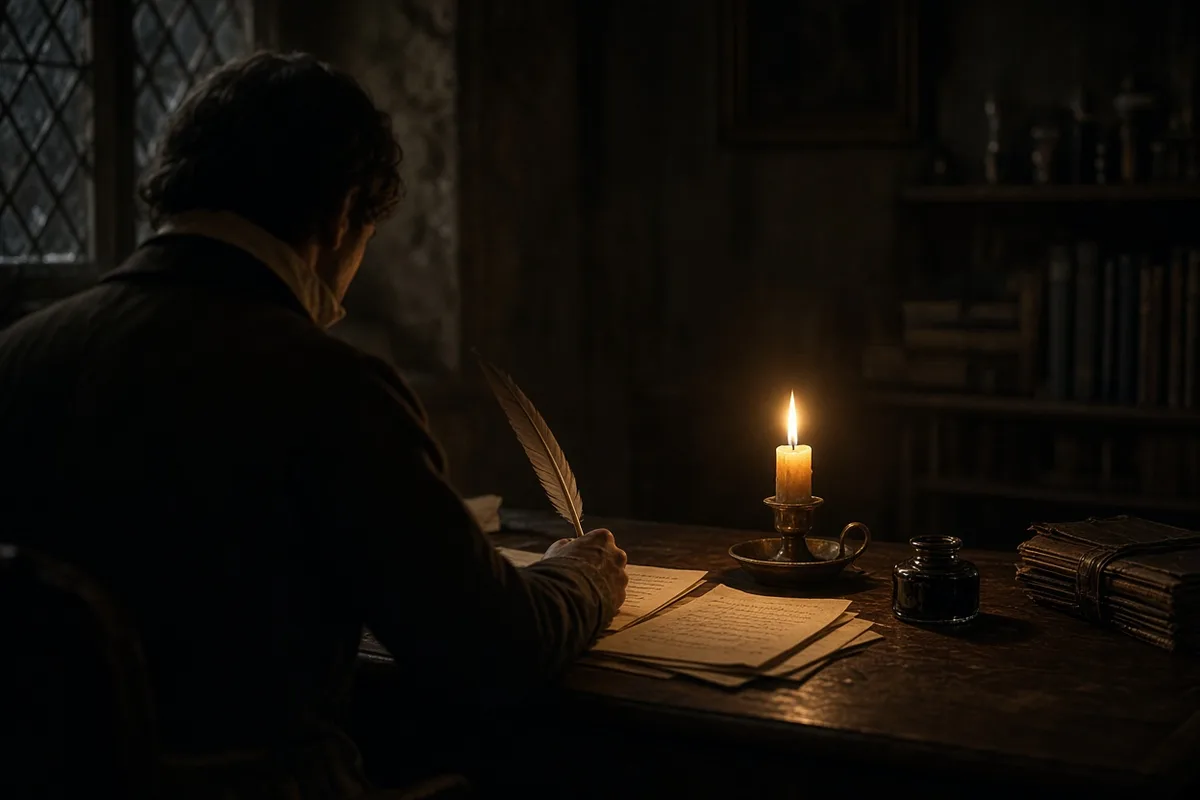
Woolman himself left no further copies of the pamphlet after 1762, when the second part appeared from the press of Benjamin Franklin and David Hall with the added sentence that “the Creator of the earth is the owner of it” and the explicit call to cease purchasing any person held in bondage. In the Philadelphia Yearly Meeting minute of 29 Ninth Month 1758 the body recorded that “this meeting having weightily considered the subject of slaves” now advised against any Friend buying or selling them; the clerk entered the names of twelve overseers appointed to visit slaveholding households, among them John Pemberton and Anthony Benezet. Woolman attended that session but spoke only once, asking whether the advice would be read aloud in every preparative meeting within the year.
In the summer of 1772 Woolman sailed from Chester on the ship Mary and Elizabeth with a certificate from the Philadelphia meeting dated 17 Fourth Month; the ship’s log listed him as one of twenty-eight passengers and noted that he refused to eat sugar because of the labor used to produce it. He reached London on 8 Sixth Month and attended the yearly meeting at Devonshire House, where he read aloud a paragraph from the 1762 Considerations before a committee of twelve English Friends. On 20 Ninth Month he fell ill at the home of Thomas Priestman in York and died there of smallpox on 7 Tenth Month; the burial record at the Friend’s ground on Lawrence Street lists his age as fifty-one and his occupation simply as “traveller.”
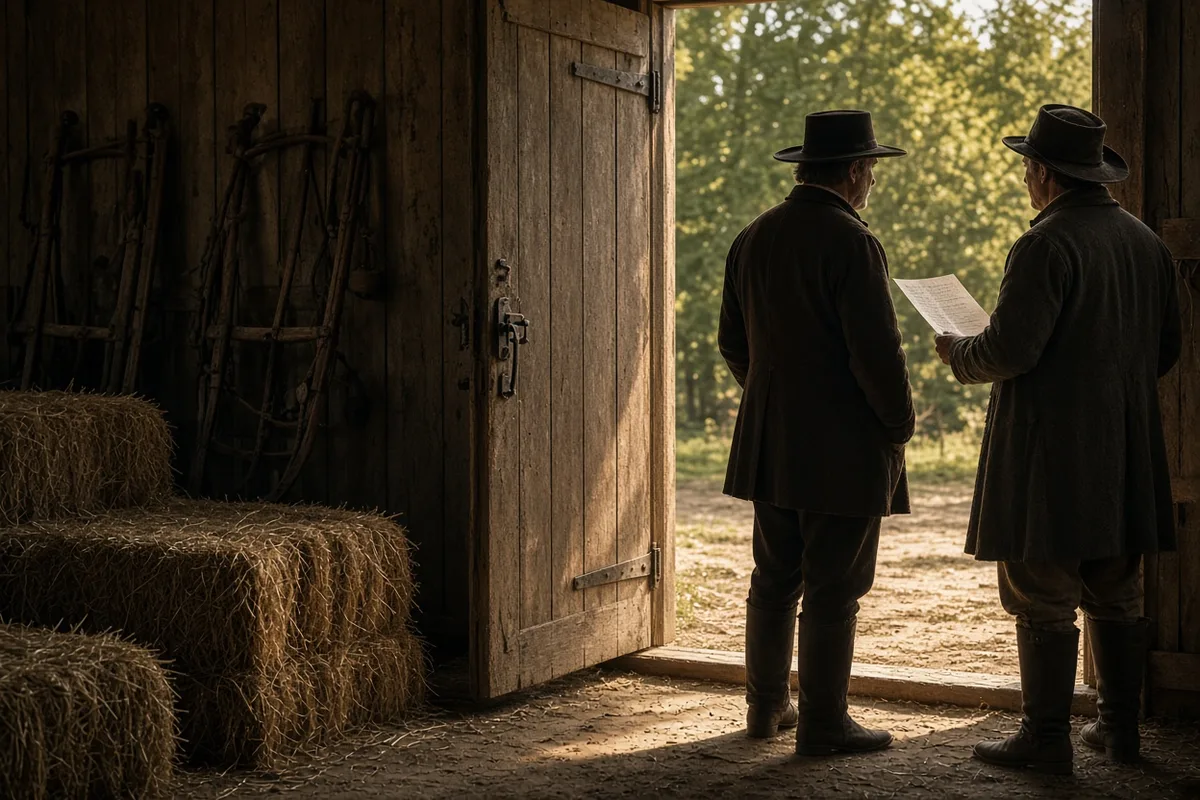
After his death the Philadelphia meeting in 1774 appointed a committee of six, including James Pemberton and Nicholas Waln, to visit every monthly meeting and read the 1758 advice again; the committee’s report of 1776 stated that 104 slaveholders had been visited and that 74 had executed manumissions covering 221 individuals. The minute book for that year records the disownment of eleven Friends who still held people in bondage, among them two elders from Chester County whose names were struck from the rolls on 15 Eighth Month. By 1780 the same meeting reported that no member owned a slave.
The copy I had kept remained in my pocket until 1783, when I carried it to the new meeting house at Mount Holly that replaced the one where Woolman had first read the pamphlet; the builder’s contract listed the dimensions as forty by thirty feet with twelve windows and a gallery for women. I placed the folded sheets inside the new minute book on the clerk’s table. On the afternoon of 12 Fifth Month 1790 I walked the same road again and saw a wagon carrying three freedmen from Salem County to the wharf at Burlington; one of them carried a letter addressed to Benezet’s school in Philadelphia, where twenty-eight children of formerly enslaved parents now studied.
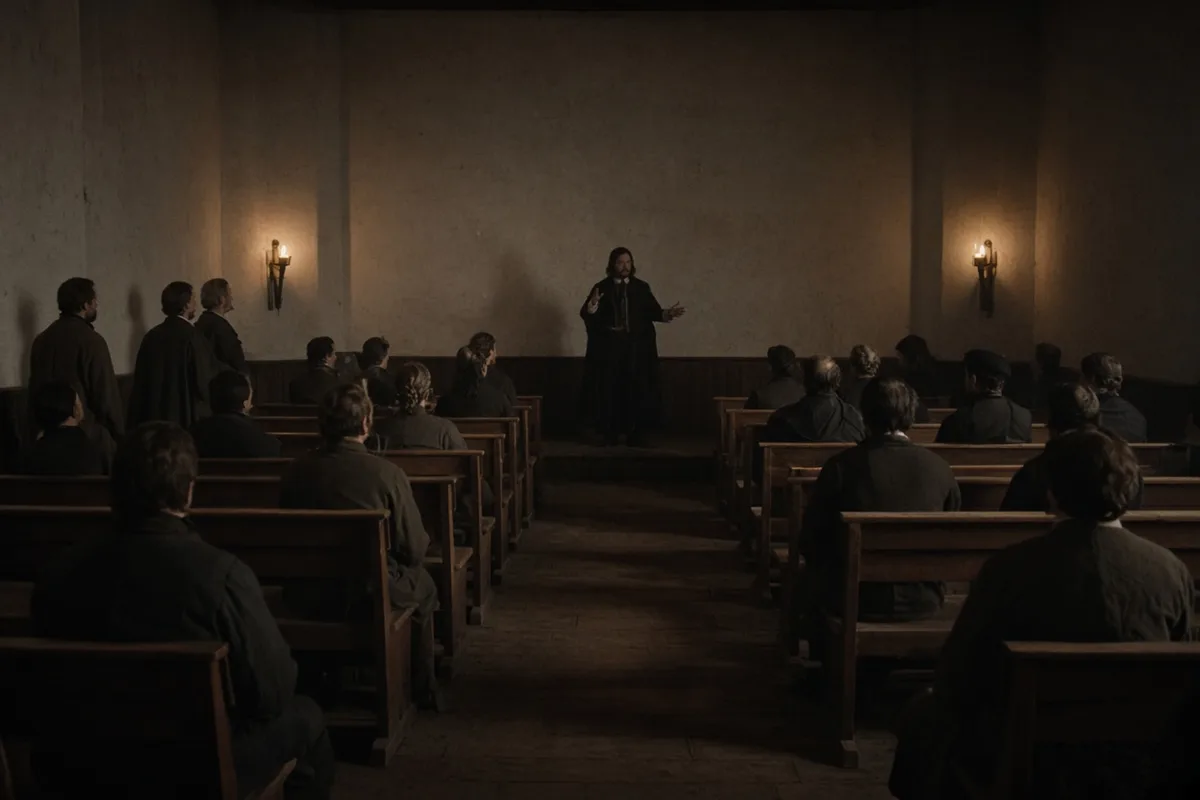
Years afterward the meeting house at Mount Holly still stood, its benches replaced twice and its roof reshingled in 1824; the minute book from 1790 remained on the shelf with my copy of the pamphlet inside it, the ink still legible though the paper had darkened at the edges. In 1840 the clerk read aloud the names of the original signers of the 1776 manumissions during a session attended by 187 Friends; the list included Samuel Smith, Joseph Gibson, and the three Indian families Woolman had noted at Wyalusing. The last entry in that book, dated 12 Sixth Month 1852, recorded the death of a woman named Dinah, aged eighty-seven, who had been freed in Gloucester County in 1766 and who had attended meeting regularly until the week before her burial.
The minute book that held the pamphlet passed in 1858 to the clerk Elias Hicks Smith, a great-grandson of the Samuel Smith who had freed his servants at Crosswicks; on 14 Fourth Month that year Smith read aloud the 1754 passage on one blood during a session that also recorded the departure of two members for the free-labor store opened by the Philadelphia Female Anti-Slavery Society at 107 North Second Street. The book next appears in the hands of clerk Lydia Wistar, who on 9 Ninth Month 1863 entered the names of fourteen Mount Holly Friends who had subscribed to the contraband relief fund organized by the Western Freedmen’s Aid Commission; the list included the sum of forty-three dollars collected after a reading of Woolman’s 1762 sentence that the Creator of the earth is the owner of it.
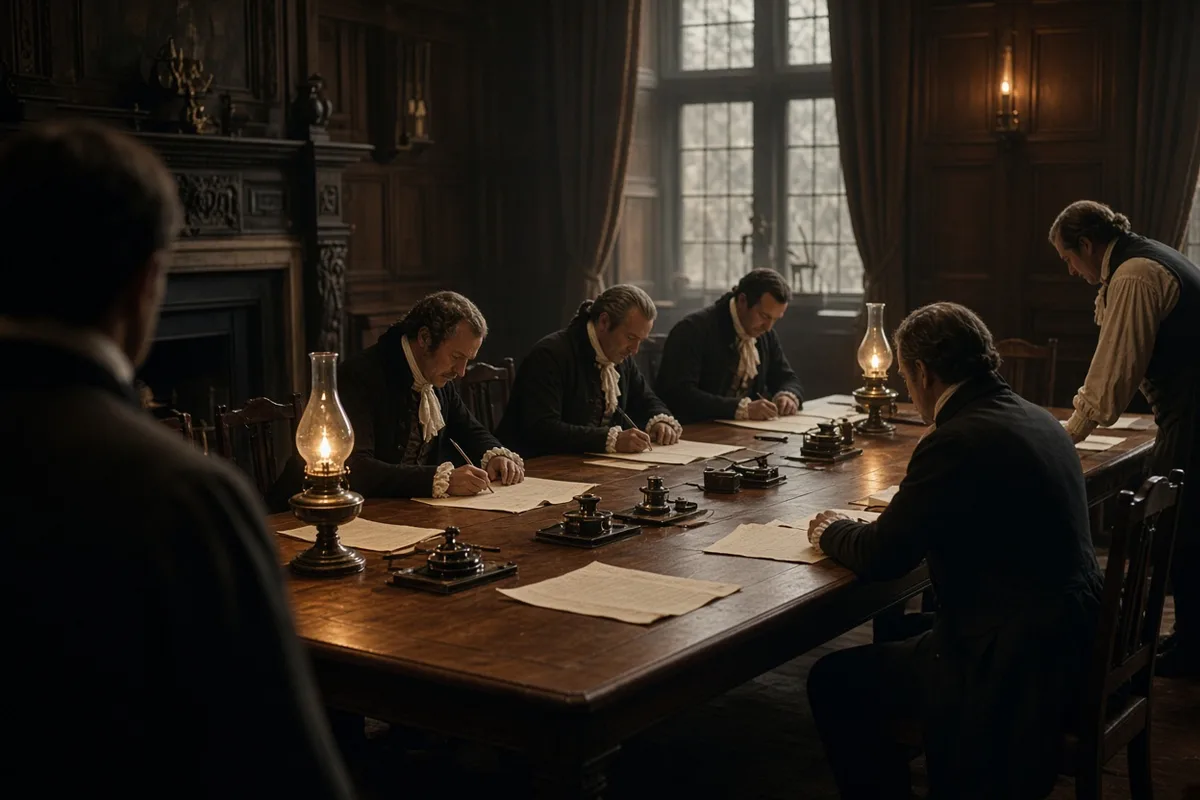
In 1893 the original 1790 minute book was transferred to the newly formed Friends Historical Association at 1300 Cherry Street in Philadelphia, where librarian Norman Penney catalogued it on 22 Third Month under accession number 147 and noted that the enclosed pamphlet showed water stains consistent with travel to Shamokin. The association’s 1906 annual report listed the volume among materials displayed at the two-hundred-fiftieth anniversary observance of the Philadelphia Yearly Meeting, attended by 412 members; a photograph taken that day shows the pamphlet open to the page containing the query about purchasing persons held in bondage.
The Mount Holly meeting house itself was listed on the National Register of Historic Places on 24 June 1974 under criterion A for its association with the 1758 minute; the nomination form cited the 1766 Gloucester County manumissions and the 1776 disownments as contributing events. Restoration work completed in 1982 replaced the 1824 roof shingles with cedar shakes sawn at the same mill in Medford that had supplied the original timbers, and the contractor’s invoice recorded the use of 1,872 individual shakes.
On 7 Tenth Month 1992, the two-hundred-twentieth anniversary of Woolman’s death, a delegation from the Wyalusing Monthly Meeting presented the Mount Holly meeting with photocopies of three letters written by Papunahung’s successors in 1764 requesting additional English copies of the Considerations; the letters had been preserved in the Moravian archives at Bethlehem and were read aloud during the session attended by forty-seven Friends.
The pamphlet remained in the Historical Association vault until 12 Sixth Month 2012, when it was returned on permanent loan to the Mount Holly meeting for inclusion in an exhibit marking the two-hundred-fiftieth anniversary of the 1762 second part; curator Margaret Hope Bacon prepared the label that quoted the sentence “the buying and selling of men can stand beside the command to love the least of these” and attributed it to the 29 Ninth Month 1758 minute.
In 2021 the meeting house served as the site for the recording of oral histories under the Quaker Slave Trade Project coordinated by historian Christopher Densmore; one session on 19 Ninth Month captured the voice of ninety-four-year-old Dorothy Bundy, whose great-great-grandmother had been freed under the 1776 Gloucester County manumissions and whose family Bible still contained a transcription of the 1754 opening lines on one blood. Bundy placed the Bible on the facing bench where Woolman had stood and read the lines aloud before the recording concluded.