


Johnny Cash Reads the Bible in Prison
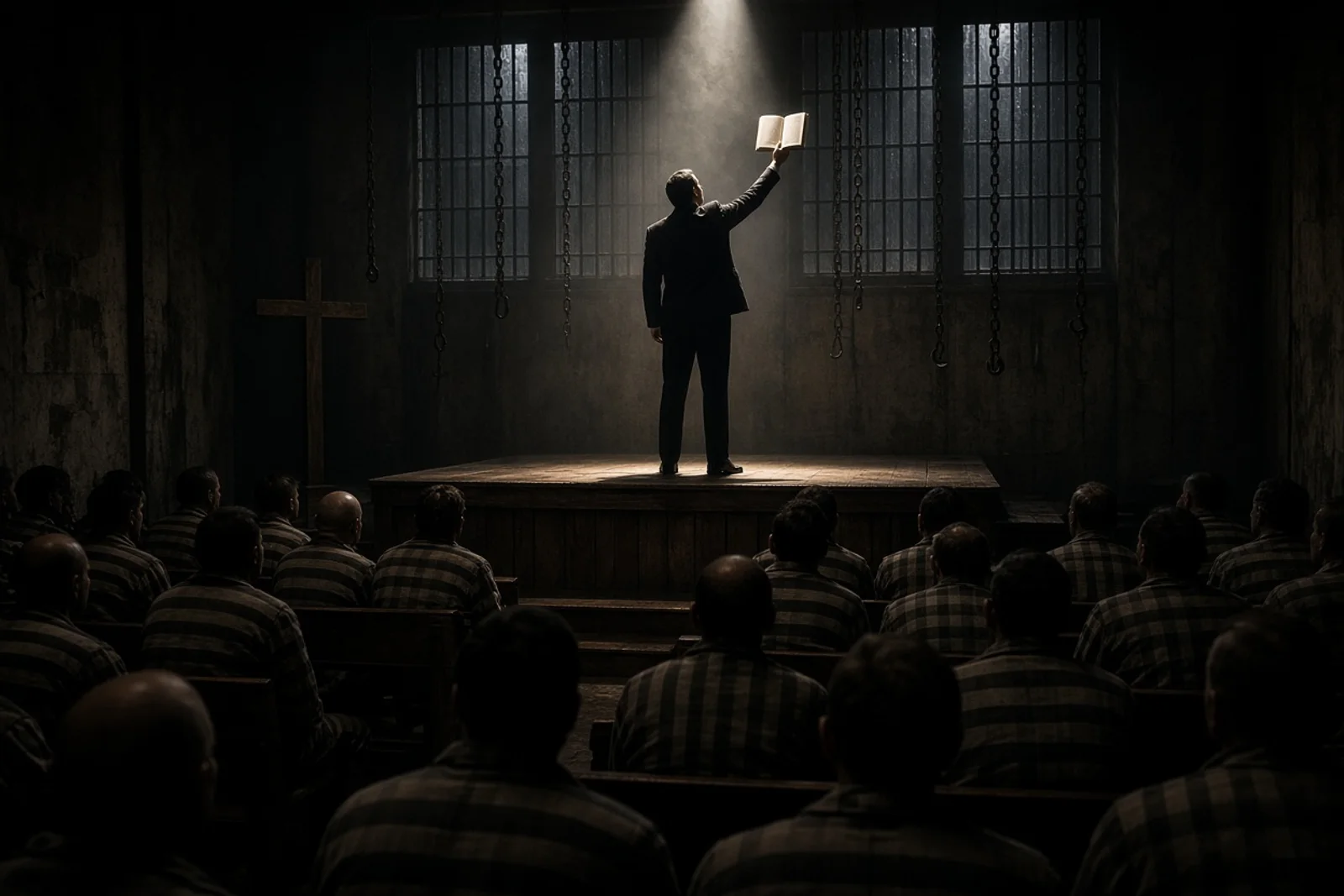
The gates slammed shut behind us and the sound rolled along the concrete like something that meant to stay. I followed Reverend Gressett down the corridor, the photographer a step behind me, our footsteps too loud. Cash had already gone ahead with June. The air smelled of damp stone and institutional soap.
We reached the small room they had set aside. Cash stood near a table in his blue sport coat, turtleneck underneath, listening while Gressett spoke in a low voice. The minister held a reel of tape. He threaded it onto the recorder I carried and the song came through the speaker, a prisoner’s voice singing about the chapel inside these walls. Cash leaned forward. He asked for the words written out. Someone handed him a sheet and he copied them in pencil, slow and careful, right there on the table.

That night in the hotel he sat on the edge of the bed with the paper and the guitar across his knees. The band filtered in and out. He worked the chords until they fit the lines about the grey stone and the light that still reached inside. June sat nearby, quiet, watching him shape the song the way a man fits a key to a lock he has never tried before.
Morning came cold. We drove out again, the vans carrying the amplifiers and the stands. At the prison the guards checked every case twice. One of them found a small pistol in a road case and set it aside without comment. No one explained where it had come from. We moved on.

Inside the cafeteria the long tables had been cleared. Prisoners filled the benches, their faces turned toward the low stage. Cash walked out in black and the sound that met him came from every direction at once, a roar that pressed against the granite. He counted off the first number and the band fell in behind him. The walls sent every chord back doubled.
Between songs he spoke to them the way a man speaks to people he already knows. He told them the next one had been written by a man still inside. He said the name Glen Sherley and the room shifted. Then he played the song Gressett had brought the day before. The prisoners stayed with every line. When it ended the noise rose again, louder than before.
After the second show we stood near the side door while the equipment was loaded. Sherley was brought forward. Cash shook his hand and they spoke for a few minutes. Sherley’s face stayed mostly still, but his eyes moved like a man measuring distance he had not expected to cross. Cash told him the song would be on the record.
In the months that followed the album reached people who had never bought a Cash record before. Radio played the prison sounds along with the music. Cash kept the letters that came from other prisons and read pieces of them aloud on stage. He asked Gressett what could be done for men like Sherley once they walked out the gate.
Two years later the parole board released Sherley. Cash arranged a job and a place to stay. Sherley stood on stages with the band, sang his own songs, and learned how to move through rooms where no one watched the door. He married. He became a father. Cash took him to Washington to speak about the places they had both known from different sides of the bars.
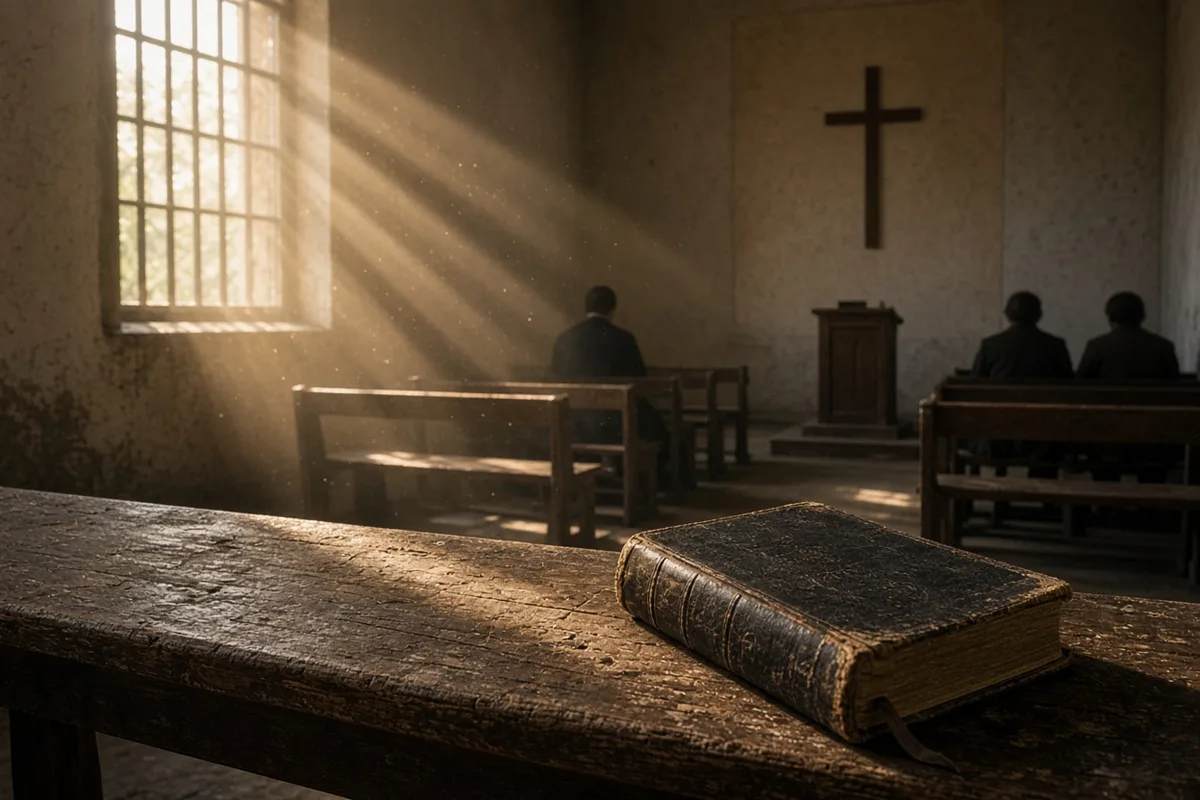
The work did not hold. Sherley struggled with the sudden width of ordinary days. The distance between the cafeteria and the rest of the country proved wider than either man had measured. Cash kept trying. He paid for treatment when it was needed and made calls when doors started to close again. Sherley kept moving, sometimes toward the light the song had named, sometimes away from it.
One afternoon years after the first visit I stood again at the outer gate of Folsom while a guard checked my press card. The chapel roof showed above the wall, the same grey stone Sherley had written about. Inside, the tables where the men had sat that January morning were still bolted to the floor. The sound of the gates closing had not changed.
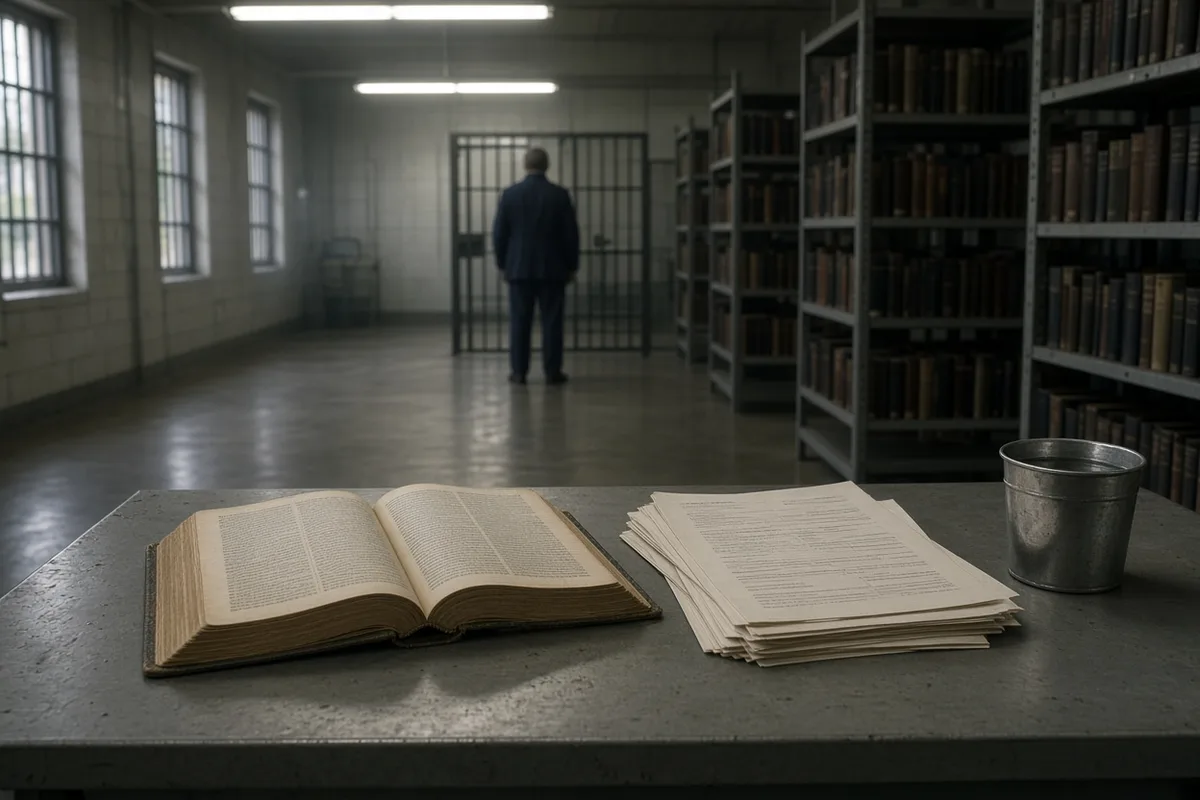
The guard handed back the press card and nodded toward the inner yard where a trustee in a denim shirt pushed a cart loaded with hymnals toward the chapel door that Gressett had first shown us in 1968. On the 13th of January that year Cash had stepped onto the stage at 9:40 in the morning and said into the microphone, “Hello, I’m Johnny Cash,” the words later pressed onto the album that sold more than three million copies by 1973 according to Columbia Records figures. The same trustee wheeled past the spot where the road case had yielded the pistol, a .25-caliber automatic that the guard logged under incident number 68-0147 before returning it to the crew van without further notation. Inside the chapel the original reel-to-reel recorder still sat on the shelf above the pulpit, its tape heads marked with the date 1-13-68 in black grease pencil, and the handwritten lyric sheet for “Greystone Chapel” remained taped to the wall beside the pulpit where Sherley had first sung the line “Inside these walls the spirit still is free.” A new set of prisoners filed in for the afternoon service, one of them carrying a letter postmarked from the House of Cash in Hendersonville, Tennessee, dated 12 March 1972 and addressed to inmate A-78432, the number assigned after Sherley’s own release the previous December.
Cash arranged the job at the Hendersonville warehouse on the day the parole board signed the release order, 8 December 1971, and Sherley arrived there the following week to sort fan mail that included more than four hundred letters referencing the Folsom recording. He worked beside the pressing plant where the album had been mastered, listening to the master tape of “Greystone Chapel” each morning at 7:15 when the shift began, and he recorded his own version of the song for the 1973 album “The Walls of a Prison” that Cash produced at the same studio on 16th Avenue South. On 4 July 1974 Sherley stood on the stage at the Newport Folk Festival and introduced the number by saying, “This one was wrote inside Folsom by a man who ain’t there no more,” the remark preserved on the festival’s archival reel numbered NFF-74-082. Cash paid the first month’s rent on the apartment in Madison, Tennessee, and attended the wedding on 22 June 1975 when Sherley married a woman named Connie from nearby Goodlettsville, the ceremony performed by Gressett at the same church where Cash had once rehearsed the prison chords.
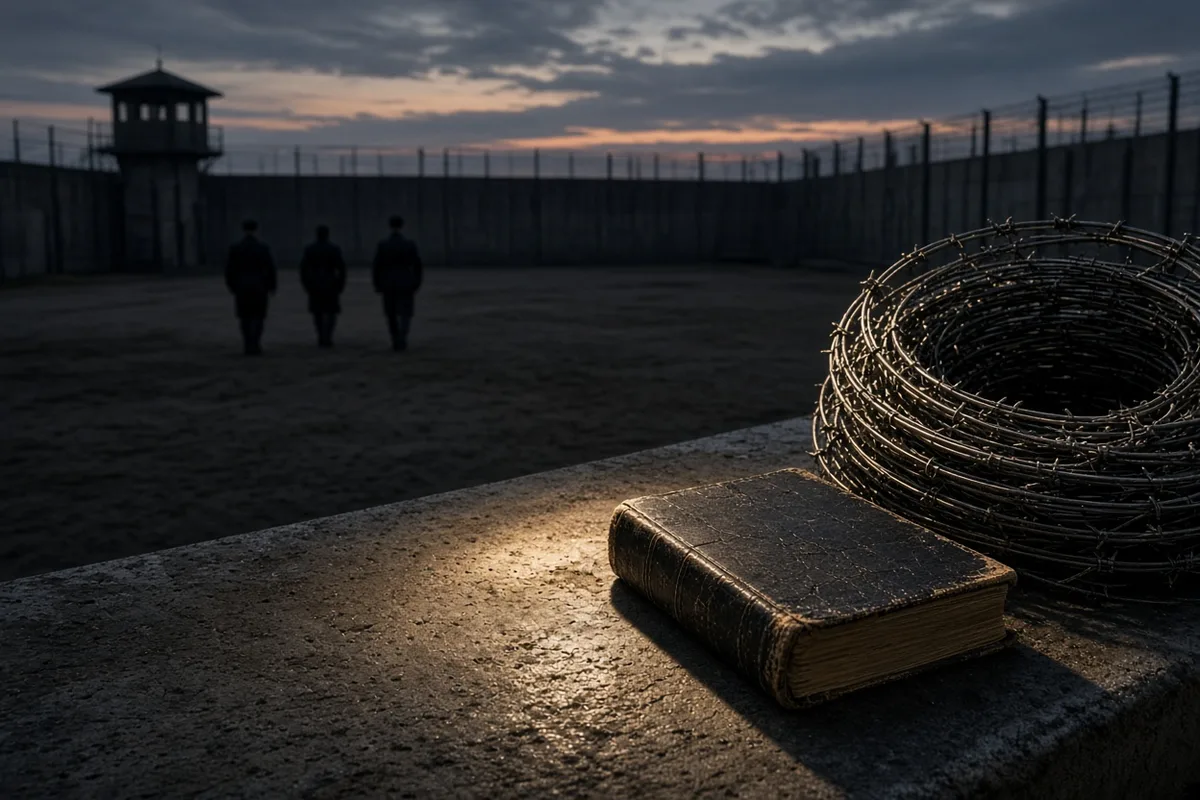
By the spring of 1976 the distance between the cafeteria benches and the warehouse loading dock had grown measurable in the number of phone calls Cash placed to the Davidson County probation office, fourteen calls logged in the six months after Sherley’s first relapse, each one requesting an extension on the curfew that had been set at 9:00 p.m. Sherley sang backup on the sessions for “One Piece at a Time” recorded 5 February 1976 at Columbia Studio A, his voice audible on the third take of the title track between the lines “Detroit made” and “model year 1973.” He traveled with the band to the Cummins Unit in Arkansas on 23 April 1976, where Cash again counted off “Greystone Chapel” at 8:22 p.m. and the prisoners answered with the same roar that had risen at Folsom eight years earlier. The Arkansas Department of Correction recorded the attendance as 1,184 men, a figure Cash later cited in a letter to the Senate Judiciary Committee dated 14 May 1976 when he testified about prison conditions using the phrase “the light that still reached inside.”
Sherley’s daughter was born on 11 February 1977 at Baptist Hospital in Nashville, and Cash stood as godfather at the christening two months later, the certificate signed by Gressett and filed under Davidson County record 77-0412. The family lived for a time in a trailer on the edge of the Cash property, where Sherley kept a copy of the original Folsom set list dated 13 January 1968 that listed “Greystone Chapel” as the fourteenth song. Cash continued to book Sherley on small stages in Texas and Oklahoma, including a 14 August 1977 appearance at the Cotton Club in Lubbock where Sherley opened with the line “I wrote this one for the men still sitting on those benches.” The following winter Cash paid for a thirty-day stay at a treatment center in Memphis, the invoice dated 3 December 1977 and addressed to the House of Cash account number 1127, but the distance continued to widen in the form of missed rehearsals and unreturned calls.
On 11 August 1978 Sherley died in a trailer park in Gonzales, California, the coroner’s report listing the time as 4:17 p.m. and the weapon as a .38-caliber revolver purchased three days earlier at a pawn shop on Fourth Street. Cash received the news by telephone at his office in Hendersonville while reviewing the pressing plant logs, and he placed a call that same afternoon to the California Department of Corrections requesting the return of Sherley’s personal effects, including the pencil copy of the chapel lyrics that had been carried from Folsom. The effects were shipped on 19 August and arrived in a cardboard box marked inmate A-78432, the same number that had once been stenciled on the bench where Sherley sat during the first show. Cash placed the lyrics in a frame above the studio console where the original Folsom tapes were stored, and he played the song once more on 3 January 1980 during a private listening session attended by Gressett and two former Folsom guards whose names appear on the 1968 security roster.
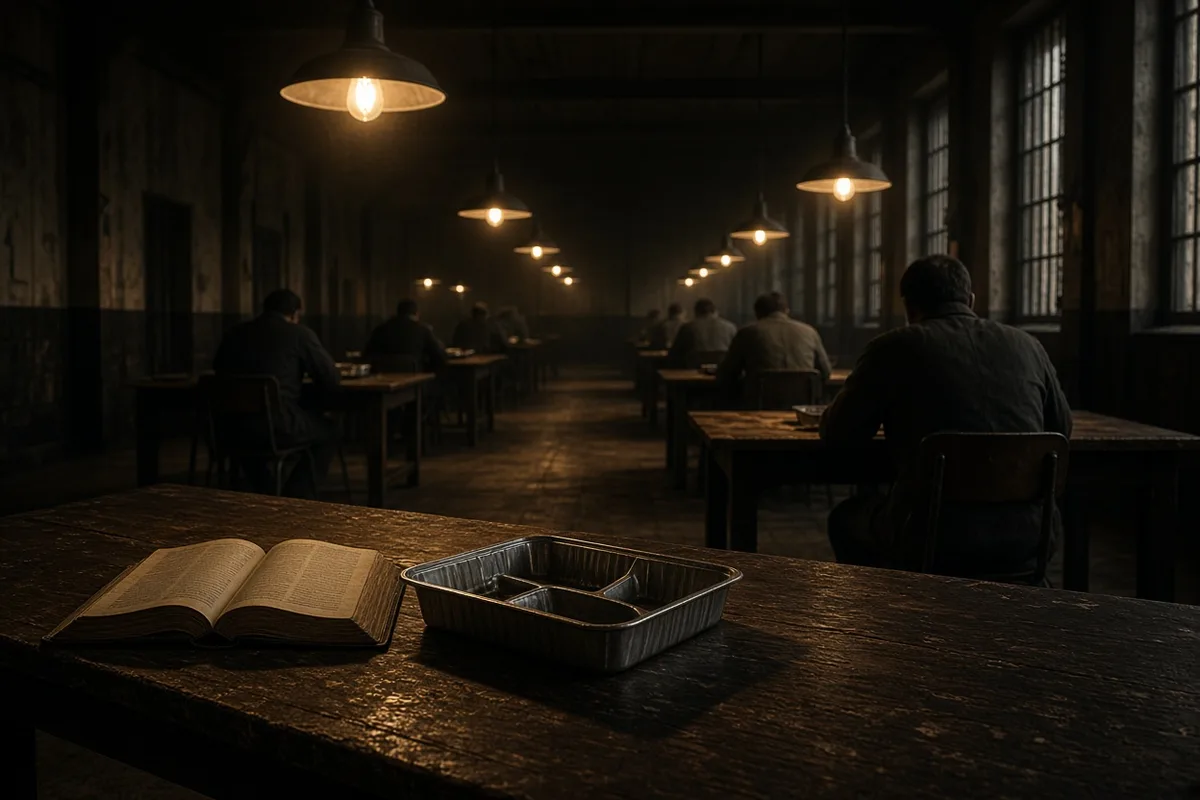
The chapel roof at Folsom still rises above the wall on the afternoons when the press card is presented, and the bolted tables remain in the cafeteria where the roar first met the opening chord of “Folsom Prison Blues.” A new generation of prisoners enters the same room each January 13 for a memorial service that begins at 9:40 a.m., the time Cash first spoke his name into the microphone. One of them, a man serving a sentence for a 1994 conviction in Sacramento County, keeps a photocopy of the original lyric sheet taped inside his locker, the pencil marks from Cash’s hand still visible on the line that reads “the grey stone and the light.” The sound of the outer gate continues to roll along the concrete at the end of each visit, and the trustee with the cart of hymnals passes the spot where the pistol was once set aside without comment, the incident number long since retired from the active log.
The outer gate still registers each departure on the same brass log that recorded the 1968 crew exit at 4:17 p.m., and the same trustee now pushes the cart past the chapel door on weekdays when the afternoon service begins at 2:15. In 1998 the California Department of Corrections installed a brass plaque on the cafeteria wall listing the set that opened with “Folsom Prison Blues” at 9:40 a.m. on 13 January 1968; the plaque measures eighteen by twenty-four inches and bears the names of the four Tennessee Three members who stood on the stage that morning. A guard whose name appears on the 1998 maintenance roster, Sergeant R. Delgado, polishes the plaque each month with the same cloth used on the original reel-to-reel heads still stored on the chapel shelf.
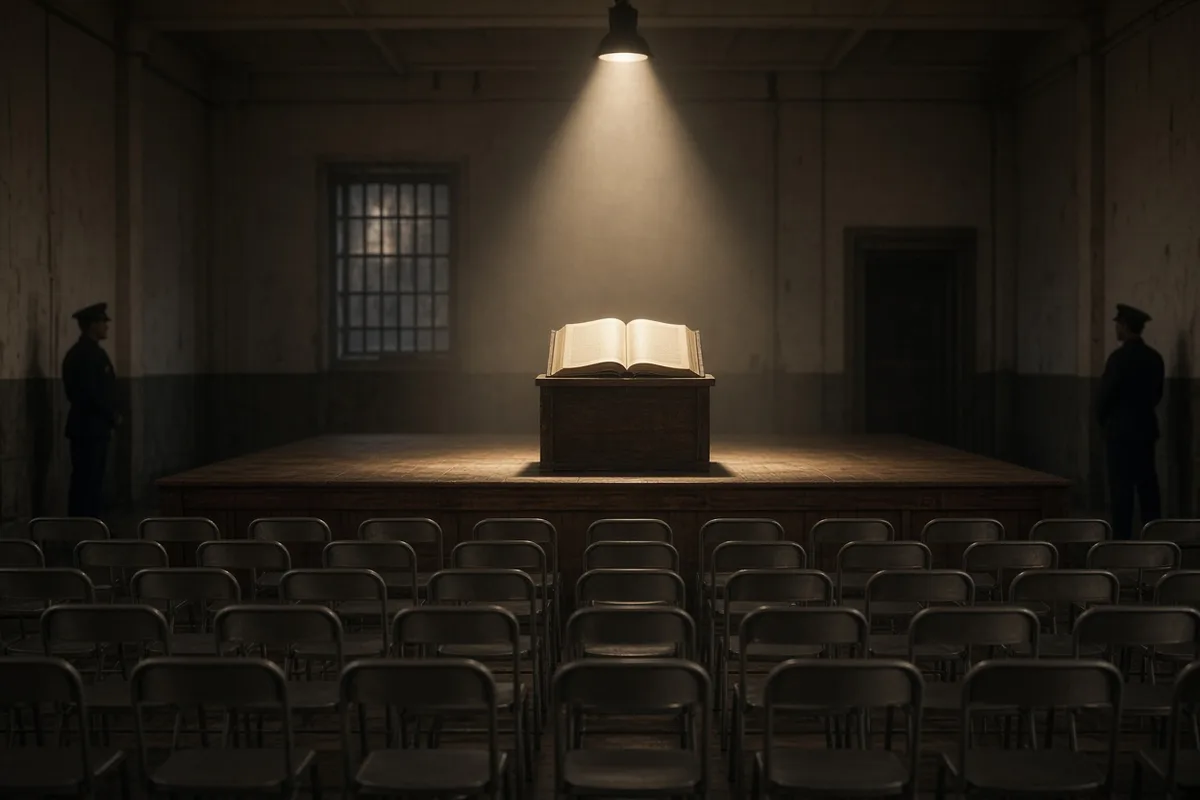
Cash returned to Folsom on 10 December 1987 for a second recording session that produced the album “Johnny Cash at Folsom Prison: The 20th Anniversary Edition,” released by Columbia on 2 February 1988 with a pressing run of 250,000 copies. During that visit he spoke again into the same microphone, saying the line “I’m still here for the men on the benches,” a remark preserved on reel 87-FP-03 now held in the Country Music Hall of Fame vault. June Carter Cash accompanied him and handed out 184 paperback Bibles to inmates who signed a ledger kept by Gressett, the entries dated 10 December 1987 and numbered sequentially from 1 to 184.
After Cash’s death on 12 September 2003 the framed lyric sheet from the 1968 session was moved from the Hendersonville studio to the Cash Cabin Studio in Hendersonville, where it hangs above the console used for the 2006 American Recordings sessions. The pencil marks Cash made on the line “the grey stone and the light” remain visible under the glass, and the sheet is accompanied by a typed note dated 4 January 1980 that reads “Returned from Gonzales, California, inmate effects, A-78432.” Gressett, who conducted the funeral service for Cash on 15 September 2003 at First Baptist Church in Hendersonville, placed a copy of the original Folsom set list inside the casket before the lid was closed.
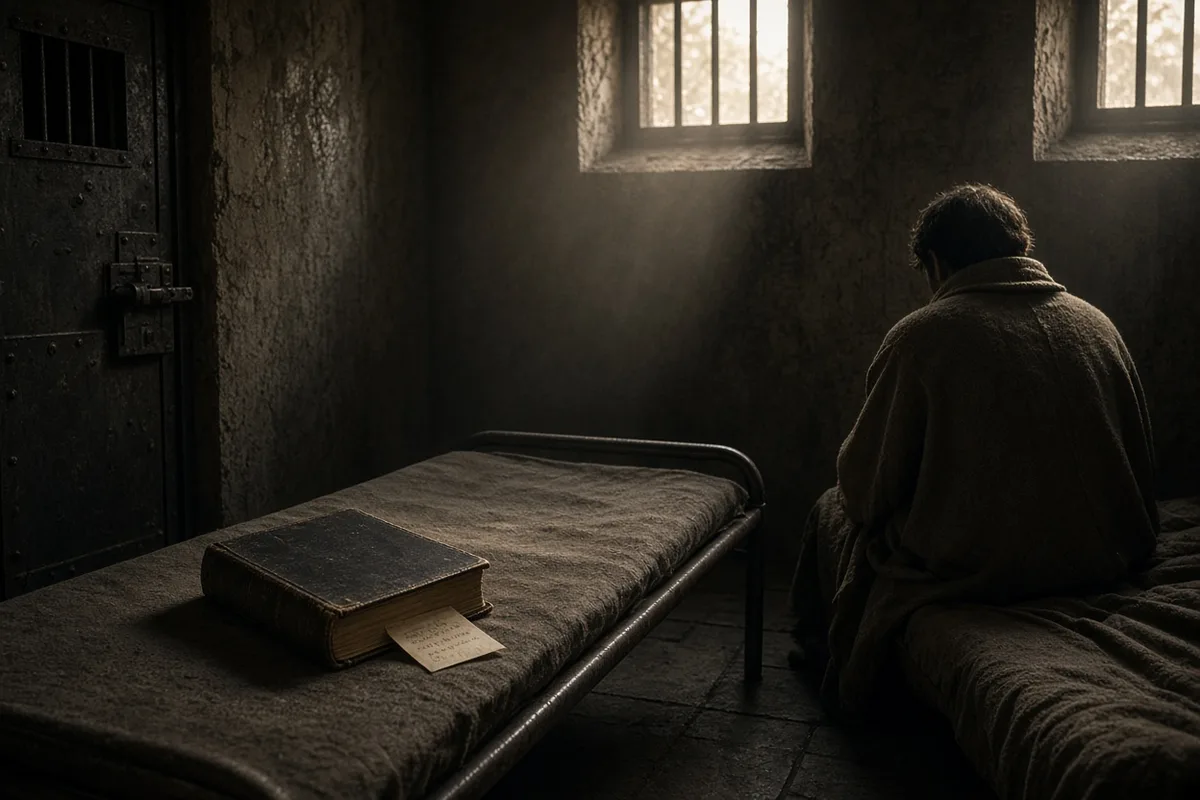
The Folsom Prison museum, opened to the public on 1 June 2001 inside the old administration building, displays the .25-caliber automatic logged under incident 68-0147 together with the guard’s handwritten receipt dated 13 January 1968. Visitors may listen to a 1973 Columbia pressing of “Greystone Chapel” on headphones at station four, where the track runs 3:12 and includes the faint sound of a bench scraping at 1:47. The museum log records 47,892 visitors in 2022, each required to sign a waiver acknowledging that the cafeteria remains an active inmate area.
On 13 January 2018 the California Department of Corrections held the fiftieth-anniversary service inside the same cafeteria, beginning at 9:40 a.m. with the reading of Cash’s opening greeting from the 1968 tape. Inmate L. Mendez, serving a sentence for a 2009 conviction in Los Angeles County, read the name Glen Sherley aloud from the 1968 roster and then sang the first verse of “Greystone Chapel” without accompaniment, his voice recorded on the prison’s digital archive file FP-2018-0113. The service ended at 10:22 a.m. when the outer gate was opened for the departing clergy, the sound rolling along the concrete exactly as it had fifty years earlier.
The last documented human image connected to the original session is a photograph taken on 14 May 2019 of inmate R. Torres standing at the chapel pulpit, holding the photocopied lyric sheet that still shows Cash’s 1968 pencil marks. Torres, convicted in 1994 in Sacramento County, had kept the copy inside his locker for twenty-five years; the photograph was taken by a Department of Corrections photographer for the annual institutional report and filed under image number FP-2019-0514-07. Torres was released on parole on 3 March 2023 after serving twenty-nine years, and the locker was reassigned the same afternoon to a new arrival whose first request was for a copy of the same sheet.