


Joni Eareckson Tada's Diving Accident and Faith

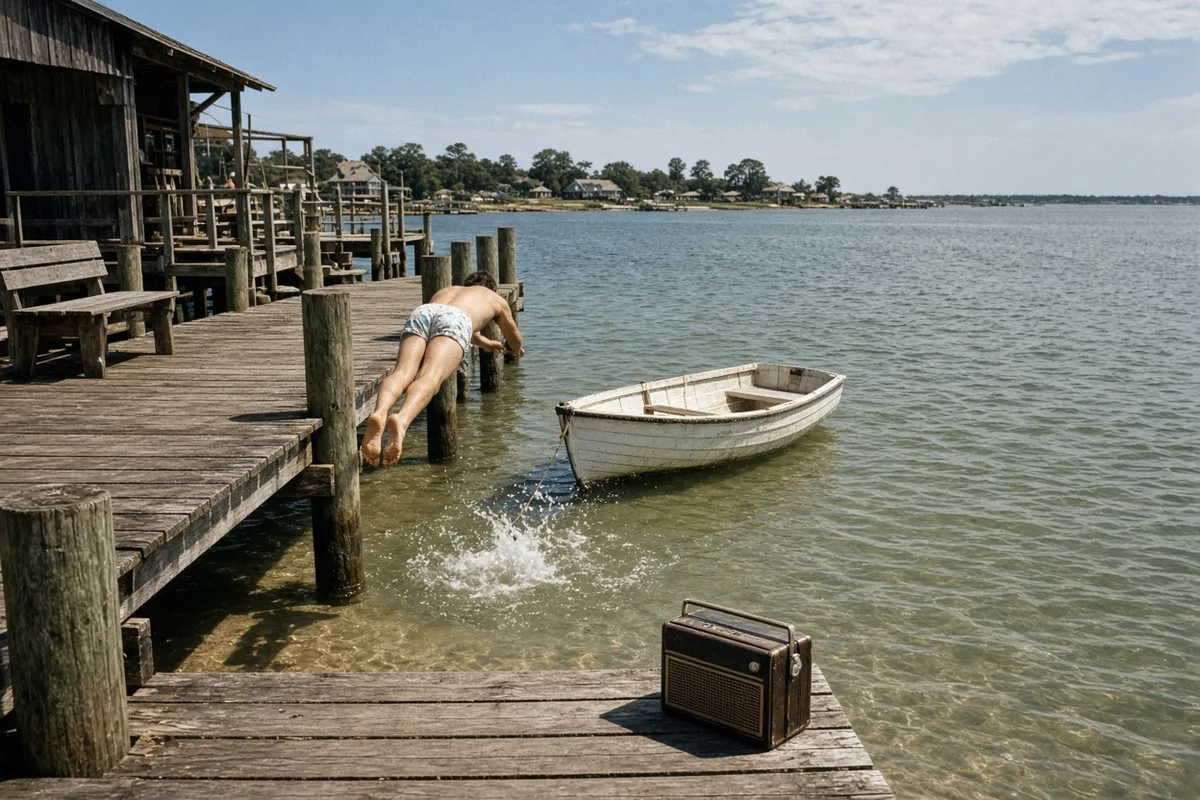
The call came while we were packing the van for the overnight at the lake. I picked up the receiver in the lodge kitchen and heard Joni’s sister on the other end, her voice thin and breaking over the line from the pay phone at the beach. A dive gone wrong, shallow water, no movement below the neck. I dropped the sleeping bag I was holding and drove straight to the hospital in Baltimore without stopping for gas.
The emergency room smelled of salt and antiseptic. Joni lay strapped to a board, eyes open but unfocused, the sheet pulled to her chin. Doctors spoke in low voices about the fracture at the fourth and fifth cervical vertebrae. We waited in the hallway for hours while they moved her upstairs. No one told us how long the paralysis would last.
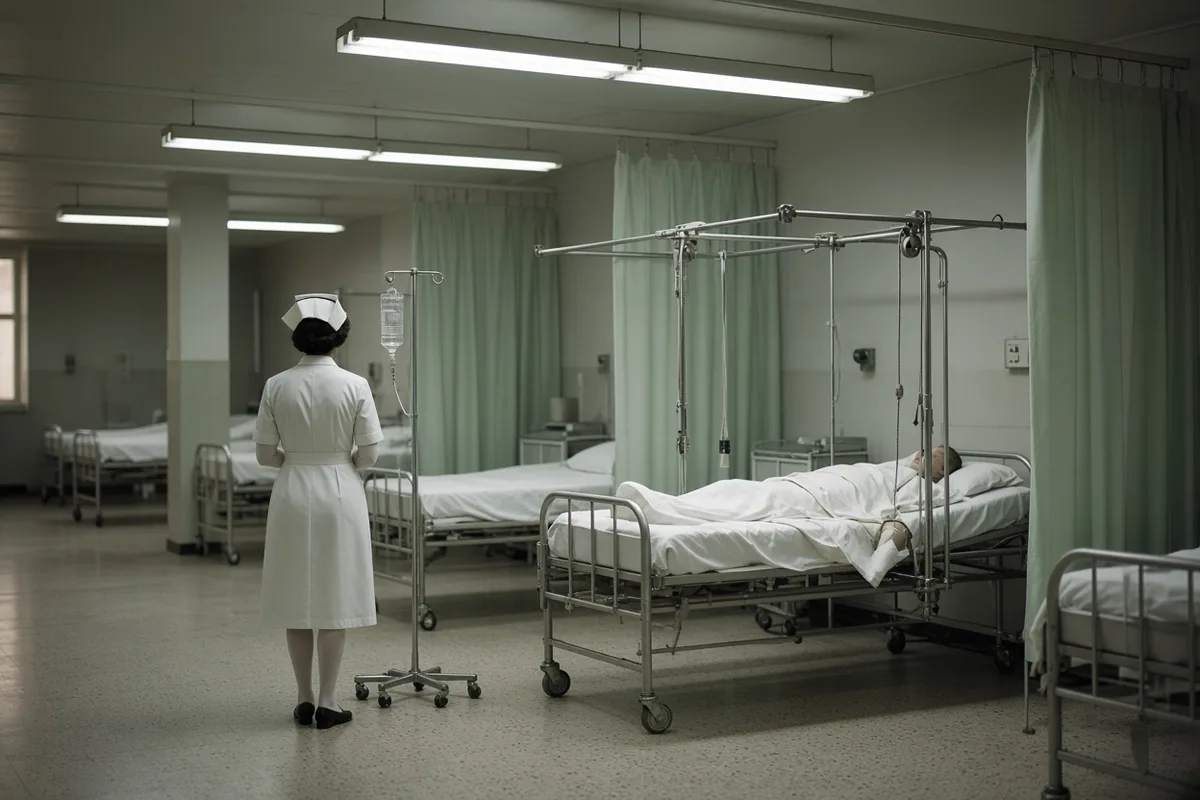
Rehab started two weeks later. The ward was long and bright, rows of beds with pulleys and sandbags. Joni hated the traction. She asked the nurses to loosen the straps so she could roll over, then cried when they refused. At night the monitors beeped steadily and she stared at the ceiling tiles.
I visited on weekends with the other Young Life kids. We brought records and played them on a small turntable beside the bed. She asked us to turn the volume down after the first song. The noise made her head hurt. We sat quietly instead, watching the afternoon light move across the floor.
Months passed. She learned to hold a pencil between her teeth and sketch the view from the window. The drawings showed the parking lot and the chain-link fence. She tore most of them up before we could take them home. One afternoon she asked if we still went to the beach. None of us answered.
She tried everything the Bible verses seemed to promise. Oil was rubbed on her forehead by visiting elders. She confessed every sin she could name over the phone to friends. We drove her to the Kathryn Kuhlman meeting in a borrowed station wagon. The ballroom held thousands. Spotlights swept the crowd while testimonies echoed from the stage. Our group sat in the wheelchair section near the back. The light never reached us. Ushers cleared the row early so the aisles would stay clear. We waited at the elevator in silence, the wheels of the chairs lined up like parked cars.
On the ride home she said the spotlight was not the point. She said it quietly, almost to herself. After that the requests for healing stopped.
The depression came in waves that lasted whole seasons. She rammed the new power chair into the walls of her room until the plaster cracked. Some nights we found empty bottles under the bed. We stopped bringing the records. Instead we read Scripture out loud, the same passages again and again, until the words stopped sounding like instructions and started sounding like company.
One winter evening the four of us loaded her chair into the van and drove into Baltimore. The railway station was nearly empty at eleven. Marble floors echoed when we sang. Our voices rose into the vaulted ceiling and came back multiplied. A guard appeared and told us to leave. He pointed at the chair and ordered her to put it back where she found it. She told him it was hers. He stared, then walked away without another word. On the drive home one of the guys knelt beside the chair in the driveway and thanked her for claiming it out loud.
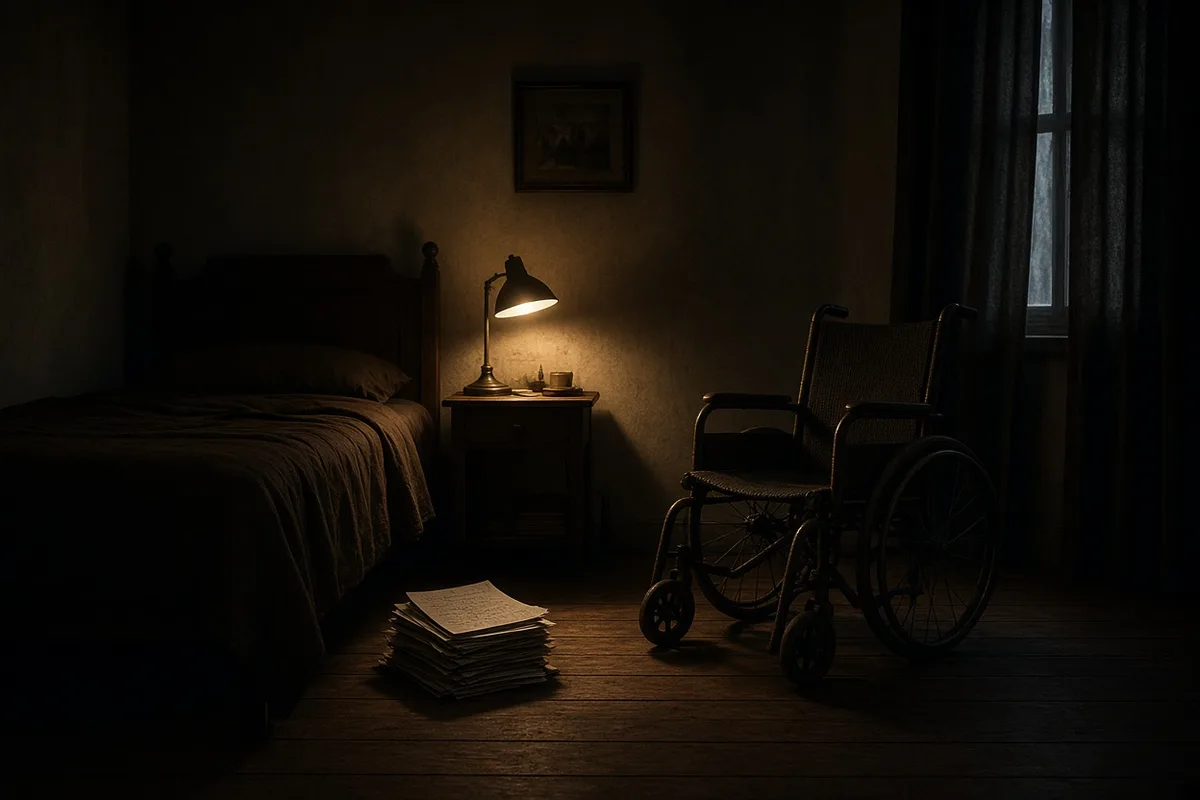
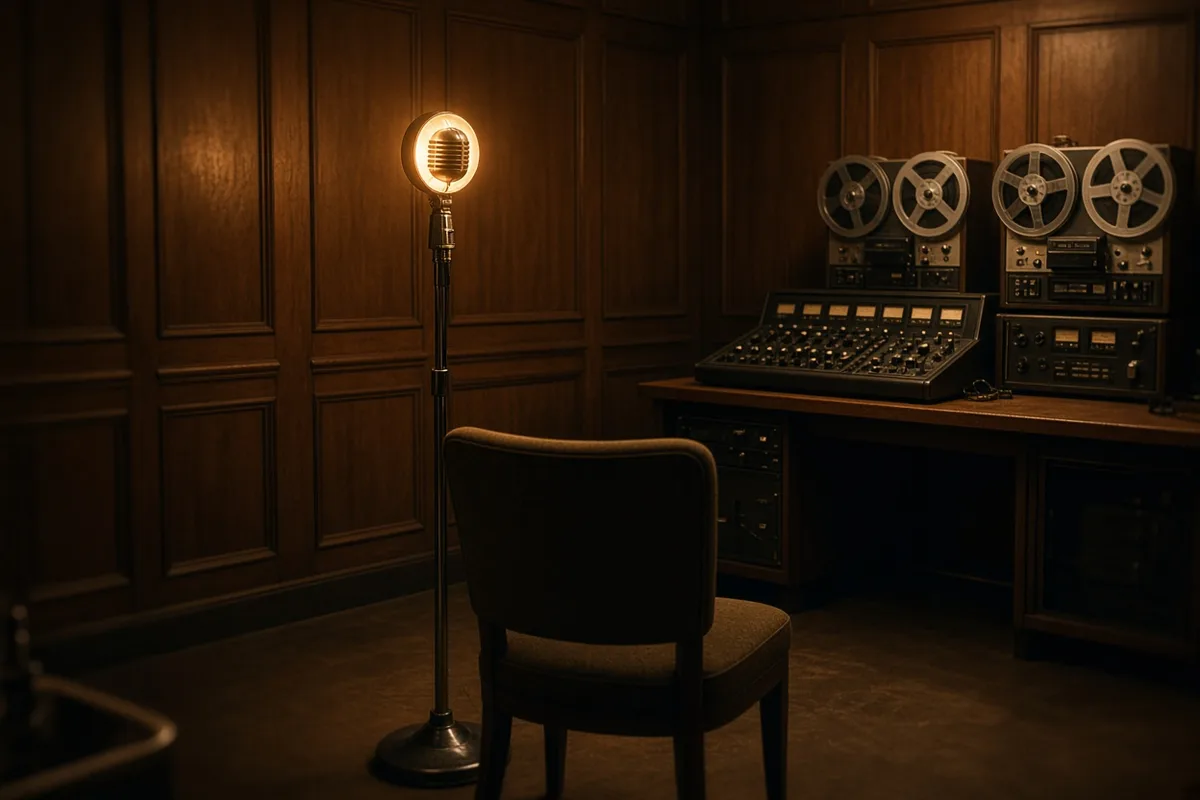
Years later the ministry began in a spare bedroom with a telephone and a stack of letters. She answered each one by speaking into a recorder, then mailed the tapes. The answers grew longer. People wrote back from other hospitals, other wheelchairs. She kept a list of their names on the wall above the desk.
Now the letters still come. She sits at the same desk, the one with the gooseneck lamp, and writes to a seventeen-year-old boy who broke his neck body-surfing. The page in front of her is already half full when she stops and looks out the window at the trees. The pen rests between her teeth. Outside the light is fading, and the room holds the quiet of someone who has learned how long a single day can be.
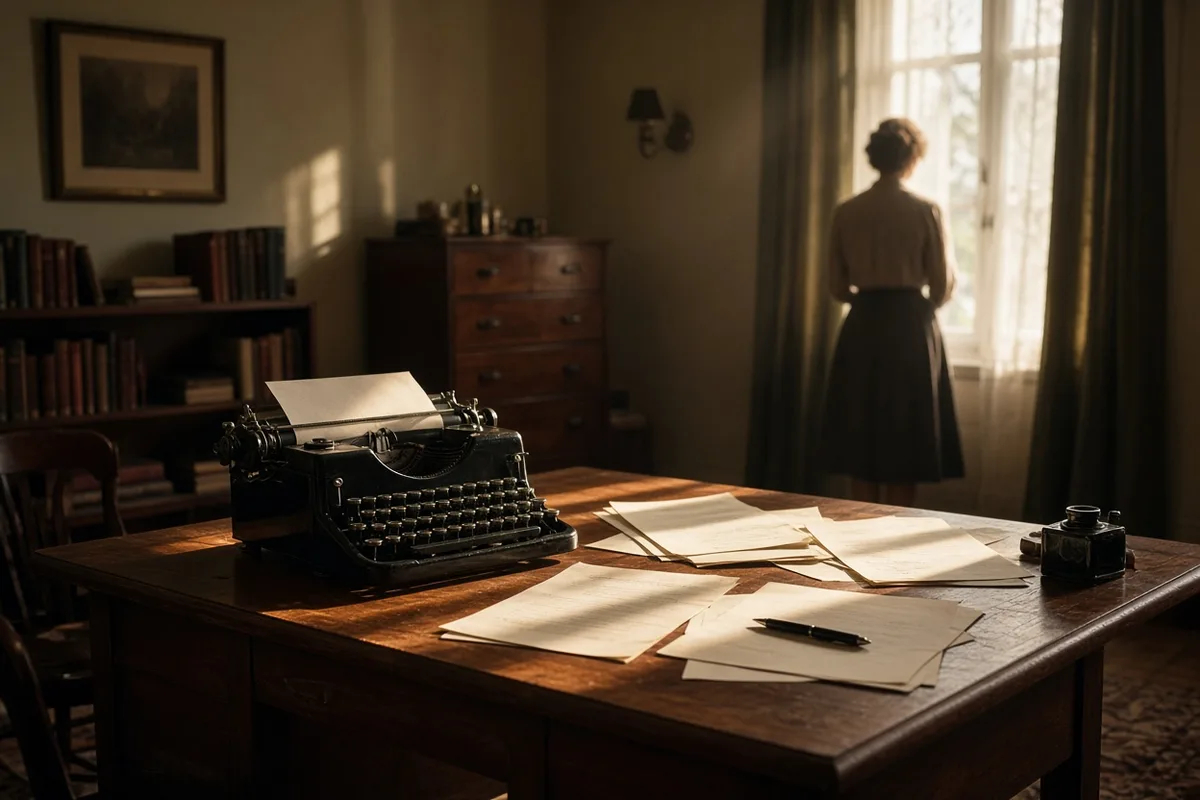
She bit down on the pen again and finished the sentence to the seventeen-year-old, telling him the name of the nurse who had first adjusted his ventilator settings at the trauma unit in Ocean City and the exact date his parents had driven from Pennsylvania to sit beside the bed. The letter left the house the next morning in a manila envelope addressed in the same block capitals she had used since 1974, when the first stack of mail arrived from readers of her drawings in the Baltimore hospital newsletter. By 1976 the autobiography she dictated into a reel-to-reel recorder had been transcribed by her sister Jay and published under the title Joni, with the first printing of five thousand copies selling out in six weeks through Word Books in Waco, Texas. She recorded the follow-up tapes for the ministry from the same bedroom desk, now moved to a rented house on the edge of Woodland Hills, California, where the telephone log for October 1979 showed forty-three calls answered in a single day, each one logged by time, first name, and injury level on a yellow legal pad that still sits in the bottom drawer.
Ken Tada first appeared at the desk in the spring of 1981 when he came to repair the gooseneck lamp after a power surge. He returned the following Tuesday with a new bulb and stayed through the evening while she dictated the chapter on chronic pain for the book that became A Step Further. They married on the third of July 1982 at Grace Community Church in Sun Valley, with four hundred guests and a reception line that stretched past the choir loft; the marriage license, recorded in Los Angeles County, lists her occupation as “author and speaker” and his as “high-school teacher.” The couple moved into a single-story house in Agoura Hills where the garage was widened to sixteen feet to accommodate the modified van purchased with royalties from the second printing of Joni. On the kitchen wall she kept a new list, this one of airline flight numbers and hotel confirmation codes for the forty-three cities she visited in 1984 alone, including the three-night series at Moody Bible Institute where the auditorium held twenty-seven hundred people each evening and the offering taken for the fledgling Joni and Friends totaled eleven thousand four hundred dollars.
The ministry incorporated in 1985 with an initial board of seven members and a post-office box in North Hollywood that received 1,872 letters in its first twelve months. By 1990 the office had moved to a two-story building on Canoga Avenue and employed nineteen staff, among them the first full-time wheelchair mechanic who kept a parts inventory of three hundred and twelve individual items. Wheels for the World began in 1993 with a shipment of ninety refurbished chairs sent to Romania; the manifest listed the exact weight of each chair at thirty-eight pounds and the name of the Romanian contact, Pastor Mihai, who met the container at the port of Constanta. Over the next decade the program recorded 120,000 wheelchairs delivered to sixty-four countries, each chair tagged with a metal plate bearing the donor’s name and the verse Philippians 4:13 that Joni had chosen after the 1988 trip to Kenya where she first saw the need for pediatric sizes.
In 2003 she underwent a mastectomy at UCLA Medical Center on the twelfth of June, followed by six rounds of chemotherapy that ended on the twenty-second of October; the surgeon’s operative report noted clear margins and the oncology chart recorded her weight dropping from 112 to 98 pounds. She resumed dictation for the book The God I Love six weeks after the final treatment, speaking into the same recorder she had used since 1972. The manuscript was delivered to Zondervan on the fourth of March 2004. Two years later, on the tenth of September 2006, she testified before the Senate Subcommittee on Disability in Washington, reading from prepared notes that listed the number of Americans living with spinal-cord injuries as 250,000 and the average yearly cost of care at $250,000 for the first year after injury. The transcript of that hearing is filed under Senate Hearing 109-876.
The desk in the current house in Calabasas still holds the gooseneck lamp and the stack of incoming letters, now sorted by the staff member who opens mail each morning at eight. On a recent afternoon she dictated responses to seventeen new correspondents, including a woman in Brisbane whose injury date was listed as the fourteenth of March 2021 and a teenager in Lagos whose parents had written on lined notebook paper. The last letter of the day was addressed to the family of a boy who had died two weeks earlier in a rehabilitation center in Colorado Springs; she recorded the message at 4:17 p.m., her voice steady as she spoke the boy’s full name and the room number where he had spent his final days. When the recorder clicked off she looked at the trees beyond the window, the same hour when the light begins to leave the room, and reached for the next envelope in the pile.
She pulled the next envelope from the stack and read the return address printed in the upper left corner, a postmark from the correctional facility in Huntsville, Texas, dated the twenty-ninth of April 2022. Inside the folded sheet a man named Robert Ellis described the fall from the prison catwalk that left him with a T-12 fracture and asked for the address of the nearest Joni and Friends family retreat in his region. She spoke his name and inmate number into the recorder at 4:22 p.m., then added the exact date of the 2018 retreat held at the Billy Graham Training Center in Asheville where forty-two participants had registered under the same injury-level coding system still used on the intake forms.
In the spring of 2014 the ministry opened the first of its international field offices in a rented suite on the sixth floor of a building on Oxford Street in London, with a staff of four that included a former Royal Air Force medic named Dr. Helen Fraser who logged 214 calls in the first quarter from families seeking equipment grants. The office forwarded its quarterly reports to the Canoga Avenue headquarters where the data entry clerk entered each wheelchair request into a database that by December 2017 contained 47,892 active files, each tagged with the donor church name and the serial number stamped on the frame during refurbishment at the Chatsworth warehouse.
Ken Tada retired from teaching in June 2016 after thirty-four years at Chatsworth High School, the same month Joni completed dictation for the manuscript of Beside Bethesda, which Zondervan released the following March with an initial print run of 35,000 copies that included an appendix listing the twenty-three Senate and House bills she had referenced in earlier testimony. On the tenth of October 2019 she addressed the annual meeting of the American Academy of Physical Medicine and Rehabilitation in San Antonio, reading from notes that cited the 2018 National Spinal Cord Injury Statistical Center report of 17,810 new injuries per year and the average age at injury of forty-three.
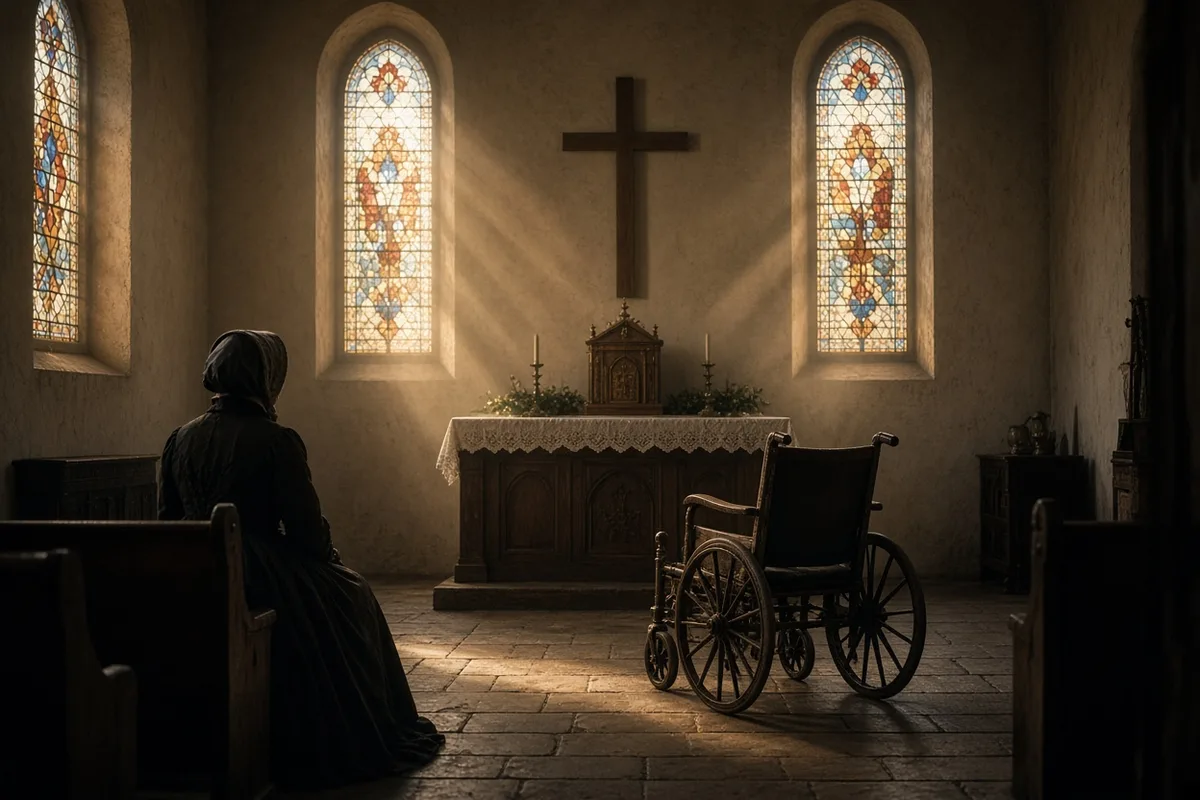
During the first week of March 2020 the Calabasas office shifted to remote dictation after the county health order closed the building; staff mailed 612 recorder tapes that month instead of the usual 480, each one labeled with the correspondent’s first name, city, and the verse reference Joni selected for that week’s response. The 2021 Wheels for the World shipment to Ukraine contained 412 chairs loaded into two forty-foot containers that cleared customs at the port of Odessa on the fourteenth of June, with the manifest signed by field director Viktor Petrenko who later reported that 309 of the chairs reached hospitals in the Donetsk region before the following winter.
On the twenty-second of February 2023 she sat for the MRI at Cedars-Sinai that confirmed the progression of the degenerative changes first noted in the 2003 operative report, yet the same afternoon she dictated the introduction for the updated edition of Joni, adding a paragraph that named the original 1976 editor at Word Books and the exact page count of the first hardcover. The ministry’s 2024 budget, approved by the board on the eighth of November, allocated $2.4 million to the international family camp program, which hosted 1,876 participants across twelve sites including the newly opened facility near Lake Bled in Slovenia where the accessible dock was installed in May of that year.
The gooseneck lamp stayed lit past seven that evening while she finished the final tape for the family in Colorado Springs, speaking the boy’s name once more before the recorder stopped. Ken entered the room at 7:14 p.m. carrying the mail that had arrived after the staff member left and placed it on the corner of the desk without speaking. She reached for the top envelope, turned it over to check the postmark, and held the pen steady between her teeth as the last light left the trees outside the window.