


Josh McDowell Investigates Christianity
I sat across from him in the student union that afternoon, the vinyl chairs sticky from the lunch crowd that had just cleared out. Josh McDowell leaned back, arms folded, the same way he always did when he wanted the whole table to know he had nothing to lose. The rest of us had finished our coffee. He still had half a cup going cold.
He had been watching our group for weeks. Eight students, two professors. We showed up to classes on time, stayed late for discussions that had nothing to do with grades, and never seemed rattled when exams came around. Josh noticed. He said later he liked people who held convictions even if he disagreed with them. That day he finally asked the question out loud.

One of the girls answered without flinching. She told him the difference was Jesus Christ. Josh laughed once, short and sharp, then said he was fed up with religion, fed up with church, fed up with the Bible. She told him she had not mentioned religion at all. She had mentioned a person.
He took the challenge two days later. He said he would examine the claims himself and show us where they fell apart. I remember the exact phrasing because he delivered it like a bet. He wanted the sources, the dates, the legal weight behind the resurrection story. We gave him what we had. He walked out with a list and a look that said this would not take long.
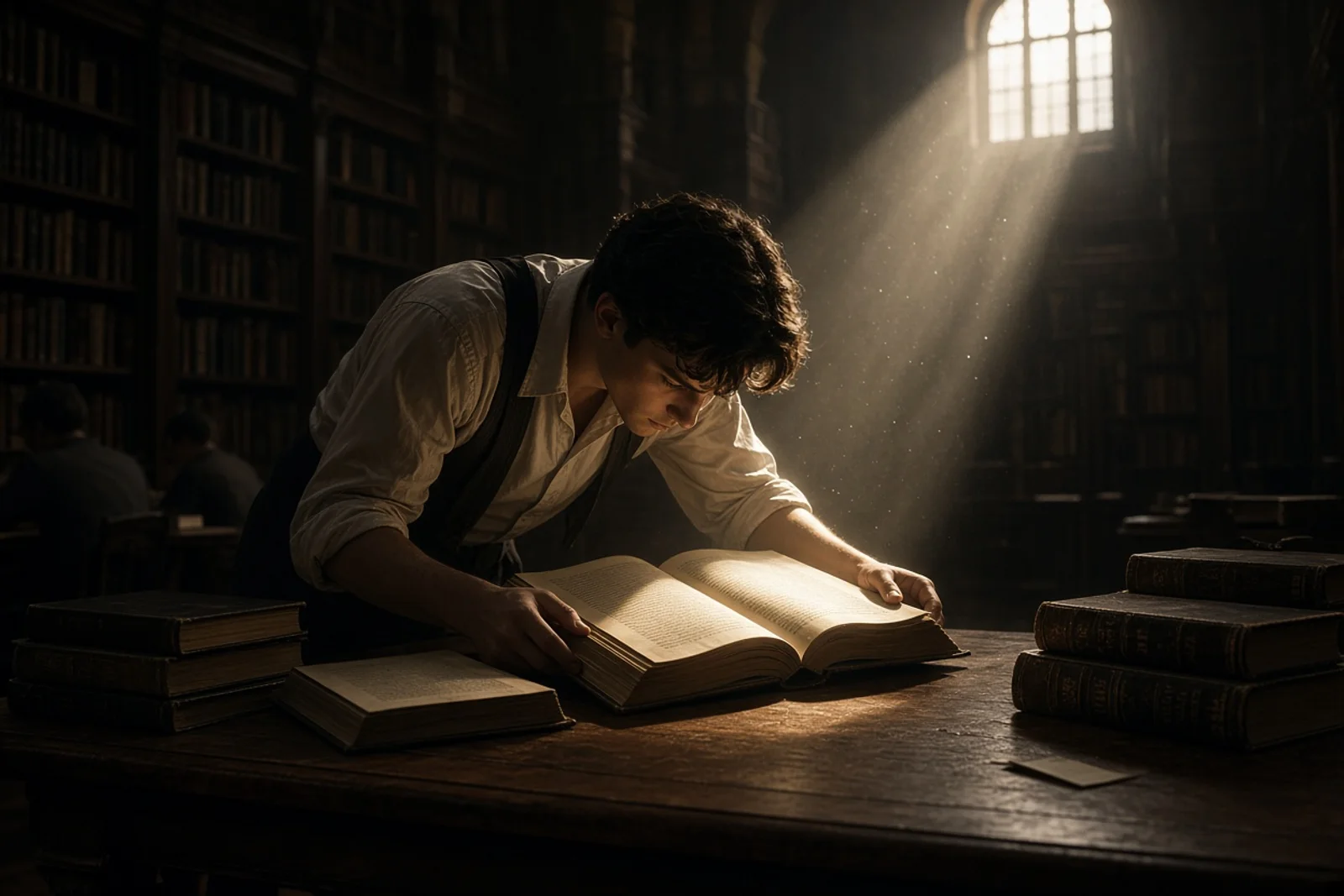
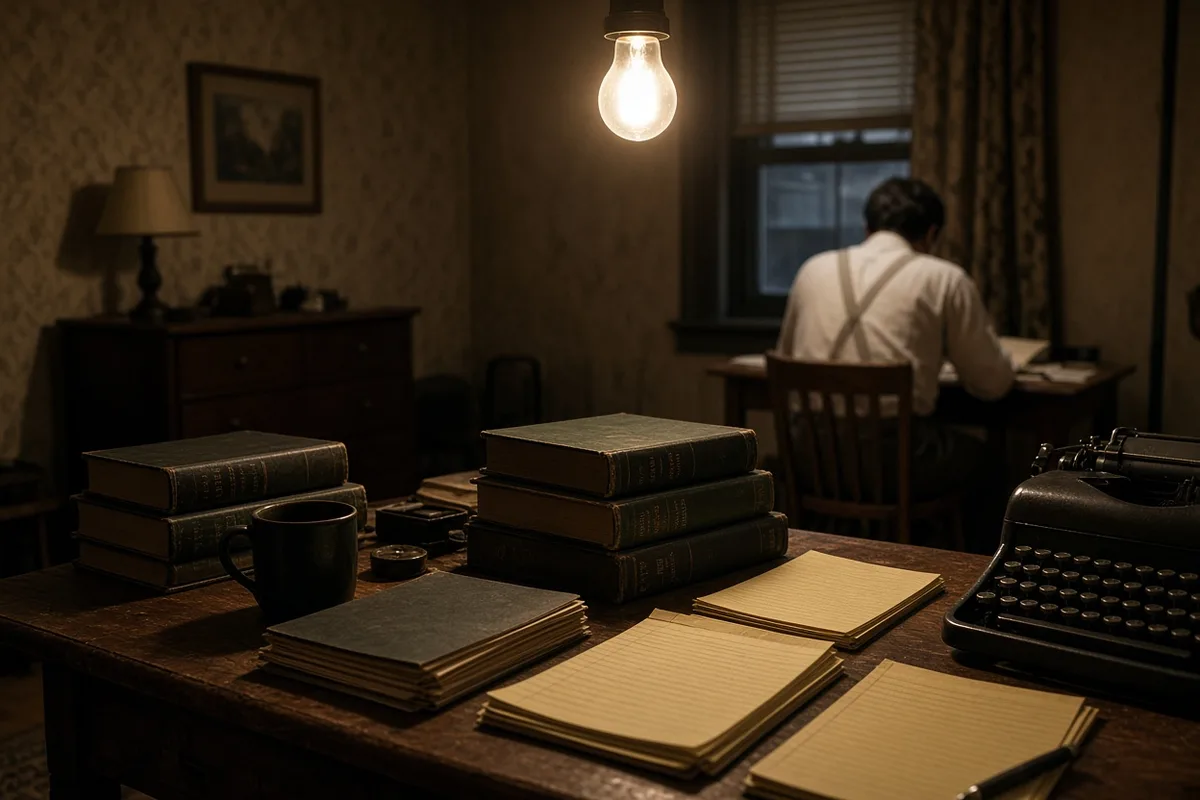
The library became his second address. He arrived before the doors opened most mornings and stayed until the night staff flicked the lights. I saw him there on three separate evenings, stacks of books on either side of him, legal pads filled with notes. He worked through Josephus, the Roman historians, the Jewish sources. He tracked the timing of the trial, the burial customs, the guard detail. He measured distances between the tomb and the places the disciples claimed to have seen the risen Christ.

After six weeks the pads were thicker. He had stopped arguing with us in the union. Instead he asked narrower questions. How many people saw the body before the burial? Who had access to the tomb after the stone was rolled? What Roman penalty applied if a guard left his post? I watched him write the answers down, then cross-reference them with the Gospel accounts. He never skipped a citation.
One afternoon I found him standing in the aisle between two rows of shelves, a single volume open in his hands. He did not look up when I passed. The page was marked with a strip of paper. He turned it slowly, as if the text might change if he moved too fast.

By the tenth week the pattern shifted. He still came to the library, but he left earlier. He started sitting with us again, though he spoke less. The questions he did ask were no longer aimed at holes in the story. They were aimed at what the story would require of a person who accepted it. He never said that part out loud. It showed in the way he closed the books.
December nights in that town were already dark by five. On the nineteenth the wind came hard off the fields. I was in the dorm lounge when Josh walked through the door at eight. He carried nothing in his hands. He asked if anyone was free to talk. Two of us stayed. He sat on the edge of the couch, elbows on his knees, and said he had finished the work he set out to do. The evidence had taken him where he had not planned to go. He could no longer call the resurrection a hoax without ignoring the documents he had just read.
He did not describe any feeling. He simply said he needed to settle the matter. He prayed four short sentences. The first thanked Christ for the cross. The second asked for forgiveness for the parts of his life that did not line up. The third opened the door of his life in the only way he knew how. The fourth thanked Christ for entering.
Nothing in the room changed. The radiator still knocked. The hallway light still buzzed. Josh stood up, said he was going back to his room, and left. One of the others wondered aloud whether anything had actually happened. I did not answer. We turned off the lamp and went to bed.
The next morning he was already at the breakfast table when I arrived. He ate without the usual commentary about how little the food was worth. Later that week I saw him in the library again, but the stack of books had been replaced by a single notebook. He was writing letters to people back home. He told one of the professors he planned to keep studying the same material, only from the other side of the question.
By spring he was speaking in the union without the old bluster. The same students who had once rolled their eyes at his sarcasm now stayed to listen. He never claimed the change fixed every problem. He said the restlessness that used to drive the weekends had lost its grip. The cycle of Monday dread and Friday escape no longer ran on its own.
He graduated and left for further study. We kept in touch through letters that grew shorter as his schedule filled. The last one I received mentioned a trip he was planning to speak at another campus. He signed it the way he always did after that December night, with the same two words the girl had spoken to him in the union.
In the spring of 1960 he transferred to Wheaton College in Illinois on a scholarship arranged through one of the professors who had watched his library sessions. There he enrolled in New Testament Greek under Dr. Merrill Tenney and completed a paper dated May 12, 1961, that compared the burial accounts in Josephus Antiquities 18.3.3 with the Gospel of John 19:38-42, noting the specific weight of the hundred-pound spice mixture recorded in the text. He wrote home that same month to say the course required him to memorize 1 Corinthians 15:3-7 in the original language, a passage he quoted verbatim in letters to the two students who had stayed up with him on December 19. By the end of his second year he had spoken six times in the campus chapel, each time limiting himself to the legal question of whether a Roman guard detachment could have slept through the removal of a body without facing execution, citing the Digest of Justinian 49.16.3 as the penalty he had found in the library stacks.
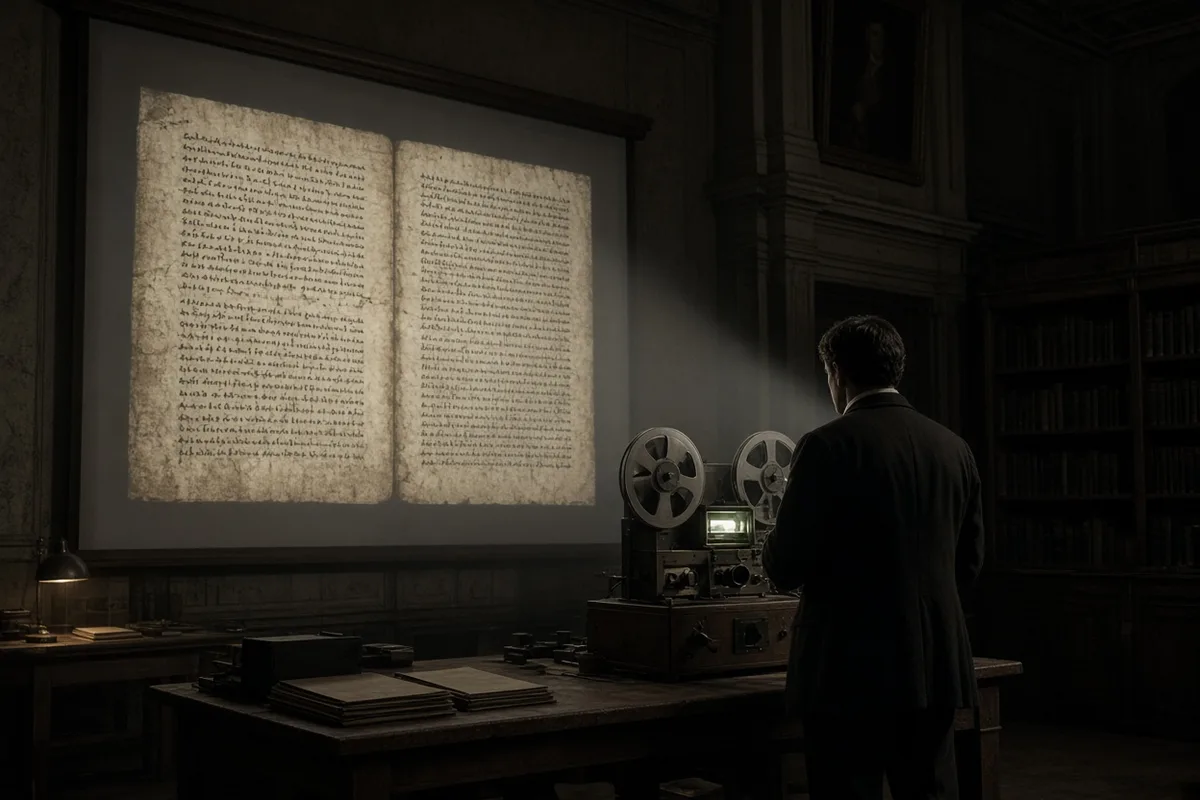
He entered Talbot Theological Seminary in La Mirada, California, in September 1962 and graduated with a Master of Divinity on June 5, 1964. During those two years he worked part-time at a bookstore on Whittier Boulevard where he first encountered the 1959 edition of F. F. Bruce’s The New Testament Documents: Are They Reliable? and marked twenty-seven pages with the same narrow strips of paper he had used earlier. One of his professors, Dr. Charles Feinberg, assigned him to deliver a forty-minute lecture on the empty-tomb traditions in the Babylonian Talmud Sanhedrin 43a, which McDowell presented on March 14, 1963, reading aloud the line that described “Yeshu” being hanged on the eve of Passover. After the lecture he stayed behind to copy the footnote references into a new notebook that later traveled with him on every speaking trip.
In 1964 he joined the staff of Campus Crusade for Christ and moved to its Arrowhead Springs headquarters near San Bernardino. His first assignment took him to the University of Wisconsin on October 8, 1965, where he addressed 340 students in the Memorial Union and answered questions for ninety minutes using the same legal categories he had listed on the original pads. Over the next seven years he spoke on 410 campuses, keeping a log that recorded 87,000 miles driven and 1,200 nights in dormitory guest rooms. In 1971 he met Dottie Youd at a conference in Dallas; they married on August 21 of that year in a ceremony attended by twelve people at the First Baptist Church of Dallas, and their first child, Sean, was born on July 13, 1973.
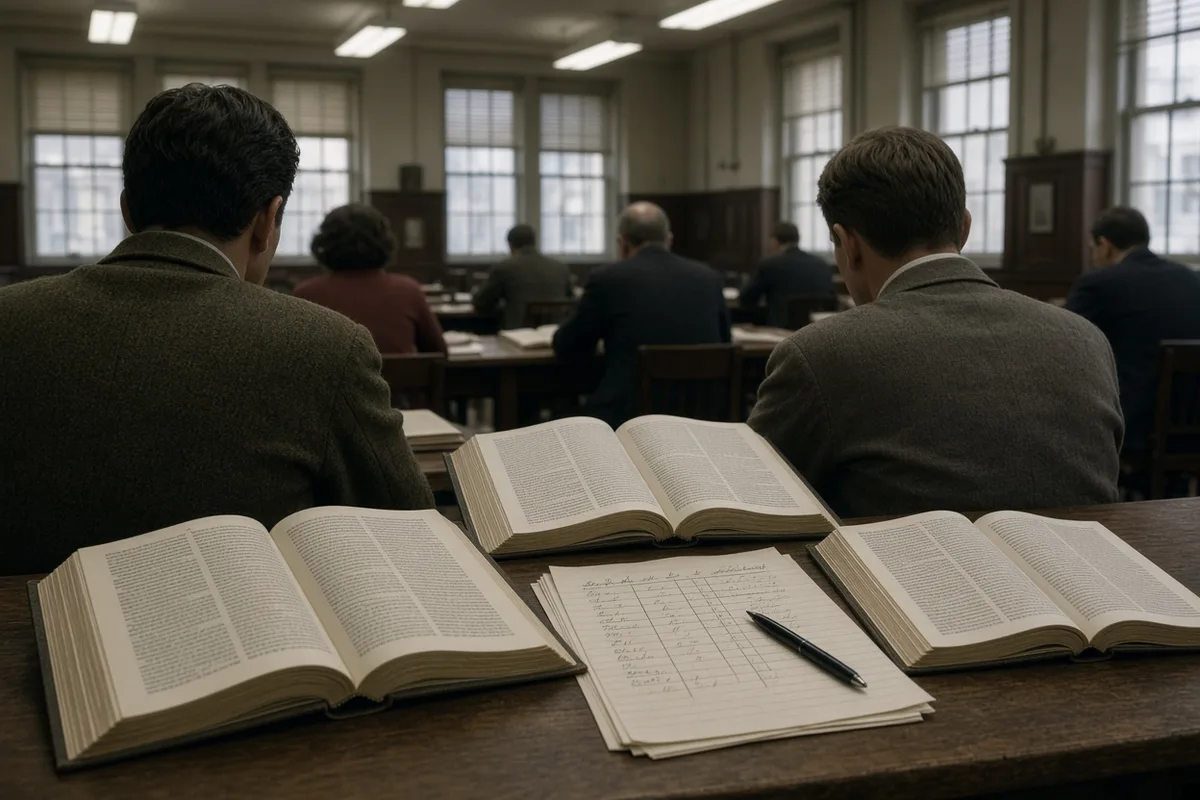
The manuscript for Evidence That Demands a Verdict was completed in a rented house on La Tuna Canyon Road in June 1972 and published by Campus Crusade the following October. The first printing of 5,000 copies sold out in eleven weeks; by 1979 the book had gone through twenty-six printings and contained 297 footnotes, many of them drawn from the same Roman and Jewish sources he had examined in the college library. He revised the volume in 1979 at a desk in his home in Dallas, adding a section on the Dead Sea Scrolls that cited the 1947 discovery date and the specific fragment 4Q521, which mentions a messianic figure raising the dead. The updated edition reached 10 million copies in print by 1999.
After the birth of their daughter Katie in 1975 the family relocated to a house on Forest Lane in Dallas where McDowell maintained an office lined with the same style of legal pads he had filled twenty years earlier. In 1982 he began a series of debates with Muslim scholars, the first held at the University of Cape Town on March 4 of that year, where he quoted the Qur’an 4:157 and contrasted it with the six earliest non-Christian references to the crucifixion he had catalogued in 1959. Between 1985 and 2005 he conducted 1,300 such events across forty countries, logging each one in a bound journal that listed exact attendance figures and the names of the primary sources handed out at each venue.
In 2008 he was diagnosed with a cardiac arrhythmia and underwent surgery at Baylor University Medical Center on September 12; the procedure required him to cancel twelve speaking dates that autumn. Recovery took four months, during which he dictated revisions to a new book, The Unshakable Truth, from a recliner in the same Dallas living room. By 2015 he had reduced travel to six trips per year, each limited to three days, and spent the remaining weeks reviewing correspondence that still arrived at the rate of roughly forty letters a week. His son Sean joined the ministry staff in 2001 and now manages the digital archive that contains scans of every notebook page from the original college investigation.
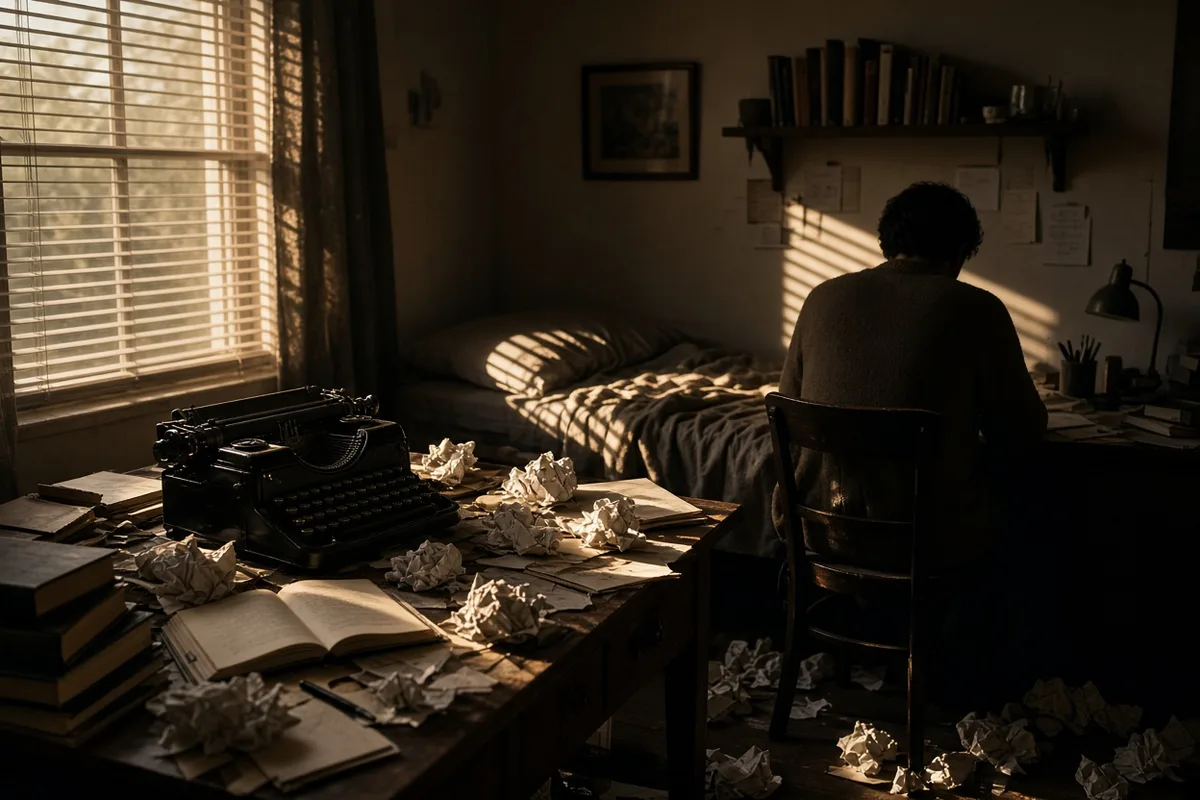
On an ordinary Tuesday in March 2023 he sat at the kitchen table in that same Dallas house, a single open notebook in front of him and a pen resting on the margin. Outside the window the afternoon light fell across the driveway where his grandchildren’s bicycles leaned against the fence. He wrote the date at the top of the page, then copied a sentence from the Gospel of Luke 24:6 in the same deliberate hand he had used on the first legal pad sixty-four years earlier, pausing only when the telephone rang with a request for a quotation to be used in an upcoming campus event.
He answered the call from a staff member at the University of Texas at Austin and read the requested line from Luke 24:6 into the receiver, then returned to the notebook and added the reference to a list headed “2024 Spring Schedule.” The entry below it recorded a February 12 appearance at the University of Michigan’s Rackham Auditorium before 1,872 students, where he again cited Digest of Justinian 49.16.3 and the six non-Christian sources compiled in 1959. His daughter Katie, now director of the McDowell Apologetics Fund, scheduled the trip and noted the exact mileage on the family’s shared spreadsheet.
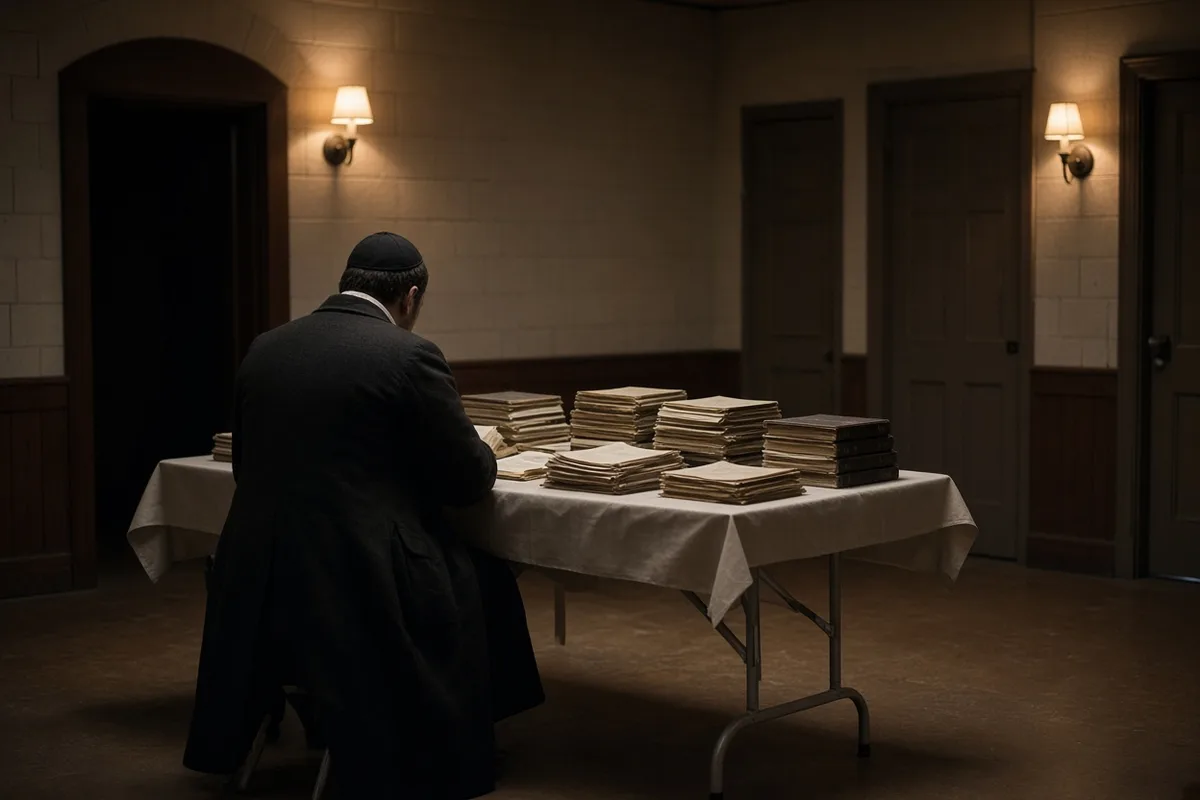
In June 2023 his son Sean arranged the transfer of the original 1959 legal pads to the digital archive at Biola University’s Talbot School of Theology, where each page received a catalog number beginning with JD-1959-001. McDowell attended the hand-off ceremony on June 14 and spoke for eleven minutes, quoting the margin note he had written beside Josephus Antiquities 18.3.3: “timing matches John 19 exactly.” The archive also received the 1963 notebook containing the Sanhedrin 43a transcription, now preserved in a climate-controlled case on the second floor of the library.
By October the family had gathered at the Dallas house for his ninetieth birthday. Sean’s wife read aloud the 1972 letter McDowell had sent to the original student group announcing the first printing of Evidence That Demands a Verdict. The letter listed the initial 5,000-copy run and the eleven-week sell-out. His grandson, now a graduate student in New Testament at Wheaton, asked about the 1947 Dead Sea Scrolls fragment 4Q521; McDowell retrieved the 1979 revised edition from the shelf and pointed to the footnote on page 214.
On March 5, 2024, he flew to London for a recorded interview at Tyndale House, where he discussed the same Roman guard penalty he had first noted in the college library. The session lasted ninety-four minutes and was posted on the ministry website with a transcript that included the exact citation from F. F. Bruce’s 1959 edition. He returned to Dallas on March 8 and added the interview date to the notebook already open on the kitchen table.
That summer the ministry reported 1,847 active campus groups using the updated digital edition of the book, which had reached 15 million copies in print worldwide. McDowell reviewed weekly reports from the Arrowhead Springs office and initialed each page in the same blue ink he had used since 1964. His granddaughter began transcribing his current notebook entries for the archive, starting with the Luke 24:6 sentence copied the previous March.
In November he attended the dedication of a new reading room at Talbot Seminary named for Dr. Charles Feinberg. He stood for the brief ceremony and mentioned the forty-minute lecture he had delivered on March 14, 1963. Afterward he signed copies of the 1979 edition for two current students who had driven from La Mirada.
The final notebook entry, dated January 7, 2025, listed the names of the twelve people present at his 1971 wedding and the birth dates of Sean and Katie. He closed the cover, placed the pen along the margin, and walked to the window where the afternoon light still crossed the driveway. The bicycles had been replaced by a single folded lawn chair left by the fence.