


Katherine Drexel Founds Schools for Native Americans
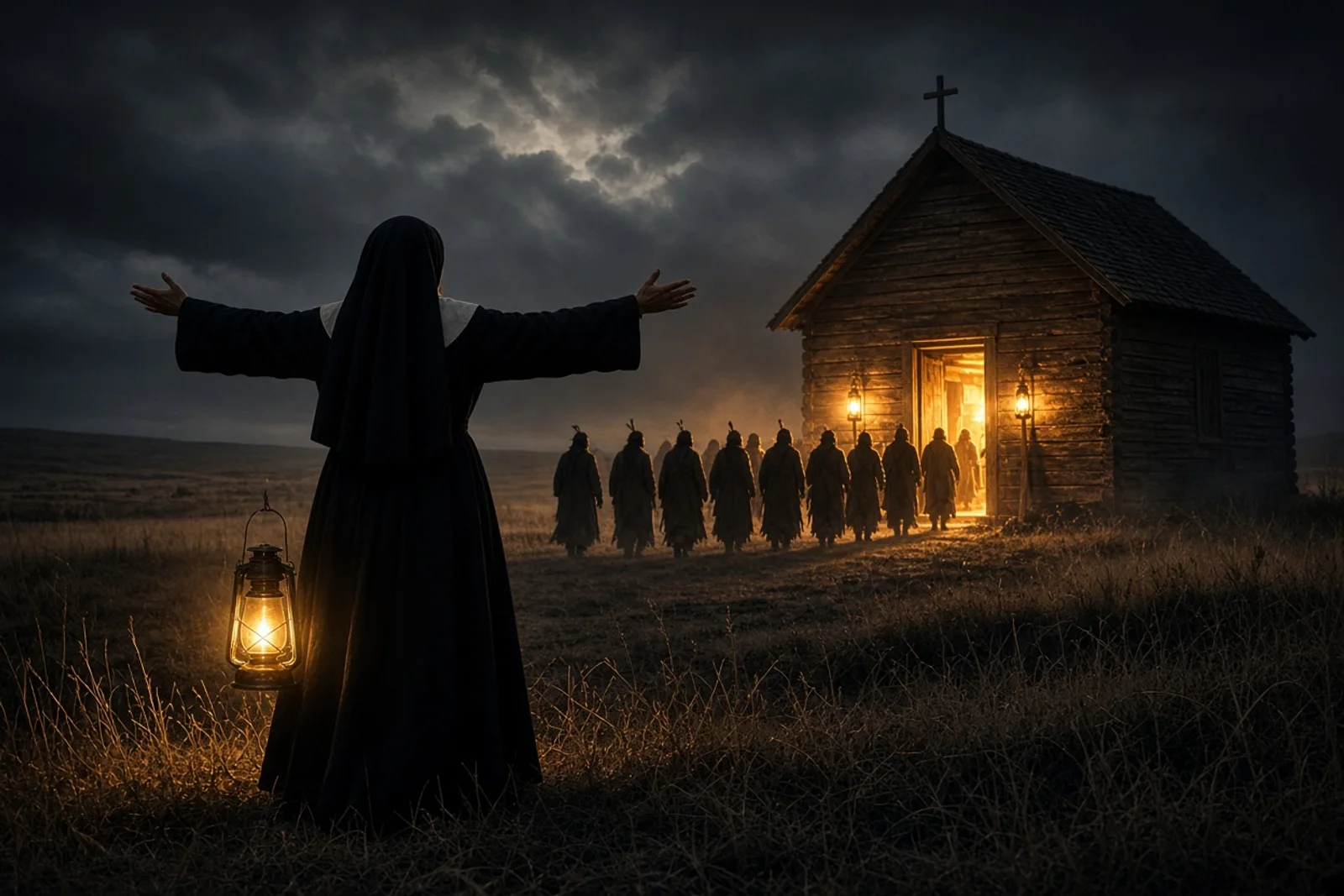
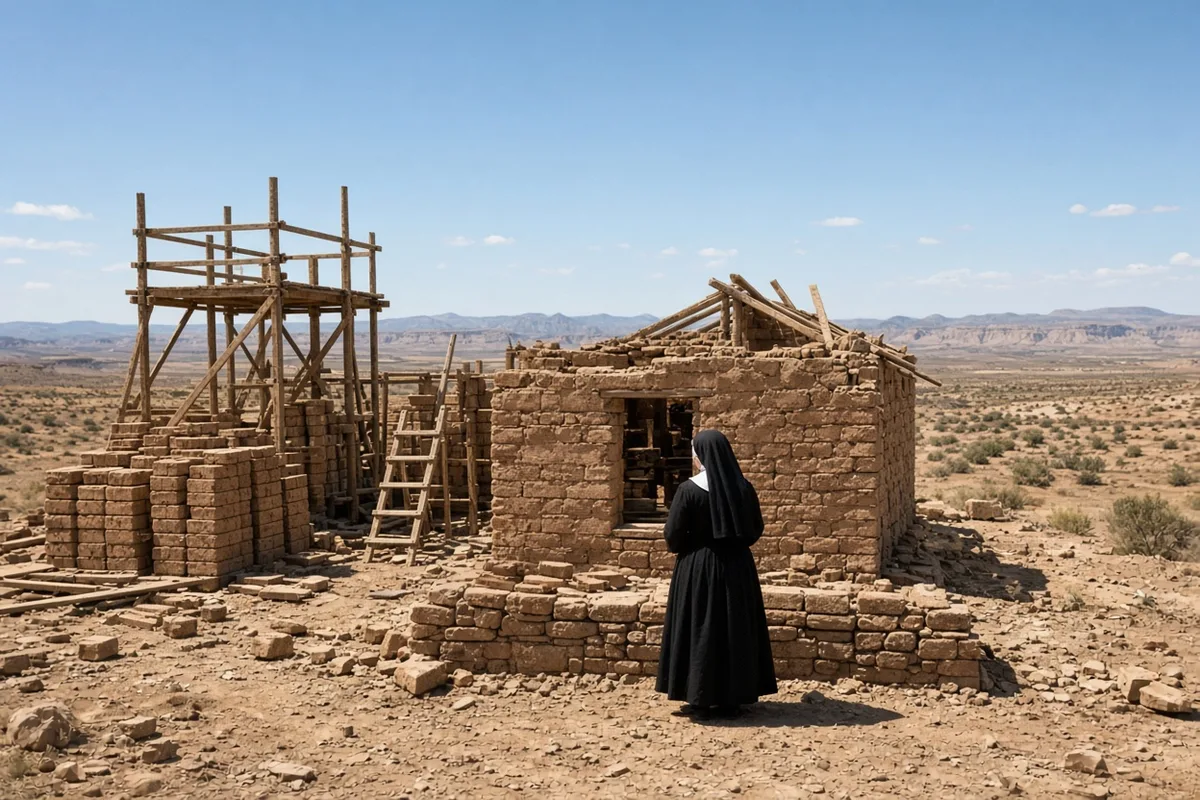
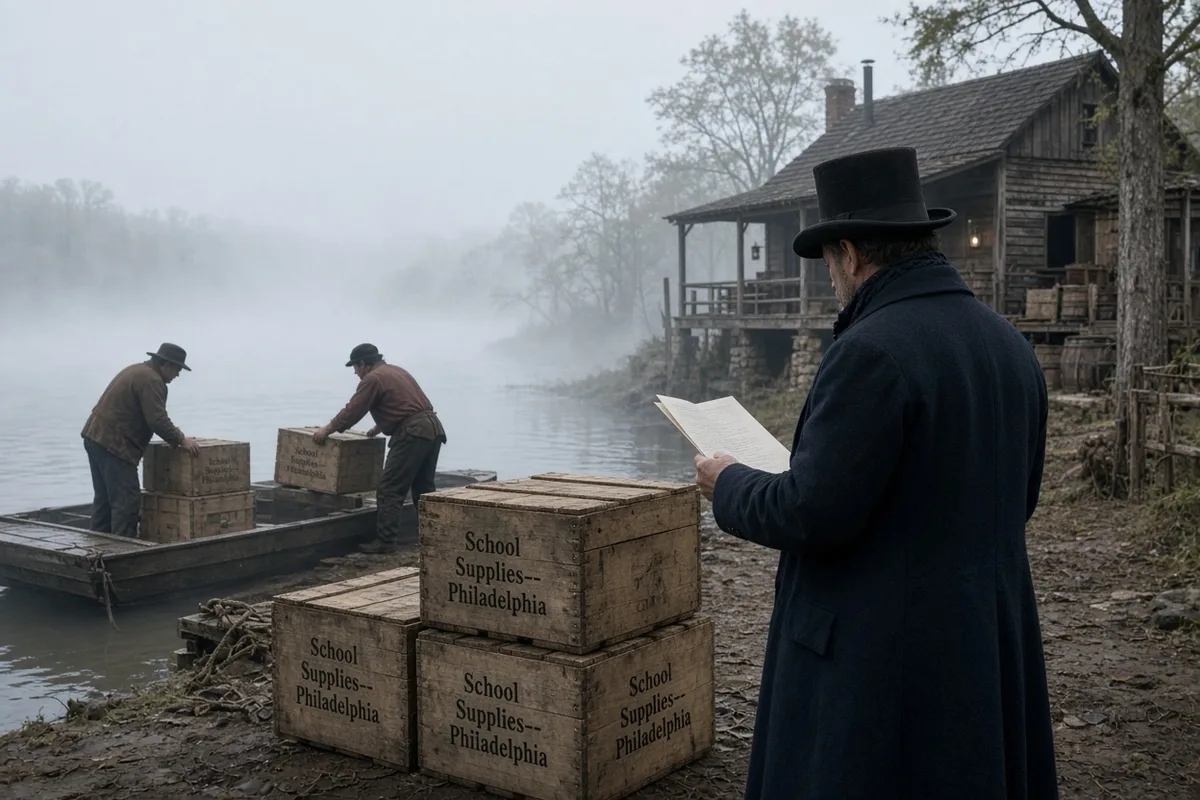
Dust rose from the wagon ruts as the crates slid to the ground. I steadied one marked “slates” and watched the adobe walls of the old mission house catch the late light. Katharine Drexel stood a few paces off, notebook open, counting each bundle herself. She wore a plain traveling coat and asked the driver the exact weight of the chalk boxes before she signed the receipt.
Word had reached us months earlier that a Philadelphia heiress meant to open a school for Pueblo children right here in Santa Fe. Most of us had heard such promises before. Supplies arrived, then the money stopped. This time the crates kept coming.

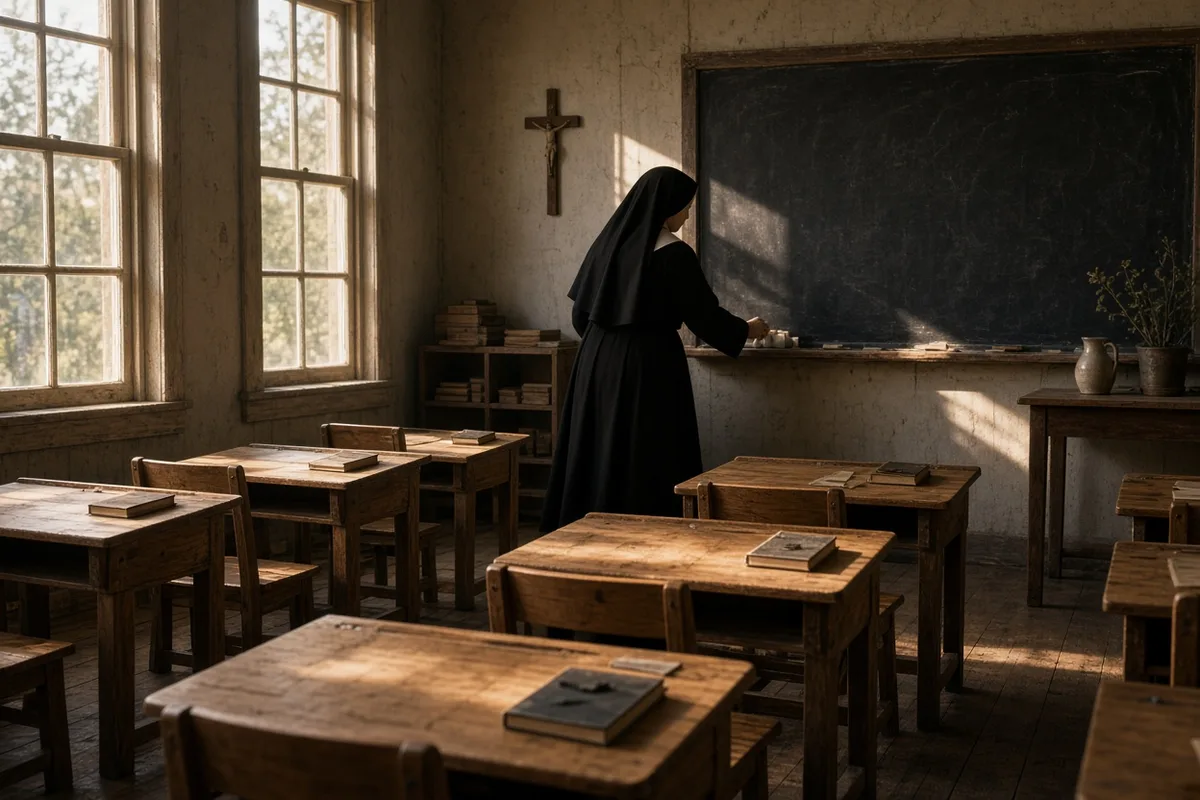
She walked the single room twice, measuring the distance from window to door with her own stride. Then she sent a telegram to her sister in the East asking for another two hundred dollars for benches. The answer came back the same day. The benches were ordered before supper.
Three weeks later four young women in plain black arrived on the afternoon stage. They carried their own trunks. Katharine met them at the edge of the plaza and led them straight to the mission house. By evening the first class list was posted on the door. Twenty names, all Pueblo, all under twelve.
I helped carry water from the acequia that first month. The sisters rose before light and scrubbed the floor twice because the children tracked in red dust. Katharine kept the accounts in a ledger she locked each night. She wrote every supplier herself, asking for lower freight rates and quoting the exact distance from the railhead.
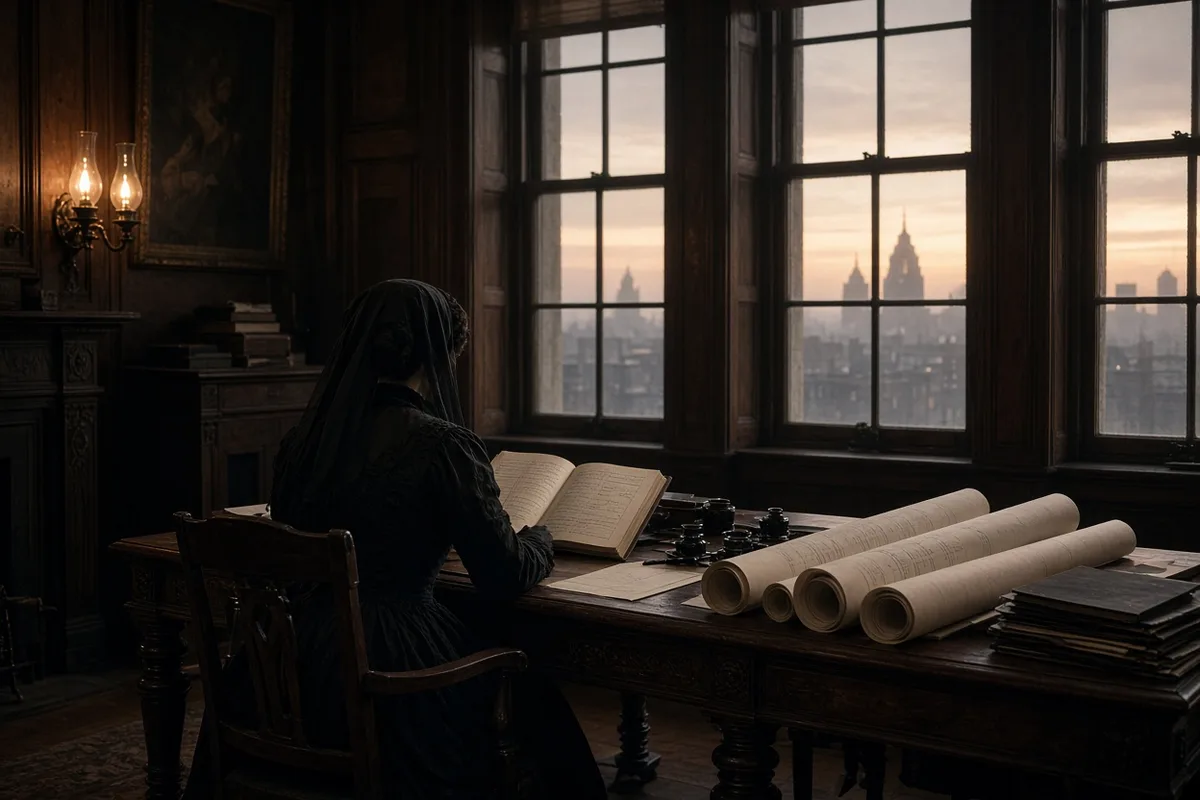
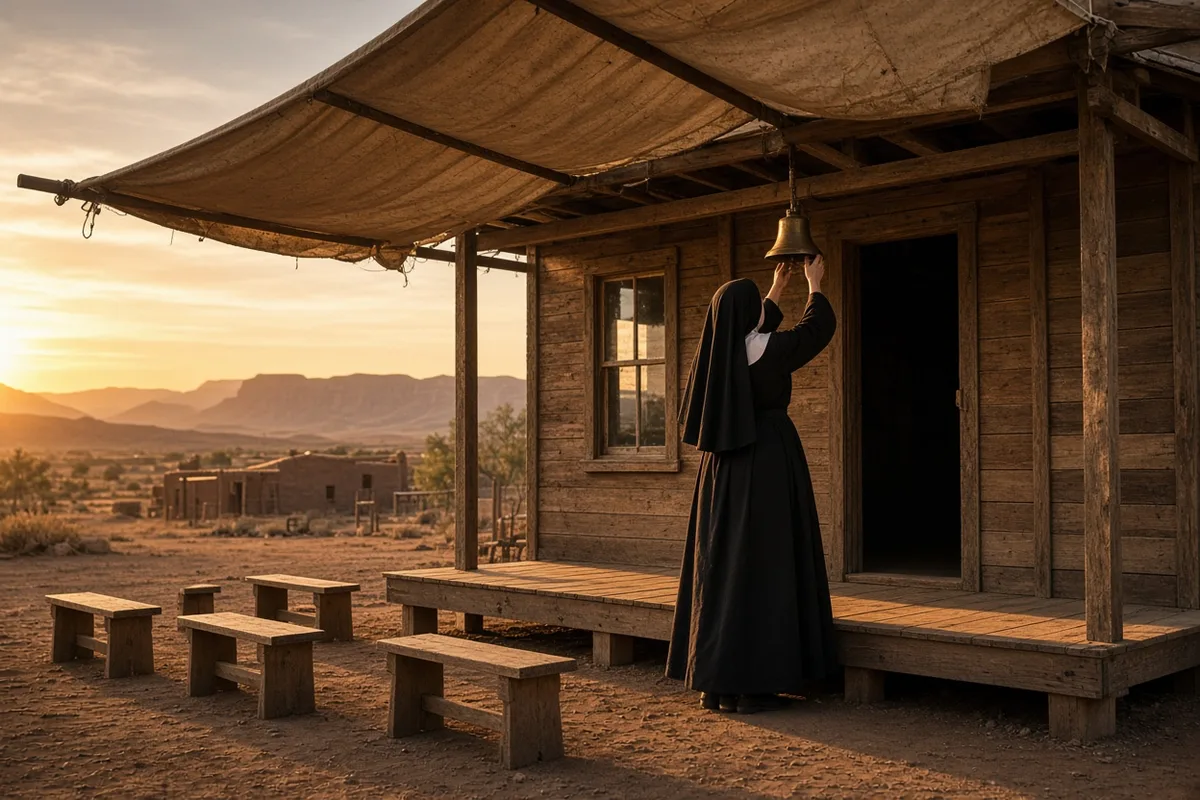
One afternoon she read a letter aloud to the sisters. It was from Rome. The Pope had told her to become the missionary herself. She folded the paper, placed it inside the ledger, and said only that Bishop O’Connor would advise her. The room stayed quiet until the bell rang for the children.
By the second year the enrollment reached sixty. Katharine paid the teacher salaries out of her own portion of the inheritance. She refused to draw interest on the principal, saying the money had already been lent once. When a federal agent offered to place the school under government contract she declined, keeping the daily schedule under her own hand.
I left Santa Fe for a season and returned in the spring of 1891. The sisters had moved into a larger building. Katharine was no longer signing as Miss Drexel. She had taken vows on February 12 and now signed Mother M. Katharine. The new congregation was called the Sisters of the Blessed Sacrament. Ten novices lived in the old family house near Philadelphia until the motherhouse at Cornwells Heights was finished.
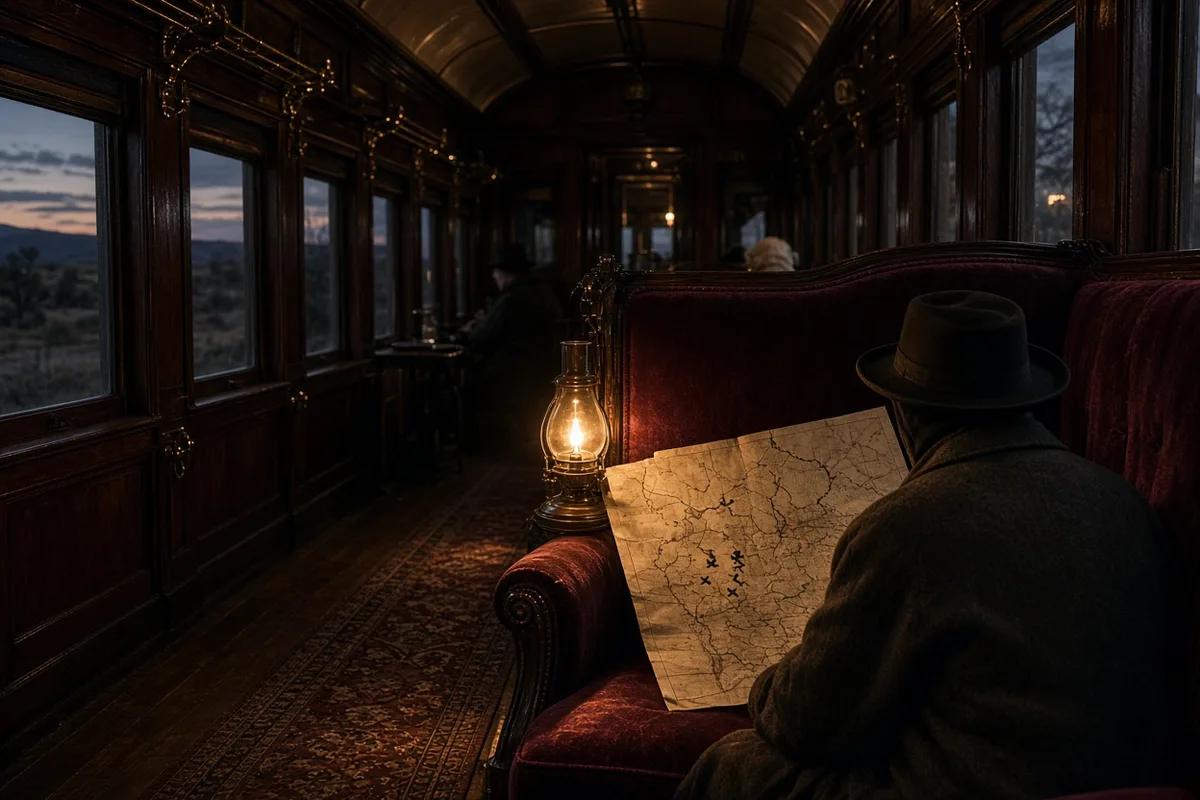
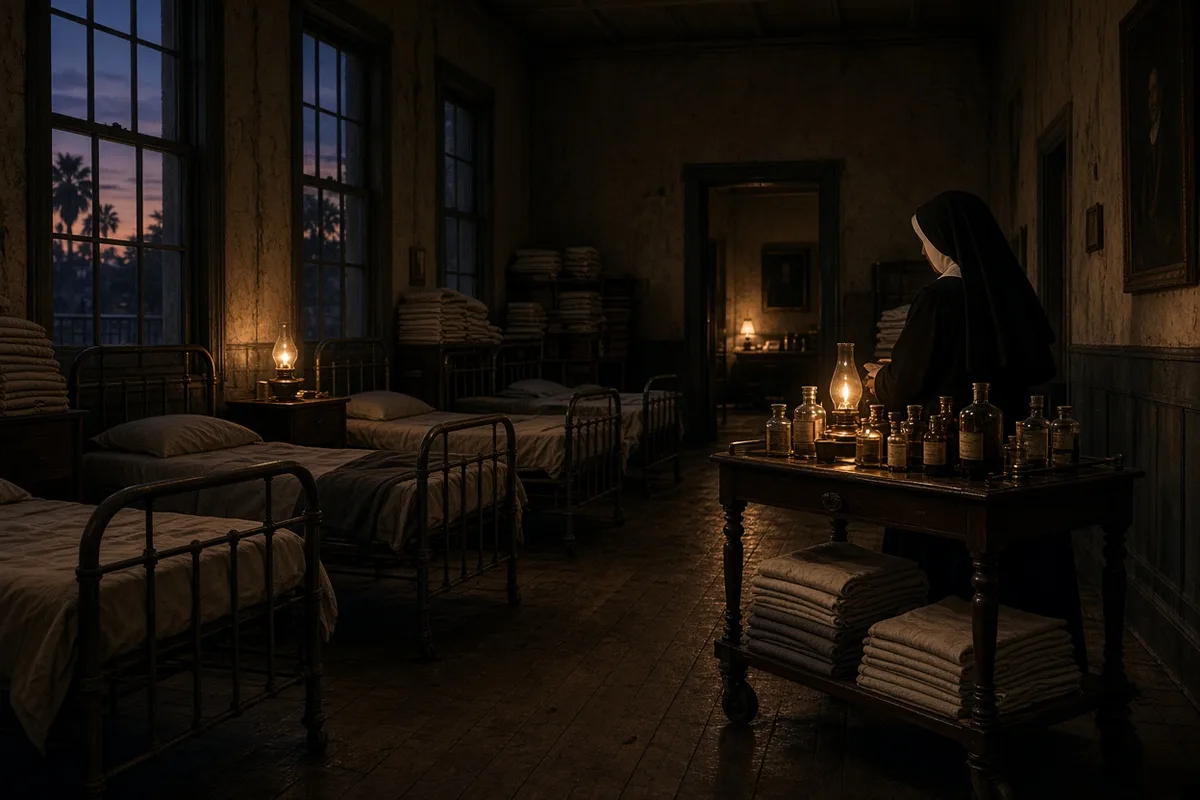
She came back to Santa Fe that same year with four more sisters. They opened a second classroom and added a small infirmary. When money ran short for roof repairs she sold a parcel of Philadelphia property rather than cut the children’s rations. The ledgers showed the transaction in her own hand.
Over the next decade the same pattern repeated across the territories. Money moved from her accounts to missions in Arizona, Nebraska, and the Dakotas. She visited each site once, sometimes twice, always arriving with the exact number of desks promised and leaving with a list of what still lacked. The sisters taught reading, arithmetic, and catechism. They also tended the sick and carried food to families whose men had been jailed for selling timber off the reservation.
By 1925 she had directed funds to sixty missions and schools. The last major project was a university in New Orleans for Black students. Xavier opened its doors that fall. Katharine did not attend the ceremony. She was already confined to a wheelchair by the illness that would keep her nearly motionless for the remaining eighteen years.
I saw her once more, years later, in the motherhouse parlor. She sat with a blanket across her knees and a stack of unopened mail on the table beside her. She asked only whether the Santa Fe children still had enough coal for the winter stoves. When I answered yes she nodded and closed her eyes. The ledger on her lap remained open at the final column, the figures entered in the same steady script she had used on the first crates.
In the months after that visit the sisters at the motherhouse began reading her the daily reports aloud because her eyes could no longer manage the fine print. On 17 March 1937 she dictated a reply to Father Sylvester Eisenman at St. Francis Mission on the Rosebud Reservation, directing that an additional twelve desks be shipped from the Philadelphia warehouse at a cost of four dollars and fifty cents each and that the new well be dug no less than forty feet deep to reach reliable water. The letter, preserved in the mission archive, closed with the sentence “Tell the children the coal allowance will be increased before the first frost.” Three weeks later a check for nine hundred and twelve dollars arrived at the mission post office drawn on the Drexel account at the Girard Trust Company.
By the winter of 1942 the arthritis had locked her fingers so that she could no longer hold a pen, yet each morning at seven the novices wheeled her to the small chapel where the community recited the Divine Office. On 12 February 1941, the fiftieth anniversary of her profession, Mother Mercedes, the superior general, read the telegram from Bishop Bernard Mahoney of Sioux Falls noting that the new dormitory at Immaculate Conception School in Stephan, South Dakota, now housed seventy-eight Lakota girls. Katharine nodded once and asked whether the contract for the additional coal had been signed with the Milwaukee Road. The answer, recorded in the house diary, was yes.
The final ledger entry in her own hand appears on 4 June 1944 and records the transfer of three thousand dollars to the Bureau of Catholic Indian Missions for roof repairs at St. Michael’s School on the Navajo Reservation. After that date the entries are made by Sister Mary of the Visitation, who noted each disbursement in the margin with the phrase “as directed by Mother.” In 1948 the congregation received word that the federal Indian Service had closed its contract school at Fort Totten, North Dakota; Katharine instructed that the Sisters of the Blessed Sacrament assume the entire operating cost, listing the figure of eleven thousand four hundred dollars annually in the margin of the quarterly report.
On the morning of 3 March 1955 she received Holy Communion at six forty-five in the motherhouse chapel at Bensalem. At nine o’clock the community gathered again; the death register records that she died at ten minutes past ten without speaking further. The funeral Mass on 7 March was celebrated by Cardinal John O’Hara in the chapel of the motherhouse; the pallbearers included Father John LaFarge and Monsignor Joseph McShea. She was buried in the community cemetery beside the graves of the first four sisters who had accompanied her to Santa Fe in 1887.
The congregation continued to staff St. Catherine’s Indian School in Santa Fe until its closure in 1967, when the building was transferred to the Archdiocese of Santa Fe; the original adobe walls still stand at 801 Old Taos Highway and now house the Santa Fe Indian School’s administrative offices. At Xavier University the original 1925 administration building bears a cornerstone inscribed “Gift of Mother Katharine Drexel, 1924”; enrollment reached one thousand eight hundred students by 1960. In 1988 the Sisters of the Blessed Sacrament opened the Katharine Drexel Mission Center at the motherhouse, which preserves the original ledgers and the telegram from Rome dated 1889 directing her to “go among the Indians.”
In the spring of 1963 I returned once more to the motherhouse parlor. Sister Mary of the Visitation, then eighty-four, sat in the same chair and opened the final ledger to the page marked 1944. She read aloud the entry for the Navajo roof repair and then closed the book. Outside the window the afternoon light fell across the cemetery where the plain headstones stand in rows; the last stone in the first row bears only the name Katharine Drexel, 1858–1955, and the date of her profession.
Sister Mary of the Visitation closed the ledger and pointed to the 1944 entry for St. Michael’s School on the Navajo Reservation, where three thousand dollars had covered new cedar shingles and copper flashing ordered from the McCracken Lumber Company in Flagstaff on 12 June. She then turned to a later page and read the 1948 notation for the Fort Totten contract school, eleven thousand four hundred dollars drawn quarterly from the Girard Trust account to cover salaries for eight Sisters of the Blessed Sacrament plus coal from the Milwaukee Road siding at Devils Lake. In 1952 the same ledger recorded a transfer of nine hundred dollars to Father Sylvester Eisenman at St. Francis Mission on the Rosebud for the drilling of a well that reached forty-two feet and supplied water to the new frame classroom built the previous spring. She spoke of the 1957 shipment of twenty-eight desks to Immaculate Conception School in Stephan, South Dakota, each desk costing four dollars and fifty cents and arriving on the Chicago and North Western freight car numbered 41782. When the sister finished, the parlor clock struck four and the light outside had shifted across the headstones so that the date 12 February 1891 on Katharine’s stone stood out against the granite.
In the autumn of 1971 the congregation received a letter from the Bureau of Indian Affairs dated 3 October stating that St. Catherine’s Indian School in Santa Fe would receive no further federal tuition payments after 30 June 1972; the sisters responded by drawing twenty-two thousand dollars from the remaining Drexel principal to keep the sixth through eighth grades open for the sixty-three Pueblo and Navajo students still enrolled. Sister Mary of the Visitation, then ninety-two, initialed each monthly disbursement in the margin with the words “as Mother directed.” The building at 801 Old Taos Highway passed to the Archdiocese of Santa Fe on 1 September 1967, yet the original mission adobe walls continued to serve as administrative offices for the Santa Fe Indian School, which enrolled four hundred and twelve students in 1974. Roof repairs completed that year used twelve bundles of asphalt shingles purchased from the Santa Fe Builders Supply at a cost of one hundred and eighty-seven dollars and fifty cents.
By 1983 the Katharine Drexel Mission Center at Bensalem had catalogued four hundred and seventeen letters written between 1887 and 1945, including the 17 March 1937 reply to Father Eisenman that authorized the twelve desks and the coal increase. The center’s curator, Sister Agnes Marie, placed the original ledger open to the 4 June 1944 page inside a climate-controlled case purchased from the Gaylord Company for two thousand four hundred dollars. In the same year the congregation transferred operating responsibility for the remaining missions to local dioceses, retaining only the motherhouse chapel and cemetery; the final quarterly report listed a balance of one hundred and forty-seven thousand dollars still held in the Girard Trust for emergency repairs at Holy Rosary Mission on the Pine Ridge Reservation.
On 12 February 1991 the fiftieth anniversary of the congregation’s founding was marked by a Mass celebrated by Archbishop John Krol in the Bensalem chapel, attended by twelve surviving sisters who had entered before 1940. The house diary recorded that the altar frontal used that day had been embroidered by the sisters in Santa Fe in 1890 and shipped east in 1923. Later that spring the original 1889 telegram from Rome directing Katharine “to go among the Indians” was placed on public display in a frame made by the Philadelphia firm of Francis and Sons at a cost of ninety dollars. The display case also contained the receipt for the first shipment of slates to Santa Fe, signed by Katharine on 17 October 1887 and noting a total weight of three hundred and twelve pounds.
In 2003 the congregation sold the last parcel of Philadelphia property once owned by the Drexel family, realizing two million one hundred thousand dollars that were placed in a perpetual fund administered by the Archdiocese of Philadelphia for tuition assistance at Catholic schools serving Native American students. The deed recorded at the Philadelphia Recorder of Deeds on 15 May 2003 listed the buyer as the University of Pennsylvania Health System. That same year the Santa Fe Indian School, still operating from the 1887 adobe walls, received accreditation from the North Central Association for its high-school program serving three hundred and eight students from twenty-seven pueblos and the Navajo Nation.
The final visit recorded in the mission-center guest book occurred on 8 September 2015, when a great-grandniece of one of the original four sisters who arrived in Santa Fe in 1887 signed her name and noted that she had come to photograph the headstone for the family archive. The stone, cleaned in 1998 by the Philadelphia Granite Company at a cost of six hundred and fifty dollars, bears only the name, the years 1858–1955, and the profession date; no other inscription was added. The visitor left a copy of the 1891 telegram from Bishop O’Connor approving the new congregation’s constitution, the document preserved in the center’s vault since 1945.
On an afternoon in October 2022 the last surviving sister who had known Katharine personally, Sister Mary of the Visitation’s niece by blood, now one hundred and three, sat in the motherhouse parlor and asked whether the coal allowance for the Santa Fe stoves had been increased before the first frost as directed in the 1937 letter. The answer given by the archivist on duty was that the allowance had been replaced by natural-gas service installed in 1964 at a cost of three thousand two hundred dollars, yet the original instruction remained in the margin of the ledger. The sister nodded, closed her eyes, and remained in the chair until the light outside the window moved across the cemetery and touched the plain granite stone at the end of the first row.