


Katherine Drexel Founds Schools for Native Americans and African Americans
The carriage wheels rattled over the gravel drive as I stepped down at Torresdale, my satchel heavy with the few clothes I owned. Morning light cut through the oaks, and the big house stood quiet except for the sound of sisters moving inside. I had come because the Drexel name drew people who wanted to serve, and I needed work that felt like more than charity handed out from a distance.
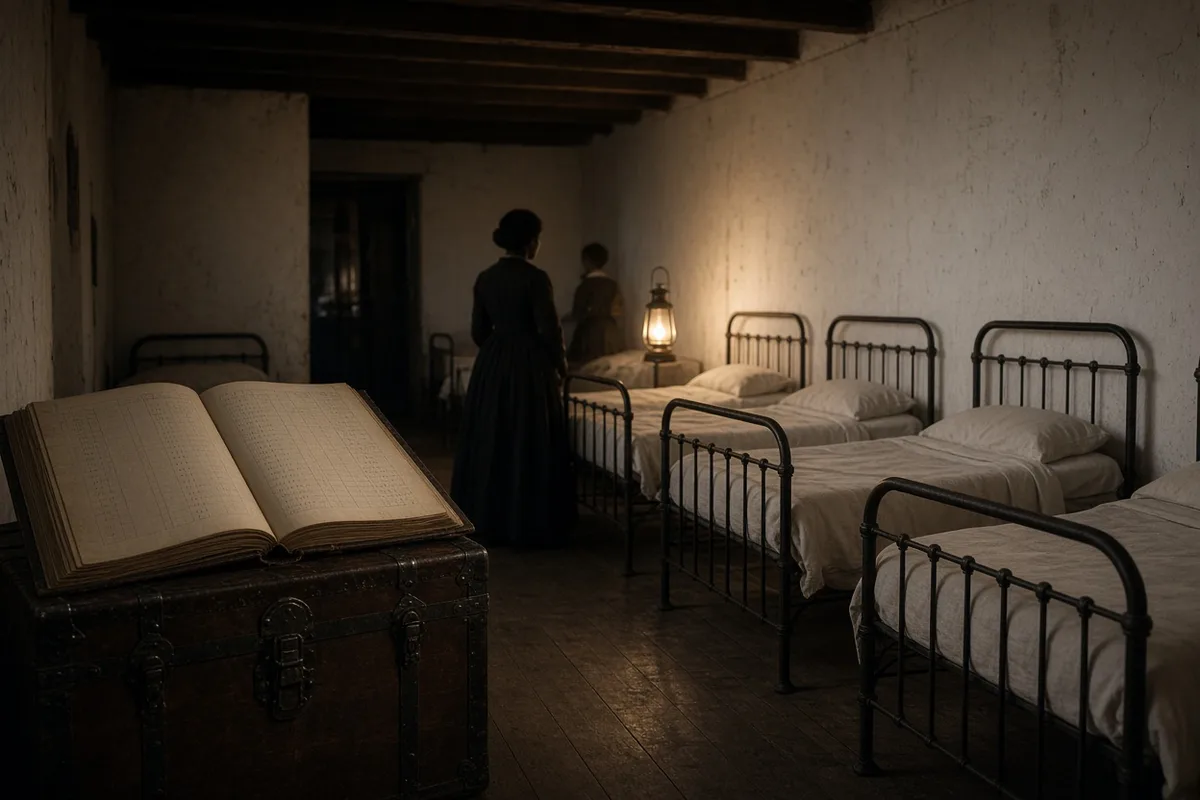
Inside the hall, Mother Katharine moved among us without any of the airs her fortune might have allowed. She wore the plain habit already, her face set on the tasks ahead. Ten of us novices and three postulants had been gathered there since the inheritance passed fully into her hands. The rooms smelled of fresh wax and the faint starch of new linens. She stopped at each doorway, checking that every bed was made and every small trunk labeled for the missions that would follow.

The vow ceremony took place in the chapel just after dawn on the twelfth. Bishop O’Connor stood at the altar while the rest of us knelt in the side pews. Katharine’s voice carried clear when she spoke the words of profession. She gave her entire inheritance to the work, every dollar turned toward schools and missions for the Indian peoples and the colored families still shut out of decent classrooms. No one cheered. The only sound after her last amen was the rustle of habits as we rose.
By midday the first letters went out. She wrote to priests in the Southwest asking what buildings stood empty and which tribes would accept teachers. One envelope carried instructions for Santa Fe, where St. Catherine’s already waited for more sisters. She had visited the Pueblo children years earlier and remembered their bare feet on cold floors. Now the money would buy desks and primers instead of sitting in bank vaults.
I helped carry bundles of cloth to the sewing room that afternoon. Katharine herself cut patterns for the habits the new sisters would wear when they traveled west. Her hands moved quickly, the same fingers that once signed bank drafts now pinning seams. She spoke little, but when she did it was about the children who would sit in those classrooms. She described the long rides on dusty trains and the need to learn languages no one in Philadelphia schools taught.
A week later four sisters left for New Mexico. Katharine stood on the platform at the station, handing each a small packet of funds and a list of names to contact. The train whistle blew while she remained, watching the cars pull away until only smoke remained. Back at the mansion she returned to the ledger, marking each expense against the fortune that now belonged to the order. Every line carried the same careful script her father had taught her.
By spring the first reports arrived from Santa Fe. The sisters had opened classes in a borrowed hall, teaching reading by daylight because lamps cost extra. Katharine read each letter aloud at evening recreation. She noted the number of children, the shortages of chalk and slates, and the names of families who offered spare rooms. Then she wrote back with exact amounts to cover the gaps, never more than what the sisters could spend without waste.
Word of the new congregation spread through the city. People came to the gate asking how they might help. Katharine met them in the parlor, always in the same worn chair, and explained that the work required teachers willing to live on the barest rations. Some stayed to pray with us. Others left donations that went straight into the mission fund.
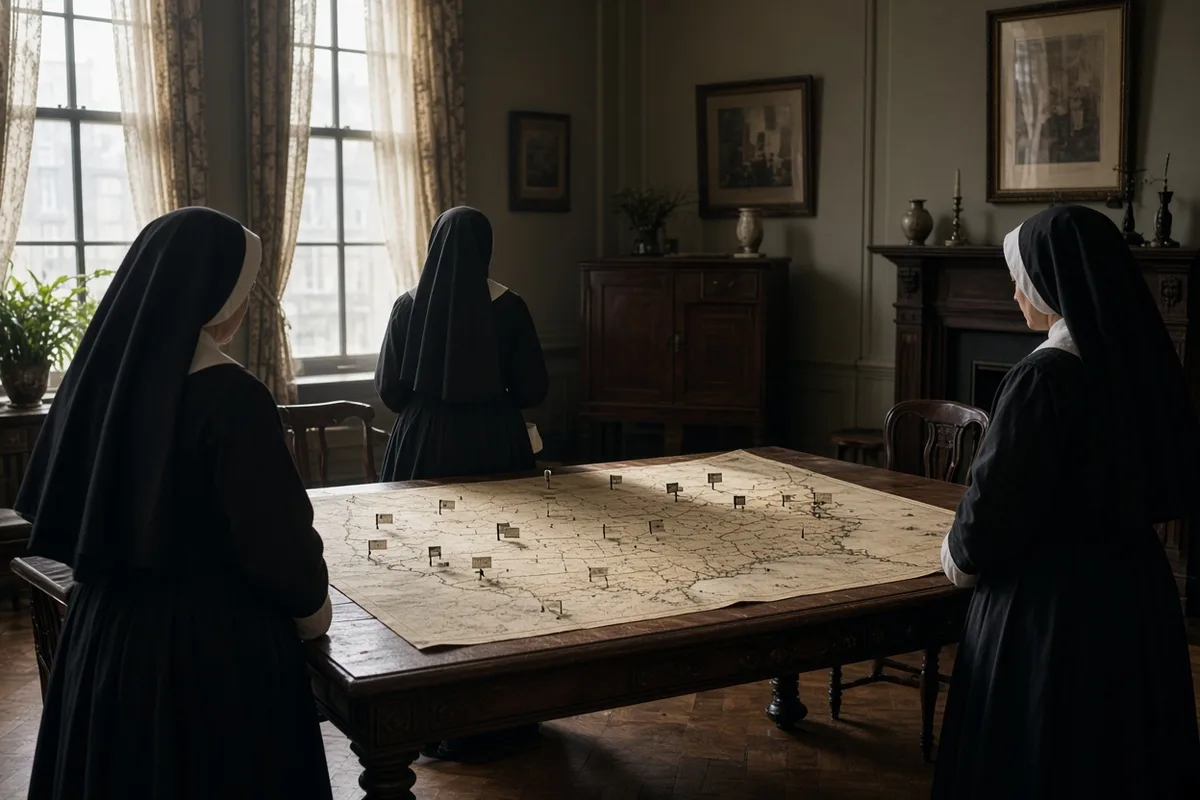
That summer she traveled to meet with bishops who controlled schools in the South. She carried maps marked with counties where sharecroppers’ children walked miles for any lesson at all. One afternoon she returned with a list of three towns willing to accept sisters if buildings could be found. She sat at the long table and divided the remaining inheritance into portions, one for each new foundation.
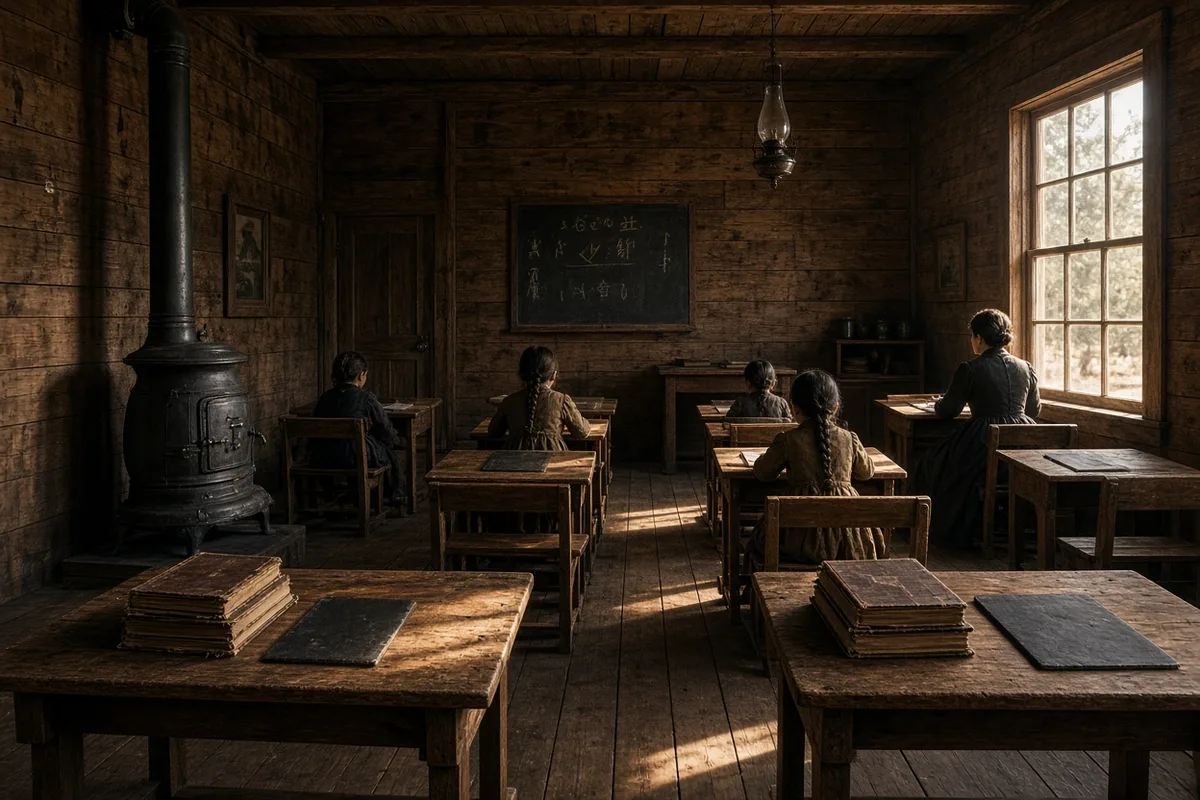
The novices practiced teaching on one another in the evenings. Katharine listened from the back of the room, correcting pronunciation or suggesting simpler explanations for children who had never held a book. She reminded us that the goal was not to change the students into someone else but to give them the tools their own communities lacked. Her voice stayed even, yet the urgency showed in how she repeated the same points until we could recite them without notes.
By autumn the second group prepared to depart, this time for a mission in the Dakotas. Katharine walked each sister through the packing list herself. She checked the weight of the trunks and added extra wool for the winters ahead. When the carriage came, she stood at the door until the wheels disappeared down the drive, then turned back to the accounts without pausing.
The work grew faster than the house could hold. Plans for the permanent motherhouse at Cornwells Heights moved from drawings to foundations. Katharine visited the site each week, measuring walls and speaking with the builders about classrooms that could serve both the sisters in training and local children. She insisted on windows that would let in winter light for reading.
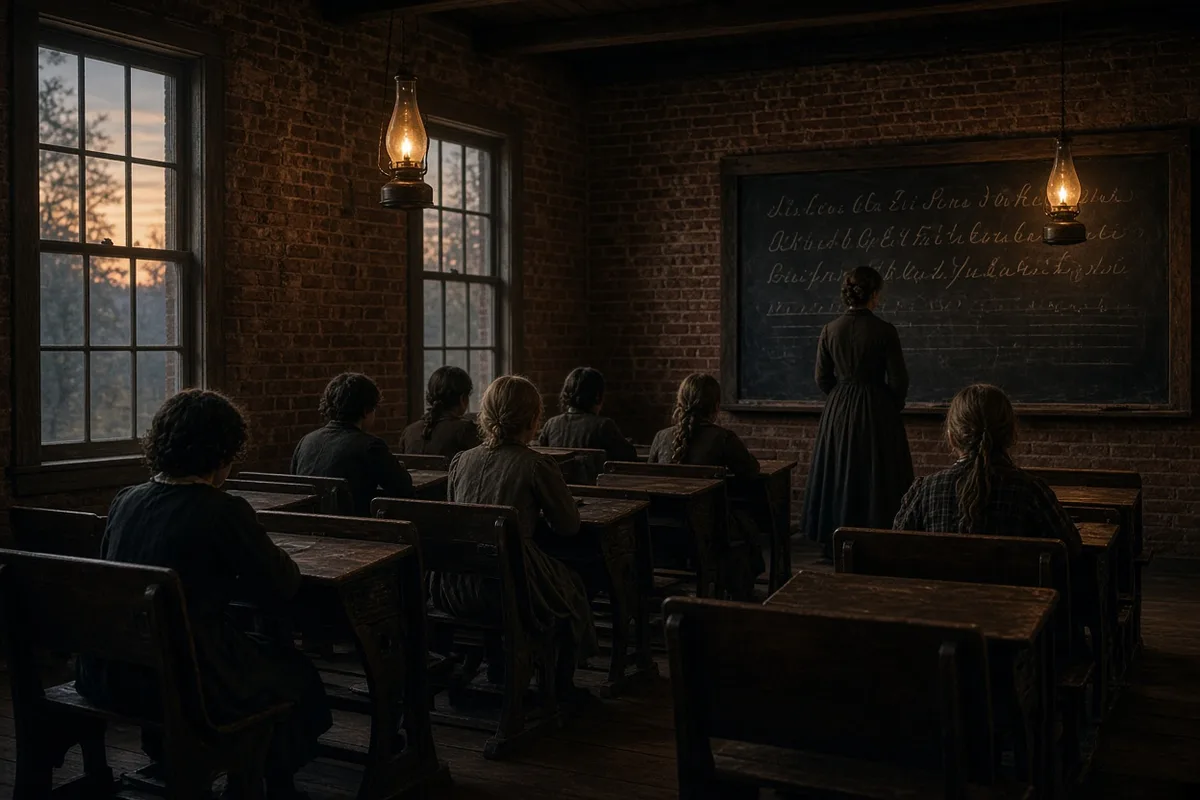
One evening she called us together and read a letter from a priest in Louisiana. He described families living on plantations where schools were forbidden by law. Katharine set the page down and asked how many of us would be willing to go south once the next class professed. Hands rose without hesitation. She recorded the names and began the correspondence that would secure the land.
Months passed in that rhythm. Letters came and went. Sisters left and new postulants arrived. Katharine kept the same schedule, rising before the others to pray and then turning to the ledgers that tracked every dollar spent on books, train fares, and building repairs. The fortune her father left continued to shrink, yet the number of schools grew.
In the quiet hours after supper she sometimes walked the grounds alone. I saw her once from the window, pausing at the edge of the field where the new motherhouse would stand. She carried nothing in her hands, only the habit and the plain cross. The light faded, and she remained there until the bell called us back inside.
The construction of the motherhouse at Cornwells Heights advanced through the winter of 1891 with crews laying brick foundations under the direction of contractor John B. Roach, whose firm recorded expenditures of $87,000 by March 1892 for the main building, chapel, and classroom wing. Mother Katharine visited the site on the first Tuesday of each month, carrying a small notebook in which she noted the placement of windows that would face east for morning light during reading lessons. She spoke with the foreman about installing additional blackboards in the training rooms, specifying that each should measure four feet by eight feet to accommodate groups of twenty novices practicing lessons for the missions. By June the walls reached the second story, and she arranged for the installation of a bell from the foundry in Troy, New York, whose tone would mark the hours for prayer and study once the sisters occupied the building in 1894.
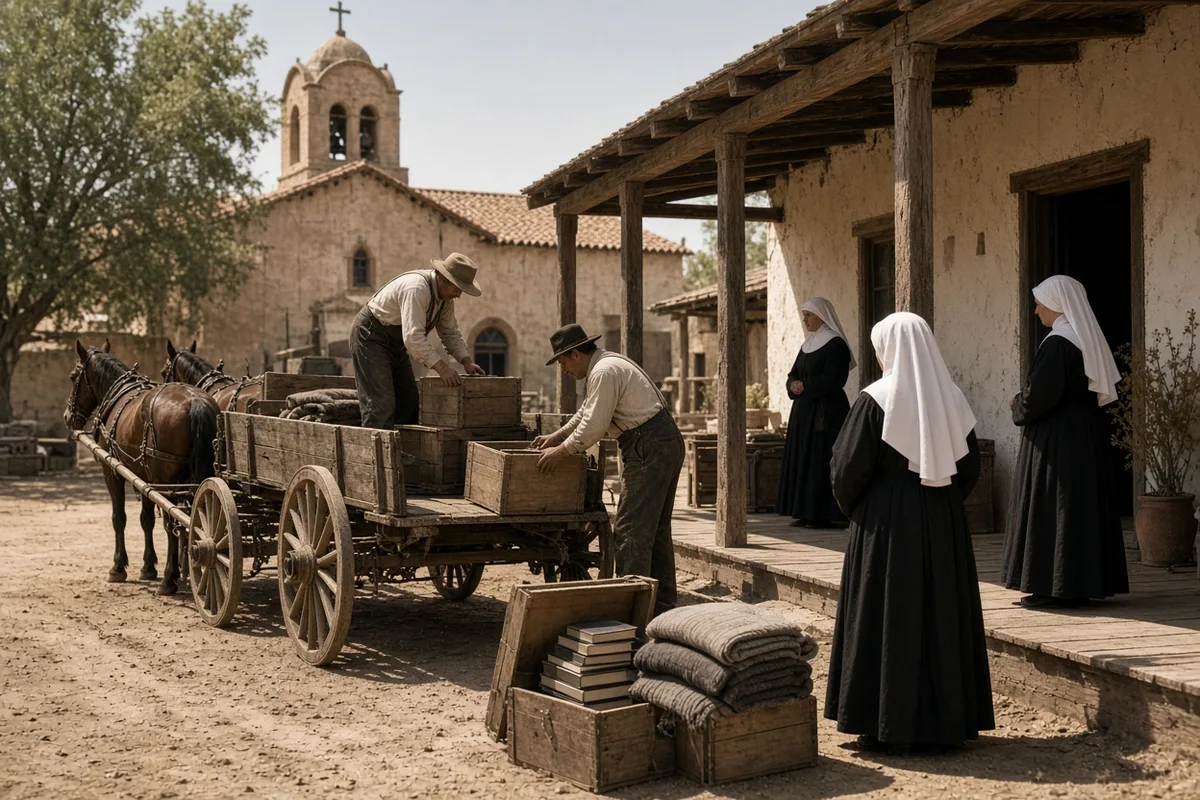
In the spring of 1892 four more sisters departed for the Cheyenne and Arapaho Agency at Darlington, Oklahoma Territory, carrying crates labeled with the names of Father Henry S. Schaefers and the local agent, Captain J. M. Lee. Katharine had written to the Bureau of Catholic Indian Missions on 14 February requesting confirmation that the government would supply rations for the teachers, and the reply from Father Joseph A. Stephan arrived with the exact figure of forty pupils expected in the first term. She marked the letter with the date and filed it among the accounts that showed $4,200 already allocated for the new mission house and school desks. Reports returned in August described classes beginning on 1 September with primers purchased from the American Book Company in Cincinnati, and Katharine responded by sending an additional $650 for winter clothing after the sisters noted the children arriving without coats.
The foundation in the South opened in 1894 at Rock Hill, South Carolina, where Mother Katharine had secured property through correspondence with Bishop Henry P. Northrop dated 3 January. Three sisters arrived on the train from Philadelphia on 12 October and began lessons the following Monday in a rented hall for twenty-eight children of sharecroppers whose parents worked the nearby cotton fields. She recorded the names of the first students—Mary and John Washington among them—in a ledger entry that also listed the purchase of six slates and two boxes of chalk for $3.75. By 1896 similar schools operated in Columbia, South Carolina, and Savannah, Georgia, each supported by portions of the remaining inheritance that totaled $12 million at the time of her profession and continued to diminish with each building contract and teacher stipend.
Xavier University in New Orleans received its first substantial gift from the order in 1915 when Mother Katharine authorized the transfer of $200,000 for the construction of the main academic building on Washington Avenue, following a meeting with Archbishop John W. Shaw on 22 April of that year. The sisters who staffed the normal school there included Sister Mary Agatha, who had professed in 1901 and traveled south with a trunk containing lesson plans adapted from those used at St. Francis Mission on the Rosebud Reservation. Annual reports sent to Cornwells Heights listed 312 students enrolled by 1920, with tuition covered entirely by the Drexel funds so that no family paid more than the cost of books. Katharine continued to review these figures each month, writing back with instructions to add courses in domestic science and bookkeeping once the enrollment reached four hundred.
The motherhouse chapel was dedicated on 15 August 1899 with Bishop Edmond F. Prendergast presiding, and the community moved permanently from Torresdale that same week. Katharine kept her office on the second floor overlooking the gardens, where she maintained the correspondence with priests in Arizona who requested teachers for the Navajo at St. Michael’s Mission. In 1902 she approved the shipment of twelve sewing machines to the mission after Sister Mary Evangelista reported that the girls needed training in garment making to support their families. The records show the total outlay for that year alone reached $87,450 across all western and southern missions, with each check signed in her precise hand and countersigned by the treasurer.
After 1920 Mother Katharine limited her travels because of arthritis, yet she continued to receive weekly summaries from the sixty-two schools then in operation. One letter dated 12 March 1928 from the superior at Immaculata School in New Orleans described the addition of a high-school department for African American girls, noting that twenty-three graduates had already entered teaching positions in Louisiana parishes. She replied with an allocation of $15,000 for laboratory equipment, specifying that the microscopes and Bunsen burners be purchased from suppliers in Philadelphia to ensure uniform quality. The number of sisters had grown to 381 by that date, with thirty-two still serving on reservations in the Dakotas and Arizona.
On 3 March 1955 Mother Katharine died in her room at the motherhouse after receiving the last sacraments from Father John J. McHale. The community numbered 501 sisters at the time, and the funeral procession on 7 March included representatives from twelve missions who placed wreaths on the casket before it was interred in the crypt beneath the chapel. The remaining funds from the original inheritance had been placed in a trust administered by the order, which continued to support the schools without interruption.
Today the original motherhouse at Bensalem stands as the National Shrine of Saint Katharine Drexel, where visitors may view the ledgers she maintained and the chapel where the first professions occurred. One of the last images preserved from the order’s active years shows Sister Mary of the Sacred Heart, then ninety-three, seated at a desk in the archive room in 1982, sorting the final batch of mission reports from the school at Whiteriver, Arizona, before the congregation began its gradual transition to new ministries.