



Kids stay good inside even when behavior looks bad

In 60 seconds
- Kennedy holds two truths at once: the child is good inside, and the child is struggling right now, so behavior is data about internal state rather than a verdict on identity.
- Visible misbehavior is only the iceberg tip; fear, exhaustion, need for control, or skill gaps sit underneath, and tip-only consequences leave the pattern untouched.
- Sturdy leadership stays firm and warm together, unlike cold authoritarianism or soft permissiveness that both leave children anxious.
- Validation before correction names the feeling first so a dysregulated brain can settle before any limit or lesson lands.
- Tantrums are involuntary nervous-system storms to anchor through quietly, not willful acts fixed by punishment or bribes.
- Parent overreactions often replay the adult's own childhood triggers, so self-regulation and repair matter as much as any child-facing script.
The big idea
Kennedy argues that difficult behavior is a signal of unmet need or an immature nervous system, not a verdict on character, so parents must separate a child's worth from their conduct while still holding firm limits. Security comes from a sturdy adult who validates feelings without granting the demand and who can tolerate distress without punishing it away or giving in.
The book in brief
Kennedy starts from the grind of daily fights over bedtime, screens, and getting dressed, and from the good-or-bad labels many adults absorbed growing up. She asks parents to hold a different stance at the same time: this child is a good person, and this child is struggling right now. Behavior becomes data about internal state, not a permanent identity tag.
From that stance she names the quality she wants parents to build—sturdiness, firm on the limit and warm in the delivery—set against two failure modes that both produce anxiety: cold control that teaches compliance through fear, and warm collapse that teaches boundaries are negotiable under enough protest. Connection has to come first. A dysregulated brain cannot take in logic, so the parent names the feeling before correcting the act.
She then runs the same posture through the moments that wreck evenings. Tantrums become physiological storms to wait out as a quiet anchor rather than bargains to win with threats or cookies. Lying becomes a self-protective move against expected shame, best reduced by making honesty safer than denial before addressing the underlying act. Sibling fights stop being refereed for perfect fairness and start being coached as two separate needs to feel seen and prioritized.
Midway she turns the camera on the adult. Many explosions are not really about the slammed door or the missing thank-you; they are the parent's own history of control, respect, or conditional love lighting up. Self-awareness, a pause, and later repair become the actual lever of change. The arc closes on a concrete protective move—physically blocking harm while saying the parent will not allow it—framed as safety for a child frightened by their own loss of control. Consistency of that sturdy presence, not any single rule, is what she says builds long-term security.
Context
Becky Kennedy is a clinical psychologist whose 2022 book reached a generation of parents raised on reward-and-punishment models. It mattered because it offered a workable alternative rooted in attachment and self-regulation, with concrete language for staying connected during conflict.
The key ideas
1
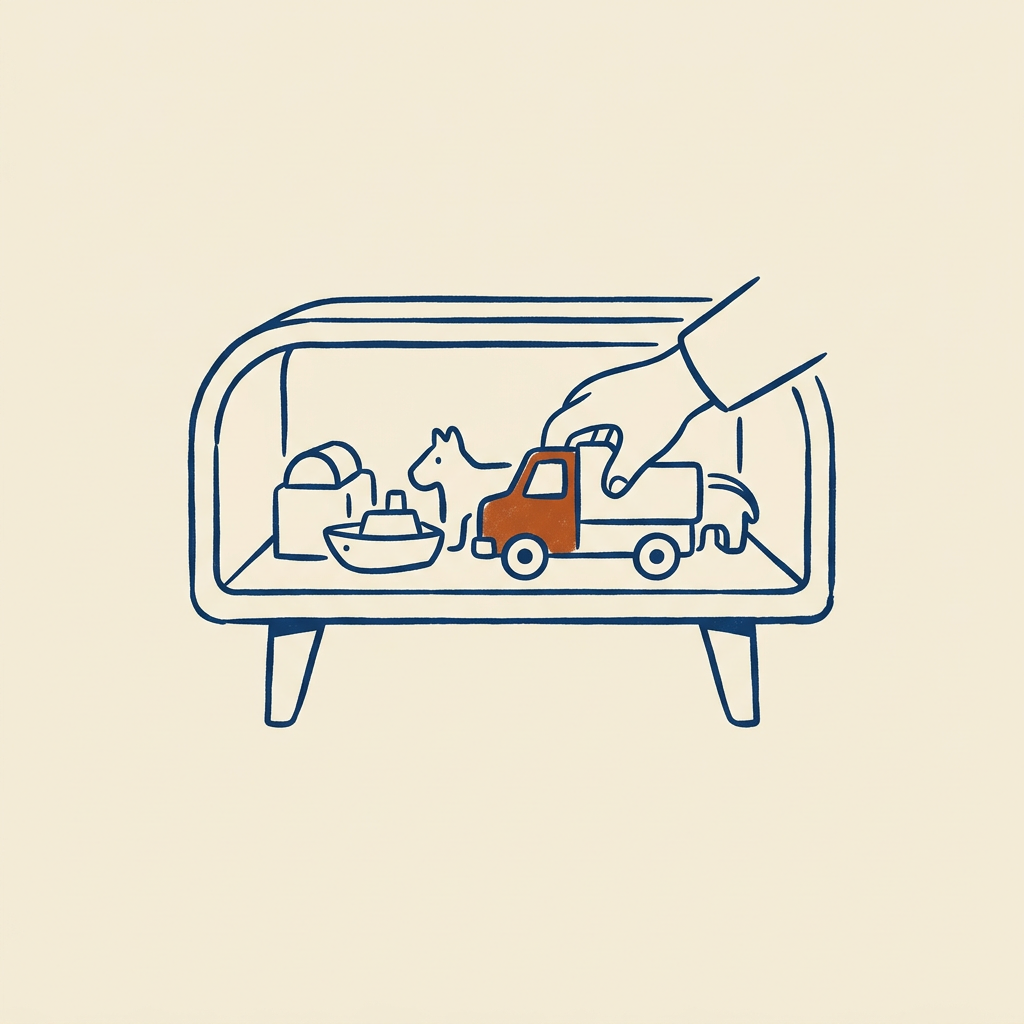
Good inside, struggling now
Kennedy wants parents to hold two ideas at once—my child is a good person, and my child is struggling—because behavior is data about internal state, not a verdict on identity.
Good-or-bad frame
Hitting means aggressive; whining means spoiled; the label sticks to identity
Good-inside frame
Behavior is data about overwhelm or unmet need; the child remains good while struggling
Many adults grew up inside a good-or-bad frame: a hitting child gets labeled aggressive, a whining child gets labeled spoiled, and the label sticks. Kennedy rejects that frame. A four-year-old who bites is not a biter; something in the moment overwhelmed his capacity to cope.
How a parent interprets the moment shapes the response. Shame-based lines like “what is wrong with you” teach children to hide struggle rather than share it. The alternative still enforces the boundary; it simply changes the tone of enforcement so impulse control can be taught instead of identity rewritten.
Every later script in the book depends on this first belief: the child in front of you is not an adversary but a still-developing person whose brain has not caught up to their emotions.
In practice: A boy steals a toy from a friend. The good-or-bad frame produces a lecture about being a thief; the good-inside frame opens a talk about wanting something badly enough to take a risk, then still requires the toy be returned.

2
Behavior as iceberg tip
The tantrum, lie, or refusal is only the small visible tip; fear, disappointment, exhaustion, need for control, or a pushed-past nervous system sit underneath.
Most discipline advice aims at the tip and tries to extinguish the visible act with consequences. Kennedy argues that can suppress the action without touching what caused it, so the pattern returns in a new form.
Children also lack adult executive-function capacity; frontal-lobe maturation is not complete until the mid-twenties. What looks like “won’t” is often “can’t” in that moment—a mismatch between the demand and current skill.
Before reacting, she wants the parent to pause and ask what need or deficit might be driving the scene, because the same surface tantrum can have different causes on different days.
In practice: A child screams and refuses to leave the playground. A tip response threatens to cancel the next visit; an iceberg response asks what endings or trust about another turn are doing underneath.
3
Sturdy, not rigid or soft
Children need parents who are firm and calm at the same time; pure rigidity teaches fear and pure accommodation teaches that protest rewrites the rules.
- AuthoritarianFirm limits delivered coldly; compliance through fear; feelings unsafe
- SturdyFirm limits with warmth; empathy without abandoning the boundary
- PermissiveWarmth that caves under protest; boundaries become negotiable
Kennedy names the target quality sturdiness: hold the boundary without losing warmth, offer empathy without abandoning the limit. The authoritarian parent holds boundaries coldly; the permissive parent offers warmth and caves. Both leave the child anxious—one unsafe to have feelings, the other unsure anyone competent is in charge.
A child’s crying after a “no” is not proof the parent failed. It is the nervous system processing disappointment. The job is to stay nearby, not to fix the feeling or reverse the decision.
That permission to tolerate distress without treating it as an emergency is what keeps households from drifting into permissiveness under pressure.
In practice: A child demands ice cream before dinner. The sturdy line is hearing how much they want it and still saying no, then staying present through the protest instead of yelling or relenting.
4
Validate before you correct
Naming and accepting the feeling before addressing the behavior reduces conflict intensity because a dysregulated brain needs safety signals before it can take in logic.
When a child is flooded, the amygdala has effectively taken over. Words aimed at instruction or negotiation mostly fail. Validation means saying out loud what the child seems to feel, delivered flatly and without sarcasm, which is not the same as agreeing with the demand.
Adult instincts often dismiss the experience—“it still tastes the same”—and the crying escalates. Feeling seen shortens the meltdown. Kennedy draws loosely on co-regulation: a calm adult nervous system helps settle a dysregulated child, and correction lands better afterward.
Validation without limits slides into permissiveness; limits without validation become the cold mode she already rejected. The sequence holds both.
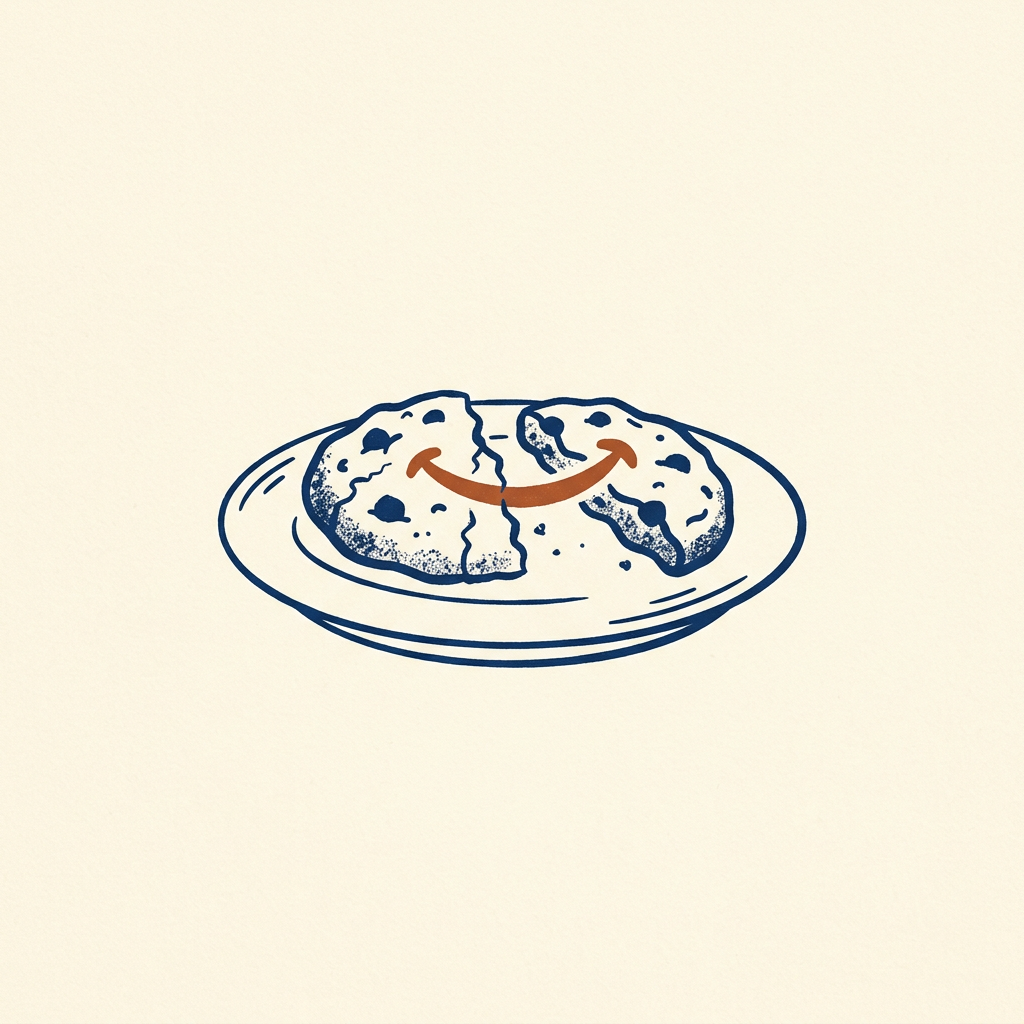
In practice: A child melts down because a cookie broke in half. Dismissing it as still tasting the same usually worsens the tears; naming the wish that it stay whole and the disappointment meets the feeling first.
5
Tantrums as body storms
Once a child crosses into full dysregulation, reasoning and threats cannot shorten it; the parent stays close, says little, and refuses bribes that turn big feelings into bargaining chips.
Kennedy treats the full tantrum like a panic attack in progress: verbal input barely processes. Matching the child’s escalation with anger adds fuel. Rushing resolution with a cookie teaches that intensity is a useful chip rather than something to move through.
The recommended posture is sparse language, physical closeness if allowed, and tolerance for the public spectacle. Parental shame about being judged is named as the adult’s own load to manage, not a reason to reverse the limit or drag the child out in fury.
Waiting it out as an anchor is the intervention; stopping it on command is not available once the storm has started.
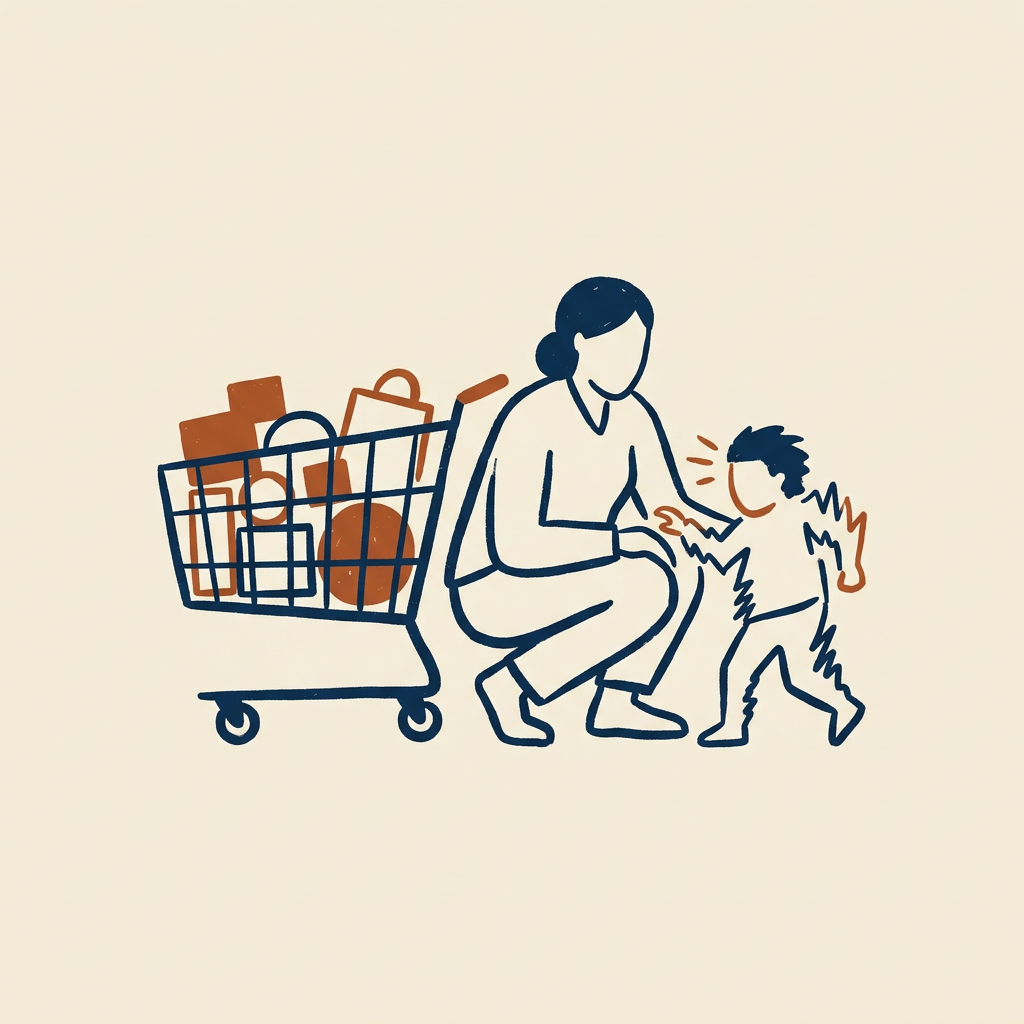
In practice: In a grocery store a child screams for a toy. Kennedy’s move is to crouch, say once that they really want it and it is not happening today, then go quiet rather than give in or explode.
6
The parent’s own baggage
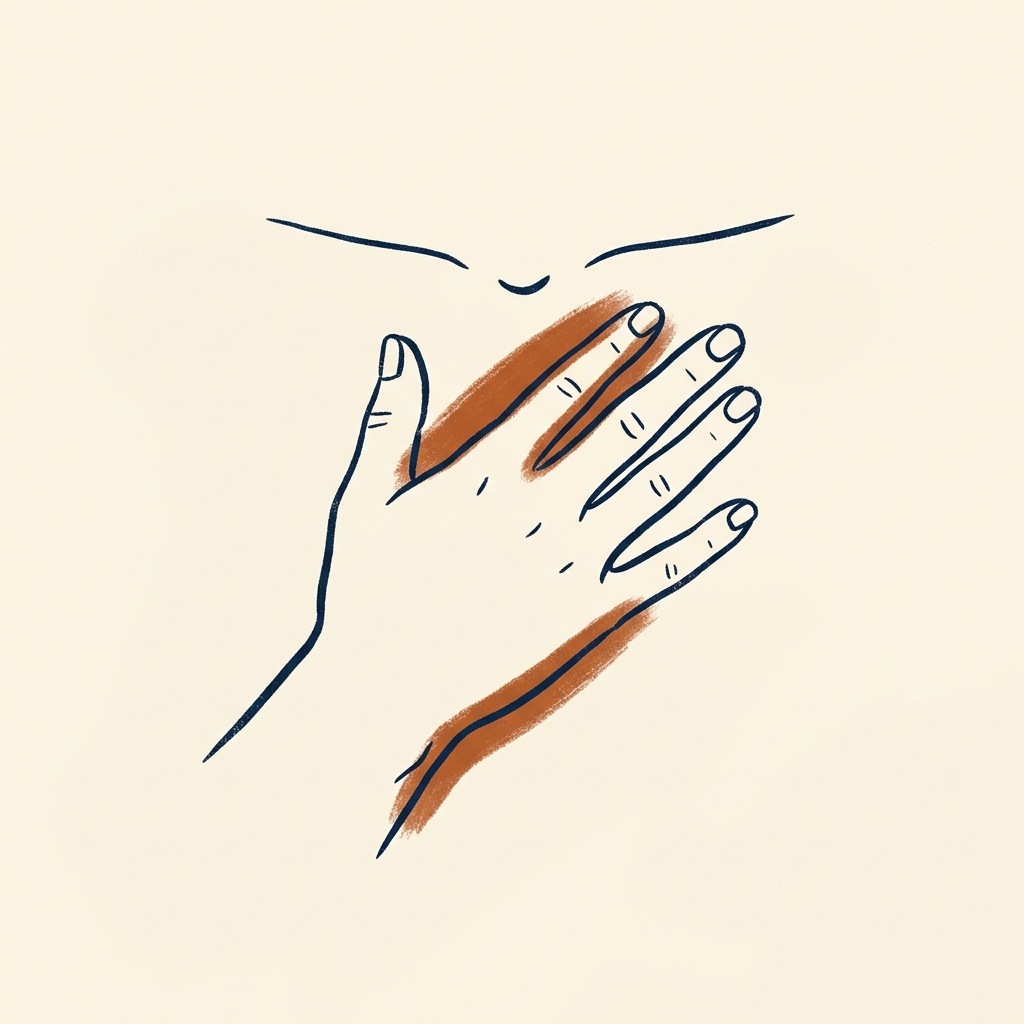
Staying sturdy depends on managing adult triggers and shame; many failures are the parent’s nervous system hijacked by old feelings about control, respect, or conditional love.
Hijacked response
Child’s small act lights old material; volume and punishment spike past the moment
Regulated pause
Internal note that this is my stuff; breath; lower volume; repair later if needed
A child’s defiance can light up unresolved material from the parent’s own childhood and produce an overreaction far bigger than the event. Knowledge of the “right script” is useless if the adult is flooded.
Kennedy wants parents to map trigger points in advance and to have a heat-of-the-moment plan: a breath, an internal note that this is my stuff, then a lowered volume. Repair is normalized. Yelling does not break the relationship if the parent circles back and models accountability.
This chapter shifts the book’s center of gravity. The lever of change is the parent’s regulation, not only better management of the child.
In practice: A parent feels a disproportionate surge of anger when a child refuses to say thank you, traceable to an upbringing where politeness was tied to being loved.
7
Lies grow from fear
Children lie mainly to avoid disappointing a parent or facing punishment, so harsh reactions teach more skillful concealment rather than honesty.
Fear-based response
Yell or punish on discovery; child learns to hide better next time
Safety-first response
Remove incentive to lie; get the truth; address the underlying act apart from the lie
Most childhood lies are self-protective, not moral failures. If admission predicts yelling or punishment, lying is the rational move even for a young child. Discovering the lie and then punishing hard only raises the skill level of the next denial.
The first job is to make honesty safer than denial before addressing the underlying act. Safety produces disclosure; disclosure is the only path to actually teaching the lesson about the original behavior.
Fear and shame drive concealment. Reducing them is the mechanism of change, not increasing them.
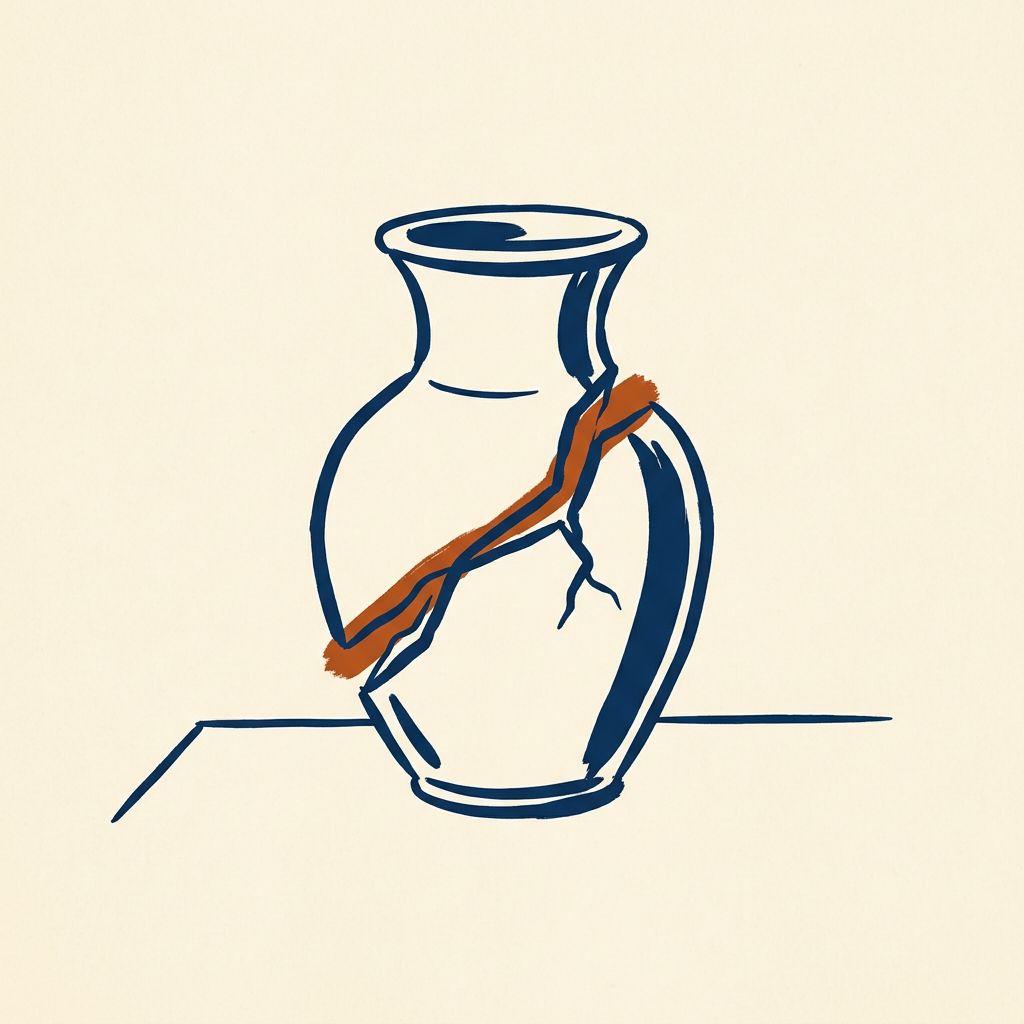
In practice: A child denies breaking a vase despite clear evidence. The parent’s opening move is to say the vase is broken, accidents are not the crisis, and the real want is simply to know what happened—then deal with roughhousing separately once truth is tellable.

8
Siblings need feeling seen
Refereeing sibling disputes for objective fairness wastes energy; each child’s real grievance is usually feeling less loved or less prioritized than the other.
Fairness referee
Who started it; equal minutes; decide the winner of the object
Two feelings coached
Each child named and seen; house rule applied after; no automatic siding with younger
Parents pour effort into who started it and into perfectly equal minutes or turns. Kennedy argues the object in dispute is rarely the actual wound. Interventions aimed only at fairness miss the deeper need.
A better pass validates each child’s experience separately, then applies whatever house rule already exists. Instinctively siding with the younger or smaller child teaches the older one that their feelings matter less and seeds resentment that outlasts the fight.
Parents often replay how they themselves were refereed, which links this chapter to the earlier work on adult triggers.
In practice: Two siblings fight over a tablet. Instead of adjudicating whose turn it truly is, the parent tells one it is hard to stop when fun is happening and the other it is hard to wait when you really want a turn, then enforces the existing rule.
9
I won’t let you
Telling a child firmly that you will not allow the harmful act, often while gently blocking it, builds safety more than vague redirection because a competent adult is visibly in control.
Vague redirection
“Use gentle hands”; boundary stated but not embodied; child still flooded and unsure
Active block
“I won’t let you”; gentle physical stop; framed as protection and adult control
When a child escalates toward hitting or throwing something dangerous, typical redirection (“gentle hands”) can feel weak to a child already frightened by their own loss of control. Kennedy’s phrase is active: I won’t let you do that.
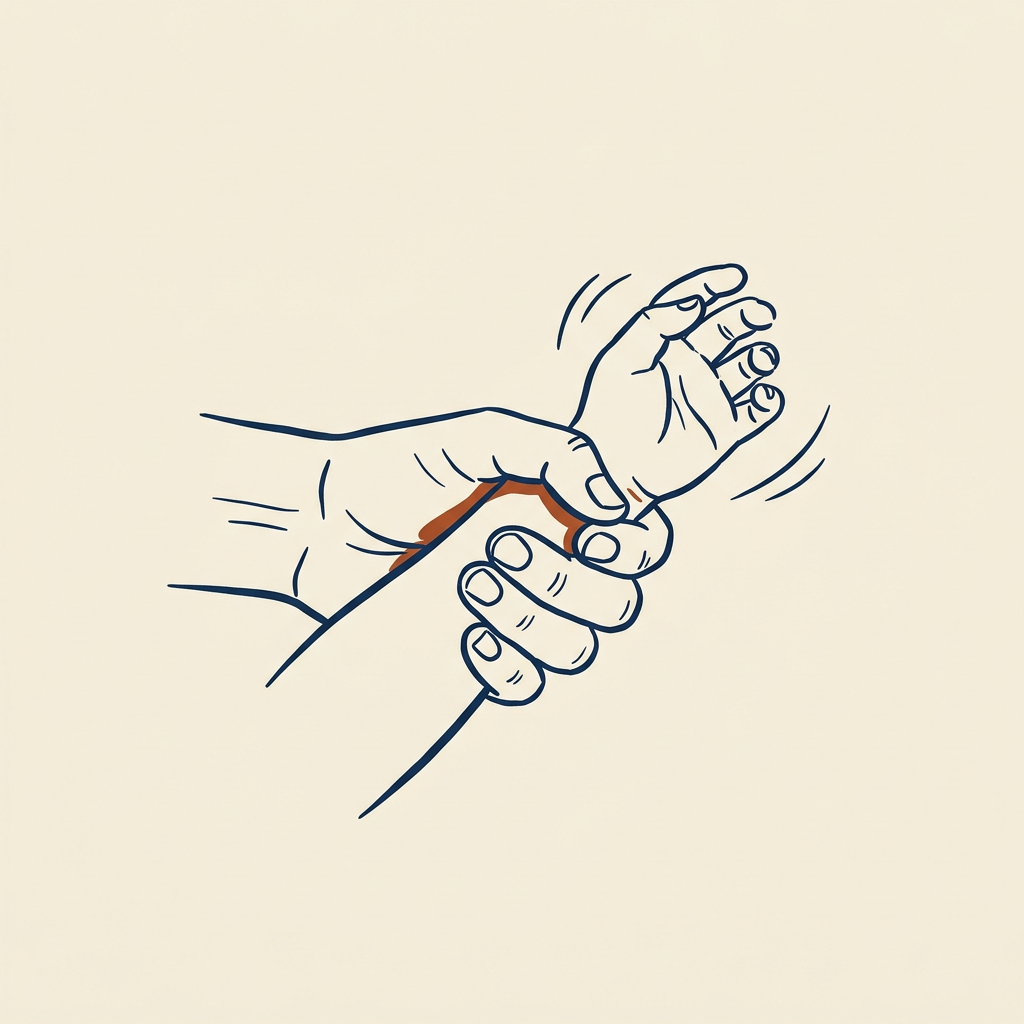
Physical presence matters. Catching the hand frames the intervention as protective rather than punitive. Attachment ideas in the background suggest children feel safer when a boundary is enforced, not merely stated; a stated-but-unenforced rule teaches that words and actions diverge.
This is sturdiness made concrete. Consistency of enforcement, not the particular rule, is what she says produces long-term security.
In practice: Mid-tantrum a child tries to hit the parent. Instead of stepping back with “we don’t hit,” the parent catches the hand and says they will not let the hit happen and will keep the child safe.
Key terms
- good inside The stance that a child remains a good person even while doing something difficult or harmful; behavior does not rewrite identity.
- sturdiness Holding a firm limit without losing warmth, and offering empathy without dropping the boundary.
- iceberg Visible misbehavior as the small tip above deeper fear, exhaustion, skill gaps, or nervous-system overload.
- validation before correction Name the child’s feeling first so the brain can settle; deliver the limit or lesson only after connection.
- won’t versus can’t Distinguishing defiance from a real gap between the demand and the child’s current capacity.
- co-regulation A calm adult nervous system helping settle a dysregulated child’s system through presence and steady tone.
- I won’t let you A firm, often physical block of harmful action framed as keeping the child safe rather than as punishment.
- repair Circling back after a parental blow-up to own the yelling and model accountability without collapsing the original limit.
What to do
- Say the feeling out loud first—“you’re really disappointed”—then stop talking and wait before any rule or reason.
- When you overreact to something small, pause and ask whether the anger matches this moment or an old one of yours; name it internally and lower your volume.
- If you discover a lie, say you are not upset about the mistake itself and only want the truth, then address the underlying action once honesty is out.
- With siblings, stop hunting who is at fault first; validate each child’s feeling in turn before applying the rule that already exists.
- When harm is rising, gently block the action and say you will not let them do it, framing the stop as safety.
Questions to think with
- When my child acts out, am I seeing a bad kid or a good kid who is struggling right now?
- Which of my reactions feel bigger than the moment and might belong to my own history?
- Do my limits arrive with warmth, or only with cold enforcement or last-minute collapse?
- In sibling fights, am I chasing perfect fairness or making sure each child feels seen?
- After I yell, do I circle back and repair, or pretend it did not happen?
The other side
The book’s central weakness is evidentiary: Kennedy cites attachment, nervous-system science, and developmental research only in general terms, with no citations, bibliography, sample sizes, or named studies, so claims about amygdala hijack, co-regulation, and shame-driven lying rest on clinical authority and anecdote rather than traceable data. Critics note she applies attachment theory loosely to discrete behavior moments and does not seriously engage competing evidence-tested approaches such as Parent-Child Interaction Therapy. The model also assumes time, patience, and bandwidth many households lack—multiple kids, single parents, economic stress—gives only glancing treatment to neurodivergent children whose triggers may be physiological, and speaks from a resourced, individualist cultural frame that may not map onto collectivist or intergenerational households.
Who it's for
Parents exhausted by daily power struggles over bedtime, screens, or getting dressed, especially those raised on strict discipline who want a different approach but lack the language. Teachers and caregivers who need ways to validate feelings without dropping structure will also get practical scripts.