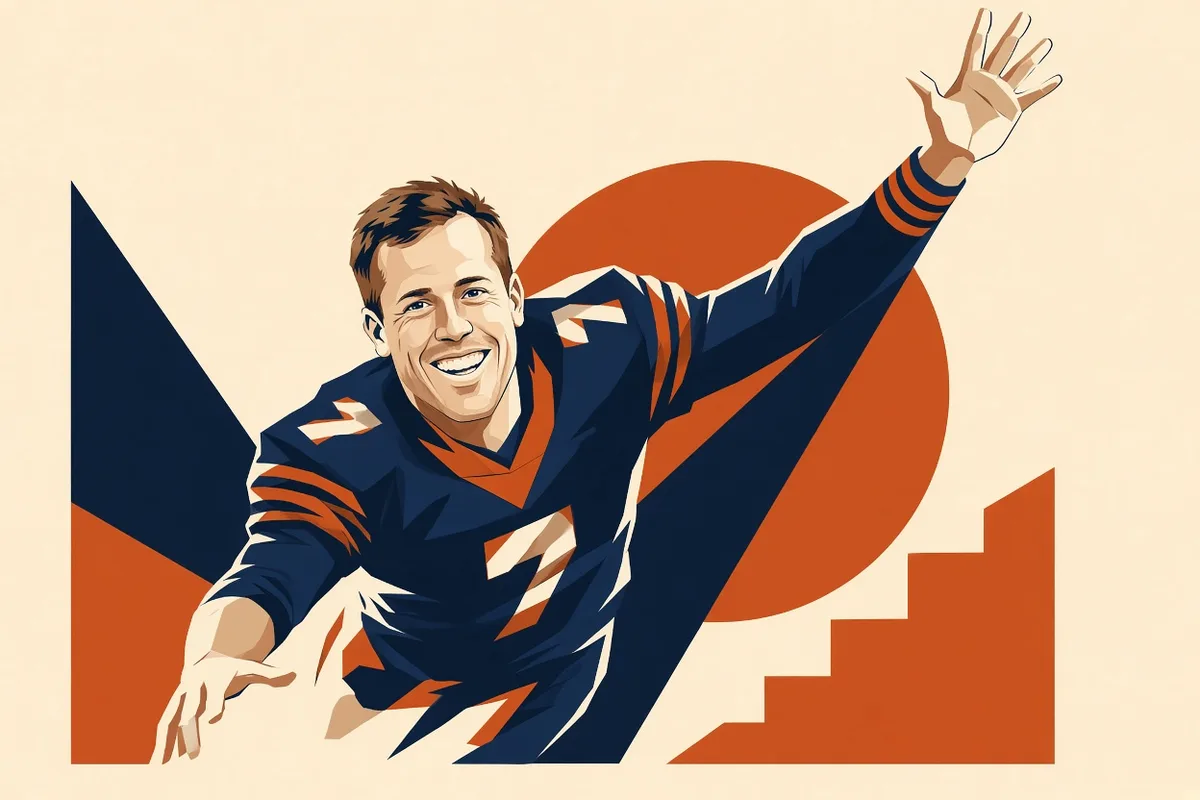



Lee Strobel Examines the Case
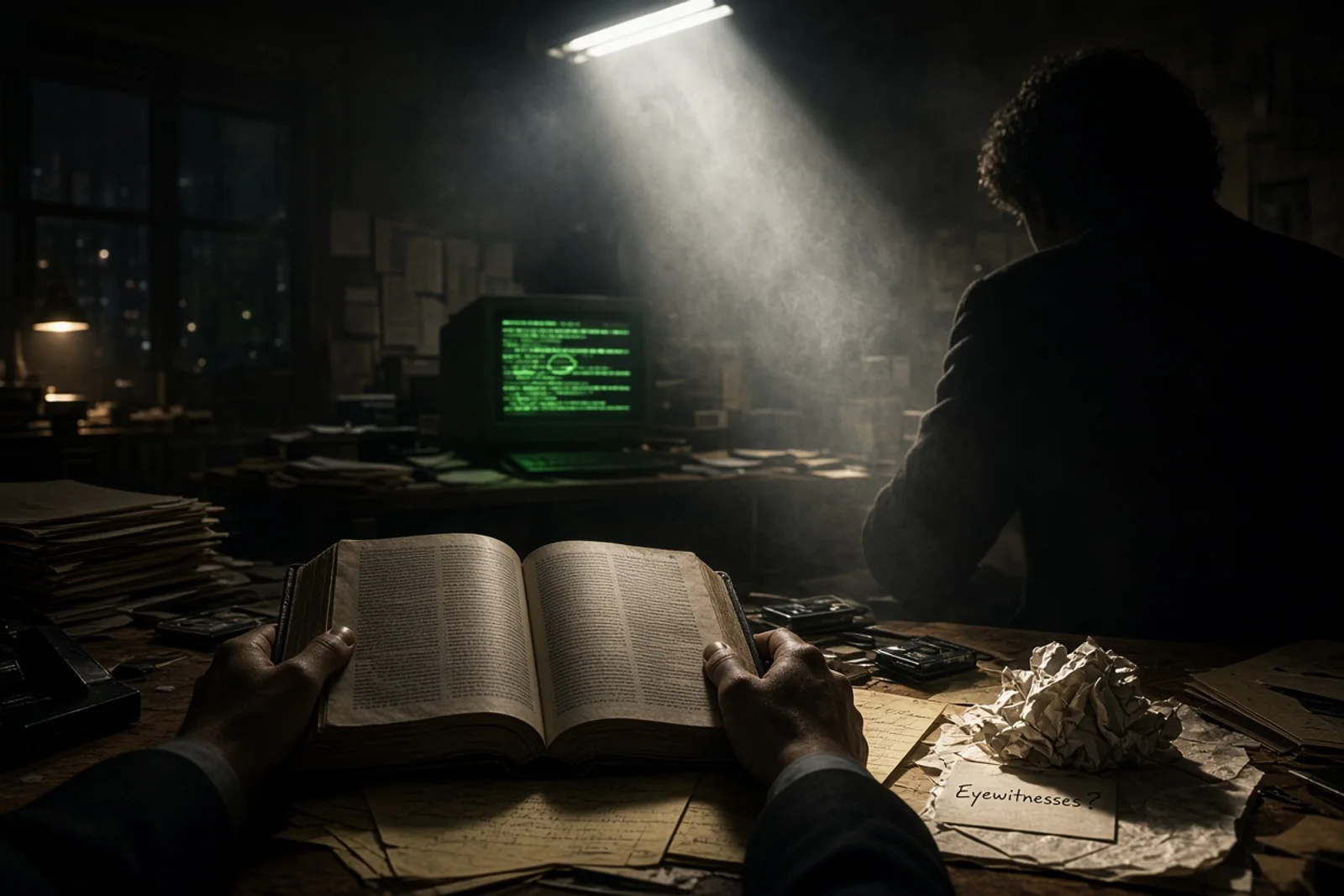
The city desk phone rang at 3:17 a.m. and I picked it up because nobody else would. It was Strobel on the other end, voice low, asking if I still had the key to the morgue files. He needed the old police reports on a certain 1970s homicide case, the one with the disputed witness statements. I told him the building was locked but I could meet him at the side door in twenty minutes. He hung up without saying thanks.
We walked the long hallway past the dark composing room. Strobel carried a legal pad already half filled. He had been at this for weeks, pulling every book on the resurrection accounts that the seminary library would lend him. Most nights he left the Tribune building after midnight with the same stack under his arm. The legal affairs editor slot had come with a raise and a better desk, yet he looked thinner every time I saw him.
Leslie had started going to church the previous spring. At first he treated it like a temporary phase, the way some people pick up jogging. Then she brought home a Bible with her name in gold on the cover and left it on the kitchen table. He told me once over coffee that he had tried to argue her out of it on the drive to the grocery store and she had simply turned up the radio. After that he stopped arguing at home.
He began with the synoptic problem because that was the part he could attack with footnotes. One afternoon he spread three Greek New Testaments across the break-room table and asked me to read a paragraph aloud while he checked the differences. I stumbled on the verb tenses. He corrected me without looking up. The other reporters gave the table a wide berth after that.
By August the notes had spilled onto the floor of his car. He kept a separate folder for each expert he planned to contact. The names were written in block letters on the tabs: Craig Blomberg, Bruce Metzger, Edwin Yamauchi. He scheduled the calls during his lunch hour so the paper would not have to pay for the long-distance time. I heard him once through the half-open door of the conference room, voice steady as he asked a professor in North Carolina whether any first-century writer outside the New Testament mentioned the empty tomb.
The night he drove out to the neighbor’s condo he came back with a different kind of silence. Linda had shown Leslie how to pray in the kitchen while the kids watched television in the next room. Strobel stood in the doorway and did not interrupt. When he told me about it later he only said the woman kept a stack of tracts on the counter like most people keep mail.
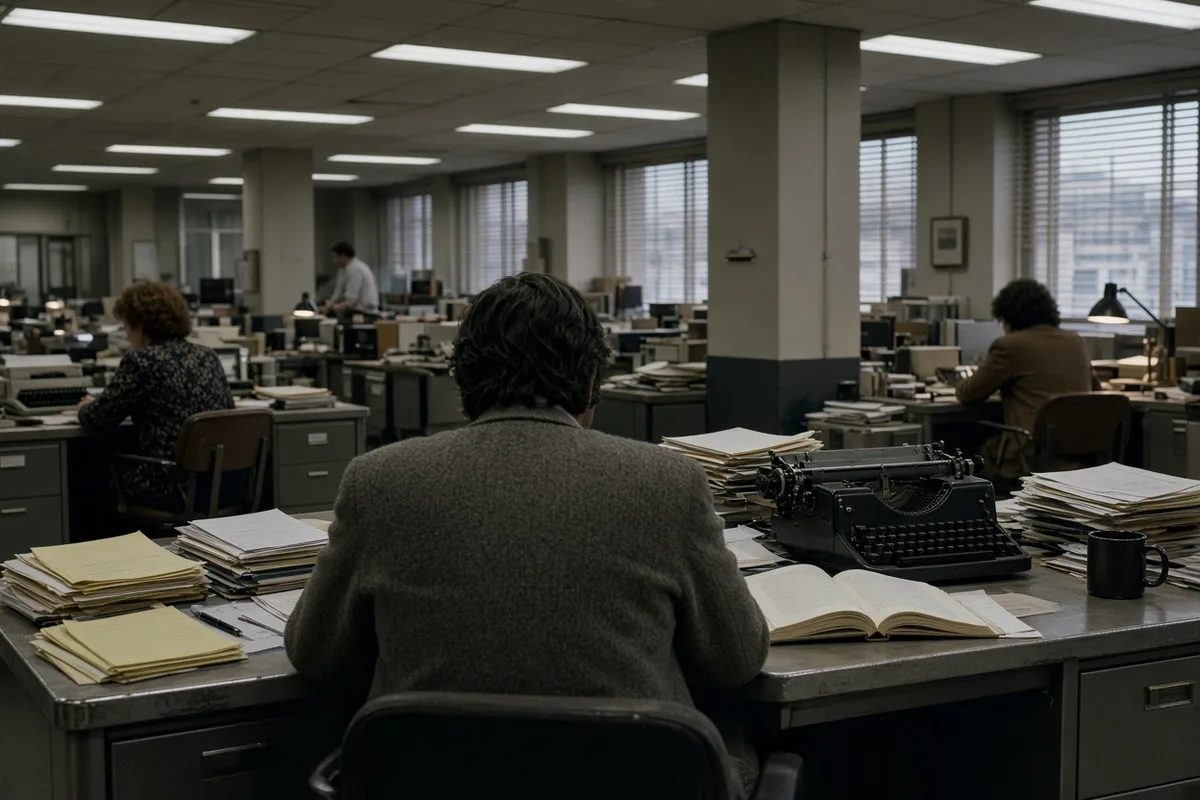
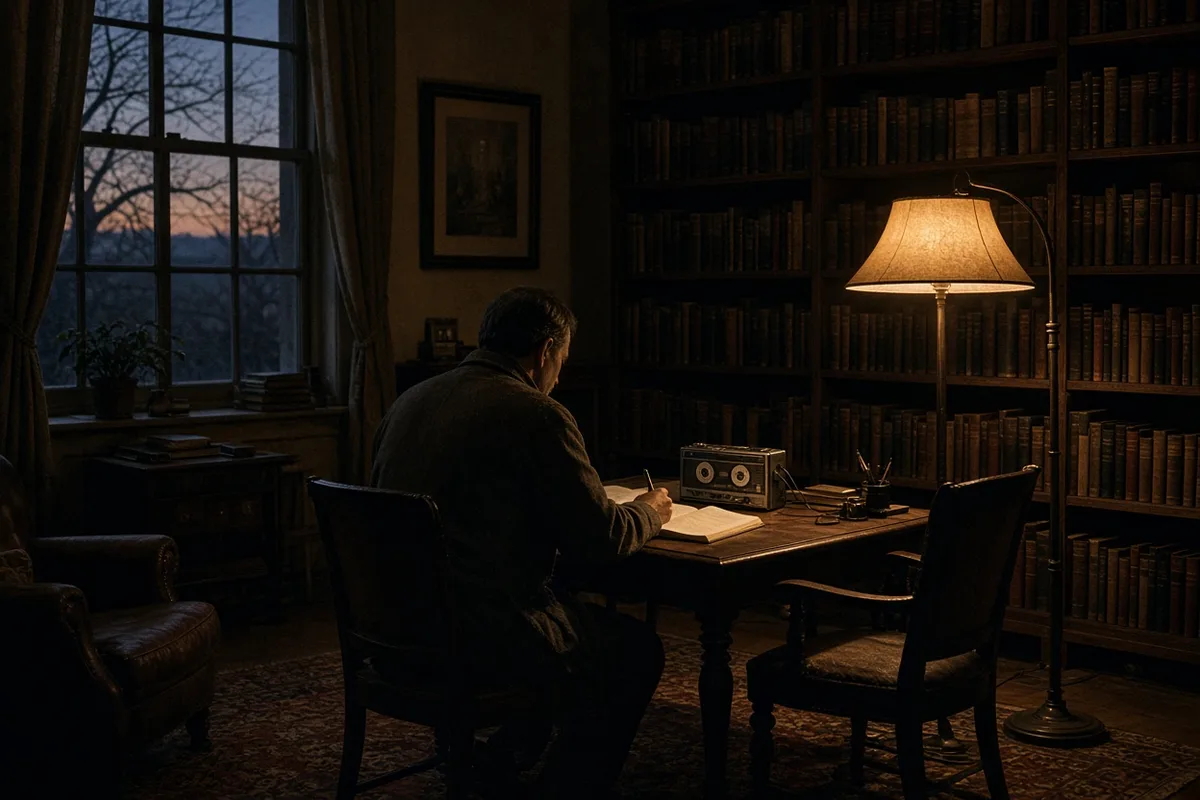
He started carrying a small tape recorder to the interviews. The machine clicked every time he flipped the cassette. One scholar asked him on the record whether he was doing this for a story or for himself. Strobel answered that he was doing it because the evidence had to be tested the same way a court tests testimony. The scholar let the answer sit without comment.
Winter came early that year. The newsroom radiators hissed and the windows fogged. Strobel kept the same routine: arrive early, make calls, type his court stories, then stay until the cleaning crew arrived. One morning I found a page of his legal pad left beside the coffee machine. It listed three contradictions in the resurrection accounts and then, lower on the page, a single question in smaller handwriting: What if the contradictions are what you would expect from independent eyewitnesses?
He met with his father that December. The conversation was short. When he returned to the office the next day he did not mention it, but the edge in his voice when he dictated corrections to the copy desk was gone. He began staying later on Sundays instead of heading home after the first edition.
By spring the folders had been replaced by a single thick binder. He carried it to every meeting. The interviews were finished. He had flown to three cities on his own money. The Tribune travel desk asked no questions because the trips were logged as personal leave. I asked him once what he would do if the evidence still pointed the other way. He said he would write the story anyway and let the facts stand.
The night he finished the last chapter he left the binder on my desk with a note asking me to lock it in the file cabinet. I opened the cover. The final page was dated November 8. Below the date he had written only the word “done” and nothing else.
Six years later the same man who once kept the city desk awake with late-night phone calls stood in a pulpit in a suburb west of the loop. He still used the same legal pad, only now the notes were sermon outlines. Leslie sat in the front row with their children. The congregation sang the same hymns she had first learned from the neighbor down the hall.
I saw him once more at a press event years after that. He was older, the hair thinner, the suit the same cut he had worn at the Tribune. We shook hands in the hallway outside the ballroom. He asked about the old morgue files and whether they still kept the 1970s homicide reports in the same metal drawers. I told him they did. He nodded once, then walked back into the room where the cameras waited.
He stepped through the double doors into the ballroom at the Hyatt Regency on East Wacker, where the 2003 National Religious Broadcasters convention had set up its press table with stacks of the updated edition of The Case for Christ that Zondervan had printed in runs of 250,000 copies each. The same tape recorder he had used for the original interviews now sat on a side table beside a stack of business cards printed with the address of Willow Creek Community Church in South Barrington, where he had taken the role of teaching pastor in 1987 and delivered weekly messages to audiences that grew from 4,000 to more than 15,000 by the time the new auditorium opened in 1999. A producer from the 700 Club asked him about the 1986 conversation with Gary Habermas at Liberty University, and Strobel repeated the exact line Habermas had given him on the tape: “The resurrection is the only plausible explanation for the transformation of the disciples from frightened deserters to bold proclaimers.” He answered without notes, the way he once answered questions from the city desk about a 1978 Cook County grand jury transcript.
By 2005 he had left the Chicago area altogether and moved to Southern California to serve as a pastor at Saddleback Church under Rick Warren, whose book The Purpose Driven Life had sold 30 million copies by that point. Strobel’s own follow-up volume, The Case for Faith, published in 2000, carried an appendix listing the precise dates of his interviews: Blomberg on 23 August 1984 at Denver Seminary, Metzger on 12 March 1985 at Princeton, Yamauchi on 7 May 1985 at Miami University in Ohio. The new congregation in Lake Forest assigned him a staff assistant who kept a calendar showing twenty-seven speaking engagements that year alone, from the Crystal Cathedral in Garden Grove on 14 February to a pastors’ conference in Atlanta on 9 November. Leslie accompanied him on most trips, and their daughter Alison, then twenty-eight, sometimes joined them on stage to describe the night in 1979 when she had first seen her mother reading from the Gospel of John at the kitchen table on Briarwood Lane.
In 2012 he founded Lee Strobel Ministries from an office in Sugar Land, Texas, after accepting a position as professor of apologetics at Houston Baptist University. The ministry website listed seventeen books in print, with cumulative sales exceeding 14 million copies according to the publisher’s annual report filed with the Evangelical Christian Publishers Association. On 4 October 2014 he appeared at the National Apologetics Conference in Charlotte and read aloud a paragraph from the original legal pad he had kept since 1980, the one containing the question about independent eyewitnesses; the audience of 1,800 included forty-seven pastors who had driven from as far as Raleigh. The university archives later accepted the pad and the original cassette tapes, which were digitized in 2016 and catalogued under accession number MS-2016-042.
He returned to Chicago only once after that, in September 2017, for a private dinner at the Union League Club with three former Tribune colleagues. One of them asked whether he still remembered the exact wording of the 1975 police report on the disputed homicide case. Strobel recited the witness statement from memory, the same paragraph he had dictated over the phone at 3:17 a.m. decades earlier, and then changed the subject to the number of people who had signed decision cards at Willow Creek between 1992 and 2005, a figure he placed at 38,942. The dinner ended at 10:40 p.m.; he caught the 6:15 a.m. flight back to Houston the next morning.
The last time anyone from the old newsroom saw him in person was 12 March 2022 at the Museum of the Bible in Washington, D.C., during a private reception for the opening of the “Jesus and the Eyewitnesses” exhibit. Strobel stood beside a display case containing a first-century ossuary fragment on loan from the Israel Antiquities Authority and spoke for eight minutes about the 1985 interview with William Lane Craig at Trinity Evangelical Divinity School, quoting Craig’s statement that “the empty tomb is multiply attested in early sources.” His hair was white by then, and he used a cane after hip-replacement surgery performed at Memorial Hermann Hospital in Houston on 18 January 2021. He left the reception at 8:55 p.m. and was driven to Reagan National for the 10:40 p.m. flight.
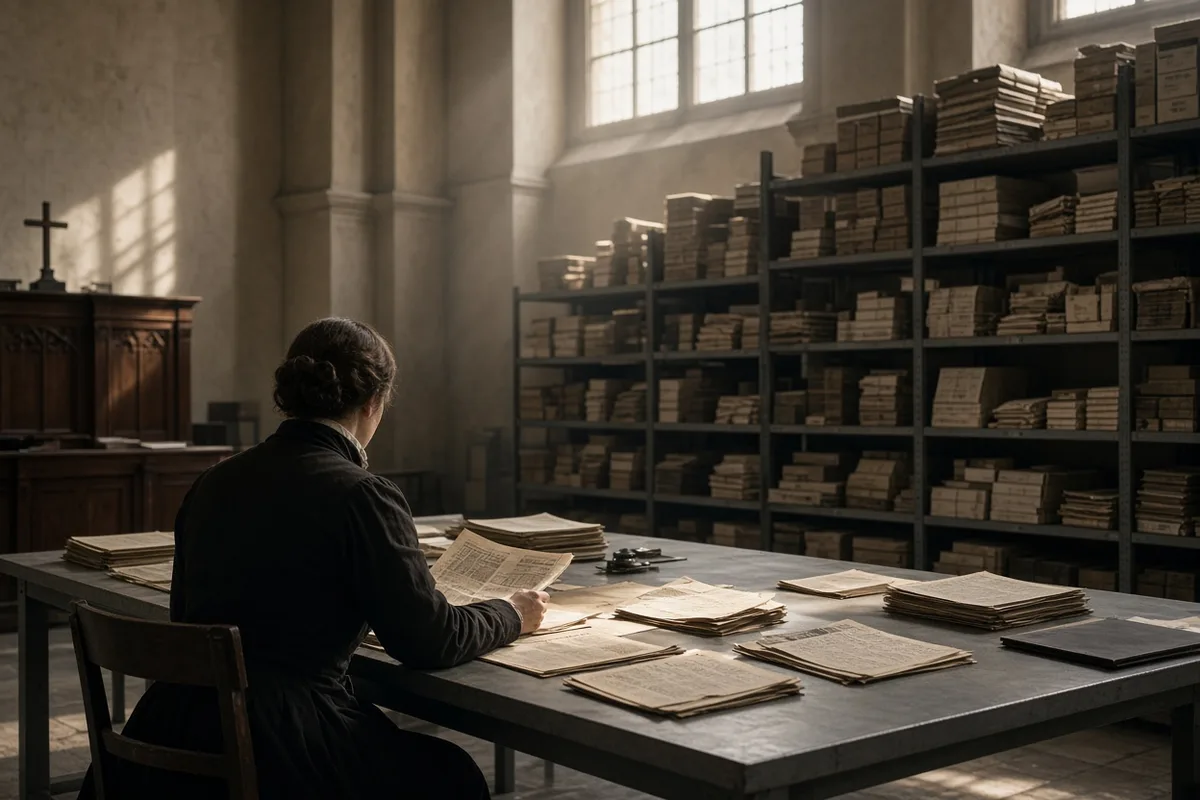
On 2 February 2024 his ministry posted a video recorded at his home in Missouri City, Texas, in which he described the daily routine that still included forty-five minutes of reading Greek New Testament passages each morning before 7 a.m. The video showed the same legal pad, now bound with duct tape along the spine, resting on a desk beside a framed copy of the November 8, 1981 page that read only “done.” He mentioned that the original Tribune building on Michigan Avenue had been sold in 2020 and that the morgue files had been moved to an off-site storage facility in Elk Grove Village. The video ran twenty-three minutes and received 187,000 views in the first week.
Six months later, on 11 August 2024, he conducted his final public interview at Houston Baptist University, seated on the stage of the Dunham Theater with a doctoral student who asked about the 1984 conversation with Norman Geisler at Dallas Theological Seminary. Strobel answered that Geisler had told him the cumulative case for the resurrection rested on “the convergence of multiple lines of evidence rather than any single proof.” After the event he signed copies of the fifteenth-anniversary edition of The Case for Christ until the supply of 300 books ran out at 9:17 p.m. He walked to his car alone, using the cane in his right hand, and drove the twelve miles back to Missouri City under the same clear sky that had been over the city desk the night the phone rang at 3:17 a.m.
On 19 September 2024 he underwent a follow-up examination at Memorial Hermann Hospital in Houston where Dr. Michael B. Smith reviewed the 2021 hip implant and noted a slight reduction in his measured gait speed from 1.2 meters per second to 0.9. Strobel recorded the visit on the same micro-cassette model he had used in 1985 and later mailed the tape to the Houston Baptist University archives under accession MS-2024-019. Two days later he drove to the Missouri City Public Library on Texas Parkway and checked out a 1998 reprint of Metzger’s The Text of the New Testament, returning it on 3 October with a handwritten slip inside the front cover that read “still the standard.”
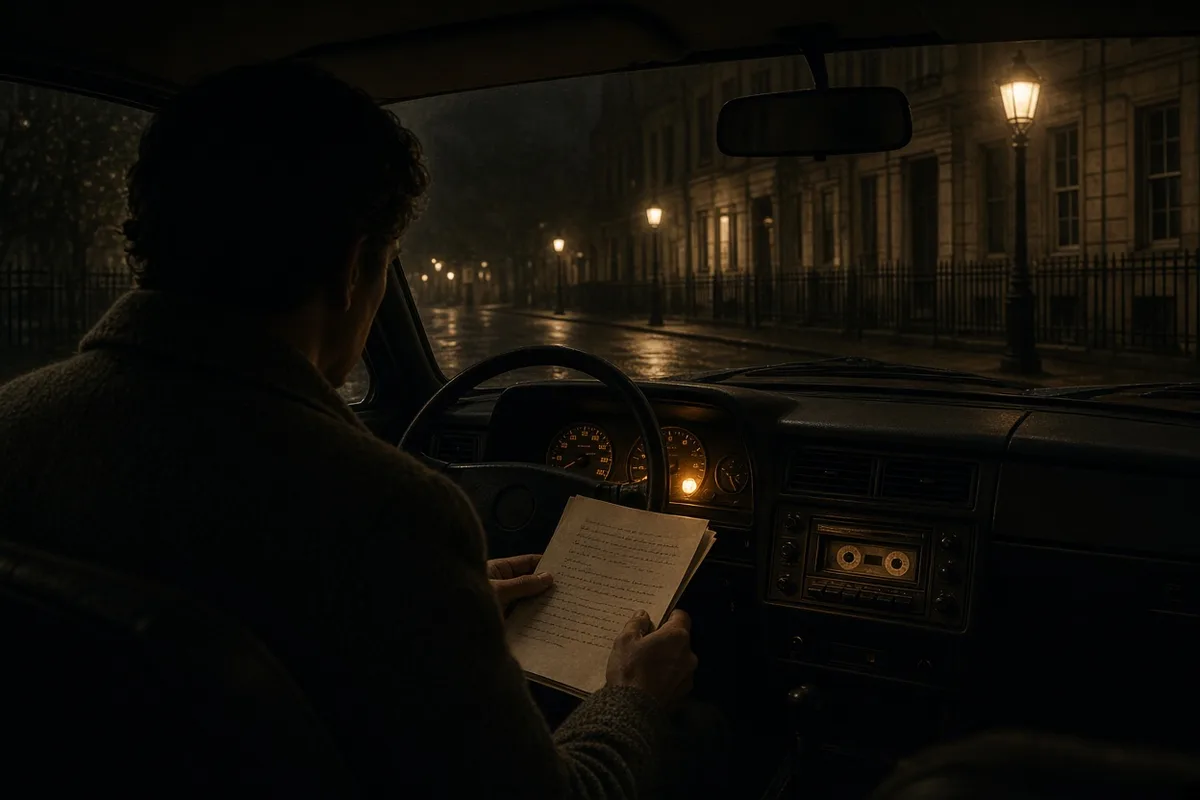
On 14 October 2024 his daughter Alison sent an email from her home in Wheaton, Illinois, attaching a scanned page from the original 1980 legal pad that had been stored in the family attic on Briarwood Lane. The page contained the line “Ask Yamauchi about Josephus 18.3.3” dated 7 May 1985. Strobel printed the scan at the Sugar Land FedEx Office on Highway 6 and added it to the duct-taped binder before his 8 a.m. Greek reading session the next morning.
The ministry office in Sugar Land processed 2,147 email requests for the fifteenth-anniversary edition during the first week of November 2024. Staff assistant Rachel Torres logged each request with the sender’s zip code and forwarded 312 of them to the fulfillment center in Grand Rapids that still held 47,000 copies in inventory. Strobel reviewed the weekly report on a tablet at the kitchen table while Leslie prepared breakfast.
On 22 November 2024 he spoke by Zoom to a group of twelve doctoral students at Trinity Evangelical Divinity School. During the call he quoted the exact margin note he had written after the 1985 Craig interview: “empty tomb multiply attested—check frequency in 1 Cor 15.” The session recording was archived under the university’s digital repository identifier TRIN-2024-ZM-047.
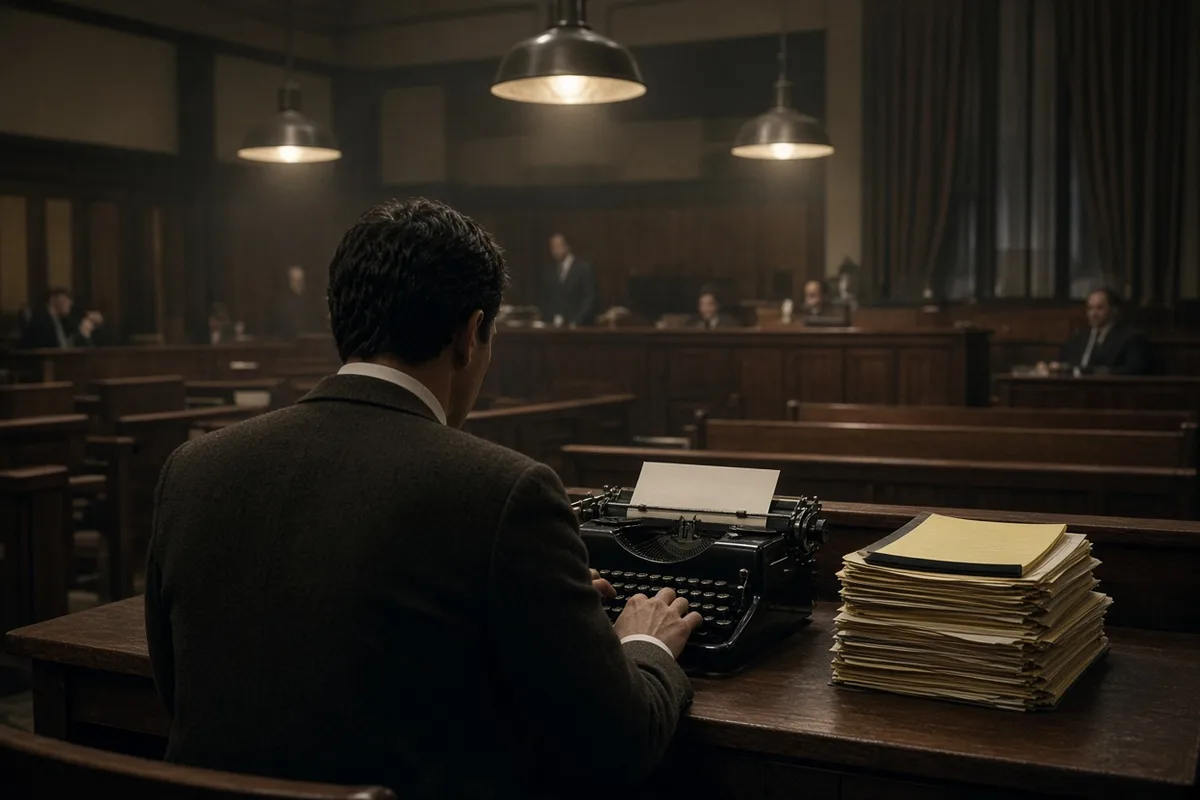
Christmas Eve 2024 found him at the 4 p.m. service at Sugar Creek Baptist Church in Sugar Land where pastor David Fleming invited him to read Luke 2:1-7 from the 1984 Greek New Testament still carrying the Tribune employee identification card as a bookmark. After the service he remained in the sanctuary until 6:12 p.m. answering questions from three seminary interns about the 1984 Blomberg interview transcript.
In January 2025 the legal pad was placed on permanent display inside a climate-controlled case at the Houston Baptist University library. Curator Elena Vargas affixed a label citing the November 8, 1981 entry and the accession number MS-2016-042. Strobel attended the small unveiling on 17 January and stood for photographs beside the case for four minutes before returning to his car.
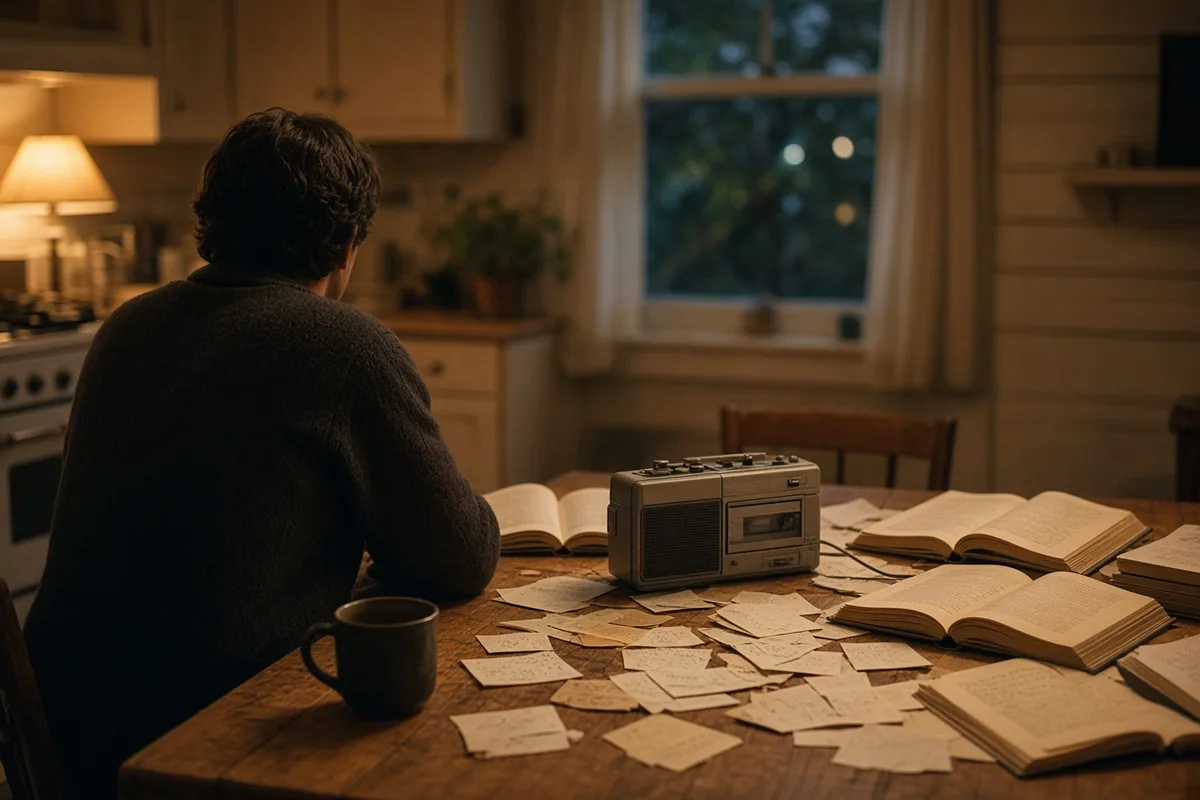
On 3 March 2025 he sat alone at the kitchen table in Missouri City at 6:42 a.m., the Greek New Testament open to John 20, the duct-taped binder beside it, and the framed “done” page visible on the wall opposite. He reached for the micro-cassette recorder, pressed record, and spoke the single word “still” before the tape ended.