



Leonardo's genius was curiosity practiced across every field
In 60 seconds
- An illegitimate birth and missing Latin schooling pushed him to trust direct observation over inherited authorities.
- Notebook pages put shopping lists beside anatomy sketches and questions such as why the sky is blue.
- Night dissections and optics experiments, not pure workshop craft, produced the bodies and smiles in his major paintings.
- A letter to the Duke of Milan sold him first as a designer of war machines; painting was nearly an afterthought.
- Decades of bird-flight and water-spiral study never launched a machine or a finished theory, yet sharpened every later drawing.
- He died in France still tending the Mona Lisa; Melzi inherited notebooks that stayed largely unpublished for centuries.
The big idea
Isaacson locates Leonardo's brilliance in relentless observation and the refusal to split art from anatomy, engineering, and optics. Masterpieces and abandoned projects grew from that single restless method.
The book in brief
Night after night with a candle and a corpse, Leonardo mapped the heart so precisely that later cardiologists still recognized his aortic-valve flow. That habit of looking harder than anyone else is where Isaacson starts the real story.
Born outside wedlock in Vinci and shut out of Latin schooling, he apprenticed in a Florence workshop that already mixed paint, clay, metal, and machines. Isaacson treats the missing classical education as freedom: a disciple of experience who trusted swirling water and flexing muscle over Aristotle.
Notebook pages become the book's spine. Questions sit beside grocery lists. Anatomy, engineering, light, and fables share sheets because he refused to file nature into separate drawers. Most promised treatises never appeared.
The same eye that cut bodies also solved painting as an optics problem—soft edges, locked perspective, layered glazes. Court jobs for the Sforzas and Borgia paid for it with weapons, canals, pageants, and maps, while private notes fretted over war.
Flight machines stayed on paper. Water spirals mirrored blood and hair in a hunt for one pattern he never quite wrote down. Commissions slipped and patrons fumed. Final years under Francis I offered pay without deliverables. He kept the Mona Lisa close, talked with the king, and left the notebooks to Melzi, who preserved them without publishing. Scientific notes stayed obscure for centuries.
Context
Walter Isaacson's 2017 biography synthesizes the notebooks and earlier scholars such as Martin Kemp rather than opening new archives. It landed as a readable case that creativity is a discipline of noticing and connecting, not a spark reserved for the few.
The key ideas
1
Freedom from the Latin desk
Exclusion from classical schooling let Leonardo build knowledge from observation instead of rote authority.
- 1452Born illegitimate in Vinci
- age ~14Apprenticed in Verrocchio's mixed workshop
- Baptism of ChristAngel said to outshine the master's figures
He arrived in 1452 as the illegitimate son of a notary and a peasant woman in Vinci. The path into law or the church, gated by Latin, stayed closed.
Isaacson calls that gap an advantage. Leonardo named himself a disciple of experience and watched water swirl, muscles flex, and light fall rather than memorizing Aristotle.
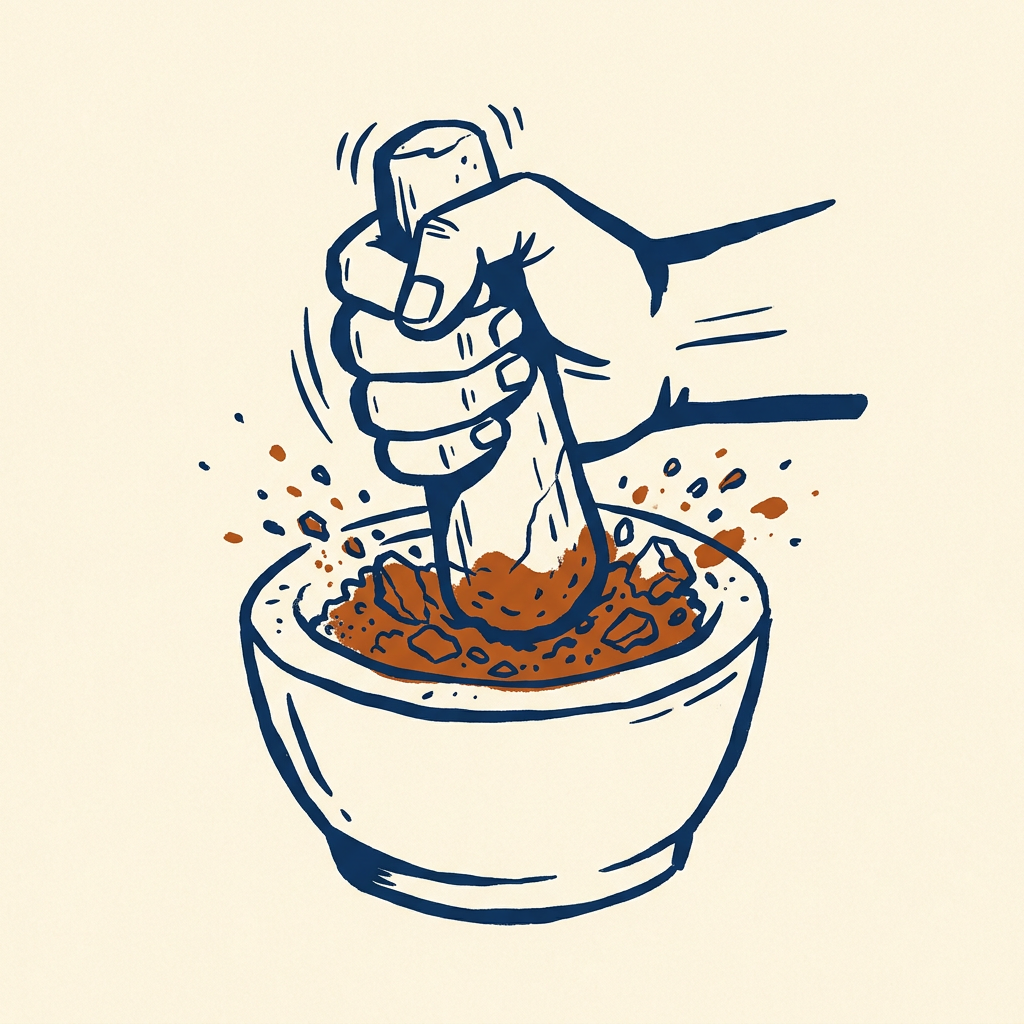
Around age fourteen he joined Andrea del Verrocchio's workshop in Florence. Painting, sculpture, metalwork, and engineering already shared the same roof, so moving between them felt normal. He learned to grind pigments, model clay, cast bronze, and handle perspective.
Vasari later claimed Verrocchio abandoned painting after Leonardo's angel in the Baptism of Christ outshone the rest. Isaacson keeps the anecdote to mark the real difference: not raw skill, but the compulsion to keep asking why a thing looked the way it did, and to sketch whirlpools and bird wings with no job attached.
In practice: Verrocchio's workshop angel that, in Vasari's telling, made the master stop painting.
2
One sheet, many worlds
The notebooks keep shopping lists, fables, and deep questions on the same page as proof he never split knowledge into bins.
Compartmentalized scholar
Separate treatises, clean categories
Leonardo's page
Bills, fables, anatomy, and why-is-the-sky-blue together
Isaacson leans on the 7,200 surviving pages as primary evidence, not the handful of finished paintings.
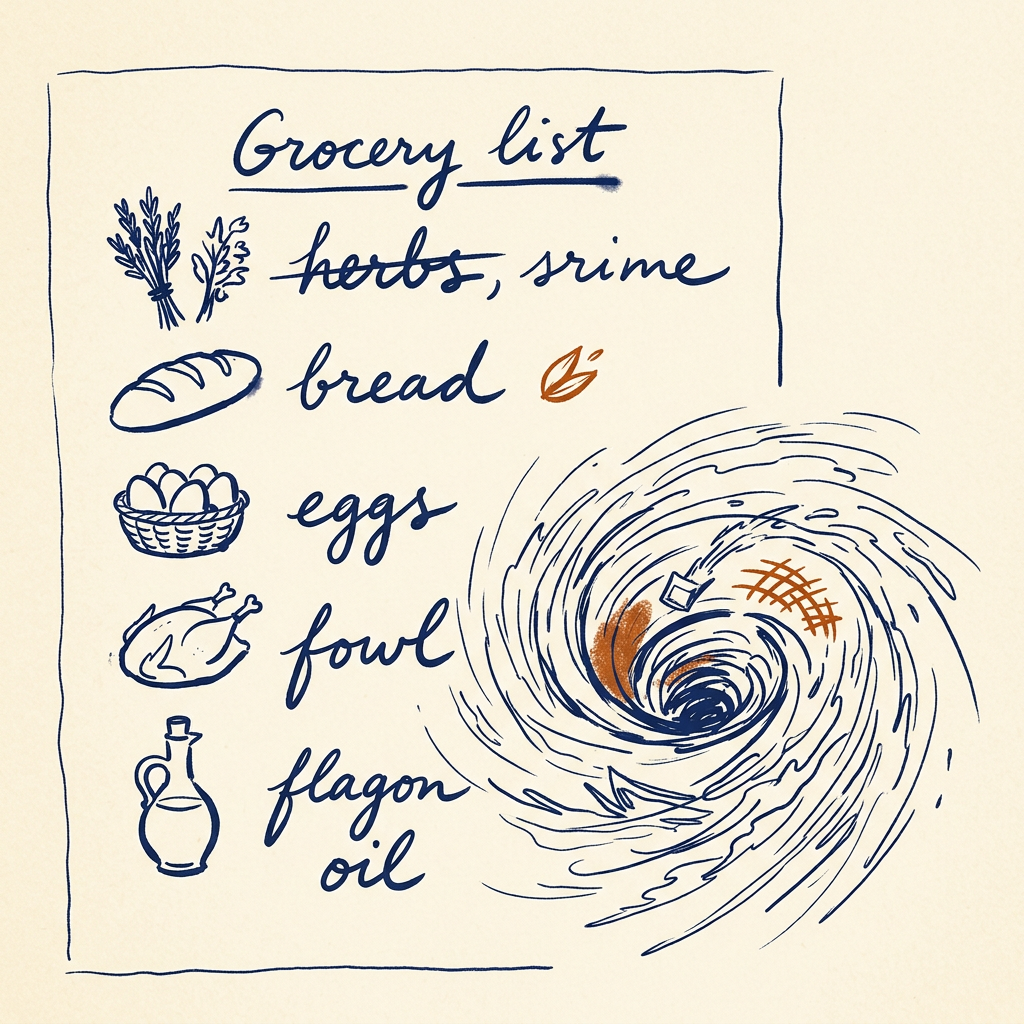
A page might ask why the sky is blue next to a grocery list for assistants. To-do lists, anatomy, engineering sketches, and philosophy share paper because he saw light, water, bodies, and pictures as one investigation into nature's patterns.
He wrote questions ahead of answers—sometimes hundreds—including lists of facts to pull from named experts in Milan. Curiosity looks like a verb here, a repeated act.
He wrote in mirror script, right to left, almost certainly because he was left-handed. That habit made the notes hard to share and likely slowed any spread of his ideas while he lived. Announced books on anatomy, water, painting, and mechanics stayed mostly plans.
In practice: A page that pairs a sky-blue question with a shopping list.
3
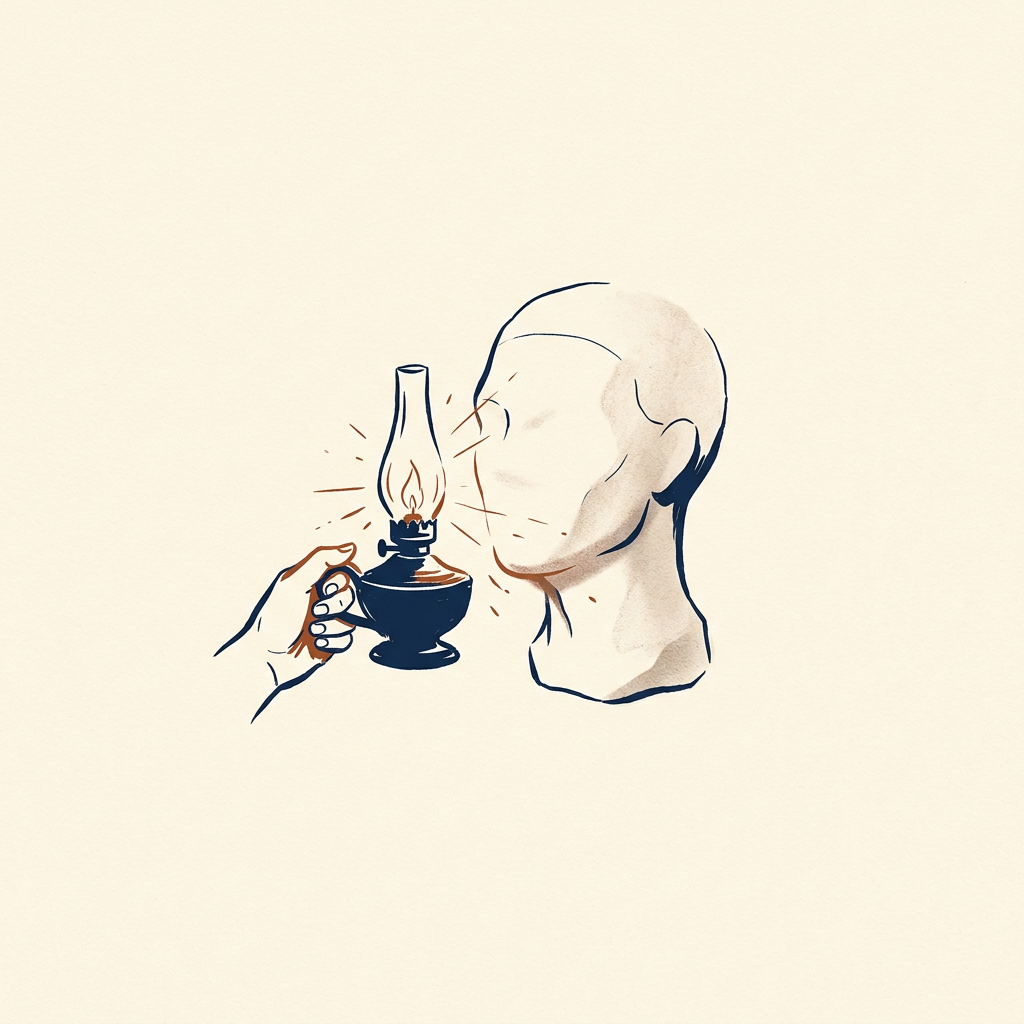
Heart drawn by candle
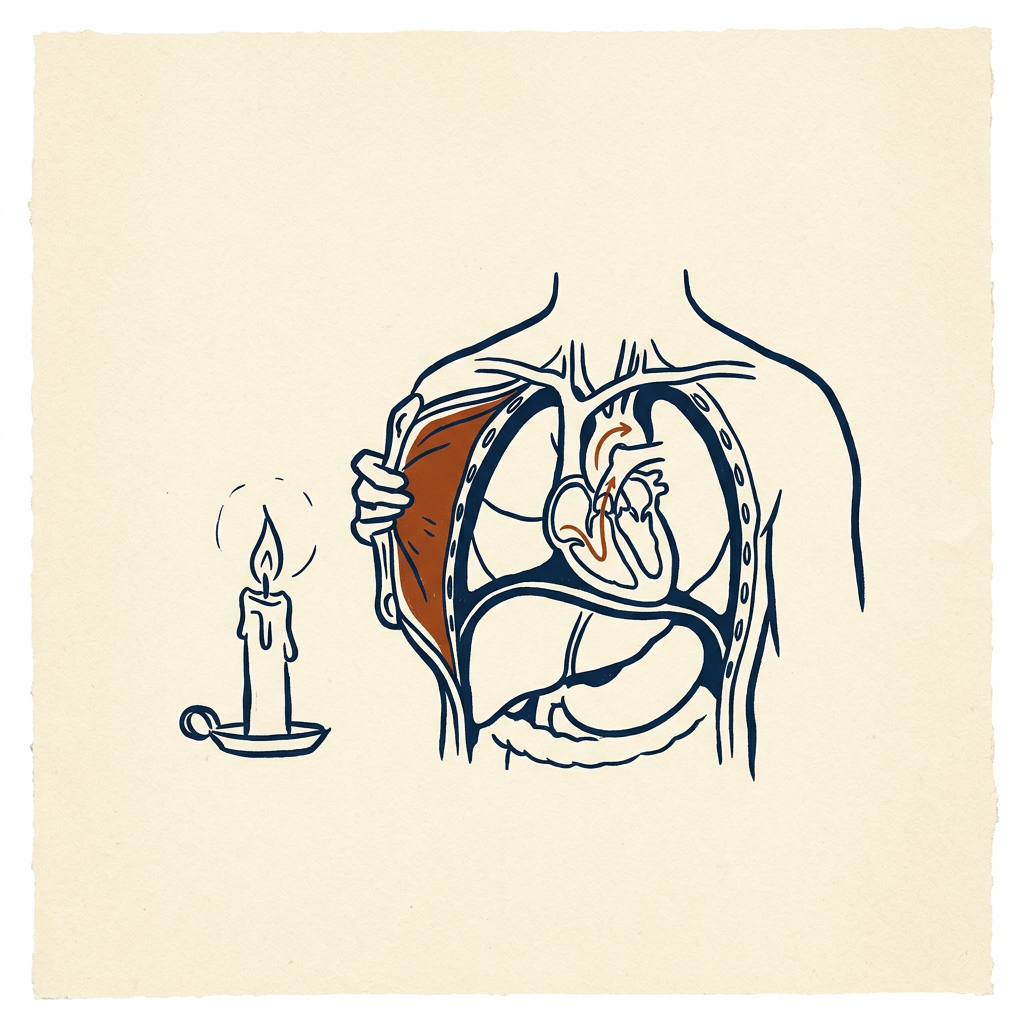
Dissections of more than thirty corpses yielded an aortic-valve flow drawing that later cardiologists confirmed.
The nights were gruesome and sometimes illegal. Beginning in Florence and intensifying in Rome and Milan, he worked through bodies by candlelight.
He drew the heart with a precision cardiologists would later match on aortic-valve blood flow, a detail not properly understood again until the twentieth century. He was first to render the fetus in utero accurately and to map the spine's curvature correctly.
The point, for Isaacson, was never only better painted muscle. He chased how body mechanics echoed rivers, machines, and flight. Vessel branches sat beside tree limbs and river forks in a search for shared laws.
Those studies tightened the tendons in Saint Jerome. Muscle physics fed machine sketches. Insights arrived at the intersections specialists tend to miss.
In practice: Aortic-valve blood flow drawn so well that modern cardiologists recognized it.
4
Paint as optics problem
Sfumato and the Mona Lisa's mobile smile came from studying how eyes meet edges and scattered light.
- 1Test edges and lightMirrors, lamps, peripheral scatter
- 2Invent sfumatoTones melt without hard lines
- 3Layer for the smileGlazes shift with the viewer's gaze
Hard outlines vanished once he tested how the eye actually softens edges and how light frays at the rim of vision. Mirrors and lamps became tools as much as brushes. That research became sfumato, the smoky blend that made flesh feel alive.
For the Last Supper in Milan's Santa Maria delle Grazie in the 1490s, he locked single-point perspective so the vanishing point sits behind Christ's head. Viewers look there before they know why.
Fresco's wet-plaster speed frustrated him. He tried oil-based paint on dry plaster to revise slowly. The gamble bought subtlety and started the mural's decay inside his own lifetime.
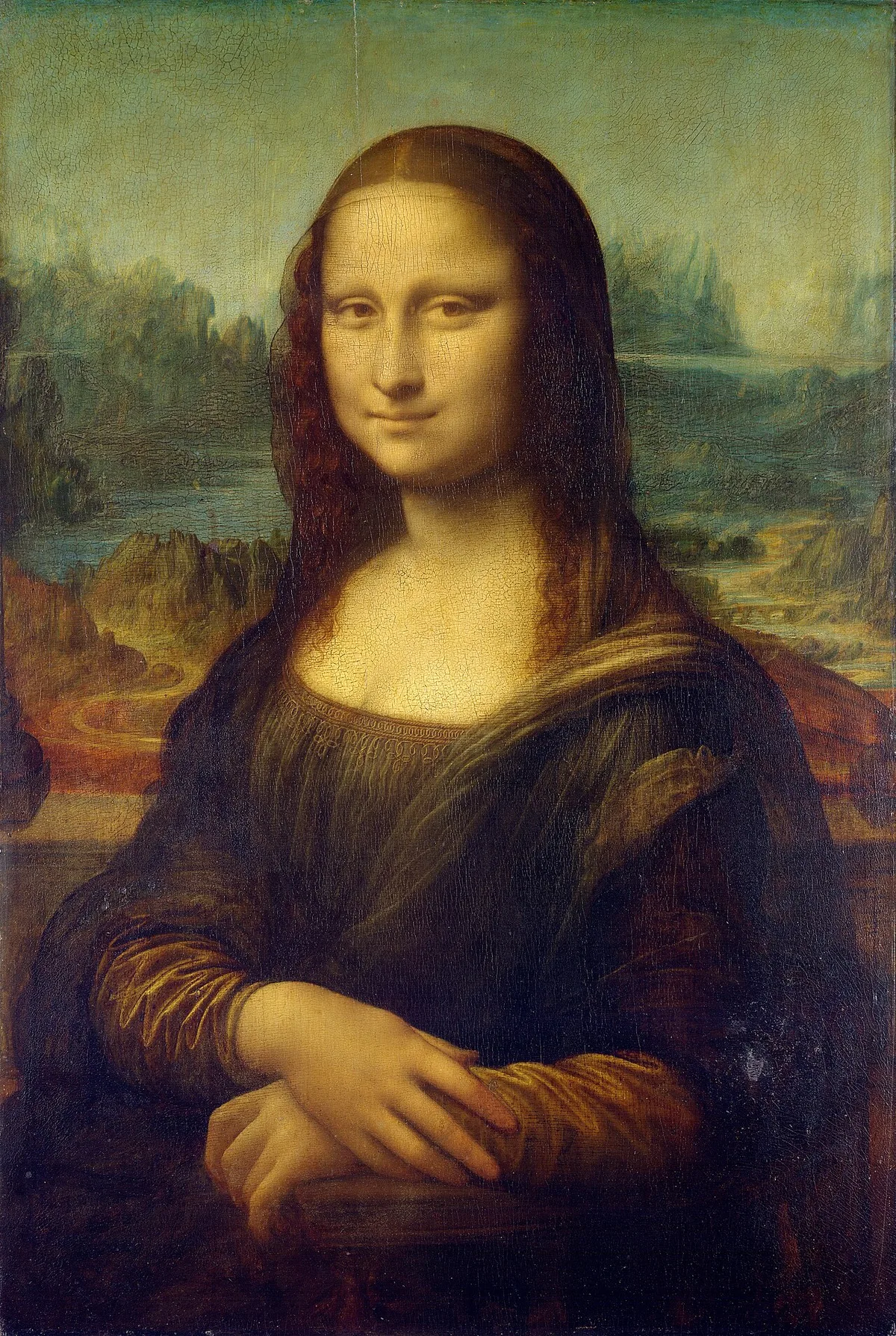
The Mona Lisa, begun around 1503 and reworked for years, uses atmospheric perspective to blur distant ground the way real distance blurs, plus thin glazes that make the smile shift with the viewer's focus—an effect tied to his peripheral-vision notes. Isaacson reads the canvases as notebook science made visible.
In practice: Vanishing point placed directly behind Christ's head in the Last Supper.
5
War machines pay the rent
The 1482 letter to Ludovico Sforza advertised bridges, cannons, and armored vehicles before mentioning paint.
Inspired loner myth
Art untouched by money or power
Leonardo's ledgers
Wages for canals, pageants, cannons, and maps
Isaacson refuses the lone pure-artist myth. Patronage shaped the work and paid for it.
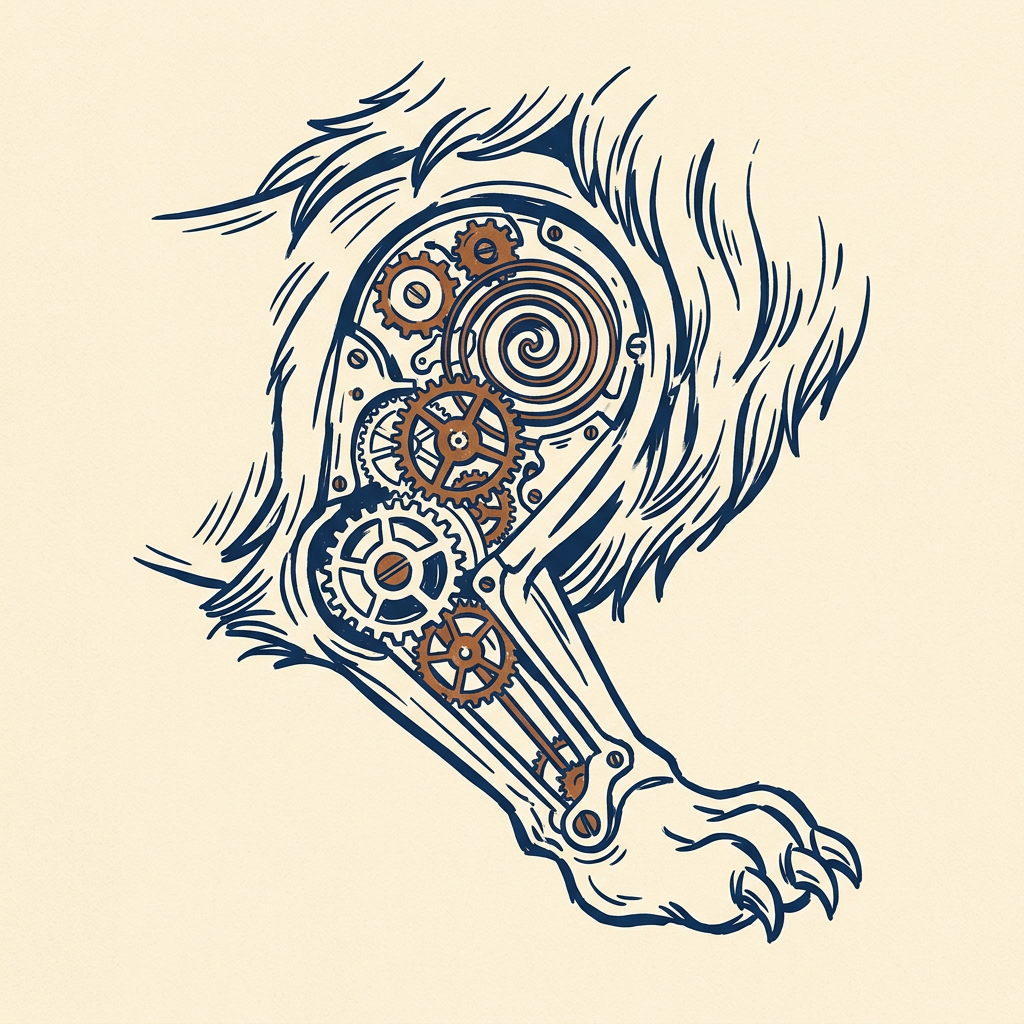
Nearly twenty years in Milan went to court pageants, hydraulic schemes, and weapons, most never built. A mechanical lion and a flying machine drawn from bird anatomy used the same looking habits that fed the paintings.
Around 1502, Cesare Borgia hired him as military architect. He produced sharp maps of Imola with surveying tools he adapted himself. Private pages still recorded horror at war while the paycheck came from a ruthless captain.
No grants, no university chair. Transactional ties to powerful, often violent men were the condition of the curiosity, not a stain on it.
In practice: Accurate Imola maps drawn for Borgia with self-adapted survey instruments.
6
Wings that stayed on paper
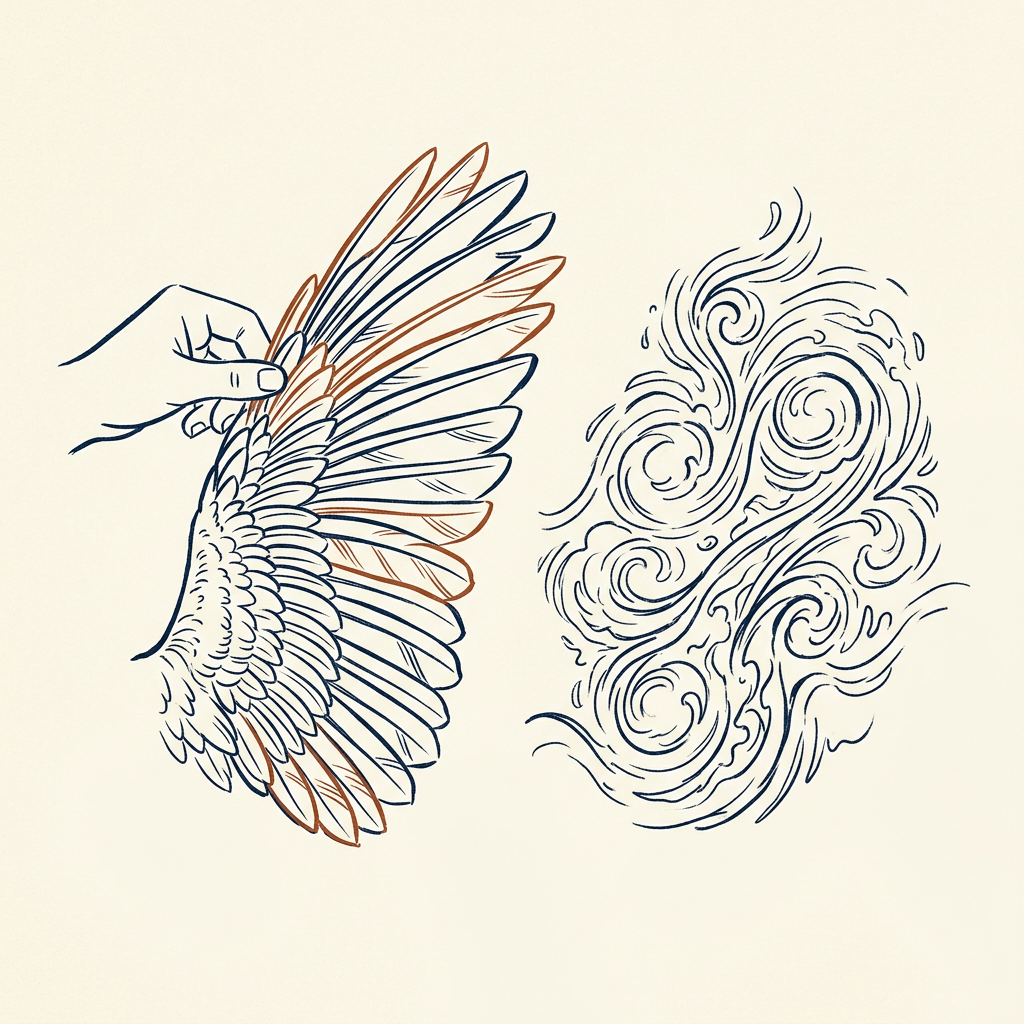
Thirty years of bird study never flew a machine, yet he saw that wing curvature helps create lift.
Notebooks across three decades fill with wing mechanics, air resistance, and flying-machine designs. None were built. None flew.
Isaacson uses the gap as a clean test. By product count the work failed. By observational care it excelled. He dissected wings and noticed curvature effects on airflow that later aerodynamics would formalize.
Water received the same stare: Arno turbulence, eddies, spiral patterns he lined up with flowing hair and moving blood. He wanted one geometry for veins, rivers, and curls.
He never found the master key or published the theory. The hunt still trained the eye that shows up in late turbulent drapery and the swirling deluge drawings from his French years.
In practice: Lift from wing curvature recorded long before formal aerodynamic theory.
7
The smashed clay horse
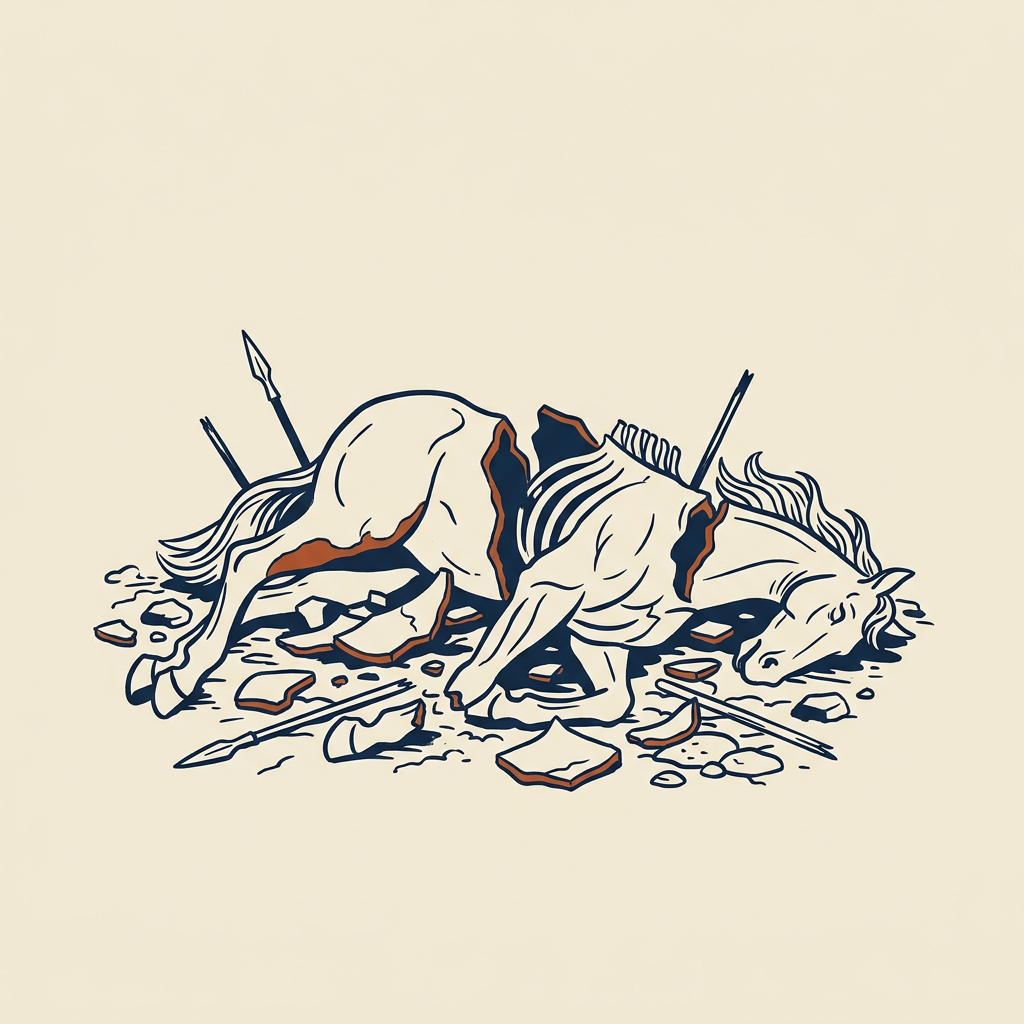
French troops destroyed the full-scale clay Sforza horse in 1499 before it could be cast in bronze.
- 1499French troops destroy the clay Sforza horse
- 1517Visitor notes he can barely hold a brush
- late FranceSaint John among few completed works
Decades of planning ended in a courtyard ruin when invaders wrecked the model. The Adoration of the Magi sat unfinished after he left Florence for Milan. Patrons wrote angry letters about delay.
A 1517 visitor to the French workshop found him barely able to hold a brush from a hand condition. Saint John the Baptist stands among the rare late pieces he did finish.
Pope Leo X, in Isaacson's telling, despaired that Leonardo would never accomplish anything because he thought of the end before the start. The biographer's move is to stop treating these as separate failures.
The attention that bolted toward a new canal or the geometry of Judas's face was identical to the curiosity that linked anatomy to paint to flight. Pull them apart and you lose the man.
In practice: Invading French troops smash the clay Sforza horse in 1499.
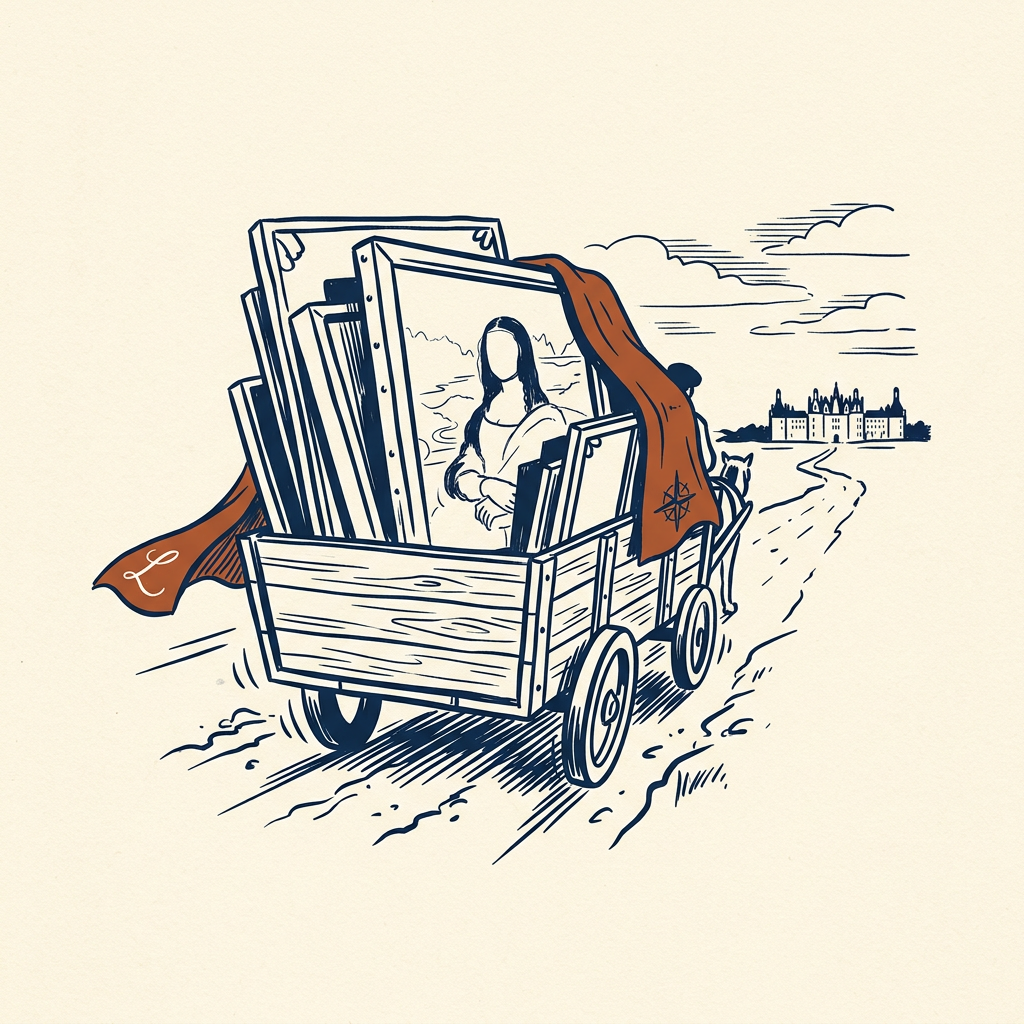
8
A king who wanted conversation
Francis I paid him as first painter, engineer, and architect with no required deliverables; the Mona Lisa came to France still unfinished.
- FFrancis IKing who funded questions without a delivery list
- FFrancesco MelziStudent who kept the notebooks unpublished for centuries
In 1516, near age 64, he moved to the Château du Clos Lucé by Amboise. The pension funded inquiry itself.
Final years went to sorting notebooks, court festivals, apocalyptic deluge drawings, and long talks. The young king treated him as a mentor more than a hired hand.
He kept the Mona Lisa with him and continued adjusting it, which is why the panel entered French royal hands and later the Louvre instead of staying in Italy. He died in 1519.
Notebooks passed to companion and student Francesco Melzi. Melzi preserved them yet never ordered or published the set, so most scientific insights stayed hidden until scholars rediscovered them piecemeal in the nineteenth century. Isaacson closes on that archive of integrated questioning as the life's real weight beside the famous pictures.
In practice: The still-unfinished Mona Lisa travels with him to Clos Lucé and into the French collection.
Key terms
- disciple of experience Someone who builds knowledge by watching the world rather than citing old authorities
- sfumato Smoky blending of tones with no hard outline, drawn from how eyes really meet edges
- mirror script Right-to-left handwriting, likely from left-handedness, that made the notes hard for others to read
- atmospheric perspective Blurring distant detail to match how real distance looks to the eye
- single-point perspective Geometry that locks every line toward one vanishing point to steer the viewer's gaze
What to do
- Keep a running notebook of questions you cannot yet answer and revisit it weekly.
- Connect two unrelated current projects and ask what pattern in one might explain a problem in the other.
- Let a project wait when fresh observation is genuine engagement, and name it honestly when the delay is only avoidance.
Questions to think with
- Where have you specialized past the point of useful curiosity?
- Which unfinished project of yours still teaches more than a forced finish would?
- What two fields you work in have never been allowed to talk to each other?
- Would a patron who paid for questions rather than deliverables change what you notice?
The other side
The book is synthesis, not fresh archival work, and leans on Vasari's later myth-making Lives plus scholars such as Kemp, Bambach, and Nicholl; several Vasari tales appear without full caution flags. The curiosity thesis fits Leonardo and also echoes Isaacson's Franklin, Einstein, and Jobs books, raising a template worry. Technical art historians fault the confidence on works like Salvator Mundi, sold for $450 million in 2017 amid authenticity fights the biography does not fully weigh. Personal life, sexuality, and the 1476 sodomy accusation stay mostly color. Pair it with specialist art history rather than treat it as final word.
Who it's for
Creative professionals squeezed into narrow lanes, and students of Renaissance art or science who want a notebook-grounded life rather than a myth. Readers who learn more from messy incomplete careers than from tidy triumphs will get the most.